We recently connected with Justin Key and have shared our conversation below.
Hi Justin, thanks for joining us today. How did you learn to do what you do? Knowing what you know now, what could you have done to speed up your learning process? What skills do you think were most essential? What obstacles stood in the way of learning more?
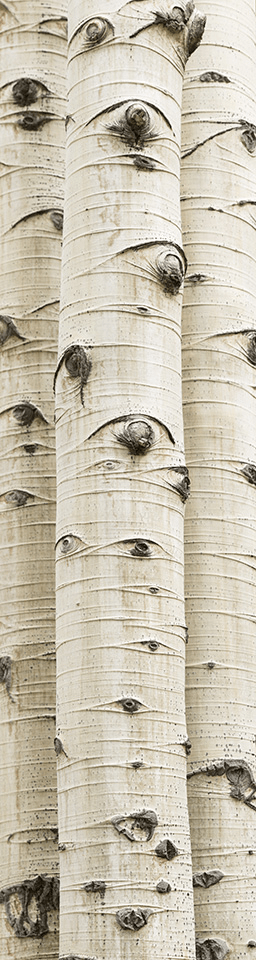
Developing any craft is all about practice. As a photographer, my practice regimen revolves around my eye. I believe the photographer’s eye is the most critical component of the trade, it’s what defines our style and reveals the true artist within because it’s a mixture of our creative mind, our photographic knowledge, and our soul. From the beginning I’ve followed the call of my creative intuition but it’s taken years to understand its message. My eye has a unique perspective and through trial and error I’ve learned to interpret its vision of the world. Allowing it to function freely and learning the conditions that maximize its abilities have been critical to this process. As I’ve become more in tune with my eye, I’ve seen my work improve dramatically and my artistic style take form. It’s also opened a window into the self and helped me understand why I do what I do.
Justin, before we move on to more of these sorts of questions, can you take some time to bring our readers up to speed on you and what you do?
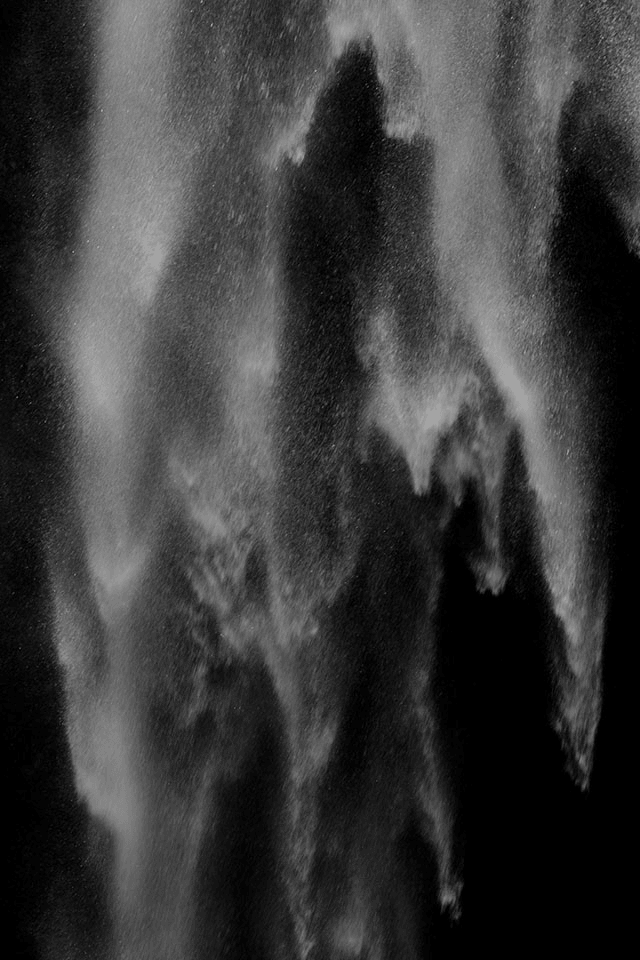
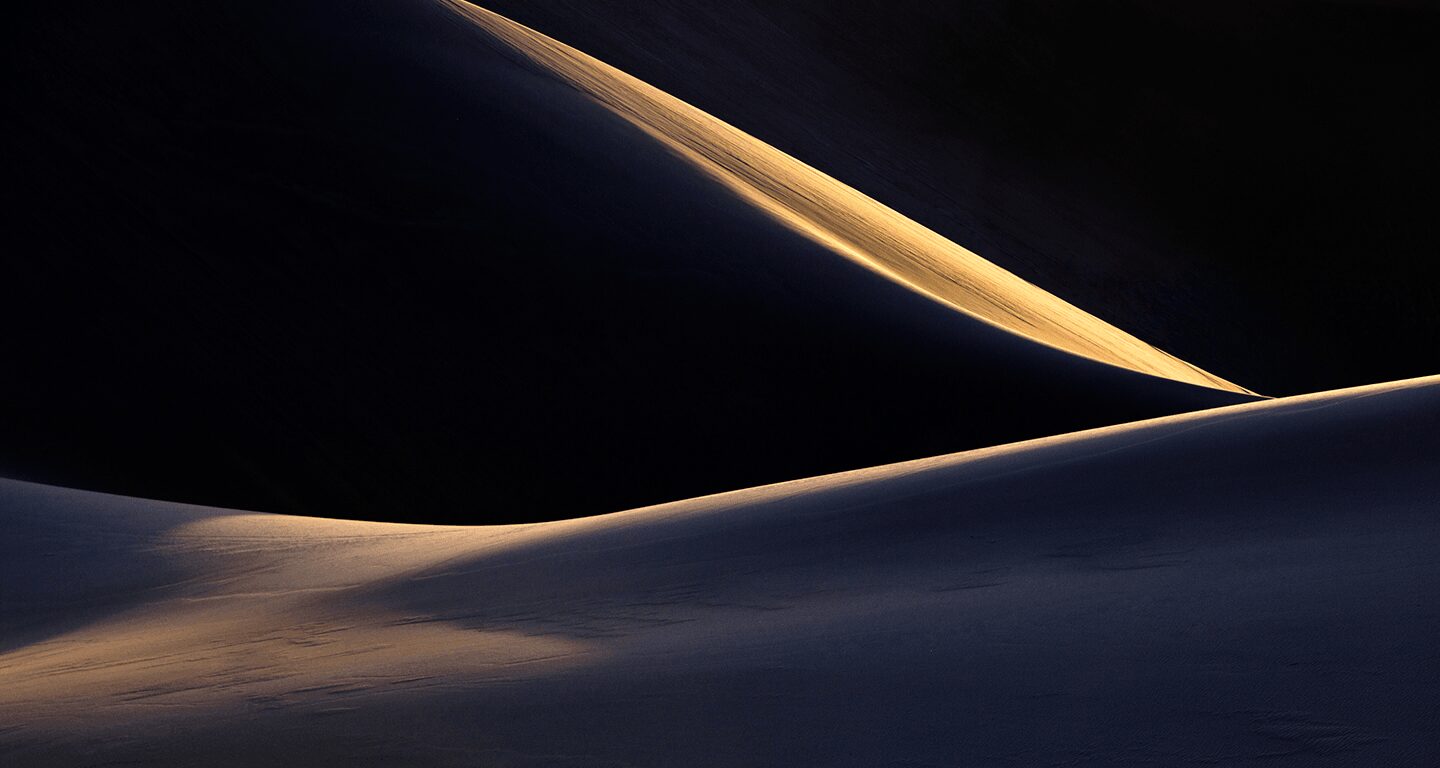
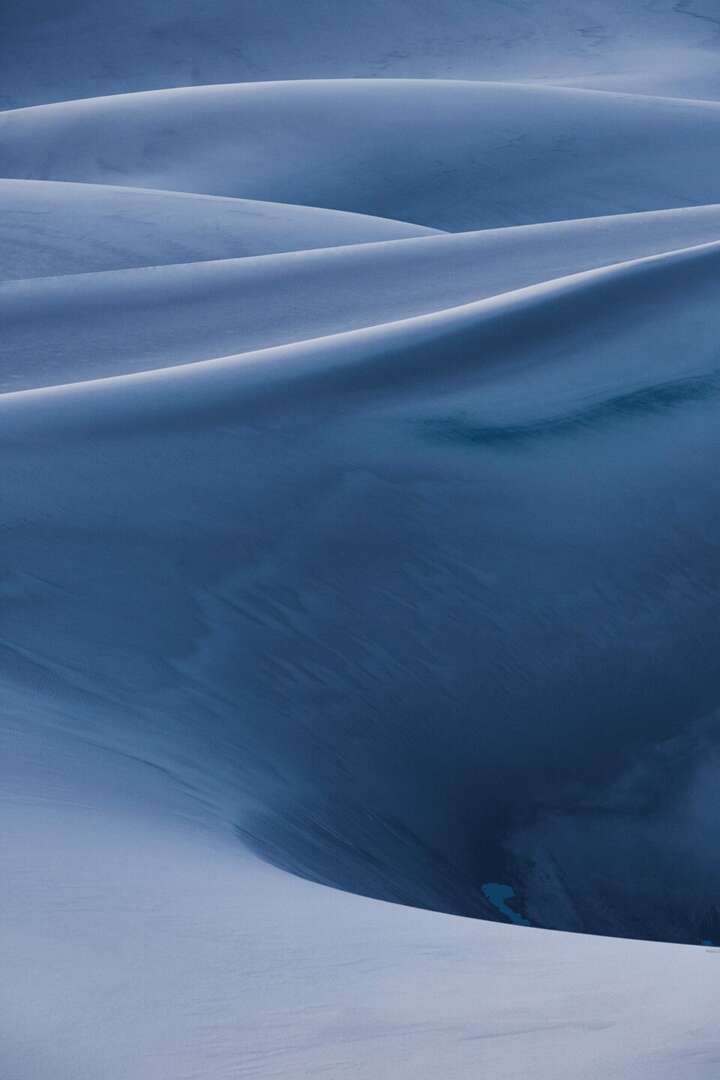
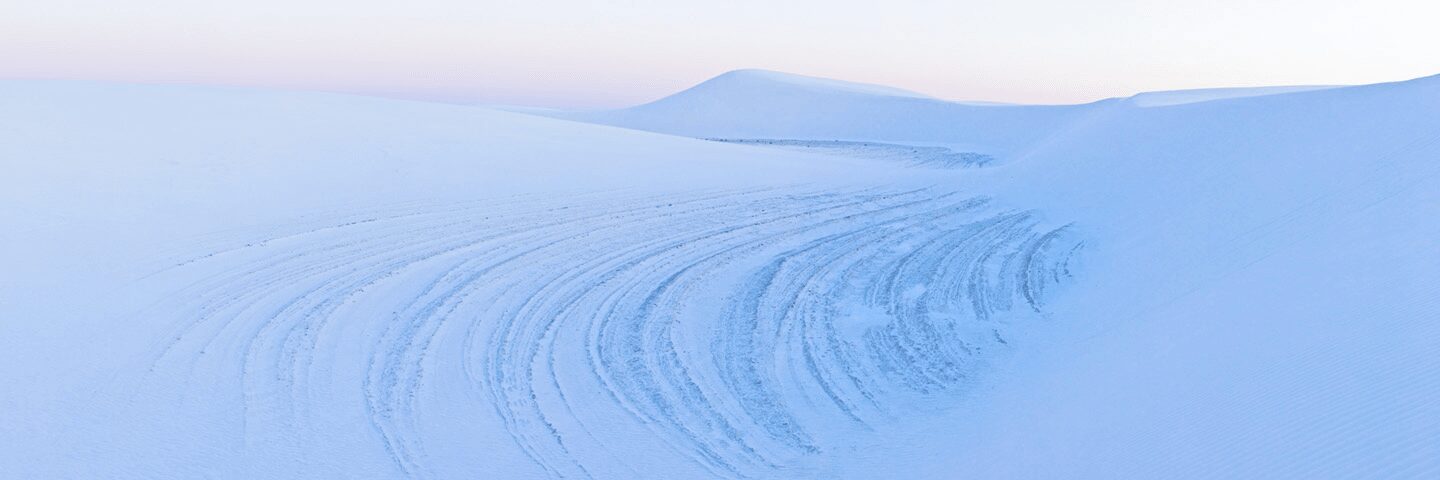
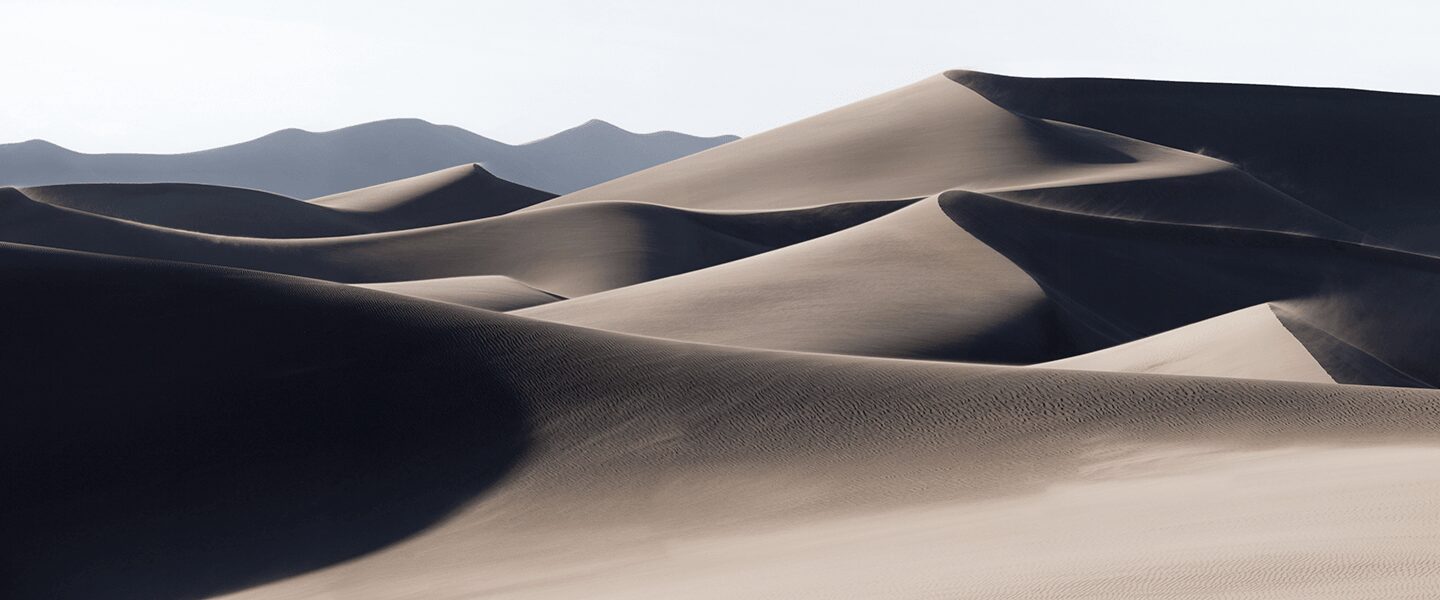
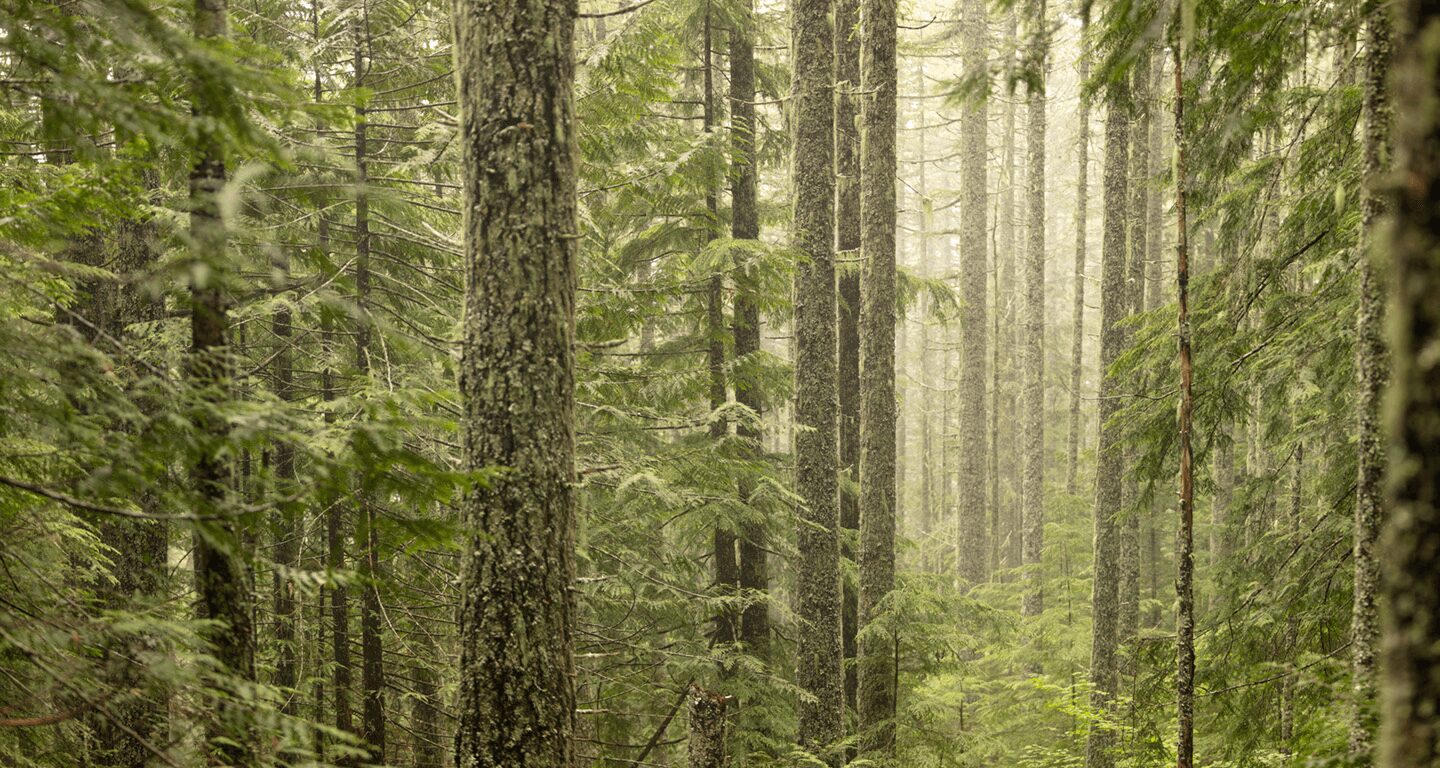
I was born and raised in Green Bay, Wisconsin. From a young age I was fascinated with photography and at the age of 12 I bought my first camera. This passion followed me into college where I graduated with a degree in photography from Northern Michigan University. I dipped my toe into a number of pools before officially dedicating myself to fine art landscape photography around 2014. My work is all about the healing aspects of nature. I believe nature is a powerful source of balance and can dramatically benefit the lives of those who spend time with it. My work seeks to harness this calming energy to provide an escape from the home as well as inspiration to seek your own experiences in the great outdoors. I’ve developed three series on top of my landscape portfolio that all represent lessons I’ve learned through my time in nature. Nature has provided me healing from grief, insight into mortality, and inspiration to embark on a journey toward inner peace and each body of work helps to share my message with the public. I’ve always followed my eye and have used it to offer a unique perspective on the world. By focusing on the details of the landscape and capturing its etherial essence I hope to provide a fresh vision of the natural world and highlight the eternal elegance of Earth so we can all start seeing the world in a new, rosy light.
How can we best help foster a strong, supportive environment for artists and creatives?
I think as a society we need to place more value on creativity. I think this trait is starting to fade from the mainstream and we’re rewarding those that give us what we want instead of taking the risk of offering something new. What’s needed is a revitalization of curiosity. Artists are doing incredible work all around us but the beauty of creativity exists below the surface. If you see something that intrigues you, feed that curiosity and ask questions, do research, embrace the work on a deeper level. I think people have become fearful of asking questions because it shows they don’t know something and don’t want to appear dumb. Creative work is meant to extend the frontier of the known and generate new perspectives, it’s meant to produce questions so don’t be afraid to ask them. The greatest way to support the arts is to engage with them. Dive into the work you love and not only will you love it more but you will encourage the creator to continue what they’re doing.
Is there something you think non-creatives will struggle to understand about your journey as a creative?
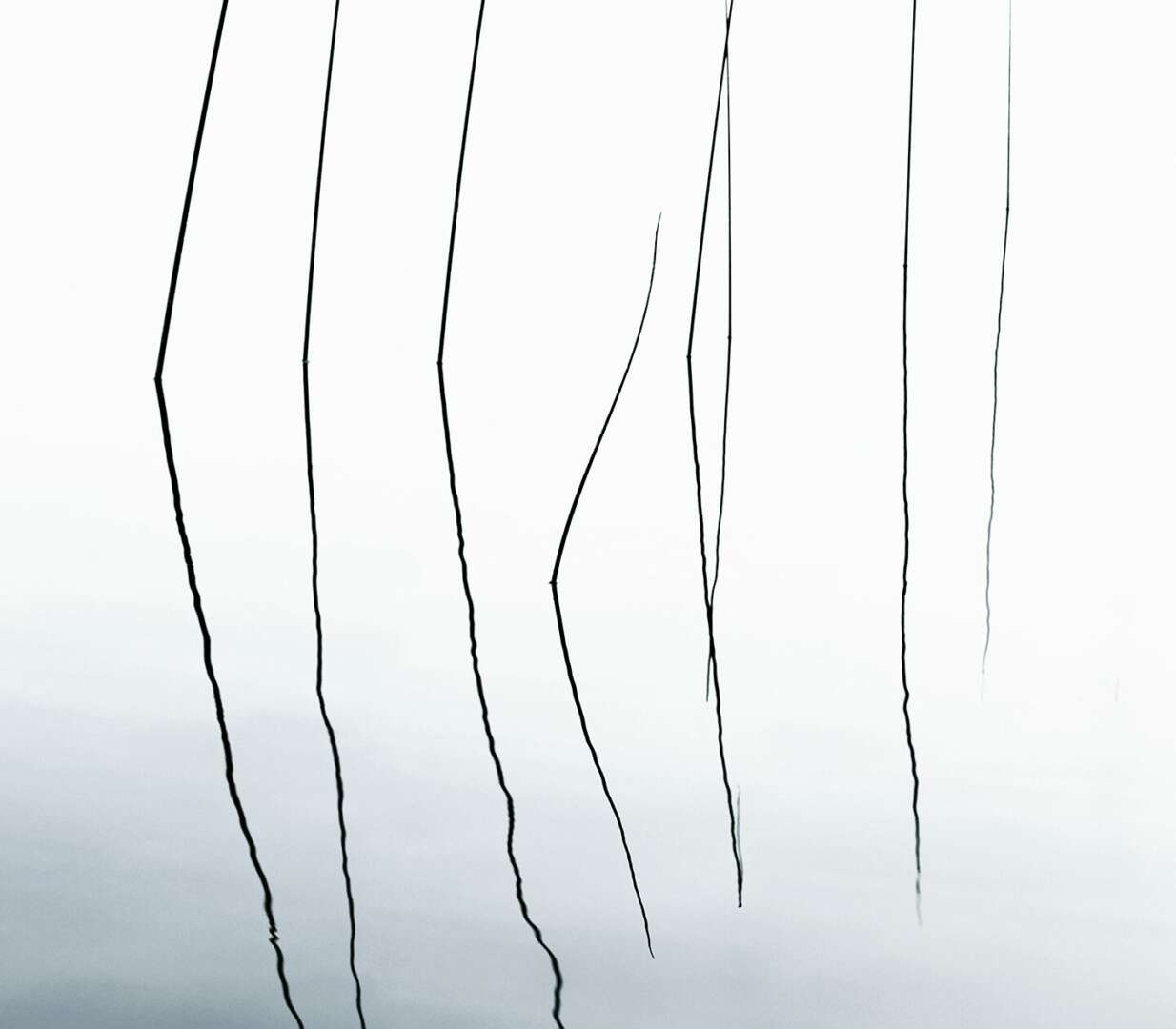
I’ve been in a long standing pickle with photography as an art form. I think a major obstacle for the craft is its reliance on reality. My work is meant to harness the peace of nature and I’ve attempted to achieve that by focusing on the beauty of the landscape rather than its specific location. For me, the message is that we can find beauty in all aspects of the landscape rather than just dramatic conditions over a grand vista. No matter how abstract or minimal a composition is, because it’s a photograph, it has a location or a subject matter that exists in reality and the inevitable question of where arises in most conversations I have. I always find this question turns the conversation away from the true purpose of the work because people are trying to make sense of what they’re seeing rather than how it makes them feel. This problem is unique to photographers because we operate within the realm of reality where as other mediums can dip into the imaginative abyss. What becomes of a blank canvas is ultimately the control of the creative mastermind slathering it with paint but the vision of a photographer will always be handicapped by the plain of reality. My goal is to offer a perspective that transcends reality but because I’m working with a camera this hurdle has been a tough one to overcome.
Contact Info:
- Website: https://www.justinkeyphotography.com
- Instagram: https://www.instagram.com/justinkeyphotography/?hl=en
- Facebook: https://www.facebook.com/JustinKeyPhotography/?ref=aymt_homepage_panel
- Linkedin: https://www.linkedin.com/in/justin-key-photography/