



We caught up with the brilliant and insightful Justin Isaac a few weeks ago and have shared our conversation below.
Alright, Justin thanks for taking the time to share your stories and insights with us today. It’s always helpful to hear about times when someone’s had to take a risk – how did they think through the decision, why did they take the risk, and what ended up happening. We’d love to hear about a risk you’ve taken.
I feel like my life path has been very circuitous, never straightforward. By the time I started walking the path of being a full-time creative professional, it was my third career. I had already had a career in the corporate world, then later I attended graduate school and earned my Masters degree. All the while I continued to work while I was a student. When my wife and I decided that I was not going to continue on to PhD work as I had planned, we had to adjust our expectations and I had to adjust my career goals once again. I had already made some connections in the commercial photo industry through a network of mutual friends. I started reaching out relentlessly to those contacts in order to try and get work as an assistant. It was arduous and difficult and in truth, sometimes humiliating. I say humiliating because I knew I was starting all over again. I was going from wherever I was in my career, having a Masters degree, and having spent much of my life operating at high levels and being in rooms with high-level individuals to now having to start from the bottom in a new industry with people I didn’t know and who didn’t know me, with a peer group who were just starting their careers. I think this is what drove me to be absolutely unrelenting in my drive to find work and experience. Since I had Photoshop skills, my first gig in the industry was as a retoucher for one of the local commercial shooters in town. From there I connected with some of the other photographers in his studio and started assisting. Then I got in with a crew as third assistant and that kept me busy as well. I worked my way up from the bottom to eventually running lighting and small crews for large photo shoots. I started digital tech work as well, which leveled up my day rate and my skill-set. All the while I was working on my craft of shooting, getting my portfolio together and trying to figure out my style and what I wanted to shoot and what kind of clients I wanted to focus on. I started directing too, getting my reel in order so that I could pitch myself to clients looking for that kind of work. Oh, and I never gave up my relentless drive to network, network, network. I knew that without the people and relationships, my career would go nowhere.
When I decided that I was going to cut off the assisting work, I felt ready to take on the new risk of getting work as lead photographer. In truth, I think this leap is harder to do than actually breaking into the industry and probably a whole other story! For me, taking a risk meant starting a third career when I had already spent years building my skills in other areas. I also had a kid and my second one was born while I was already an established freelancer. So having a family made it harder as well. All-in-all it ended up working out for me, and for that, I’m deeply thankful.


Justin, love having you share your insights with us. Before we ask you more questions, maybe you can take a moment to introduce yourself to our readers who might have missed our earlier conversations?
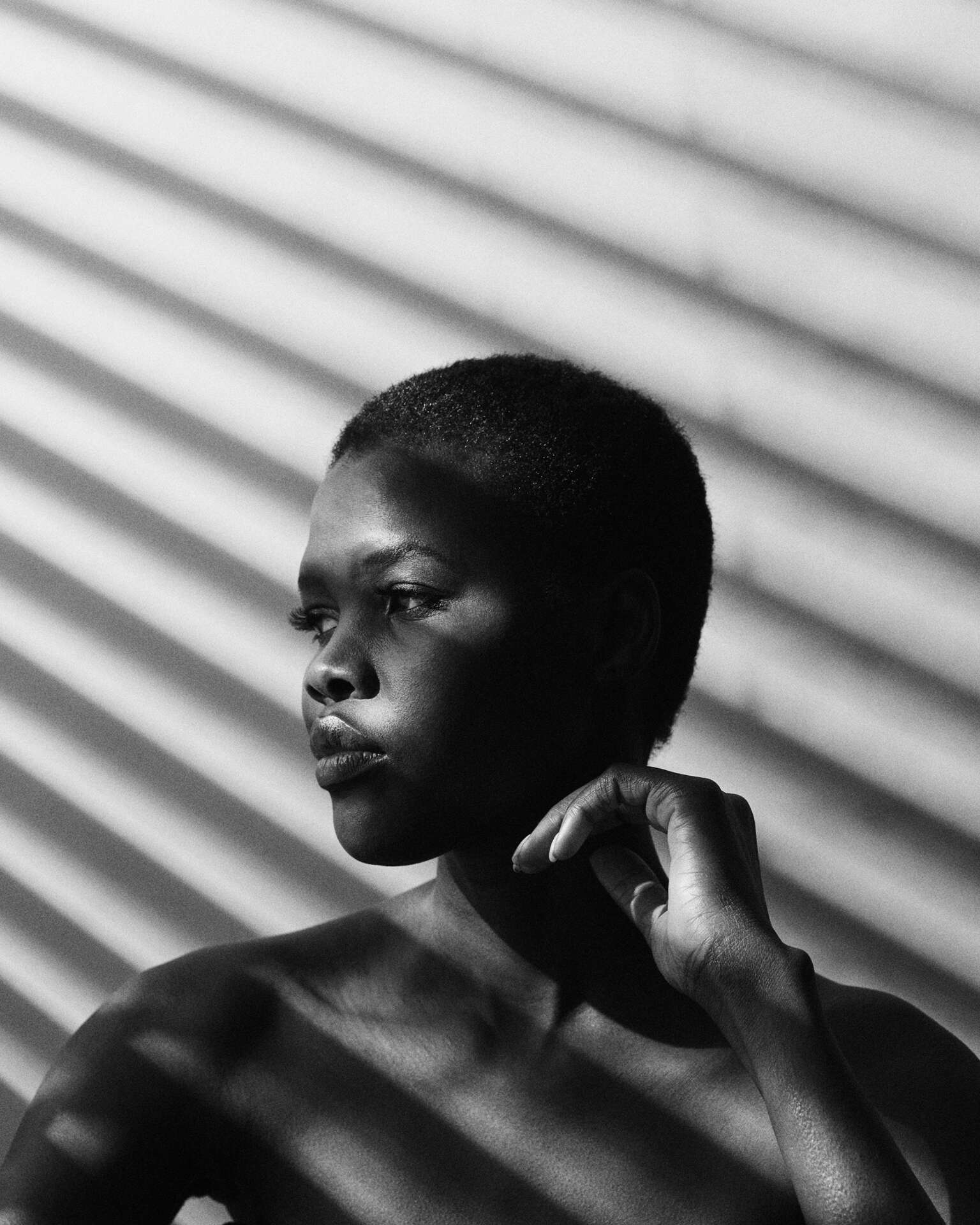
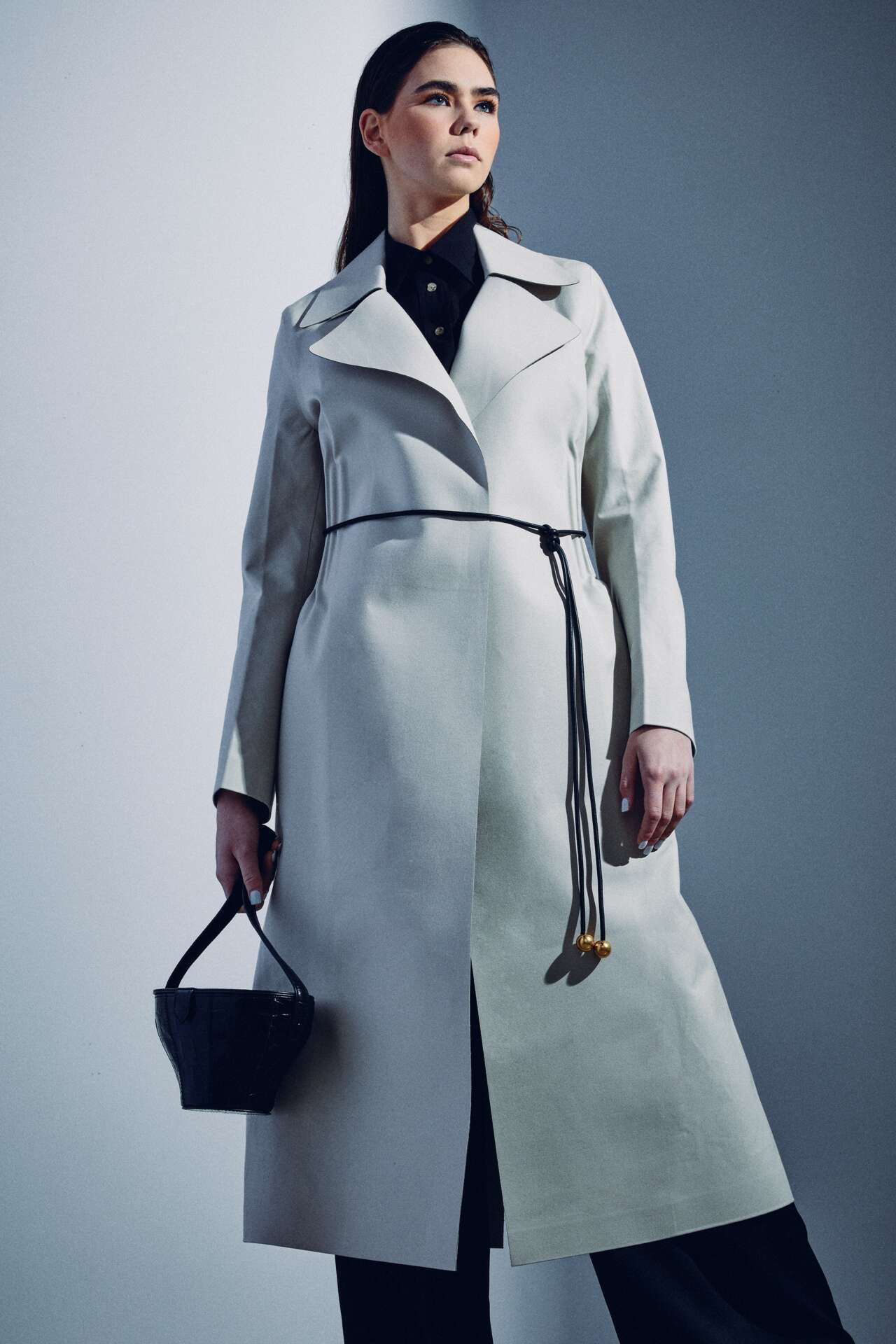
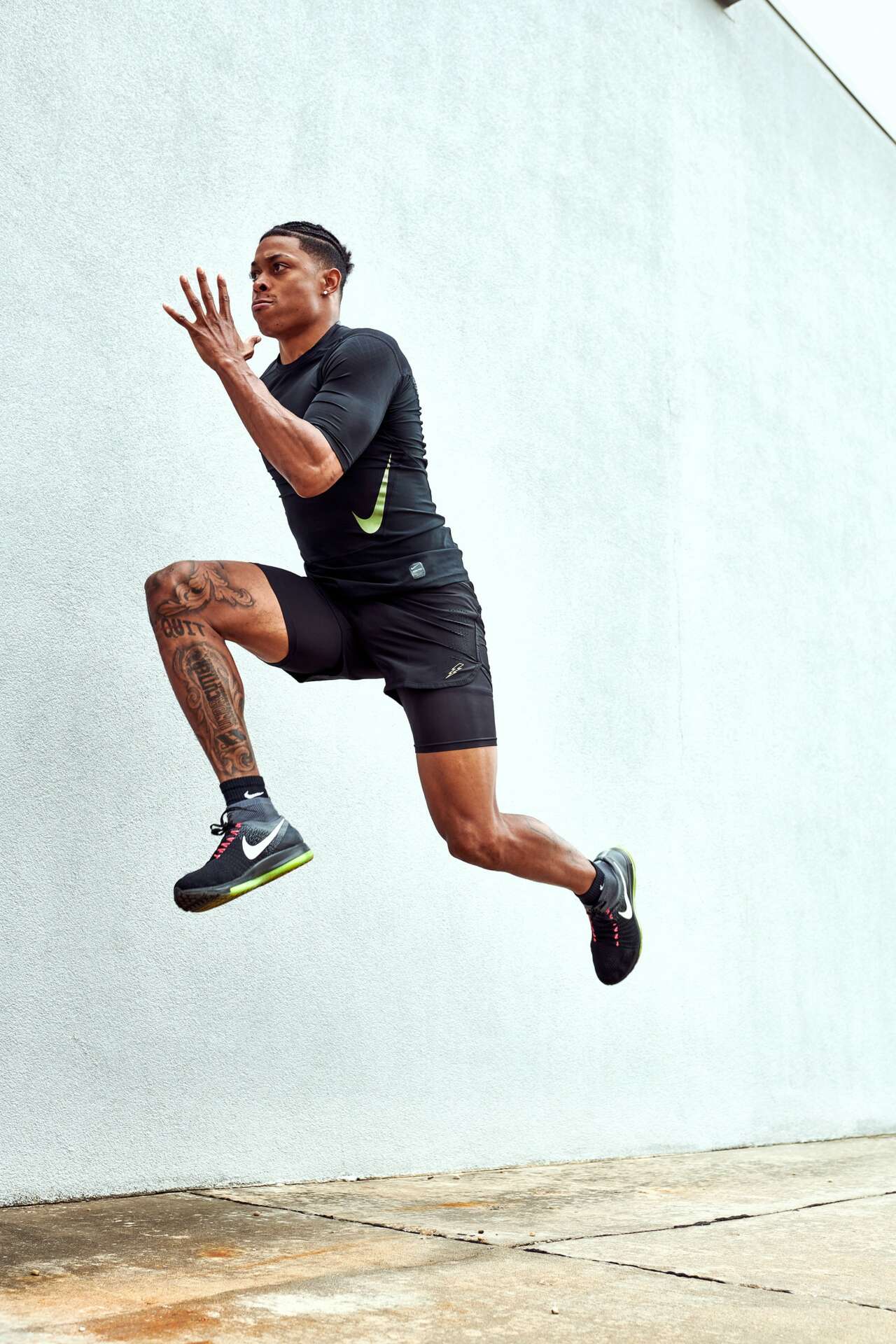
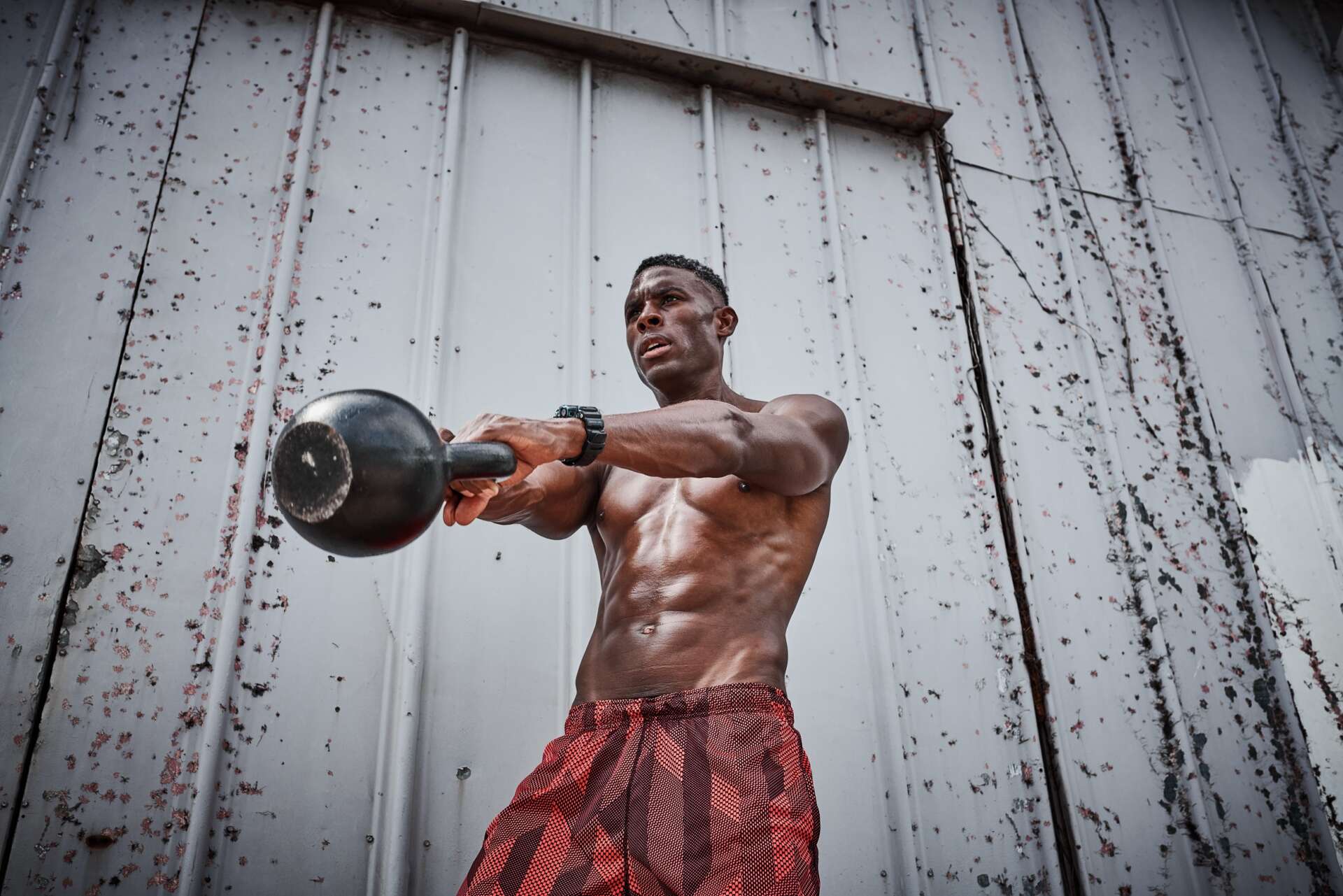
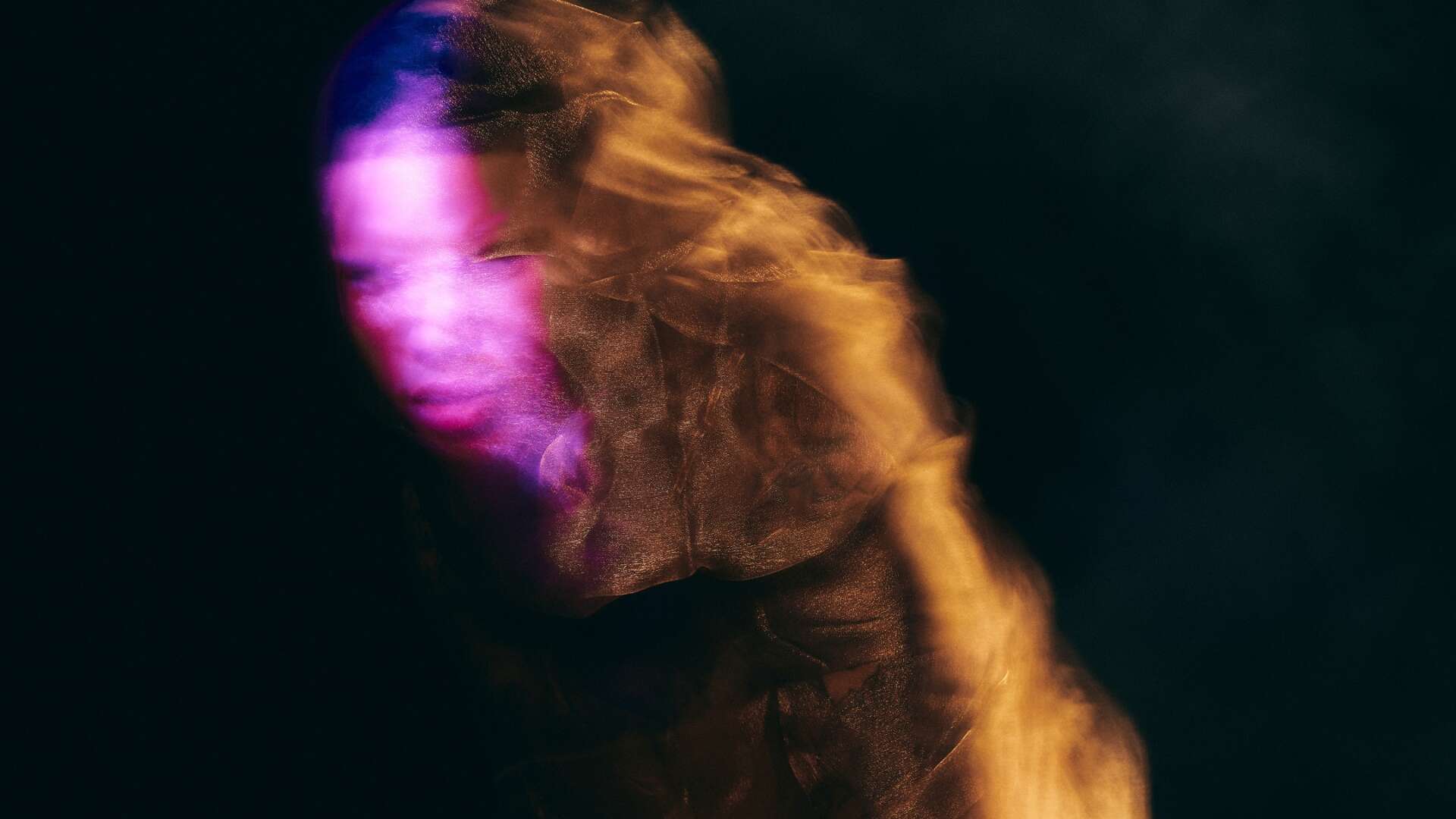
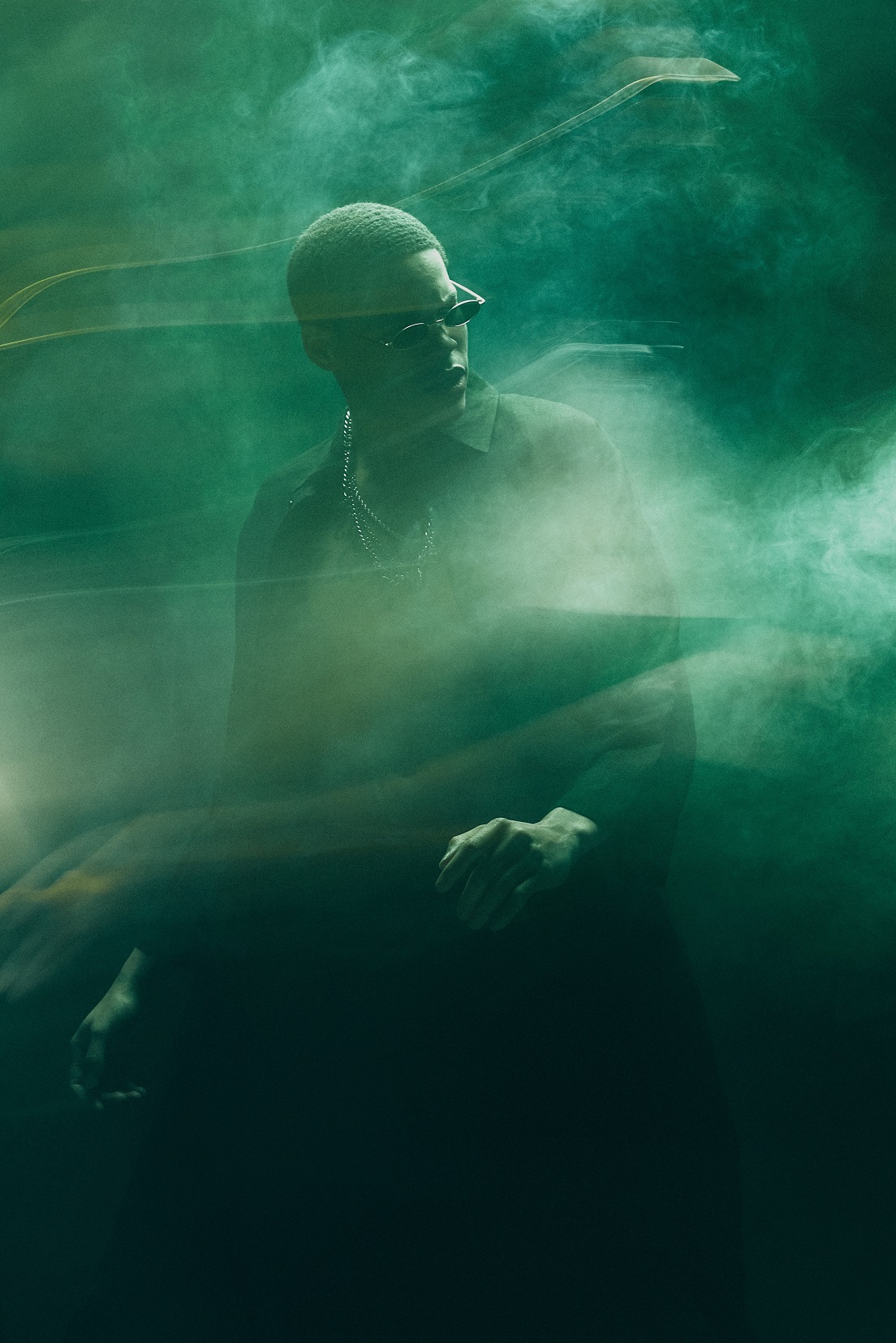
I am a photographer and director. Those are two distinct skill-sets that allow me to bring various solutions to my clients. On the photography side, I am able to capture singular images in order to sell a product, capture an emotion or movement, or even tell a story in a single frame. Being a photographer means I have expertise in both camera work and lighting, such that when my clients show me the inspiration for their shoot, I know how to translate that into my production and creative workflow to achieve what they need and maybe even surprise them with what they didn’t know they wanted. Being a director is different, in that now we are working with moving images and my job is more discreet than being a photographer. Some of the skills definitely overlap, but when I’m a director, sometimes (depending on the job) I will have a director of photography who is more analogous to a photographer in that they are running the camera and lighting. As a director, my job is to focus more completely on what is in front of the lens, capturing performances, finding interesting angles, making sure we are staying on schedule and that we are getting absolutely every shot we need on time.
Before the shoot even starts, as a director and photographer you are often pitching your idea to your client, working through technical problems that might crop up during shooting and helping your client understand how their script is going to translate to being on film. I think what I’m most proud of and what I’d want people out there to know is the network I’ve been able to build through my years of working in the industry. It truly takes a tremendous crew of individuals coming together for the common goal of achieving a vision that doesn’t originate from them, but who will care for it as though it was their own. And these are the type of people that I work with on a regular basis. Conscientious, creative, and collaborative, I know that when I have a big job coming up, or need to solve a difficult creative or technical challenge on set, these people will be right there helping me succeed for our client and deliver a product that everyone can be proud of.
In your view, what can society to do to best support artists, creatives and a thriving creative ecosystem?
As a society I think we are saturated with the “creative economy.” In my opinion, the over-saturation of imagery on social media gives many people the impression that achieving results as a creative professional is easy. I will say this about social media — most of the influencers out there are their own “client.” In other words, they are doing it for their own brand. I think any artist can tell you that when you are doing work for yourself your motivation is of a different quality than when you are doing client work. Not that being and staying motivated is easy when you are an artist or influencer — far from it! But, it is qualitatively different when you are doing it for yourself then when you are trying to achieve something for a client who might have a different perspective than you and who asks that you lean into their perspective and take it on. Certainly, clients want to hire a creative for the style and perspective you bring, but it is still a creative idea that does not originate with you as the artist. Many times, I would say most of the time, creative agencies will have an entire creative deck that they present to you and then they say “make it happen.” In some instances you have input, in others, you don’t other than how you plan to achieve it on camera. All of the time you have to put your negotiating skills to the test in order to politely say “how about we do this a different way?” Your client may see it your way, but then again they might say no. Sometimes it is an idea you are excited about, other times not so much. But work is work and my job is to bring all of my creative energy to a job no matter what. This is what a client is hiring me for.
All of this is to say, as a society and industry, we need to understand the value of creative professionals who are able to achieve a brand’s vision as if it was their own vision. Not everyone with a camera can do it. I think probably most can’t because they don’t have the negotiating skills, or lack the discipline to deeply understand a brand’s concerns and who they are trying to reach. More than this, I should mention that much of our work is not with a brand directly, but with creative agencies, which adds an interesting layer of complexity. We tend to think of ourselves as “the creative” but with a creative agency, they are “the creatives” and you are a vendor who is part of their workflow in order to bring their vision to an audience and achieve something for their client. In this scenario, your “client” is not the brand, but the agency. You are negotiating a production with other creatives who see themselves as “the creatives.” You can see how tricky this can be to manage.
With social media being so integral these days, more and more smaller brands are going directly to creative professionals. In my experience, these brands, often startups, don’t understand the value of creative work and severely underestimate the work involved and as a result, undervalue it. In the end, any brand will be able to find anybody with a camera willing to work for cheap. This makes our job as creative professionals harder because we have to start our work by convincing stakeholder’s that what we do is worth the investment. Whereas person A says they can do it for less, we need to hold fast to our worth and not devalue the work that we do. As a society, we need to understand that the full spectrum of the “creative economy” is not found on social media. It’s always more complex than the highlight reel and there are services available that social media can’t capture. Many of the ads on social media are an example of this as they are produced by professional creative teams and not the influencer crowd.
Is there something you think non-creatives will struggle to understand about your journey as a creative?
Like any professional service, when we are working we make what we do look easy. So someone might ask, “why do I have to pay all that money for something that looks so easy?” This often comes up in various ways when talking to people who don’t understand the full workflow of creative work. What I make easy is the result of thousands of hours of experience. I know that business professionals and brand stakeholders can understand this because they know what it’s like to pour money and sweat equity into an idea that requires thousands of hours of behind-the-scenes work even before the first page of a website is launched. When I ask them to think about it from that perspective, it starts to make sense.
It’s hard for people who are uninitiated in the creative services industry to imagine that a photo or video shoot can cost just as much as a small construction project for just a social media spot. Broadcast spots are even more and can easily get into the hundreds of thousands of dollars. But think about all of the people involved, the expertise required, the sets or locations needed, talent fees, insurance, usage costs, agency fees, etc. It starts to make sense for people when you approach it from the perspective of a business owner, rather than just a “creative” who might have a cool style, but can’t communicate why it’s worth spending lots of money on what they have to offer and where actual cost-savings come from.
Contact Info:
- Website: www.justinisaaccreative.com
- Instagram: https://www.instagram.com/justinisaaccreative/
- Linkedin: https://www.linkedin.com/in/justin-isaac-200059168/
Image Credits
All images are owned by Justin Isaac, JDi Creative, LLC.