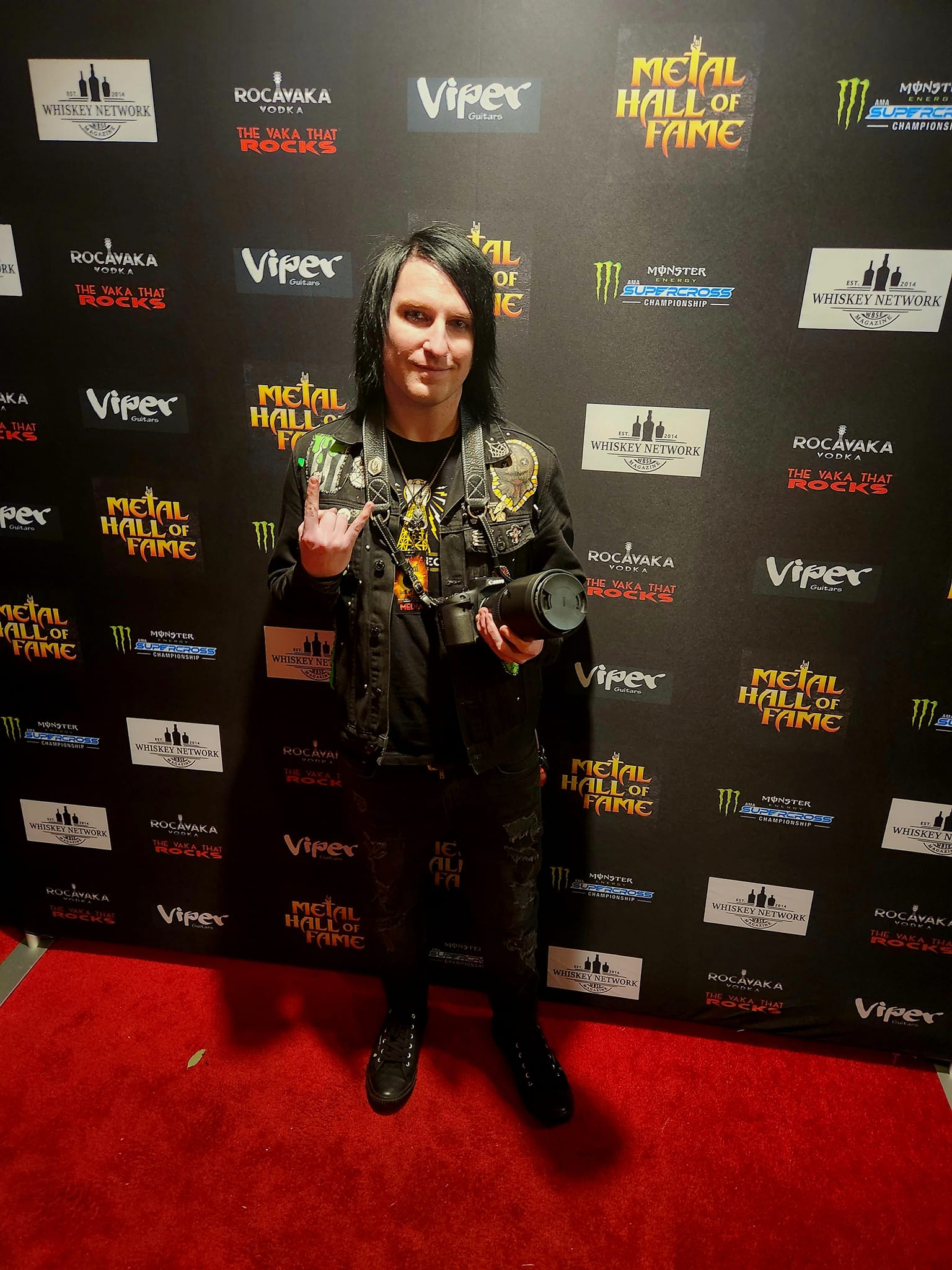

We caught up with the brilliant and insightful Justin Emord a few weeks ago and have shared our conversation below.
Hi Justin, thanks for joining us today. How did you learn to do what you do? Knowing what you know now, what could you have done to speed up your learning process? What skills do you think were most essential? What obstacles stood in the way of learning more?
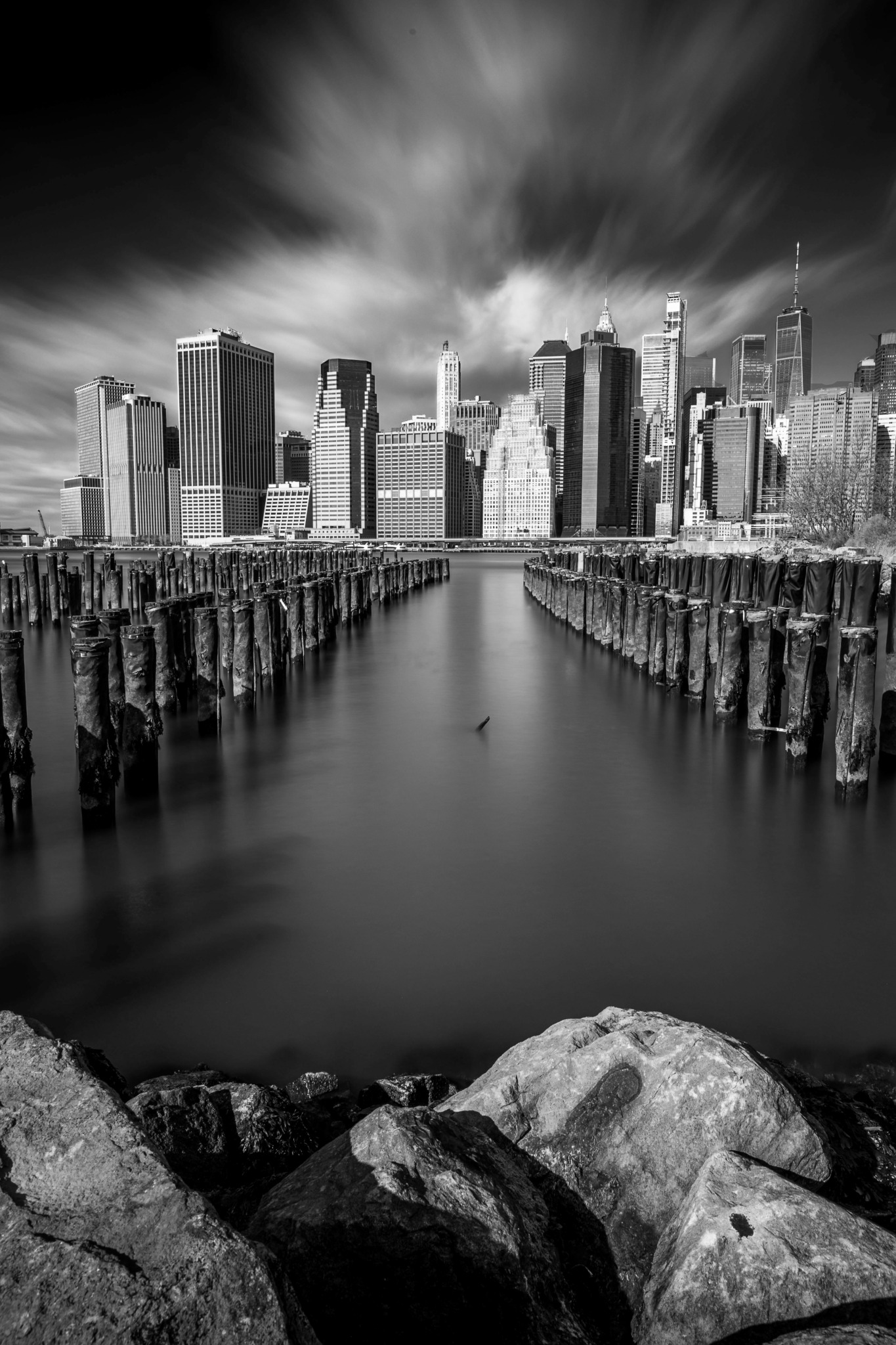
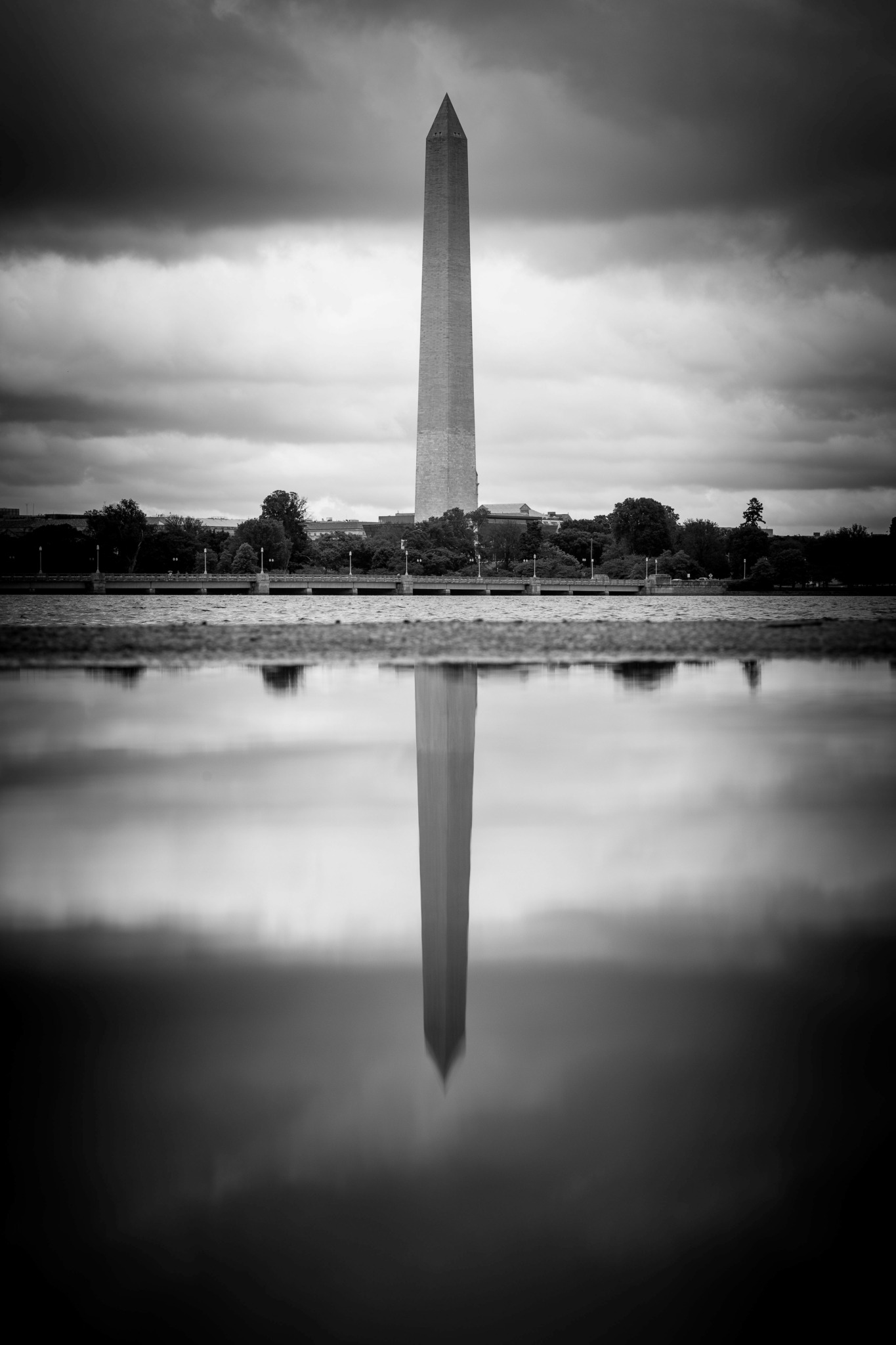
While I built a foundational understanding of photography through college coursework, I feel that my work truly began to evolve during the COVID shutdown. Having the time to deeply explore post-processing allowed me to develop a stronger sense of my photographic identity, particularly through experimenting with advanced editing techniques. The most essential skills I gained were various masking methods, which enabled me to shape and sculpt images, creating greater depth and a more dynamic visual impact than my earlier work. One of the main obstacles I faced was the lack of available subject matter during the shutdown. However, I used this limitation as an opportunity to focus intensely on landscape and astrophotography, taking advantage of the continued access to national parks for exploration and hiking.
Justin, love having you share your insights with us. Before we ask you more questions, maybe you can take a moment to introduce yourself to our readers who might have missed our earlier conversations?
My love of photography began during a vacation in Japan. The country’s natural beauty and attention to detail seemed to demand intentional framing and thoughtful composition, yet it also felt effortless to create striking, scenic images. Everything truly came together one night in Kyoto when my friends and I hiked through the Fushimi Inari Shrine. The way the lights illuminated the pathway beneath the torii gates created a compelling interplay of light and shadow that sent my mind into overdrive. Acting on instinct, I began shooting—and from that moment on, everything changed.
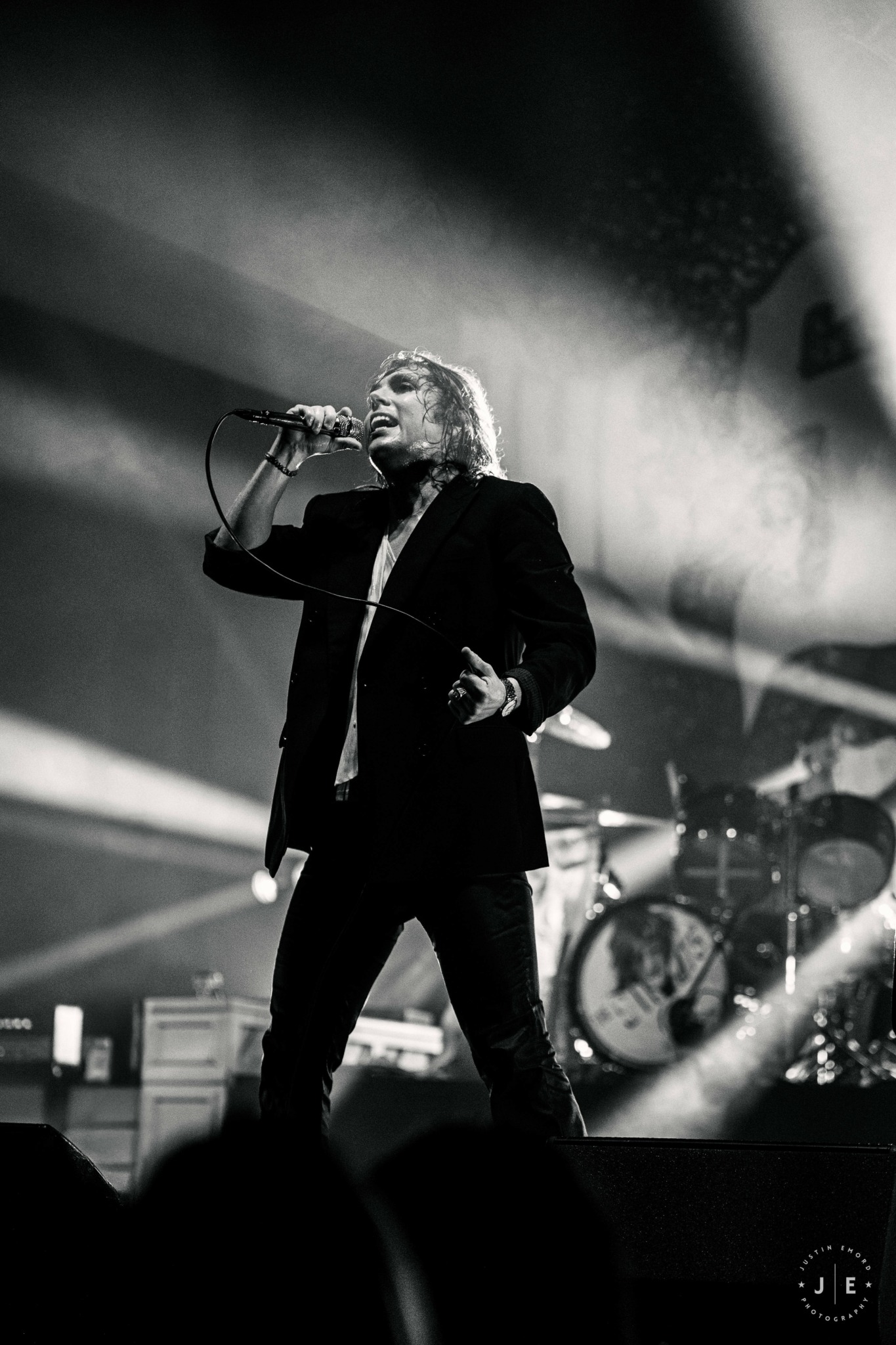
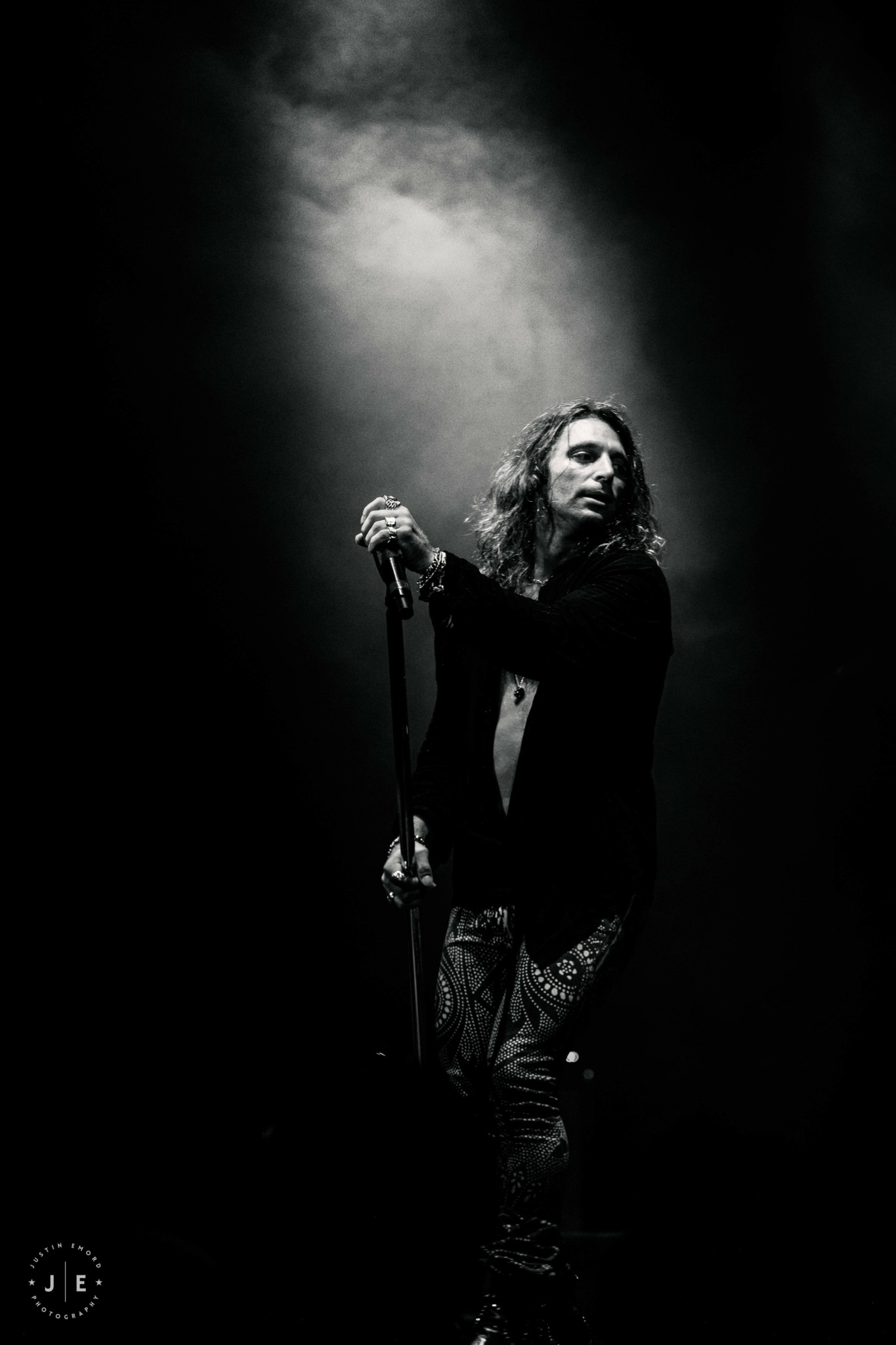
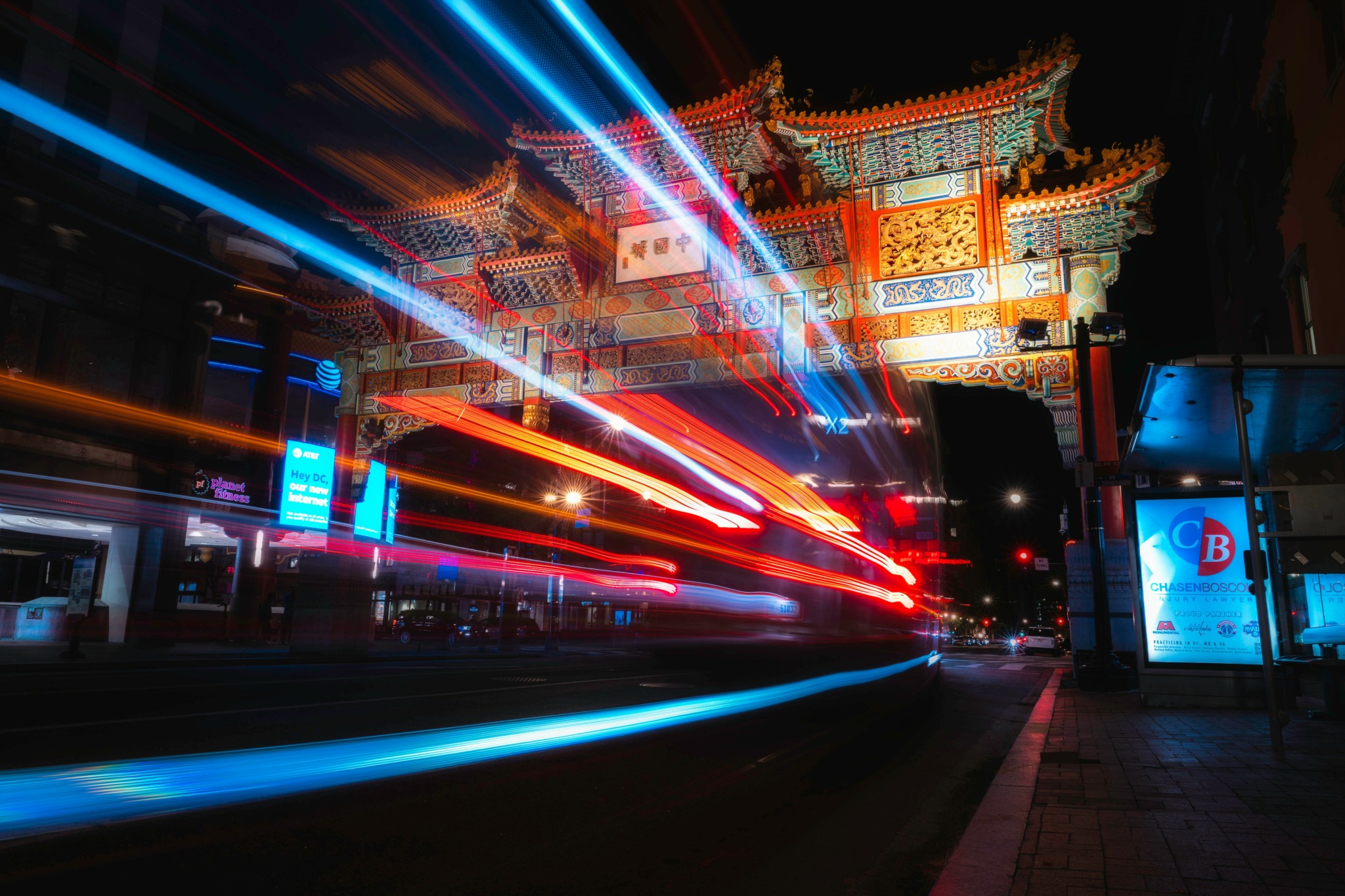
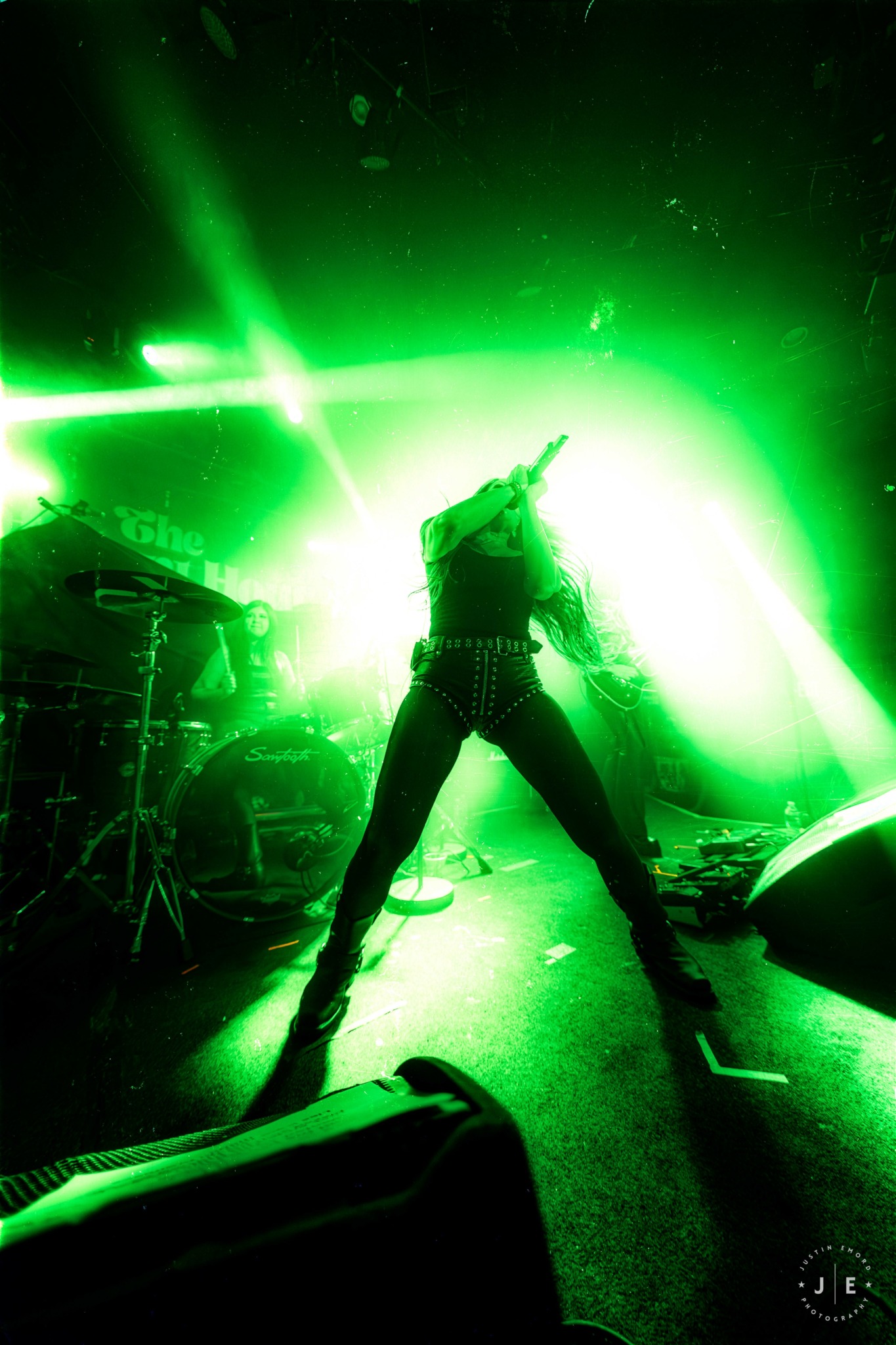
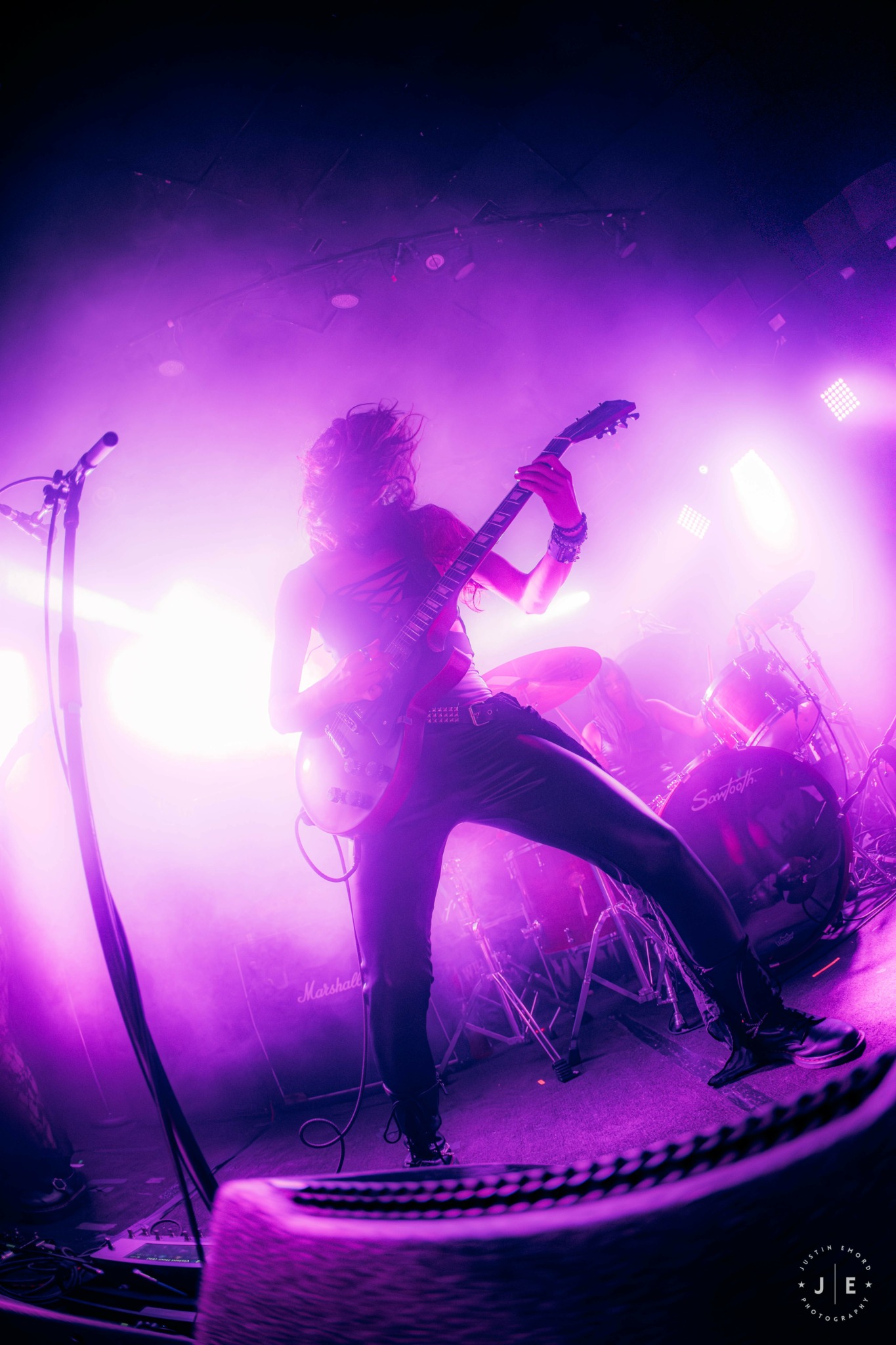
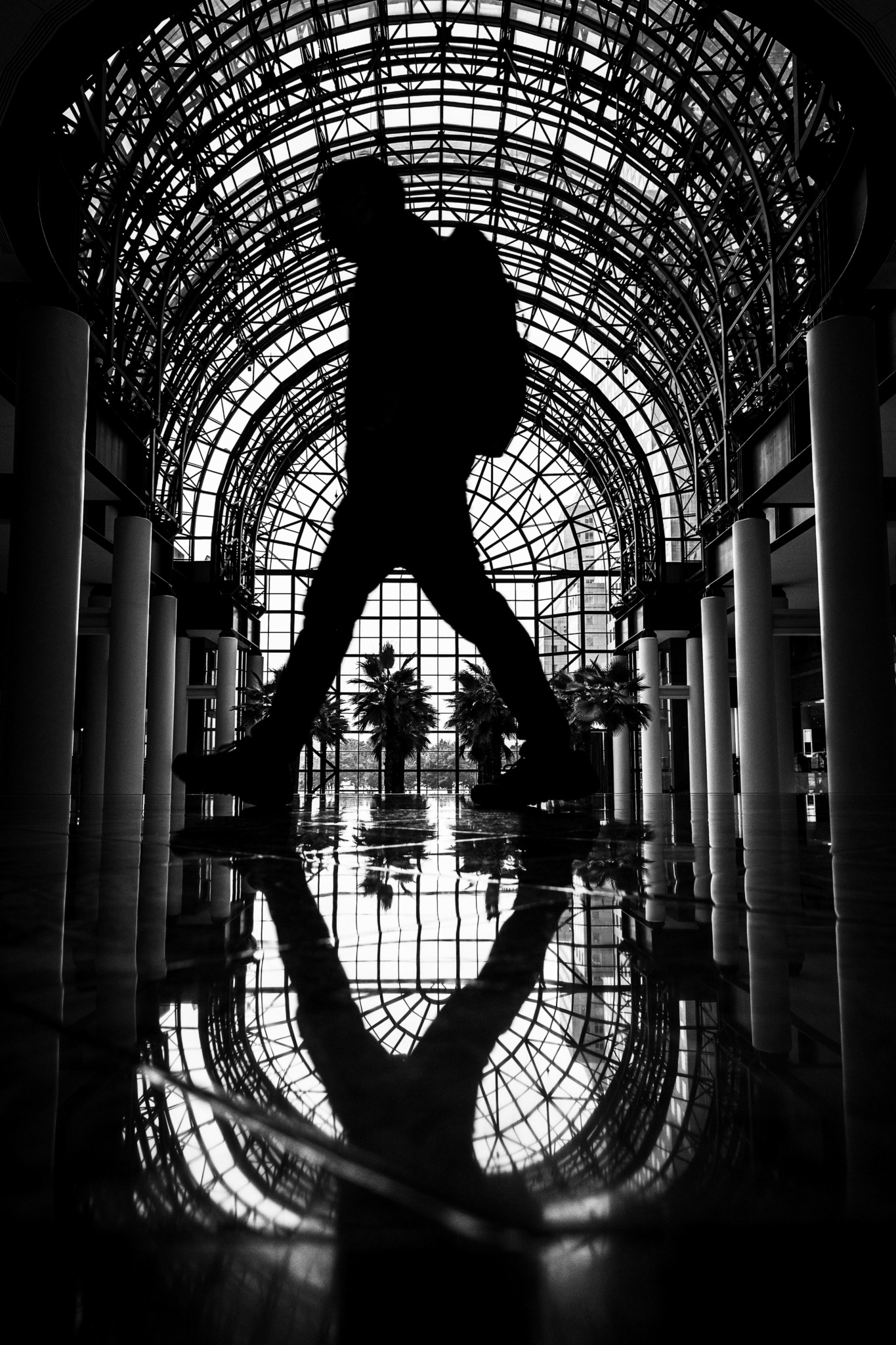
After returning to the United States, I immersed myself in the work of photographic masters such as Ansel Adams, who became a major influence on my landscape and black-and-white photography. As my skills developed and my interests expanded, I began exploring street photography, neon long-exposure cityscapes, and, most recently, concert photography. This has become a primary focus for me—an area where I have both thrived creatively and genuinely enjoyed collaborating with artists. Spending several years on stage myself, I understand how lighting changes as well as how I would hope a photographer would authentically capture the energy of my performances which I feel as helped me to be successful in this field.
For you, what’s the most rewarding aspect of being a creative?
The most rewarding part of the job is the validation that comes from a job well done. Delivering work to a client and receiving an enthusiastic response—especially to a specific image—never gets old. Capturing a split-second moment on stage where the action aligns perfectly with a burst of lighting that elevates the scene is an incredible feeling. It’s even more meaningful when an artist chooses to use one of my images as their profile photo on social media, trusting my work to represent who they are as a performer. Knowing that an image resonates deeply enough to become part of their identity is incredibly fulfilling—it truly doesn’t get better than that.
What can society do to ensure an environment that’s helpful to artists and creatives?
I think plain and simple; it’s to support them. In a world full of generative ai and ChatGPT taking over for convenience and frugality, actually choosing to hire creatives in any field is a very intentional decision to make and one that almost feels like one that needs to be celebrated. As creatives, we spend a lot of time honing our craft and fundamentals in order to then find our voice and unique perspective that outsourcing any of that to a computer model to do a watered down generic version of is just disheartening and a bummer. It’s more important now than ever for artists and creatives to band together and find community in each other as opposed to competition. A rising tide raises all ships so it’s important to all be pulling on the same side of the rope and also ensure we are supporting businesses that still see the appeal and perks of actually hiring artists and creatives to do the work that we do.
Contact Info:
- Website: https://justinemord.myportfolio.com/
- Instagram: @justin_emord
- Twitter: https://twitter.com/justin_emord