

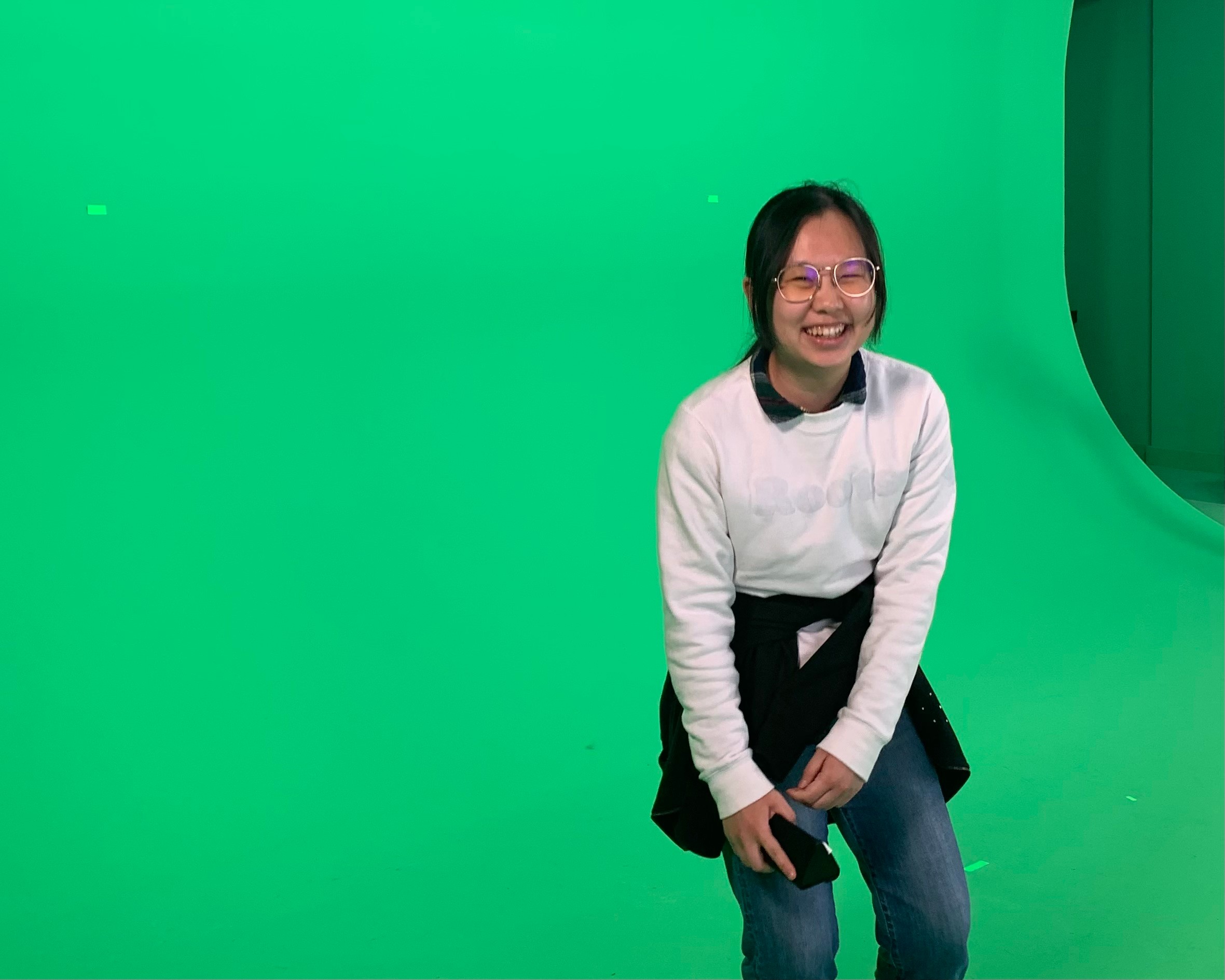

We recently connected with Jun Liu and have shared our conversation below.
Jun, appreciate you joining us today. Before we get into specifics, let’s talk about success more generally. What do you think it takes to be successful?
Success is a funny word, it is like trying to decide the perfect coffee order—everyone have their own opinions. But if we measure it in a purely materialistic sense, finance is undoubtedly the biggest factor.
Before even deciding to study art or pursuing a career in the animation industry, people around me had drill the stereotype of the starving artist into me. There is this prevailing feeling that only a fortunate few can “make it” in the creative fields and live a financially stable life solely through art. Luckily, I keep a close circle of delusional artist friends, who all seems to survive on oxygen, water, sunlight, and artistic fulfillment alone. Thanks to this shared sentiment, I grew up creating illustration without a care in the world.
During my time in art school, I held a naïve belief that materialistic success and stability automatically comes with hard work: I thought that if I worked tirelessly and dedicated myself to art, I could at least live comfortably, if not rolling in dough. What ultimately shifted my view is the massive ongoing layoffs across animation, VFX, and game companies that started in 2022. I saw multiple LinkedIn posts of senior artists affected by this challenging time for the industry, and it slowly led me to embrace that the nature of the creative industry is constant change. Measuring success based on material gain is unreliable even for the best in the field.
While this sounds like a grim conclusion—that life as an artist is bound to be unstable—those who are innovative and adaptable are going to thrive amidst the chaos. After all, the biggest asset of an artist is their creativity. The turbulent market in 2022 is a dear reminder that the ability to express my vision through unconventional ways is what draws (haha) me to this path in the first place. Flexibility is the secret sauce to longevity in the animation world.
Jun, love having you share your insights with us. Before we ask you more questions, maybe you can take a moment to introduce yourself to our readers who might have missed our earlier conversations?
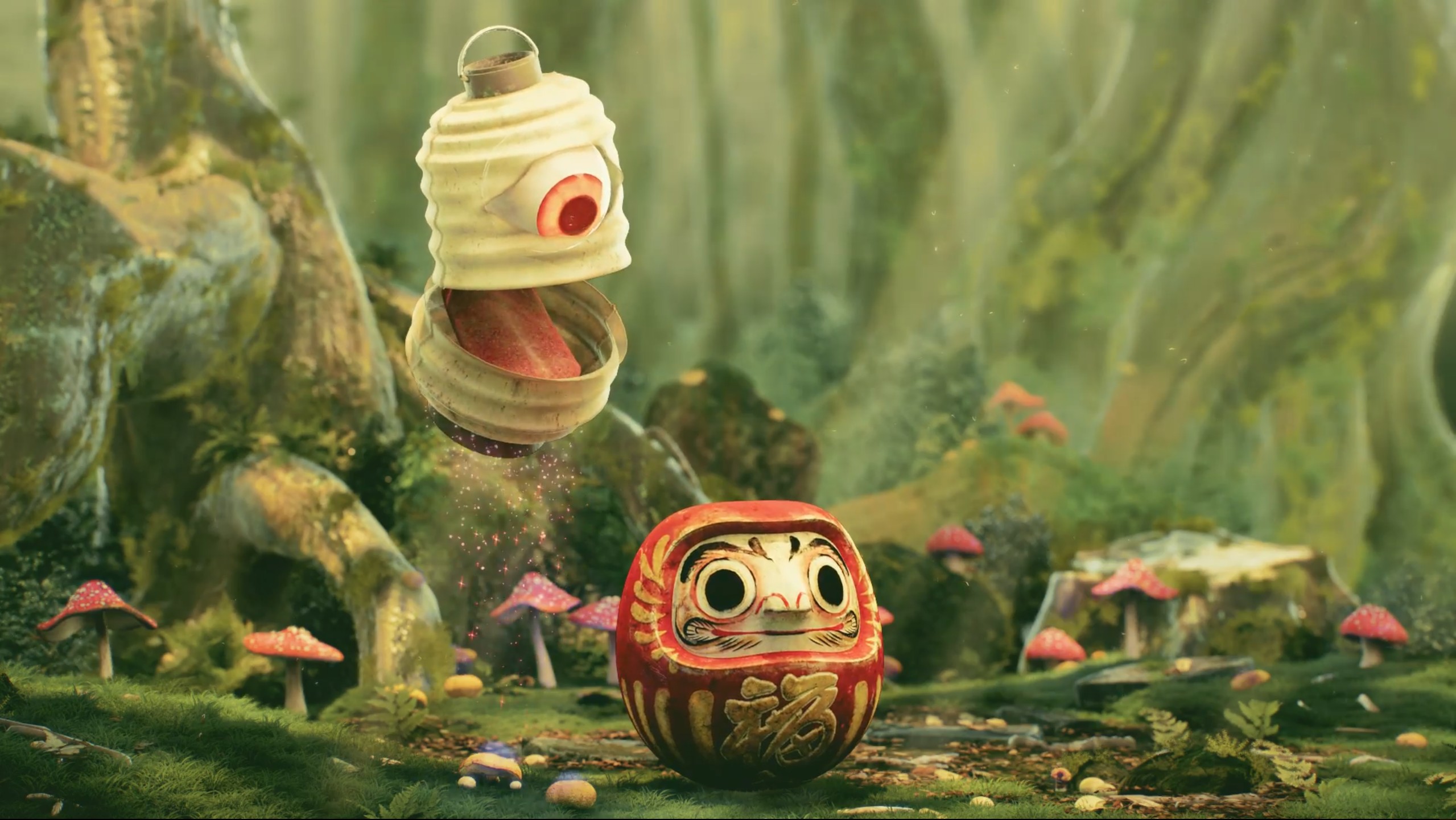
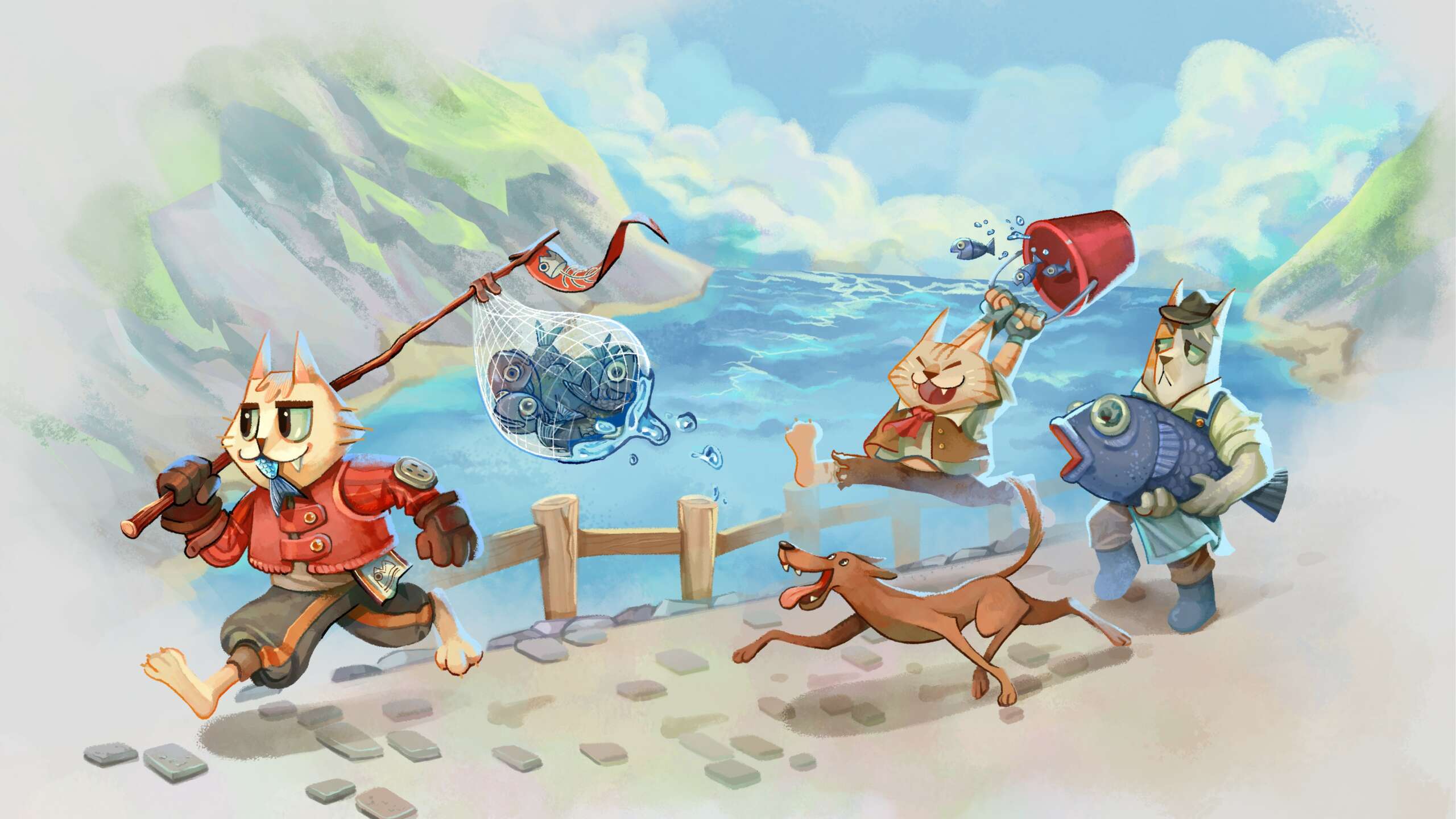
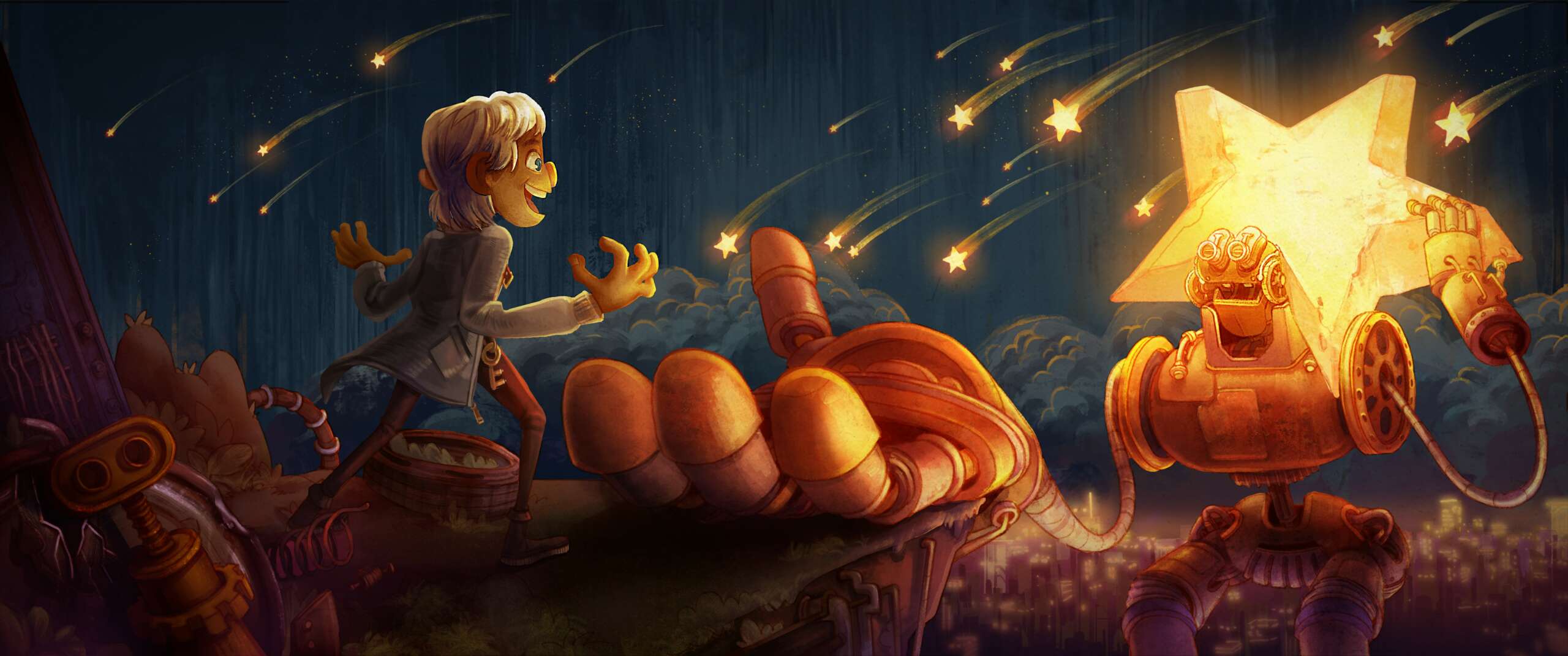
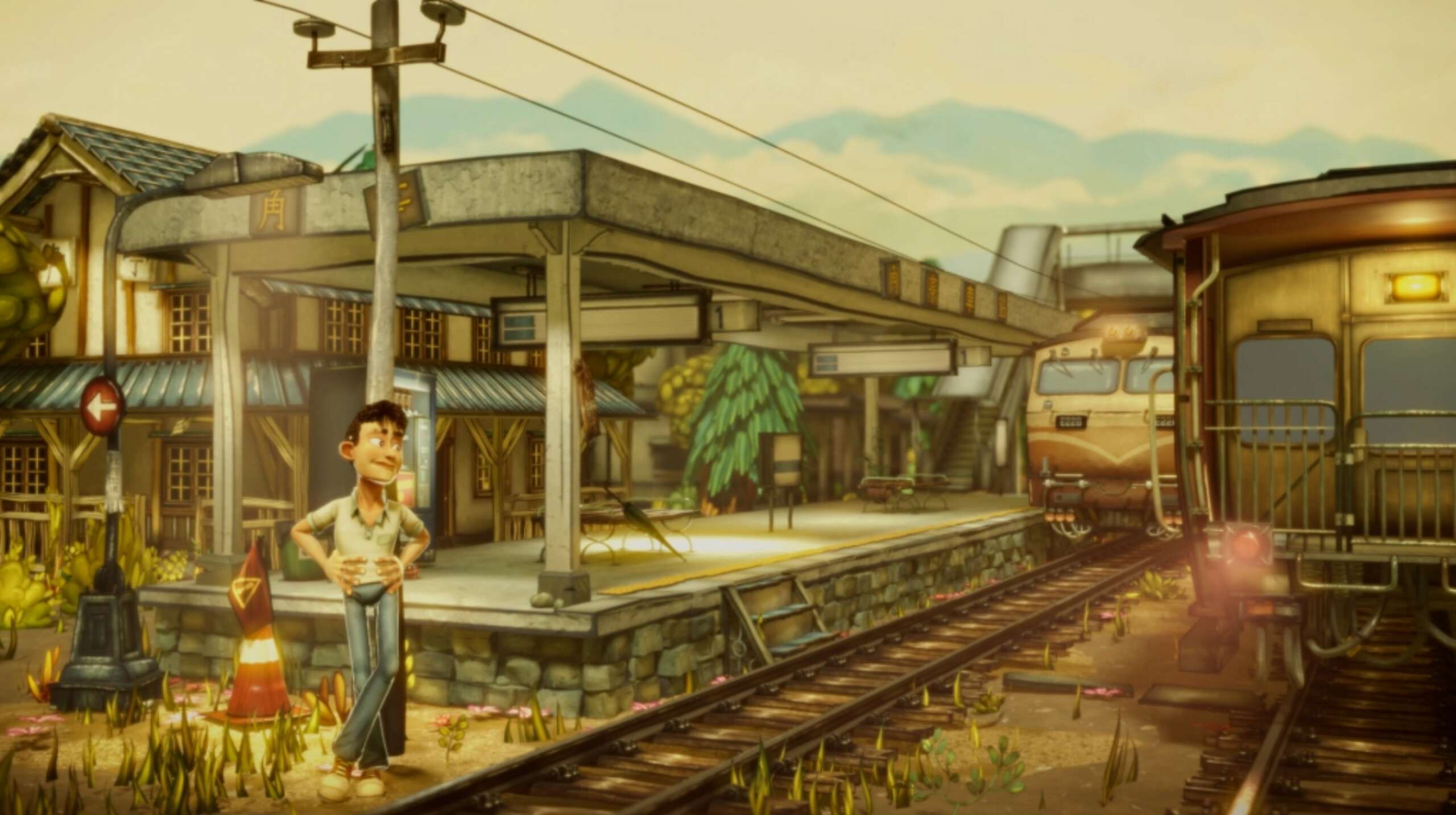
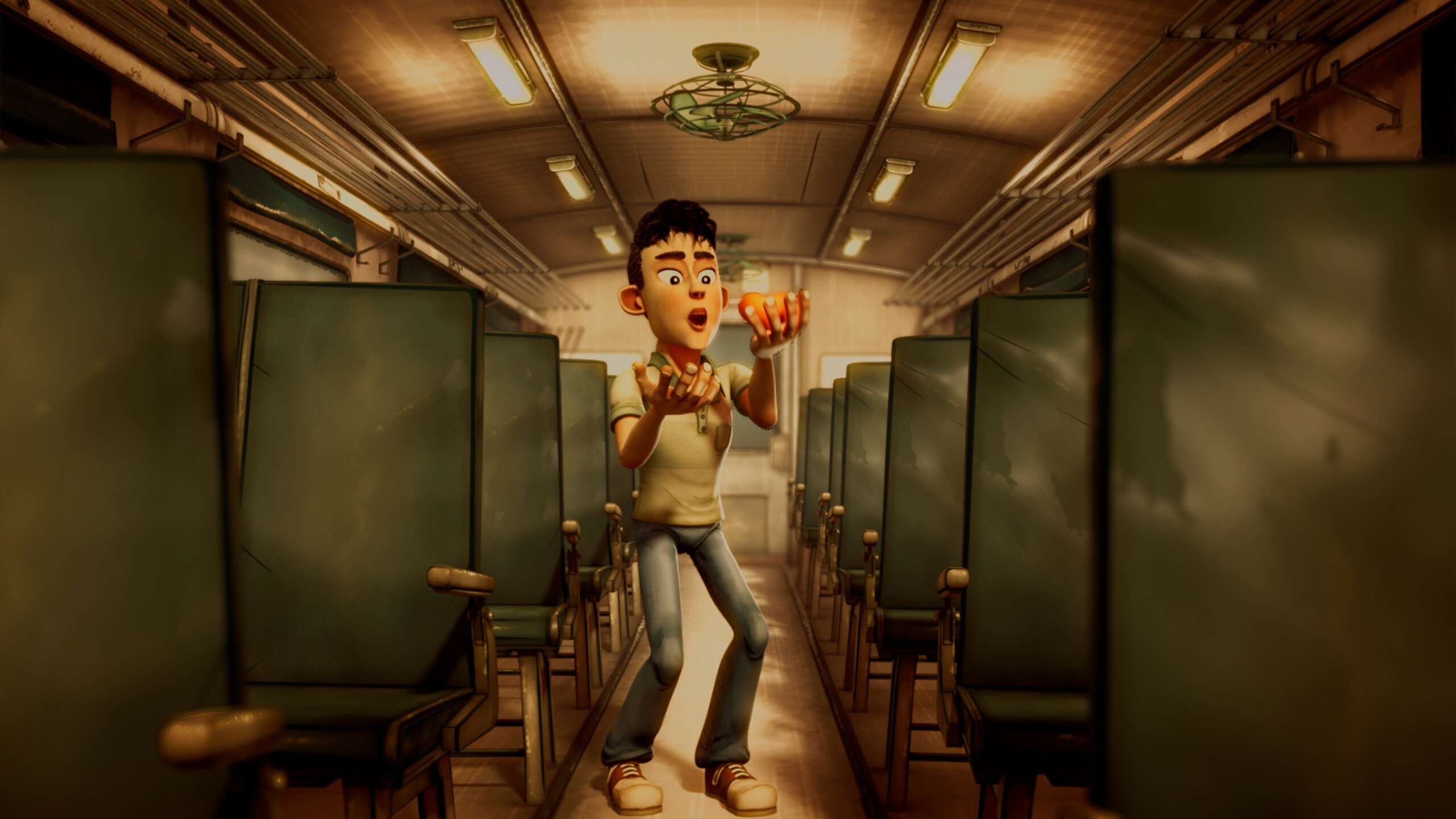
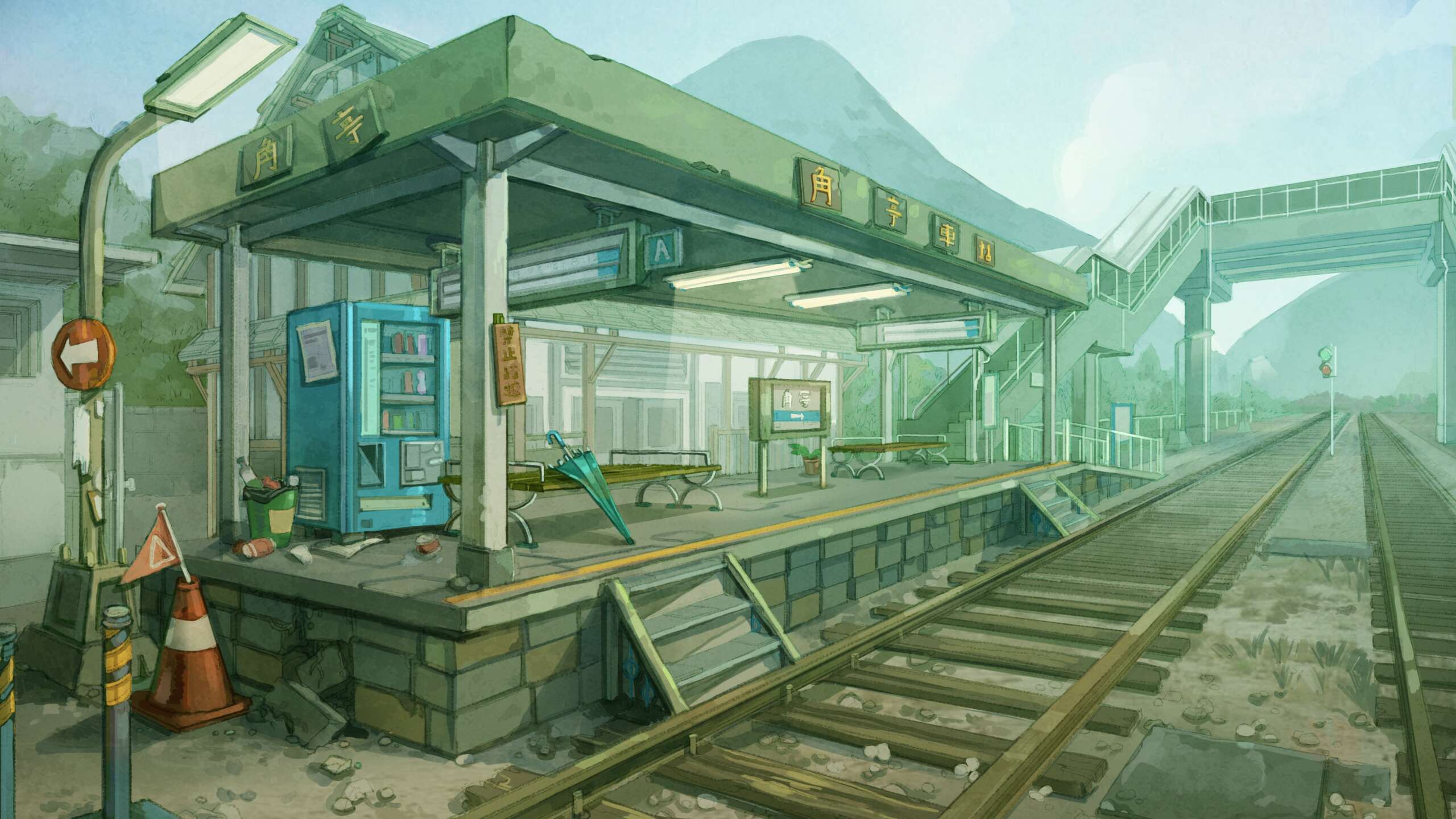
I am a 3D artist/illustrator specializing in environment art. For those unfamiliar with 3D art or computer graphics, my work essentially involves sitting in front of screens manipulating computer-generated cubes. Sometimes, it’s a highly elaborate cube that transforms into a short film, featuring an entire 80s train station, action sequences on a moving train, and a plot of family drama with emotional characters. Other times, it’s just a Daruma (Japanese symbol for luck) peacefully bouncing in a serene forest. In my free time, I also create digital illustrations, focusing on storytelling pieces with original sets and characters.
While I’ve been drawing for as long as I can remember, I didn’t start creating 3D art and animation until my college years. Through the production, modeling, animating, rigging, and compositing classes I took, I discovered how versatile 3D can be as a medium and how it could make me a more multi-faceted artist. 3D has accelerated my creative process so much that it’s become an essential tool for visualizing stories. After experimenting with procedural texturing in Substance Designer and 3ds Max’s material node system, I was amazed by the possibilities it opened up for creating large-scale, engaging environments for viewers to navigate freely. Soon after, I decided that 3D art is a craft I want to continue honing professionally.
I believe what makes me most valuable as an artist, and what secured my current job as a 3D generalist at a commercial studio, is my flexibility. Due to the complexity of creating 3D animation, it usually requires a large team with meticulous division of labor, where each artist handles a specific task such as modeling, rigging, or animating. Fortunately, my training at art school and experience of creating a 3D animated short film by myself have equipped me with adequate knowledge to handle almost anything along the animation pipeline. The ability to be well-rounded is what the creative director at my studio truly values, as it has prepared me for the fast-paced environment of the commercial world.
What’s the most rewarding aspect of being a creative in your experience?
Nothing beats the feeling of finishing a challenging art piece and mastering new technical skills in the process! Perhaps it’s just me, but working in 3D feels like battling a boss in a Soulslike game—it’s frustrating 50% of the time (maybe even that is an understatement). But whenever I overcome a big creative hurdle, learn a new software, or stumble upon a new shading technique, it becomes a testament to my dedication and growth as an artist. Even if a piece doesn’t come together as I’ve hoped in the end, at the very least, I’ve gained knowledge that can be applied to my next project. I guess this way it is unlike a Souls game, there’s no punishment in respawning!


Looking back, are there any resources you wish you knew about earlier in your creative journey?
The benefit of working with a digital medium is the wealth of free and paid tutorials available online. It’s not hard to find courses taught by experts and industry veterans covering a wide range of topics, from beginner to advanced techniques in 3D modeling, animation, texturing, and more. Although solely relying on the education from my art school helped me prepare a decent 3D portfolio, I think seeking out mentorship and guidance through online communities tailored to my specific interests and skill level would have been incredibly helpful in accelerating my learning process. After graduating, I learned new software like Substance Designer through the official Adobe Academy Series run by Wes McDermott and Think Tank’s Johnny Malcolm; that’s just one example for one software! Sometimes I don’t know how so many high-quality resources are available for free, but my passion of being a freeloader comes in a close second to being an artist, so it works out perfectly.
Contact Info:
- Website: https://junliu532317590.wordpress.com/
- Linkedin: https://www.linkedin.com/in/jun-yuan-liu/
- Other: https://vimeo.com/junliu