


We recently connected with Julianna Rubio Slager and have shared our conversation below.
Julianna, thanks for joining us, excited to have you contributing your stories and insights. I’m sure there have been days where the challenges of being an artist or creative force you to think about what it would be like to just have a regular job. When’s the last time you felt that way? Did you have any insights from the experience?
Short answer: I’m happiest doing the work I was made to do. And yes—right in the thick of building La Llorona—I had a passing daydream about a neat desk job where no one asks, “Can you make an incredible, innovative one-of-a-kind ballet with a part-time company that is underpaid, chronically short on rehearsal time, with an audience that would rather stay home and watch Netflix—all while you have no real scheduled time to work on the piece and are constantly filling in for staff who are transitioning out—while juggling a PR crisis and the ramifications of a failing economy?”
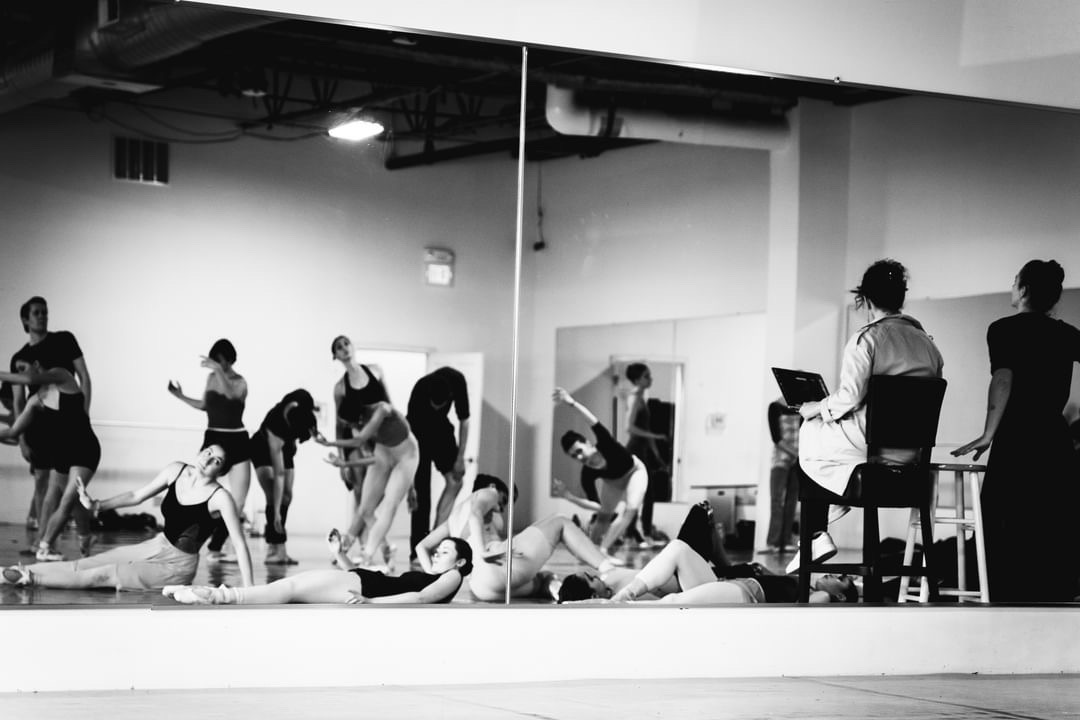
Picture this. Thursday night, three weeks before opening. The studio smells like rosin and fresh marley tape—half performance, half hardware aisle. My laptop’s open to the budget (line item: teaching hours), a grant portal is timing out, and I’m confirming talkback details with a community partner who cares deeply about the story we’re telling. We’ve spent months listening: what lament costs, how consequence ripples, where hope can stand without lying. The aim isn’t spectacle; it’s a ballet that tells the truth and makes space for the audience to breathe.
Rehearsal starts at the “river.” The dancers move in layered skirts that catch air like breath. A lift won’t land honestly—too pretty, not true. We strip it back to weight, timing, and trust. Fall. Follow. Reach. Again. The music thins to breath. And then it happens: the room changes. Not a trick of light—a recognition. The lament is no longer myth; it’s a person you can touch. The admin fog clears. This is why we do the spreadsheets and the emails: excellence as hospitality, beauty as service, craft with a spine.
After the run, a dancer says the phrase helped her name a grief she’s been carrying since last year. Later, a partner writes that the work gave language for a hard conversation at home. On paper those are small sentences. In the studio, they are tectonic. That’s when the tidy desk-job fantasy returns to its proper size: a polite postcard on the fridge. I respect its margins. It’s not home.
And the hard parts? They’re still here. Counting teaching hours, rescheduling rehearsals, solving problems that don’t make the program notes. But on a piece like La Llorona, the “boring” becomes stewardship. Budgeting is choreography with numbers. Scheduling is rhythm. Production logistics are a form of love—setting a table sturdy enough to hold a community’s grief and honest enough not to look away.
So, am I happier as an artist? I’m happier being faithful to the thing I can’t not do. La Llorona reminded me: calling isn’t the rush when the curtain rises; it’s the daily choice to love the ordinary labor that makes the curtain honest. I can imagine other paths. I just can’t mistake them for home—especially when the work asks us to hold lament in one hand and hope in the other, and do it well enough that someone in the back row feels seen and invited out of the fog.
As always, we appreciate you sharing your insights and we’ve got a few more questions for you, but before we get to all of that can you take a minute to introduce yourself and give our readers some of your back background and context?
Who I am:
I’m a Latina choreographer, educator, and artistic director who believes ballet is a living language with the power to tell the truth—and to love an audience while doing it. I co-founded Ballet 5:8 in Chicago in 2012 and serve as Artistic Director. My work blends the precision of classical technique with the urgency of contemporary storytelling, bringing a distinctly Chicana voice to the stage.
How I got here:
My family’s roots are in Mexico and New Mexico; I grew up in Albion, Michigan where I fell in love with dance early. I trained with Lori Ladwig and Ann Arbor Ballet Theater. I studied with mentors from New York City Ballet, the Vaganova Academy, and Puerto Rican National Ballet. I danced under Barbara Smith (Greater Lansing Ballet) and with Kathy Thibodeaux and Sol Maisonet at Ballet Magnificat. That wide-ranging foundation gave me two essential muscles: classical rigor and contemporary freedom. As a Chicana artist, I use both to make work that’s accessible, culturally grounded, and spiritually awake.
What we make and offer:
At Ballet 5:8, my team and I create original, narrative ballets that meet people where they actually live. Our offerings include:
Mainstage productions & national touring—evening-length and mixed-rep programs designed for performing arts centers, festivals, universities, and churches.
Choreographic commissions & residencies—new works created for professional and pre-professional companies, colleges, and conservatories.
Education & training—The School of Ballet 5:8 serves 600+ students annually; we also offer workshops, masterclasses, summer intensives, and coaching.
Community engagement—post-show talkbacks; curated dialogues with community partners; study guides; in-school performances.
Speaking & consulting—keynotes and seminars on women’s leadership, narrative choreography, and building culturally responsive organizations.
The problems we solve:
Presenters and communities come to us when they need programming that is artistically excellent and socially relevant—work that sparks conversation instead of ending it. We help:
Performing arts centers program meaningful, high-quality ballet that connects with diverse audiences.
Faith- and mission-driven organizations host art that engages hard topics with compassion and craft.
Schools and universities expose students to contemporary ballet-making, mentorship, and professional pathways.
Communities looking for a brave, hospitable space to wrestle with grief, justice, identity, and hope.
What sets us apart:
A Chicana lens inside classical ballet. I bring my bicultural identity to the work—not as ornament, but as architecture—to expand who sees themselves onstage.
Narrative courage with artistic restraint. We tackle femicide, mental health, human trafficking, spiritual longing—without sacrificing beauty or musicality.
Excellence as hospitality. Technique, design, and logistics are how we set a trustworthy table; the story is why we invite people to sit.
Female-led leadership. Our governance and creative process make room for voices often missing in ballet’s power structures.
Dialogue built-in. Talkbacks and partnerships are not add-ons; they’re part of the choreography.
Representative works:
I’ve premiered 60+ original ballets and toured to 17 U.S. cities with works such as La Llorona, Reckless, Día de los Vivos, The Lost Women of Juarez, Butterfly, The Space in Between, and BareFace—pieces that braid faith, cultural identity, justice, and redemption into a physically demanding, emotionally resonant language.
Recognition:
National Visiting Fellow, School of American Ballet (2023)
Illinois Arts Council grants (Multi-year); DCASE Individual Artist Grant (2015)
Finalist, Chicago Dancemakers Forum Lab Artist Award (2023)
Coverage by NBC, PBS, Fox, Chicago Magazine, Newcity Stage, See Chicago Dance, and numerous podcasts and radio shows.
Critics have noted our ability to “transform the oftentimes stiff perceptions of ballet into a malleable clay we can all touch.”
Educator & Mentor:
I’ve taught for over two decades at 100+ schools nationwide. As Artistic Director of the School of Ballet 5:8, I oversee programs that prize both technical excellence and personal authenticity. My pedagogy starts with each dancer’s story and invites them to integrate culture, faith, and self-reflection into their craft. Alumni have gone on to top programs and professional careers.
What I’m most proud of:
Making ballets that matter. When an audience member uses our work to begin a hard conversation at home, that’s the win that lasts.
Building a Latina-led ballet company that marries classical technique with cultural equity.
Sustaining a creative community where dancers, designers, and audiences practice courage together.
What I want you to know:
We tell the truth with beauty. If a topic is difficult, we don’t sensationalize it; we humanize it.
We’re rigorous and welcoming. You don’t need a dance degree to feel at home at our shows.
Partnerships are our heartbeat. If you’re a presenter, educator, or community leader, we’ll co-design engagement that serves your people well.
This is a long game. We’re committed to reimagining ballet’s future—more just, more inclusive, more alive—one production, one student, one conversation at a time.
How can we best help foster a strong, supportive environment for artists and creatives?
Community isn’t a backdrop to art; it’s the partner. Work like La Llorona only becomes what it’s meant to be when people show up, breathe together, and carry the conversation home. If you want a thriving creative ecosystem, here’s what actually helps—practically, immediately, sustainably.
What people can do this month:
Show up. Buy the ticket, bring a friend, stay for the talkback. Attendance is oxygen.
Subscribe, don’t sample. Season tickets and monthly gifts turn “maybe” into “we can plan.”
Share the mic. Post about the work, not just the selfie. Tell folks why it mattered.
Give time and skill. Volunteer, host a salon, introduce your network. Relationships move needles.
Pay on time. It sounds small. It’s not.
What presenters and venues can do:
Program for dialogue, not just box office. Pair shows with talkbacks, panels, and school matinees.
Offer residencies with real hours. Space + time = better art and safer dancers.
Market with context. Help audiences enter the story (study guides, pre-show notes, partner orgs).
Share data. Attendance and audience insights help artists refine and fundraise.
What funders can do:
Multi-year, unrestricted support. Stability lets us take artistic risks and pay people fairly.
Fund the “boring.” Rehearsal hours, teaching hours, production managers—this is the art’s backbone.
Risk capital for new work. Underwrite premieres and mid-scale tours so ideas can travel.
Fewer hoops, clearer metrics. Streamline reporting; measure community impact, not just outputs.
What policymakers and cities can do:
Protect and subsidize space. Zoning, tax incentives, and empty-building activation for studios and small venues.
Transit and safety at showtimes. Buses/trains aligned with curtain down; lighting and security near venues.
Percent-for-art with equity. Public commissions that include performing arts and emerging voices.
Artist-friendly visas and housing. Touring and residencies shouldn’t be a bureaucratic obstacle course.
Arts in schools—protected time. Early access builds lifelong audiences and careers.
What schools and parents can do:
Keep arts in the schedule, not after it. Instructional time matters.
Invite working artists in. Masterclasses, career Q&As, open rehearsals.
Teach audience skills. Listening, curiosity, good questions—these habits build community, not critics’ tables.
What businesses can do:
Sponsor seasons, not just galas. Sustained partnership beats one-night sparkle.
Employee nights and family discounts. Fill seats, build loyalty.
In-kind expertise. Legal, accounting, PR, IT—donate brains, not just banners.
What faith and community organizations can do:
Host the hard conversations. Art opens the door; you can set the table.
Share your people and platforms. Announce, co-present, welcome artists as neighbors.
Commission community-responsive work. Stories rooted in local needs create belonging.
What artists (myself included) must do:
Make the room brave and hospitable. Excellence is a form of welcome.
Do the homework. Research, community listening, cultural humility.
Invite questions. Build formats that help audiences process and participate.
Steward the unglamorous. Budgets, schedules, teaching hours—tend the scaffolding so the story can stand.
What I’m asking of you:
If you believe art should matter where you live, show up and make space for it—calendar space, budget space, civic space. Host a pre-show dinner. Bring your book club. Ask your employer to sponsor. Email your alderman about arts zoning. Commit to two performances a season. These aren’t grand gestures; they’re the everyday choices that turn a company like Ballet 5:8 from scrappy to durable.
A city that makes room for lament and hope—onstage and off—will be a city where people recognize themselves and still feel invited forward. That’s the ecosystem I’m building toward. Join me.
Do you think there is something that non-creatives might struggle to understand about your journey as a creative? Maybe you can shed some light?
People often ask three versions of the same question: “What do you do all day?” “Why do you charge a ticket fee?” and the perennial favorite, “Is this a real job?” Let me answer them the way my days actually unfold.
Most mornings start in the studio with Company class. I teach—because daily technique is how we keep bodies honest and minds awake. Class is also where I listen: to ankles that need tape, to phrasing that needs air, to the temperature of the room. After class, I swap ballet shoes for a laptop. There’s a brief window for quiet work—marking scores, refining counts, shaping a phrase that’s been tugging at me—before the administrative tide comes in. Rehearsal schedules, payroll approvals, budget check-ins (yes, teaching hours are a line item), vendor emails, casting and travel puzzles. None of it looks glamorous. All of it keeps the art upright.
Midday we rehearse. This is the part everyone recognizes: music, movement, sweat, the maddening joy of turning an idea into something that breathes. I coach musicality, adjust spacing, troubleshoot partnering, check in with an injured dancer, film material for an understudy. Somewhere in there, I hop into production conversations—lighting, sound, costume notes—so that what we’re building in the studio can survive contact with a stage. Then it’s on to education and community: teaching pre-pros, mentoring an emerging choreographer, editing a grant narrative, planning a talkback with a community partner. Evenings often circle back to a run-through, notes, resets, and the quiet ritual of writing tomorrow’s plan. The day ends when the dancers leave with clarity and the stage manager leaves with a list.
Which brings me to tickets. We charge for tickets because a performance is the tip of an iceberg made of time, people, and safety. Your seat helps pay dancers and stage managers, covers choreographic and teaching hours, keeps the studio and theater doors open, buys the tech time to program cues, maintains shoes and costumes, pays insurance and licensing, and lets our marketing team tell you we exist in the first place. We work hard to keep tickets accessible and we subsidize as many as we can through donors and grants, but box office revenue is what turns “we hope” into “we can.” Without it, rehearsal hours shrink, risk-taking gets timid, and the work becomes safer in all the wrong ways.
As for whether this is a “real job”: it’s as real as an audit and as tangible as a bruised knee. I lead a nonprofit with a board, budgets, compliance, contracts, payroll, and deliverables. We measure attendance and retention, track student progress, evaluate community impact from talkbacks and workshops, and deliver premieres and tours on deadlines that do not care how inspired we feel. Leadership here looks like building a culture where feedback is normal, conflict is addressed, and people are safe—onstage and off. The art is the point, but the stewardship is the proof.
If you’ve never lived inside a creative process, here’s the part that might be surprising: the most moving moment you see onstage sits on a scaffold of unglamorous choices offstage. That’s not compromise; that’s care. Teaching class in the morning, answering emails at noon, editing lighting cues at three, mentoring a teenager at four, and resetting a lift at six—none of those tasks make the program notes, but together they make the work trustworthy.
So what do I do all day? I teach, I choreograph, I lead, I listen. Why do we charge for tickets? Because you’re helping buy the time and safety that turn ideas into something that can meet you where you live. Is it a real job? Absolutely—one that asks for both courage and spreadsheets.
And if you’re wondering where you fit in this story: show up. Bring a friend. Stay for the talkback. When you make space in your calendar and your city for art, you don’t just watch the work—you become a part of a community.
Contact Info:
- Website: www.ballet58.org
- Instagram: @ballet58
- Facebook: /ballet58
- Linkedin: /ballet58
- Twitter: b58chi
- Youtube: /@ballet58
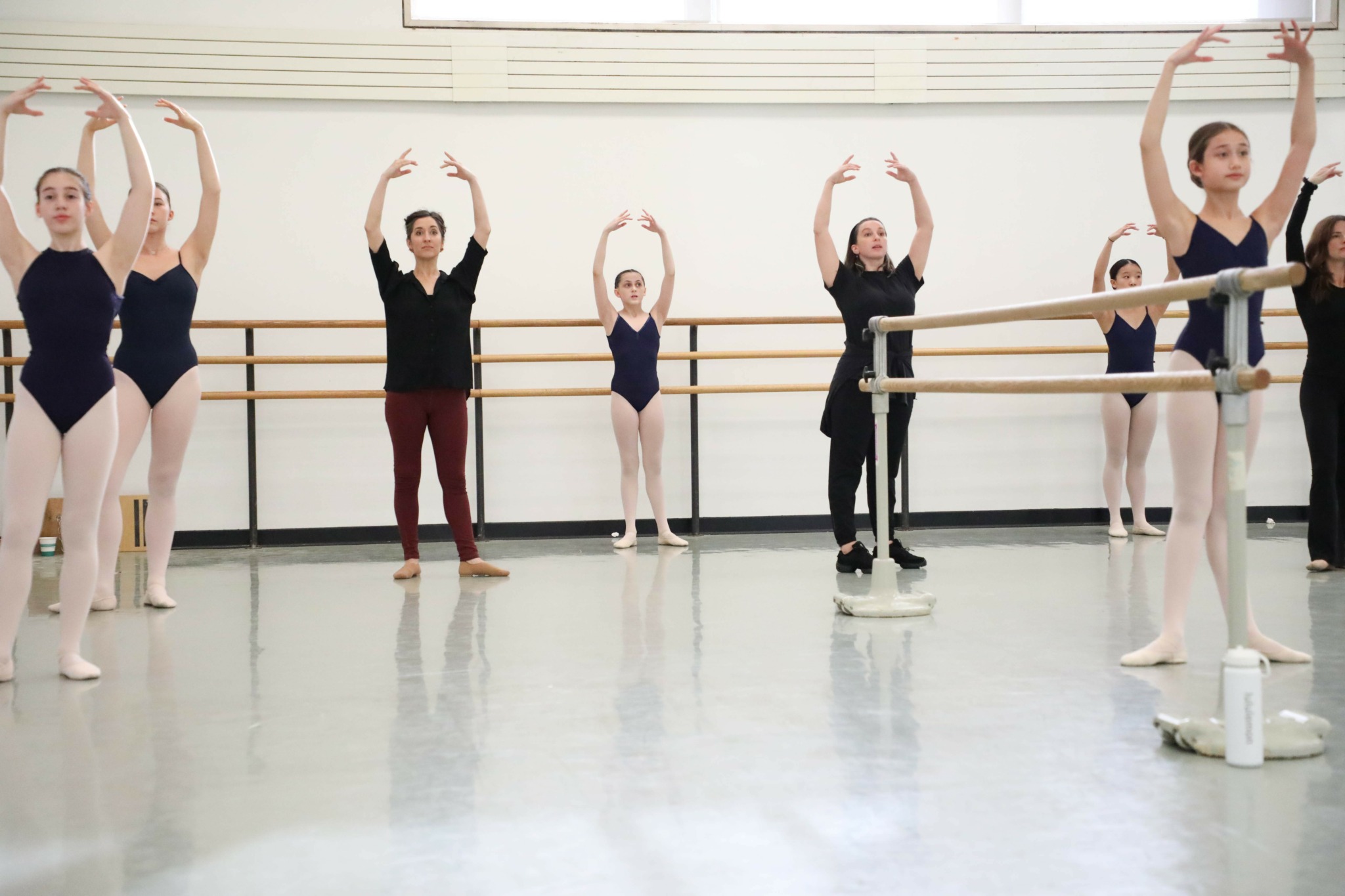
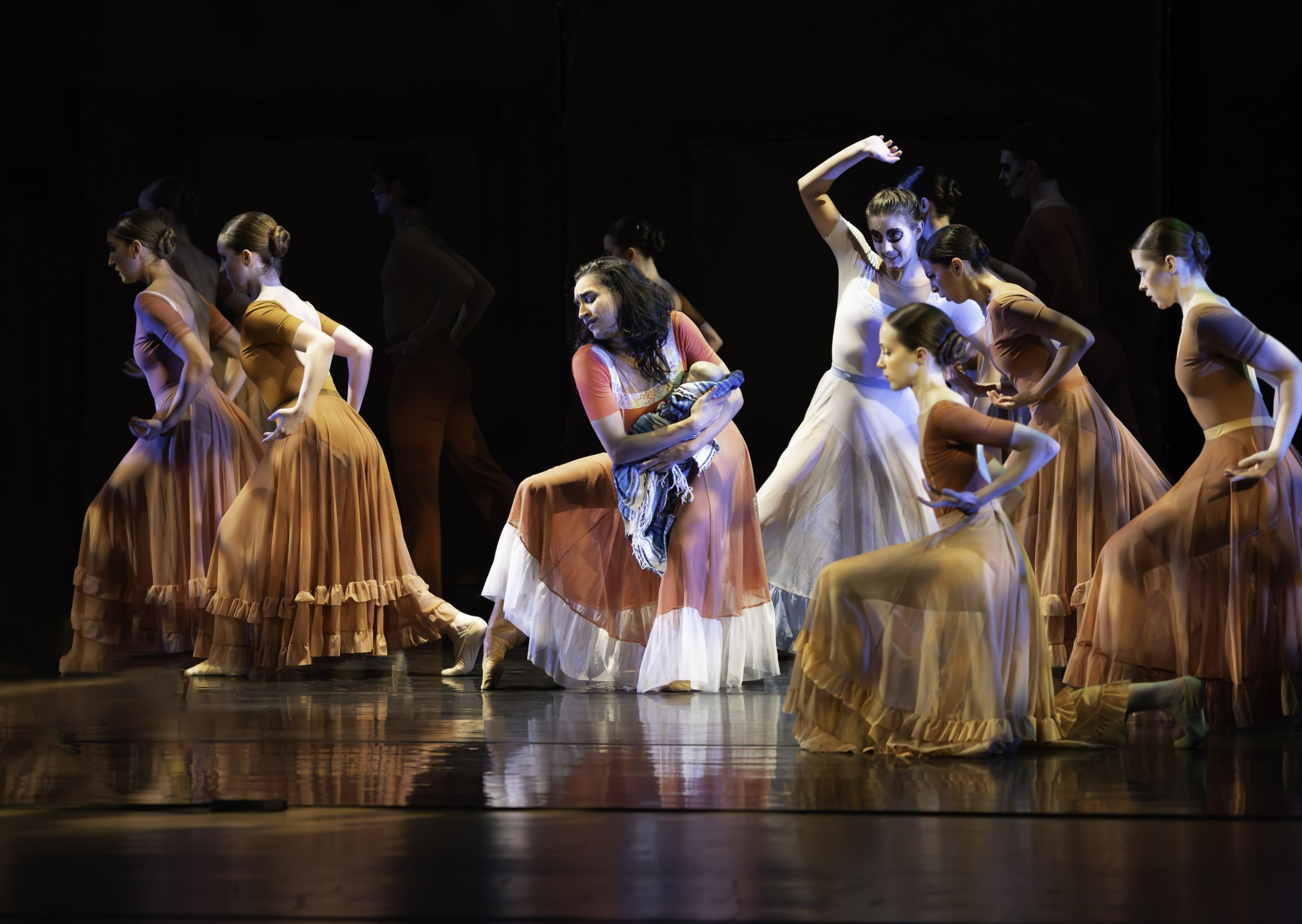
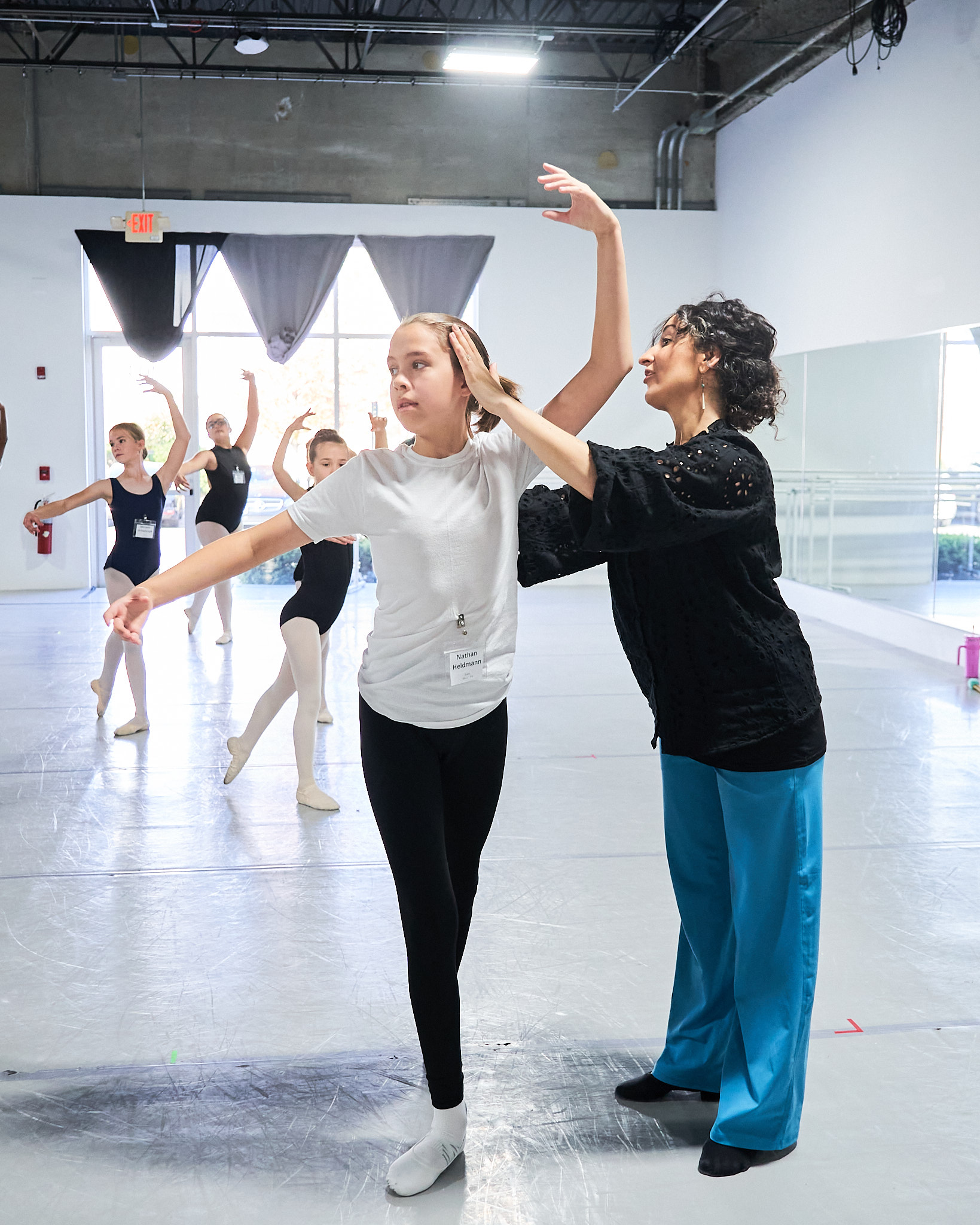
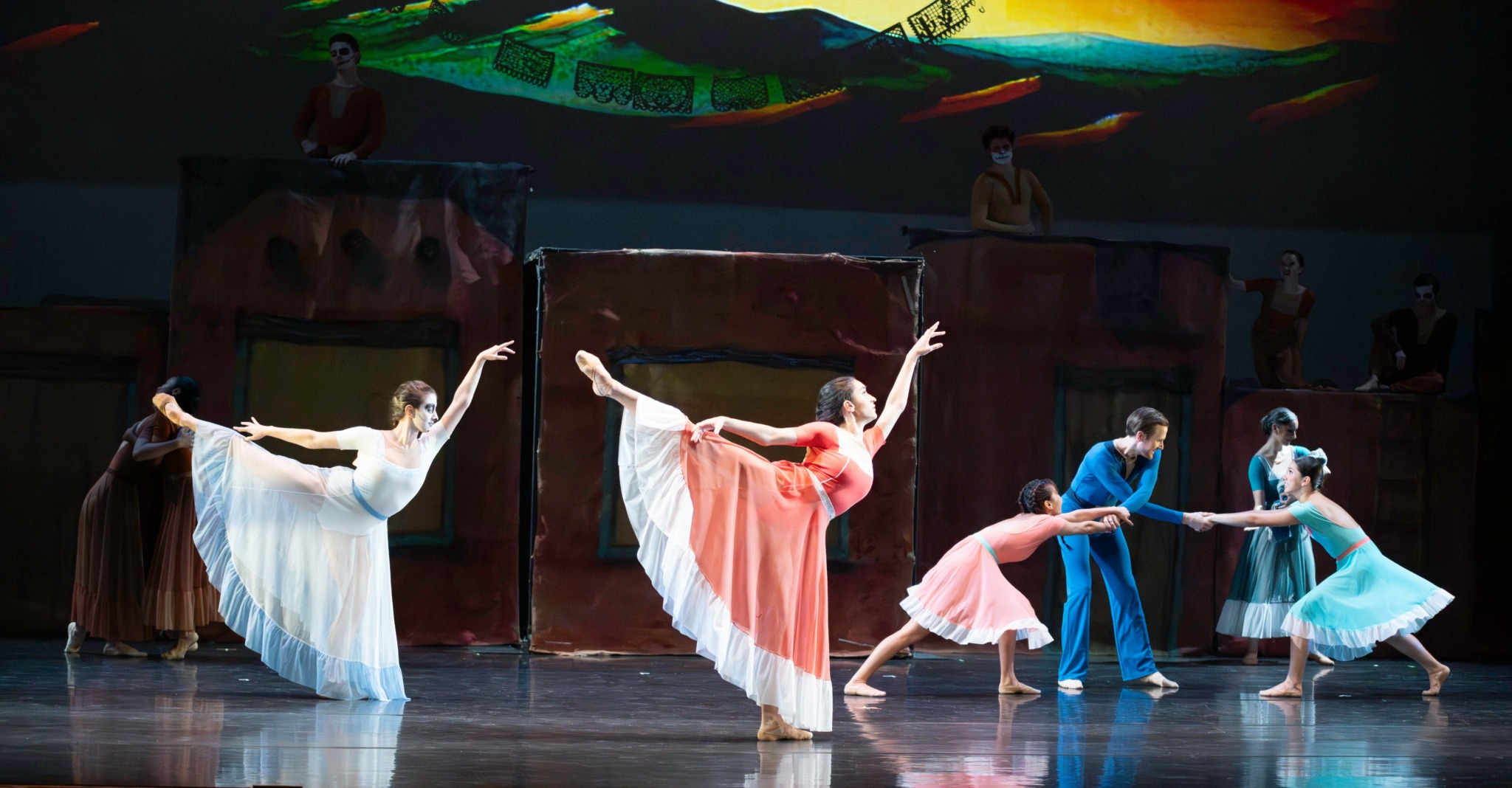
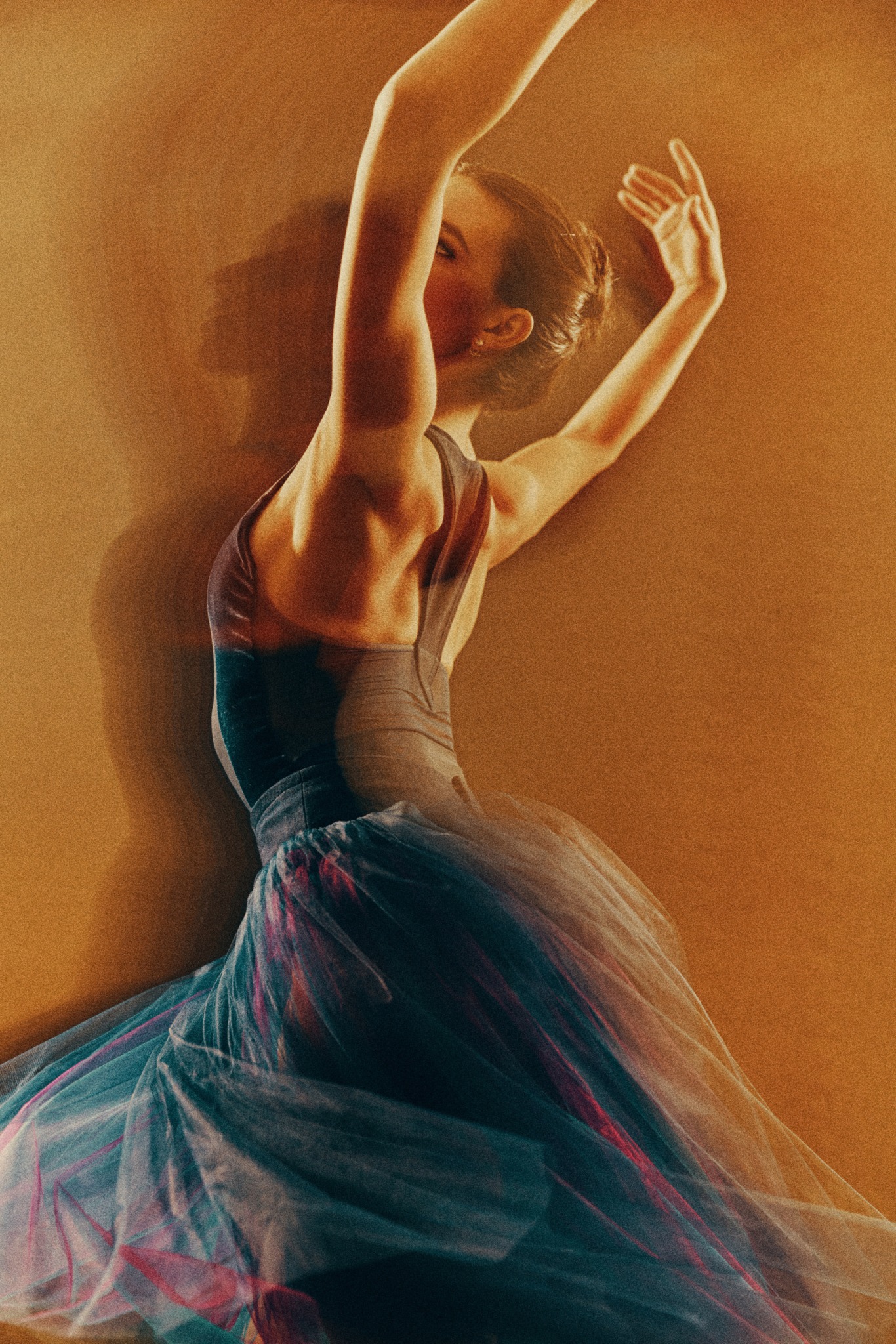
Image Credits
Jeff Yin, Jeremy Cowart, School of American Ballet