
We were lucky to catch up with Juliana Yasmine recently and have shared our conversation below.
Juliana, looking forward to hearing all of your stories today. What’s been one of the most interesting investments you’ve made – and did you win or lose? (Note, these responses are only intended as entertainment and shouldn’t be construed as investment advice)
One of the best and worst investments I ever made was in Meraki, the wandering boutique (a 24ft school bus conversion) for Moon Flower Child. It started as a dream to combine my love for fashion and adventure, a mobile business that would allow me to share my designs in a unique space while protecting my products from the wear and tear of festival vending life & the unpredictable weather.
The idea of a boutique on wheels seemed like a perfect solution to keep my designs safe while connecting with customers in a more intimate and unexpected way. The flexibility of taking my products on the road, setting up shop in places that aligned with the bohemian, nature-inspired ethos of Moon Flower Child, was a dream come true.
But the reality was much more complicated. The bus I bought for Meraki was beautiful, but it became a money pit. It broke down constantly, leading to costly repairs that drained both time and resources. What was supposed to be a vehicle for creativity and growth became a source of financial stress and logistical nightmares. I spent more time fixing the bus than I did growing the business, and eventually, it became clear that while the concept was beautiful, the execution wasn’t sustainable.
Despite the challenges, running Meraki was still one of the most fulfilling ventures I embarked on. It taught me resilience, problem-solving under pressure, and the value of flexibility. While it was one of the worst financial decisions, it was one of the best experiences in terms of personal and creative growth. I learned that not every great idea will work out the way you imagine, but the lessons from those challenges can be invaluable.
Looking back, I wouldn’t change the decision to transform a short bus into the wandering boutique, even knowing the difficulties. It shaped the way I approach business now, making me more cautious with big investments but still driven by my creative passions.


Great, appreciate you sharing that with us. Before we ask you to share more of your insights, can you take a moment to introduce yourself and how you got to where you are today to our readers.
Moon Flower Child started as a passion project, with my first products being sold on Etsy. Over time, as the brand grew, I transitioned to my own website to create a branded and customized experience. I started regularly vending events at markets and craft fairs, which helped me build a loyal customer base and an email list that has been invaluable for fostering long-term relationships with my community. At that point I started filming and documenting a lot of behind-the-scenes content for a YouTube channel to gain exposure and connect with a broader audience.
Moon Flower Child began as a deep-rooted desire to merge my love for nature, creativity, and wearable art into something that would connect people to their inner selves and the world around them. I started as a fashion designer, drawing inspiration from architectural shapes, natural elements and cultural influences, and over time, this vision grew into a brand that offers not just clothing and jewelry, but holistic, handcrafted products that reflect mindfulness and intention.
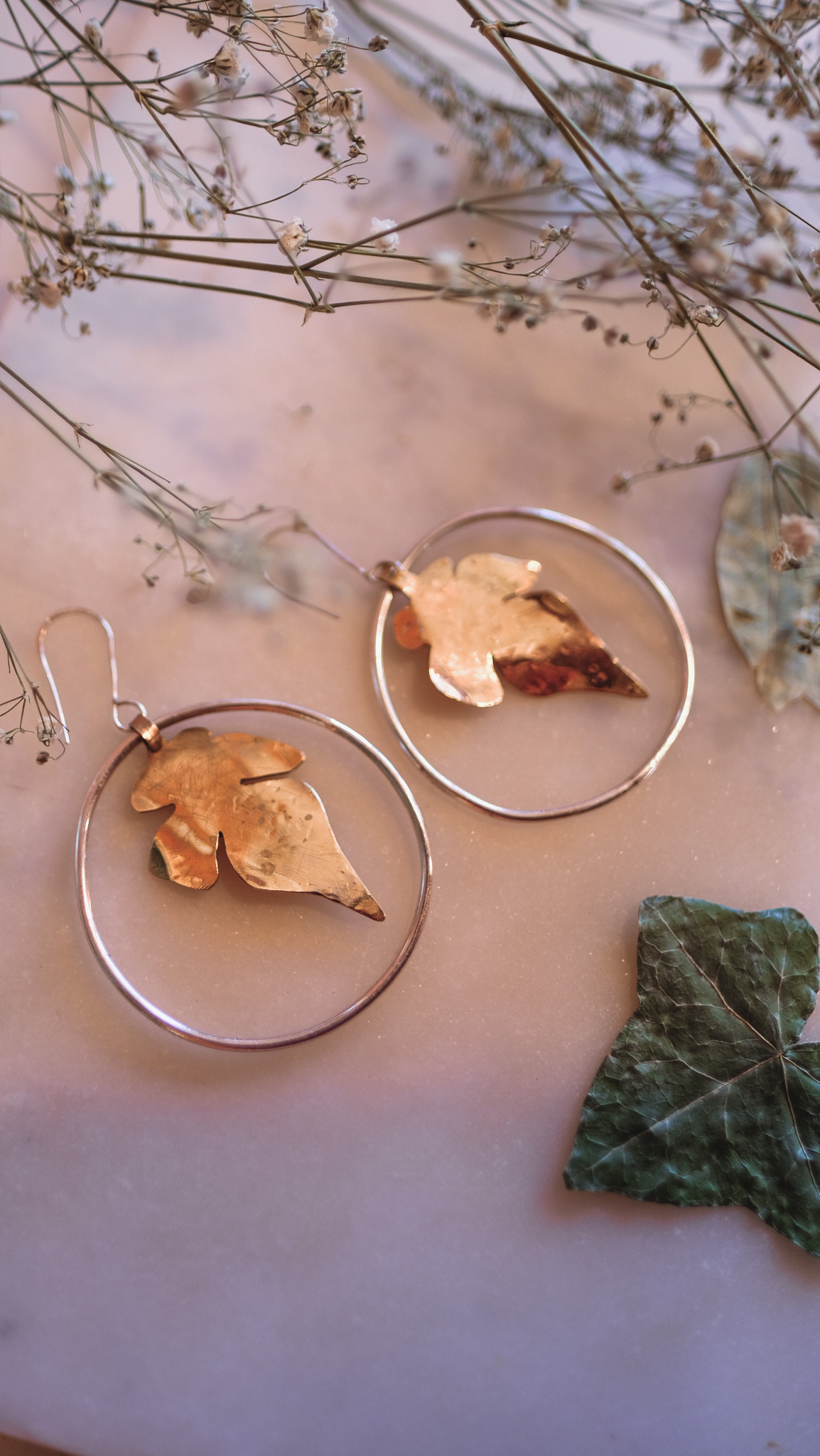
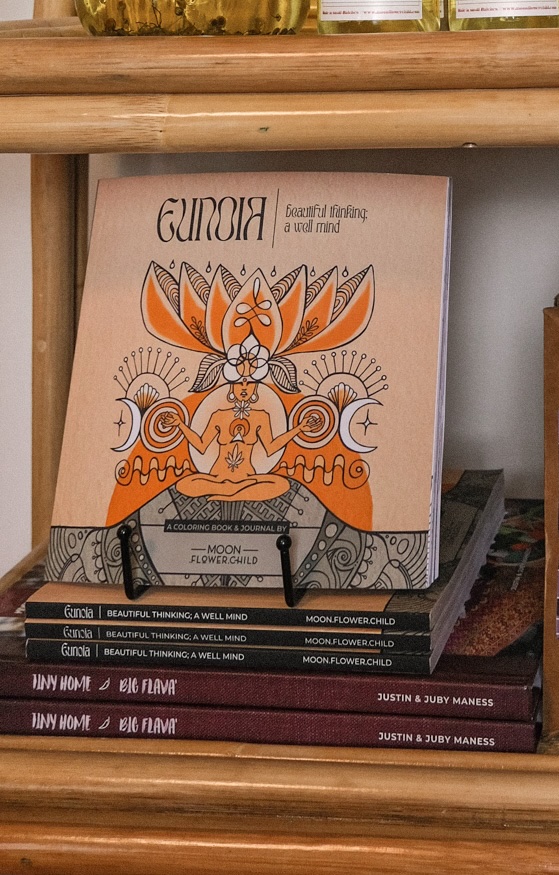
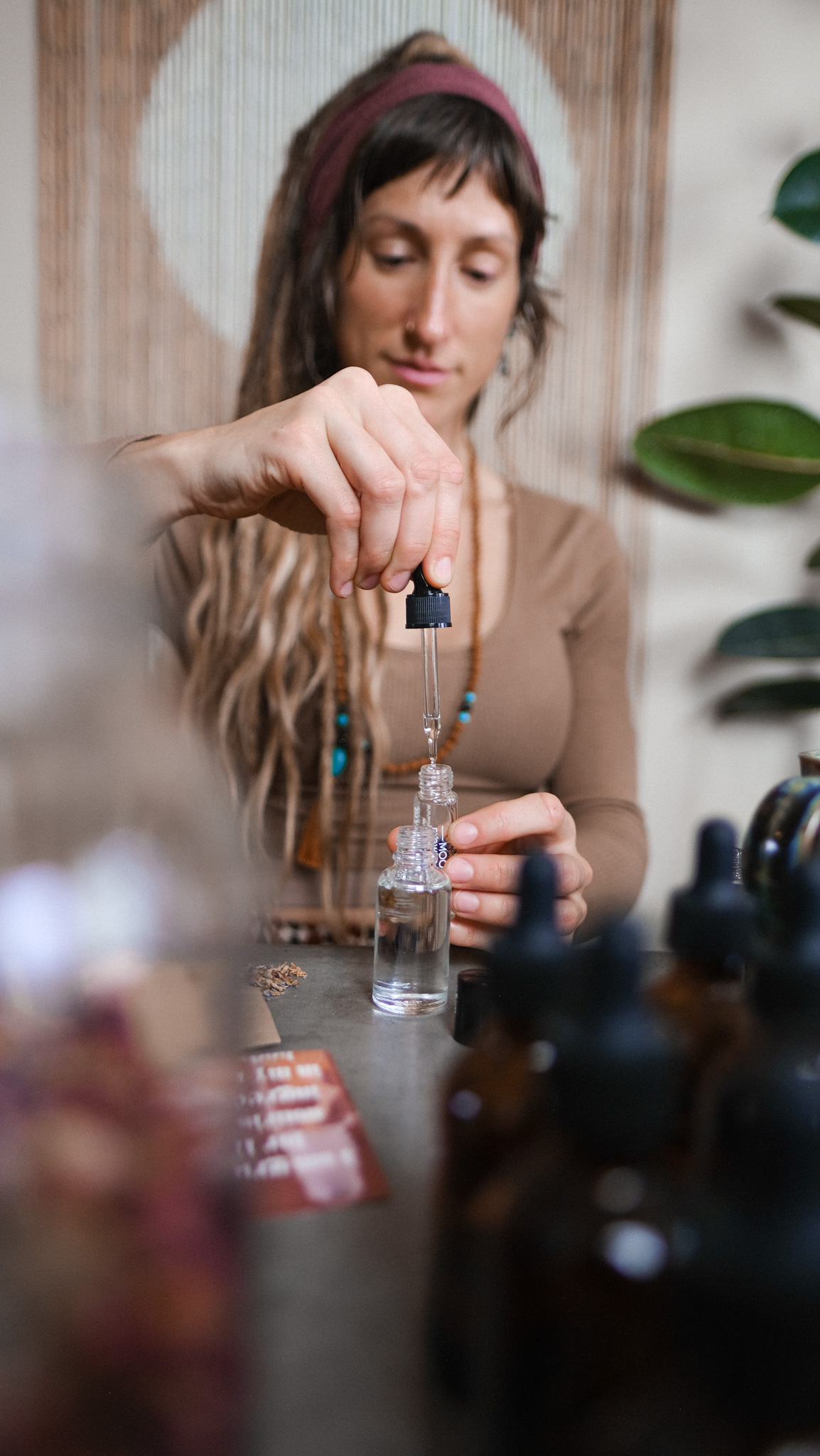
My journey into this industry came from an education in fashion and painting, combined with years of self-taught experiences in herbalism and craftsmanship. I’ve always been passionate about exploring the intersections between art and the natural world, which is why Moon Flower Child evolved to offer unique, nature-inspired clothing, handmade jewelry, and DIY herbal perfume kits. Each product is carefully crafted to embody a sense of peace, beauty, and balance, which I believe sets my brand apart.
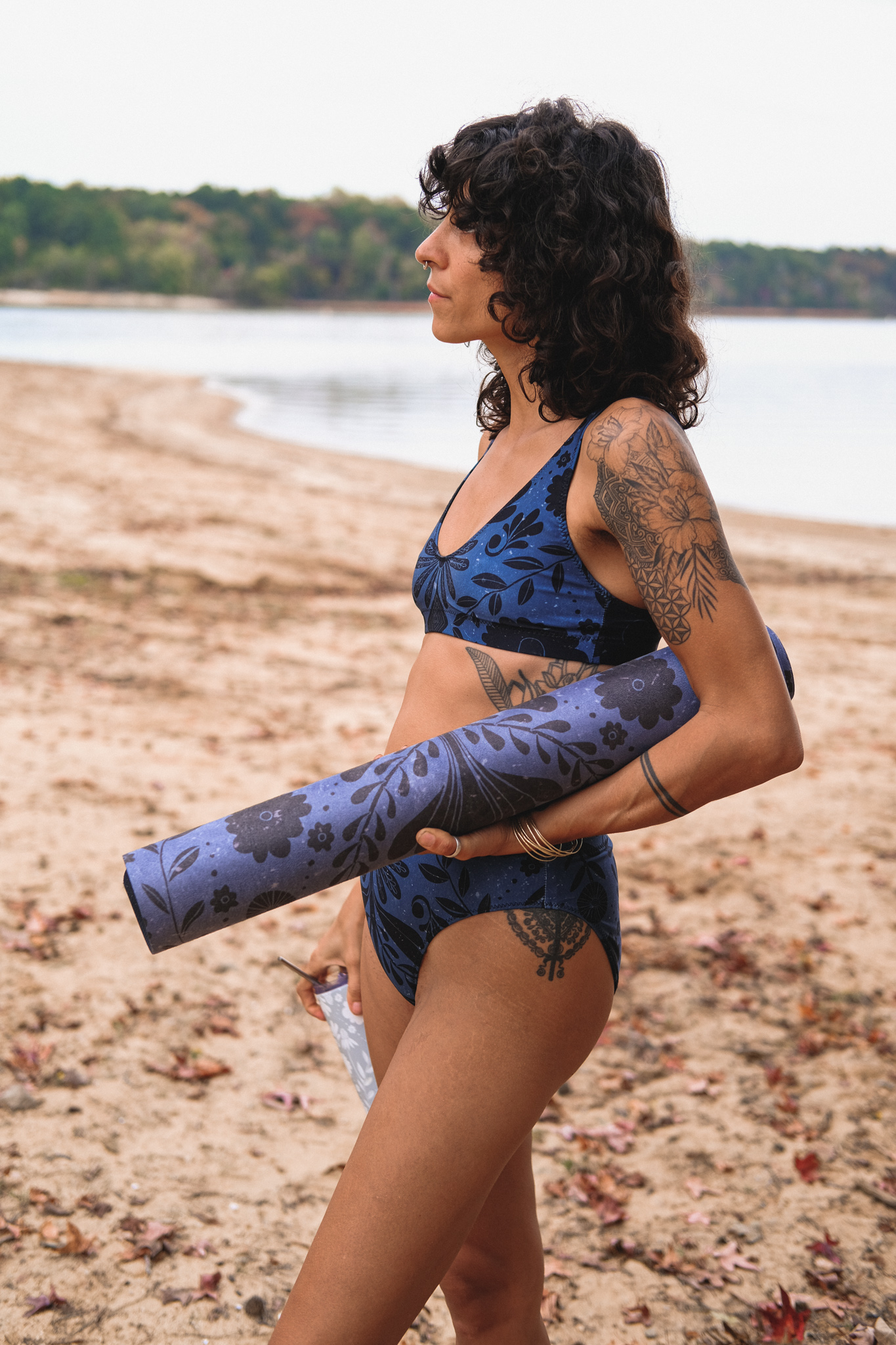
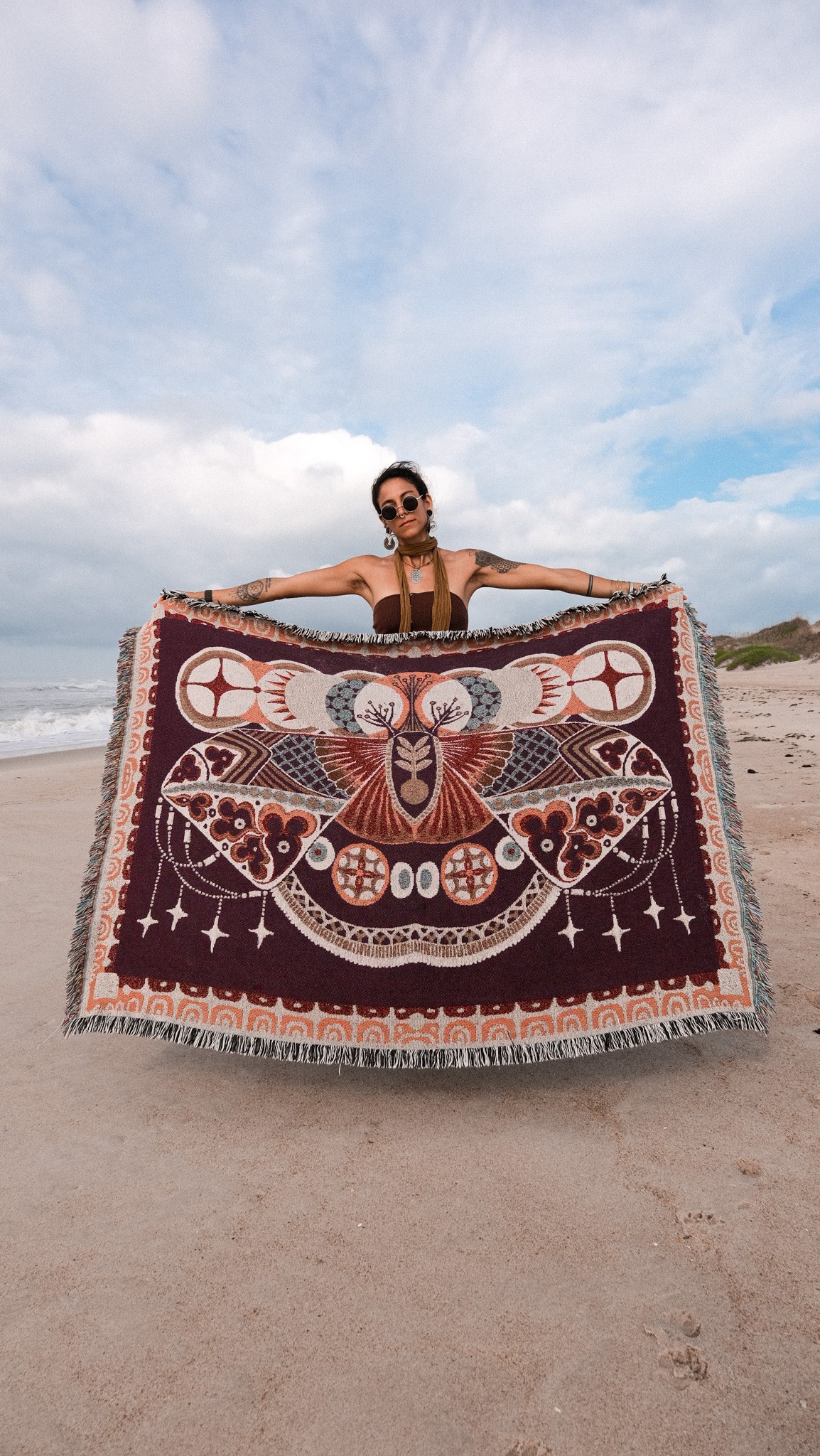
One of the problems I solve for my customers is helping them discover pieces that are not only visually beautiful but also deeply connected to their well-being. Whether it’s through a statement jewelry piece, an herbal perfume that evokes memories of nature, or a woven blanket that tells a story of emotional growth and transformation, my goal is to create items that are meaningful and personal.
What I’m most proud of is the transformation Moon Flower Child has undergone from its early days into what it is today: a brand that continues to grow with my own personal evolution. I want potential clients and followers to know that everything I create is made with thoughtfulness, love, and a commitment to quality. My work is deeply personal, and my goal is to inspire others to express their authentic selves through what they wear and use in their daily lives.
Ultimately, Moon Flower Child, is a brand built on the principles of nature, creativity, and connection. It’s about honoring the beauty around us and within us, and I’m grateful to share that with my community.
Can you tell us about a time you’ve had to pivot?
In today’s culture, where success often feels measured by views, followers, and constant engagement, it can be incredibly challenging when those numbers don’t reflect the effort you’re putting in. I’ve experienced this with Moon Flower Child. There have been several points where my engagement on social media started to dip, and it was hard not to let those numbers affect my confidence and sense of worth. But I quickly realized that numbers alone don’t define the value of what I’m creating.
When engagement started slowing down, I knew I needed to pivot. Instead of letting the lull of views and followers hold me back, I sought new avenues for exposure. That’s when I decided to launch my YouTube channel, which allowed me to connect with my audience in a more personal way. At the same time, I focused on vending at regular markets and craft fairs, where I could build in-person relationships with customers. These new outlets helped me diversify my reach beyond just social media metrics.
The biggest lesson I learned during this time was that your worth, and the value of your business, aren’t determined by fluctuating numbers. It’s important to keep evolving, exploring different opportunities, and not be afraid to pivot when things feel stagnant. Engaging directly with customers and building authentic relationships is far more impactful than any social media algorithm.

Are there any books, videos or other content that you feel have meaningfully impacted your thinking?
Yes, one book that has significantly impacted my entrepreneurial thinking is *Profit First* by Mike Michalowicz. It completely shifted my mindset about finances and how to run a business sustainably. One of the most important takeaways for me was the concept of paying yourself first as an entrepreneur. It’s easy to fall into the trap of constantly reinvesting in the business and putting yourself last, but this book made me realize that in order to maintain a healthy, thriving business, you have to take care of yourself too.
Paying yourself isn’t selfish; it’s essential. *Profit First* emphasizes that by prioritizing your own income, you create a more stable and profitable business in the long run. The idea is to ensure that your business is serving you, not the other way around. It’s a philosophy that has really stuck with me, especially as someone who is passionate about creative work, where it can be tempting to put everything into the craft and forget about personal financial well-being. This book helped me strike that balance.
Contact Info:
- Website: https://www.moonflowerchild.com
- Instagram: https://www.instagram.com/moonflowerchild_studio/
- Facebook: https://www.facebook.com/moonflowerchild.studio/
- Linkedin: https://www.linkedin.com/in/juliana-yasmine-maness-92931859
- Youtube: https://www.youtube.com/@moonflowerchild