
We caught up with the brilliant and insightful Julian Talens a few weeks ago and have shared our conversation below.
Julian, looking forward to hearing all of your stories today. We’d love to hear the backstory of how you established your own practice.
When I had started my personal training career, I was working at 24 Hour fitness in 2019. I spent a year there and learned a lot; I even almost became a master trainer. Unfortunately, that was cut short in 2020 due to the pandemic.
I went from having 100 sessions a month to zero. Biweekly pay to unemployment checks. I still had the hunger to train, so my lovely wife (then girlfriend) suggested I take my unemployment checks and buy gym equipment to start training clients out of my garage. The rest is history. I fell in love with running my own business.
It wasn’t easy by any means; I was constantly struggling with lead generation, understanding marketing, and battling with the ever-famous “imposter” syndrome. Did I want to train dancers? Or how about athletes? I could just stick to general population.
All this led to mixed marketing. Casting a wide net in an even bigger ocean. On top of that, I still had to learn how to make my backend systems work for me. It was a complete one-man operation.
If I were to give advice to a young personal trainer looking into starting a business:
– Figure out WHO you want to market to. Who is your IDEAL client? Talk to them exclusively.
– Don’t do everything by yourself. Ask questions to everyone who’s done it before you.
– Invest in continual education of your craft. Make learning a daily habit.

Julian, love having you share your insights with us. Before we ask you more questions, maybe you can take a moment to introduce yourself to our readers who might have missed our earlier conversations?
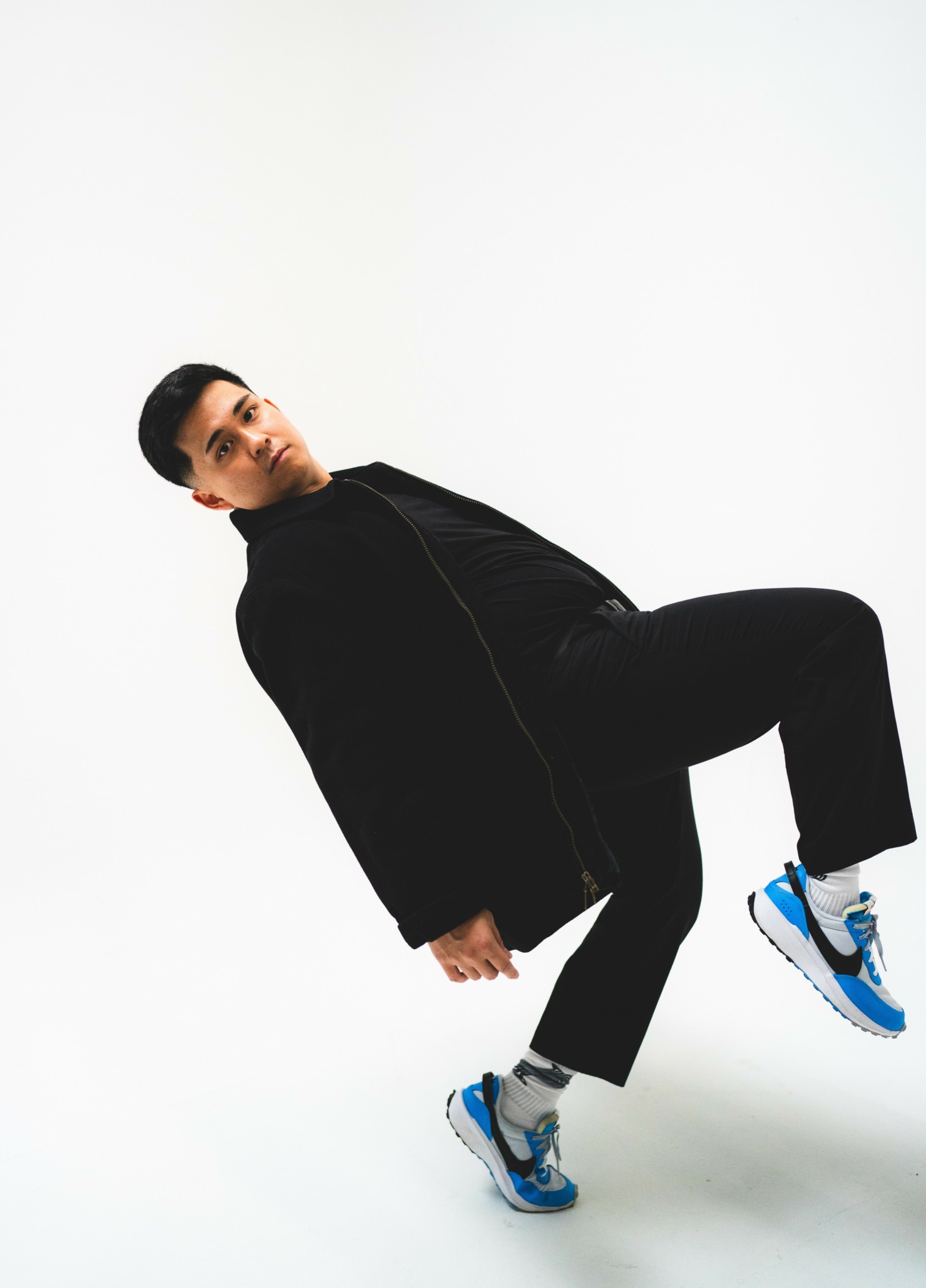
I grew up as a competitive dancer in the Southern California circuit, training and competing with a team called The GOOD Project. At one point, I thought my path would lead me to becoming a professional dancer and choreographer, but life didn’t unfold the way I expected.
Before that, I had plans to become a physical therapist and earned my degree in Kinesiology. Still, after graduating, I spent nearly three years searching for direction. During that time, it became clear that personal training was where my skills, passions, and experiences truly aligned.
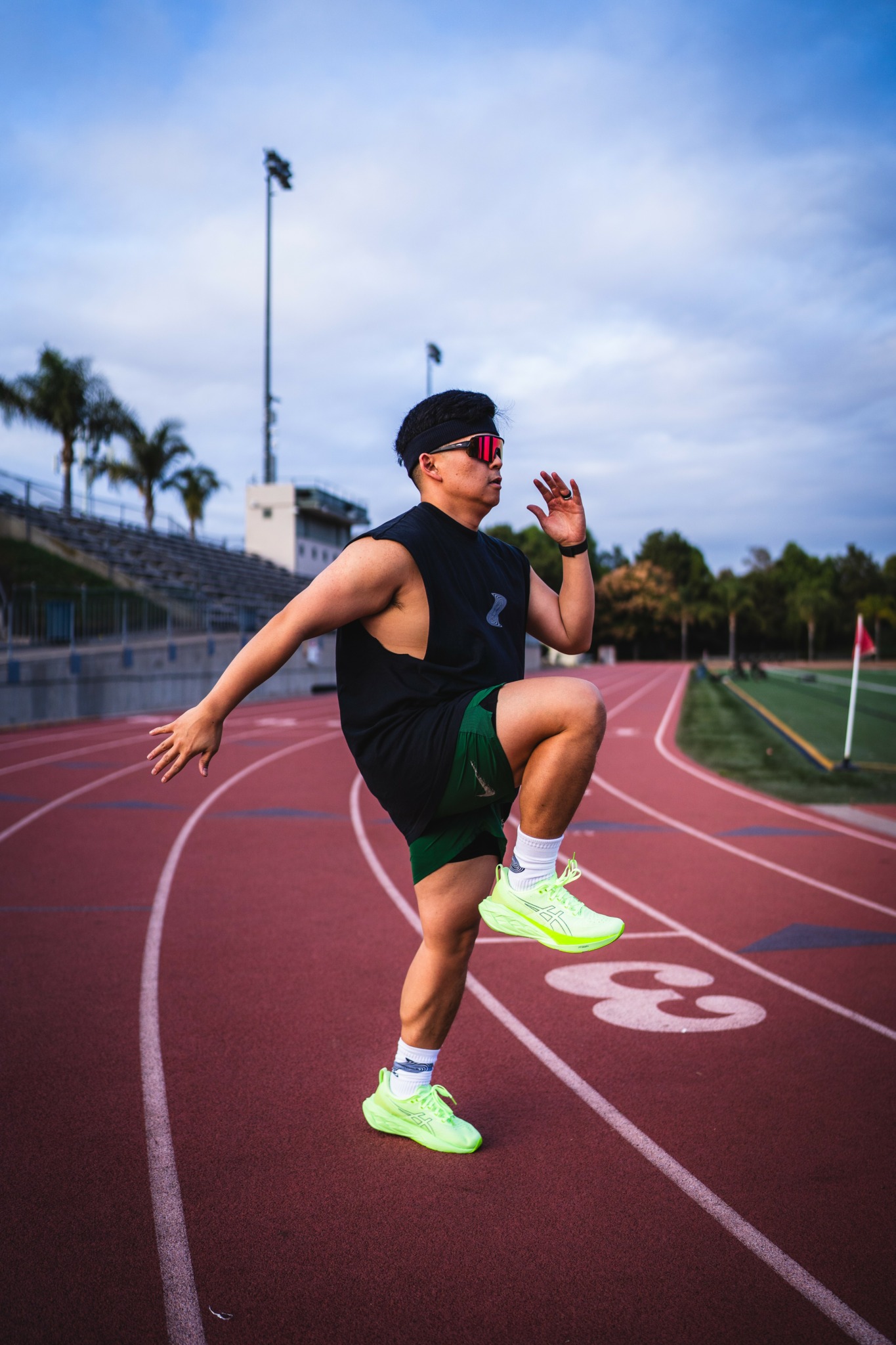
Movement has always been a constant in my life. Whether through basketball, dance, or now running, physical activity has shaped who I am. Training for those activities is what made them even more meaningful. I’ve always been drawn to growth, challenge, and competition – the process of getting better has always fueled me.
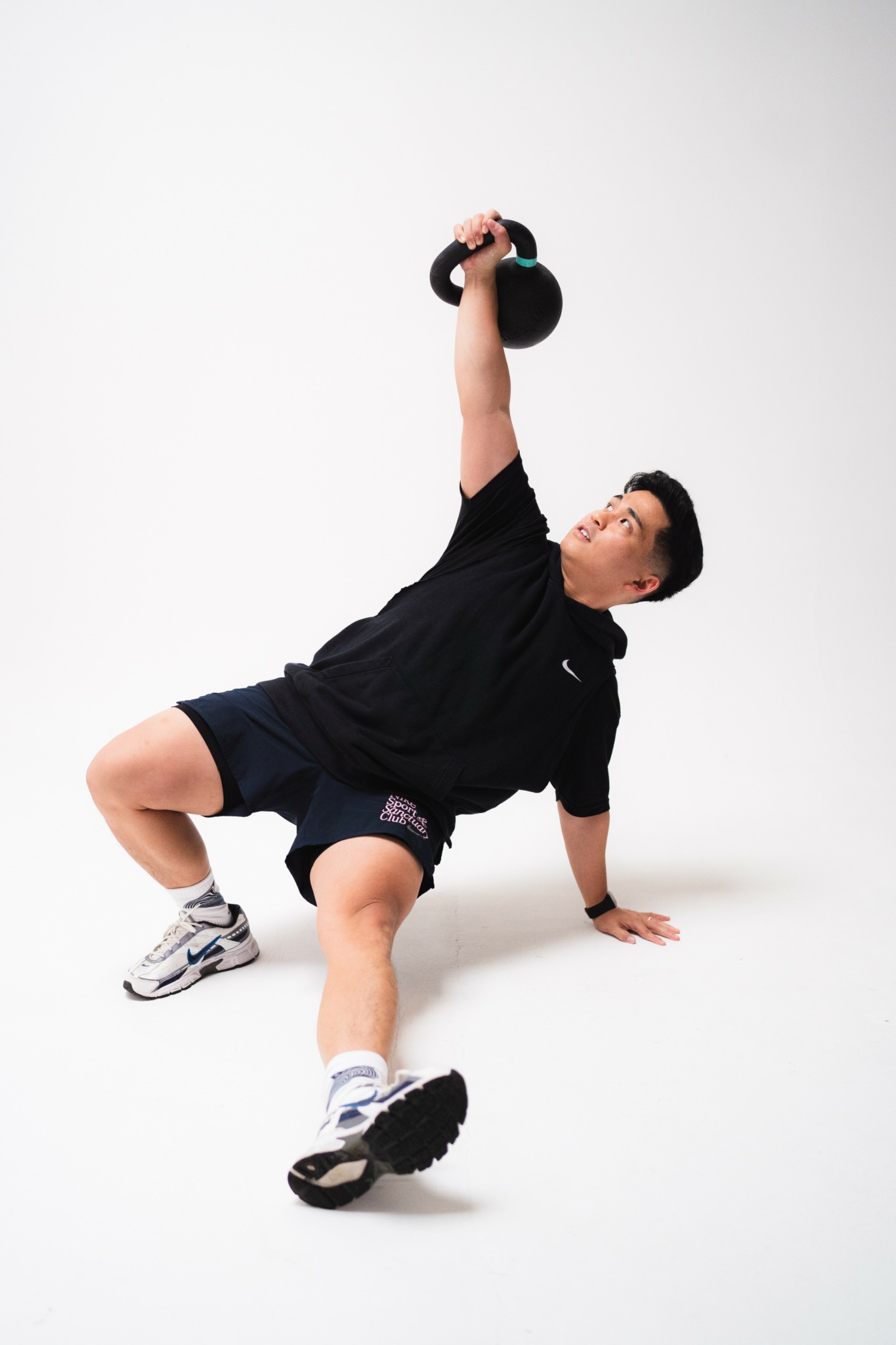
Today, as a coach and business owner, my primary focus is bringing strength training into the dance world and helping normalize it. Athletes in sports like basketball and football rely on structured strength training to sharpen their bodies and dancers deserve the same support. Too often, dancers struggle with injuries, fatigue, and limited stamina. My goal is to be a resource that helps them get out of their head and back into their body.
When fatigue takes over, creativity fades. I help dancers build strong, resilient bodies so they can focus on what truly matters: the artistry of their movement.
As I continue to grow, so does my business. I’m committed to being a resource for dancers of all ages and experience levels who want to keep dancing for life. I take pride in sharing the education I gained in school, and beyond, with a community that often lacks access to this type of training and support.

Can you tell us about what’s worked well for you in terms of growing your clientele?
Two things: Clear messaging in my marketing and showing up to community events.
If I want to work with specific population, I had to speak about their pain points and how I as a trainer can help them with that. And not just surface level stuff, I’m talking about HUGE and SPECIFIC struggles the dancer struggles with. I created consistent content with that messaging and once people started seeing it, my clientele started growing.
Showing up to the community events is how I got people to know me personally. I wasn’t trying to sell. I was simply showing up and supporting dance shows, competitions, and workshops. You have to be part of the culture to work the people in the community.
Let’s talk about resilience next – do you have a story you can share with us?
I started with almost no capital, just a couple of unemployment checks in 2020. It was nice at the time because I was living with my parents, so I wasn’t paying any rent, utilities, or extra bills. The little money I was making was going back to my business without the extra stress of living on my own.
When I moved out in 2021, things changed. It felt more serious. I had bills, groceries, utilities, and extra fees I didn’t know existed. I wasn’t making enough to save or invest, just enough to get by. I had to work a part-time job to make ends meet, which means even less time for my business.
I didn’t give up. I kept working on my branding, my media presence, and my skillset as a coach. Joining in multiple mentorships, learning about how to speak to my ideal clientele, and consistency. I was promoted in my part-time job, but decided to quit before taking on that role as my business had exponentially grown at that point, and I was able to sustain my life with just my business.
Contact Info:
- Website: https://movementalitylife.com
- Instagram: https://www.instagram.com/coachrjulian/
- Youtube: https://www.youtube.com/@CoachRJulian