
We’re excited to introduce you to the always interesting and insightful Julian Dahl. We hope you’ll enjoy our conversation with Julian below.
Julian, thanks for taking the time to share your stories with us today What were some of the most unexpected problems you’ve faced in your career and how did you resolve those issues?
An issue I encounter fairly often is a universal one amongst many creatives; burn out. Typically it will start if I’ve been doing too many back-to-back photoshoots, or when I’m not able to find anything inspiring to shoot during my photo walks. Sometimes I end up going weeks at a time without touching my cameras. As frustrating as it is, during these times I try to change things up by testing a different shooting style, or a different editing style. I’ll also go out and explore my area to try to find new spots to photograph, or go online to find interesting places to visit and shoot. Usually what ends up inspiring me to get back into shooting is coming up with new or different concepts with friends, or exploring a city or location that’s new to me.
Awesome – so before we get into the rest of our questions, can you briefly introduce yourself to our readers.
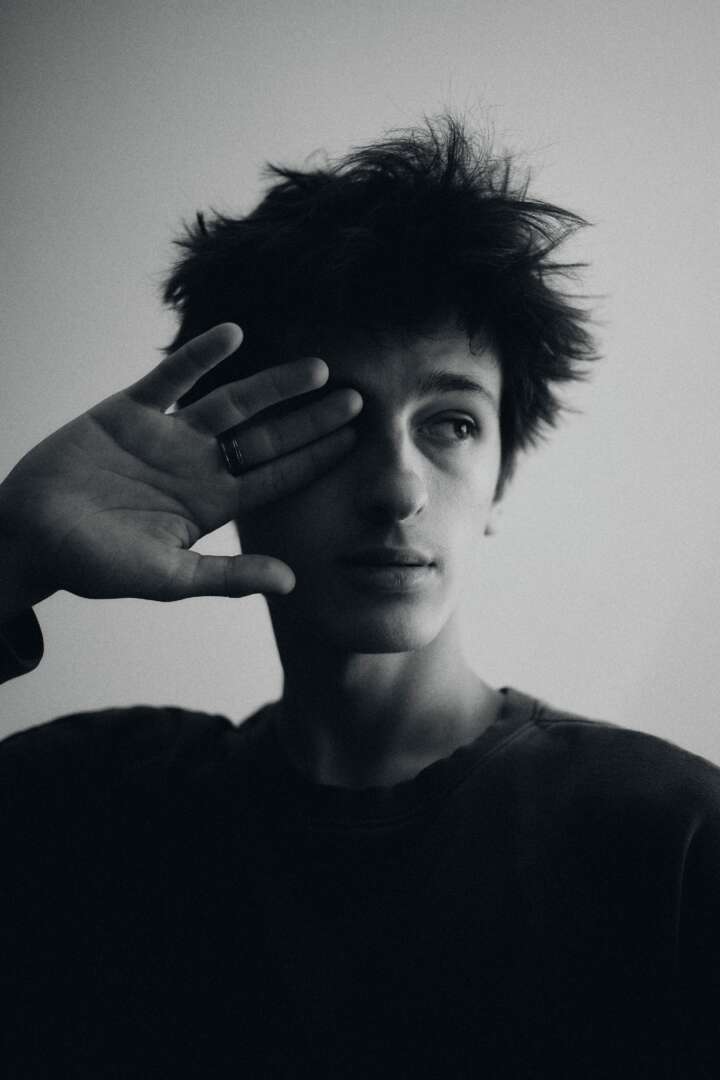
I’ve had a passion for photography for a little over 7 years now. My original dream was to become a full time celebrity/influencer photographer, which I had gotten a head start in through my mom, who works as a makeup artist for TV and film. I started shooting headshots and lifestyle portraits for the cast of Days Of Our Lives, and making connections to other actors and influencers to work with.
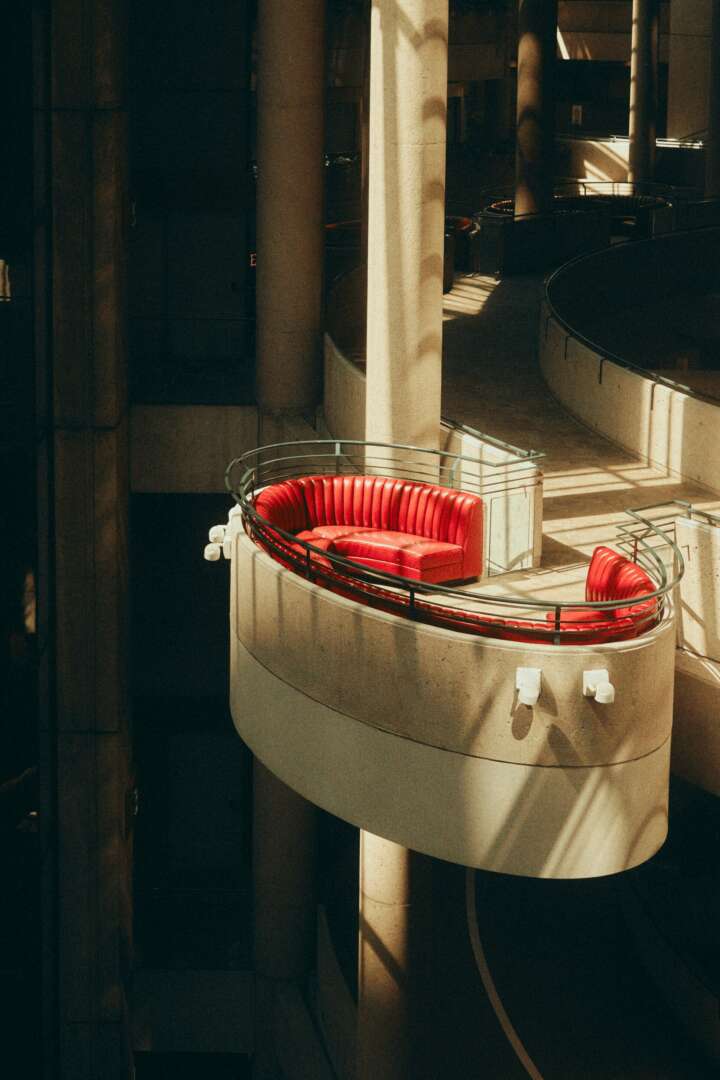
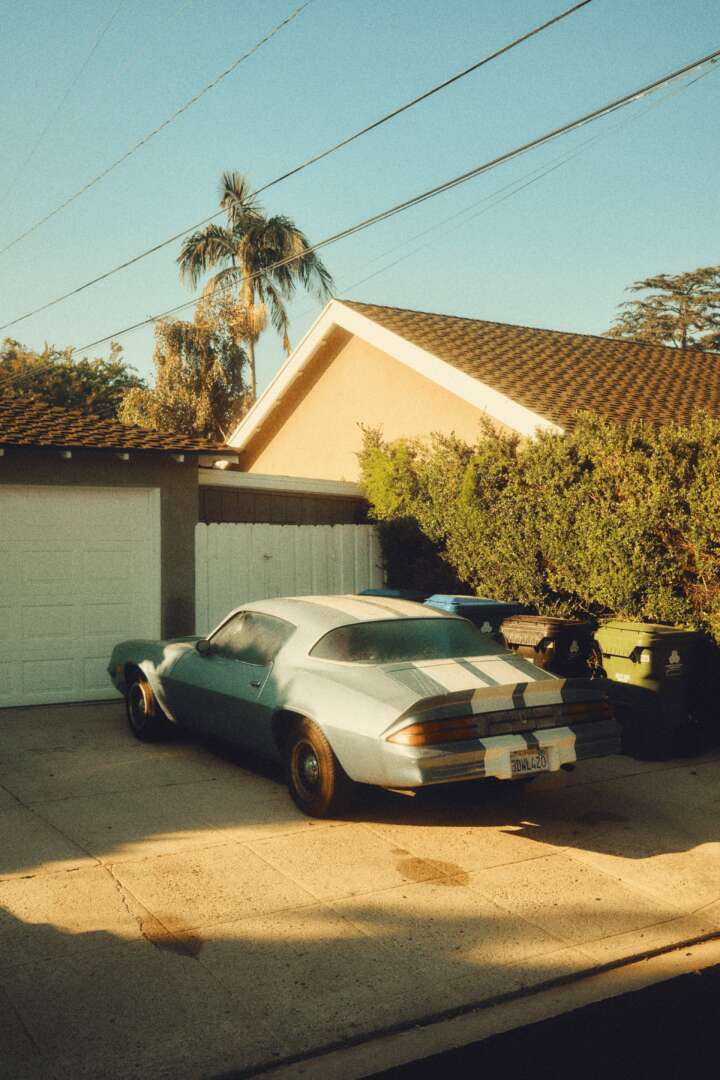
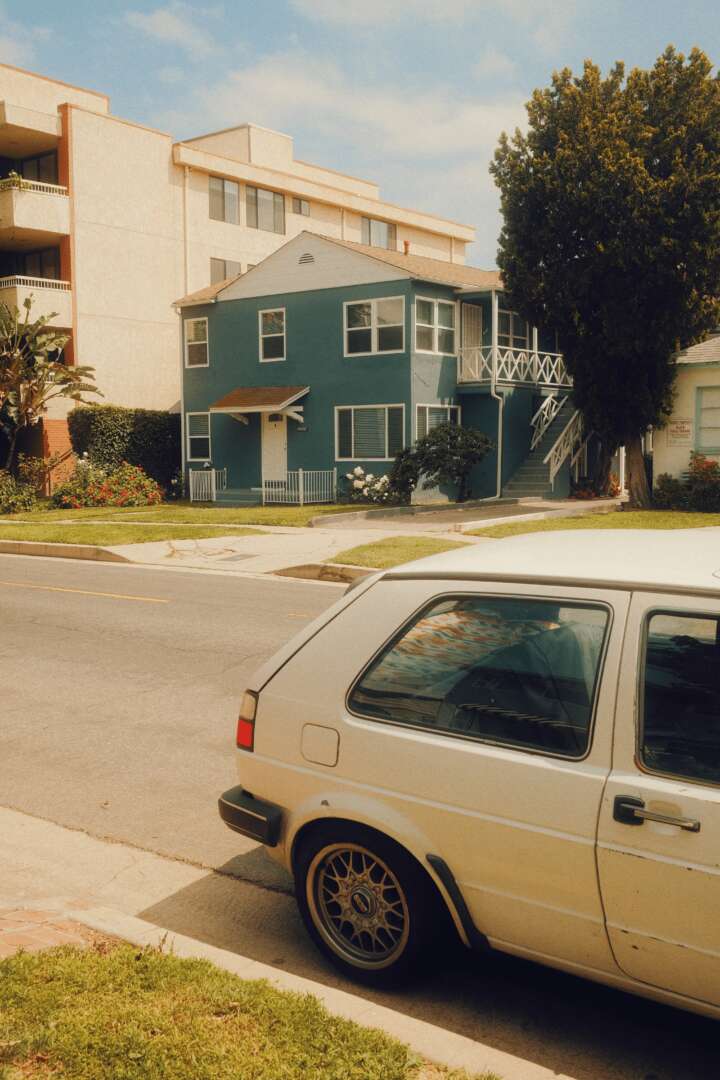
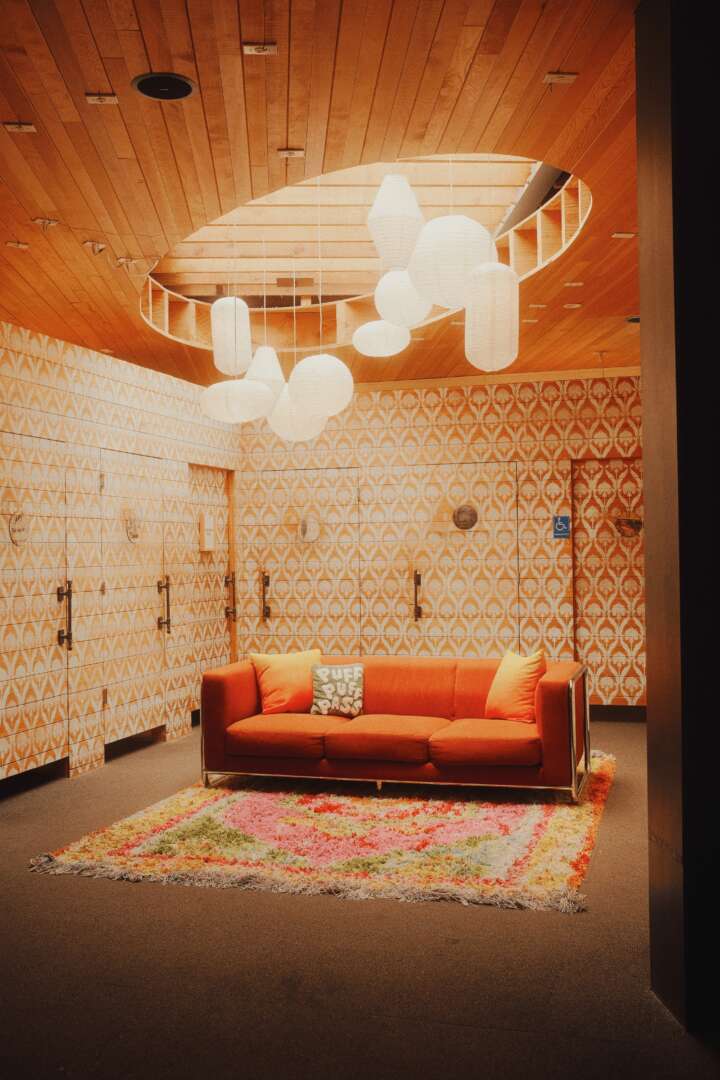
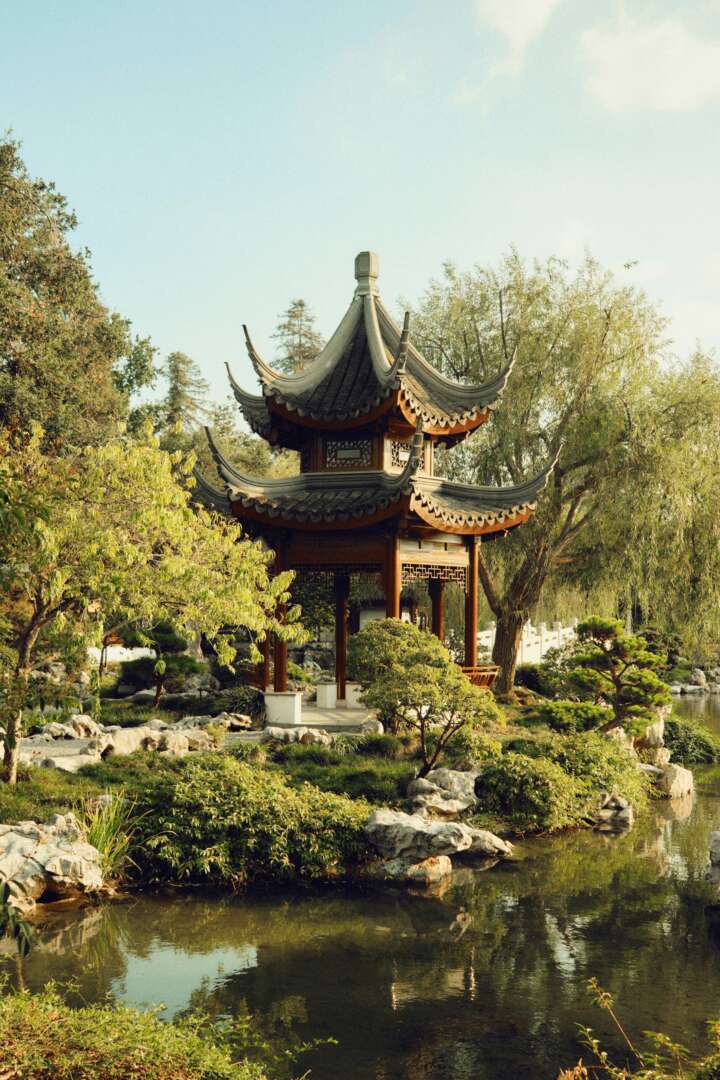
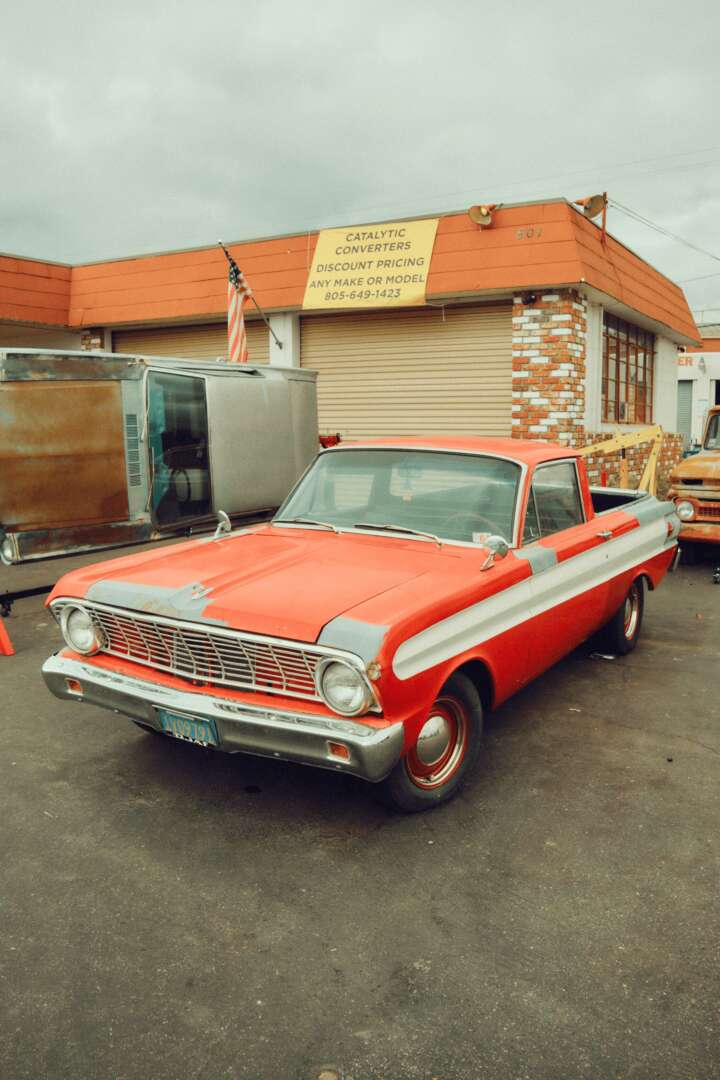
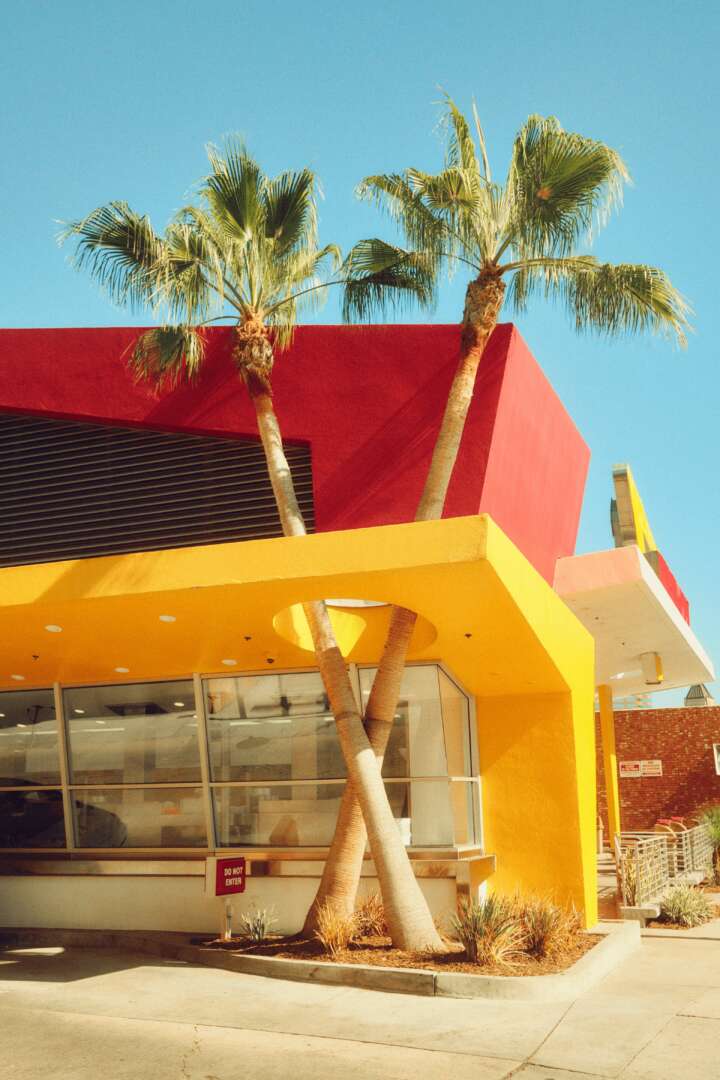
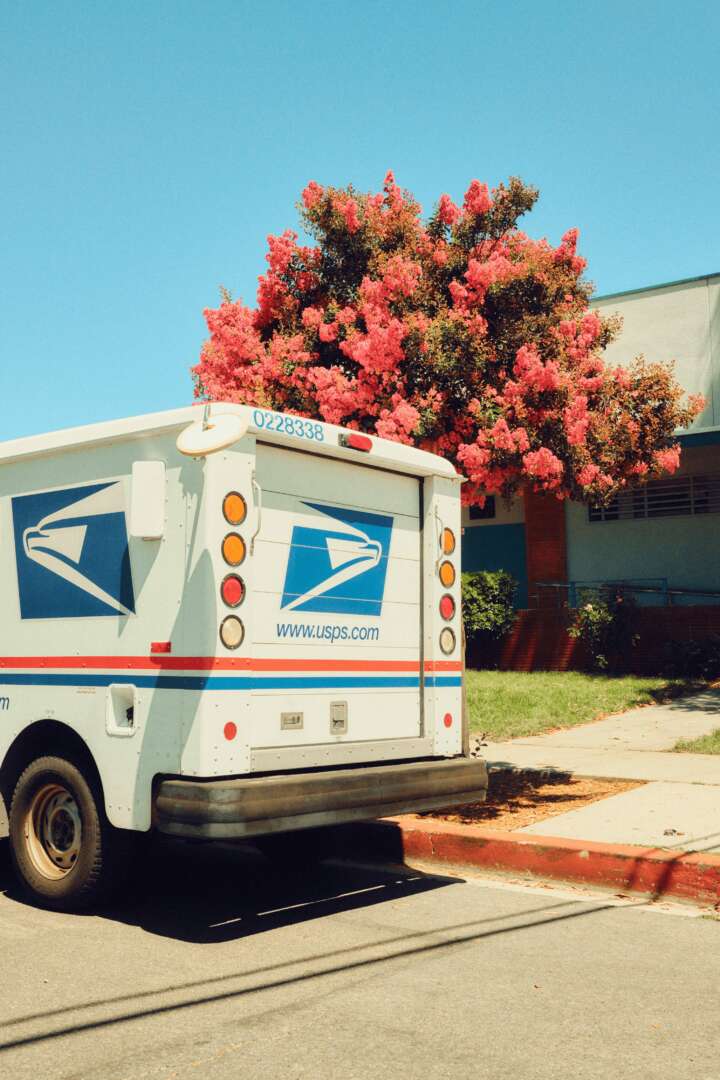
When quarantine started in 2020, it was pretty much impossible to book photo shoots, amongst many other challenges. Every street in L.A. was completely empty, not a single person or moving car in sight. I had never seen the world look this quiet before, and I wasn’t sure if I’d ever see it like this again, so I took the opportunity to explore the city and try my hand in street and architecture photography. I became very fascinated with still-life, and it quickly became a passion for me. Over the next couple years, as things were slowly getting back to normal, I started shooting portraits again, which led to some amazing opportunities, such as shooting for magazines, including a couple of covers, and having my work featured in articles. However, it felt less enjoyable to do these shoots and felt more like a job, which brought along creative burnout very quickly.
On my free time I continued wandering the streets taking photos, and it ended up becoming a form of therapy for me. I spent a lot of time developing a shooting and editing style that I like, and after a ton of trial and error, I’m happy to say that I’m content with how my work currently looks and feels. I was concerned about was sharing my new, non-portrait work on social media, and wondered if it would be received as well. To my surprise, I ended up receiving a lot of support and positive feedback. This was a very relieving moment for me, knowing the work I enjoyed putting out was being appreciated by very like-minded people.
My current goal is to develop my skills as a professional working photographer, and continue having fun with my personal work. I’m considering pursuing Real Estate photography, due to my love of shooting buildings and structures. I would love to incorporate shooting film into my work more often, and maybe even start a YouTube channel to showcase different aspects of my photography. I hope I can keep making connections and coming up with cool ideas!
We often hear about learning lessons – but just as important is unlearning lessons. Have you ever had to unlearn a lesson?
Something I struggled with a lot starting out, was the belief that better camera equipment produced better photos, and that I had to own the fanciest, most expensive gear to take the best photos. When I would talk to professionals, the advice they would give me was that I “needed a Canon or Nikon” or I “needed a full frame camera” in order to shoot professionally. As a lover of the Fujifilm system, I learned that it wasn’t the gear that made me a better photographer, it was the way I’m personally able to use it. I realized the results I was getting were more than enough to produce professional work, and I started spending more time developing my craft and worrying less about buying expensive gear.
For you, what’s the most rewarding aspect of being a creative?
This sounds very cheesy, but honestly it’s the feeling of being happy and proud of what it is you’re creating. Over the last year I have been really enjoying the work I’m putting out, both professional and personal. I’ve found that self validation feels more rewarding than validation from others (though it doesn’t hurt having your work be appreciated by others).
Contact Info:
- Website: https://thejuliandahl.com
- Instagram: @thejuliandahl
- Facebook: Julian Dahl