

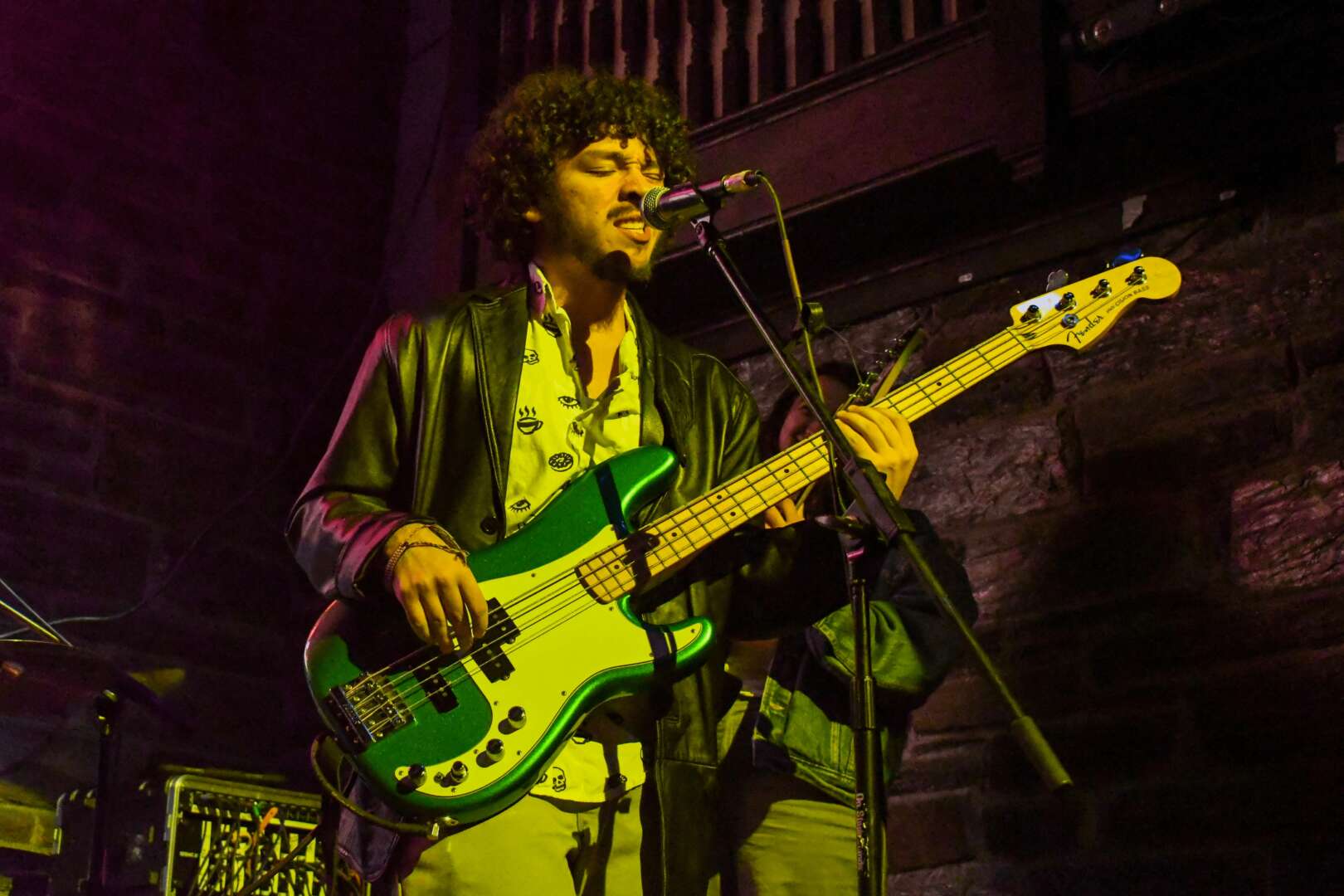

We caught up with the brilliant and insightful Julian Cotom a few weeks ago and have shared our conversation below.
Julian, thanks for joining us, excited to have you contributing your stories and insights. Can you talk to us about how you learned to do what you do?
I first started playing bass as a hobby, so I wasn’t thinking about playing bass as an official set career yet. So, how I learned was different from traditional music lessons. It all started with listening to some of the songs that inspired my desire to play bass and learning by ear, not worrying about note names, scales, modes, or anything that was present in a more common method. That being said, I can say that this method definitely slowed my learning in the grand scheme of learning jazz and music theory in general. It took a while to adjust to playing notes and not frets(playing “A” instead of fifth fret on the E string, etc). This also kept me from learning a more traditional grip and fretting position for my hands. My hands got more tired and I wasn’t sure of the problem until I had more professional lessons. With everything, however, the essential skills I learned before knowing and after knowing the craft were feel and a good ear. Other skills were harder to get down such as knowing the scales, and that was an obstacle until I learned how the shapes of scales worked, allowing me to get more comfortable with my fretting hand.
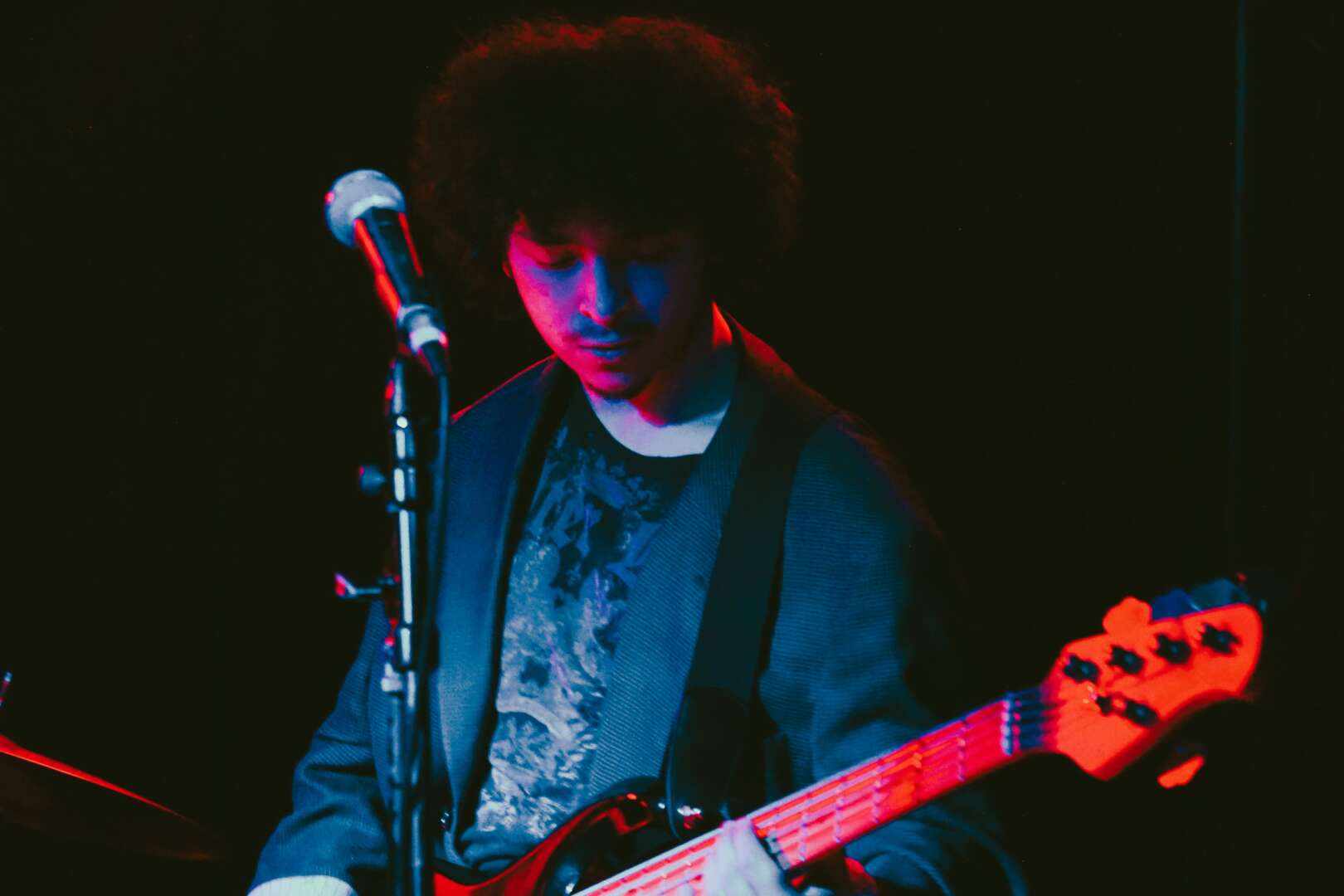
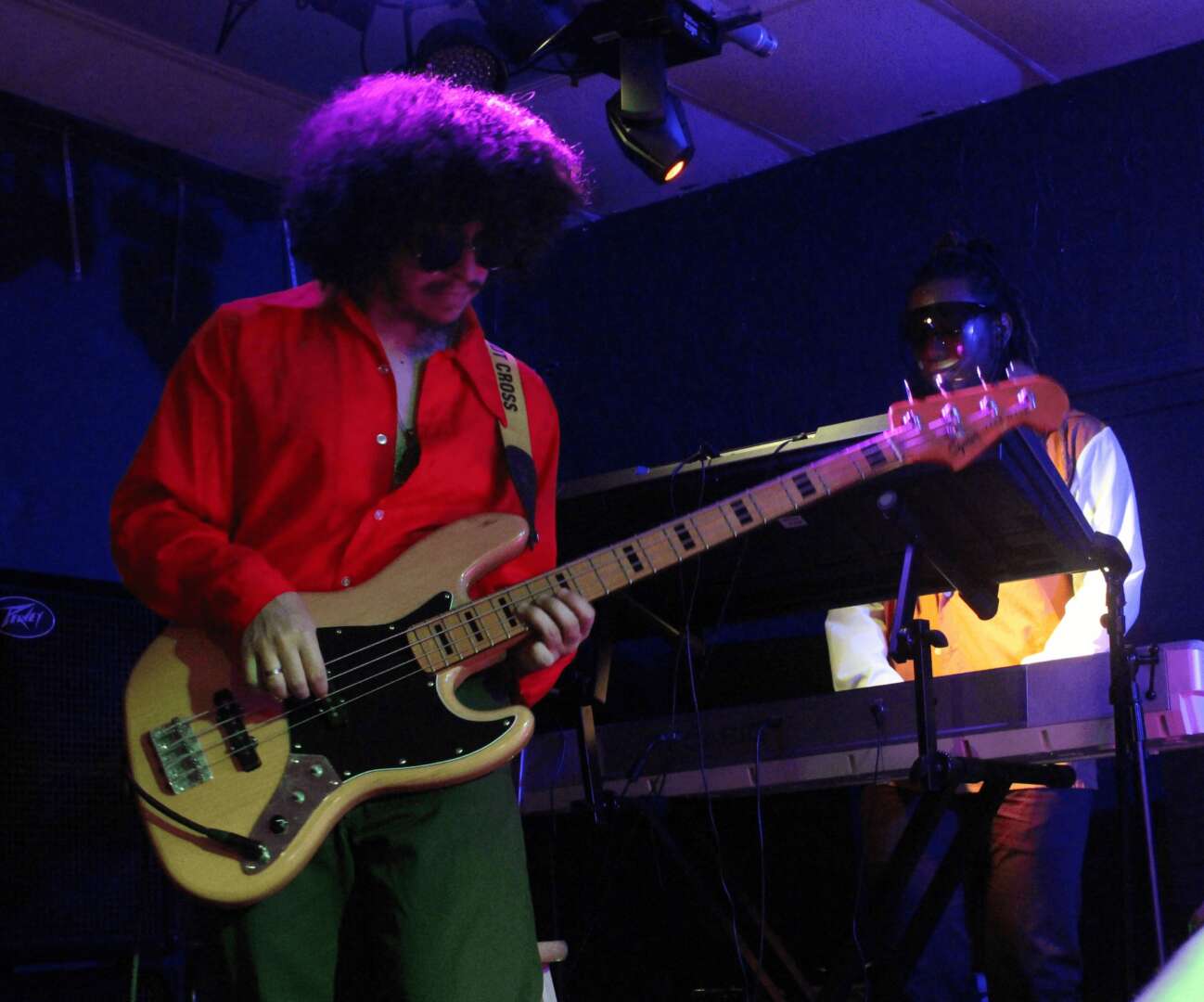
Great, appreciate you sharing that with us. Before we ask you to share more of your insights, can you take a moment to introduce yourself and how you got to where you are today to our readers.
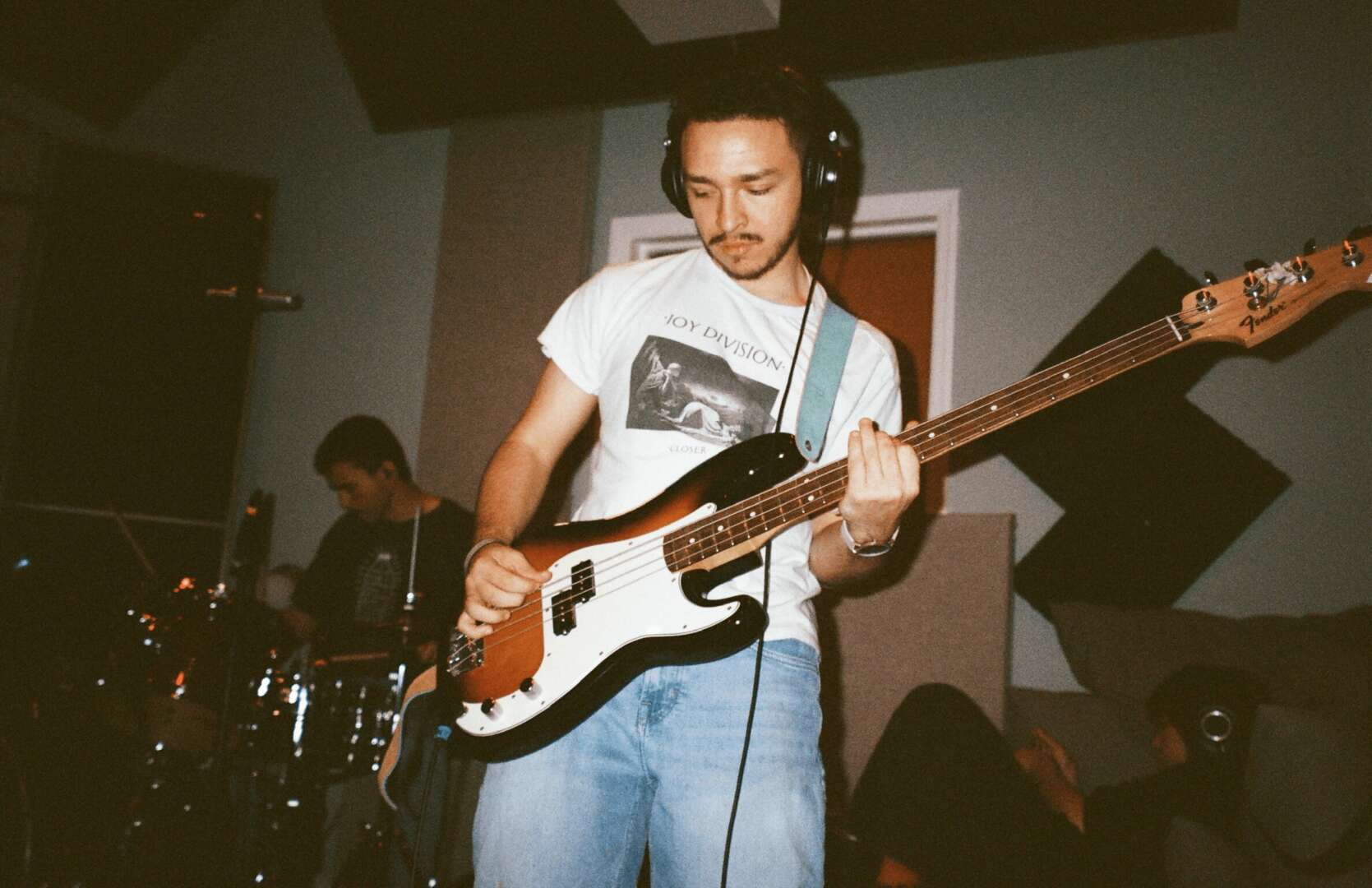
I started as a listener, not knowing what I was wanting or interested in. Music was a part of my life, but a small part that I was just happy to idly sit back and enjoy while doing what I was really interested at the time: theatre. This was where I learned how to perform, and after some time, I realized with or without theatre I wanted to put on a show. The pandemic hit and put everything on hold, leaving me and the rest of the world without spaces to do what they wanted. For me, that was a stage to perform on. So, I started practicing the bass more. When I say practice, I mean I spent a devoted amount of time with the music I was listening to in order to understand it and play it on the bass. I was starting from scratch and learning how to play and understand music my own way. I wanted it all to be fun so I could keep progressing. I was also basing my progress off of the interests my parents had. Me and my mom had similar music taste that allowed me to expand my own and learn more songs. My dad had a passion for records and mixing, so I had access to a whole library and medium for exploring music. After a time of practicing, I was introduced to live performances, and I gladly realized that I could keep my love for performing and use it to influence my musical capabilities. I was happy that I had the practicing under my belt, but what I was even more proud of was learning how to play with other people as well as perform in front of an audience. Every time I play, I offer a bit of myself to the audience and if I’m having fun, I’m sure to let them all know.
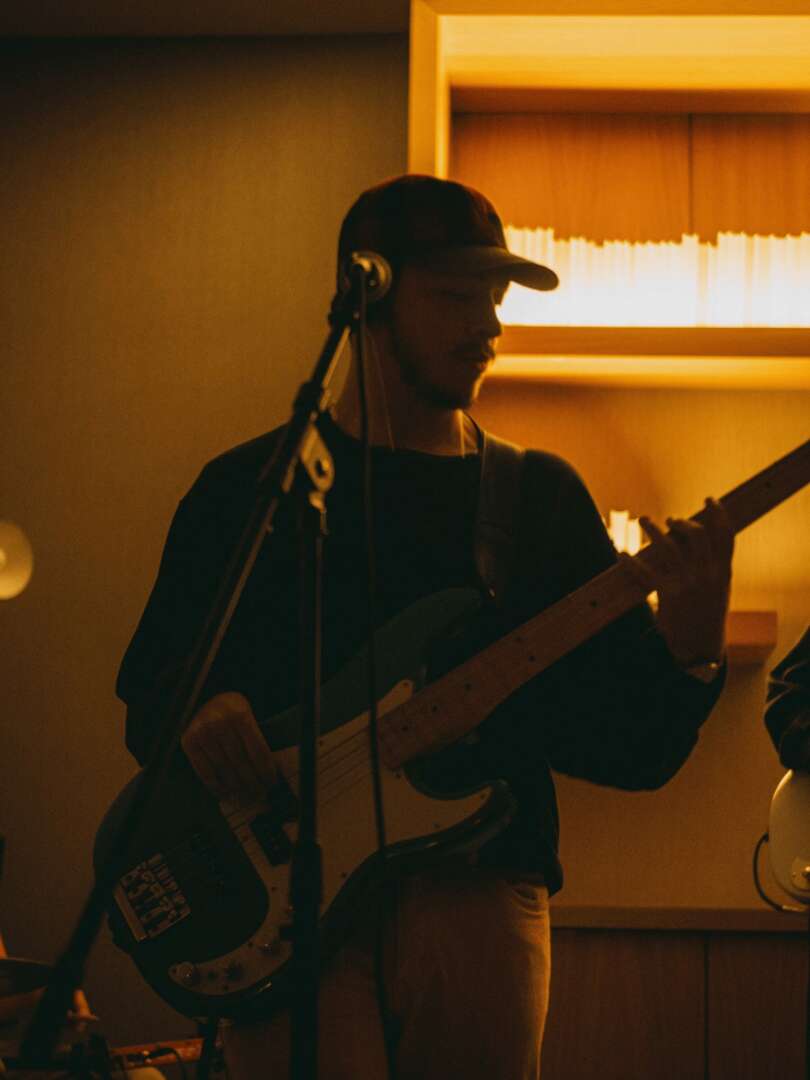
Do you think there is something that non-creatives might struggle to understand about your journey as a creative? Maybe you can shed some light?
I believe that there is a certain aspect of a creative lifestyle that not only non-creatives deal with, but something that affects other creatives too, and that is the amount of money you can make from a creative living. For non-creatives, it seems like there is no making money from pursuing your passion projects. Granted, I haven’t made all that much even from doing a national tour. There are financial decisions that you will have to make when it comes down to it, but you can absolutely end up making a living from pursuing your creative journey. The key is to have patience on your side and take what you are given. Hard work pays off, and as long as you have stable and obtainable goals for yourself and your progression, you are sure to come out of it making a living for yourself. As for this problem to creatives, what creates it is if the creative’s ONLY goal is to make money. First, you shouldn’t be a creative if all you want is money, and that is a personal opinion that I will always champion. So much more goes into making art, and if you aren’t willing to share it for simply sharing it, at first, then that might set you up for a disastrous run and you won’t learn much from taking all the aspects of creative life into account. Making money can be ONE goal that you may have, but set yourself up with other goals you have that don’t involve a financial outcome. Know why you are a creative, and why you wanted to be one. Have goals that are accomplishable with the right amount of work and give you something worth more and ever-lasting.
What do you find most rewarding about being a creative?
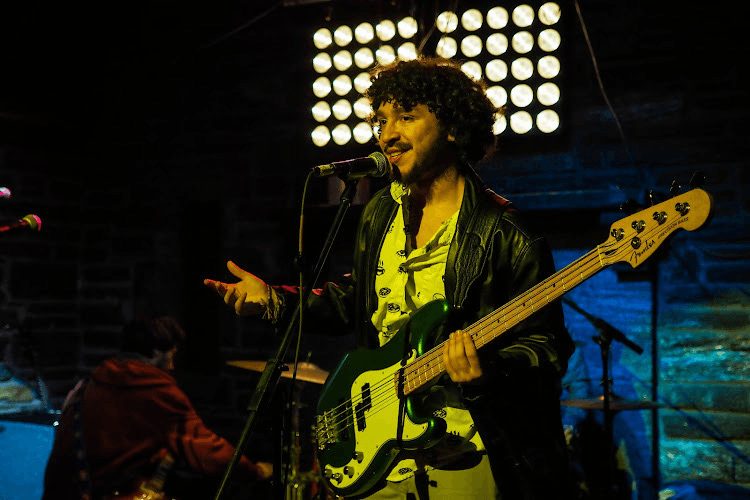
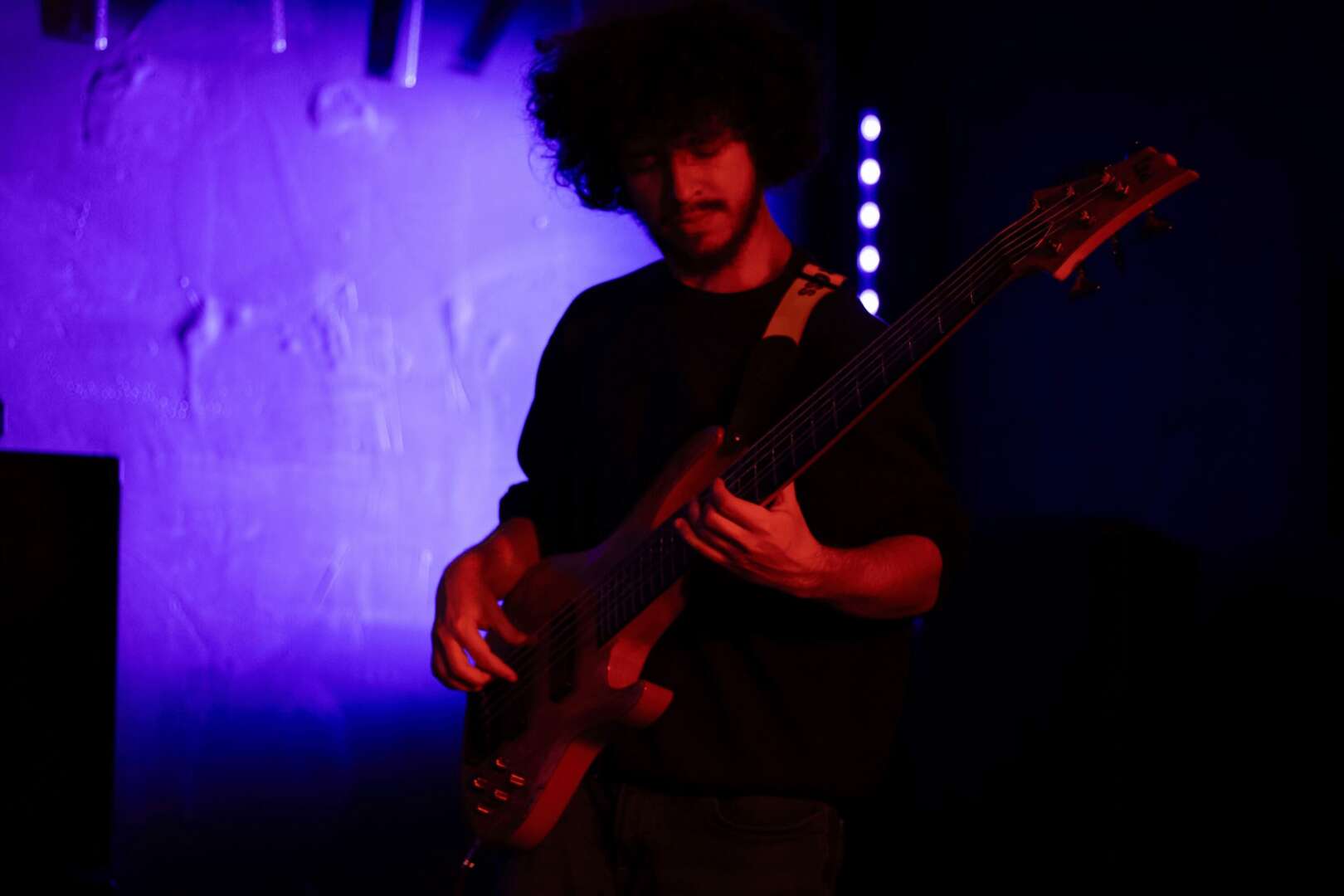
The most rewarding aspect of being an artist is working with other artists. I realized that by yourself, you get ideas that are incredibly unique and can only come to you. So what happens when you take your idea that is unique and combine it with another’s idea that is incredibly unique? It’s a great feeling to work with someone or multiple people and ideas just come naturally or mesh well. Even the ideas that don’t always work, they are products of you and someone else’s mind that I guarantee will come back again. It is, however, a process to find others who you have to sonically and creatively agree with. It only makes it all the better when you come across those who do.
Contact Info:
- Instagram: jecotom
- Facebook: Julian Cotom on Facebook https://www.facebook.com/profile.php?id=100009753559198
- Other: My band I’m part of, NEJ: https://www.instagram.com/youlovenej?utm_source=ig_web_button_share_sheet&igsh=ZDNlZDc0MzIxNw==
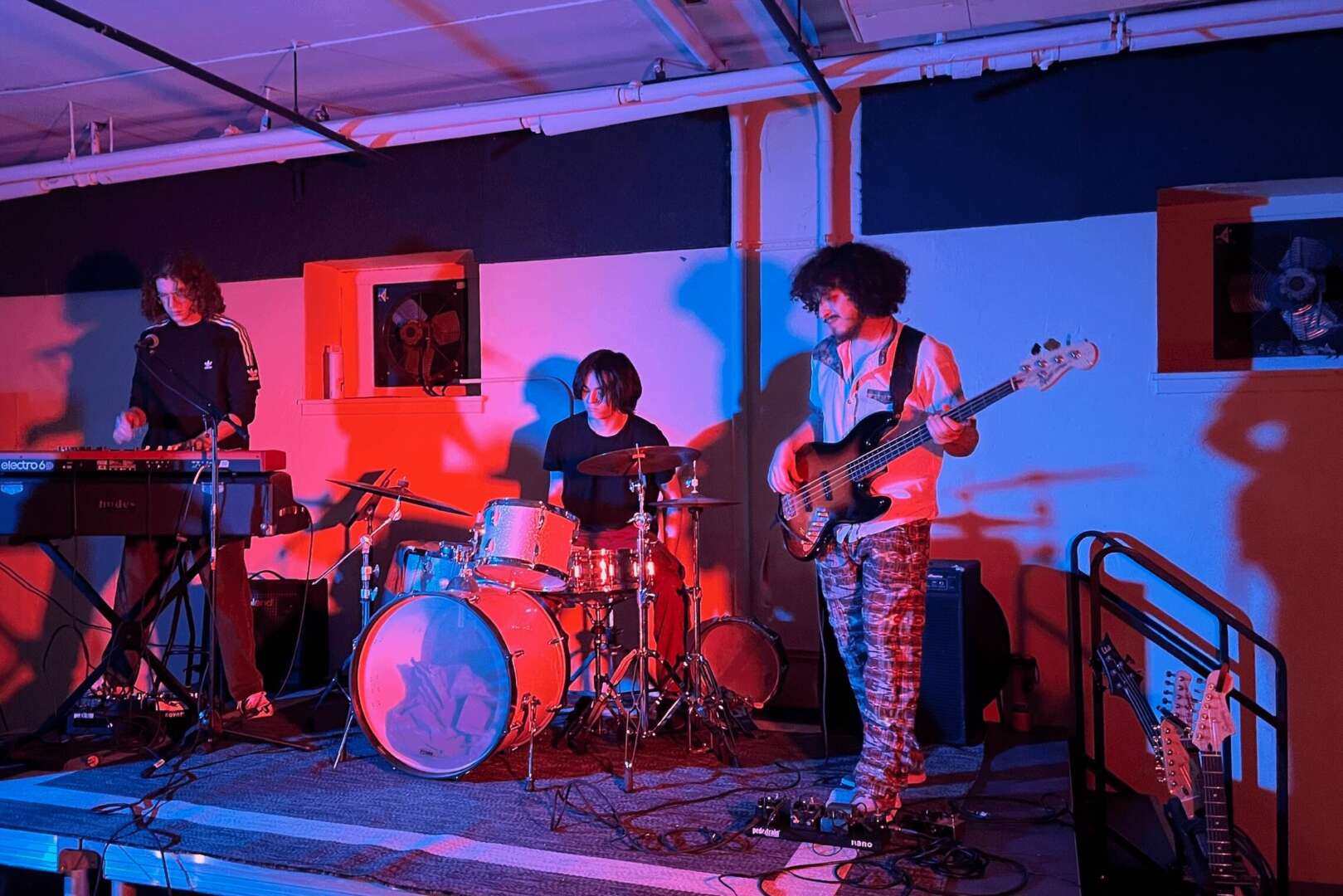
Image Credits
Emilio F. Castaneda
Connor Daniels
Diana Hardage