

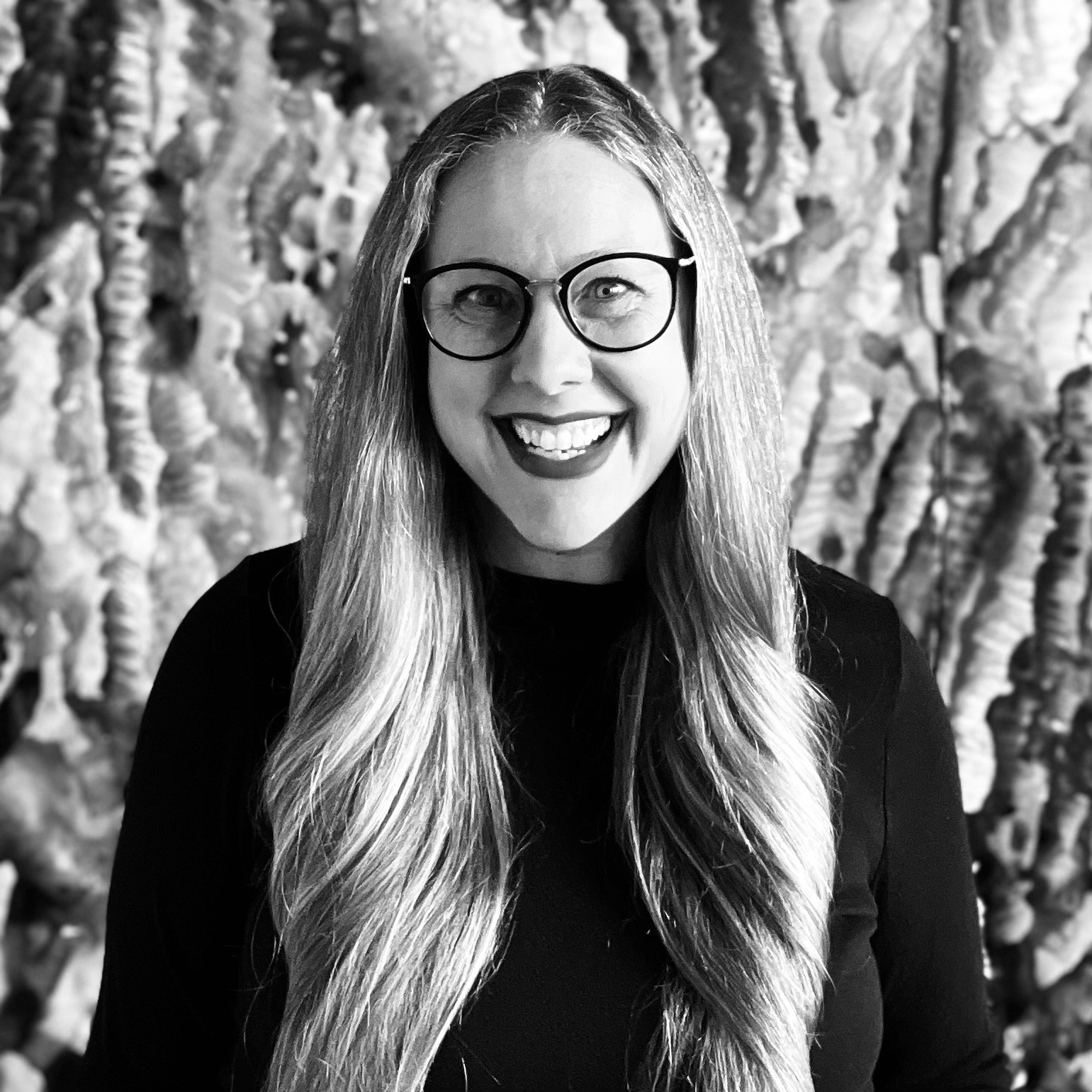

We recently connected with Julia Hendrickson and have shared our conversation below.
Julia, looking forward to hearing all of your stories today. Learning the craft is often a unique journey from every creative – we’d love to hear about your journey and if knowing what you know now, you would have done anything differently to speed up the learning process.
Tearing paper is something that most of us are taught to avoid. As a student printmaker, it is a major part of your world, and I vividly remember the day I learned to tear paper. It was the spring semester of my freshman year of college. My professor gave a demonstration. As her petite frame raised onto tiptoes, I could see the words that she was saying about utilizing your whole body coming to life as all of the fingers of her left hand splayed along the tear bar and her right arm extended to the farthest edge of the paper. Every part of her body was engaged. And then suddenly, there was one fluid practiced motion, akin to ballet dancing, the contracting action that resulted in perfectly torn sheets ready for printing. At this point in my career, I have torn thousands of sheets of paper and taught others to do the same, and I still recall, every time, my dear professor telling us you have to maintain full contact and use your whole body. And lest you think it was merely her diminutive stature that required this, I can assure you it is not. Everyone must use their whole self when tearing paper.
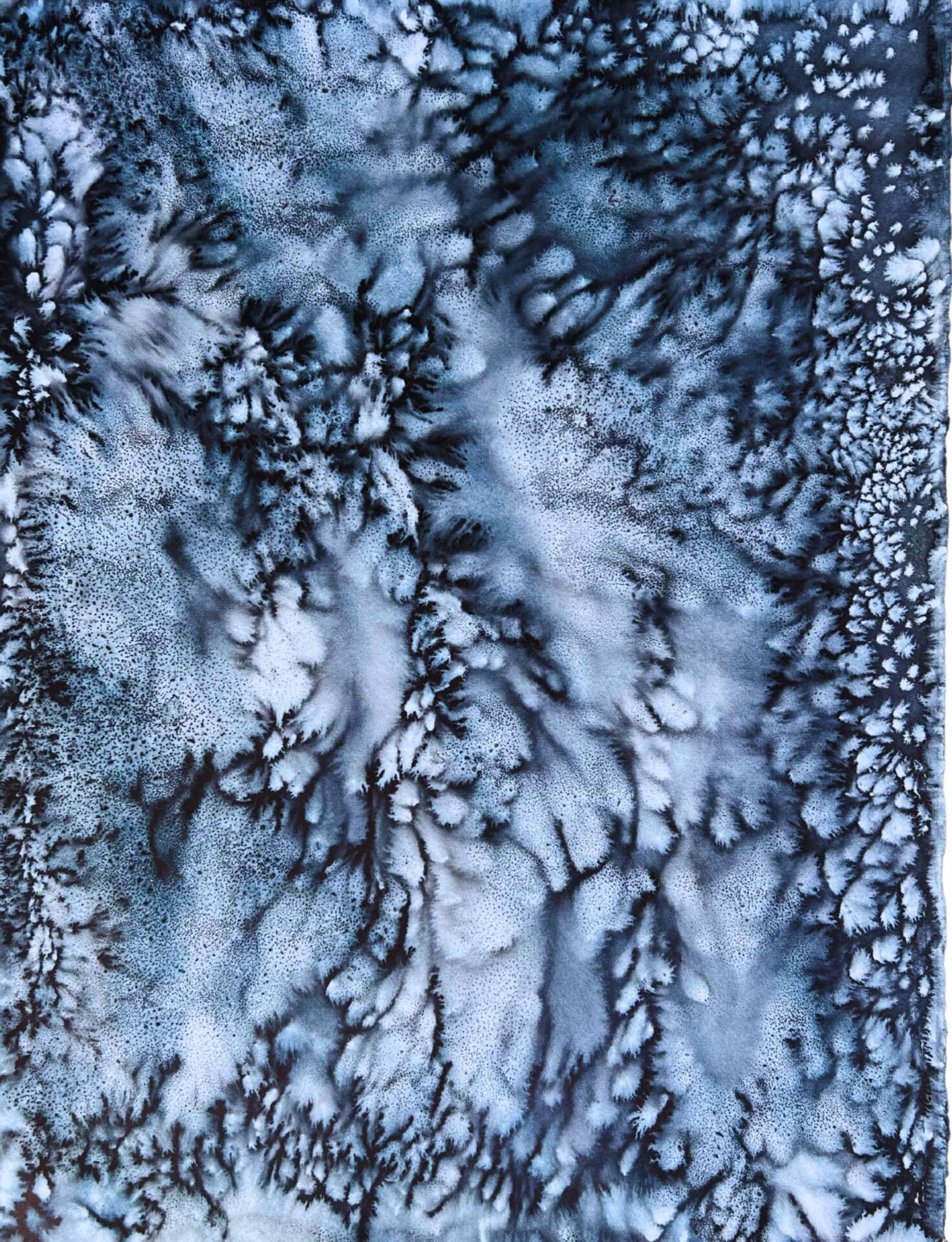
Soft Focus, Watercolor and Salt on Paper, 22″x30″, 2022
Great, appreciate you sharing that with us. Before we ask you to share more of your insights, can you take a moment to introduce yourself and how you got to where you are today to our readers.
I come from a construction family and I always knew I would go into the family business, but I didn’t expect my construction to necessarily take such an artistic form. I am a printmaker working in the contemporary abstract expressionist tradition and my work is constructed through meditative practices. The primary materials are watercolor (Winsor & Newton Payne’s Gray) & salt (Morton’s Coarse Kosher) on paper (Rives BFK) instead of my families traditional materials of sand, asphalt, and gravel. The content of my work reflects on the infinite and the intimate, the Divine and the mundane, the micro and the macro, all through biomimetic imagery. The artworks remain unframed in the traditional sense. For a long time, I didn’t understand my reluctance to framing, which is often thought of as a completion step. I had the means and ability, but the work resisted it. It wasn’t until I read Amanda Palmer’s book The Art of Asking, where she explains about the exquisite trust and vulnerability that develops between a performer and their audience that I understood. The pieces are an experience in trust. The sheets of paper remain unprotected. They rely on the viewer to treat them with at minimum benign neglect, and at best, utmost care and consideration. Thus adding to the interpretative elements while implicating the viewer in the process. The artworks are carefully choreographed partnerships between material and intent and the monochromatic color scheme constructs a meditative space where the viewer has room to explore free from the distraction of compliment and contrast. Every element is collaborated with allowing for the coalescing of form and meaning. My work encourages collaboration and reflection. I frequently share timelapses of my process on Instagram and offer introspective questions with the images, as a way of encouraging more aware and thoughtful living. Having my art in your space is an invitation to discussion and a deeper way of being.
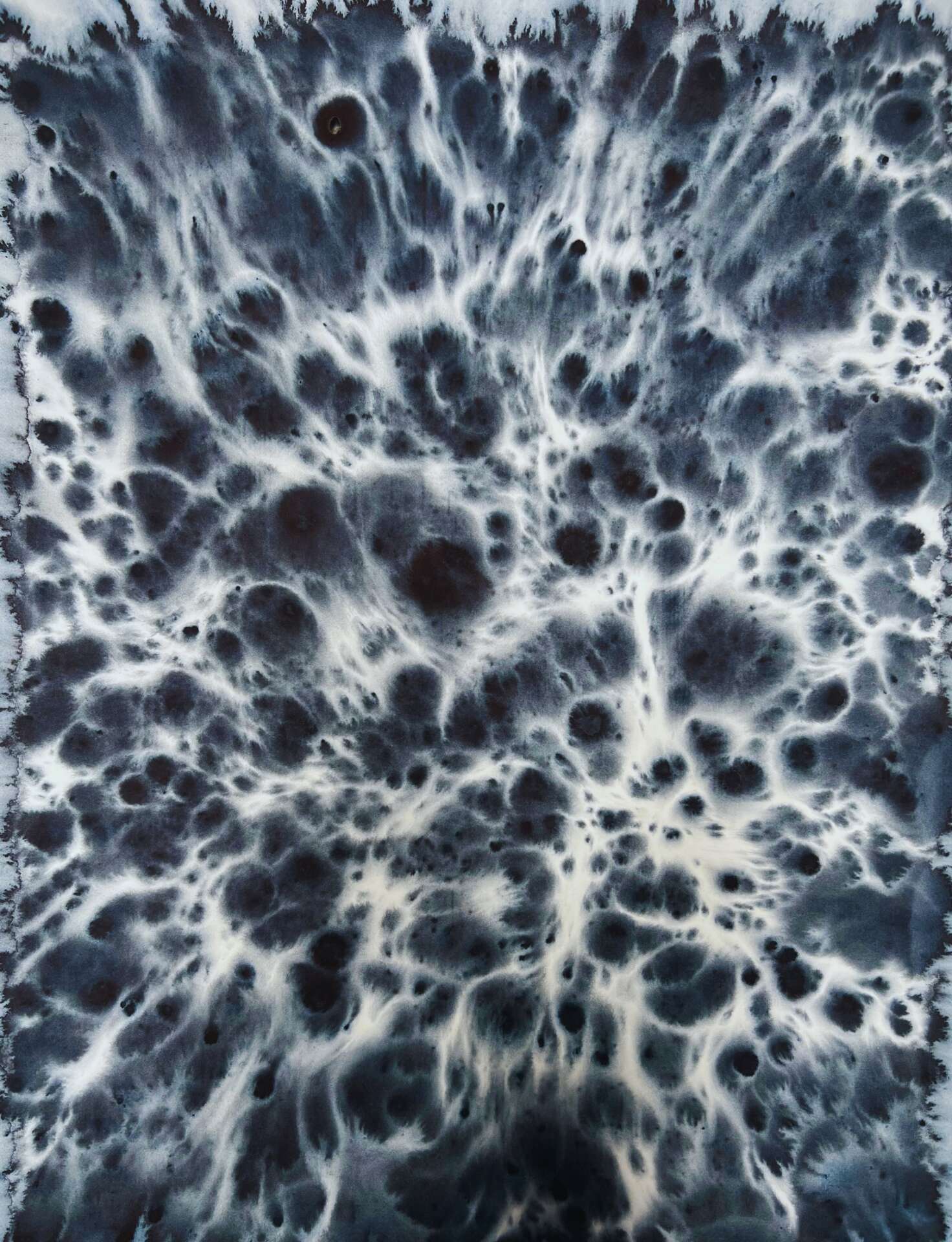
In the Depths #1, Watercolor on Paper, 22″x30″, 2023
What can society do to ensure an environment that’s helpful to artists and creatives?
Champion artists. Talk about artists. Put their work in your homes and businesses. Share their work, like their social media posts every day. Is there an empty room in your office? Can you host a show? Even if it is only seen by the people on your floor, that is more people that were exposed to that artist’s work in person than before. If you can afford to buy the work and you like it, then please buy it. If you can’t afford it, that’s fine, we can still be friends.
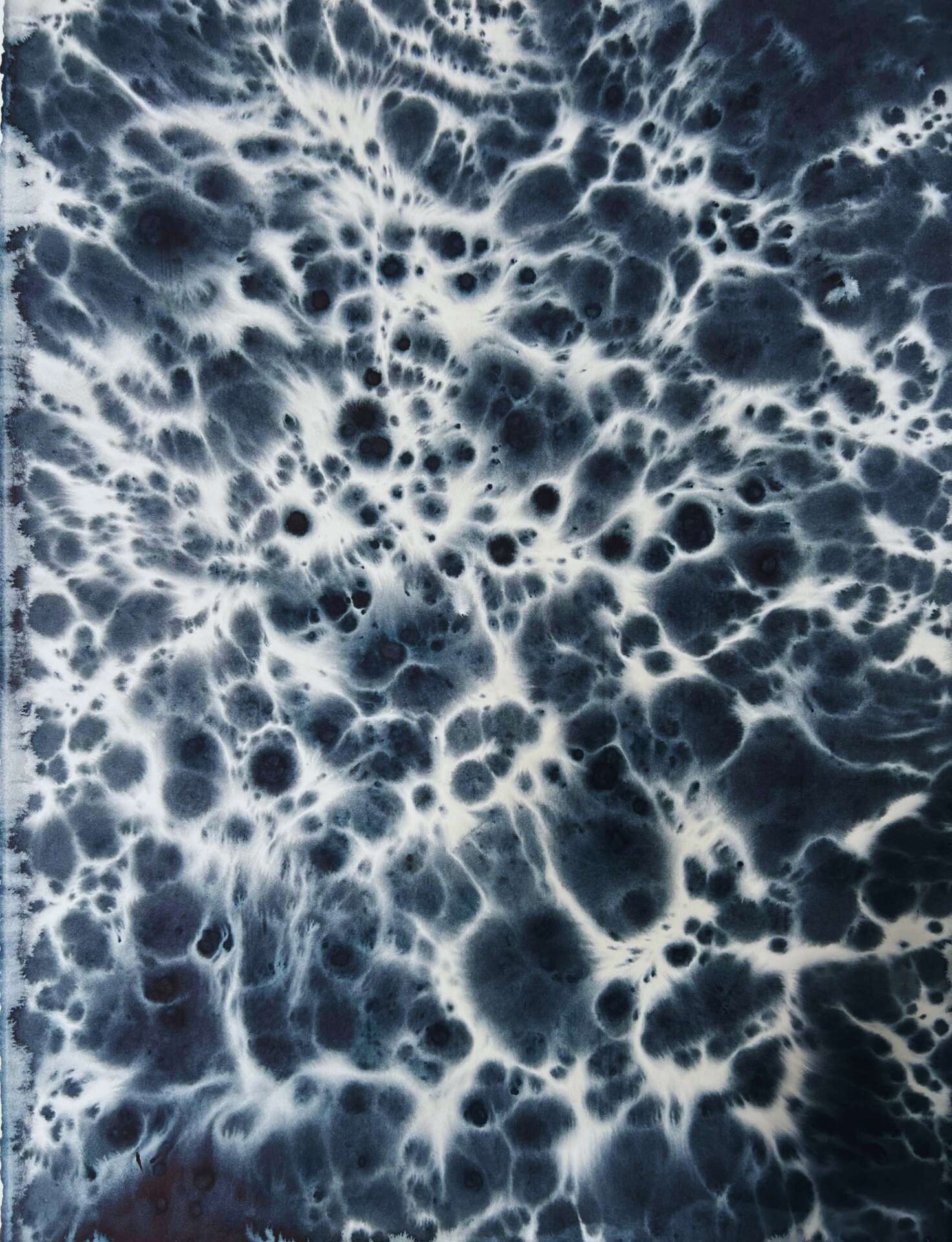
In the Depths #2, Watercolor on Paper, 22″x30″, 2023
Are there any books, videos, essays or other resources that have significantly impacted your management and entrepreneurial thinking and philosophy?
Here’s the thing: I read a lot. This year alone I am on track to read over 500 books. These three books are on my “How to be a Thoughtful Adult” recommendation list:
“I Never Thought of it That Way” by Mónica Guzmán
“The Art of Gathering” by Priya Parker
“Listen Like You Mean It” by Ximena Vengoechea
The practicality provided by these women is extraordinary, and if followed, the world would be better.
The two books that have impacted me most as an artist are:
“Writings” by Agnes Martin The thoughtful reflections on process and vision provided by Martin have been guiding points in my practice for over 20 years.
“Daily Rituals” by Mason Curry This book gave me the freedom to set up an atypical schedule that works for me, by sharing the varied choices of creatives throughout the centuries. There is no one “right” way, there is only the way that works for you.
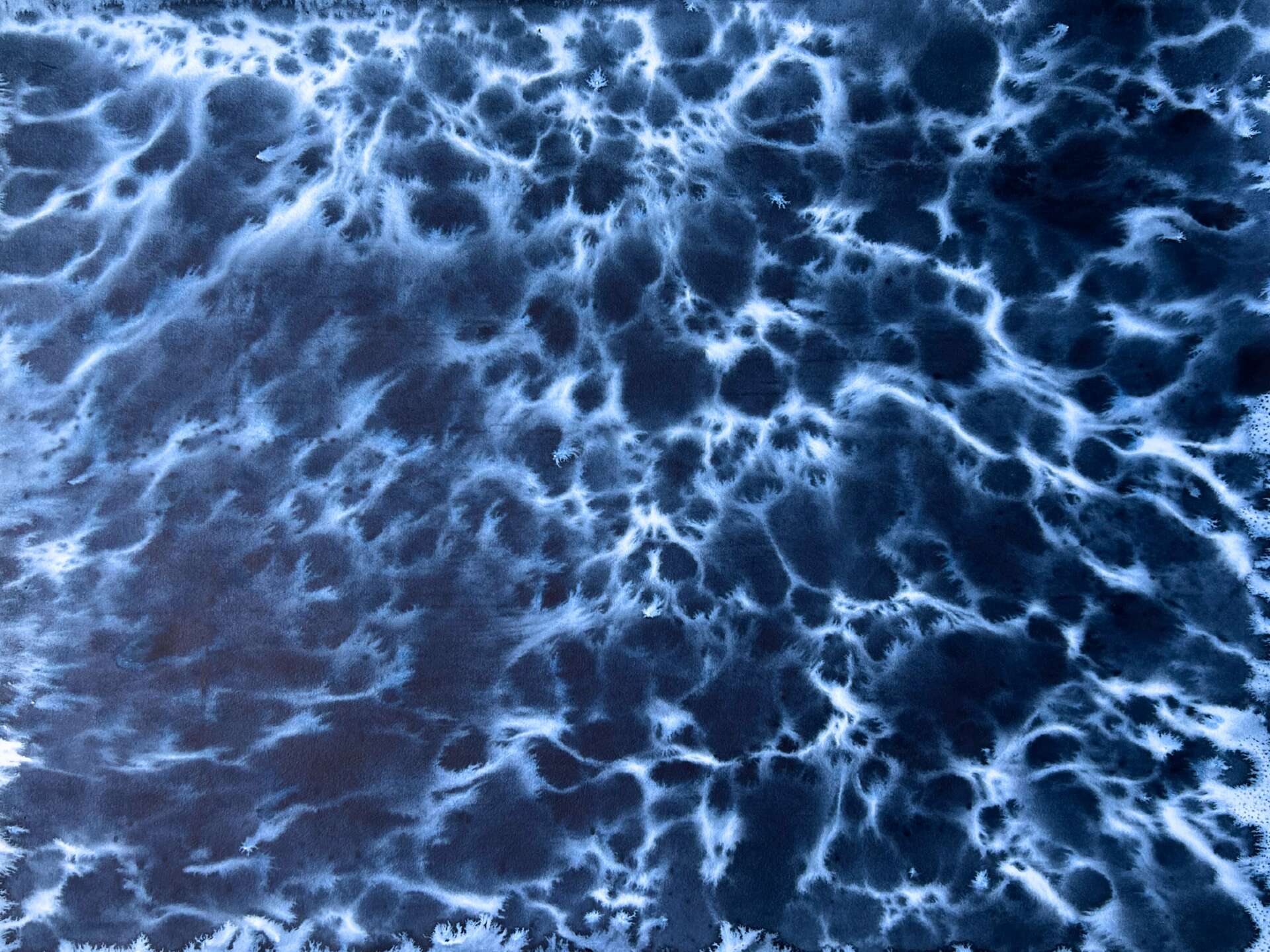
In the Depths, Watercolor on Paper, 30″x22″, 2023
Contact Info:
- Website: https://www.juliahendrickson.com/
- Instagram: https://www.instagram.com/juliachendrickson/