

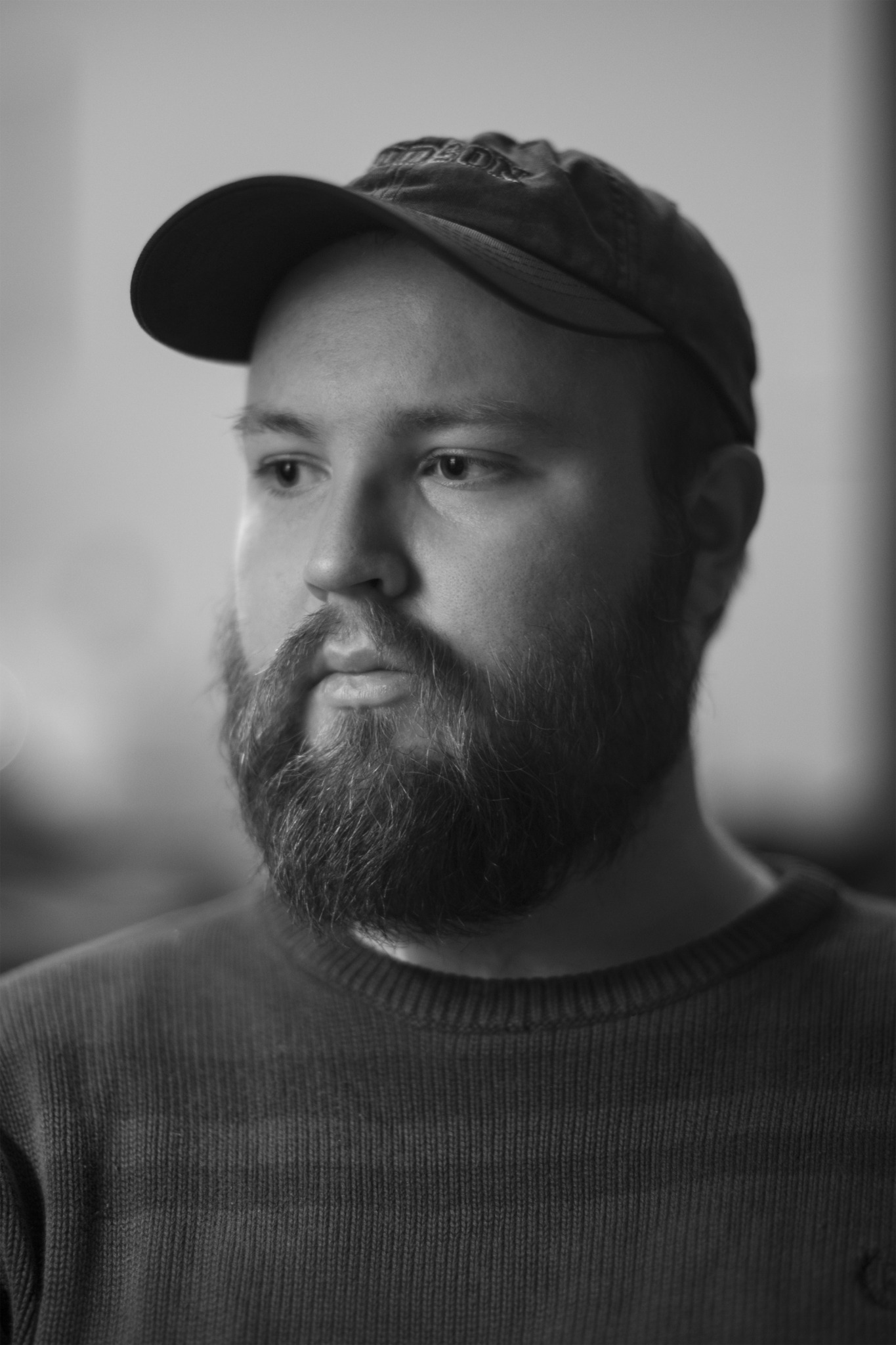

Alright – so today we’ve got the honor of introducing you to Judson Womack. We think you’ll enjoy our conversation, we’ve shared it below.
Judson, looking forward to hearing all of your stories today. I’m sure there have been days where the challenges of being an artist or creative force you to think about what it would be like to just have a regular job. When’s the last time you felt that way? Did you have any insights from the experience?
Absolutely happy. Fairly early on after finishing my undergraduate degree, my then-partner suggested I look for full-time “office” work even to just experience that kind of lifestyle. We eventually broke up, but I followed their advice and ended up working in medical publishing for two years before starting my MFA. That experience had a profound affect on my relationship to my practice in that, for all the wonderful stability and structure of a “regular” life, it felt like postponing the inevitable. Every day was eight hours until I could do this thing I was and am still so deeply excited by. To be able to look back on that experience, particularly when things get difficult, and say “Remember how much you hated that?” has been invaluable and I always urge my undergraduate students to consider that type of experience after graduating. Take a break, work a job, feel the desire to have this kind of career deep down in your bones before you jump in because it’s not going anywhere, and there may be times when that validation is one of only a few things you have to keep you going.
Awesome – so before we get into the rest of our questions, can you briefly introduce yourself to our readers.
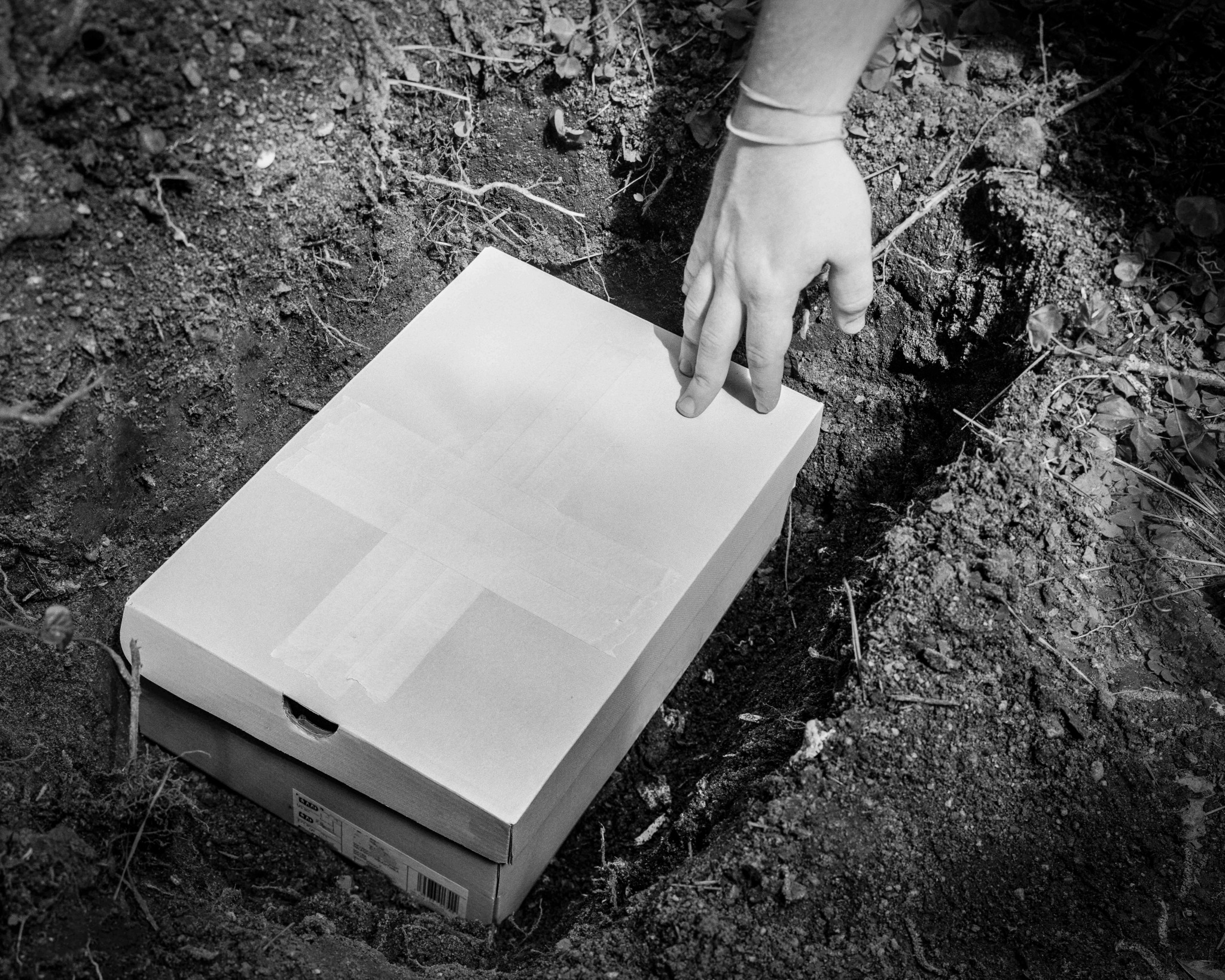
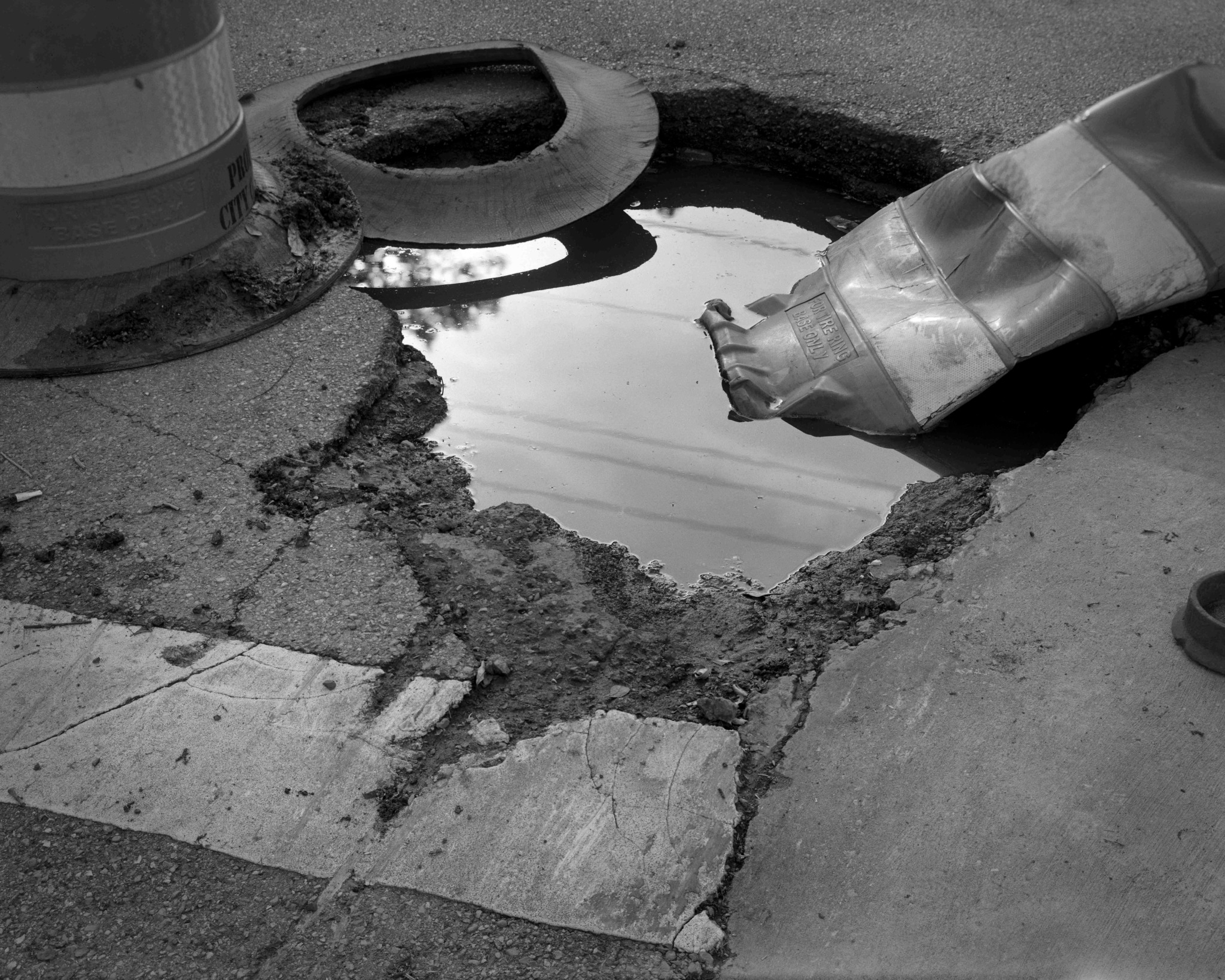
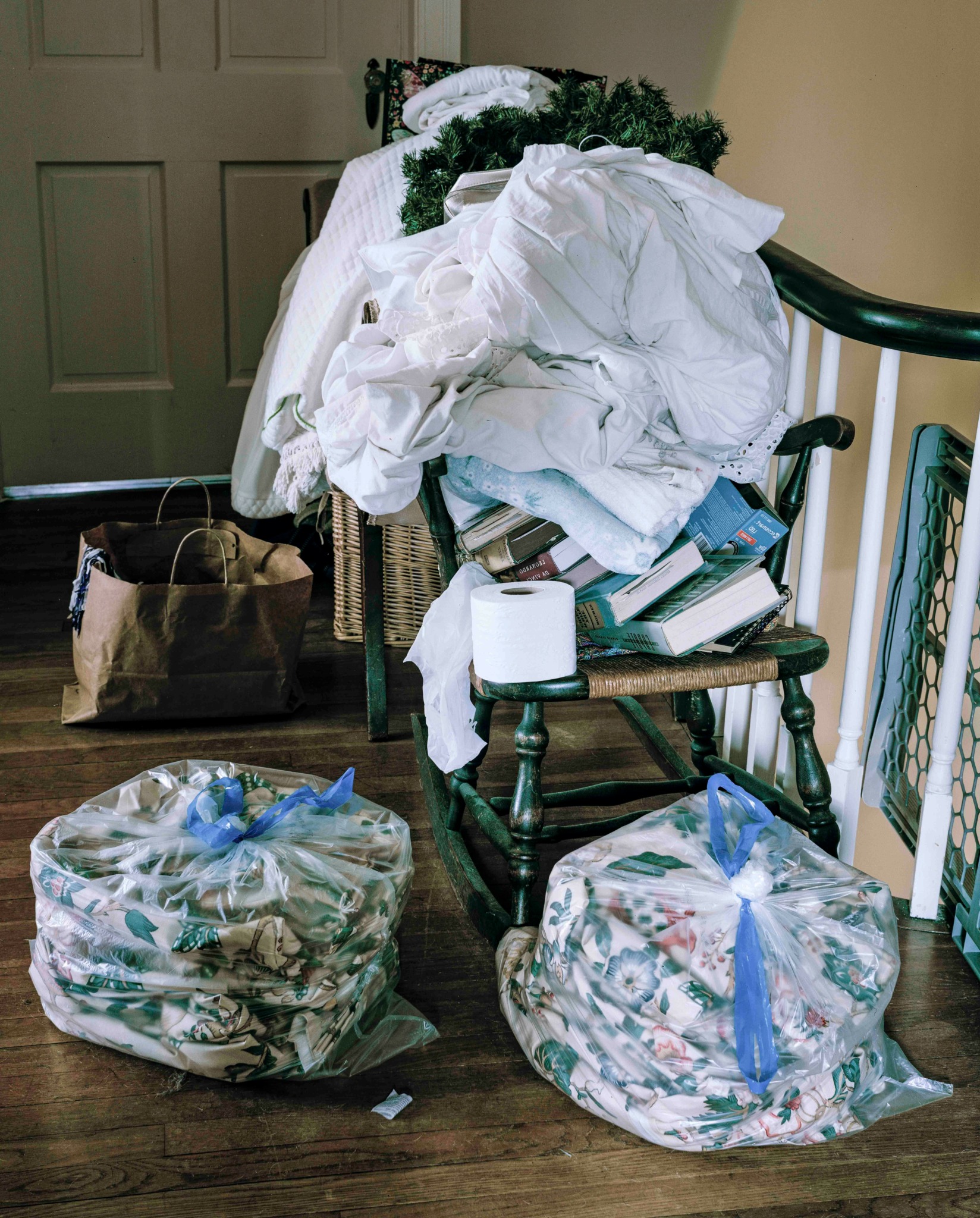
My name is Judson Womack. I’m a Chicago-based photographer and educator with a particular love for analog photographic media and bookmaking. My current body of work, “Lay Us Down,” is a reflection on my home state of Mississippi, where all of the images were made, exploring the intertwining of identity, family, tradition, and place. Since this work is building on an internal experience, I’ve been drawn towards a more intuitive, meandering way of working, finding my subject matter in the natural world as opposed to trying to pose or construct images in a studio setting. I’ve also leaned towards larger image formats—those old, “accordion” cameras—as a slower, more thoughtful way of engaging with my subject matter and the broader image-making process.
My entrance into photography was somewhat tumultuous and I’m beginning to think it’s quite common amongst photographers that many of us sort of stumble into this magical thing after trying a few others first. As a child, I was immensely lucky to attend Jackson Public Schools and be accepted into their Academic and Performing Arts Curriculum (APAC), which had me bus from my school to a central campus every day for part of my day to take visual arts classes. I did that from elementary all the way up through high school and then, much to my parents’ surprise, decided I wanted to be a physicist at Davidson College. I was not a very good physicist. Instead, I graduated with a Studio Art degree and started becoming attached to photography, learning to process film in my apartment kitchen in Chapel Hill, NC during the pandemic and trying to figure out where to go next. That search brought me to Chicago for an MFA and my current practice.
In more of a business/industry sense, I’ve found teaching to have a gravitational pull! Besides that I love doing this and think pictures so cool, image literacy is super relevant to our digital age. I believe learning what goes into making images can be one of the best tools to understanding the images we’re being shown and why.
What can society do to ensure an environment that’s helpful to artists and creatives?
Boy, this is a pertinent question to the current state of things. Artists nowadays fundamentally depend on a “middle class” with income that doesn’t have to go to rent, eggs, or insurance. As costs continue to rise, creatives—particularly freelancers—are going to be the first to feel their own income dry up.
A few thoughts for anyone wanting to support local creatives and the arts with limited income:
First, focus your support. Find one or two local, emerging artists you really believe in and, well, support them. Attend their shows and buy their art when you can but also advocate for them if you’re in a position to. Would the Dr.’s office/coffee shop I work for buy or show their work? Could these creatives provide programming for my nonprofit?
Second, do the same with an arts organization or nonprofit. Multi-use arts spaces that accept public proposals are especially valuable to a local creative ecosystem and need all the support they can get. Find one. Support it. Attend events. Buy work. Donate.
Third, and this might sound a little silly, but have your artist/creative friends over for dinner. Community cuts costs. If you’re the hosting type and have the space, do the weekly potluck. Have the monthly skill-share. If you have long-distance artist friends, let them know your couch is open.
Fourth and finally, engage in local politics, maybe even at the expense of national politics. The elected officials at the bottom of the ballot are going to be the first line of advocacy for local arts and in the coming years, their last line of defense.
Have any books or other resources had a big impact on you?
Sasha Wolf’s “PhotoWork” book and ensuing podcast series is a true gem from someone deeply dedicated to the photographic medium and dedicated to showing young photographers what all goes into a comprehensive photo practice. I think one of the biggest questions young creatives have is “What next?” and experiences between educators are so varied it can be difficult for us to provide a comprehensive answer to that question. Sasha’s work really bridges that gap with the foremost practitioners of the media.
Contact Info:
- Website: https://www.judsonwomack.com/
- Instagram: @judwomack
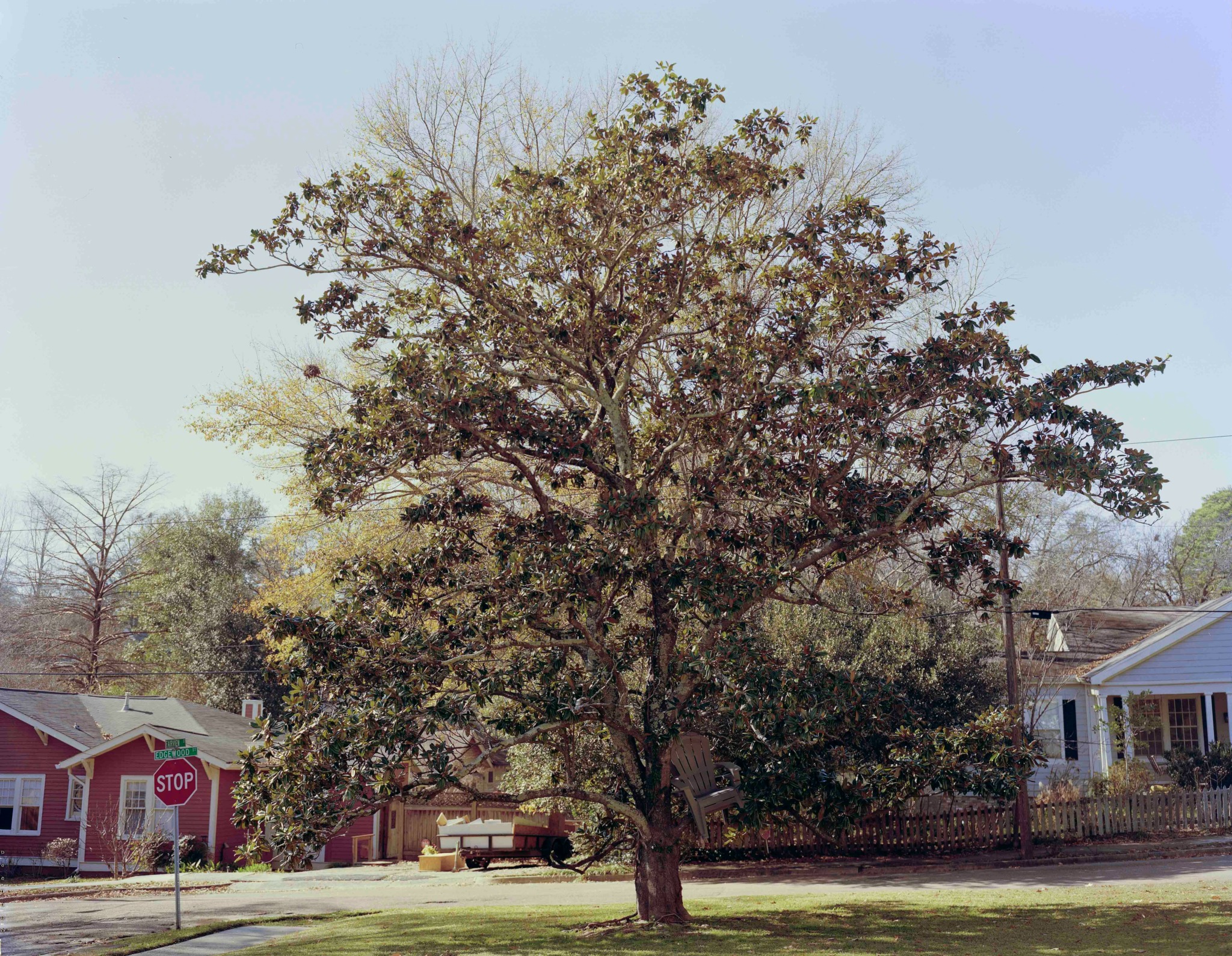
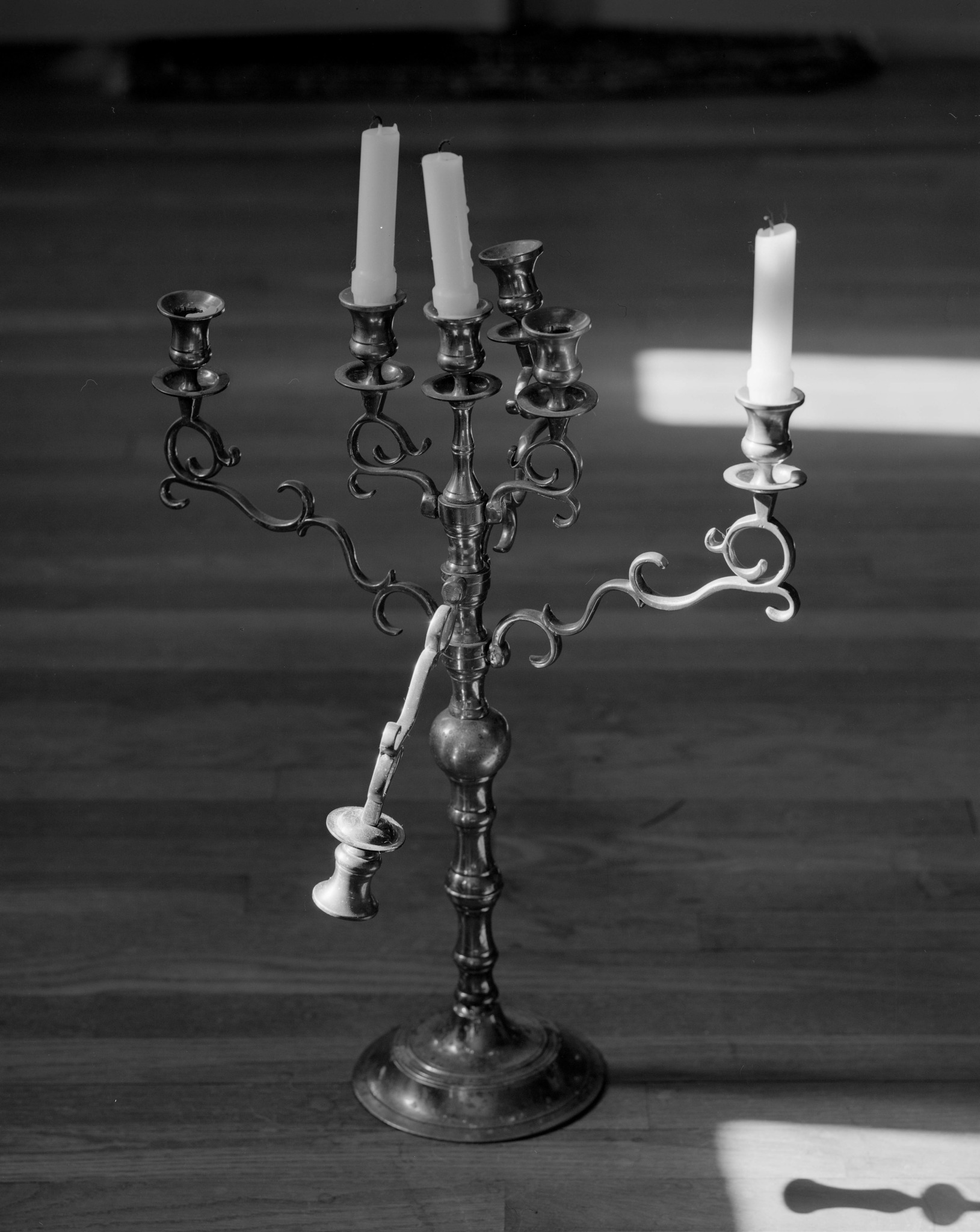
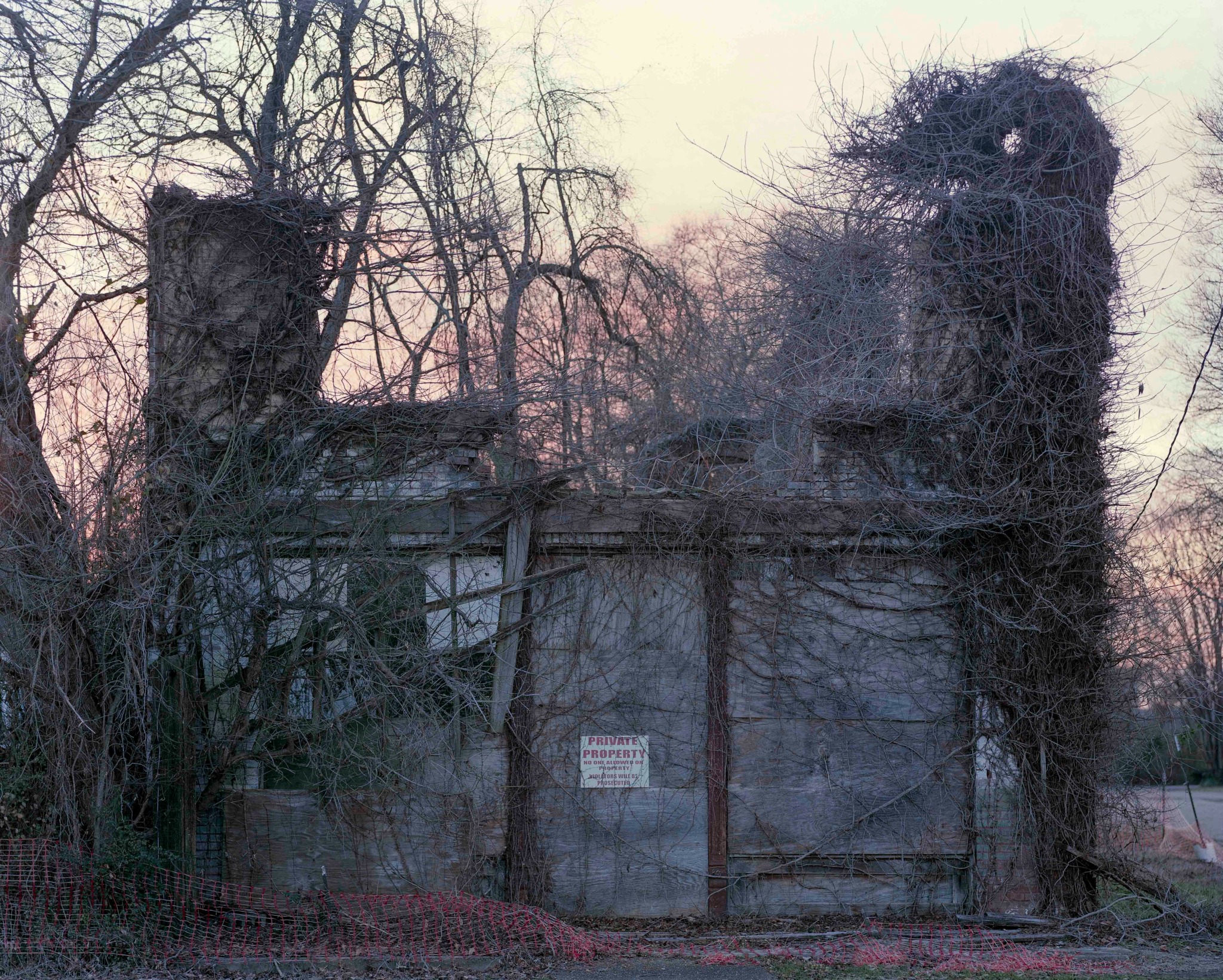
Image Credits
All images © Judson Womack 2023-2025.