


We’re excited to introduce you to the always interesting and insightful Juan Arguello. We hope you’ll enjoy our conversation with Juan below.
Juan, appreciate you joining us today. Can you talk to us about how you learned to do what you do?
Learning the craft is something we never stop doing. Specially in music. There is always so much to learn and so much room to improve, no matter where you are in life.
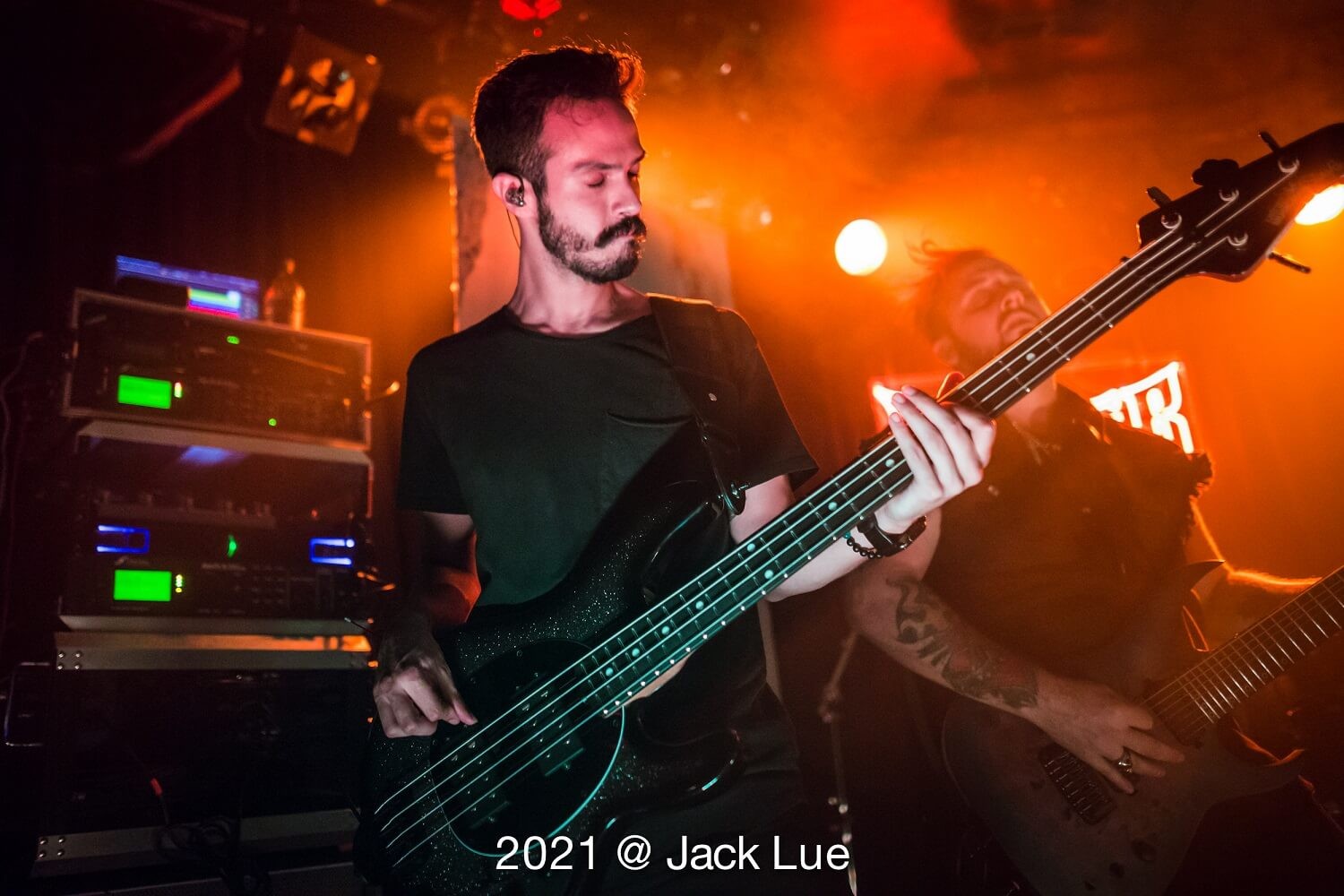
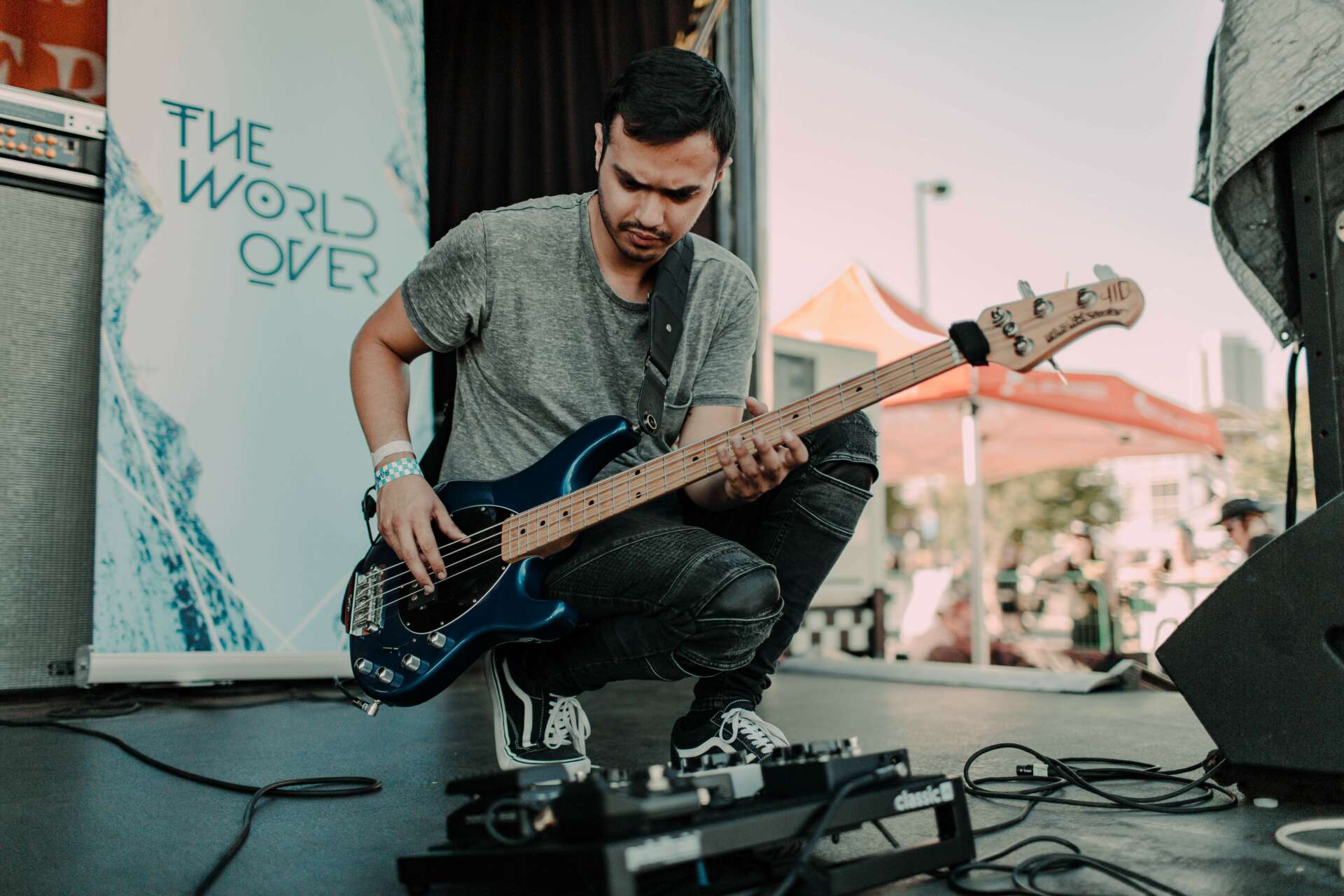
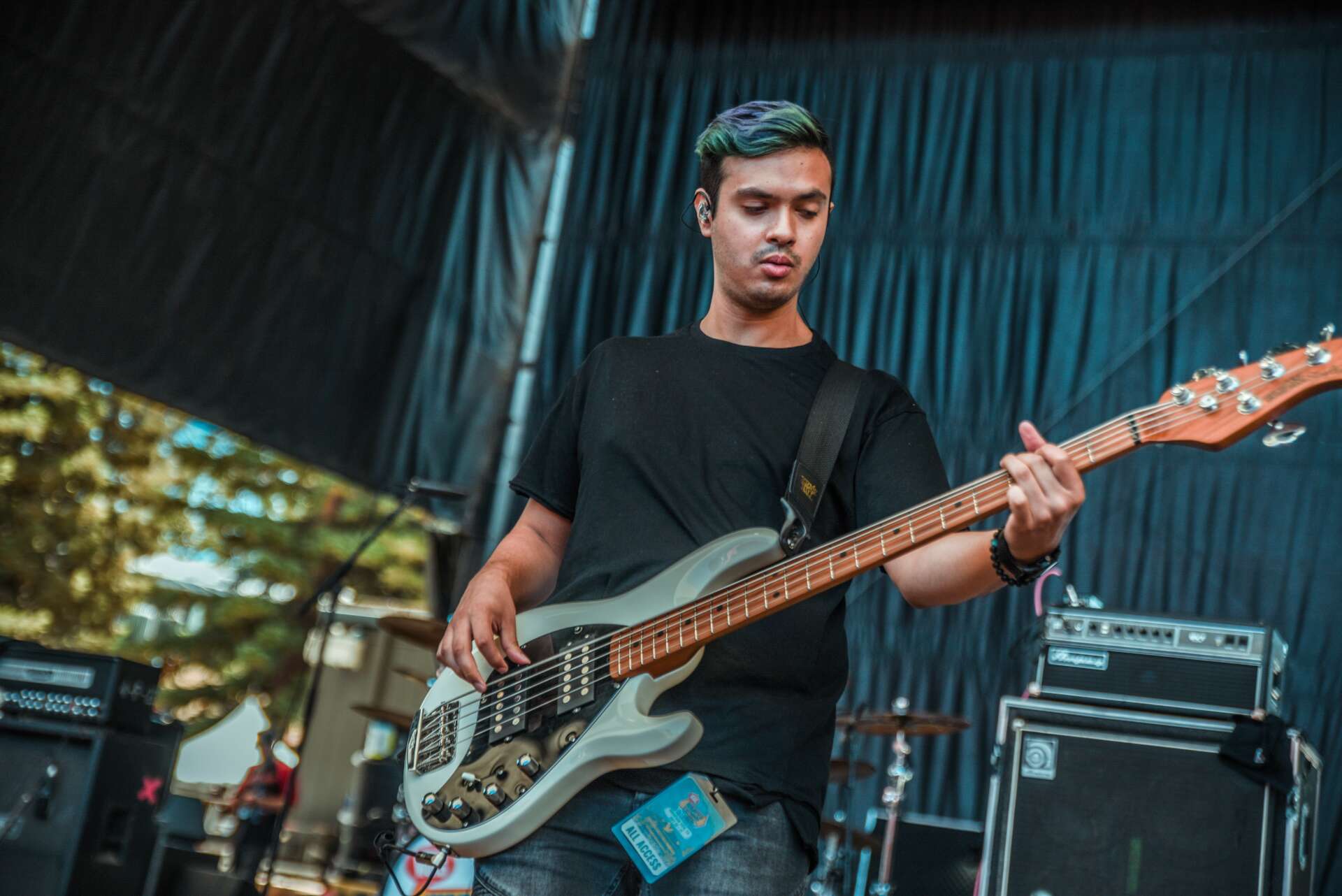
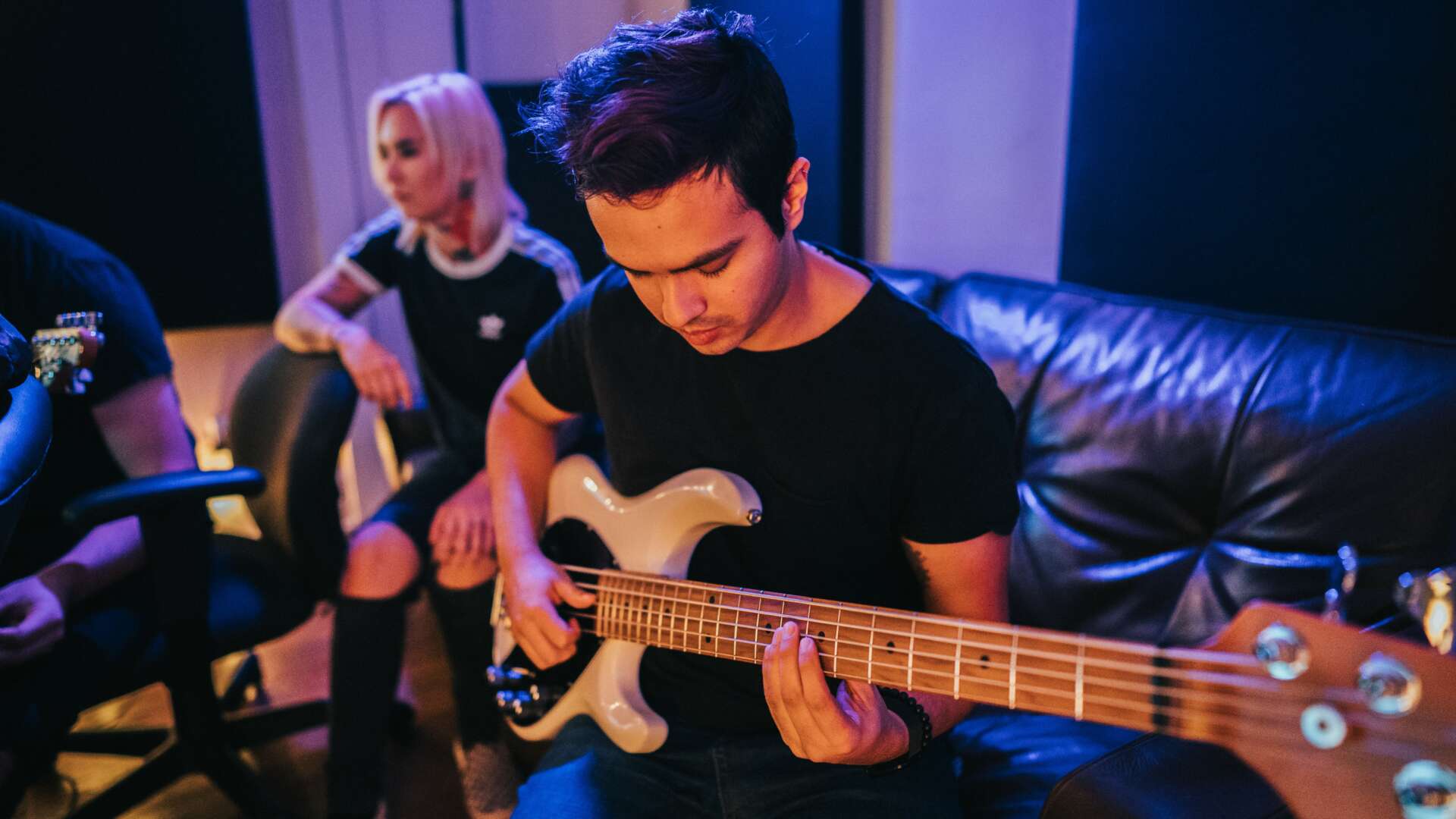
As a bassist I started learning the instrument, like I’m sure most people have. Just by learning songs and trying to play them as well as possible with the limited tools I had. Years later I studied bass performance formally in college.
I think both experiences, although completely different, were really important to shape the kind of musician I am now.
Having the time to experience self growth and just play the music I like was important for me to fall in love with the instrument; and that love helped me “endure”, so to speak, the very demanding lessons I would have in the future.
With audio engineering was a completely different story.
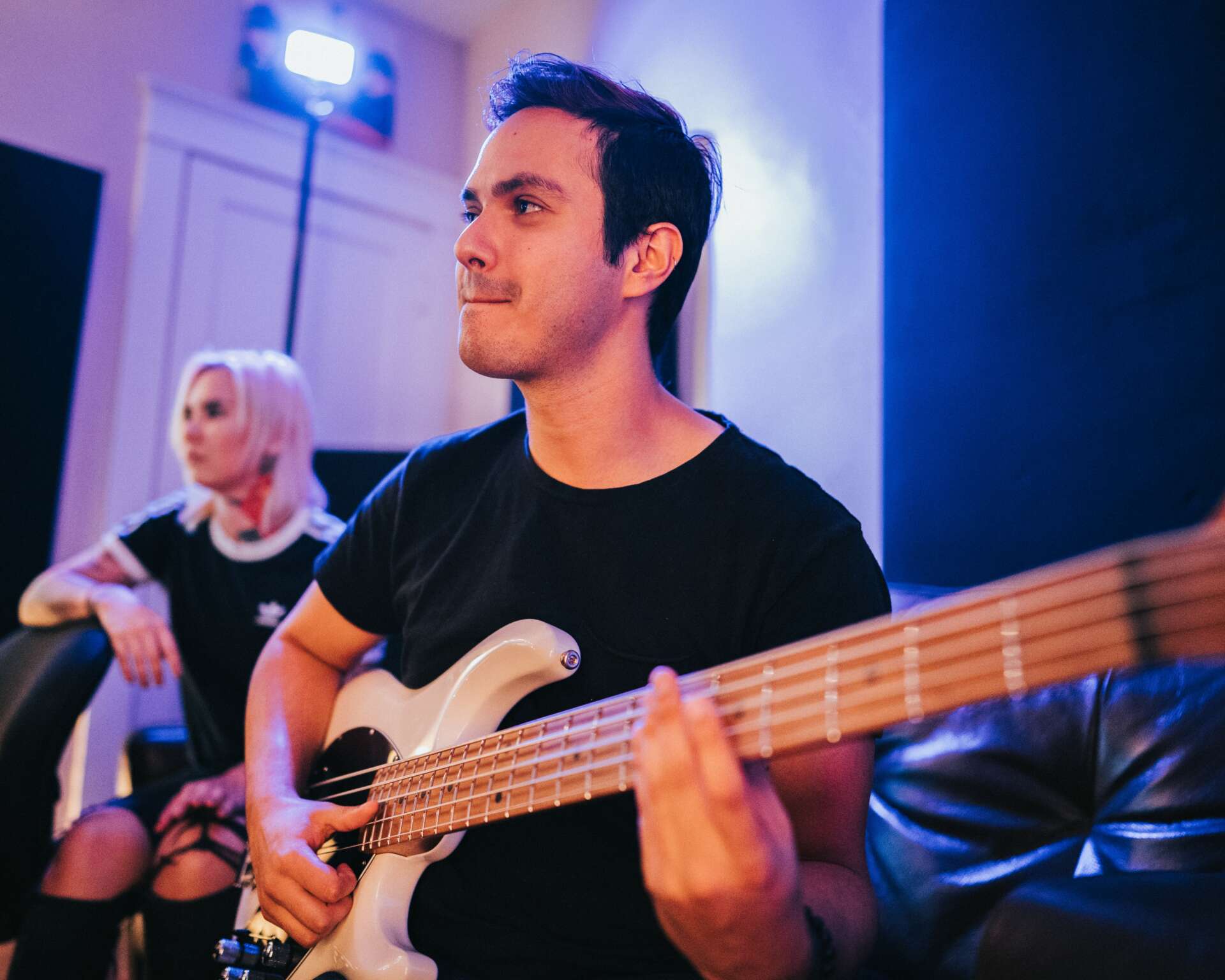
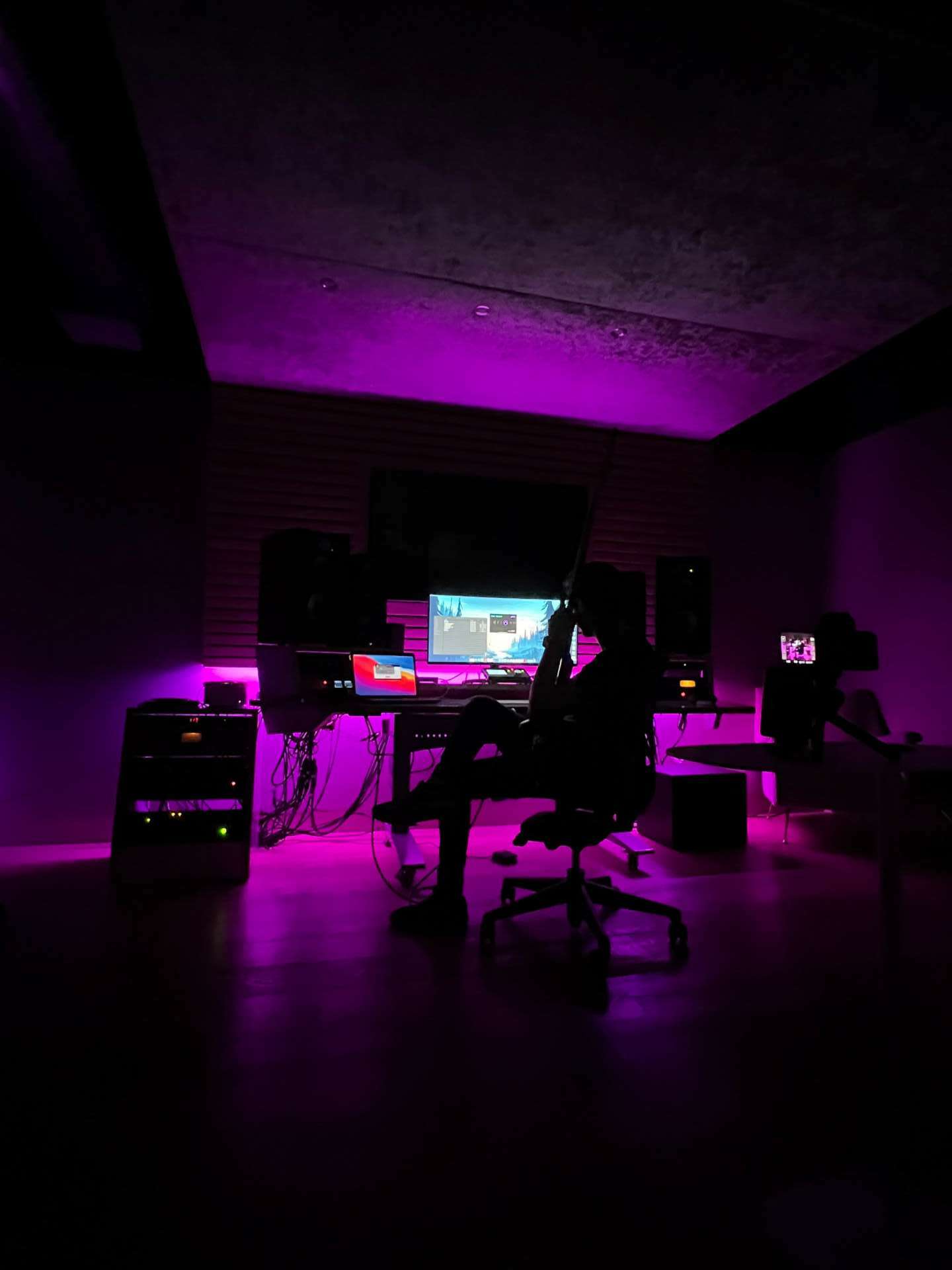
I found myself working at a studio in Redondo Beach (Total Access) during the pandemic where I was lucky enough to have the head engineer train and patiently teach me about his whole process and how to properly work in a recording studio. I didn’t really know anything about engineering when I was hired but having Steve Ornest as my mentor kind of boosted my knowledge and confidence as an engineer, which also gave me the confidence to later work for Atlantic Records.
But again on learning the craft. Once I started working at Atlantic Studios I had to relearn a lot of what I was used to.
The way that they work was completely different, a lot faster paced, but I was once again lucky to have the senior engineers be the most helpful and friendly group of people I’ve worked with.
I’m constantly trying to learn more about the craft. Either watching videos, playing bass both live and in the studio, reading manuals, sitting in on sessions with seasoned engineers. There’s always many and new ways to learn and improve.
As always, we appreciate you sharing your insights and we’ve got a few more questions for you, but before we get to all of that can you take a minute to introduce yourself and give our readers some of your back background and context?
I came to LA 9 years ago to study contemporary performance. I had no real plan in mind other than to learn and to play as much as possible. I was lucky enough to have always been surrounded by great people and great musicians that welcomed me into their projects and work.
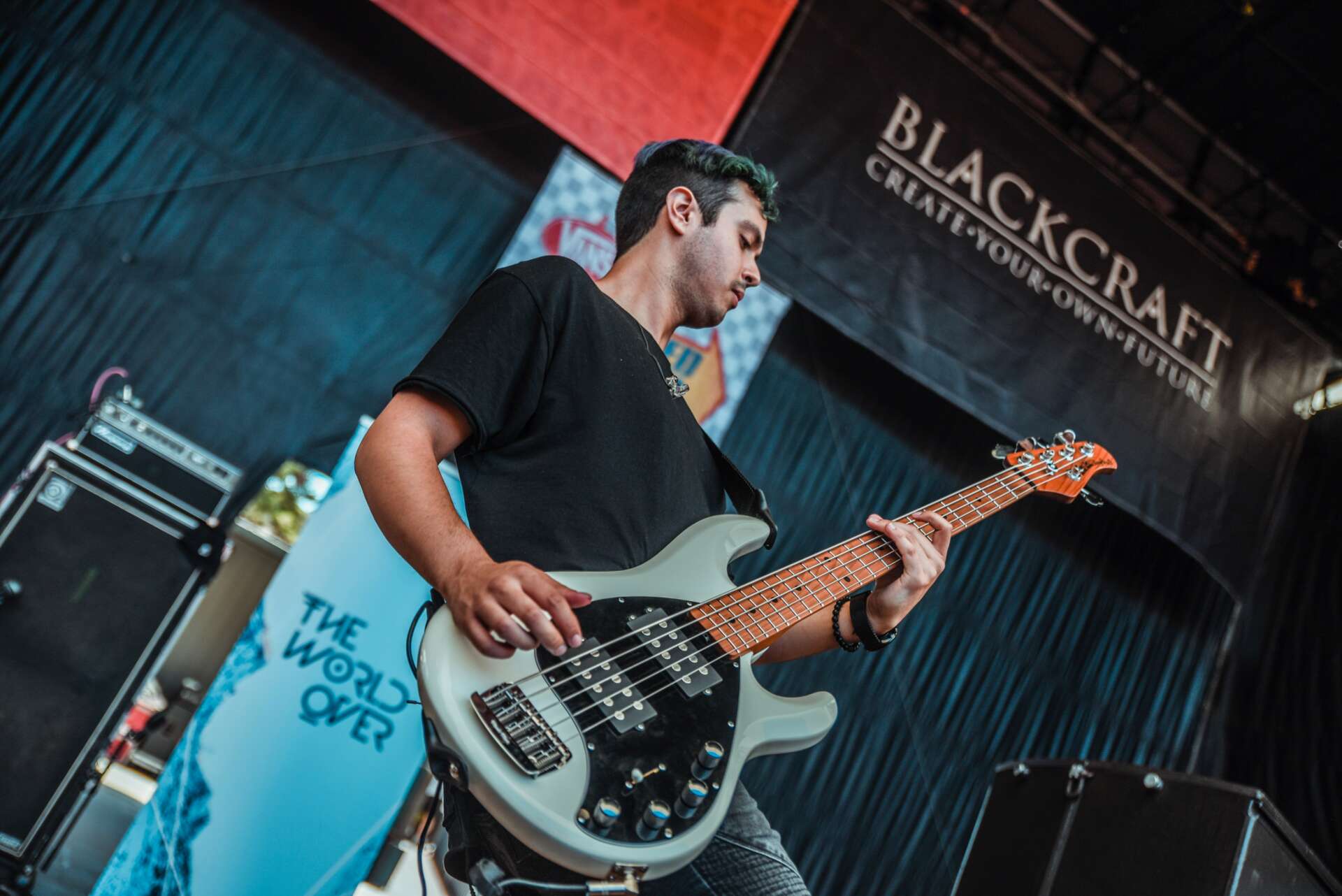
School was really a great place to network for me. I met all my bandmates in LA college of Music. All 3 members of The World Over attended the same school. And same goes for the people I play at corporate events too.
My music career has been slowly evolving. I started wanting to be just a side player for other people projects.
Now I write with my own projects, play for others, I do corporate events and as of late I’m working more and more as a tracking engineer.
I think people keep calling me because I do my best to always have everything prepared. That can be a full repertoire learned or transcribed or have the sessions ready to go and never waste time. Also I would like to think that people like the things I add to every project I participate in. Either in my playing style or the feedback I give and the way I work in the studio.
Is there something you think non-creatives will struggle to understand about your journey as a creative?
I think one of the things that I’ve noticed other people struggle to understand is the amount of work creatives put ourselves through. Both by necessity and by the desire to make something important or significant, I guess you could say.
A lot of people think that the “artist” life is laid back and even lazy at times.
I have yet to meet someone in my field who is lazy and is actually achieving something. And this “achievement” doesn’t even mean big awards or anything like that. I mean, even being able to play shows and write your own music is a big achievement in my opinion.
Creatives work non stop. Even in our free time we’re always doing something relating to our craft.
Some of us have a regular 9-5 job (the necessity) and then go home to write, produce, rehearse, teach, learn until 3 or 4 in the morning. (The desire)
I had a conversation with a colleague about this. He simply asked.
Is there a day where you don’t do something related to work? Practice, edit photos, play a show, rehearse or something like that?
Everyone in that room (about 7 musicians) said no, even after thinking about it for a long time.
It’s definitely not a flex because a lot of us take this to an unhealthy level but we never hesitate.
A free day for creatives is a day we finally get to work on that one thing we’ve been wanting to do for a long time.
What’s the most rewarding aspect of being a creative in your experience?
I think that being able to do something different every day is something amazing that can very easily be underestimated.
I work every day at a recording studio which might sound like the same thing every day. But we never know who’s gonna walk though that door and what’s gonna be needed that day and I love that about my job.
I love that even repetitive tasks are different every day.
Contact Info:
- Instagram: @eonbass
Image Credits
Jack Lue