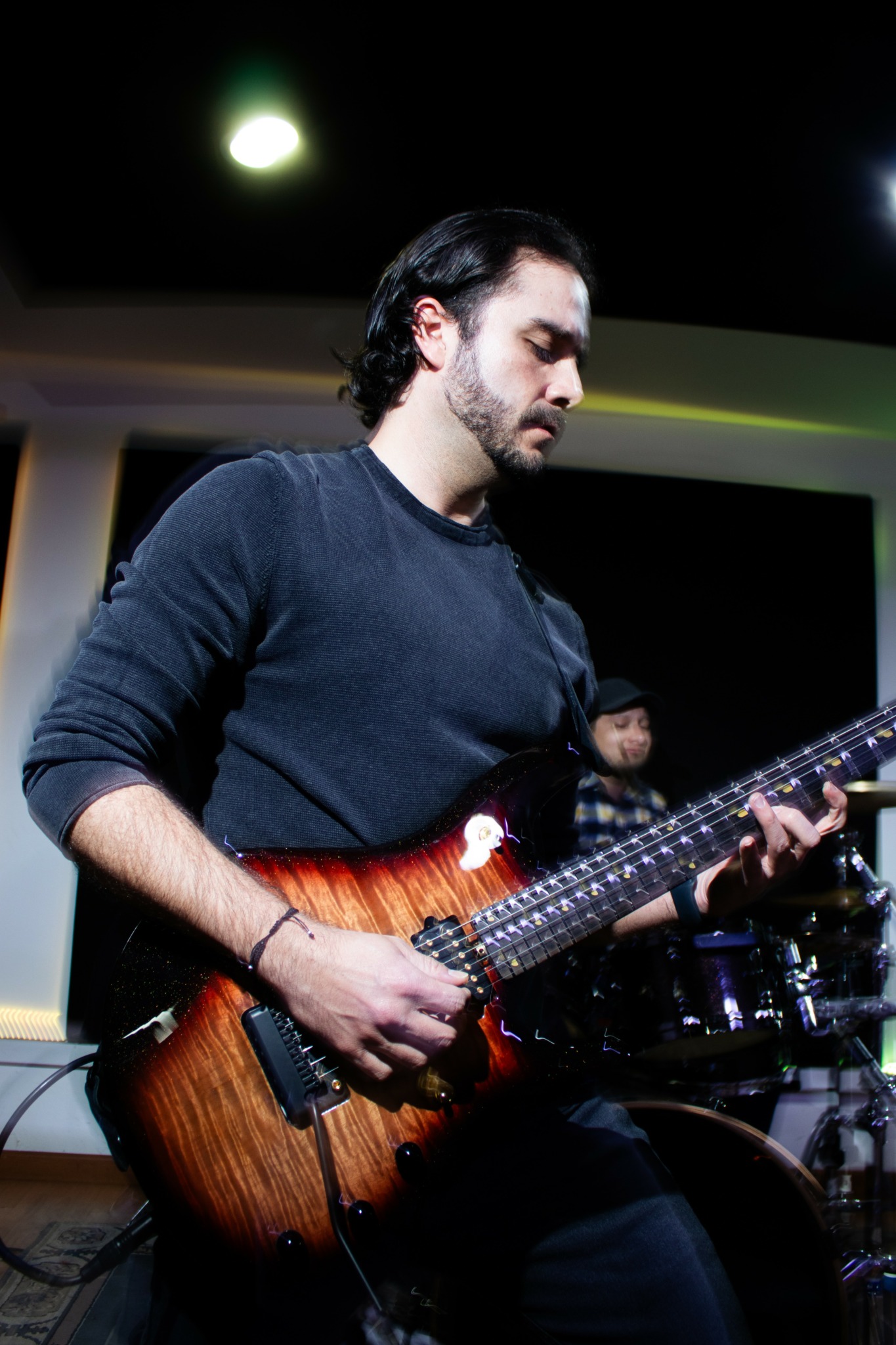

We caught up with the brilliant and insightful Juan Alvarado a few weeks ago and have shared our conversation below.
Alright, Juan thanks for taking the time to share your stories and insights with us today. I’m sure there have been days where the challenges of being an artist or creative force you to think about what it would be like to just have a regular job. When’s the last time you felt that way? Did you have any insights from the experience?
It’s a funny question for me, because I don’t really live in one world or the other, I live in both. I’m happiest when I allow myself to be fully the artist and fully the professional. For a long time, I believed I had to choose between the two, but the truth is that my identity is built on that duality. My corporate life gives me structure, discipline, and purpose… and my music gives me emotion, creativity, and freedom.
But yes! there are moments when I wonder what it would feel like to just have a “regular job,” something simple, predictable, and without the emotional weight that comes with creating art.
The last time I had that thought was during a long night recording vocals for one of the new songs. I had spent hours trying to get a single line right. Take after take, something felt off the emotion wasn’t landing, the phrasing wasn’t right, my voice felt tired. It was almost midnight, and the room was quiet except for the playback looping the same imperfect phrase. I remember sitting back in the chair, exhausted, and thinking, “Why am I doing this to myself? Wouldn’t life be easier if I just focused on my day job and left all of this behind?”
In that moment, the idea of a simpler life, one without artistic pressure or creative vulnerability, felt tempting. A life where you don’t have to expose your soul through a microphone.
But then something interesting happened. I hit play again. I listened to that imperfect line one more time. And I felt something in it, a crack, a fragility, a moment of truth. It wasn’t polished, but it was real. And I realized that this is exactly why I do this. Because music forces me to face myself in a way nothing else does.
That night reminded me of something important:
Art is hard, not because it’s optional, but because it’s honest: and honesty is rarely easy.
So yes, sometimes I think about what life would be like with just a “regular job.” But every time I go down that path, I end up coming back to the same conclusion:
I need both worlds. One challenges my mind; the other heals my spirit. One sharpens me; the other frees me. I’m not meant to choose, I’m meant to integrate.
And that’s where my happiness really comes from: Not from being only an artist or only a professional… but from being brave enough to be both.
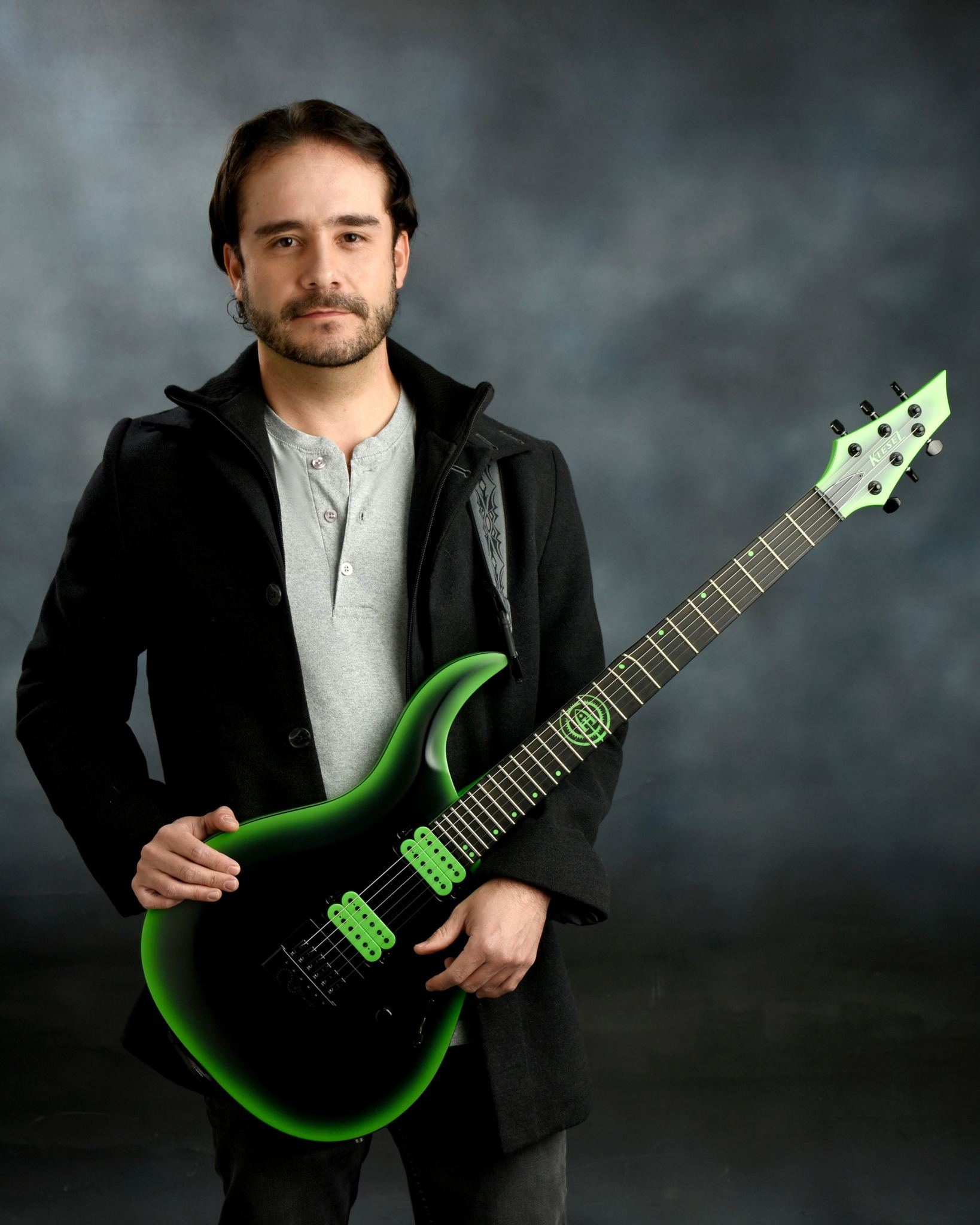
Juan, before we move on to more of these sorts of questions, can you take some time to bring our readers up to speed on you and what you do?
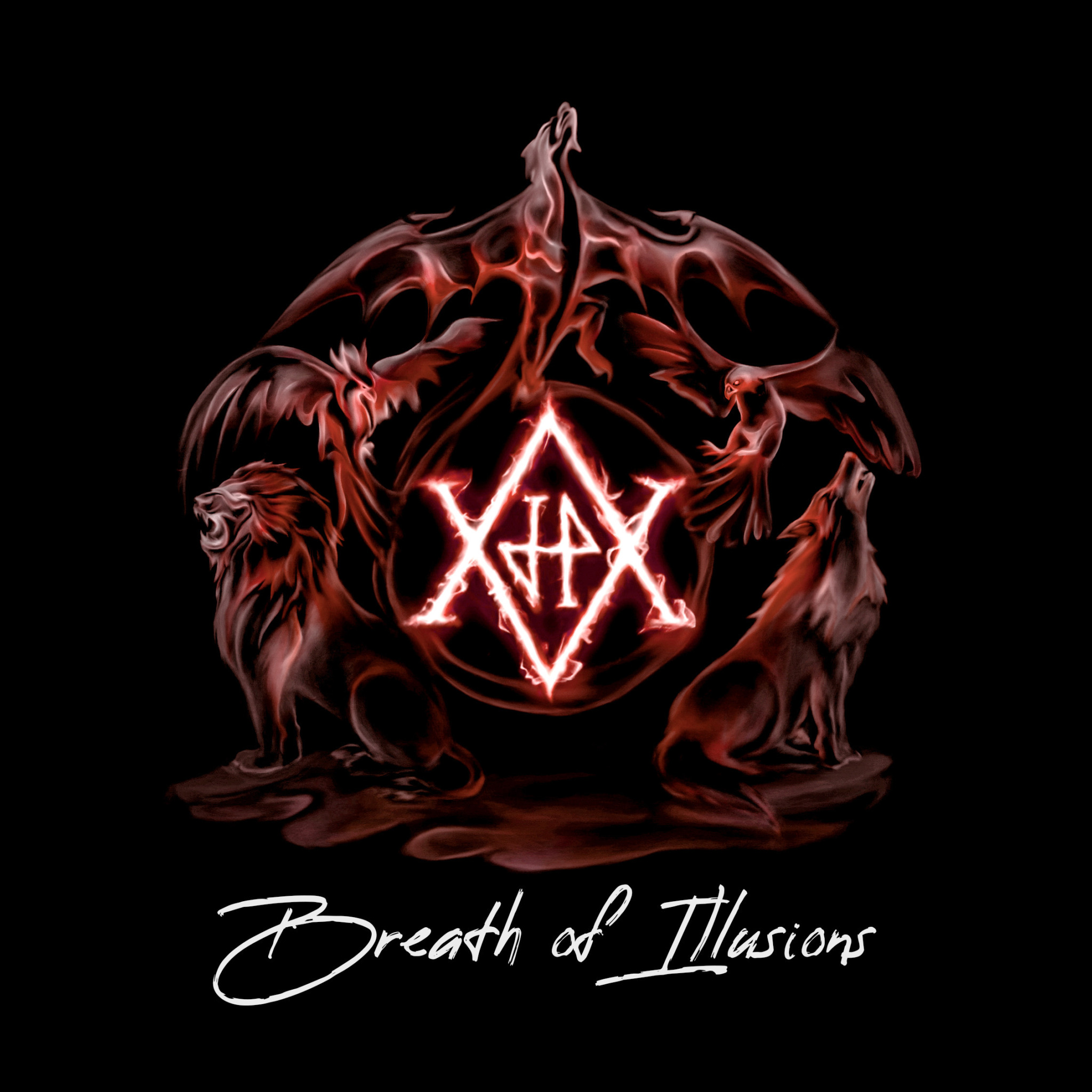
My name is Juan Alvarado, and I’m the founder, lead guitarist, vocalist, composer, and producer of Breath of Illusions, a project where progressive rock, metal, and cinematic elements blend into a sound that is emotional, intense, and deeply personal.
I got into music the way many of us do: by falling in love with a guitar. Growing up, I was influenced by bands like Dream Theater, Metallica, Pink Floyd, and guitarists like Joe Satriani, Steve Vai, and Eric Johnson. Their ability to blend emotion and technique shaped the way I approach music today.
My journey took a major turn when I left a stable corporate job to study at Berklee College of Music in Boston, a decision that changed my life. That experience opened the door for Breath of Illusions, a project born during a very difficult period where music became my way to process and express everything I was going through. Since then, the project has evolved into a blend of instrumental pieces, lyrical songs, and progressive arrangements that explore themes like self-discovery, resilience, identity, hope, loss, and rebirth.
I’m most proud of building this project from scratch: every song, every arrangement, every guitar part, every lyric, and every vocal line is something I’ve created and produced myself. I’m also proud of the courage it took to step into the role of singer. I always saw myself as a guitarist, so learning to sing, training my voice, and overcoming insecurity has been one of the biggest and most rewarding challenges of my life.
Today I’m also producing my most ambitious work so far: 18 songs that will form two albums, including new versions of my first record and a whole set of new lyrical and instrumental pieces
I want people to know that Breath of Illusions is more than music, it’s storytelling through sound. It’s a project built on authenticity, emotion, and connection. Every song is a piece of my life, my struggles, my growth, and my inner world.
I want fans to know that:
The music is real: every note and every lyric comes from a genuine place.
The project is evolving, and I’m constantly pushing myself creatively and technically.
Breath of Illusions is a journey, and everyone who listens becomes part of that story.
The sound is diverse, mixing instrumental tracks, heavy riffs, melodic lines, and introspective lyrics.
This is a one-person project, created with passion, intention, and dedication.
At the end of the day, if someone listens to one of my songs and feels something – comfort, nostalgia, strength, hope, connection – then the music has done its job.
Looking back, are there any resources you wish you knew about earlier in your creative journey?
Yes! but not in the way most people expect.
The resources I wish I had known earlier weren’t pieces of software or equipment… they were mindsets. Tools for dealing with insecurity, self-doubt, and the constant comparison that comes with being a musician.
I wish someone had told me earlier that insecurity is not a weakness, it’s a natural part of being an artist.
For years, I wasted so much energy trying to hide it instead of learning how to work with it. Discovering books, podcasts, and creators who talk openly about the psychology of creativity people like Rick Rubin, Steven Pressfield, or even artists sharing their vulnerabilities online helped me understand that doubt is universal. That alone would’ve saved me a lot of internal battles.
I also wish I had known about the importance of protecting your creative space. In music, it’s easy to feel like you’re competing with everyone. At Berklee, I was surrounded by incredible musicians, and instead of seeing them as inspiration, I compared myself constantly. I wish I had learned earlier that your only real competition is the version of yourself from yesterday. The moment you stop trying to “win” and start trying to grow, everything changes – your creativity, your confidence, your voice.
And maybe the most important resource of all: self-compassion. No plugin, no software, no recording gear will ever be as important as learning to treat yourself with kindness on the days you feel behind, overwhelmed, or not good enough. If I had understood that earlier, I would’ve given myself permission to experiment more, fail more, and grow faster.
At the end of the day, the tools matter but the mindset matters more.
The moment you learn to quiet comparison, embrace insecurity, and trust your artistic identity, the whole landscape of music changes. You stop surviving the journey… and you start enjoying it
For you, what’s the most rewarding aspect of being a creative?
For me, the most rewarding part of being an artist is the freedom to turn my inner world into something real, something I can hear, feel, and share with others. There’s a moment in the creative process when an idea that started as a feeling, a memory, or a thought suddenly becomes a melody or a lyric… and that transformation is one of the most beautiful experiences I know. It’s like giving shape to something that didn’t exist before.
Another incredibly rewarding aspect is growth. Every song teaches me something, not just about music, but about myself. As artists, we’re constantly facing our own insecurities, doubts, and limitations. And every time I overcome one of those barriers, whether it’s a technical challenge, a creative block, or simply believing I can step into my own voice, it feels deeply meaningful. It’s not just about improving as a musician; it’s about evolving as a person.
But the most powerful part comes when the music connects with someone else. When a listener tells me that a song made them feel understood, inspired, or less alone, it reminds me why I do this. Music has a way of reaching places words can’t, and knowing that something I created in moments of vulnerability can resonate with someone else… that’s the highest reward.
Being an artist gives me two gifts: self-discovery and connection. Those two things make every challenge, every doubt, and every long night in the studio completely worth it.
Contact Info:
- Instagram: @breathofillusions
- Other: https://open.spotify.com/artist/1HHiwzxmtNfVXeoElphnvb?si=0qbQYIM-S4Ojhc1s7s4a7A