



We recently connected with Joyce Miles Jacquote and have shared our conversation below.
Joyce, thanks for taking the time to share your stories with us today Let’s go back in time to when you were an intern or apprentice – what’s an interesting story you can share from that stage of your career?
Practicum as a marriage and family therapist (MFT) simply put was an all around learning experience. There are three main lessons that I learned due to my master’s practicum. One of the main lessons I learned was how small the field of MFT actual is. I remember speaking with my practicum’s site supervisor about a situation that had taken place elsewhere and it dawn on me that my site supervisor had knew one of the people in my story. Thankfully, I did not say anything about the person that I wouldn’t want relayed back to them, but it made me realize that if my supervisor could know this person then it Is more than possible that instead of typical six degrees of separation between people, it is more like two degrees of separation in this field. I have kept this realization in mind throughout my time as a therapist and have had experiences since practicum that continue to prove it to be true. So to any aspiring MFT or therapist in general, I offer this word of advice, interact with everyone in this field as though you will meet them again or meet someone who knows them.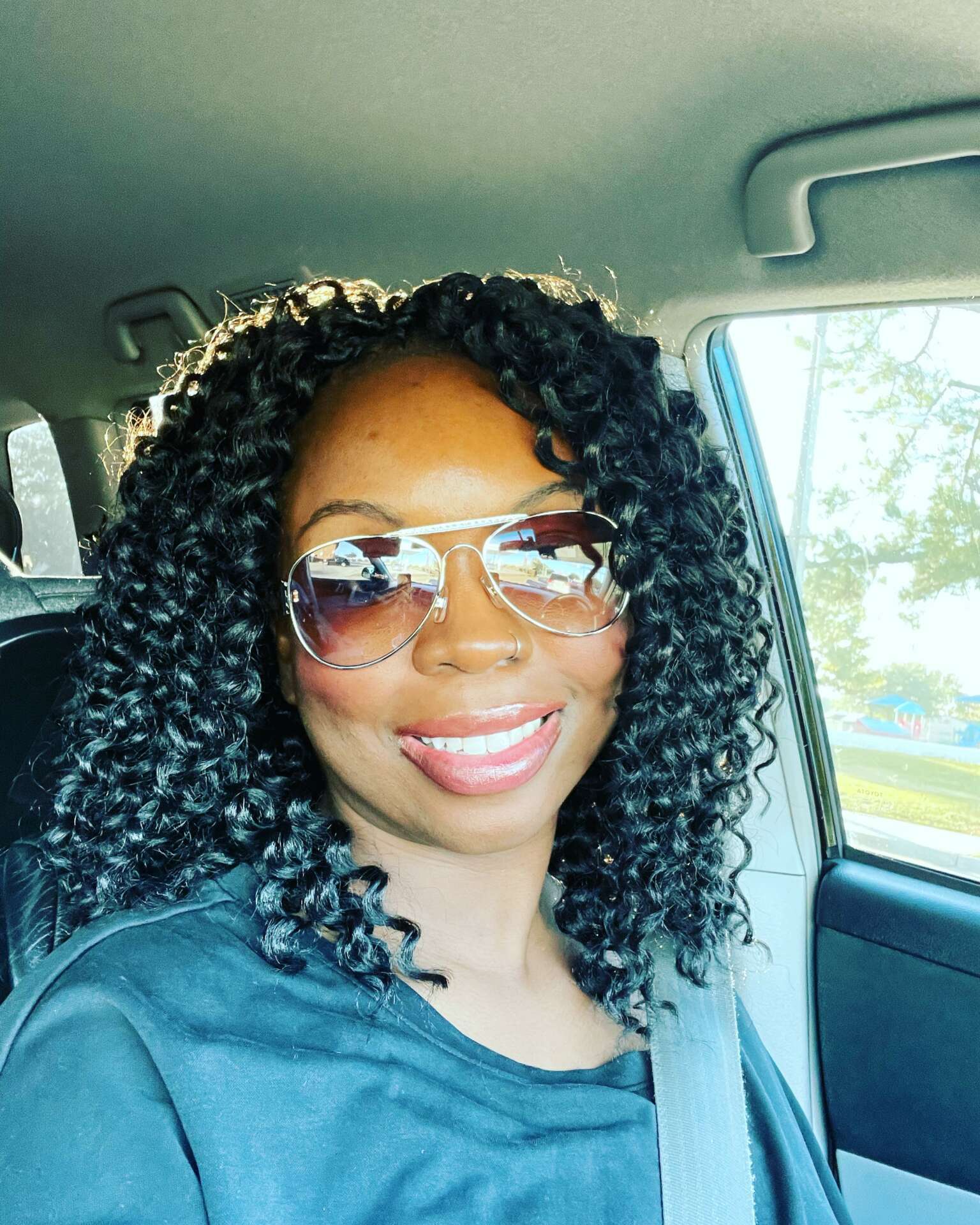
As always, we appreciate you sharing your insights and we’ve got a few more questions for you, but before we get to all of that can you take a minute to introduce yourself and give our readers some of your back background and context?
I wasn’t always set on being a LMFT (Licensed Marriage and Family Therapist). In fact, up until my last year of my undergraduate degree I was torn between becoming an LMFT or an attorney. I finally decided to become a therapist as I realized I no longer had it in me to be the level of competitiveness that is needed to excel in law school.
With that decision I went off to graduate school and earned a master’s degree in Marriage and Family Therapy. Since that time I have become an LMFT Supervisor and am licensed in a total of four states. The states that I am licensed in include Colorado, Texas, Utah, and Washington. In addition to being licensed to see clients in four states, I also provide supervision to LMFT Associates working towards full licensure in Texas and Colorado. I enjoy providing supervision to LMFT Associates as it allows me the opportunity to nurture the next generation of therapists.
I own a solo private practice, Overcoming Miles Counseling, PLLC which is based in North Texas, but provides virtual therapeutic services through the states that I am licensed in. My practice serves all that are in need, but I focus on providing therapeutic services to the communities that I am apart of; the Black and Brown community as well as the LGBTQIA+ community.
I enjoy doing many types of therapy including individual and groups, but I especially enjoy working worth romantic partners and families. I love working with romantic partners and families of all different types. I strive to create an environment in session that allows all to feel welcomed and accepted for who they are. In addition to providing therapy myself, I have MFT graduate interns at my practice who also provide therapeutic services to clients at a reduced rate. The MFT graduate interns are able to provide individual, couple, and family therapy at a reduce rate as they are gaining the experience needed to be the best LMFTs possible. It is my pleasure to be able to supervise MFT graduate interns and be able to offer reduce rate therapy to those who need it in the community.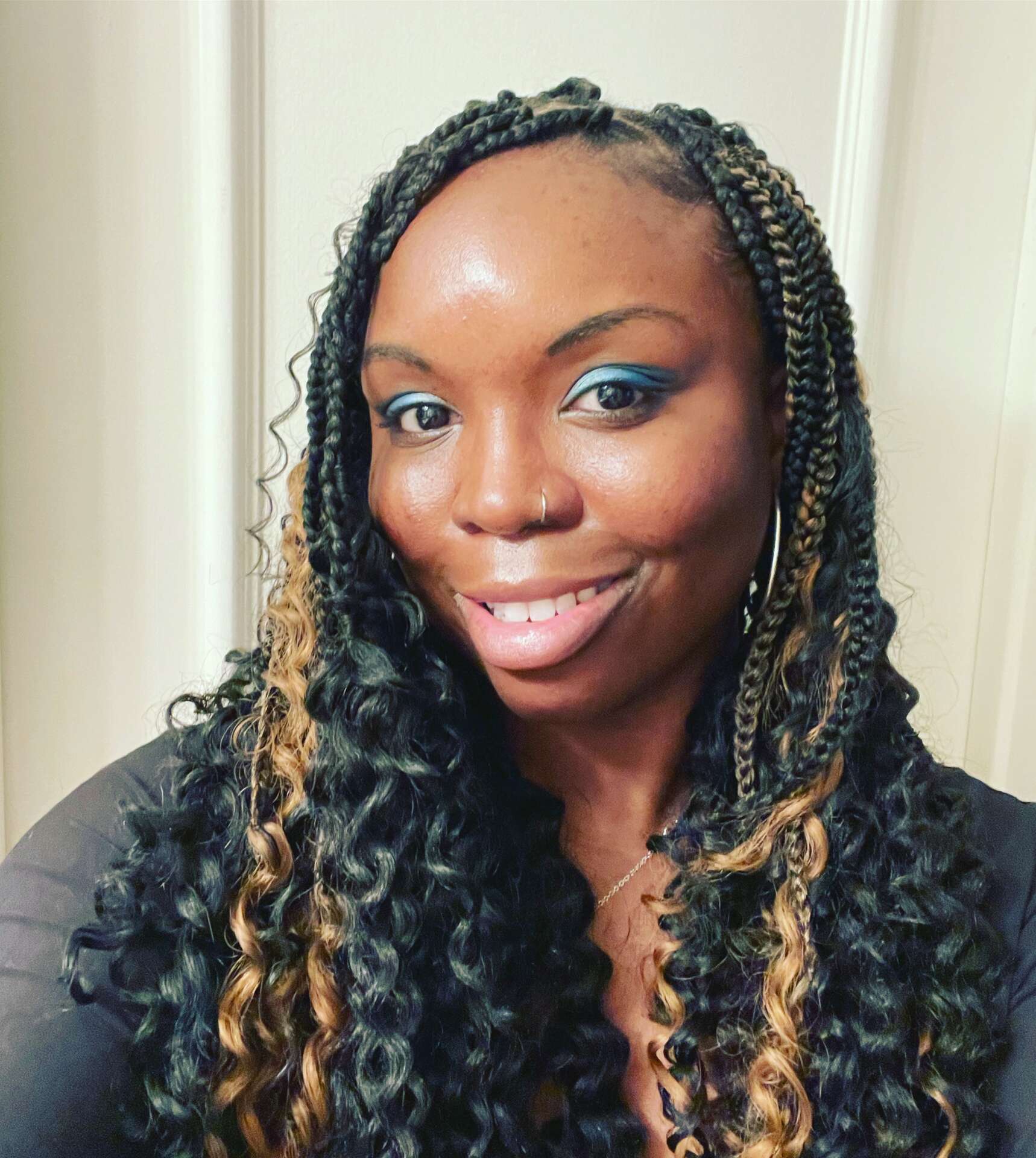
Training and knowledge matter of course, but beyond that what do you think matters most in terms of succeeding in your field?
Outside of training/knowledge, I believe that networking is the most helpful thing to do in order to succeed as a therapist. Networking is more than just meeting other therapist in the same geographic area. Networking allows you to connect with therapists who might refer clients to you and whom you might refer clients to. Networking allows you to find therapists who can serve as consultants, sounding boards when dealing with a particularly difficult case. Networking is such a vital part of this field and it is important to participate in it in order to thrive long-term as a therapist.
Do you think you’d choose a different profession or specialty if you were starting now?
If I could go back in time and choose my profession again, I would still choose to become an LMFT. I know that this is the field that I am meant to be in. In regards to speciality, I didn’t choose my speciality, it choose me. I know that working with couples and families; especially couples and families who are Black and Brown, and/or apart of the LGBTQIA+ community is where my talents are best utilized at this time.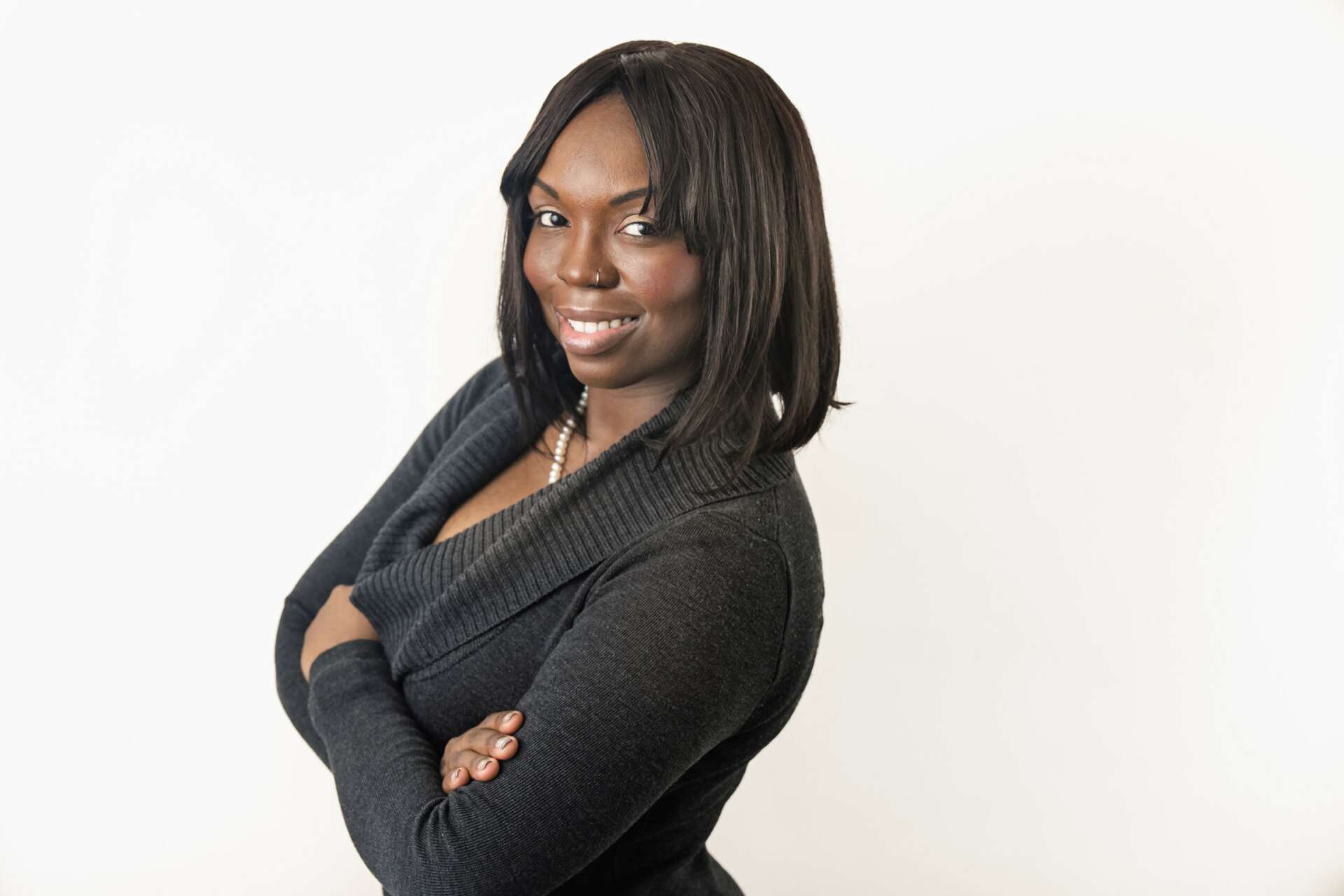

Contact Info:
- Website: www.overcomingmilescounseling.com
- Instagram: www.instagram.com/overcomingmiles
- Facebook: www.facebook.com/overcomingmilescounselingpllc
- Linkedin: linkedin.com/in/joyce-miles-jacquote-20869b43
- Twitter: www.twitter.com/overcomingmiles
Image Credits
David Loi Studios