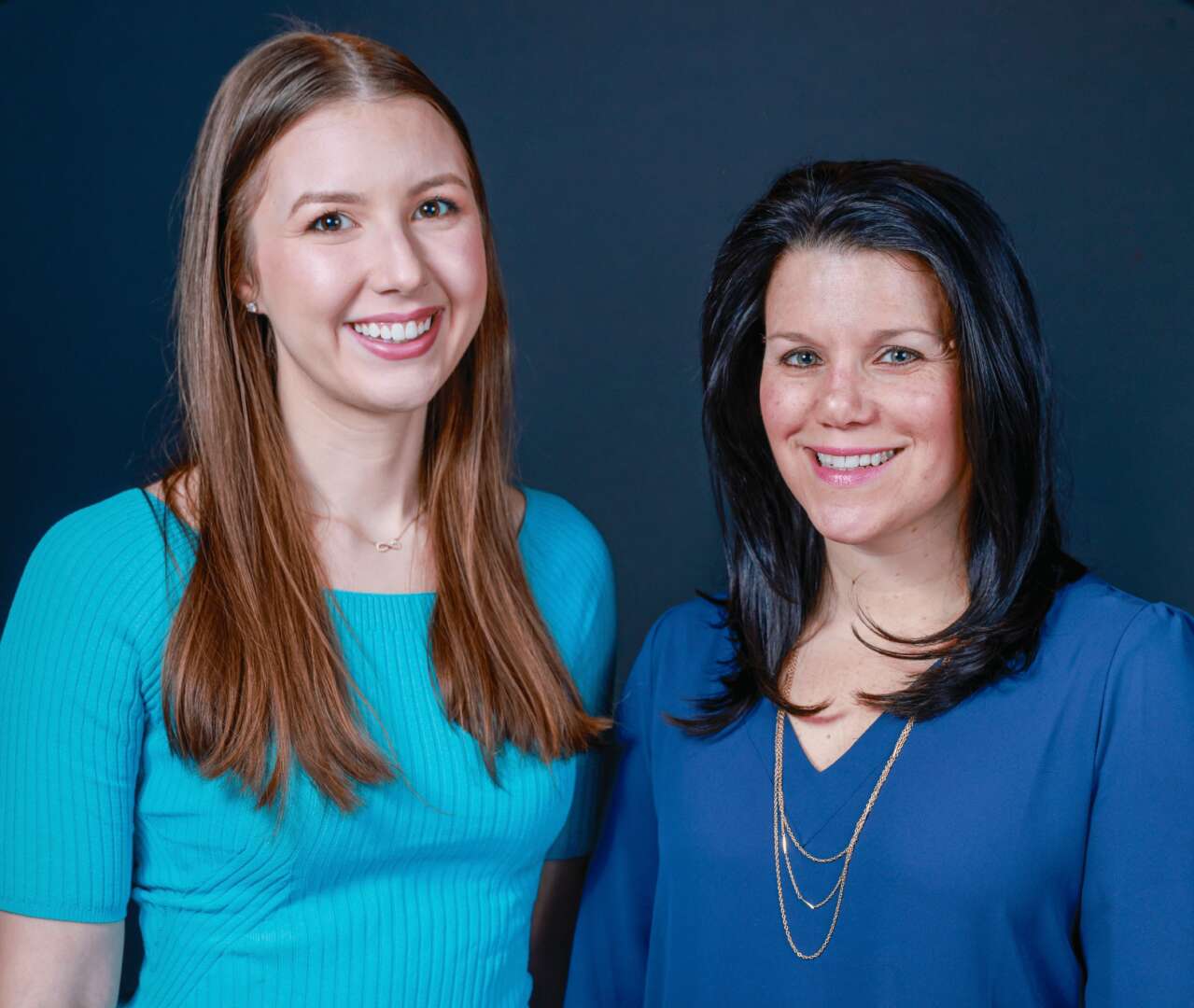

Alright – so today we’ve got the honor of introducing you to Joyce Harduvel. We think you’ll enjoy our conversation, we’ve shared it below.
Joyce, looking forward to hearing all of your stories today. Can you open up about a risk you’ve taken – what it was like taking that risk, why you took the risk and how it turned out?
After five years as a school social worker, I decided to leave the field and go full-time with entrepreneurship. I am not a risk taker at all and so this was incredibly scary for me! One thing that really shifted my perspective was being laid off after working for four years at a school where I was the founding school social worker, led four important staff teams, raised over 30K in resources for the school, consistently went above and beyond to do powerful work with my students, and had never had administrators express any issues with me. My principal told me by reading an impersonal note from district HR to me off of a piece of paper on the second to last day of school. At that moment and as people started coming to me with similar stories, I realized that working in schools wasn’t the stable gig I thought it was. The truth is that when you work in a system like that, you are always just a number at the end of the day and you are replaceable. By that point, I had already shown myself that I could build a sustainable business. I was two years into my private practice and had a stable monthly income from that. What I love about entrepreneurship is that it is fully in my control and I will always make the business decisions that are best for me. Once I saw things that way, it felt like way less of a risk to dive in full-time. It was still a scary transition for me but I find myself a lot happier and able to pour my energy only into the things I am most passionate about.

Joyce, love having you share your insights with us. Before we ask you more questions, maybe you can take a moment to introduce yourself to our readers who might have missed our earlier conversations?
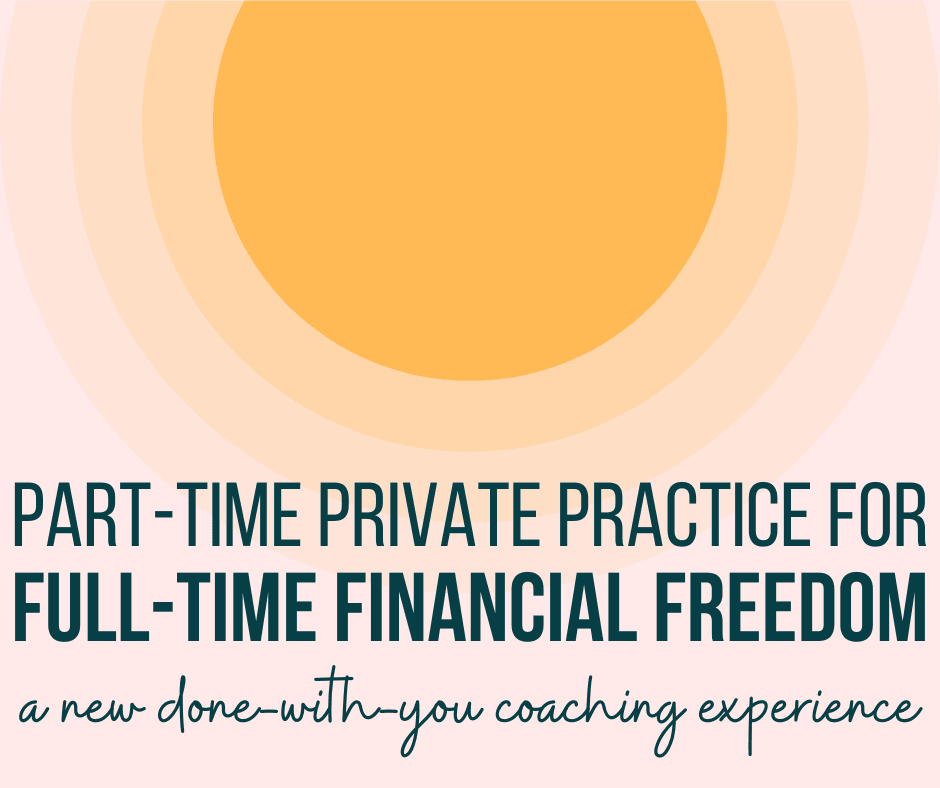
I am a certified school social work specialist and licensed clinical social worker. While getting my master’s at the University of Chicago, I was randomly placed at an internship in school social work and loved it. My supervisor at that internship later became a friend and is now my business partner in our private psychotherapy practice, Balanced Mind Therapy. Along the way, I also started Joyce LCSW to support current school social workers and counselors with the evidence-based systems, support, and tools they need (but are rarely given!) to do their jobs. Over time, I kept hearing from school social workers and counselors who wanted to explore private practice either as a side gig or as a potential career change. I built my practice from scratch while working full-time in schools and eventually made the transition out of schools when I realized that I had replaced my entire school social work salary working just two hours a day after school. I have a unique background in that I randomly worked for six years in a medical office where I did insurance billing, bookkeeping, patient form writing, and just about every practice management task you can think of. I learned a lot there that you need to know to run a successful private practice but that I certainly did not learn at all in my MSW program. Recently, I have been sharing all of that through my new course, Part-Time Private Practice for Full-Time Financial Freedom, where I guide aspiring private practice owners through every step of launching and running a successful private practice that can net them 6 figures with less than 20 hours of work a week. If that sounds intriguing, by the way, I have a free masterclass entitled Rise and Thrive that gives you the first steps of launching your private practice at https://www.joyce-lcsw.com/.
We often hear about learning lessons – but just as important is unlearning lessons. Have you ever had to unlearn a lesson?
Traditionally, therapists are taught that we should be blank slates and should minimally self-disclose in sessions. That’s certainly what I learned in grad school. So much is changing in our field and it turns out that that is not what all clients want! I have clients who know almost nothing about me but I also have clients who would not feel comfortable sharing their lives with me if I was a complete mystery to them. Of course there are still limits and boundaries, but I think this newer generation of therapists (myself included) is broadening our concept of what therapy looks like. You can bring your whole self into therapy and clients will seek you out because they desire that authentic therapeutic relationship and not a highly clinical and impersonal experience.

Other than training/knowledge, what do you think is most helpful for succeeding in your field?
One worry that I hear about starting a private practice is that it is isolating. That has certainly not been my experience but it is an intentional choice! Community is key. I am lucky enough to have an incredible business partner and amazing friends who are also in private practice that I can connect with both personally and professionally. Therapy is challenging work and it can feel heavy at times. It is essential to have people in your corner who understand where you are coming from and can give you advice and moral support. I also believe in having more formal professional supports. I have my own therapist (an essential for any mental health practitioner!) and am currently working with a business coach who has shown me the power of investing in expert help rather than trying to re-invent the wheel as far as your business practices. The work that I do is only possible because of my network that supports me every step of the way.
Contact Info:
- Website: https://www.joyce-lcsw.com
- Instagram: https://www.instagram.com/joycelcsw/
- Linkedin: https://www.linkedin.com/in/joyce-harduvel-lcsw-646607133/
- Other: https://www.balancedmindchicago.com/