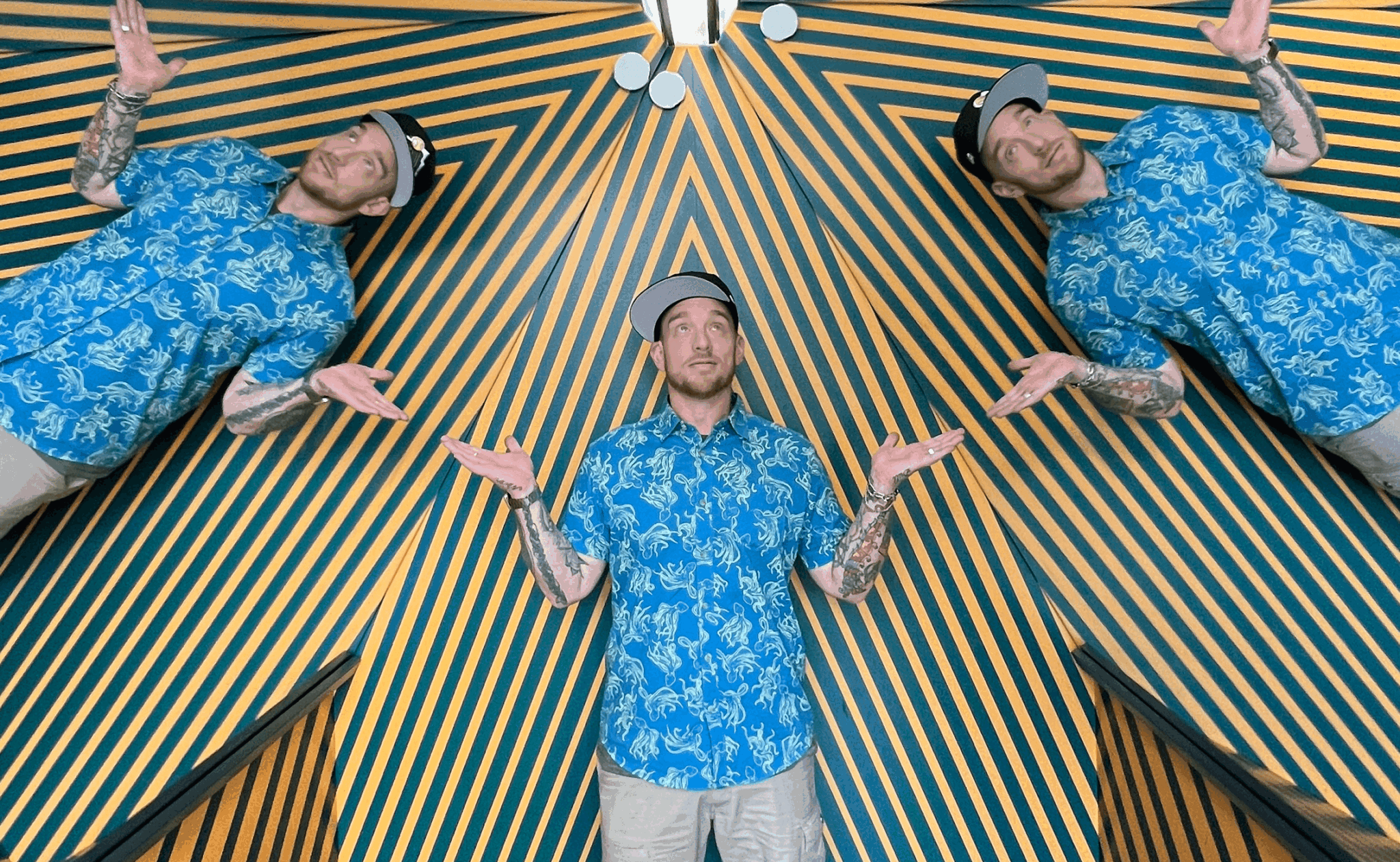

We’re excited to introduce you to the always interesting and insightful Joshua Frye. We hope you’ll enjoy our conversation with Joshua below.
Joshua , appreciate you joining us today. Can you talk to us about a project that’s meant a lot to you?
This year gave me two projects that reshaped me in very different ways.
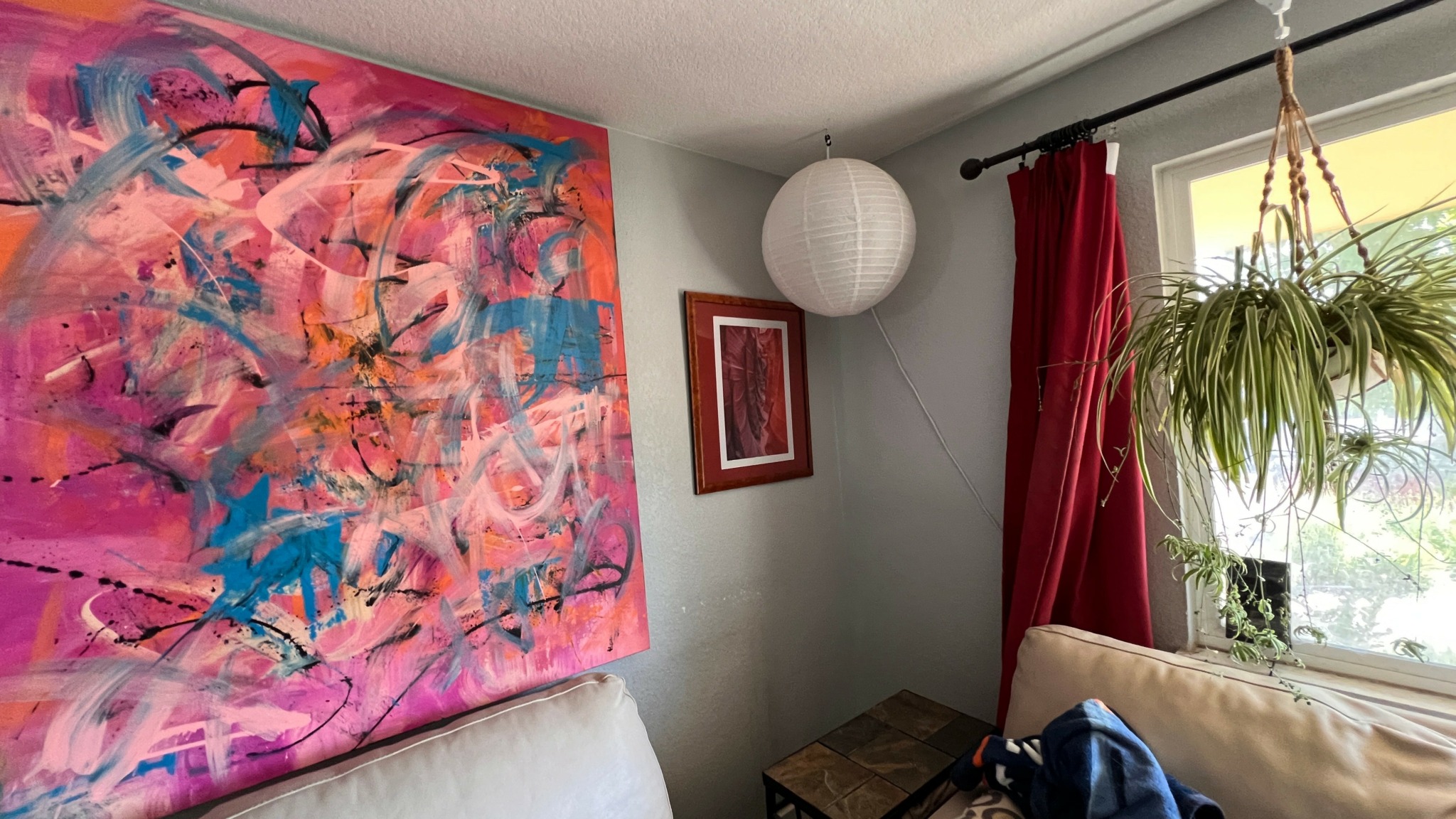
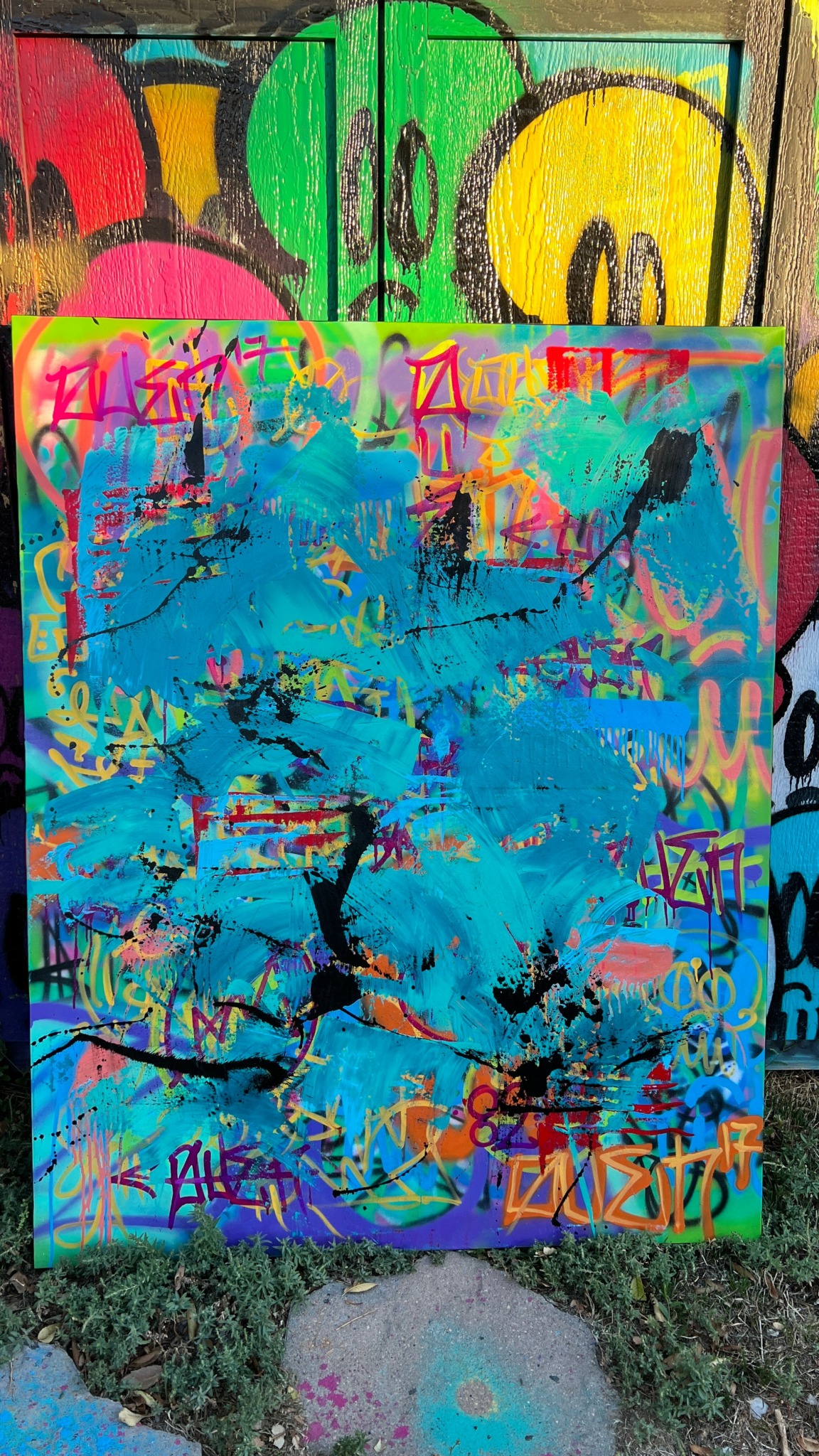
The first was my retrospective with the City of Thornton. It was a decade-long story told through thirty paintings and several sculptural pieces, all gathered in one space. The show traced five major series that marked different chapters of my life and creative evolution. Standing in that gallery felt like standing inside a conversation between my past and my present. It was meaningful because it showed me how much my work has grown, how much I have grown, and how art can document the parts of ourselves that words can’t always reach.
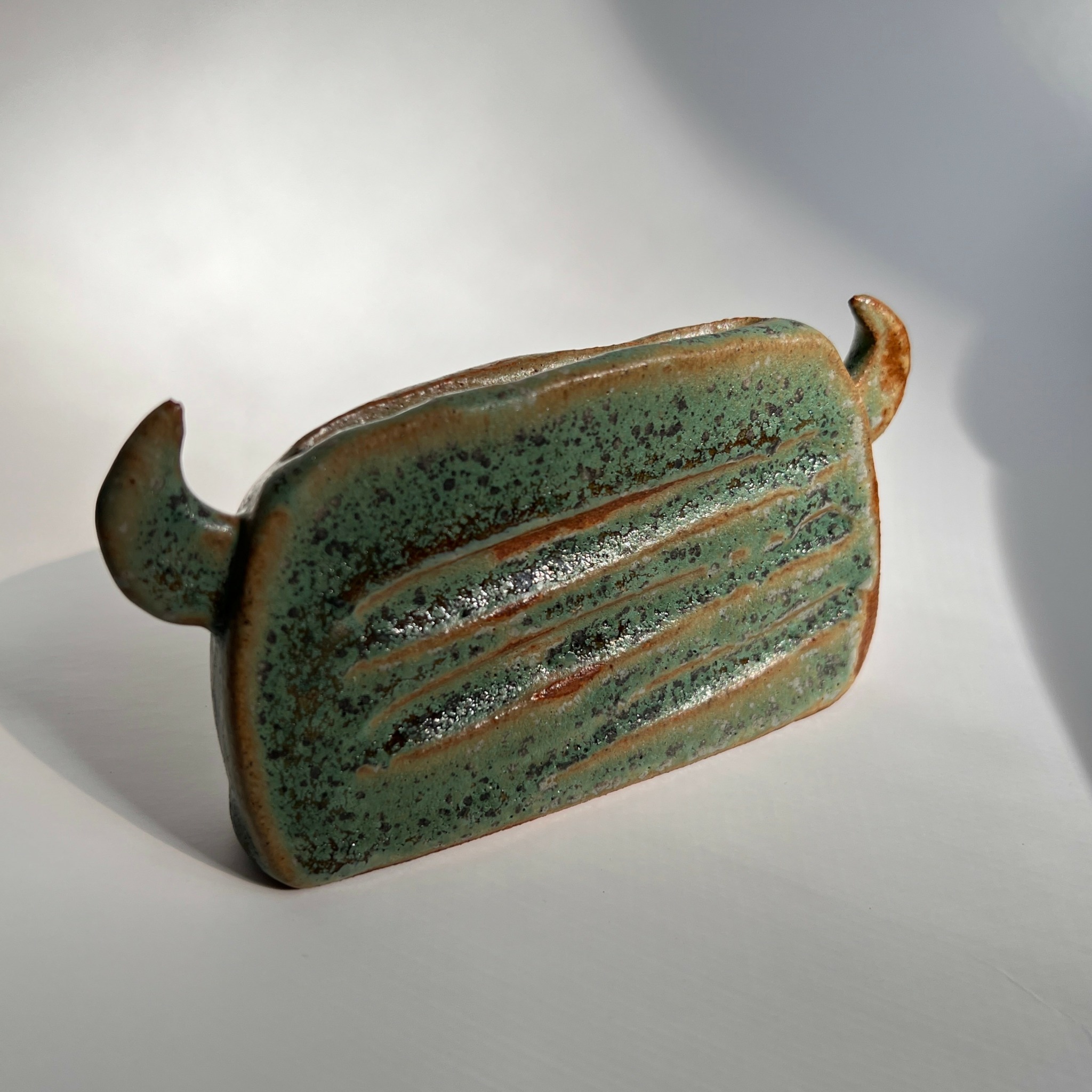
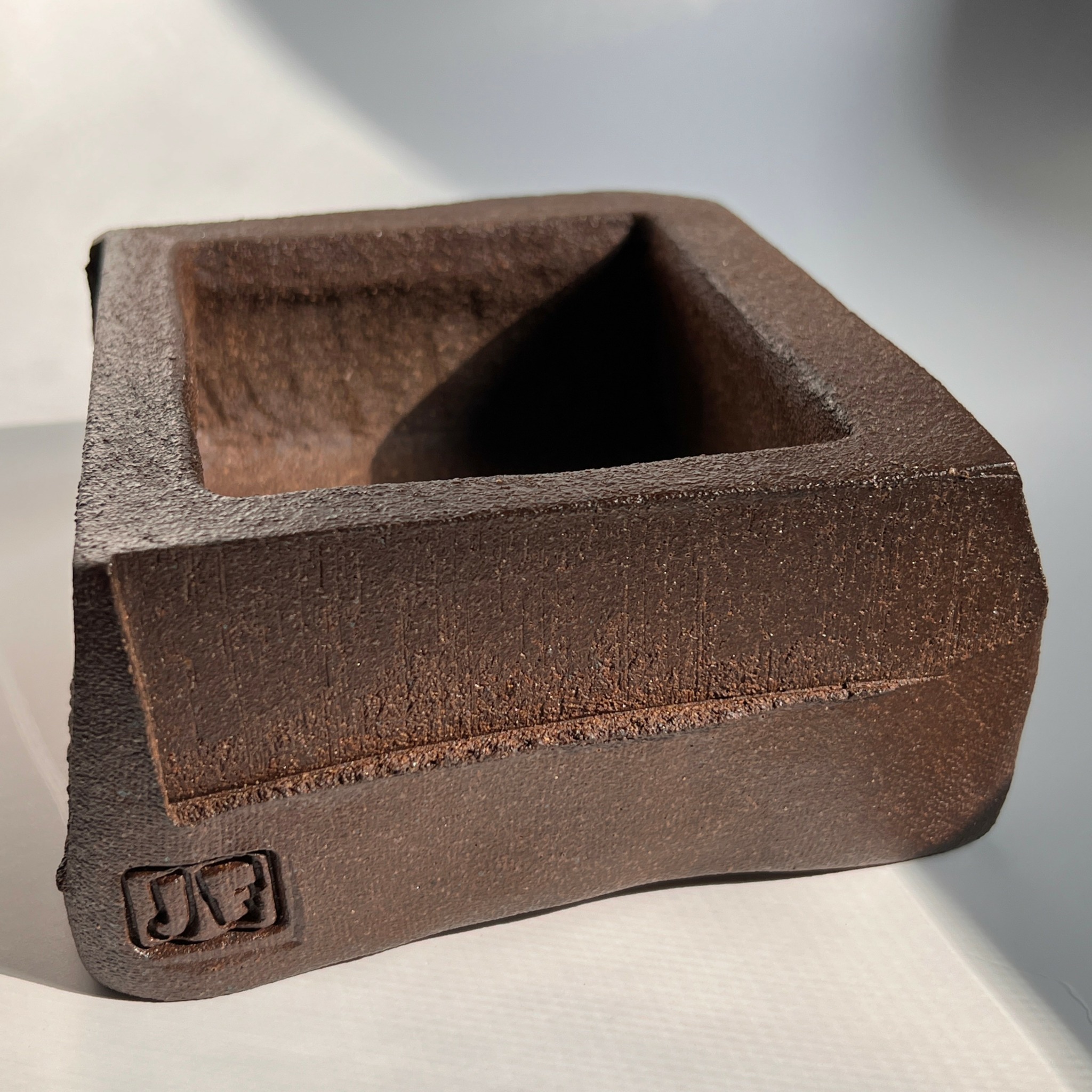
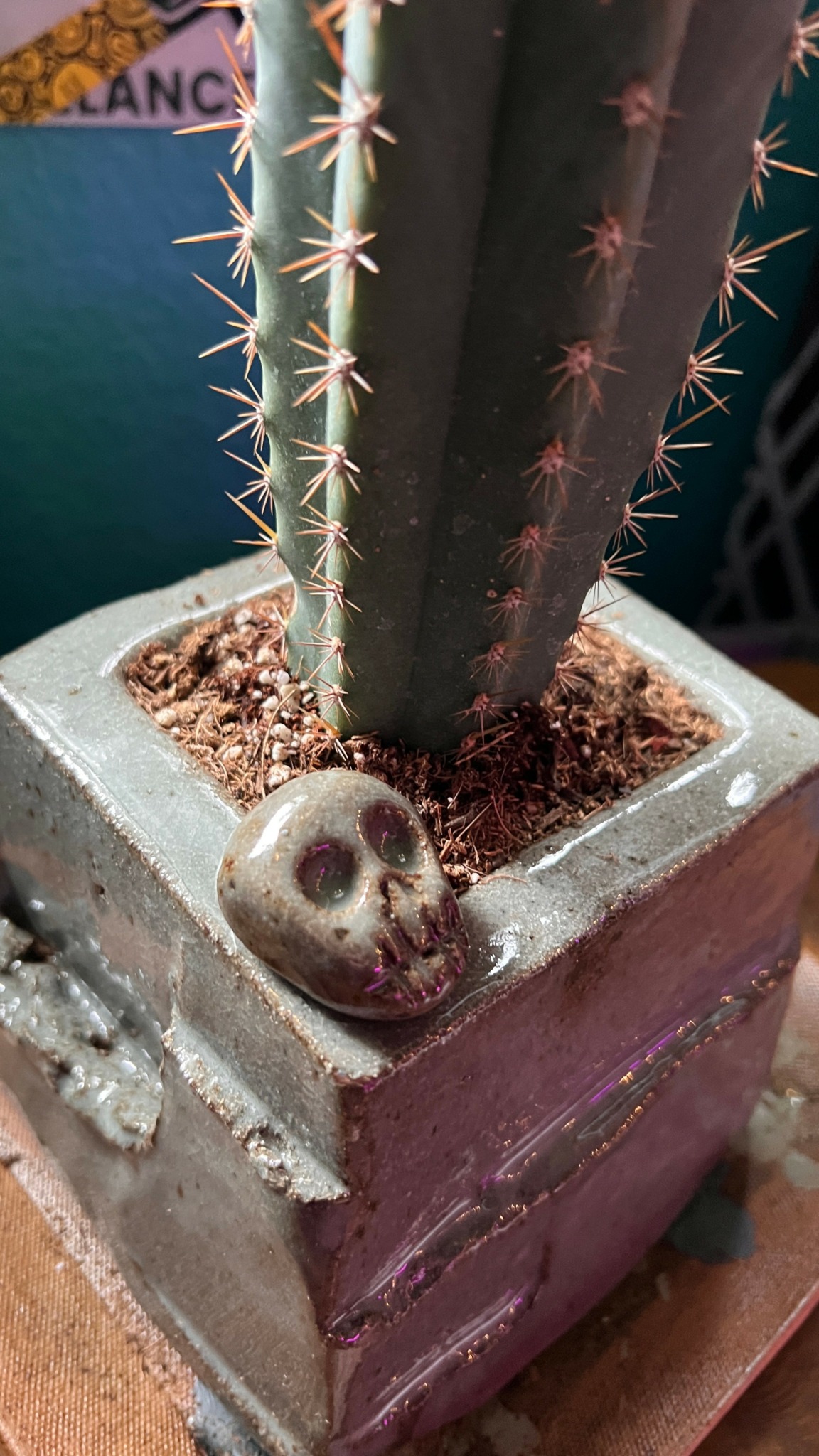
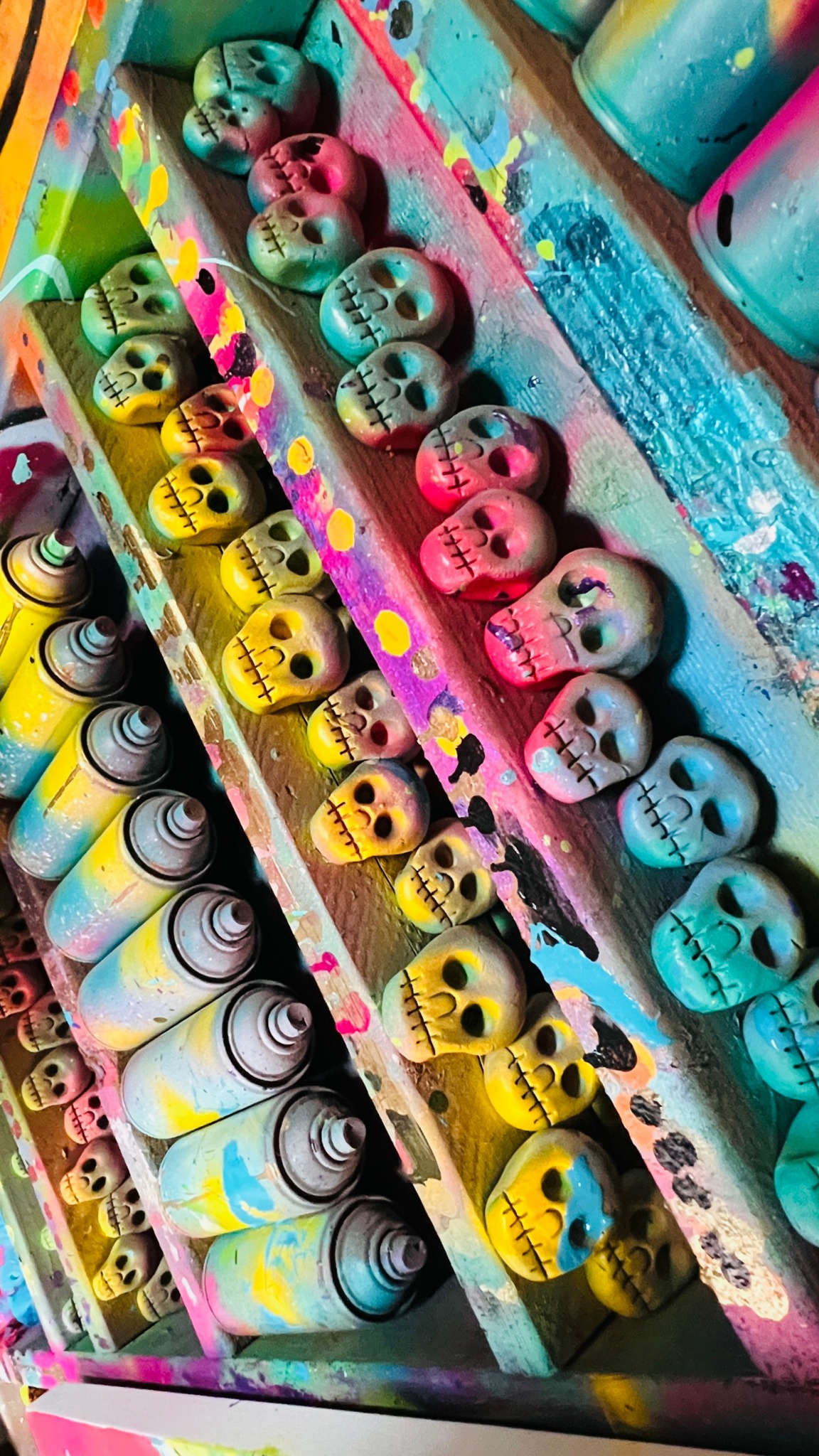
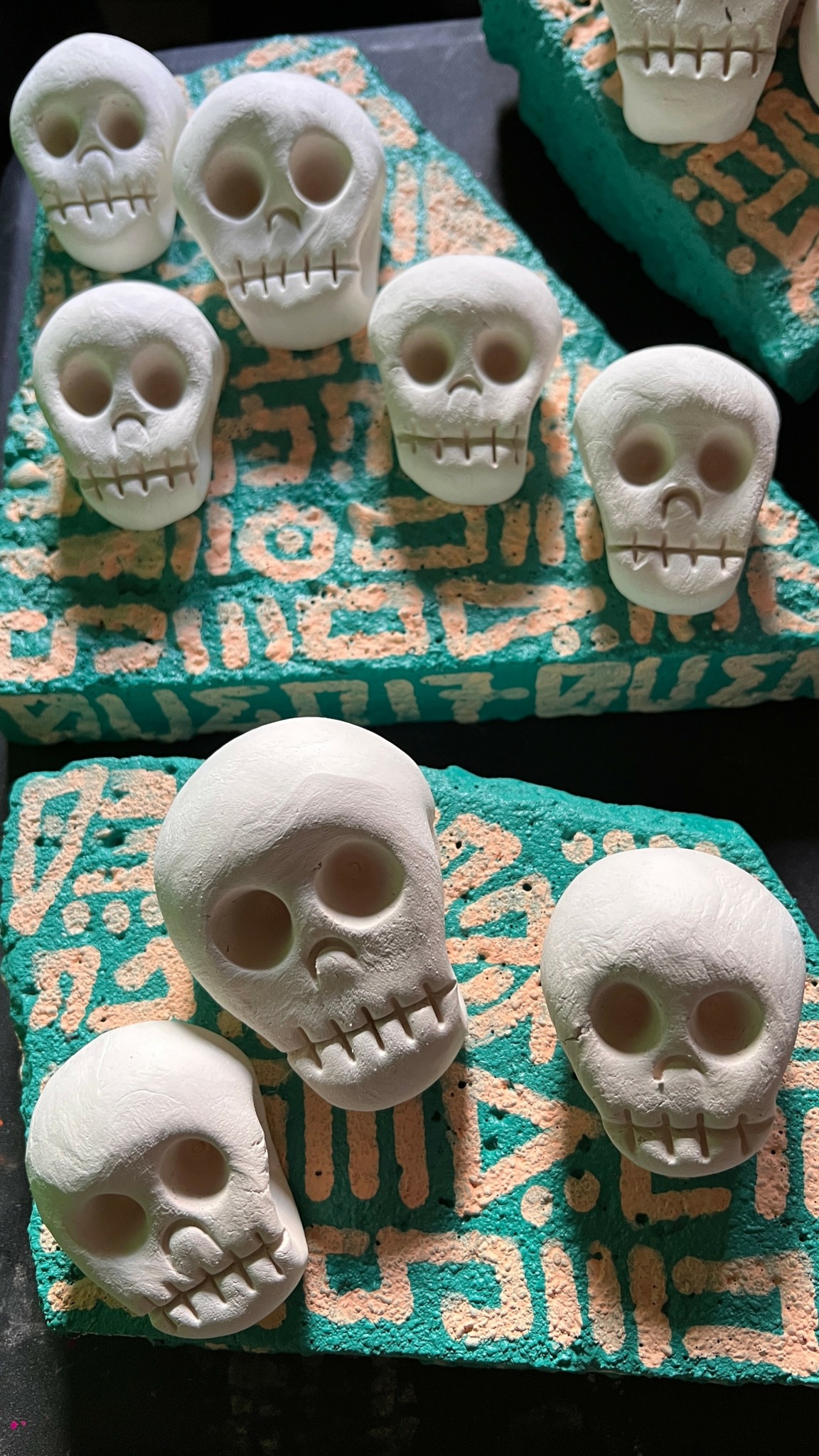
The second meaningful project was myself. I entered the year a few months into a sabbatical after eleven years of building a program I cared deeply about. Stepping away was both necessary and difficult. I spent the better part of the year immersed in ceramics, letting clay do what clay does best. It slowed me down. It taught me patience. It taught me how to release control and trust the process. The pottery studio became a place where I could breathe again, and the community I found there has been one of the most healing and transformative parts of my year. In many ways, that experience shaped me just as much as any artwork ever has.
Great, appreciate you sharing that with us. Before we ask you to share more of your insights, can you take a moment to introduce yourself and how you got to where you are today to our readers.
I am a trauma-informed multi-media artist working across painting, ceramics, sculpture, conceptual art, and music production. My creative practice revolves around the exploration of color, sound, space, and time, and how those elements can become tools for understanding the emotional landscape of being human. I’m drawn to work that transforms internal experience into something tangible, whether it’s a canvas, a vessel, a soundscape, or a conceptual installation.
Alongside my visual work, I produce music under several project names. For me, music is another way to map emotion and energy. The same ideas that guide my paintings , movement, vibration, tension, release, resonance , show up in my sound design. I’m fascinated by how audio and color can reflect each other, how rhythm can mirror emotional cycles, and how different mediums can work together to express stories that don’t fit neatly into words.
This year I also wrote The Path of Reflection: A Guided 12-Week Creative Journey to Recovery from Burnout and Grief, available on Barnes and Noble. I created it as a practical, compassionate resource for people navigating heavy transitions. It reflects my commitment to making art that not only expresses emotion but helps others process their own.
What sets my work apart is the way I weave together multiple forms of expression into a unified, emotionally grounded practice. I want people to feel seen, connected, and invited into deeper reflection. Whether someone engages with a painting, a ceramic piece, a piece of music, or the workbook, my goal is always the same: to create experiences that help people slow down, reconnect, and rediscover parts of themselves they may have forgotten.
Any resources you can share with us that might be helpful to other creatives?
I’ve always understood the power of libraries. Two of my grandmothers were actually librarians, and they have been a constant source of inspiration for me. What I wish I had much earlier in my creative journey was access to maker spaces. These spaces have added so many tools and skills to my creative tool box, and have opened so many worlds to myself and so many others.
Maker spaces take everything I love about libraries and expand it into the creative world. Having access to laser cutters, 3D printers, wood shops, sublimation and UV printers, audio gear, and so many other tools has opened up entire new dimensions in my work and my abilities. The encouragement to experiment across mediums without needing to own every piece of equipment has been incredible, and then people that run these spaces and volunteer within them create some of the most inspiring and accessible creative environments possible.
I am genuinely thankful to have access to these spaces now. They’re empowering, inspiring, and they make creative exploration accessible in a way that feels almost magical. I hope more people discover just how transformative they can be.
What can society do to ensure an environment that’s helpful to artists and creatives?
We need to stop treating art like a hobby that’s nice to have if there’s leftover money. Creativity is not an elective for society. It is a survival skill, a meaning-making engine, and one of the only ways we metabolize the world when it hurts. If we want healthier communities, we don’t just support artists, we build a culture where making is celebrated, resourced, and everywhere.
First, we have to bring art and music back into schools at every level. Not as a once-a-week enrichment treat, but as a core part of education. When kids grow up with creative tools, they grow up with emotional tools. Cutting arts education doesn’t save money in the long run. It just shifts the cost into burnout, disconnection, and a society that forgets how to imagine alternatives.
Second, we have to make art-making spaces accessible and common. Libraries and maker spaces show the blueprint. We should scale that idea outward until it’s part of civic life the way parks and rec centers are. We don’t ask people to pay premium prices to walk on a trail. We shouldn’t ask them to pay premium prices to create either.
Which leads to the big one: we should be building art parks and public creative facilities in open spaces. Imagine community areas designed for making. Outdoor kiln zones. Covered tables for painting and printmaking. Sculpture yards. Music nooks. Tool libraries. Spaces where people can show up, experiment, and belong without needing a membership, a grant, or a miracle.
This is especially urgent because there’s been a huge push to move day programs into “the community,” but not enough push to build actual community spaces people can inhabit. For creative people with disabilities, the options often become either “be in the community” or “pay studio rates you can’t afford.” That is not inclusion. That’s displacement with a polite label on it. If we want real integration, we need real places to be, to make, and to contribute.
Finally, we need to pay artists like we mean it when we say art matters. Exposure is not rent. Passion is not a paycheck. Artists are doing cultural, emotional, and historical labor for society. A thriving ecosystem requires fair compensation, public funding, and partnerships that don’t treat creativity as a vending machine for branding.
Contact Info:
- Website: https://www.joshafrye.com
- Instagram: @joshuagenius
- Other: https://www.barnesandnoble.com/w/the-path-of-reflection-joshua-frye/1147242107?ean=9798317638597
https://www.artsteps.com/view/63af38e72fbdfef9b6132371