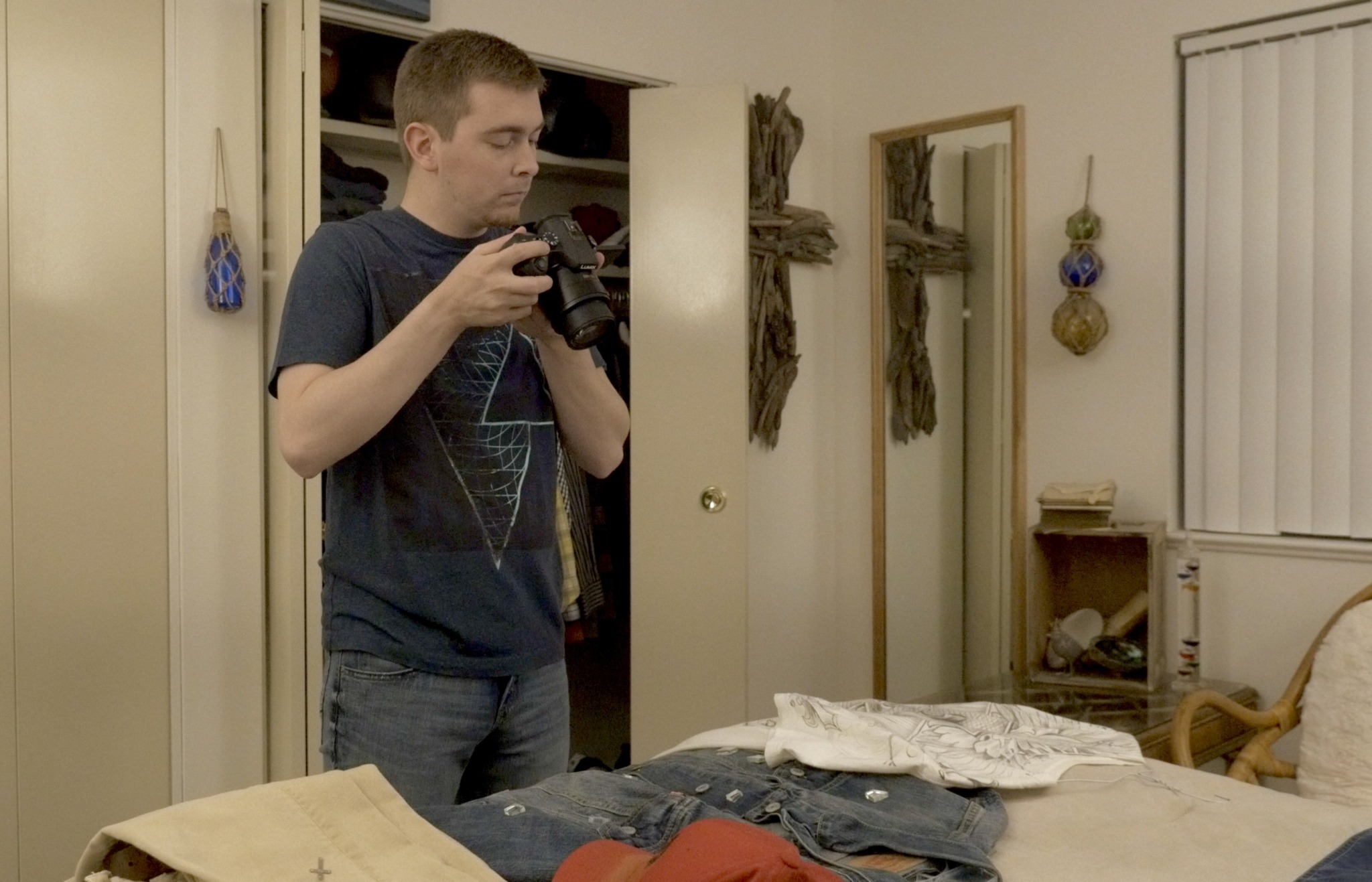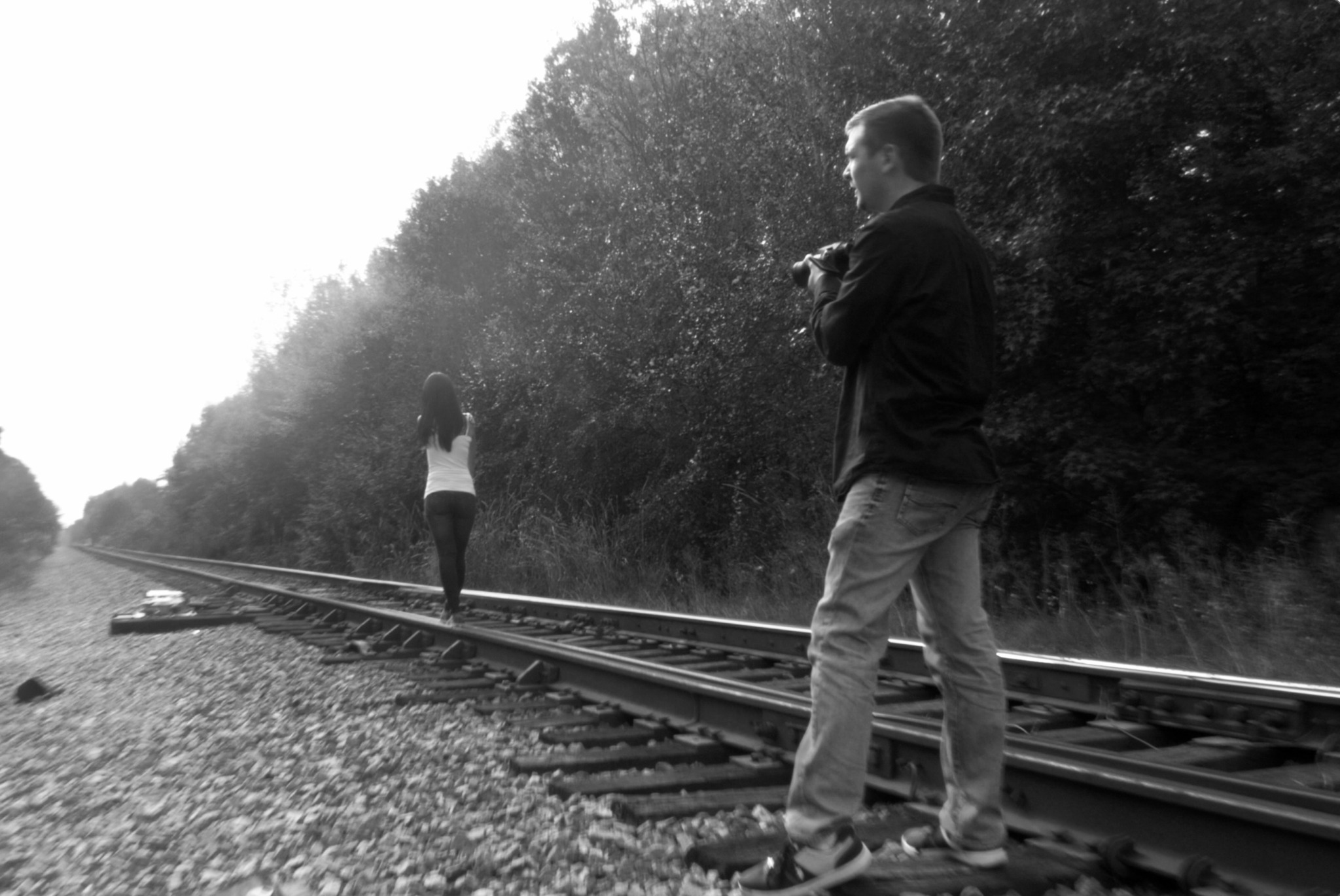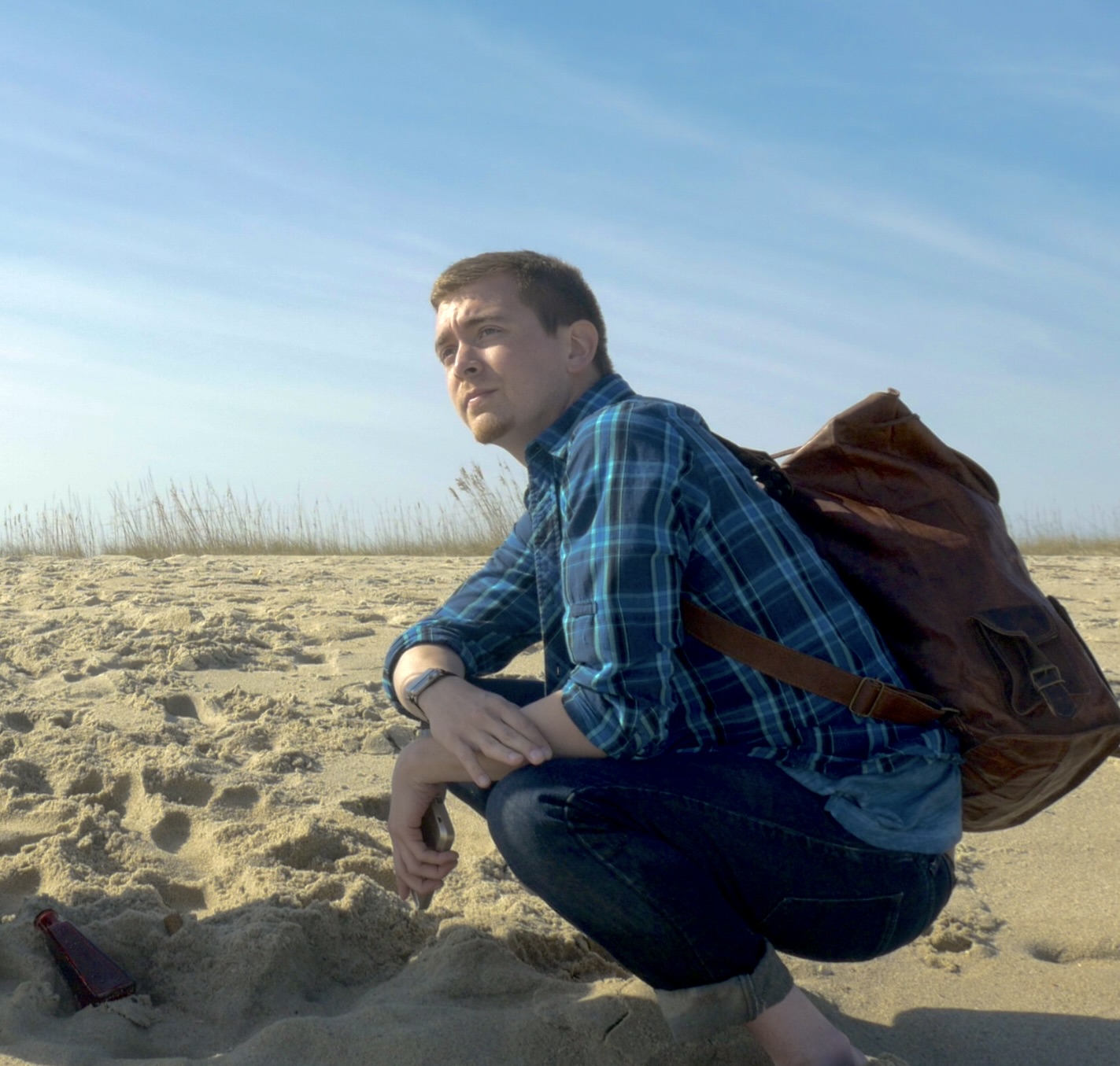

We recently connected with Joshua Bennett and have shared our conversation below.
Joshua, looking forward to hearing all of your stories today. Was there an experience or lesson you learned at a previous job that’s benefited your career afterwards?
I worked in advertising and sales for 5.5 years at professional companies while I was working on developing a feature film idea that would be affordably filmable, and it helped me learn about the marketing and budgeting aspects of making a feature-length movie. Typically, creatives are primarily focused on getting really good at their craft, which is very important, but in filmmaking, especially today, understanding the business aspects and how to pitch ideas to financiers/agents/actors is a very important skill to learn as a filmmaker.
Pitching creative ways of expressing brands and/or products with a budget to professional company executives is, in essence, what creatives have to do to get a movie made. It’s a very valuable skill to learn, and I got to learn it not just by studying how to pitch a movie, but actually having it be my job to pitch creative ideas to the highest levels of businesses. That work experience taught me how to be more prepared and confident in pitching my own creative ideas on a budget to decision makers.
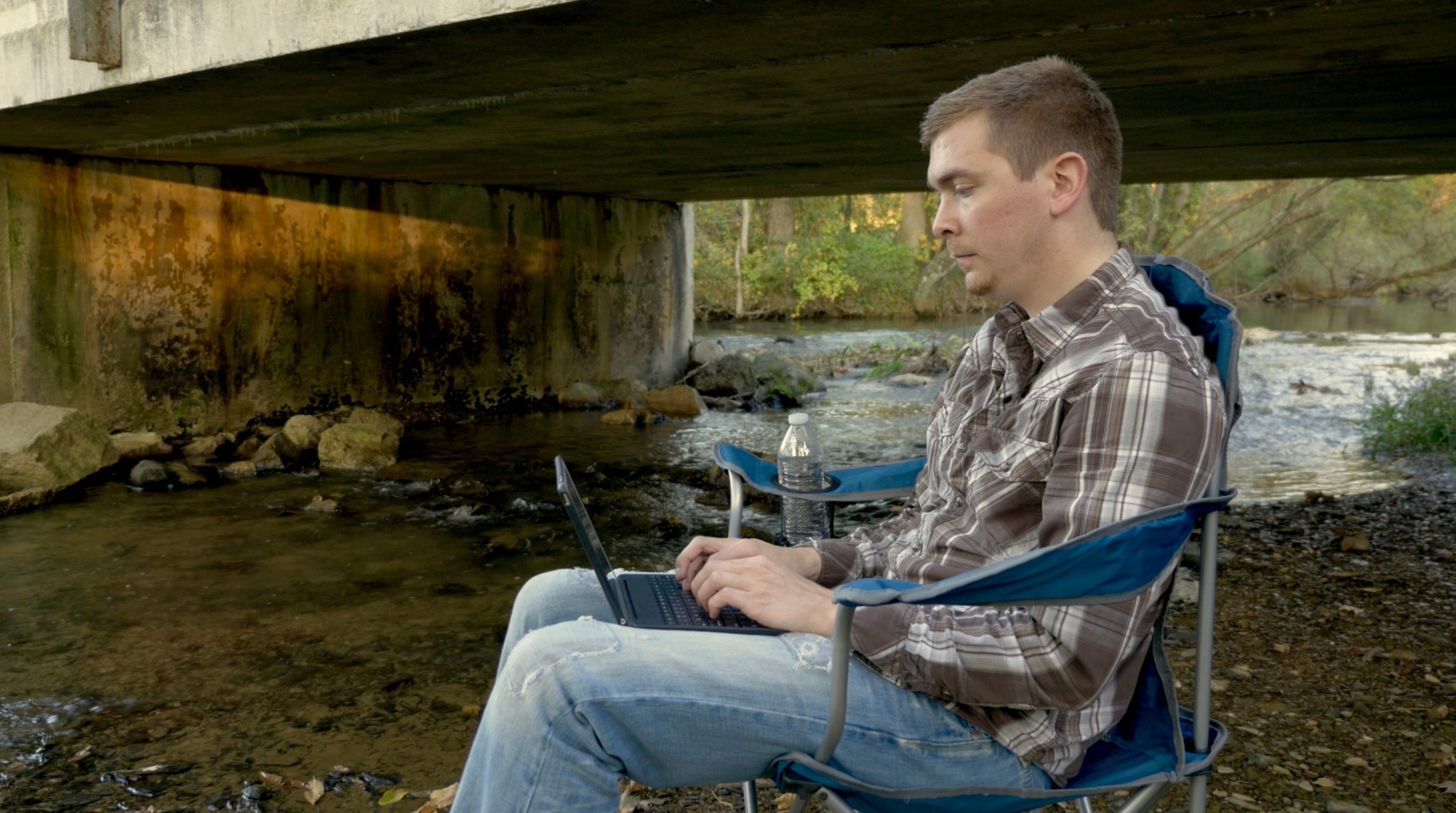
Joshua, love having you share your insights with us. Before we ask you more questions, maybe you can take a moment to introduce yourself to our readers who might have missed our earlier conversations?
I got into screenwriting because a college professor told me I was very good at writing at a time when I was thinking about what to study in college, and, on top of that, I always had a natural affinity for creative writing with a visual flair. That put me on a path toward pursuing screenwriting on a professional level, and after I realized I wanted to be the person who controlled how my screenplays would be directed, I bought a camcorder and started recording my own short film scripts.
Along that journey, I developed a love for poetry, which I view as my way of writing music lyrics and creatively expressing ideas, and also a love for writing books. I highly value all forms of storytelling, and those are the main ones that I’m presently involved in.
What sets me apart as a creative was something I didn’t originally think about, but eventually became something I began to hone in on the more I created and analyzed my work. Many stories are, in essence, the same, which I say to mean that stories can be about failed or successful romances, happy or sad families, business pursuits, wars, corruption, heroic actions, futuristic worlds, etc. Yet, what sets stories apart is the unique lens by which we tell those stories–the way no one else can. For me, I’m simply always enamored with discovering new and exciting ways to view the world/life. I want to explore it all in the most visually and stylistically deep ways that I think fit a story, and I love creating stories that take me on that journey of discovery. Nevertheless, in saying that, I hope to always be growing in my unique storytelling style. George Lucas has referred to himself as an anthropologist who expresses that passion through his love of filmmaking/storytelling, and I think that is probably a fair assessment of how I approach my craft.
How can we best help foster a strong, supportive environment for artists and creatives?
One thing I found very interesting after reading the USA Constitution was that the founders put in a part that said one of the government’s duties is to support “useful arts”, as they believed having trained artists would be beneficial in helping the leaders of government express politics and improve society.
With that, I think that putting the arts back into schools is one of the best ways to start supporting artists/creatives in having a thriving ecosystem that respects their important skills for societal progress. There were distinct times in school where I saw the government actively remove the creative and artistic fields of learning from schools, and also having society tell artists that there are no jobs in the “real world” for them. Yet, according to the USA Constitution, the founders believed that the arts are so integral to society and government that part of all politicians’ government mandate is to promote and protect them, not to find ways to remove them from education and society. I think the more society is educated on the value of the arts, the more they will create jobs for them in society in order to improve businesses, education, psychology, and government, besides the already established artistic businesses of filmmaking, books, music, etc.
What do you think is the goal or mission that drives your creative journey?
What inspires me as a driving force in my creative journey is the same thing that first inspired my love for the arts in the first place, which was “being impacted” in a positive way by artistic works that unlocked parts of myself that I had never seen expressed before. Another way of expressing that is how movies have a powerful way of making you laugh, smile, cry, ponder, be in awe, etc., and that power of story puts me in awe. I hope to do that with the things that inspire me to create stories.
Contact Info:
- Website: https://www.JoshBArtistry.com
- Instagram: https://www.instagram.com/officialjbart/
- Youtube: https://www.youtube.com/@officialjbart