

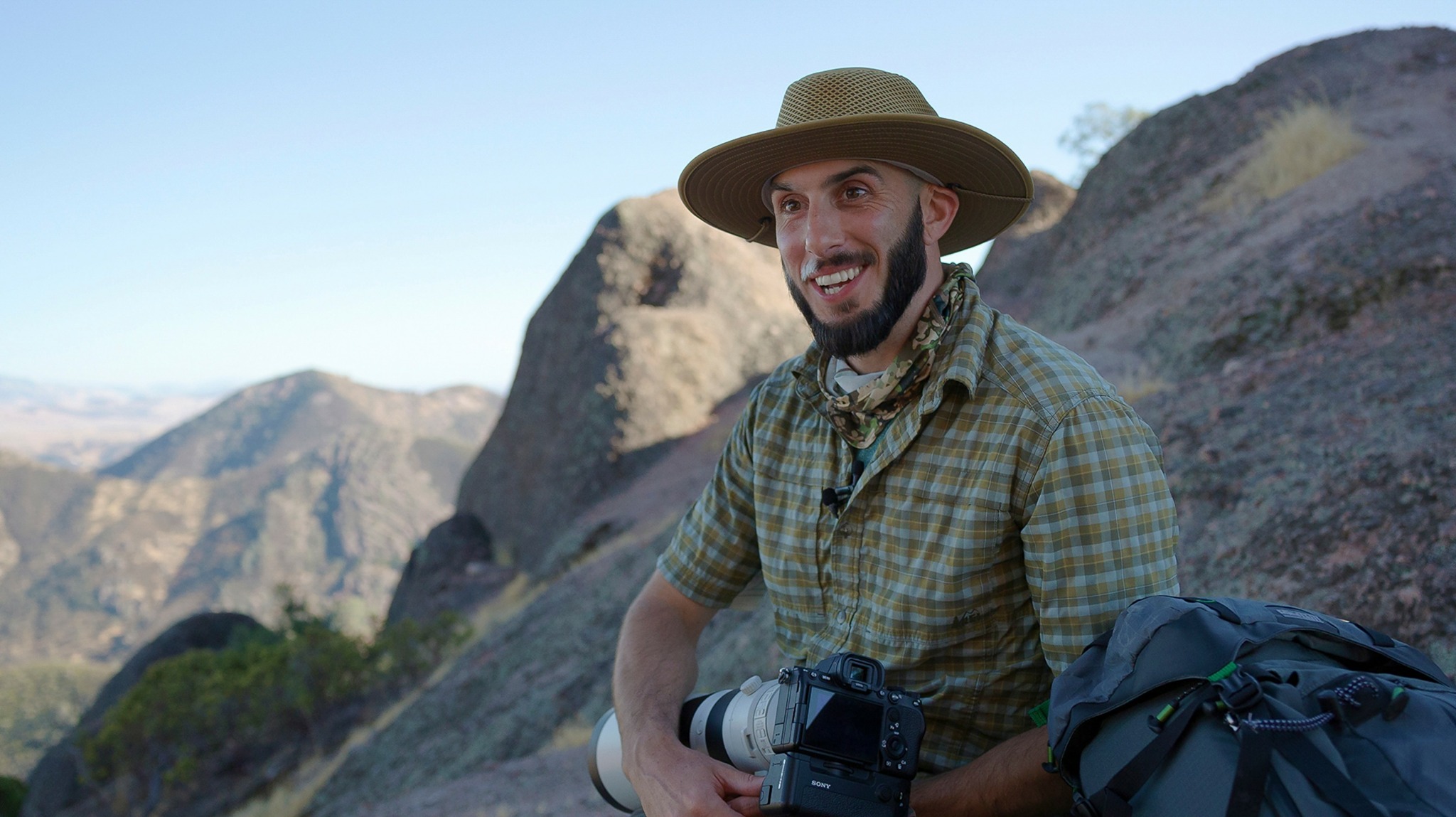

We recently connected with Joshua Asel and have shared our conversation below.
Hi Joshua, thanks for joining us today. We’d love to hear about a project that you’ve worked on that’s meant a lot to you.
Meaningful is hard to measure. The most meaningful to me might be different from the most meaningful effect I’ve had in one circumstance.
On one hand, it was an honor that California State Senator Mike McGuire used my images of critically endangered coho salmon and the associated restoration project to help remove a controversial dam in order to help the salmon flourish and return the river system to a relative normality.
But for me, I’ve spent a decade telling the story of America’s largest bird species, critically endangered California condors, which are also one of the rarest species on Earth. They effectively became extinct in the wild in 1987, the year I was born, but through monumental efforts, one of the greatest conservation successes in history saw them restored to their historic ranges of the Pacific Northwest, Southern California, and the Grand Canyon area. Still, there are only a few hundred in the wild right now and they have a long way to go towards full recovery.
I’ve bounced around from the Big Sur site to Pinnacles National Park and now to Humboldt, where they have most recently been released thanks to the Yurok Tribe, for which they have a spiritual connection and are central to the Yurok’s cultural story.
Some circumstances just call to you so deeply that they cannot be ignored, at your own peril of ignoring destiny. To me, the call to work with condors is one of those indescribable calls that my heart knew I had to pursue. It became one of the few truest purposes of my life. The more that I can share the stories of this incredible, highly intelligent, and social species in various magazines and provide valuable imagery for the associated research, the better the chance they have at seeing a positive future.
Great, appreciate you sharing that with us. Before we ask you to share more of your insights, can you take a moment to introduce yourself and how you got to where you are today to our readers.
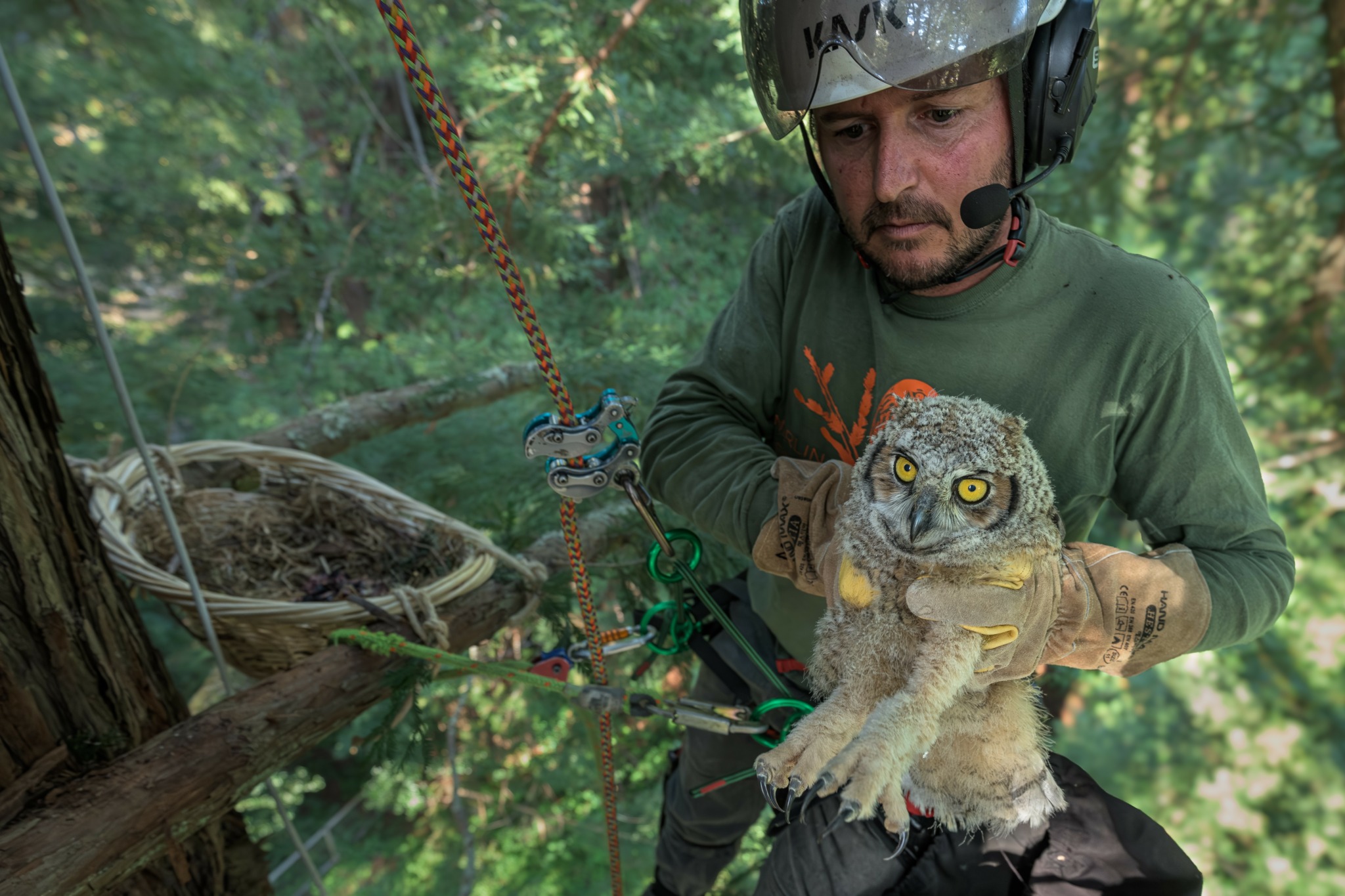
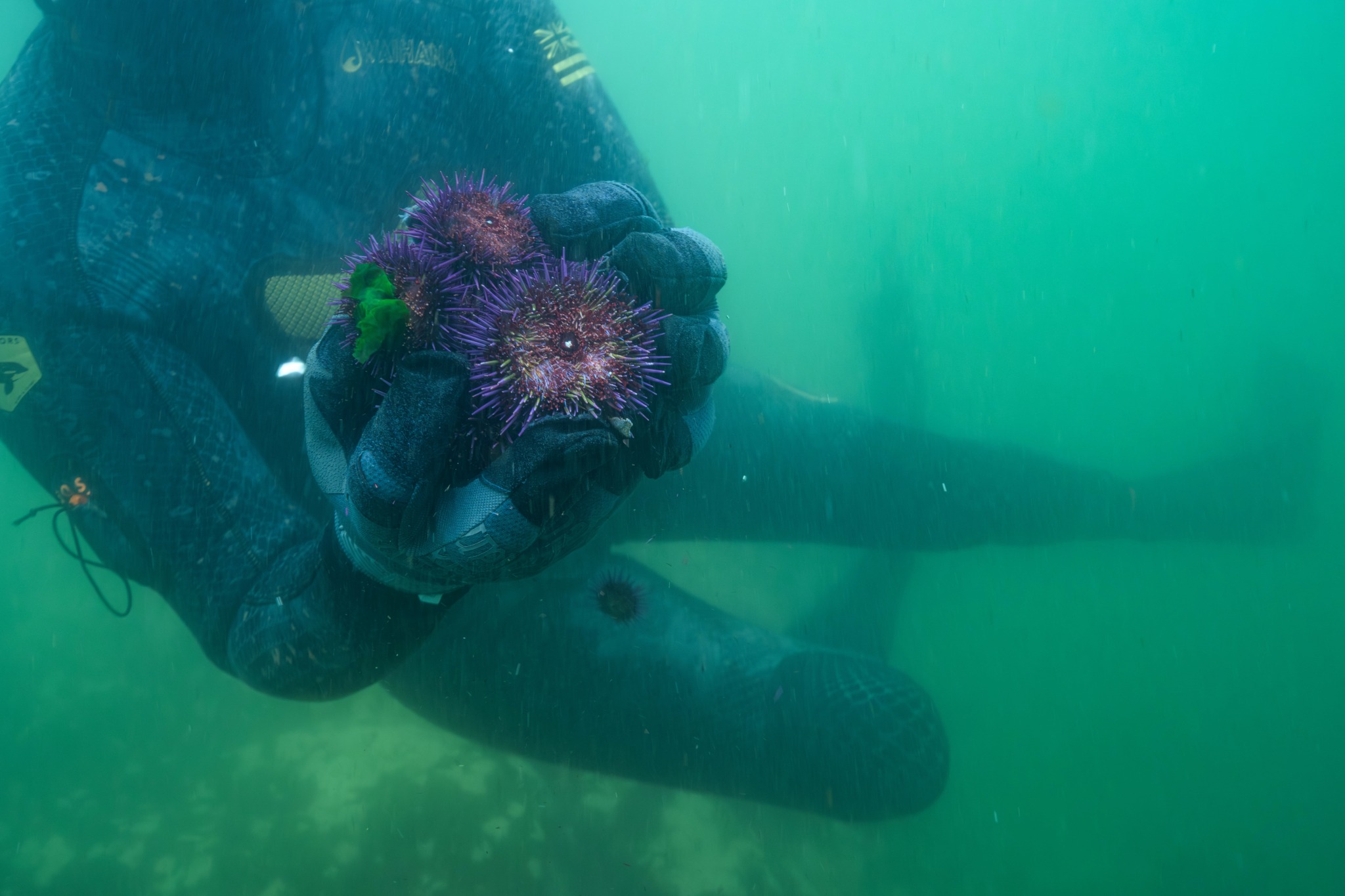
I’m an award-winning wildlife and conservation photographer/videographer with an emphasis on marine habitats, birds of prey, anti-poaching, and endangered species.
I got into photography by chance when I discovered a website called projectnoah.org, where amateur photographers posted images of wildlife from around the world and descriptions of them. You could learn about the wildlife while you contributed to a massive community of passionate people that care about wild animals. I photographed the first thing that I saw, which was an invasive species of dove flying by, and I instantaneously got the most massive dump of adrenaline and feeling of destiny that I’d ever had. I instantly knew this is what I was born to do. I dropped out of college the next day and started dedicating my life to wildlife conservation in any way I could, which happened to be with various wildilfe rescue centers.
Fast forward to today and my work has taken me to South America, Central America, and Africa, where I’ve encountered poachers, pirates, and members of various mafias–all in an effort to protect wild animals. I’m also an honorary Tribe Member of the Naso Indigenous People in Panama, a member of the Ethics Committee for the North American Nature Photography Association (NANPA), and am sponsored by Think Tank Photo, Sony Alpha, and Columbia Sportswear. Plus recently, after a couple of years of waiting, I got to announce that I’m the Winner of the 2023 Philip Hyde Grant from the North American Nature Photography Association (NANPA).
It’s also been such a blessing to featured in the award-winning short film “Wingspan,” about my work on California condors, which went on an international film circuit for a year. I’ve also appeared on multiple photo competition judging panels, advised on mountain lion safety for land trusts, and acted as a consultant and principal photographer to help establish a new redwood forest preserve in Healdsburg, California.
My publications include Smithsonian Magazine, National Geographic, Defenders of Wildlife, Whalebone Magazine, The New York Times, Hakai Magazine, Alaska Airlines Magazine, The Press Democrat, NANPA Expressions, and several scholarly articles, among others.
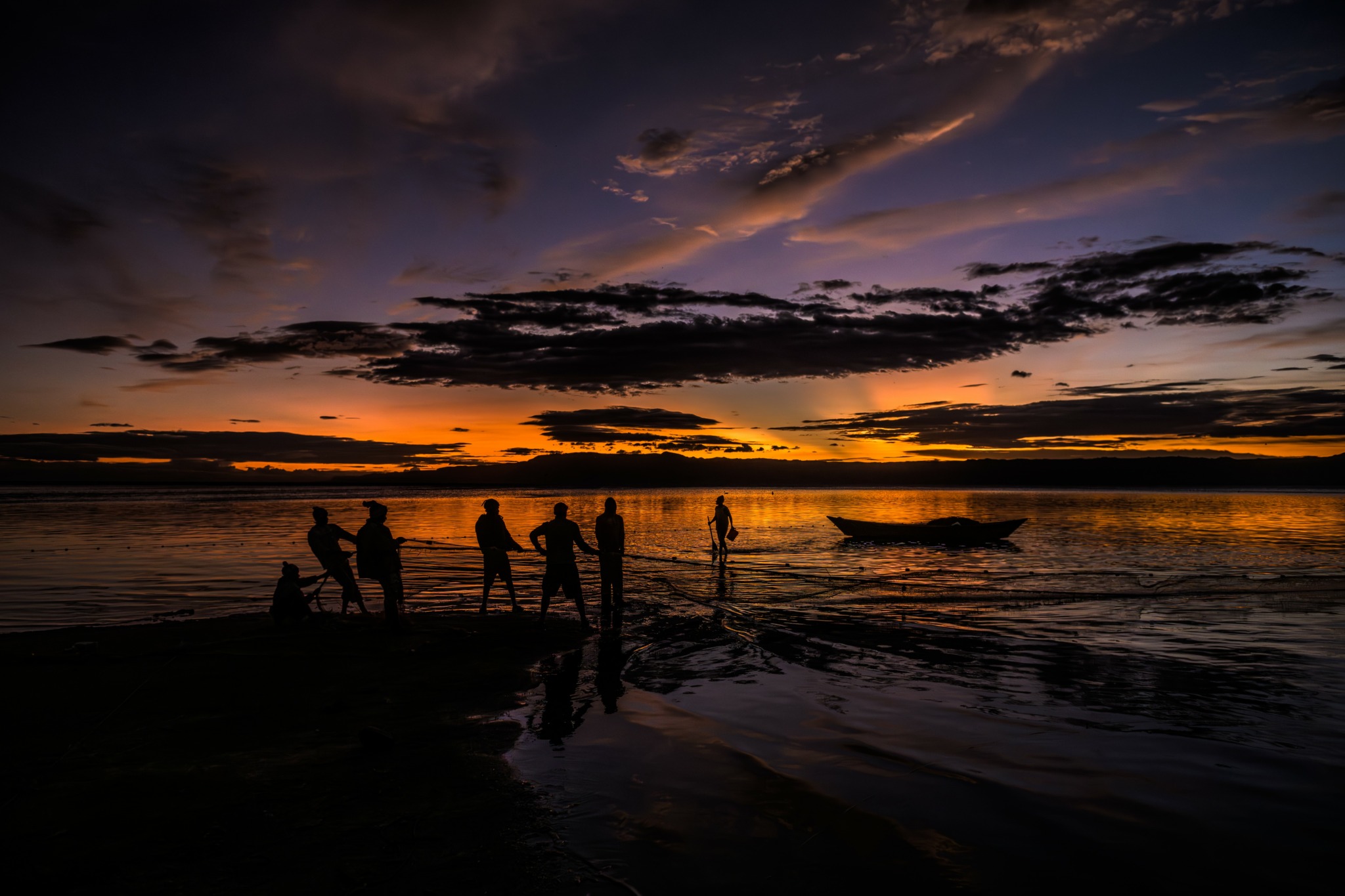
Is there mission driving your creative journey?
I want to leave this world in a better place than I found it, which feels like a tall order considering the state of greed in the world right now, but there’s so much beauty and awe in the natural world that hope will never die. It’s incredibly important to me to devote my entire being to a purpose that’s greater than myself. And the way that I see it, I can’t think of anything better than protecting God’s creation.
Of course, there’s so much that goes on behind that idea of devotion and understanding of the true meaning of that cause. This not a secret, but the vast majority of the public don’t think about this either: wildlife sustain all natural ecosystems globally, which, of course, sustain human existence. Without wild animals simply living their lives in all of the incredible and nuanced ways that they do, all natural ecosystems would collapse and humans would instantly go with them. So, of course, it’s in our best interest to keep natural places protected.
Learning and unlearning are both critical parts of growth – can you share a story of a time when you had to unlearn a lesson?
I was initially taught that there’s kind of only one avenue of wildlife conservation photography. Create stories, get them published, and repeat.
There’s a bit more than that, but publishing stories was the main narrative. While publishing stories to develop awareness for critical species and habitats around the world, what I ended up learning through experience instead of being taught is that there are so many different avenues to contribute as a photographer in this field.
It could be working with organizations to help develop their own portfolio of images for promotions; it could be to transition into filmmaking to create short films; or it could be to help create National Parks using imagery as evidence of a healthy ecosystem worth protecting. And there are different facets of all of those: promoting a specific endangered species, investigations into poaching and counter-poaching, or covering the degradation of natural habitats due to climate change in some way or another.
When organizations or individuals began reaching out to hire me for various projects, I quickly realized that there is so much more to consider than just creating publications. Although, I do have to say, creating a photo essay is still probably my favorite way of expressing my creativity!
Contact Info:
- Website: [email protected]
- Instagram: @tidalwalker
- Facebook: https://www.facebook.com/joshua.asel.707/
- Linkedin: https://www.linkedin.com/in/joshua-asel-3389025a/
Image Credits
All non-profile images ©Joshua Asel/joshasel.com