
We were lucky to catch up with Josh Stein recently and have shared our conversation below.
Hi Josh, thanks for joining us today. We’d love to hear the backstory behind a risk you’ve taken – whether big or small, walk us through what it was like and how it ultimately turned out.
In 2015, after fifteen years in the wine business, I closed the winery no one would ever have expected me to open in the first place. That chapter was over, and I had decide what I was going to do next: what would get me out of bed in the morning, and more importantly, make me tired enough about work I cared about that I would need that rest. I’m not good at relaxing. I don’t really take vacations. I know how to do, to make, to create.
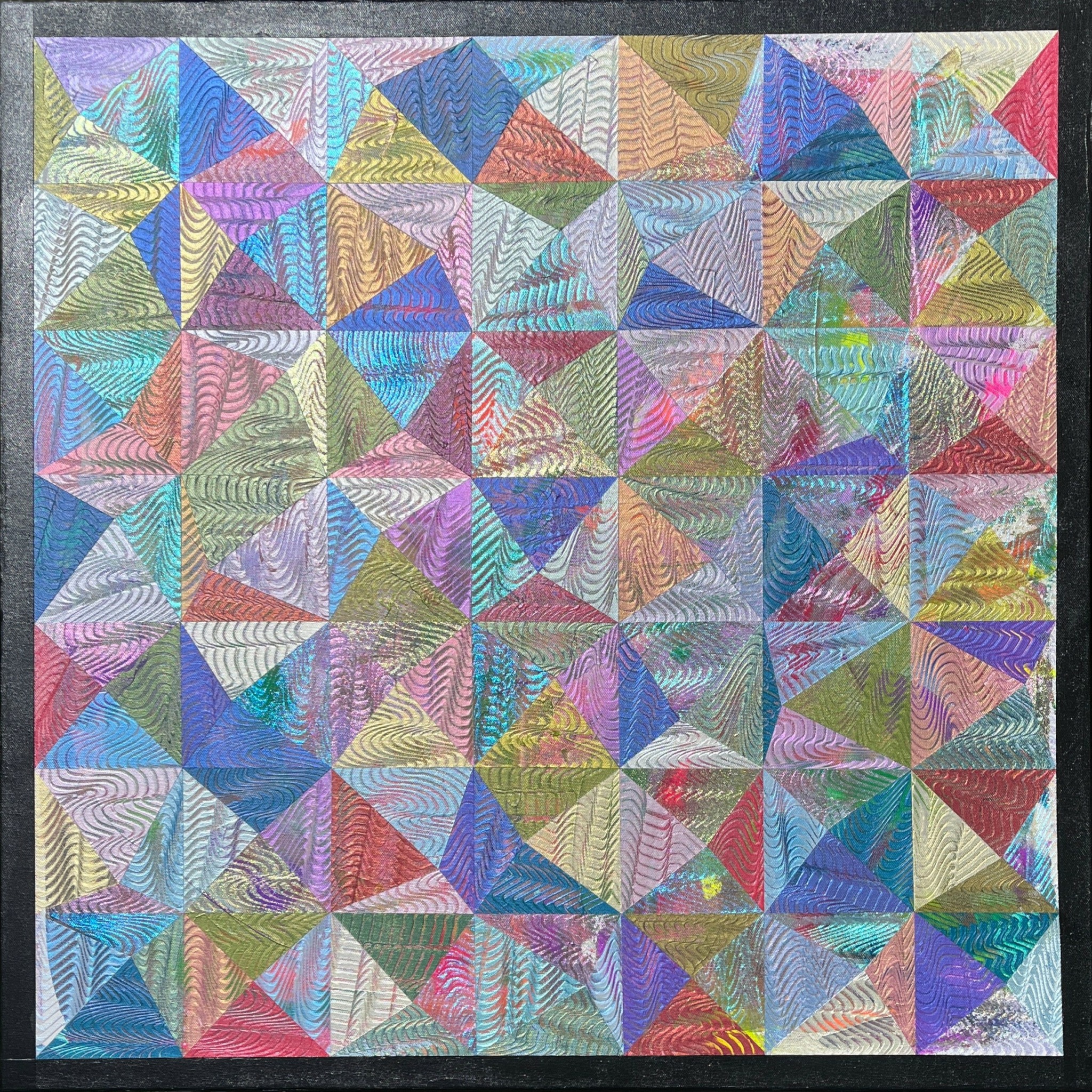
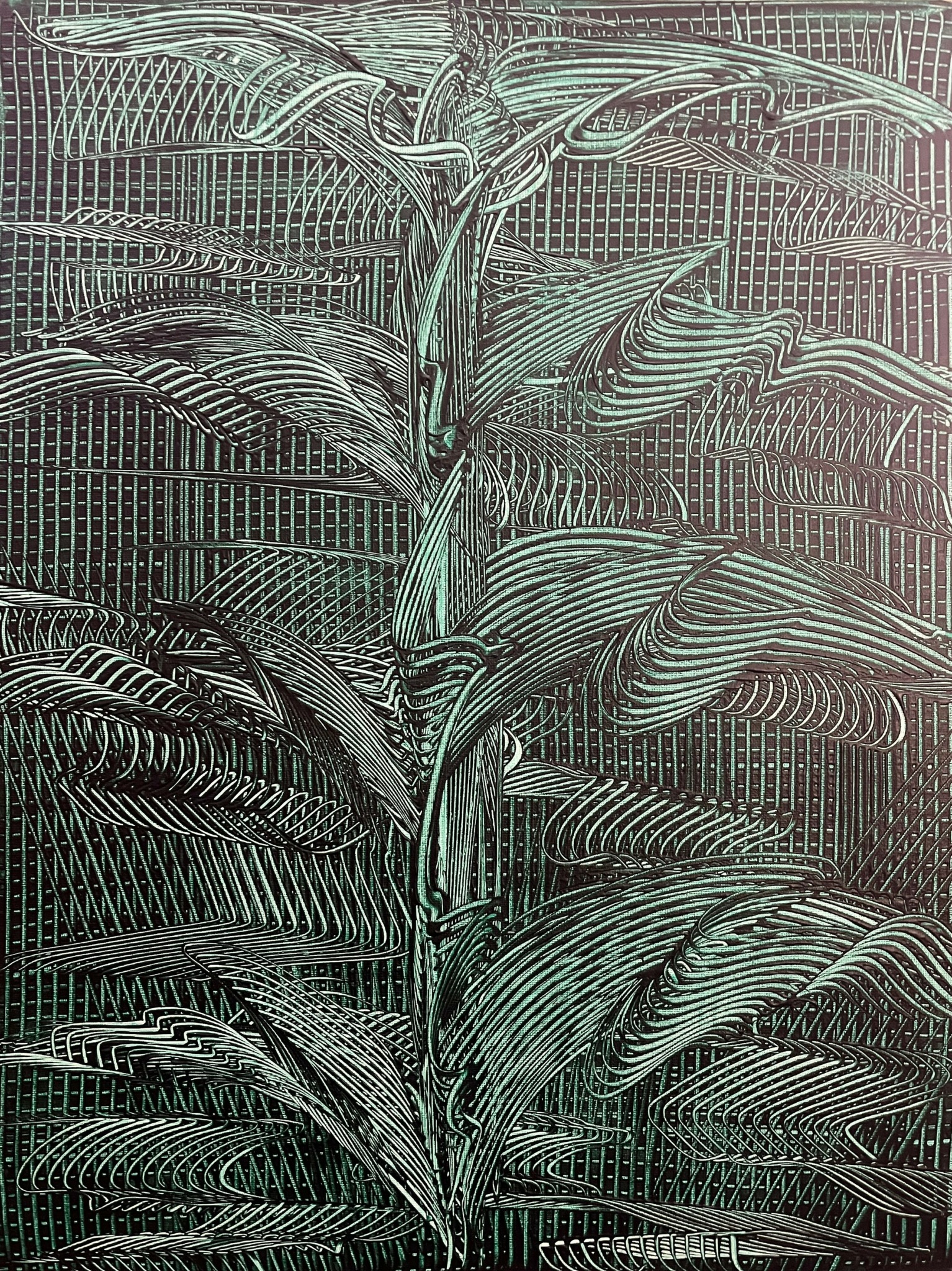
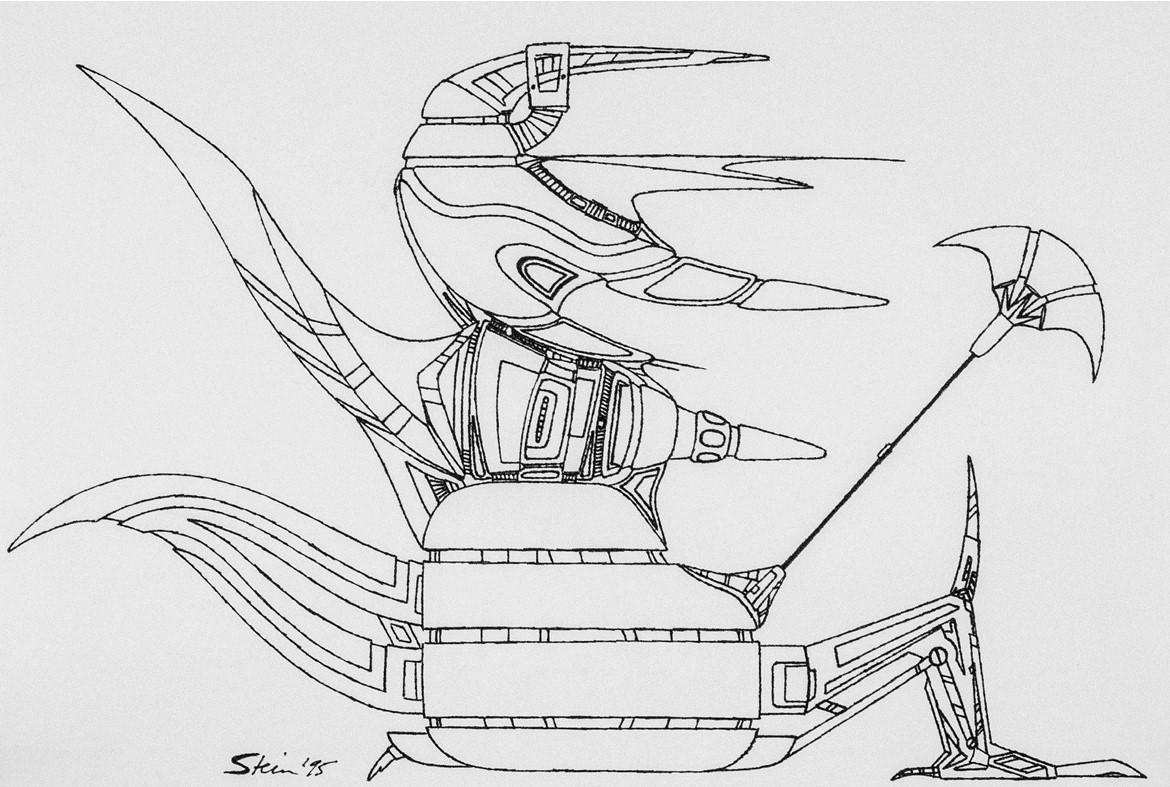
So, after a couple of years of thinking but not doing, I went back to what had been the plan a very long time ago, before college, before graduate school, before living around the world, before all of the prior quarter century had asked of me: art. Not the graphic design I had done in the wine business for clients and my own brands. Not the copywriting and brand ideation I still do with part of my day. Art I wanted to make for me and me alone. Whether it would sell, whether anyone else would notice, whether it was even any good — I simply didn’t care and just started to make.
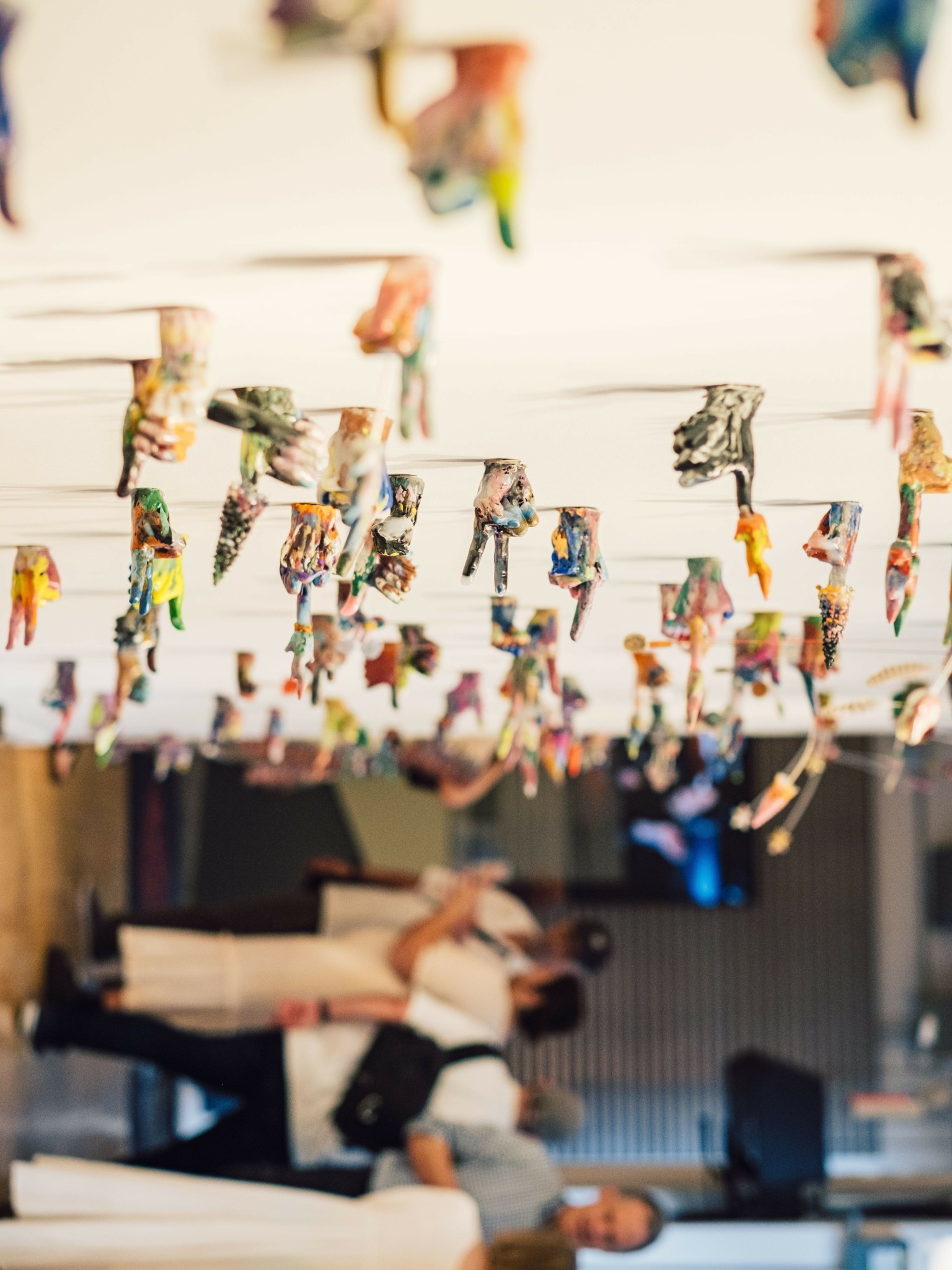
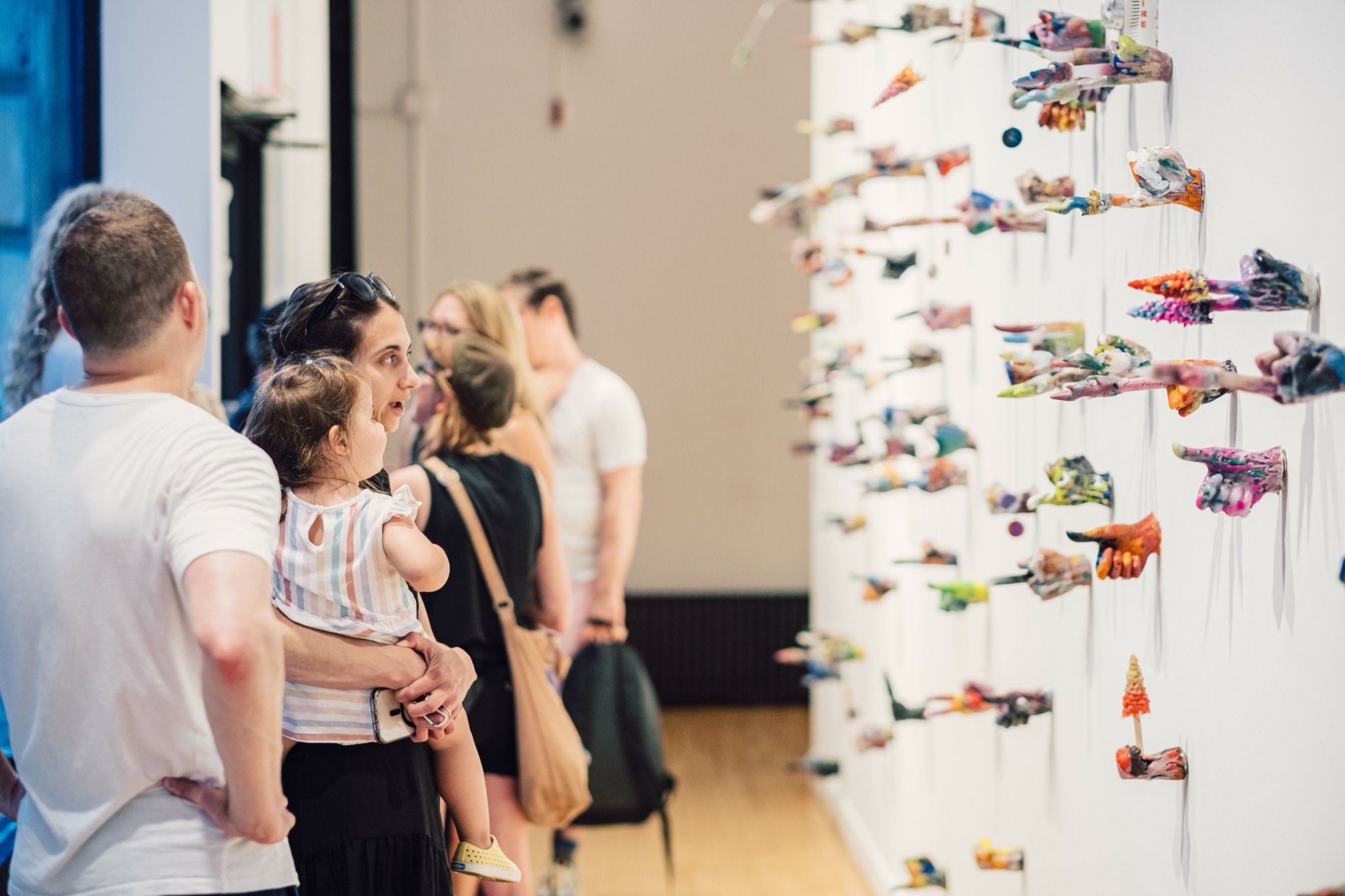
I keep track of everything, so the numbers are illustrative. In 2018, I made 52 illustrations. In 2019, 15 illustrations and 134 paintings. In 2020, 115 paintings, and in 2021, 415 paintings. I began the MFA at School of Visual Arts in 2022 which I completed in 2025. In 2024, I had my first solo museum show. I think you can see how this went: I worked and worked and worked. My MFA work, available at thegivingproject.art, has created interactions with more than 800 strangers and counting as of this writing. My podcast, Spill the Art Tea, allows me to connect with creatives around the world, all without any commerce or financialization. I just wanted art. I got it.
As always, we appreciate you sharing your insights and we’ve got a few more questions for you, but before we get to all of that can you take a minute to introduce yourself and give our readers some of your back background and context?
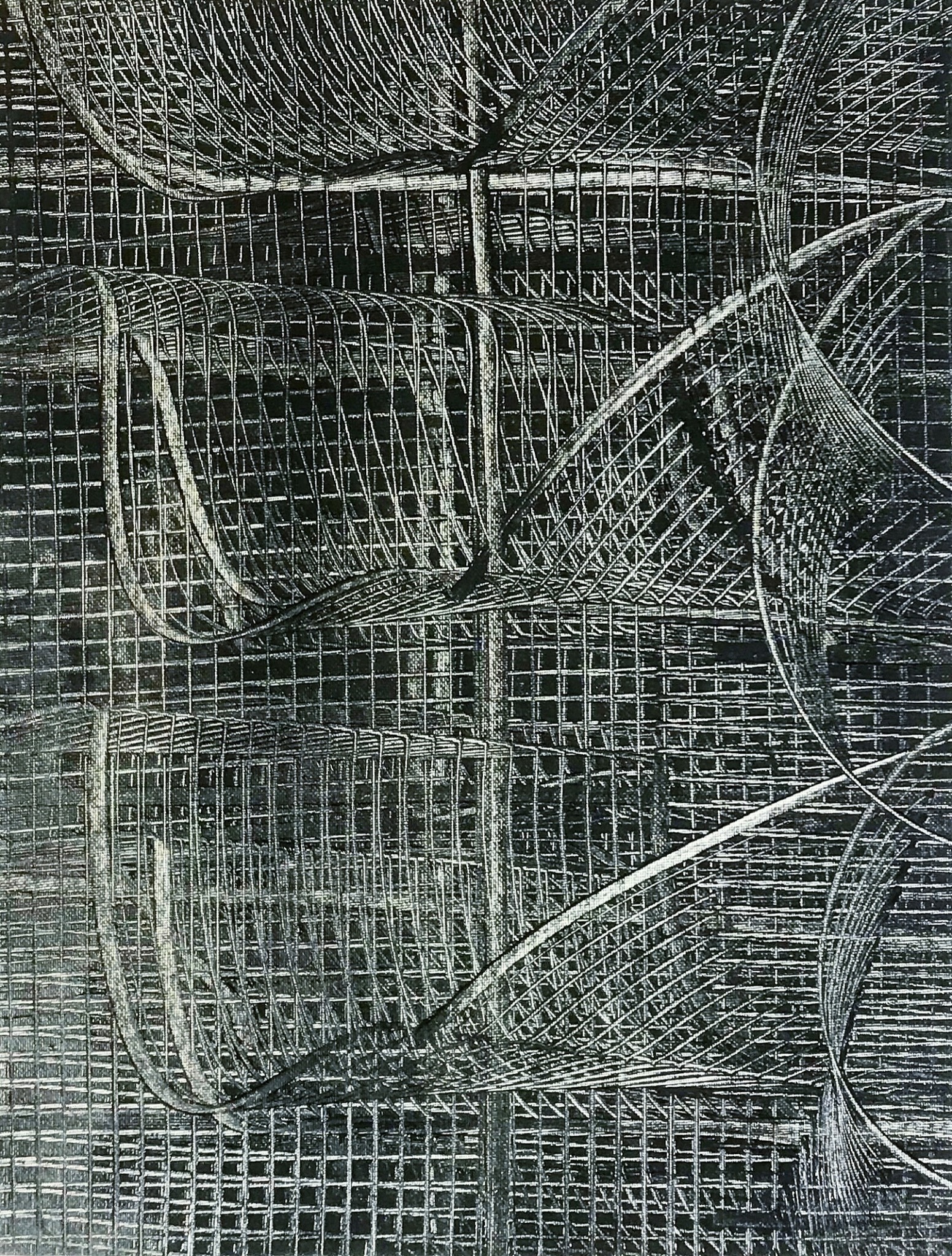
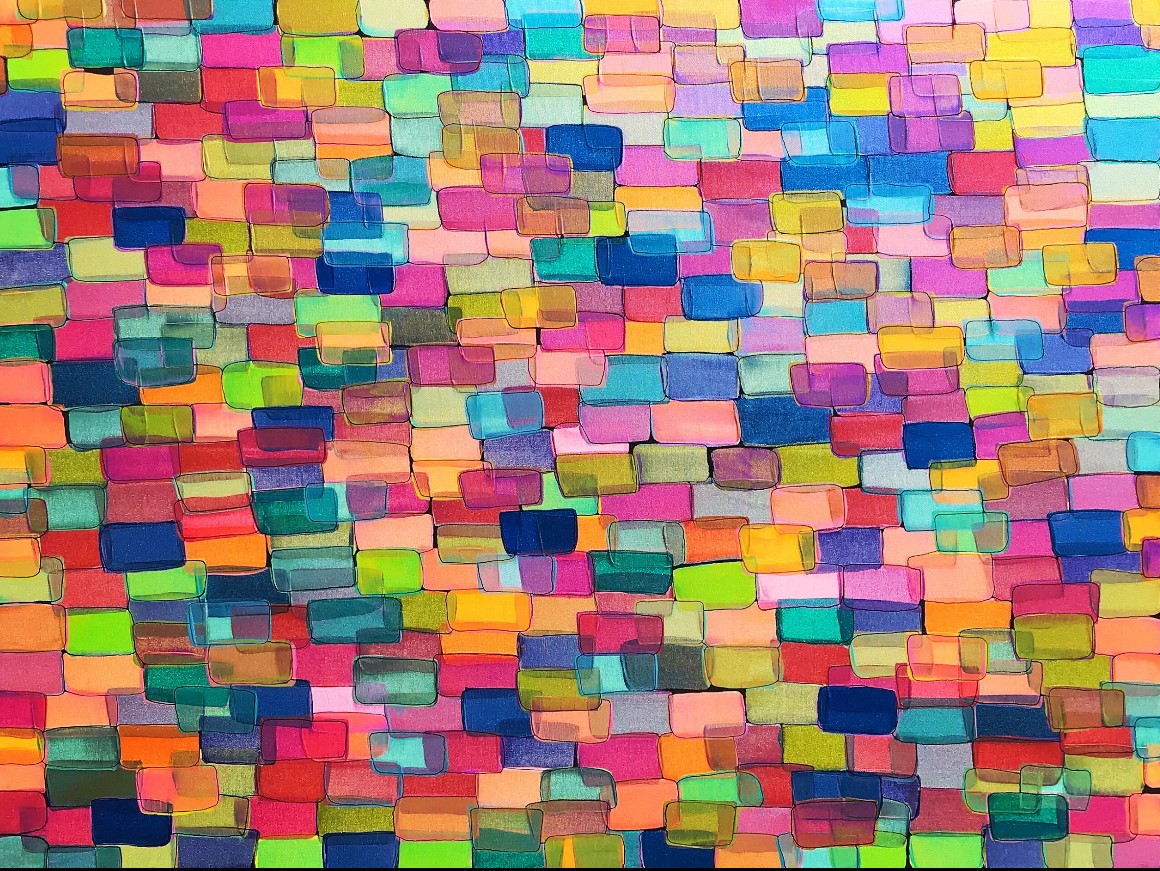
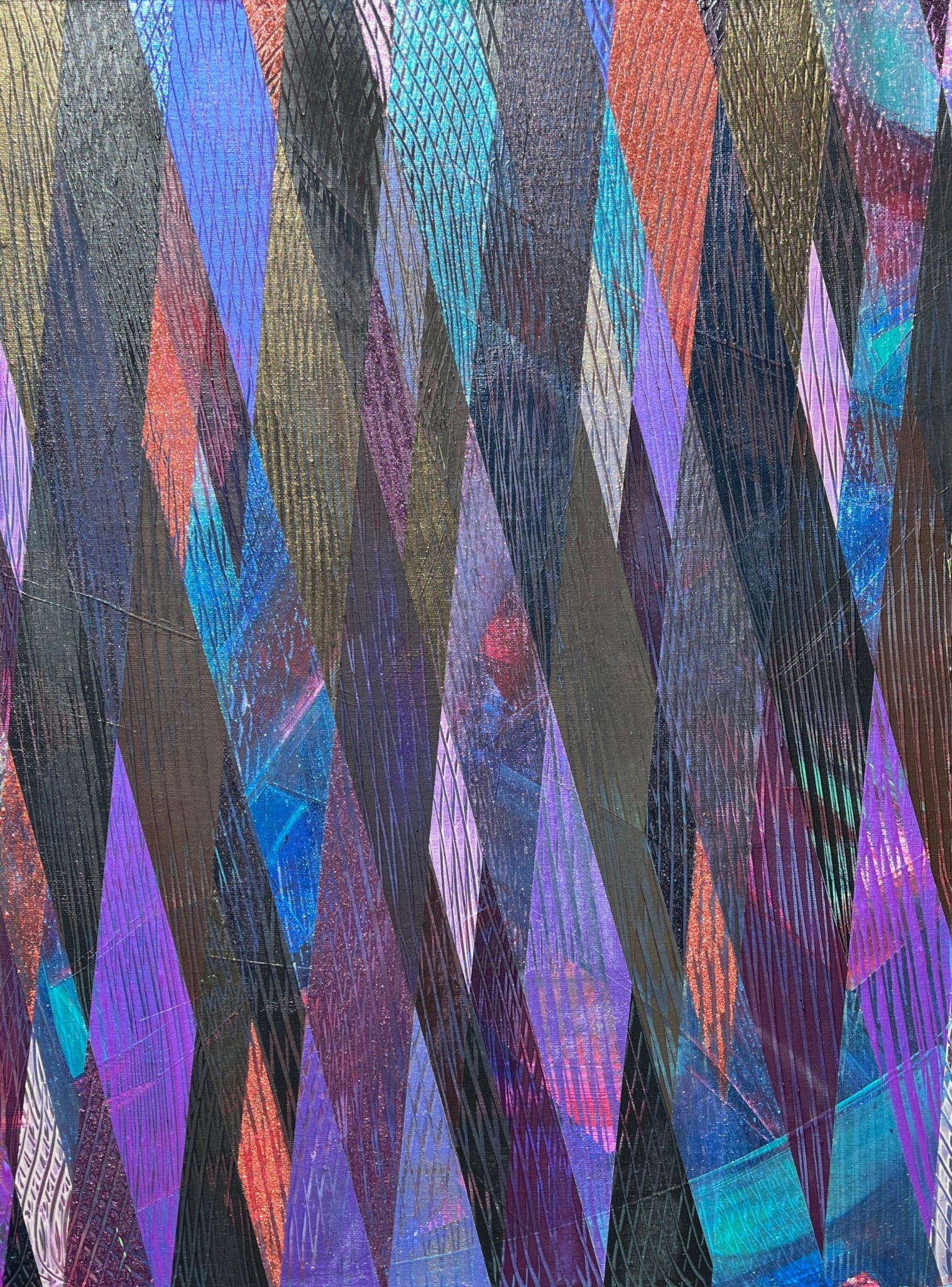
By necessity rather than choice, I am an American bricoleur—a shaper of whatever materials come my way. I make art because it’s fun to fuck with people’s heads: to provoke, to interrupt, and, ideally, to leave behind a lesson in a world that largely ignores my existence. I work in metallic and fluorescent acrylics and industrial plastics because it’s even more fun when viewers realize they’re being played with—and then want the game to continue. What magician doesn’t want a willing, incredulous audience and a stage built for transformation?
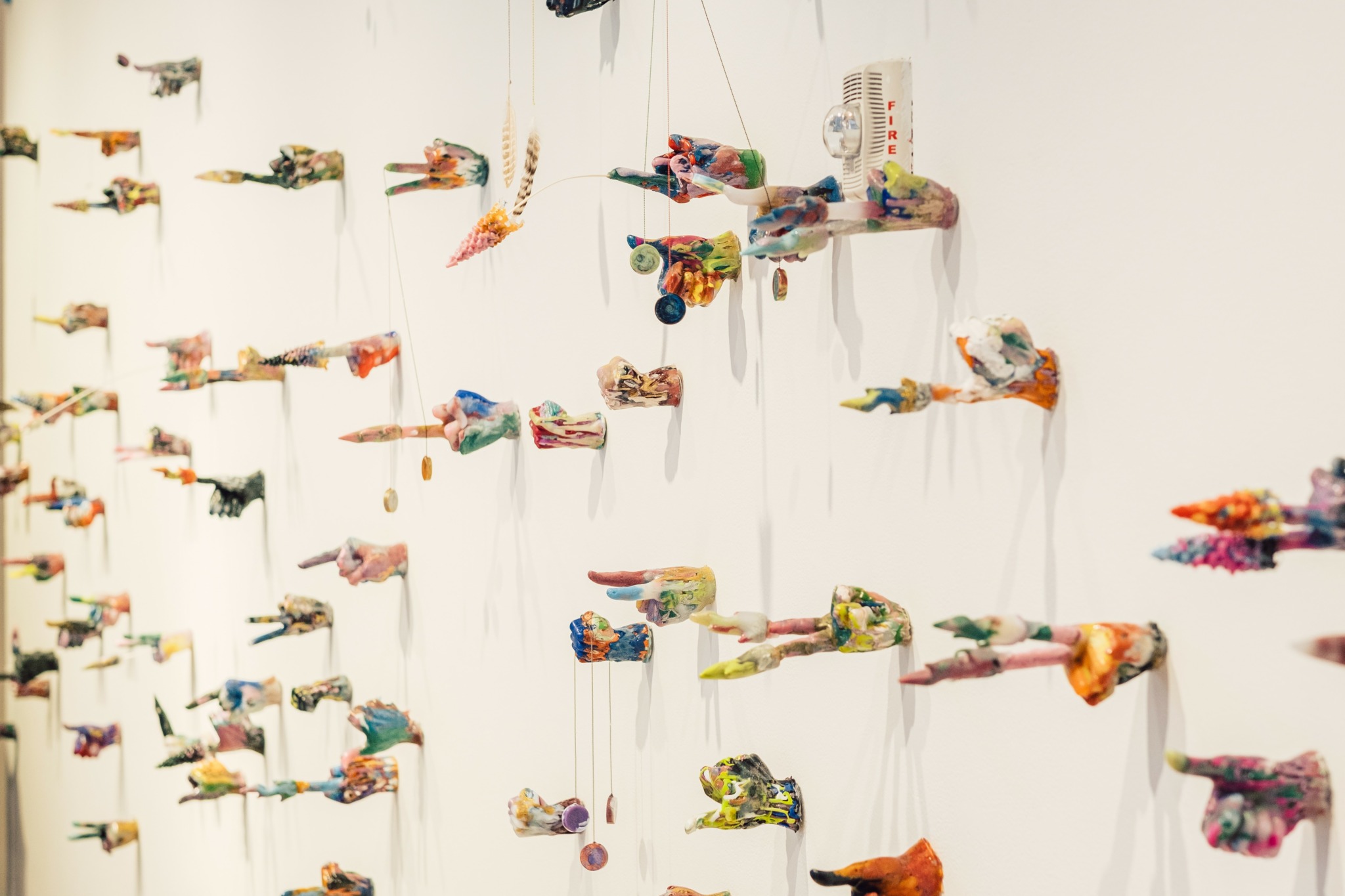
My practice elevates overlooked industrial materials into objects that demand attention on their own terms. The goal is the substantiation of imagination: fooling the eye into seeing what it never expected could exist, then pushing further—asking for participation in a different way of seeing the world, both externally and internally. The work is an invitation and a confrontation, a visual sleight of hand that insists perception itself is malleable.
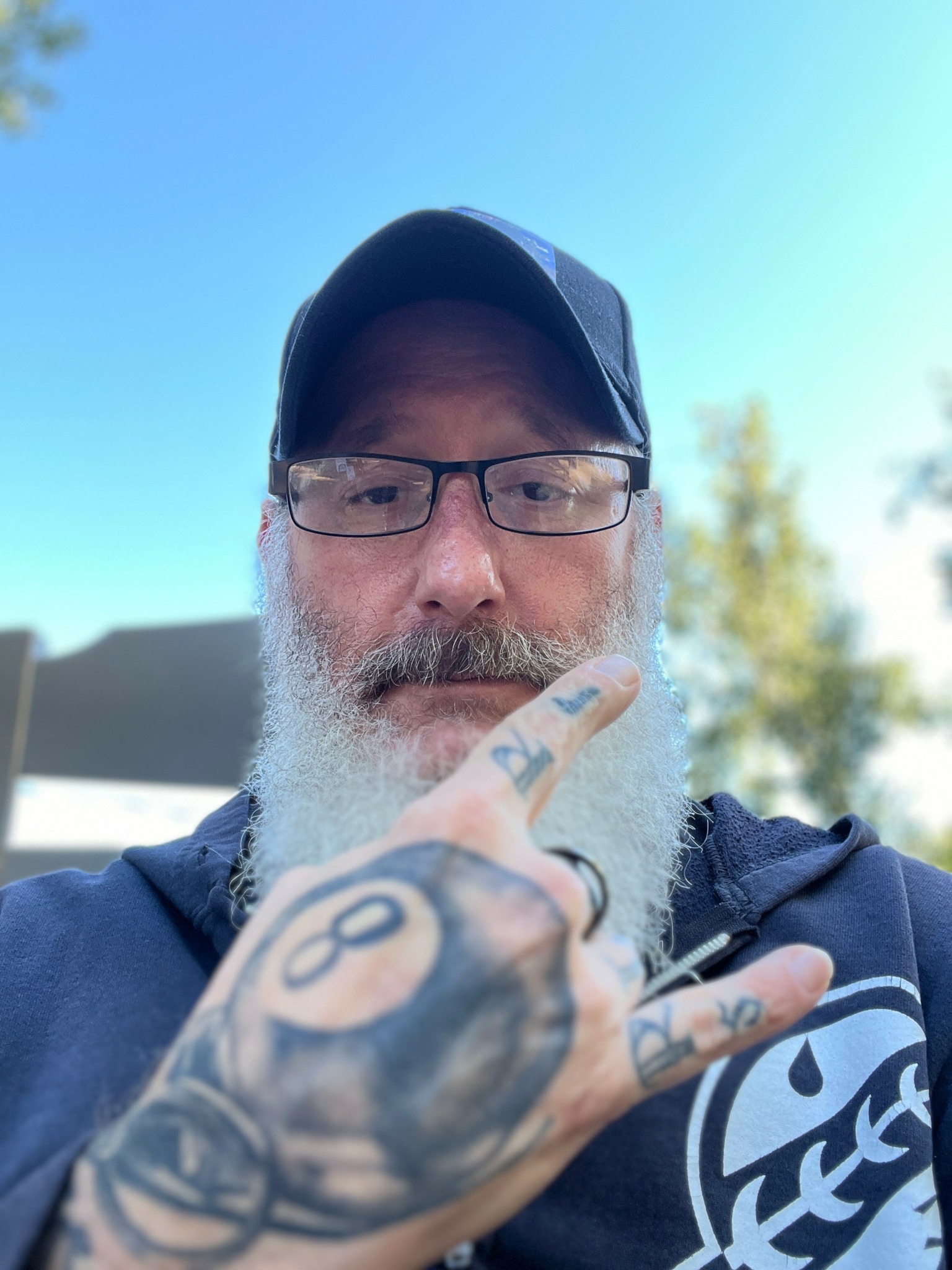
Josh Stein (b. 1973, Hammonton, New Jersey; lives and works in Napa, California) is a lifelong multi-modal creative artist, musician, writer, adult beverage maker, and professor. He holds advanced degrees from the University of California, the University of Liverpool, and the School of Visual Arts. His work has been published nationally and internationally and exhibited across a wide range of venues, including the Pop and Contemporary Art Museum in Tallinn, Estonia; the CICA Museum in Seoul, Korea; Adas Israel in Washington, DC; Burning Man in Black Rock Desert, Nevada; and Gallery 1064 in Seattle, among others. His 2D works in metallic and fluorescent acrylics and 3D projects in industrial plastics push influences from Pop art, tattoo flash and lining techniques, and abstract surrealism and expressionism to the edge where graphic design and calligraphy collide with Platonic theories of form.
Any insights you can share with us about how you built up your social media presence?
About five years ago, I joined Nua Collective, which is an international art group that works collaboratively together to involve local communities in the physical and virtual gallery, diplomatic, and museum events we put out into the world. We have circulated projects through almost a dozen countries at this point, including the United States, the UK, Ireland, and throughout Europe. However, we weren’t getting as much follow through after the shows as we would have hoped for. The director of the collective and I came almost simultaneously to the same answer: a podcast, which is what we set about creating several years ago. Our weekly audio and video production, Spill the Art Tea, done completely without sponsors or paid marketing of any kind, is up to episode 73 as I write this, and we see tens of thousands of unique views on our websites monthly from the longform and short-form clips we circulate on all of the various social apps available to us. Ideally, we have a new guest each week so that we are able to feature the works of others, a key principle behind how Nua Collective operates, but if not, we shoot any way with just the two of us. “The show must go on” is our mantra and why we are approaching our second anniversary. The key thing is to get started, be willing to shift and change based on what the metrics tell you, not have an ego in anything other than good deliverables, and to partner with people who are aligned in your goals and who will both hold you accountable and be willing to be held accountable. With that recipe, it’s hard not to see improvements in terms of presence.
In your view, what can society to do to best support artists, creatives and a thriving creative ecosystem?
I think it’s a mistake to expect anyone or any institution to support one’s creative output. It’s simply the wrong framing. Cy Twombly famously told Jenny Saville, “Try and stay ignored for as long as possible,” and the reason is simple: once there is a “market” for “the work,” the creator is now locked into amber in terms of progression of art practice. The market wants what sells. My best advice is find a job, any job, that pays the bills and allows time to make freely and without worry or constraint even if that is only 15 minutes a day — that still adds up to almost 2 hours of production a week, 8 hours a month, 100 hours for the year: there is no race against anyone else’s output — just make. I have created multiple projects where I give away art precisely because I make so much of it using this simple, basic philosophy. I make, and then I make some more. And then I make more. I don’t worry about anything else (other than storage).
Contact Info:
- Website: https://www.steincreates.com
- Instagram: @SteinCreates
- Linkedin: https://www.linkedin.com/in/joshsteinnapa/
- Youtube: https://www.youtube.com/playlist?list=PLZNSjWLYoR8JJtKJPjDGWXBX2fnwmL_P2
- Other: https://thegivingproject.art
https://artwork4another.art