

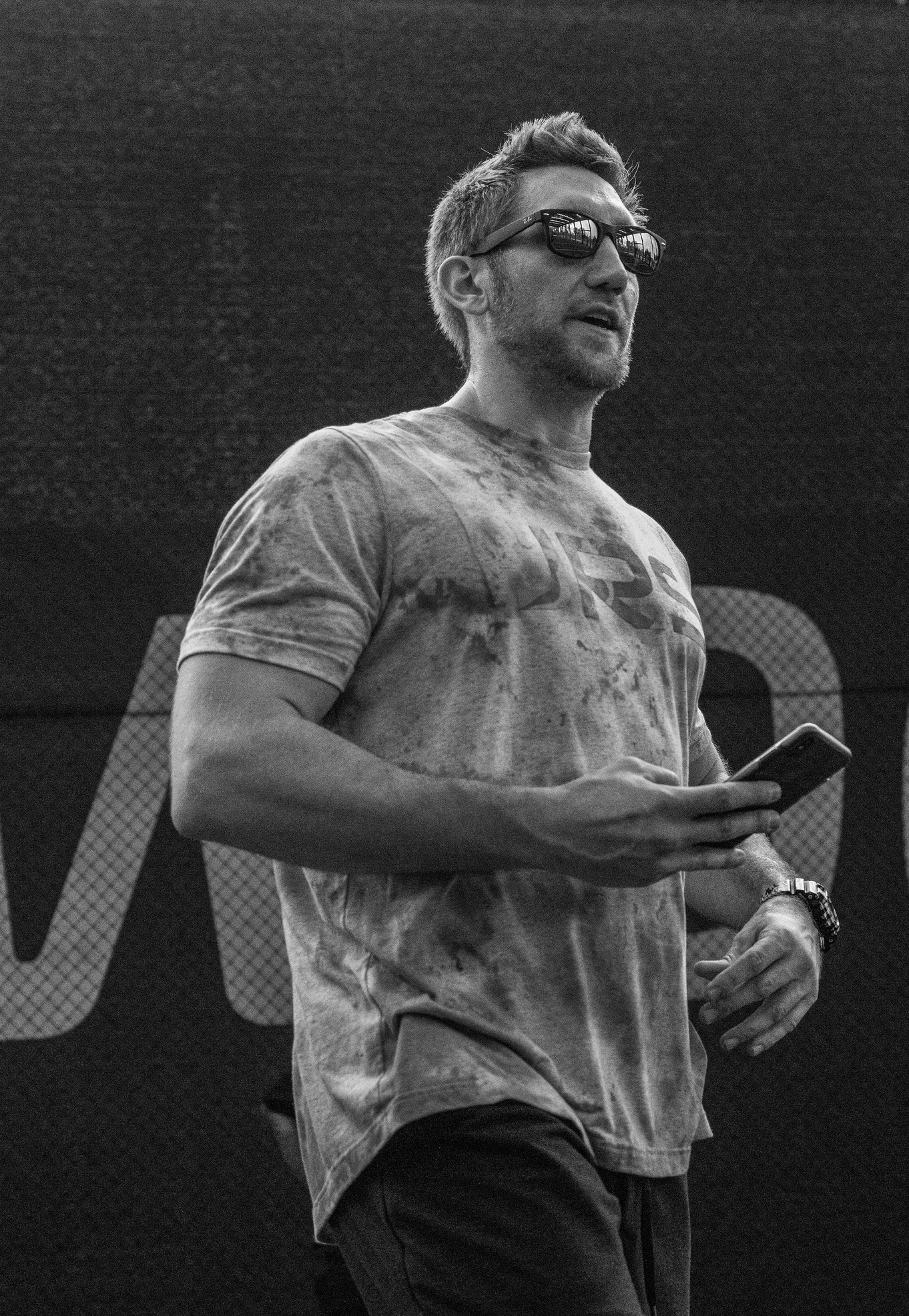

We were lucky to catch up with Josh Scott recently and have shared our conversation below.
Josh, thanks for taking the time to share your stories with us today undefined
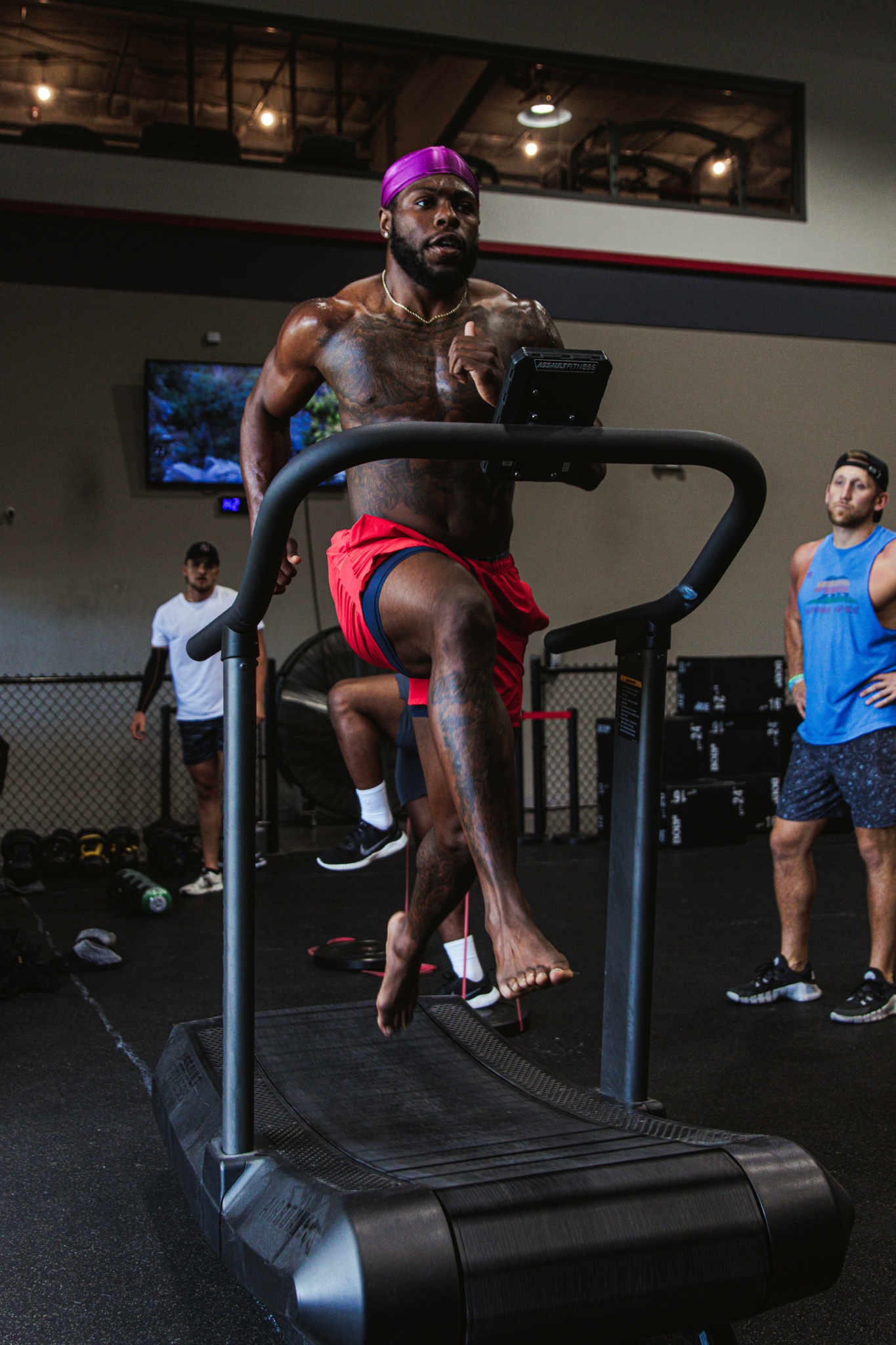
After graduating with a Bachelor of Science in Kinesiology at Texas Lutheran University, I headed back home to The Woodlands, Texas eager to start my career but a bit nervous as which path I could take. I knew I loved sports and training and I was fascinated by biomechanics physiology but wasn’t truly sure the route I wanted to go professionally. Most individuals with the degree that I possessed would go on to become a teacher, coach, or pursue a master’s degree of some sort. None of those 3 truly intrigued me. When I was a kid I would play basketball for countless hours at our local YMCA. During this time I noticed a small separate business ran by Memorial Hermann Sports Medicine and Rehabilitation. This business offered physical therapy as well as sports performance training for youth athletes. I sent in my resume and BOOM, I got my first job as a Fitness Specialist 2 making $15 per hour. My job was to train youth athletes that signed up for our training program to enhance their speed, agility, power, and strength. We had an advanced selection of equipment including a high powered treadmill rigged on hydraulics that would incline to a 40% grade elevation with speeds up to 25 mph. We used this to teach sprint mechanics and enhance linear speed. We utilized a plyometric program and strength training as well. I then began working directly with athletes of all ages, skill levels, and sports get to the next level.
I was truly blessed to land this job as it was the perfect place to begin a career in the fitness field. There was a senior Fitness Specialist there who was eager to help me learn the in’s and out’s of training which today I am truly appreciative for.
I was also surrounded by knowledgeable physical therapists who were hard at work rehabbing people from pretty much any sports related injury you could think of. Although I wasn’t involved in any of their rehab, I was eager to learn how the process went. The therapists there were really engaging and helpful with questions I had about their methods. This was a game changer for me diving deeper into anatomy and physiology. Training and rehab were actually very similar, rehab was much more methodical and at a slower and lower intensity. We had a “return to play” program where athletes were cleared from their therapy but not yet ready to step back into gameplay. I was able to step into this role helping kids come off of ACL reconstruction gain the strength and confidence to compete again which was very rewarding. After a year or so the senior trainer left for a different job and I stepped into my new role as Fitness Specialist 1. Now I was the head trainer and my confidence began to grow.
I credit a lot of my current training philosophy and development to my first job and I’m very appreciative of the 4 years I spent learning from all of the talented therapists and coaches at Memorial Hermann Sports Medicine and Rehabilitation in The Woodlands. I highly recommend any aspiring fitness trainers to pursue a similar job in a rehab setting to better understand the human body and how it functions early in their career. Even if you can’t land a paying job initially, observing or working for free will go a long way in your development when surrounded by brilliant minds. Needless to say I have come a long way from Fitness Specialist 2!
As always, we appreciate you sharing your insights and we’ve got a few more questions for you, but before we get to all of that can you take a minute to introduce yourself and give our readers some of your back background and context?
I started my journey training at various locations around The Woodlands, Texas. I constantly found myself butting heads with owners of different facilities because I wanted to train my own way and reap the financial benefits of my own work. After gaining knowledge and experience in corporate fitness settings, I decided to take the leap, go off on my own, and build my own brand JRS Performance. I began paying rent and running my business out of a warehouse style gym with no air conditioning, a country club called Carlton Woods, and a local personal training studio named Core Fitness. With multiple locations and differing clientele I was able to develop a more diverse business. As time passed my clientele continued to grow, word of mouth being my main means of advertisement. Next thing you know my reputation gave me an opportunity at a brand new sports performance facility called Woodlands Sportsplex.
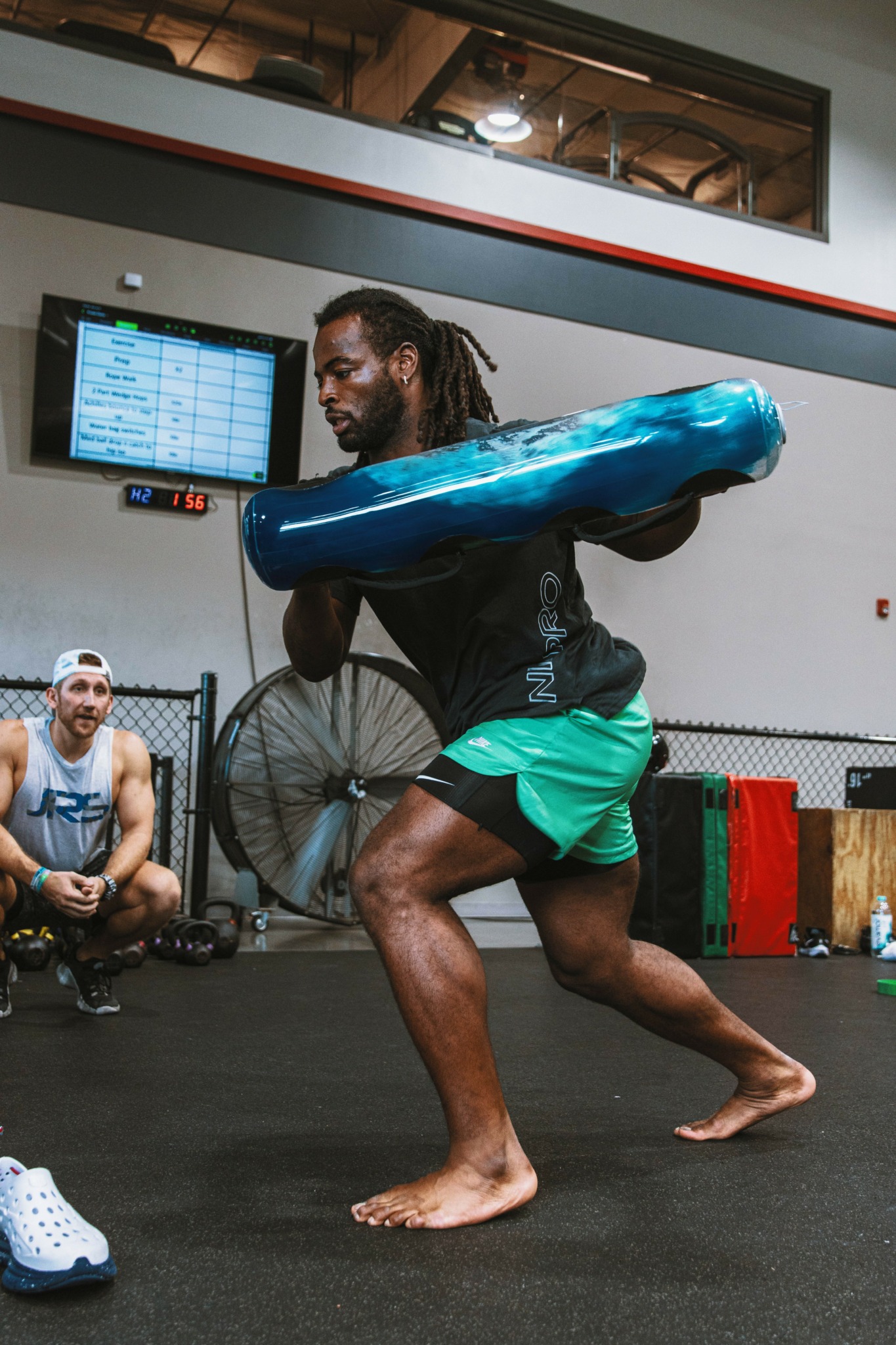
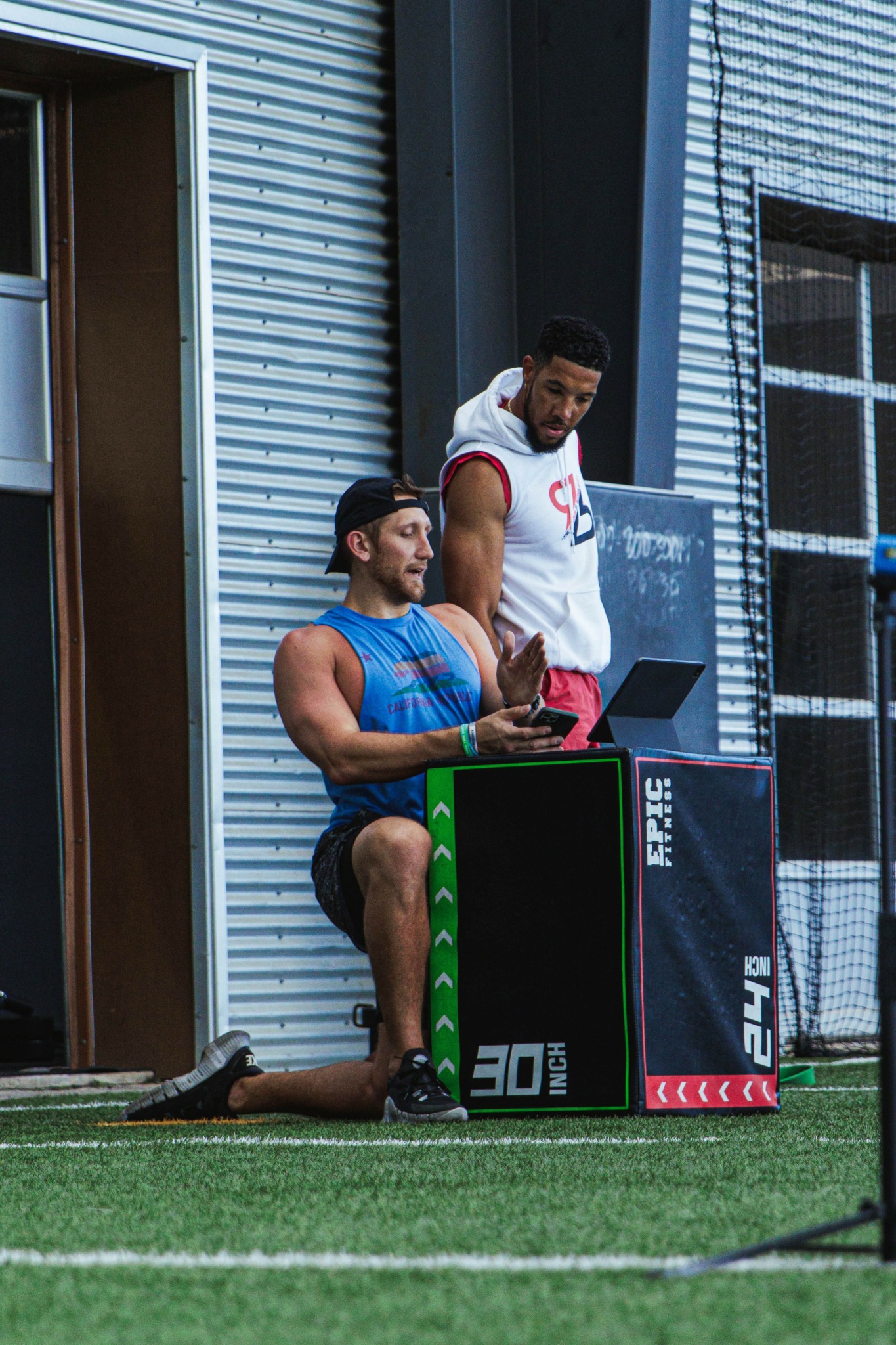
There are currently 4 facets of JRS Performance: general population training, sports performance training, professional sports performance training, and online training. Each facet offers a unique service geared towards helping the greater Houston area and beyond.
General population training entails private and semi-private training sessions for adults. These clients would include working professionals, weekend warriors, stay at home housewives, and anyone trying to get in shape and improve their quality of life. During these sessions I may encounter a client who is trying to improve their body composition for an upcoming wedding, a gentleman who is looking to increase their strength levels to improve their golf swing, or CEO of a major corporation lower stress levels and maintain a healthy lifestyle with a grueling work schedule. Each client I work with receives a results driven, progressive program designed to accomplish the goals they have set for themselves. Typical workouts may include strength training, cardiovascular training, high intensity interval training, mobility movements, and much more.
Sports performance training covers athletic development for kids aged 11 all the way to college level. These training programs are designed to enhance speed, agility, strength, mobility, and power to improve their performance in each client’s respected sport. Training is done in a group setting and we have 3 different groups offered: developmental (ages 11-13), advanced (ages 14-18), and college (ages 18+). Typical sessions would include acceleration and top speed mechanics, reactive agility and change of direction, multidirectional speed and power development, dynamic strength training, and plyometrics.
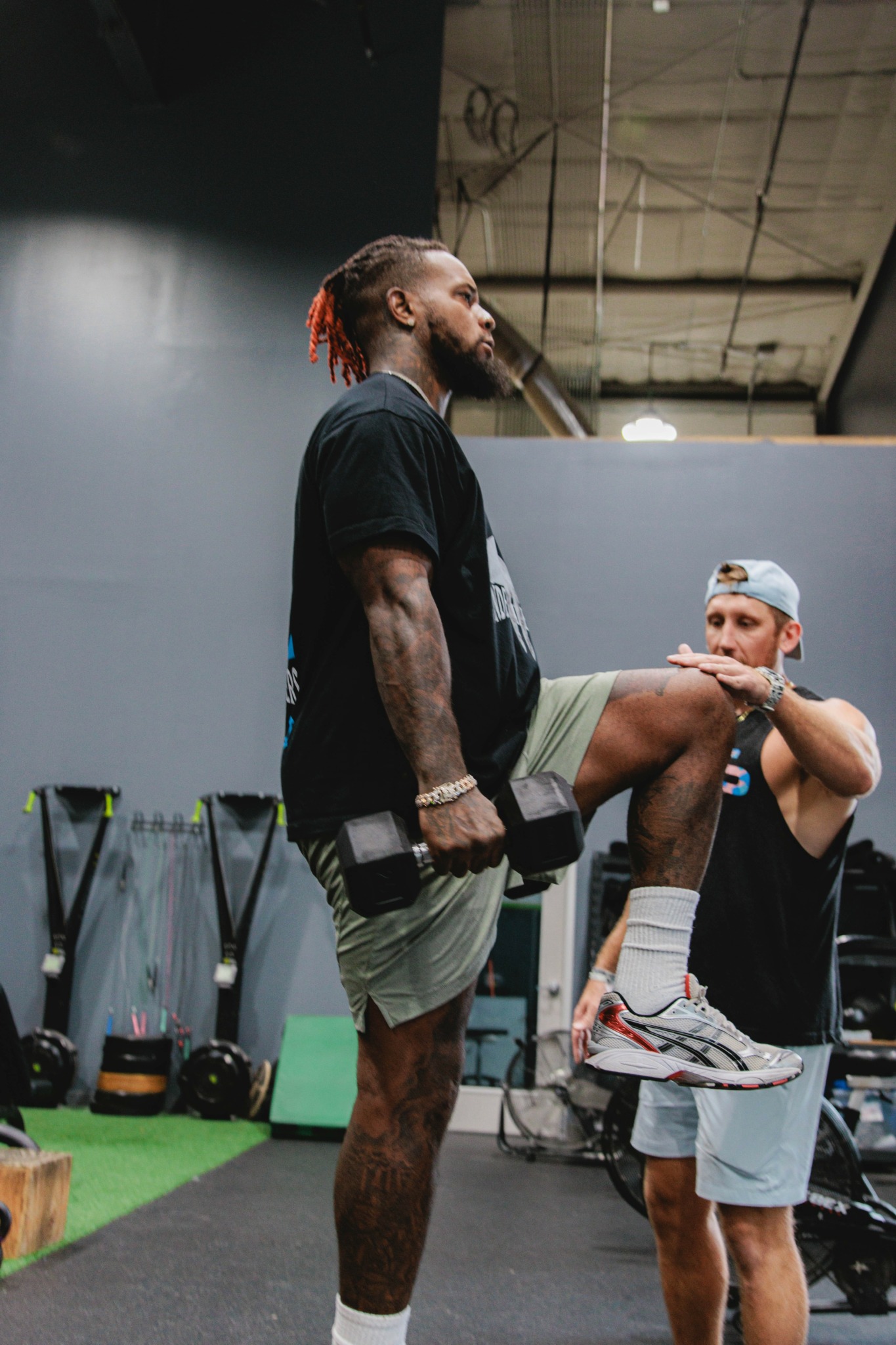
Professional sports performance training covers training programs for elite athletes playing at the professional level. These programs carry a higher intensity and are scheduled in private or semi-private sessions. Each athlete is assessed and given a tailored program to help enhance their performance at the highest level possible. I have experience working with athletes in the USFL, XFL, CFL, over 35 NFL players, Olympic paraplegic and bobsled/luge athletes, and overseas basketball athletes. Working with this level athlete requires a high level of knowledge and experience which I am proud to say I have accumulated with over 12 years of training experience.
Online training is a new facet to JRS Performance. This facet allows me to train clients who aren’t local and expand my brand further than North Houston. After I have a consultation with a prospective online client, I develop a program tailored specifically for them. It is then determined whether we will train one on one virtually or a program is sent for them to complete autonomously. Online clients can be youth to professional athletes as well as general population clients. Interaction for online clients is done via email, phone call, FaceTime, or Zoom.
What sets JRS Performance apart from competitors is the results driven programming, safe and effective training environment, science-based protocols, and advanced training methods. I possess a college degree and am a Certified Strength & Conditioning Specialist through the NCSA. My training style is unique and has drawn a decent following on social media, even being reposted to the Pittsburgh Steelers instagram page following a training session with running back Najee Harris, named a Top 25 trainer in the Houston area by TRAINR, and have been written up in multiple magazines.
I am most proud of the loyal clients and following I have generated over many years of training. Some of my longest standing clients have been with me close to 10 years and I am extremely grateful for their continued business and support. Training is all about relationships and it’s safe to say I have developed some meaningful ones in this journey. Without them my career wouldn’t have blossomed to the point it is today training some of the best athletes in the world and gaining nation-wide notoriety. I was once told I needed to develop a ‘niche’ if I was going to make it in the fitness industry. I never understood or believed that. As it stands today I have clients from all walks of life, all ages, all skill levels and sports, with differing goals, and they are all thriving. If there was one thing I would want my followers to know about me it’s that I have put my soul into this passion of mine and I am lucky enough to call it my job. I didn’t know what I wanted to do when I was young but I knew I wanted to help people and today I am doing just that.
Other than training/knowledge, what do you think is most helpful for succeeding in your field?
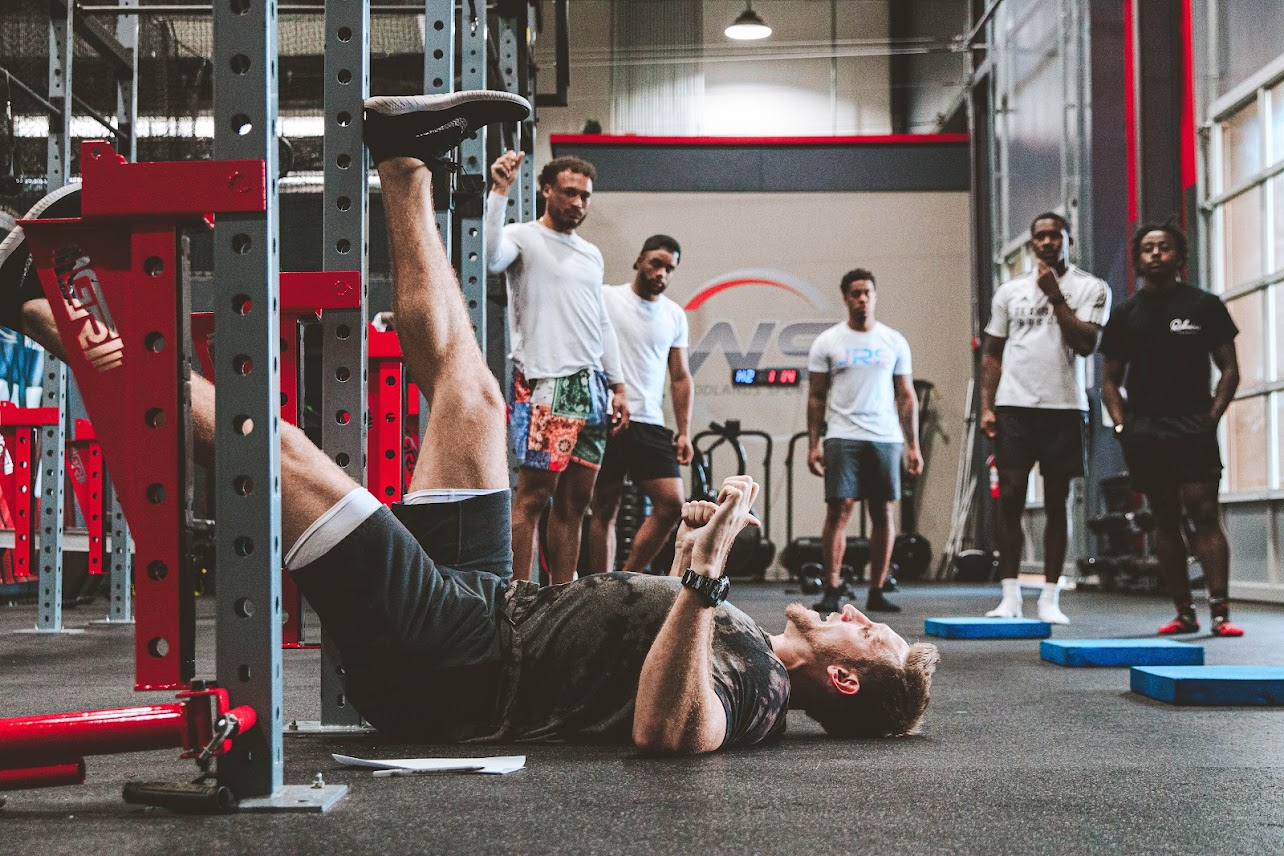
I always tell young aspiring trainers that hands on experience is definitely the best way to gain knowledge and confidence in the fitness industry. Once you have completed your education/certification process, train as many people as you can. Train a wide variety of clients in different settings. Gain exposure to tougher, more challenging clients and learn how to interact with larger groups. Training involves a lot of communicating and it can definitely be tiring. It is important to be able to navigate clients with differing personalities and training ages. At one point I was training people in their garages, living rooms, and at local parks. You need to be able to provide a positive and uplifting training experience regardless of the time of day or environment. The only way one can get better at this is by action. It’s important to remember people will seek you out for your skill set and to get results but making them feel better and more confident every training session is just as important.
It’s also very important to keep up with current research and literature as it pertains to fitness, strength and conditioning, or nutrition. The more current knowledge you posses, the better you will be able to serve your clients. There is a rise in research regarding training methods, exercise selection, and nutrition. It’s important for trainers to take this data and progress their own training philosophy. Training is much different than it was 10 years ago.
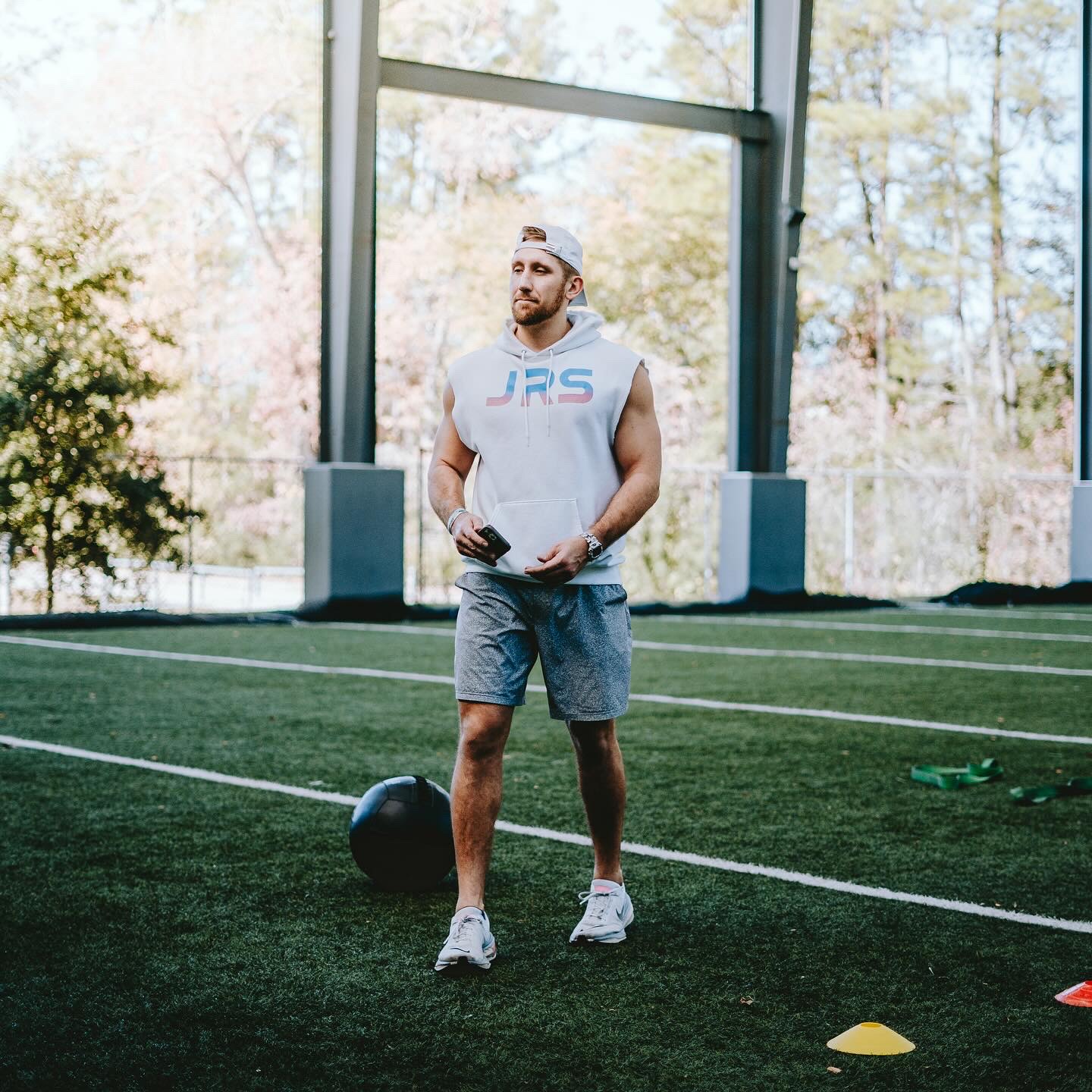
Lastly, it’s important to practice what you preach. You don’t have to look like someone off of a magazine cover but people will respect your service more initially if you look the part. Fitness professionals need to be in shape, practice a healthy lifestyle, and keep a clean cut image.
Do you think you’d choose a different profession or specialty if you were starting now?
I couldn’t imagine doing anything else as a job. Looking back, there are definitely some business choices I would have done differently and I have made a fair amount of mistakes but I truly love what I do. Fitness is a business that is here to stay in some form or fashion and I am glad to be apart of it today. Being independent, calling all the shots, and working for myself is a game changer.
Contact Info:
- Website: https://www.jrsperformance.net
- Instagram: @JoshScottCSCS
- Facebook: https://www.facebook.com/profile.php?id=61551216114844&mibextid=LQQJ4d
- Other: @woodlandssportsplex
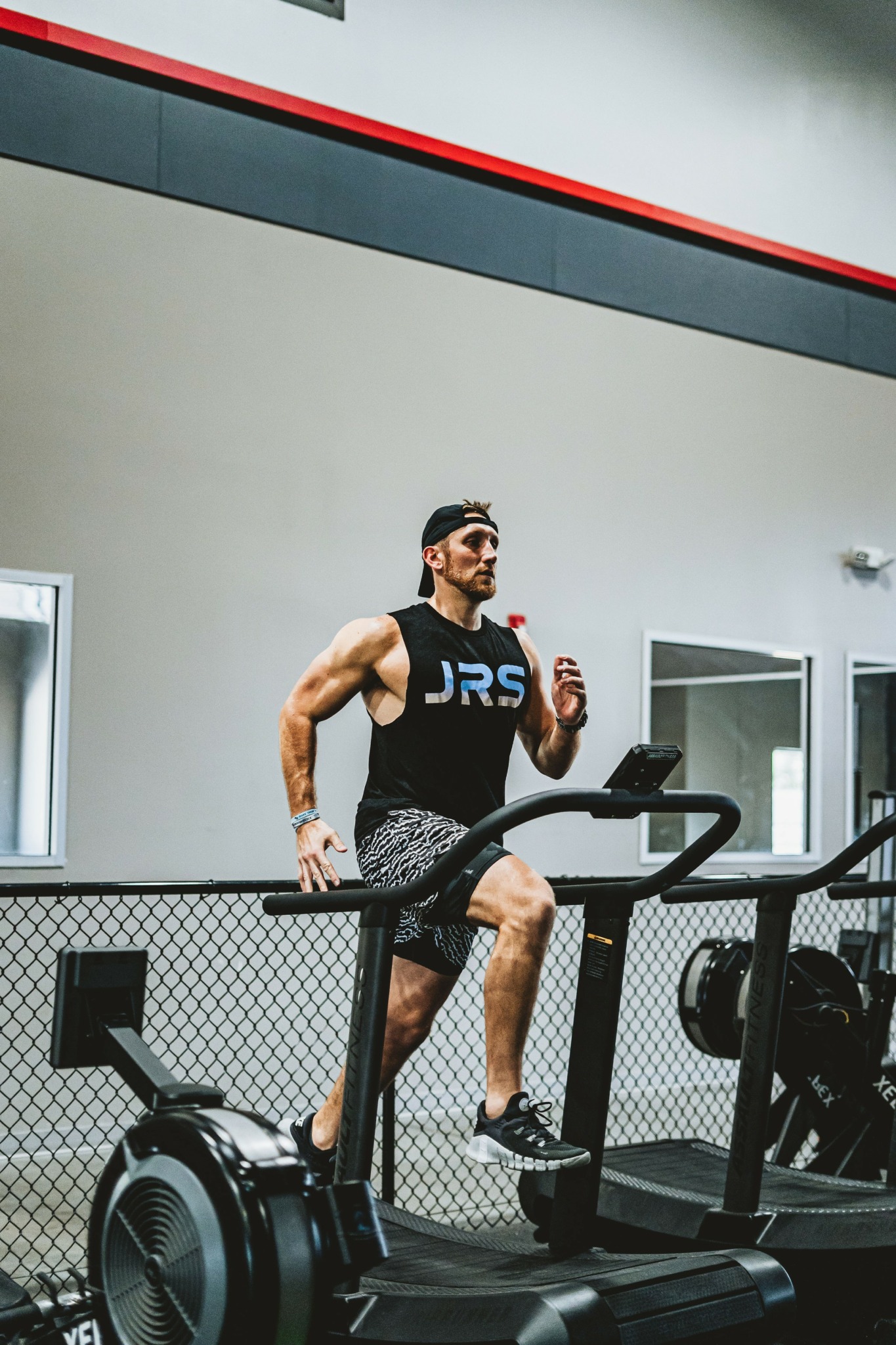
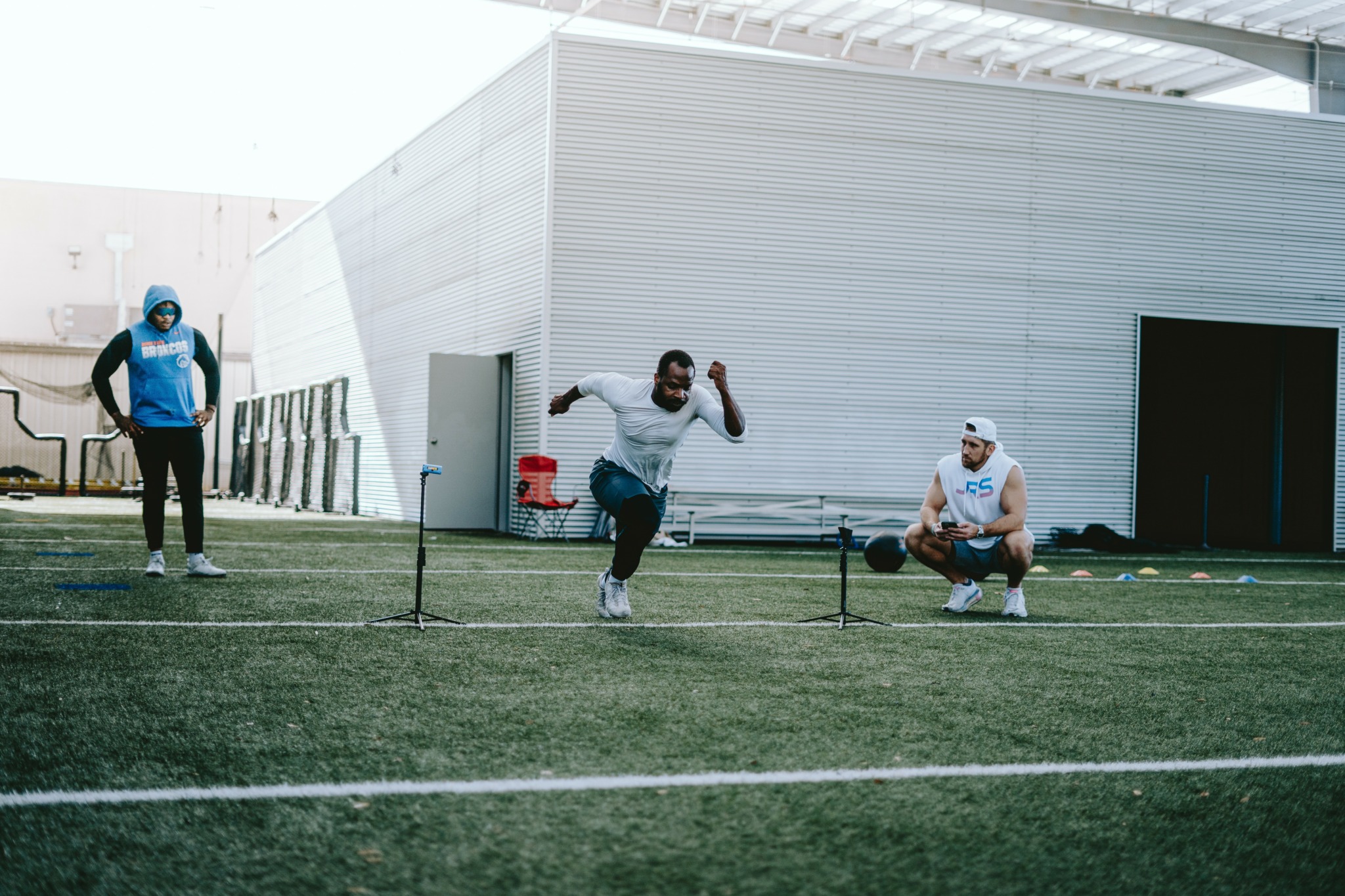
Image Credits
Jacob McCready
Daniel Fedyaev