

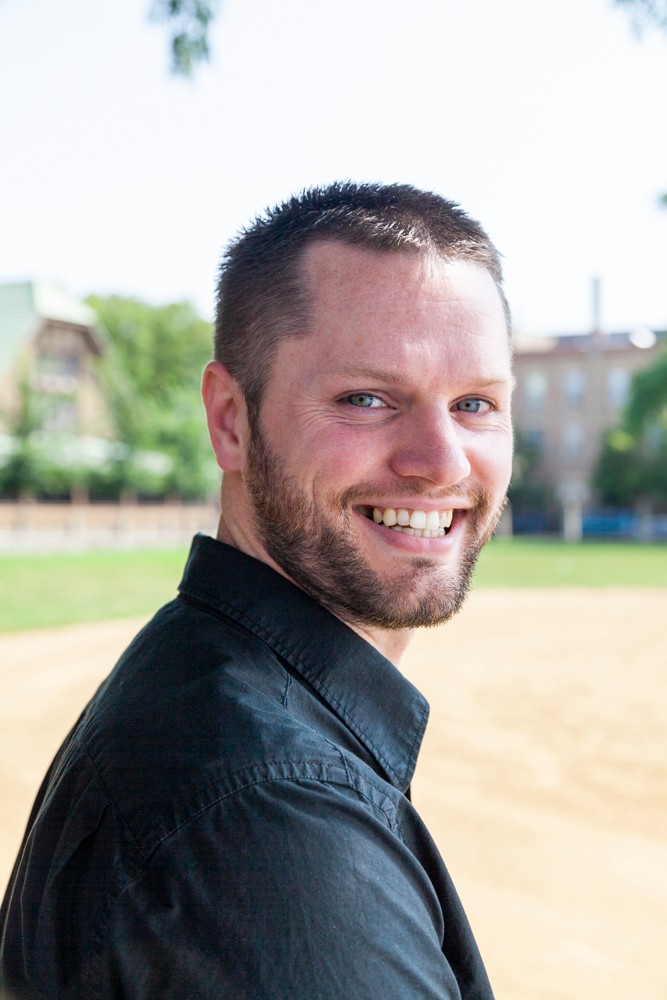

We caught up with the brilliant and insightful Josh Fletcher a few weeks ago and have shared our conversation below.
Josh, thanks for joining us, excited to have you contributing your stories and insights. Can you talk to us about how you learned to do what you do?
Learning to be a choreographer is difficult. There is no “choreographer school” and some of the most talented dancers I’ve ever worked with or danced next to you would say they are terrible at choreography. When I started dancing, I always knew I was more interested in the “creation” side. While I have a long history of performance, my interest in the art form has always been on the choreographic side of the house. Early in my career, I focused less on competitive dance scoresheets and more on my own vision of a great routine. While I’m still very proud of where I started, once I focused more on a dance rubric and scoresheet, I felt much more prepared once competition season started. In addition to always staying up on trends in dance, I think learning to “kill your darlings” is such an important of choreography. While I can work with a team over and over on something, if it’s not hitting, it needs to be changed. This is difficult for some dancers, coaches, and choreographers to understand, but it’s an essential skill to learn.
Awesome – so before we get into the rest of our questions, can you briefly introduce yourself to our readers.
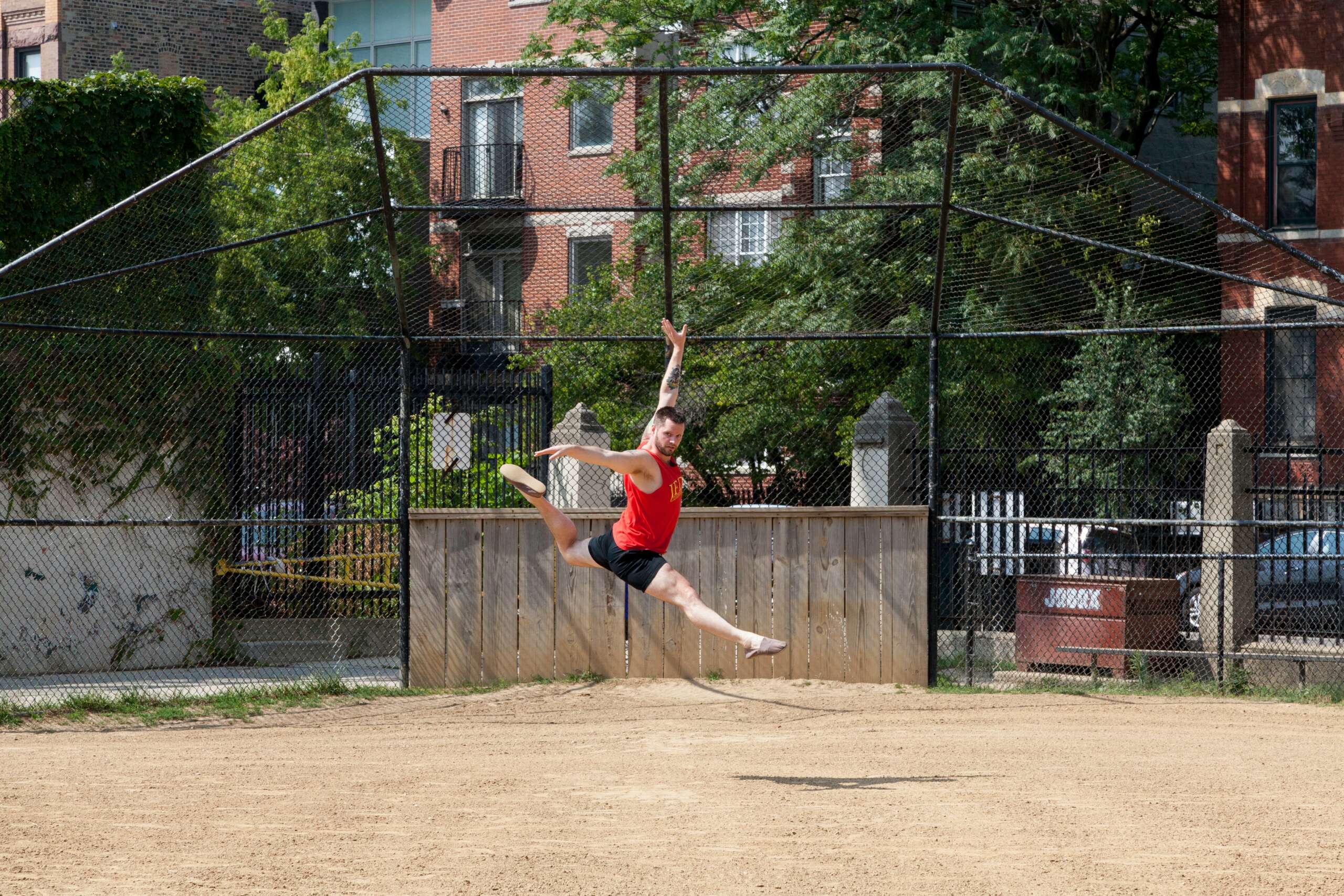
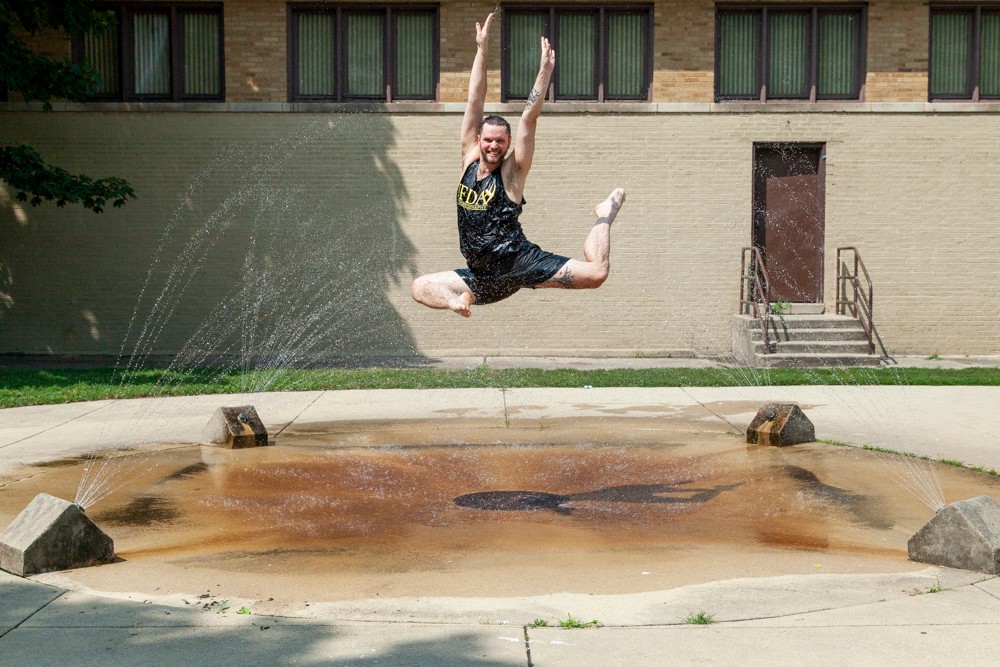
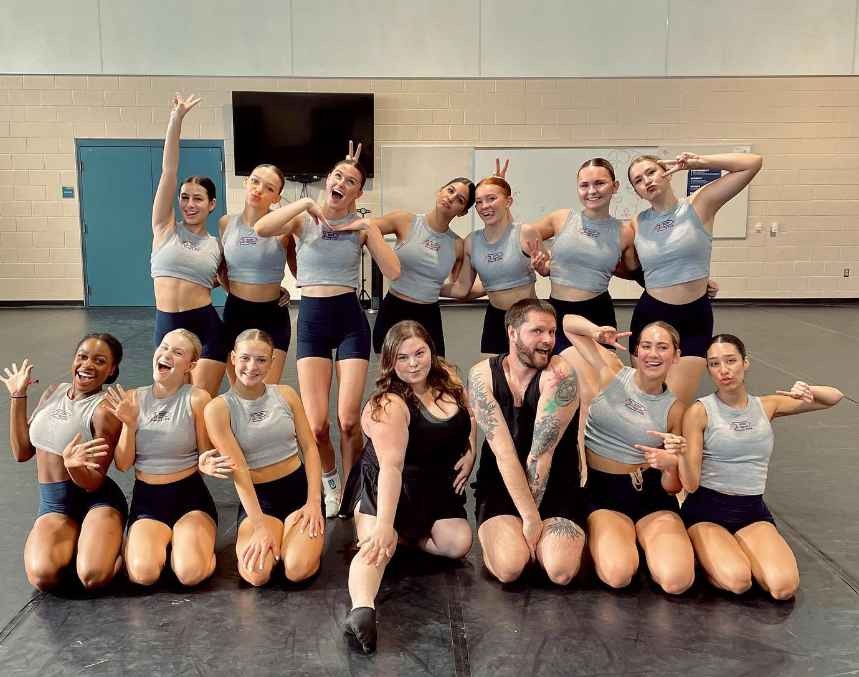
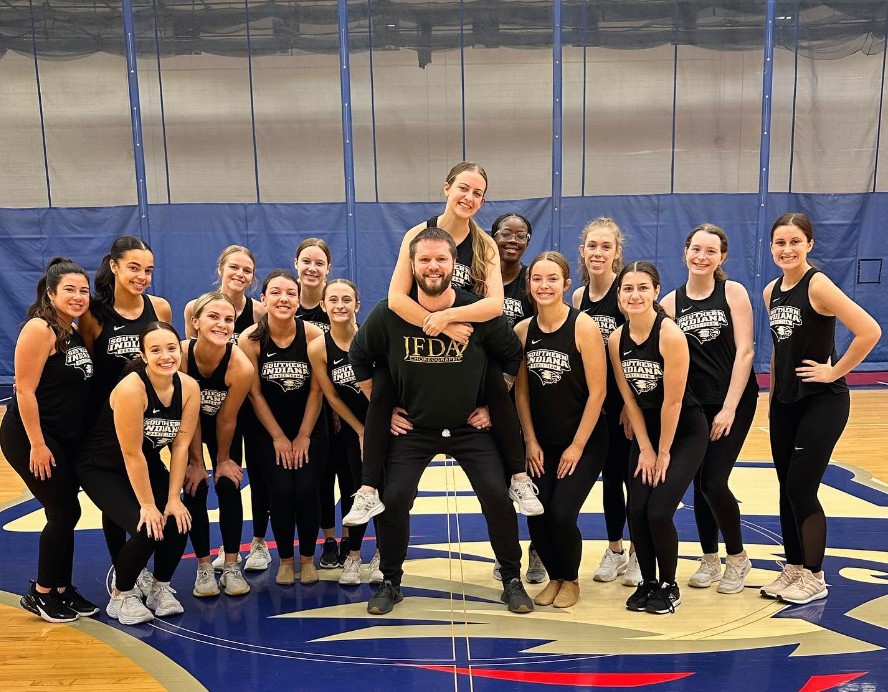
My name is Josh Fletcher and I’m the owner of JFDA Choreography. In addition to operating JFDA Choreography, I’m also a dance adjudicator, dance teacher, higher education professional, and Company Manager of Matter Dance Company (Chicago). I started my performance career many years ago as a gymnast, springboard diver, and dancer. I’ve had the great pleasure of dancing for numerous dance companies throughout the years, as well as coaching various competitive dance studios and dance teams. I fell into the world of dance team choreography while in college. A life-long friend, Jennifer Parker, asked me to choreograph a few half-time routines for the University of Southern Indiana Dance Team and I was catapulted into the dance team world. She will never understand the appreciation I have for her for bringing me into this arena. While all dance has similarities, the world of high school and college dance team is a steep learning curve! At this time, I hold a portfolio of nearly 30 competitive routines in a season and travel coast-to-coast to work with some of the best high school and college dance teams in the United States. I’ve also had the great pleasure of choreographing for international teams! I provide choreography in kick, pom, jazz, hip hop, and team performance. At my core, I believe all teams, regardless of skill level, should be given the chance to perform a routine specially created for them and their abilities. While it’s always impressive to work with teams who can achieve any skill, I’m most interested in dancers and programs that want to improve and have attainable goals, regardless of where they start in their season. I’m most proud of seeing so much growth in teams I work with for one season or legacy teams I’ve worked with for 10 years. National championships are always fun to win, but so is watching a team who struggled all season have the performance of their life at their local competition. I’m also incredibly proud of my two JFDA Choreography instructors, Jennifer Parker and Melissa Brennan. I can’t think of a more supportive group of choreographers to work with!

In your view, what can society to do to best support artists, creatives and a thriving creative ecosystem?
I have the greatest network of friends and family who have supported my journey from day one, but one thing people don’t understand is that while dance/choreography can be a niche area, the support of non-dancers is crucial for success. Take for example the recent explosion of the University of Minnesota’s viral routines from UDA College Nationals. While the dance team world has always been inspired by the talent and creativity of this program, 2024 saw unprecedented support from non-dancers. For the arts to be taken seriously, we need supporters who are both within and outside of our networks. For young dancers, they need to see dance as a viable career path and know that their craft is regarded highly outside of their own networks. Non-dancers can share videos, support fundraisers, and attend dance events to continue raising the profile of the incredible creative space that is dance!
What do you think is the goal or mission that drives your creative journey?
My goal has always been clear to me, although it has gone through various iterations. I want to be the best choreographer I can be. While simple to say, it’s much easier to do. I spend hours watching past videos, consulting with coaches, listening or reading judges critiques, and planning for upcoming seasons. It’s sometimes difficult to grow in the choreography world as dance is so subjective. One judge may love your musicality and one may say it’s not hitting the mark. As I grow and mature in the industry, I’ve learned what feedback to take seriously and what feedback is not worth focusing on. This constant state of reflection and growth-mindset has brought JFDA Choreography to new heights and there is no end in sight!
Contact Info:
- Website: https://joshualeefletcher.wixsite.com/jfda
- Instagram: https://www.instagram.com/jfdachoreography/
- Facebook: https://www.facebook.com/joshfletcherdance
- Youtube: https://www.youtube.com/channel/UCkYl0tzfDkzhg6iMgpU-L8A
Image Credits
Lisa Lindvay