



We caught up with the brilliant and insightful Joséphine Saffert a few weeks ago and have shared our conversation below.
Joséphine, thanks for taking the time to share your stories with us today One of our favorite things to brainstorm about with friends who’ve built something entrepreneurial is what they would do differently if they were to start over today. Surely, there are things you’ve learned that would allow you to do it over faster, more efficiently. We’d love to hear how you would go about setting things up if you were starting over today, knowing everything that you already know
The big thing I’d have done differently when I started my real estate development company is to have worried less. When you first start a business, it’s normal to want to do everything perfectly and avoid mistakes. But the truth is, you’re going to make them. The best thing to do is to lean into them, embrace them, and learn from them. Fail forward.
Another thing I would have done differently was to be more in tune with the compensation structure and role responsibilities within a partnership. When I was fresh out of college, I didn’t realize that within a 50/50 partnership, the parameters around ownership can be one way, and the compensation can be another, which can present challenges later on. There are governing, voting, and financial rights that can all look different depending on the roles and responsibilities of a partnership.
Looking back, we should have had more robust exit and buy-out clauses in the operating agreement. Had I done that, I probably could have negotiated differently. It’s so important to study the roles and responsibilities within your company structure so you have a complete understanding of the process and what you’re entitled to.



Awesome – so before we get into the rest of our questions, can you briefly introduce yourself to our readers.
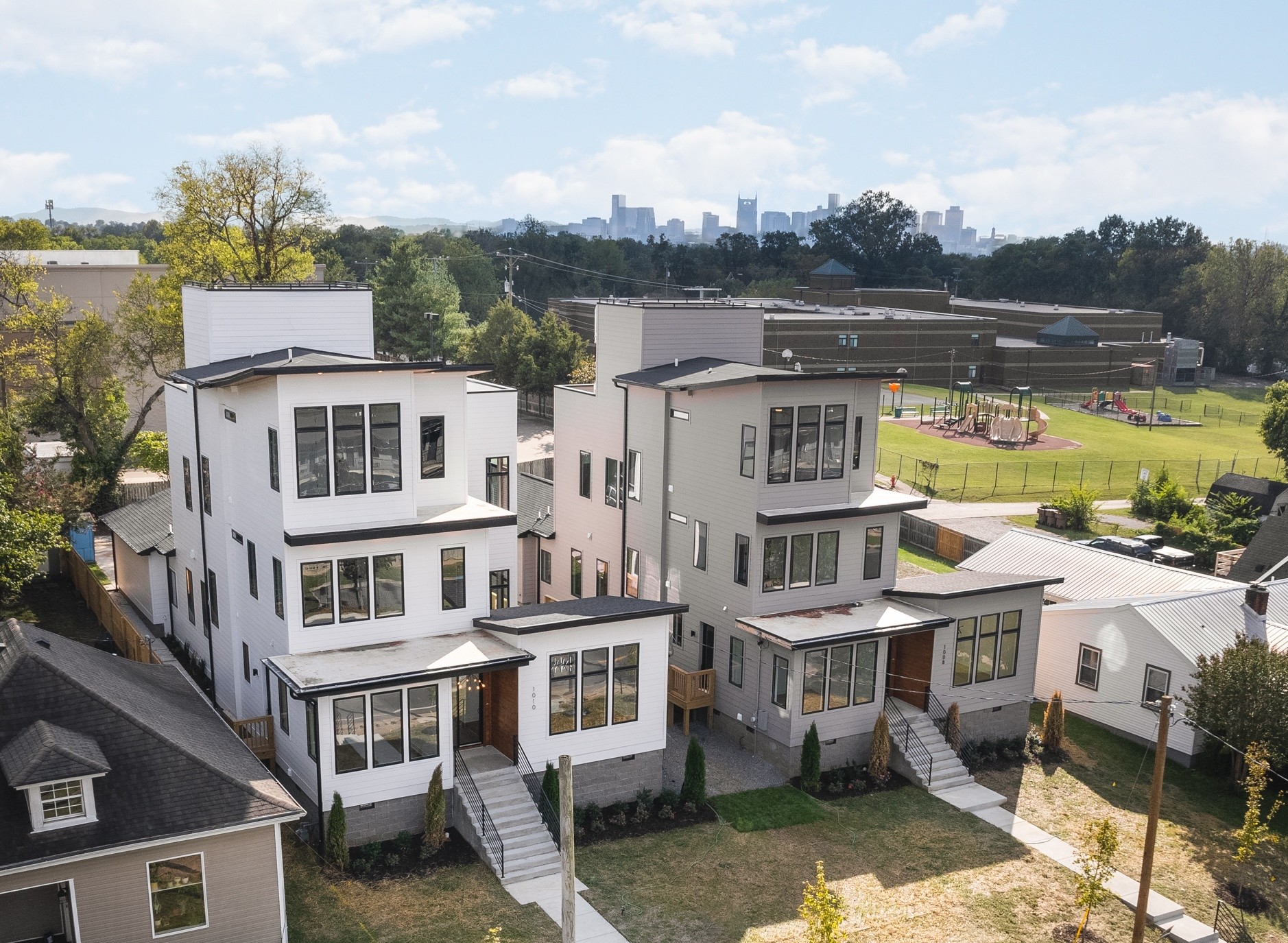
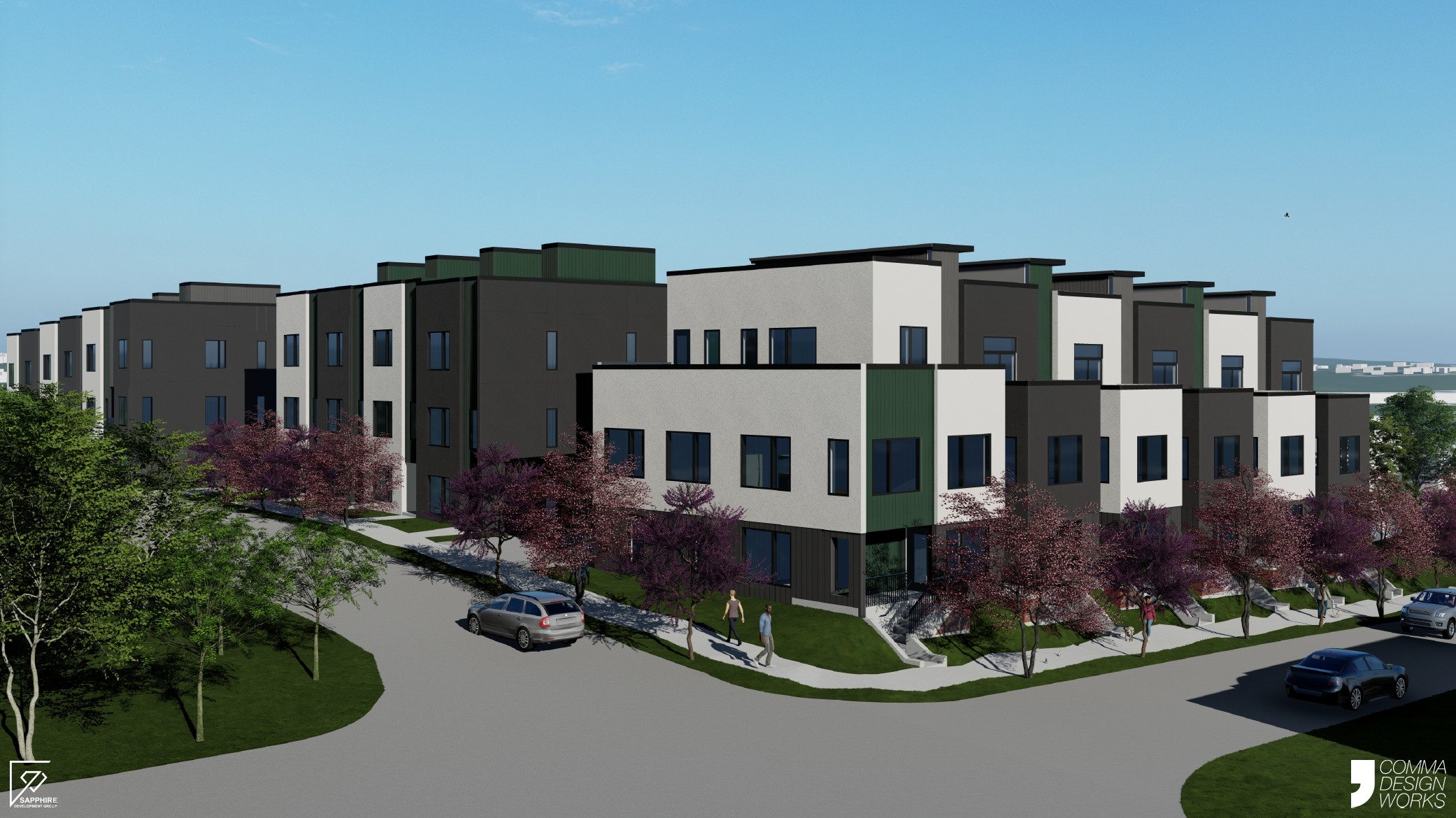
I’m a German native who came to Nashville, TN, as a D1-Track athlete recruit in 2011. I sponsored my Green Card by providing ground-up housing opportunities in Middle Tennessee, adding to the American economy as a real estate developer. As part of making my American Dream a reality, I built Sapphire Development Group, a vertically integrated real estate development and investment firm based in Nashville, TN. Sapphire & Co delivers a one-stop-shop real estate experience, from offering off-market deals and developing ground-up single and multi-family to helping investors build and sell real estate portfolios. I’m working on my first brownfield project, which entails redeveloping a former metal plating facility site for 32 townhomes. I built a development pipeline of $30M+ focusing on elevating targeted neighborhoods within a 10-15 min radius of Downtown Nashville. Sapphire Development Group is committed to developing real estate that creates lively communities in Nashville’s Urban Core. I loves to travel and explore new cultures and places.

Have you ever had to pivot?
In the early days of my career, I flipped properties. I started out buying auction homes and bank-owned properties to remodel and sell. While this was a great way to get into the industry and a quick way to build a multi-million-dollar company, unfortunately, the U.S. government doesn’t view it as a business because it’s essentially recycling value. This isn’t a problem for most people, but as a German immigrant in the U.S., pending an entrepreneurship business green card, I needed to build a business that would count as a business also for immigration purposes. Instead of “recycling value” via renovating homes, I decided to pivot to new construction, building original value on U.S. soil, and I’m glad I did. Shortly after, I built four homes, sold them for $500,000 each, and turned this endeavor into a $2 million-dollar project. This was how I first discovered what a gold mine development has the potential to be. When you own the entire development project, you can make more than wholesaling and flipping.
What’s a lesson you had to unlearn and what’s the backstory?
My biggest lesson to ‘unlearn’ was having a scarcity mentality around money. Growing up, my father, an incredible visionary entrepreneur who showed me the entrepreneurial spirit, was quick to take risks. Like most entrepreneurs, sometimes those risks worked out, and sometimes they didn’t. When they didn’t, my mother, who was always the rock in our family, stepped up and helped hold us together. Over the years, this put stress on our family, and I began to view money as a scarce resource that I should guard closely.
The big turning point for me was after we almost lost our home when I was 16. I knew I wanted to study finance and do things differently. I wanted to have the financial acumen to explore the visionary side of entrepreneurship my father instilled in me without the constant worry that I could lose it all.
It was one of the best decisions I’ve made to date. Once I learned how money worked, it gave me confidence in myself and my ability to make more if and whenever I needed it. I started looking at money as a metric—something that indicates to me whether I’m heading in the right direction—instead of something I need to grip on to. Today, my abundance mindset is a huge factor in how I’ve successfully built my vertically integrated development company and a key element we talk about in my coaching program, The Developer Academy.
Contact Info:
- Website: https://sapphiredevelop.com/
- Instagram: https://www.instagram.com/josephinesaffert/
- Facebook: https://www.facebook.com/JosephineSaffert/
- Linkedin: Linkedin.com/josephinesaffert
- Twitter: https://twitter.com/josephineXsdg
- Youtube: youtube.com/josephinesaffert
- Developer Academy link: https://academy.
sapphiredevelop.com/developer- academy