

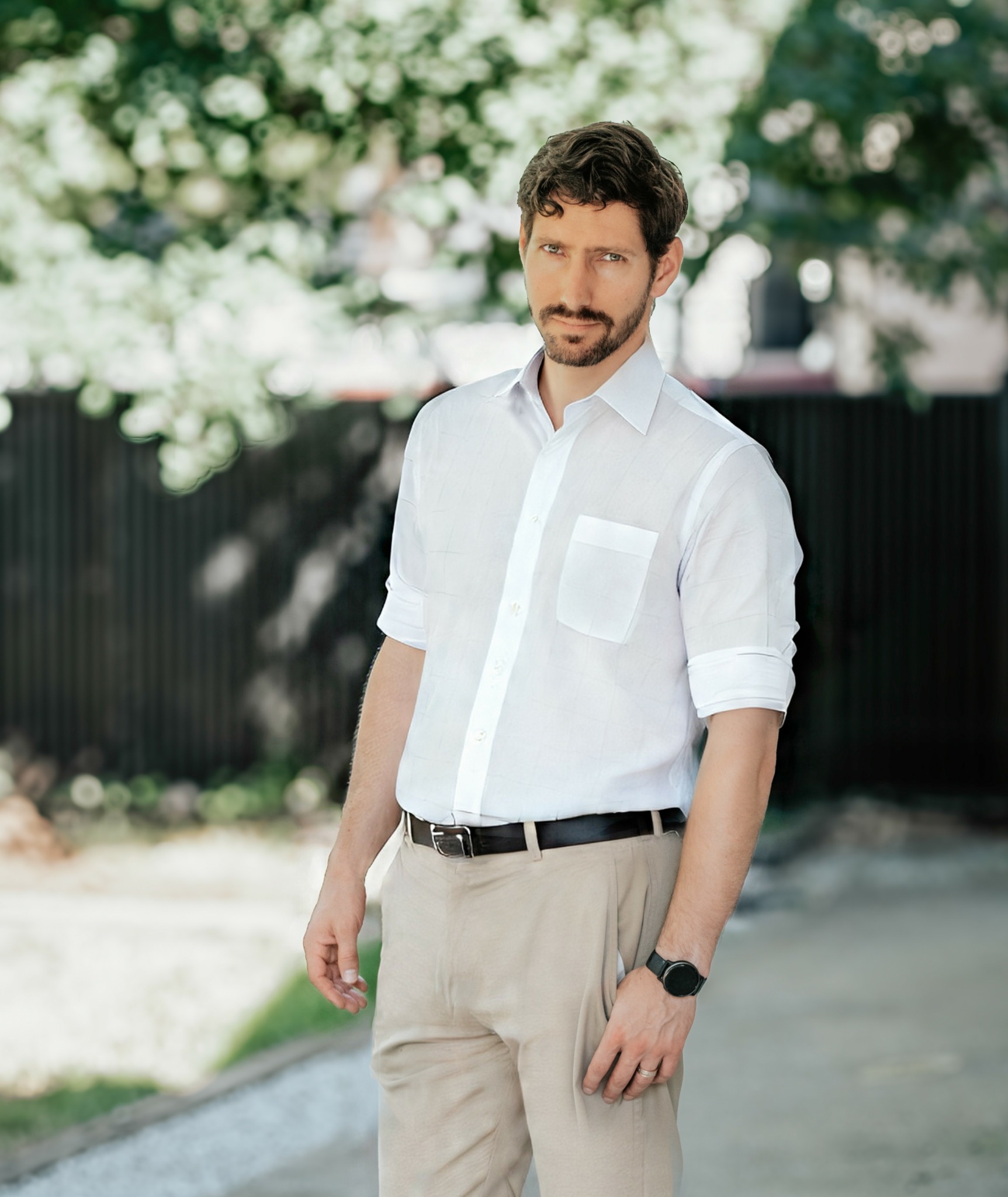

We caught up with the brilliant and insightful Joseph A’Hearn a few weeks ago and have shared our conversation below.
Joseph, appreciate you joining us today. Can you talk to us about how you learned to do what you do?
I’ve always believed that we learn to do something by actually doing it, by creating, evaluating, and iterating. That mindset has shaped the way I’ve developed my craft over the years. Writing and speaking are the two main ways we communicate ideas, and as I explored different mediums for those skills, I found myself experimenting with everything from blogs to videos to podcasts. Consuming a lot of other people’s work (listening to podcasts, reading articles, attending talks) helped me understand what I found engaging and what I wanted to emulate in my own style.
I’ve been producing podcasts and videos on and off since I was a teenager, starting with small projects. Over time I learned that real growth happens through consistent practice and a willingness to fail along the way. Looking back, I could have sped up my learning process by giving myself more space to experiment and more grace to make mistakes. Every iteration teaches you something.
Attention to detail has been one of the most essential skills in this work. Whether it’s shaping a narrative, capturing clean audio, or structuring a lesson, the small choices add up to a more polished final product. The biggest obstacle for me has always been time. I’ve never been able to dedicate as many hours as I’d like to content creation, but the drive to teach and communicate knowledge has kept me returning to it whenever I can.
At the heart of everything I make is that simple love of sharing ideas, of helping people understand something a little more clearly than they did before. That’s what got me started, and it’s what keeps me learning today.

Joseph, before we move on to more of these sorts of questions, can you take some time to bring our readers up to speed on you and what you do?
My creative work (podcasts, videos, blog, and public talks) exists alongside my career as a data scientist. I originally trained as a planetary scientist and astrophysicist, and for a long time I imagined my path leading into academia. I started out in astronomy and physics with the goal of becoming a professor, and during grad school I had the opportunity to conduct cutting-edge research on the dynamics of rings and moons in the outer Solar System. Teaching has always been an important part of my life as well, and during that time I taught online high-school physics and astronomy courses, which deepened my love for communicating complex ideas in an accessible way.
A couple of years ago, I launched the Astronomers Turned Data Scientists podcast, where we interview people who, like me, made the transition from academic astronomy into data science. What I discovered is that the overlap between these worlds is larger than most people realize: the analytical thinking, coding, statistics, and problem-solving that drive astronomical research translate extremely well to working with data. There’s a surprisingly large community of us, even though it’s still a niche space. The podcast was never designed to reach everyone. It’s a resource for people navigating a very specific career pivot, and I take pride in creating something that genuinely helps others on that path.
I’m now working on launching a new podcast centered on science and faith, which I hope will reach a broader and more diverse audience. My goal is to explore big questions with both intellectual rigor and approachability, bridging two worlds that are often portrayed as being in conflict. Across all of my projects, what sets my work apart is this integral human perspective: bringing together deep scientific training, practical data-driven thinking, and a commitment to clear communication.
Ultimately, what I want people to know is that my work is rooted in wonder and in a desire to help others understand the world more deeply. Whether it’s through career stories, scientific insights, or conversations about meaning, my goal is always to offer something thoughtful, engaging, and genuinely useful.
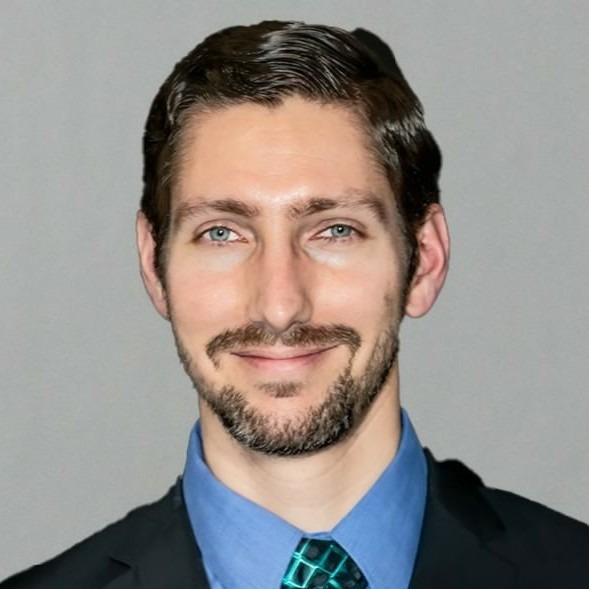
Have you ever had to pivot?
I’ve experienced two major pivots in my life, one deeply personal and one professional, and both reshaped who I am in lasting ways.
The first pivot happened when I transitioned from Catholic missionary training for the priesthood back to lay life. For 11 years, from ages fourteen to twenty-four, I was a member of a Catholic missionary congregation called the Legionaries of Christ, living in communities across the United States, Mexico, and Italy. Those years gave me a rich education in the humanities and philosophy, and at nineteen I made temporal vows of poverty, chastity, and obedience. The life was demanding but meaningful, and my overall experience was positive.
Over time, though, I developed a growing sense that I didn’t quite belong there, that the path wasn’t truly mine. The reason I stayed as long as I did was that I wanted to be certain my desire to leave wasn’t rooted in selfishness. Because there were no formal programs for transitioning back to lay life, I knew I’d be navigating that change largely on my own. When I finally made the decision, I gave myself space to process it by finishing out the school year as a teacher before returning home.
Re-entering lay life required rebuilding everything: friendships, direction, identity. I started attending community college the day after my flight home, beginning a path toward studying physics and astronomy. I made a conscious effort to find grounding through community. It took years to grow into the “new me,” letting go of old routines, discovering what still mattered, and embracing a version of myself that I describe as “reasonably weird,” but authentic. The friendships and formation I gained during those years remain a profound part of who I am, and I wouldn’t trade them for a different path.
My second major pivot was transitioning from academia into data science in industry. After completing a PhD in physics with research in planetary dynamics, I realized that the traditional academic career path wasn’t the right fit for me long-term. Making that jump required focused effort and a willingness to start from the ground up. I reworked my CV into a functional industry résumé, took online courses to build machine learning and SQL skills, and showcased personal projects to demonstrate what I could do beyond academic research.
I also became active on LinkedIn, which ended up playing a large role: a recruiter reached out to me for the position I eventually accepted after seeing a certificate I had posted. I conducted informational interviews, connected with others making similar transitions, and even helped organize a small group focused on learning together and building a shared project. Finally, I invested time into improving my interview skills, which paid off: I received offers for every role I interviewed for.
Both pivots taught me that reinvention is rarely a single moment. It’s a process of discernment, courage, community, and steady steps forward. And each time, the outcome has been a life that feels more aligned with who I am and who I’m becoming.

For you, what’s the most rewarding aspect of being a creative?
One of the concepts that has always resonated with me is J.R.R. Tolkien’s idea of subcreation: the belief that when we create, we participate in God’s ongoing act of creation. We don’t create out of nothing, the way God does, but we use our imagination to combine ideas, experiences, and emotions in ways that didn’t exist before. There’s something profoundly human about that process.
In physics, astronomy, and data science, a big part of the satisfaction comes from finding a solution and knowing it’s right. There’s a clarity and certainty to it that I genuinely enjoy. But as fulfilling as that is, it’s not the only kind of satisfaction I want to experience in life. The creative arts offer something different, something messier and, in a way, more human. In writing and speaking, there’s always another way to phrase something, another nuance you could explore. Nothing is ever truly perfect, and that imperfection feels true to our lived experience. We connect with what feels human, not with what feels flawless.
People are often surprised to learn that, despite appearing clean-cut and having a religious background, the music genre that resonates most with me is metal. I find that it reaches deep into the complexities of human emotion. It acknowledges our brokenness, our intensity, our longing, and in doing so, it creates space for healing. That’s one of the things I love most about creative work: it gives us a way to express the fullness of who we are.
In a time when Generative AI can produce content at the click of a button, I think human creativity matters more than ever. AI has its place: it can help, support, and accelerate certain parts of the process; but it can’t replace the uniquely human experience of creating something from the heart. The joy of discovery, the emotional resonance, and the vulnerability we bring to our work are things only humans can offer. For me, that inner experience of creating, of participating in something larger than myself, is the most rewarding part of being a creative.
Contact Info:
- Website: https://jahearn.com/
- Facebook: https://www.facebook.com/JosephAHearnAstro/
- Linkedin: https://www.linkedin.com/in/josephahearn3/
- Youtube: https://www.youtube.com/@josephahearn5121
- Other: https://substack.com/@jahearn

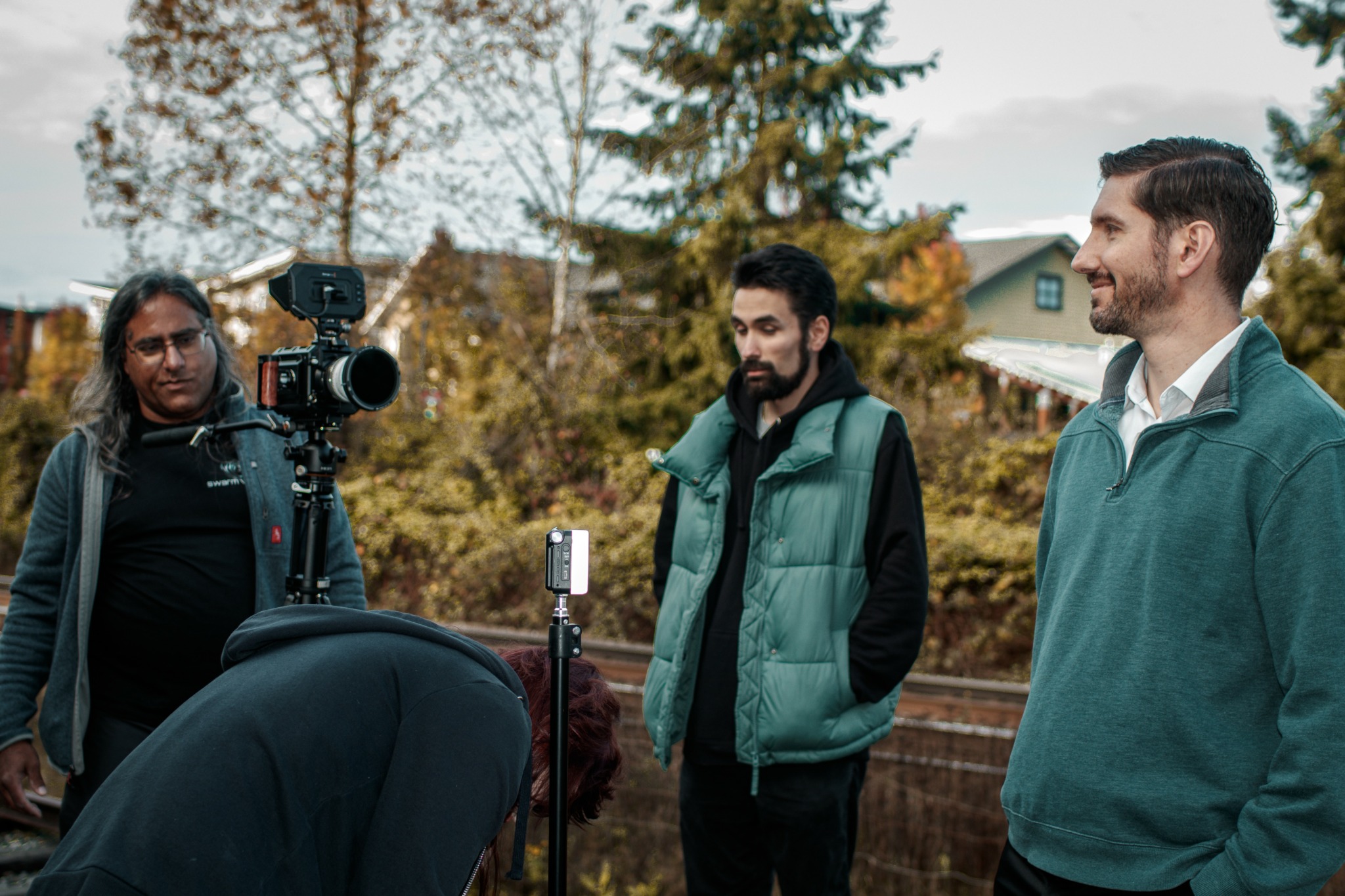
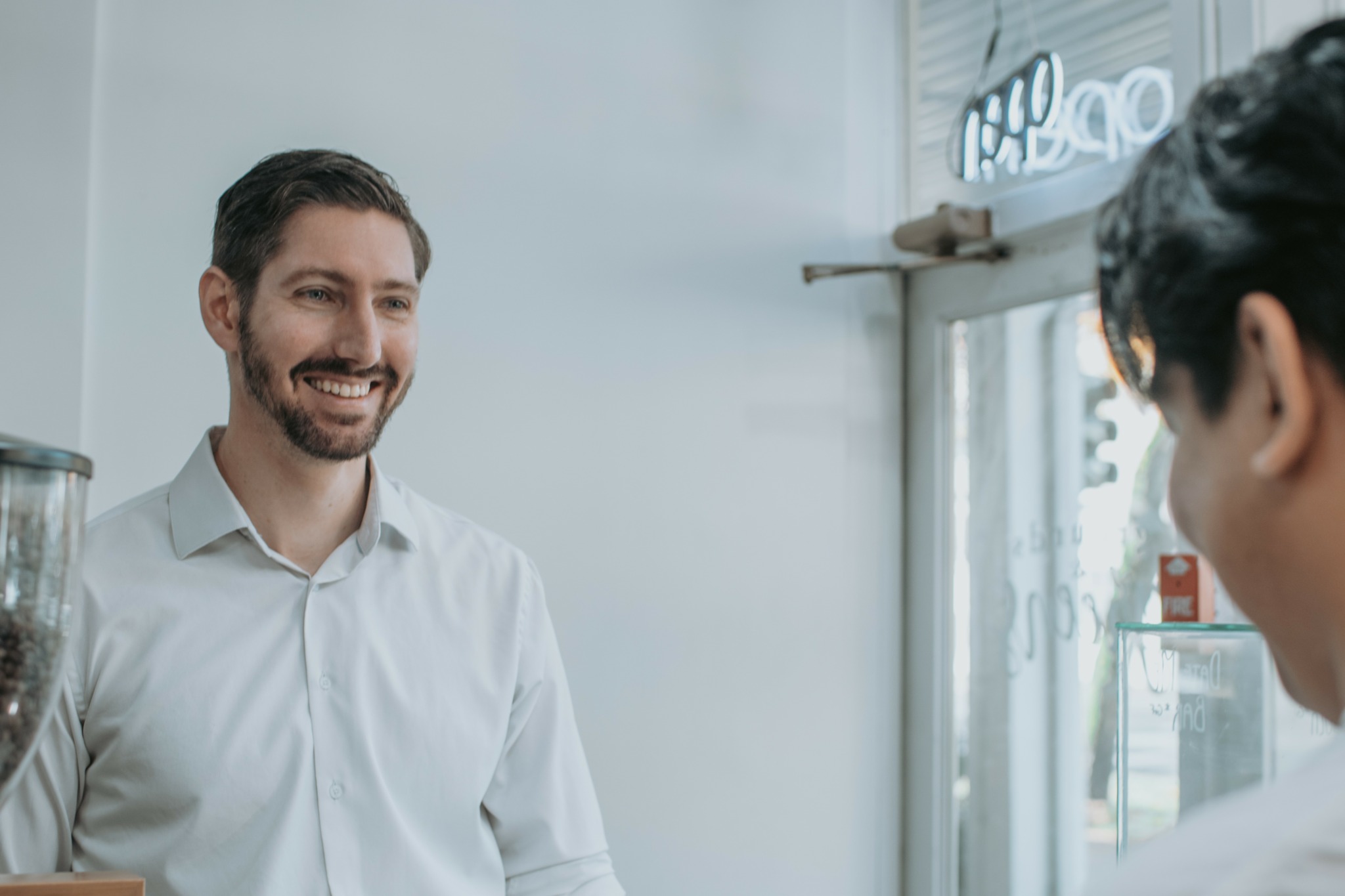
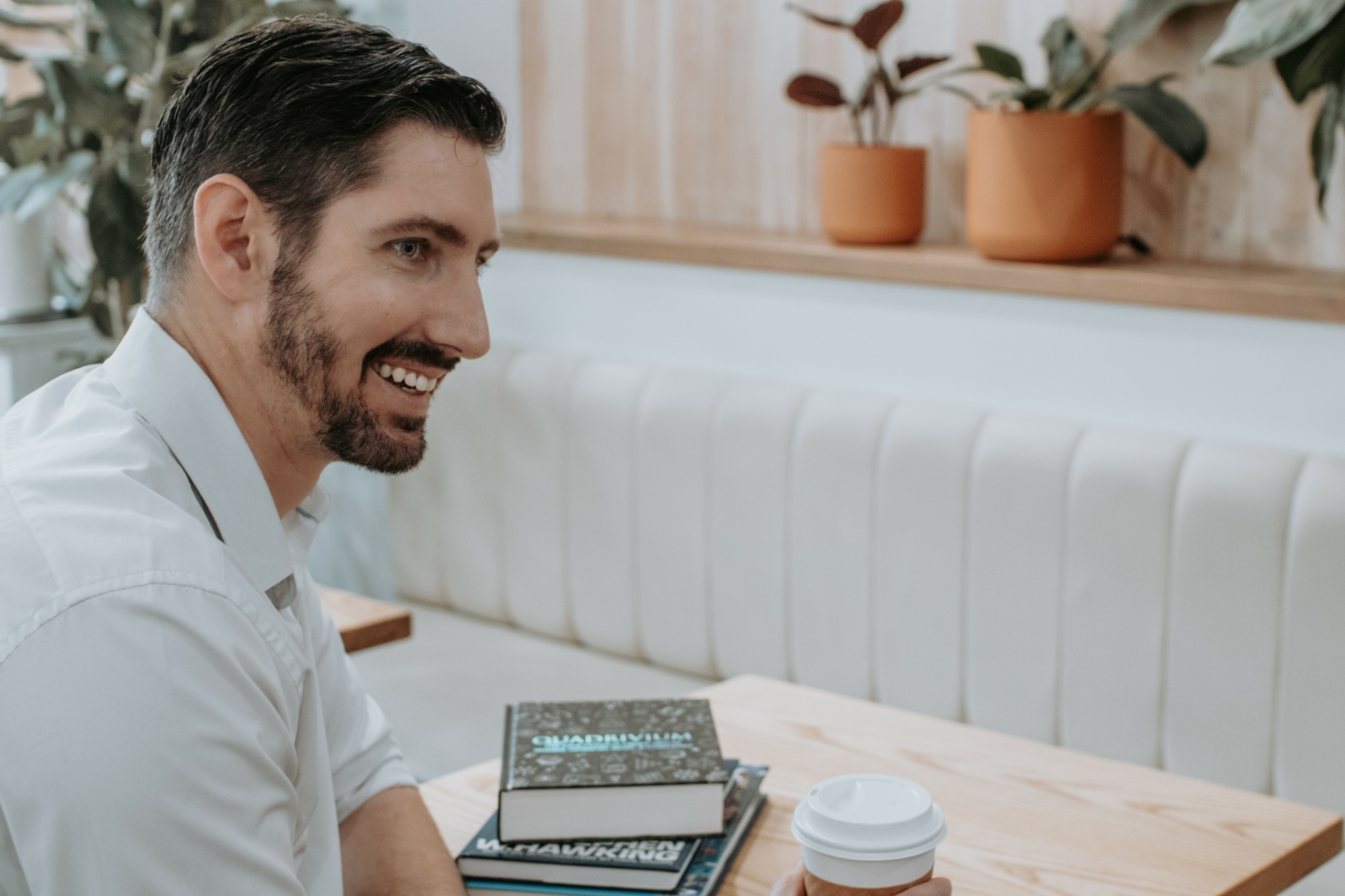
Image Credits
Liliacreativity Photography