

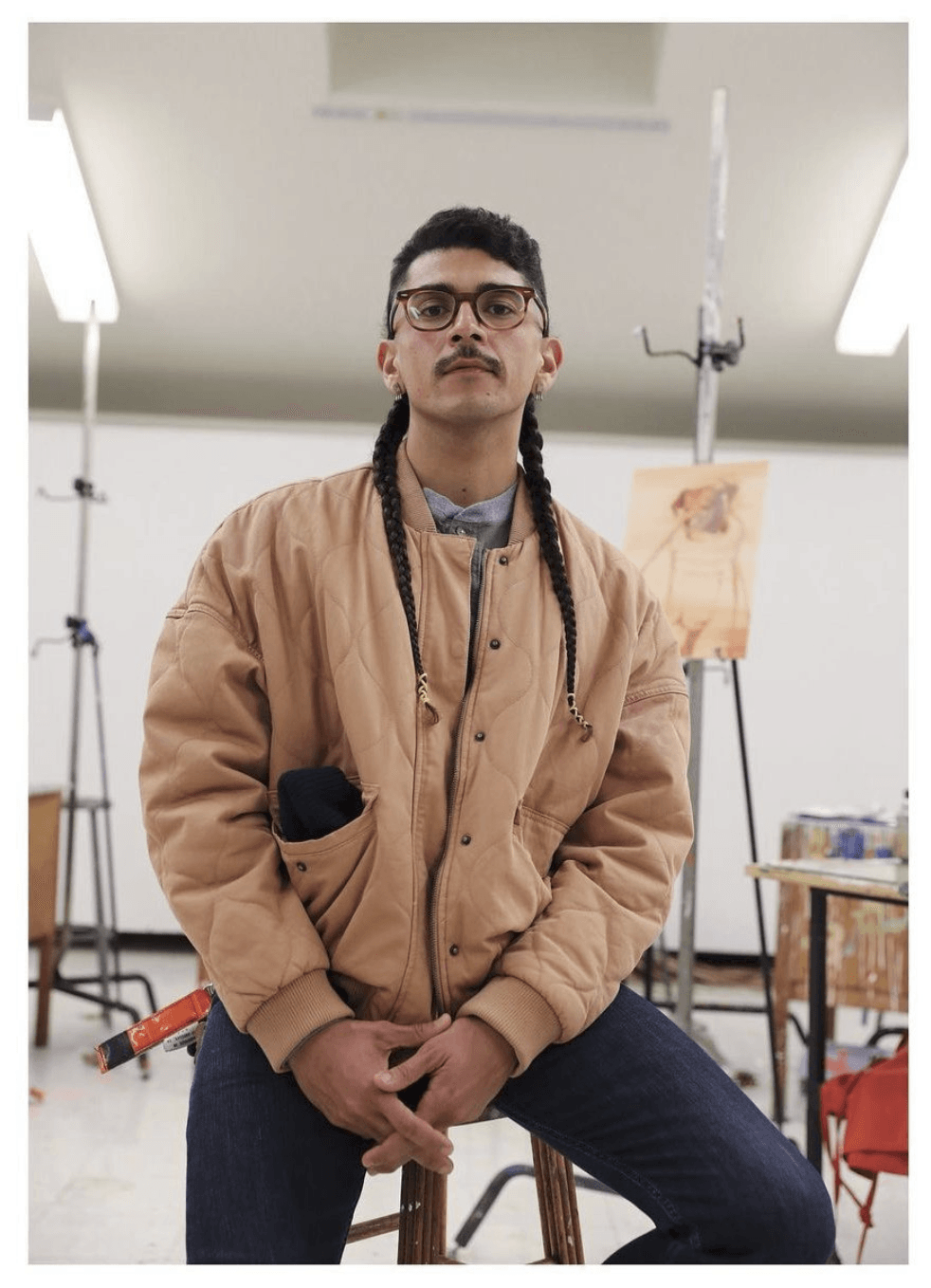

We’re excited to introduce you to the always interesting and insightful Jose Guadalupe Sanchez Iii. We hope you’ll enjoy our conversation with Jose Guadalupe below.
Jose Guadalupe , appreciate you joining us today. What’s been the most meaningful project you’ve worked on?
I think of my art as one large project with many different methods of exploration. At its core is the desire to understand how value is created and reproduced in various social and personal moments. To me, value refers to an individual or collective feeling about something that exists somewhere on a spectrum from “good” to “bad.” I explore values through painting, performance, video, and social engagement.
Value, to me, is at the core of many, if not all, social interactions. As a Mexican-American, how my family and I have been treated has shaped how people either valued us or didn’t. At school, a space for gaining cultural capital, a teacher either saw potential (value) in us or didn’t. This lens can be applied to all the social spaces we navigate today. Of course, there are infinitely complex reasons why a person evaluates another at any given moment, but regardless of the complexity, an evaluation is knowingly or subconsciously made.
My art practice is meaningful to me because of the potential danger we face in internalizing values that are not “universal,” meaning they are invented by others. The urgency of my work is to uncover the spaces thought to embody inherent or universal values and expose their human roots while simultaneously highlighting the creative power of value production. For example, if I internalize a negative image of myself because of the culture I exist in (i.e., values projected onto me), I want to uncover the danger of that internalization and create a new value for myself—one that serves my safety and that of those around me.
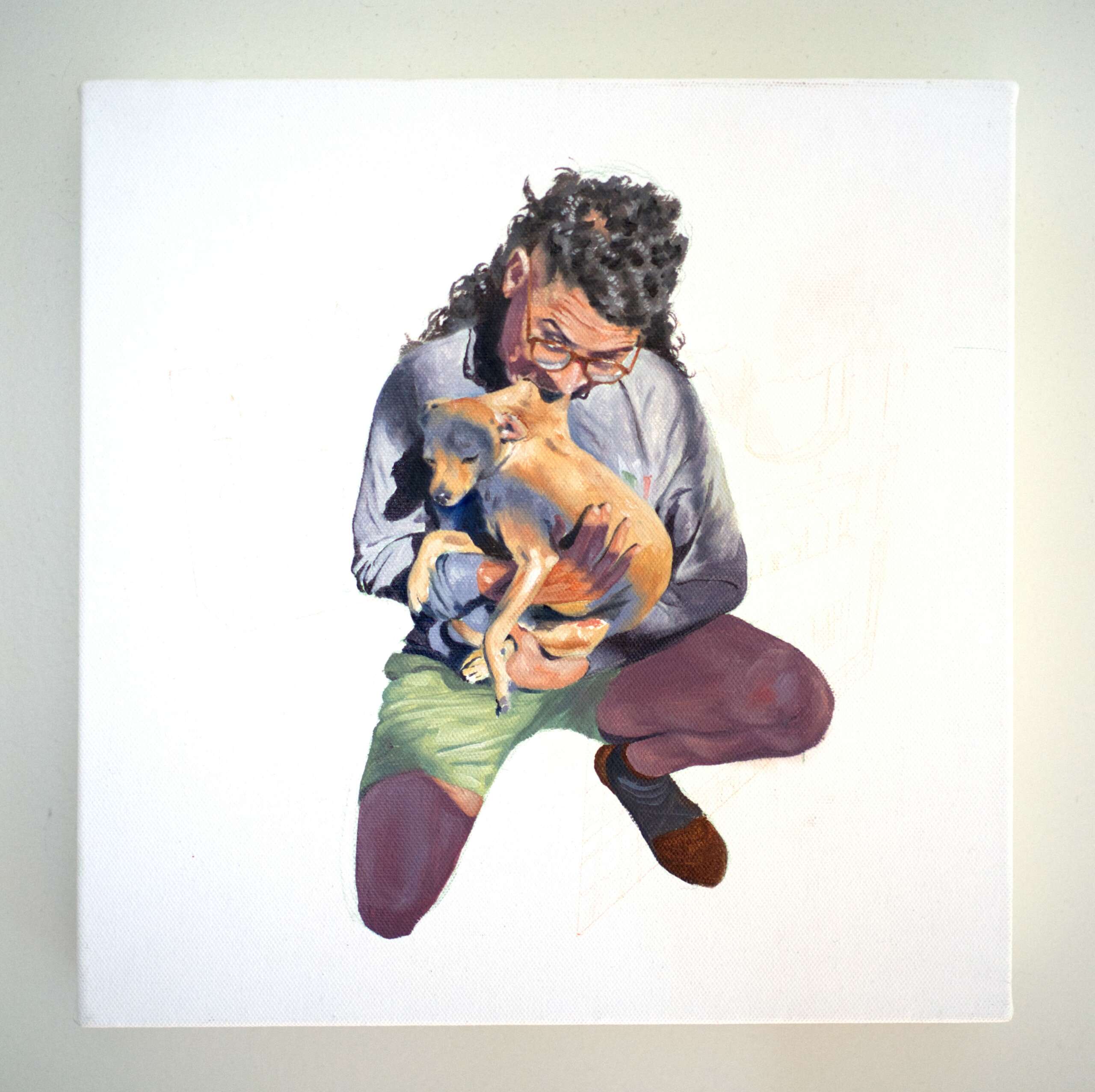
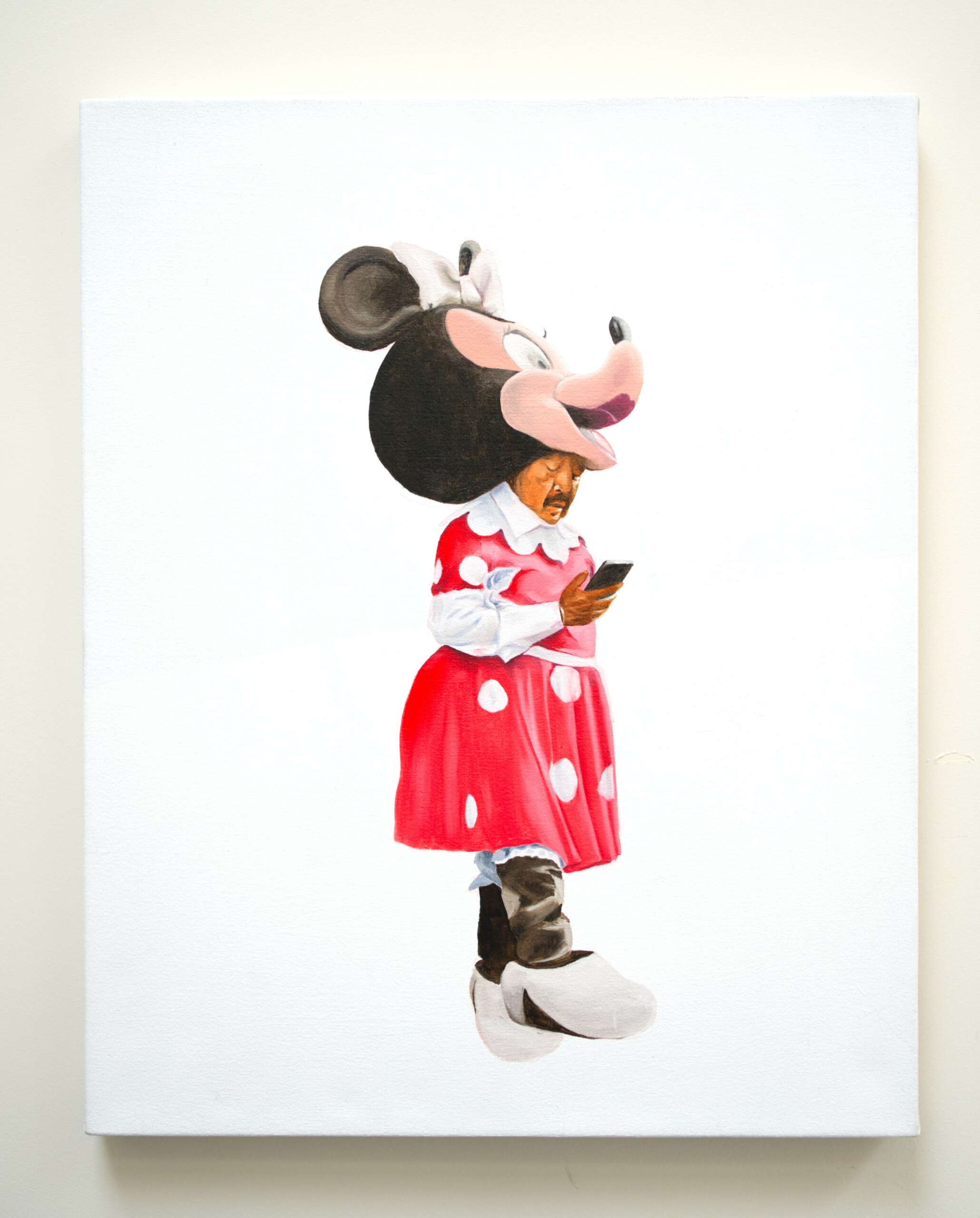
Through my art practice, I take elements of colonial painting techniques (which have been used to exclude or demean people of color) and highlight what I consider non-performative displays of Mexican-American life. For example, certain stereotypes exist that expect people from this ethnicity to know specific things and act in particular ways. This is an extension of colonial notions of authenticity. My paintings aim to showcase figures or elements of culture (like food) sitting, almost doing nothing, within a complex and multilayered environment. These works invite the viewers to bring their human assumptions about what is going on and engage with the artist’s intention.
As always, we appreciate you sharing your insights and we’ve got a few more questions for you, but before we get to all of that can you take a minute to introduce yourself and give our readers some of your back background and context?
My name is Jose Guadalupe Sanchez III. I am from Los Angeles, and I am Mexican-American. My family migrated here in the early ’70s to Venice, CA. Over time, our families have slowly been pushed out of these West Los Angeles neighborhoods as a consequence of late capitalism and gentrification. I mention this because so much of my work as a multimedia contemporary artist revolves around my family’s lived and historical experiences. I have a practice in painting, performance, and socially engaged art. Currently, I am an assistant professor of painting and drawing at Occidental College.
As mentioned in my “Meaningful Projects” response, my work engages with how value is produced and reproduced in culture on an individual level. I use art as a tool to investigate when value beliefs are harmful to myself and others, and as a means of creating new values that are healing and beneficial to myself and those around me.
Are there any books, videos, essays or other resources that have significantly impacted your management and entrepreneurial thinking and philosophy?
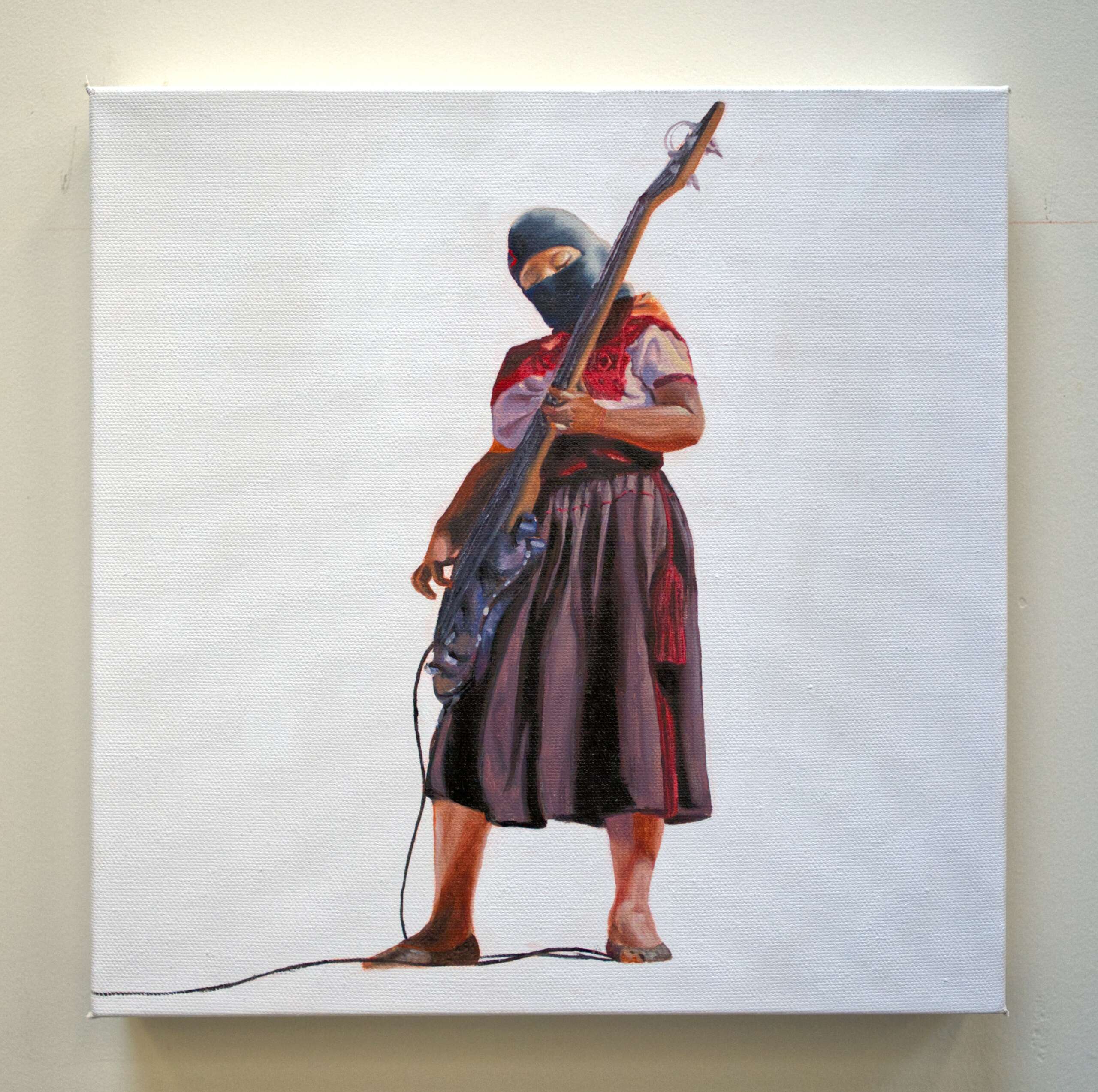
Among many works of art, historians, and critical thinkers, there are two ecosystems of thought that I consistently return to: that of the French sociologist Pierre Bourdieu and the actions and communications of the Zapatista Army of National Liberation, currently based in the jungles of Chiapas, Mexico. The framework Bourdieu has offered to the field of social sciences has profoundly influenced my thinking regarding social phenomena, especially his work on the self-analytical tool known as self-reflexivity. For me, this means taking my own lens as an object of study. Although likely not as rigorous as Bourdieu may have intended, I aim to use this in my pedagogical practice as well as in my art-making practice, to be action-oriented when discovering if I am unknowingly reproducing harmful belief systems.
The Zapatistas continue to influence me as an anchor in the world of possibility. Whenever I feel the massive pressure of what Mark Fisher calls “capitalist realism”—the inability to imagine something beyond capitalist social organizing—I remember the Zapatistas as a symbol of possibility, as the self-determined “other,” and as a “world where many worlds fit” (as proclaimed by the EZLN early in their efforts).
Simply put, these important practices and theories help me check myself as a participant in the world and guide me toward a world of possibility.
What’s the most rewarding aspect of being a creative in your experience?
To be clear, there are many rewarding aspects of my practice as an artist and educator, but some of the most fulfilling are the sense of purpose and the unending drive to create and reclaim the inherent value in myself, those I love, and so many others. In a hyper-competitive world (capitalism) and the challenge of imagining other possibilities (capitalist realism), I want to be in service of the “Other.” By that, I mean throwing my stone into the stream of other possibilities—ones that serve us collectively, rather than those that do not.
Contact Info:
- Website: https://www.joseguadalupesancheziii.com/
- Instagram: @theotrajose
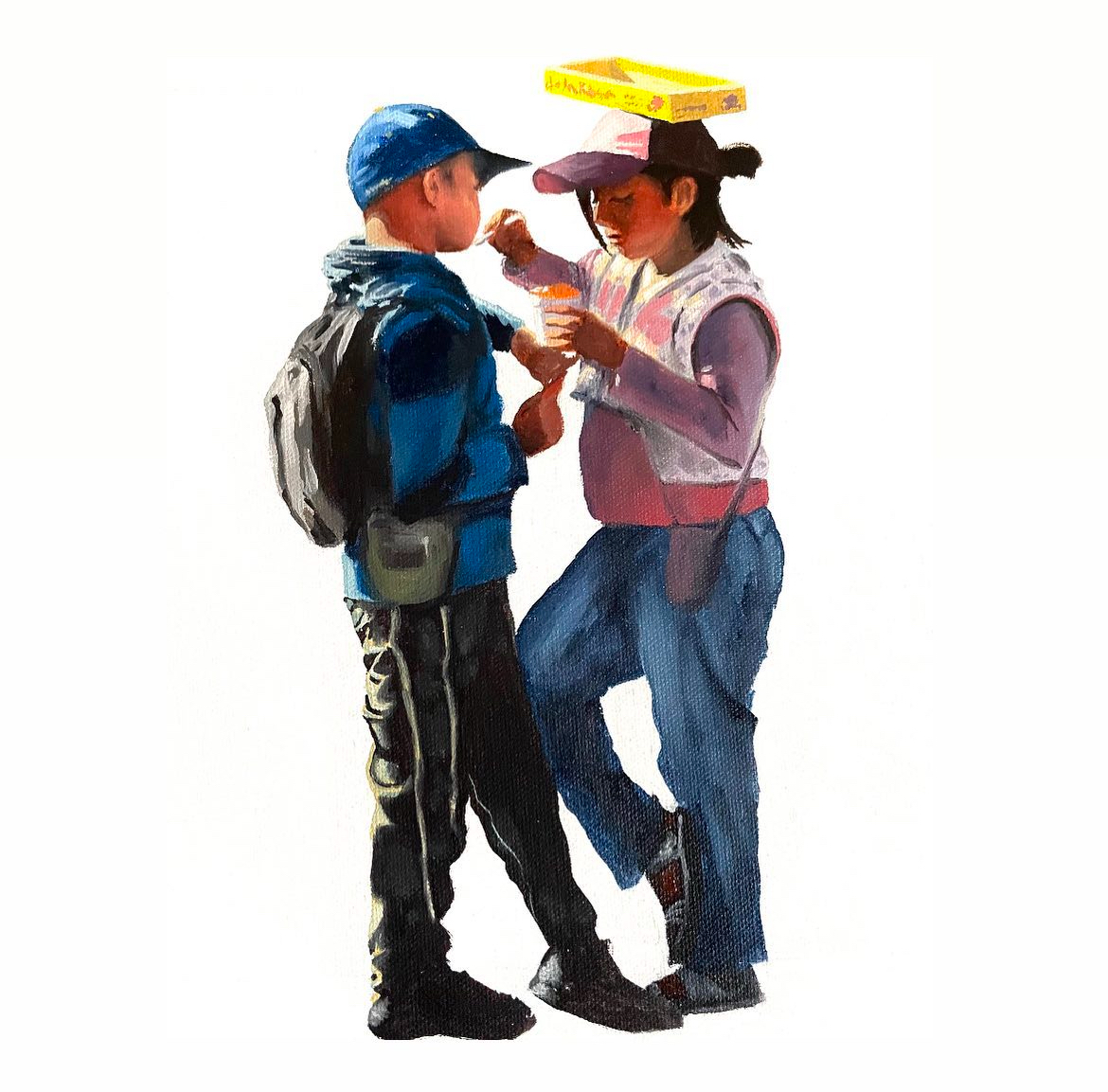
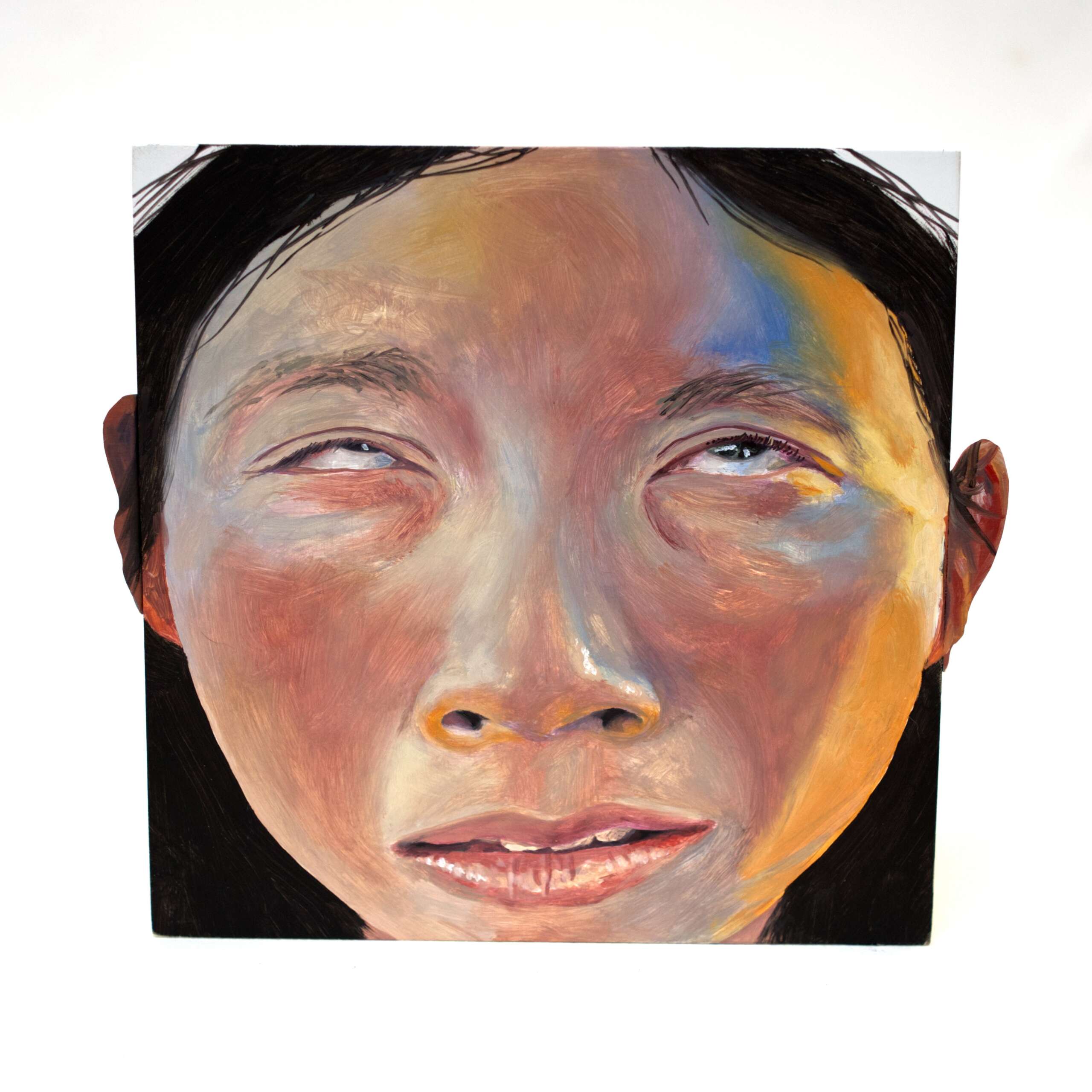
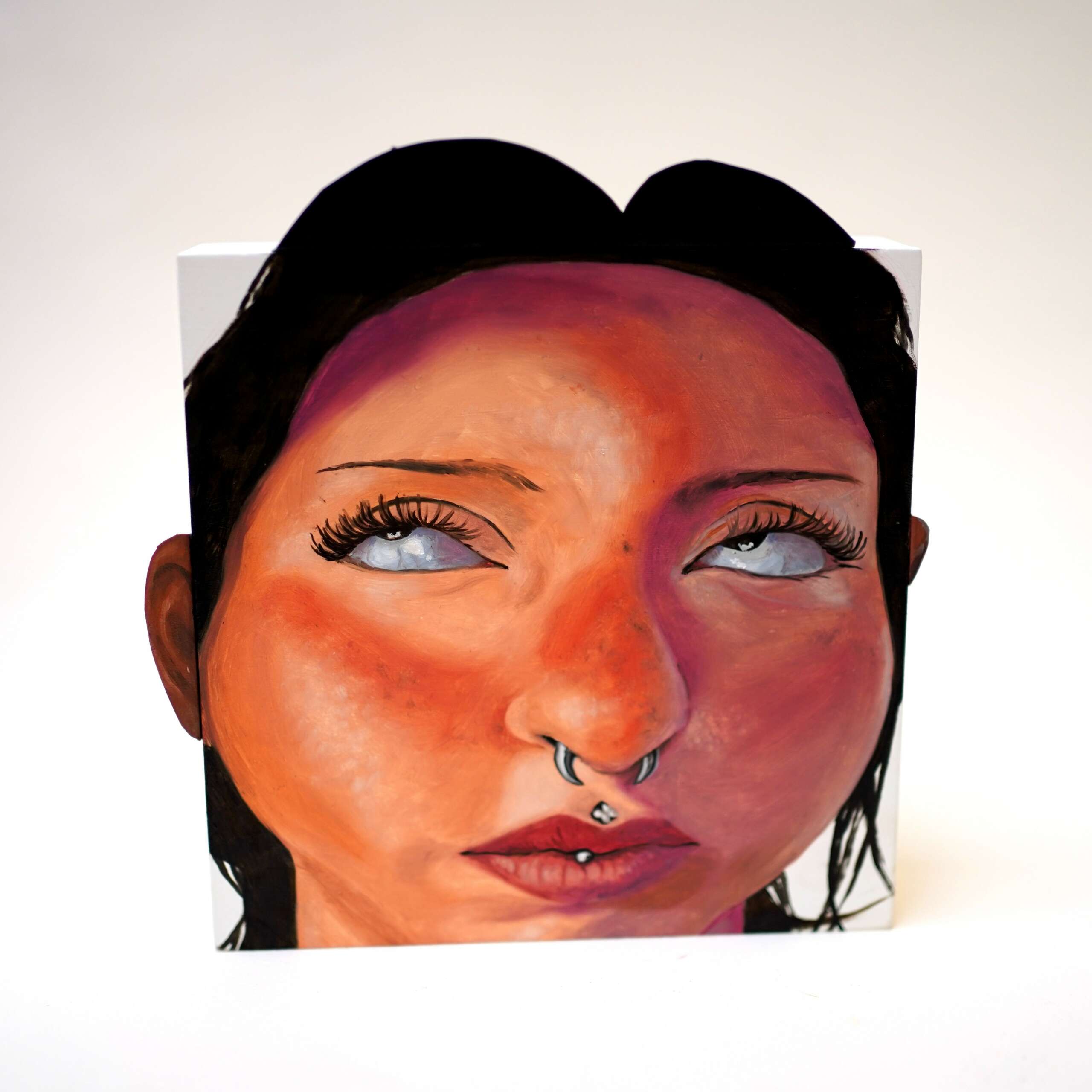
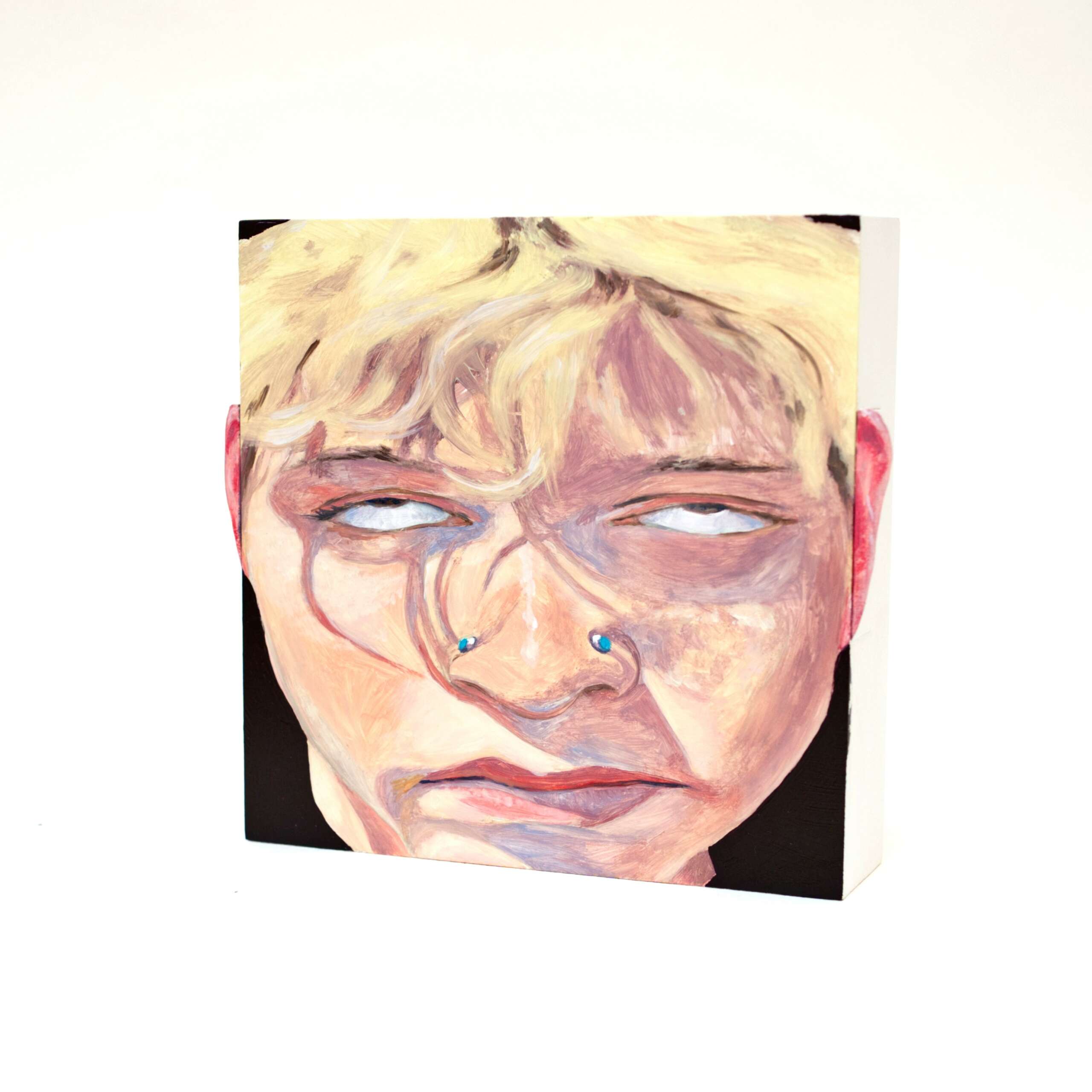
Image Credits
The portrait of me is my Lanisha Cole. IG: @misslanishacole