

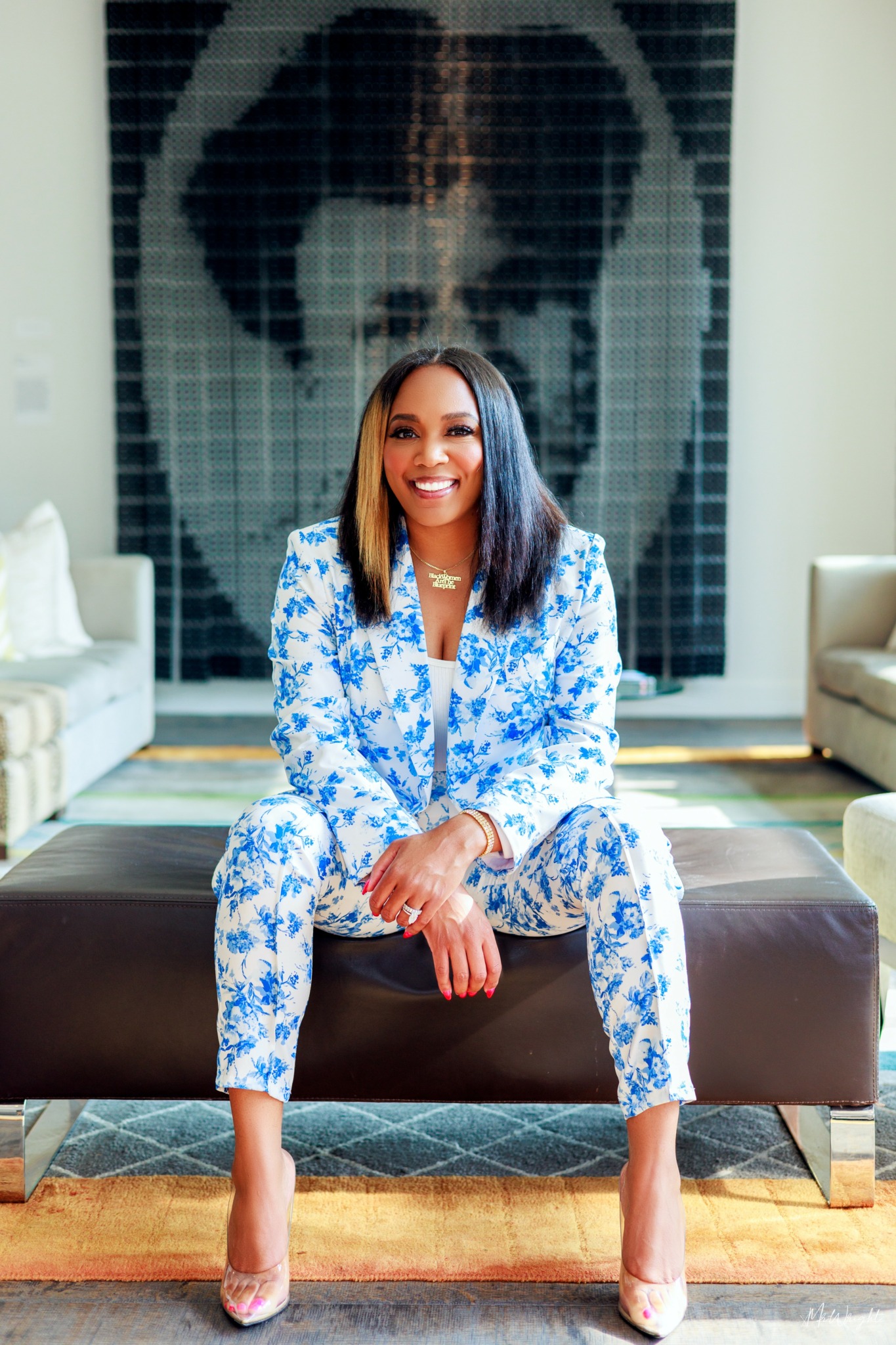

We were lucky to catch up with Jordan Coleman recently and have shared our conversation below.
Jordan, thanks for taking the time to share your stories with us today Coming up with the idea is so exciting, but then comes the hard part – executing. Too often the media ignores the execution part and goes from idea to success, skipping over the nitty, gritty details of executing in the early days. We think that’s a disservice both to the entrepreneurs who built something amazing as well as the public who isn’t getting a realistic picture of what it takes to succeed. So, we’d really appreciate if you could open up about your execution story – how did you go from idea to execution?
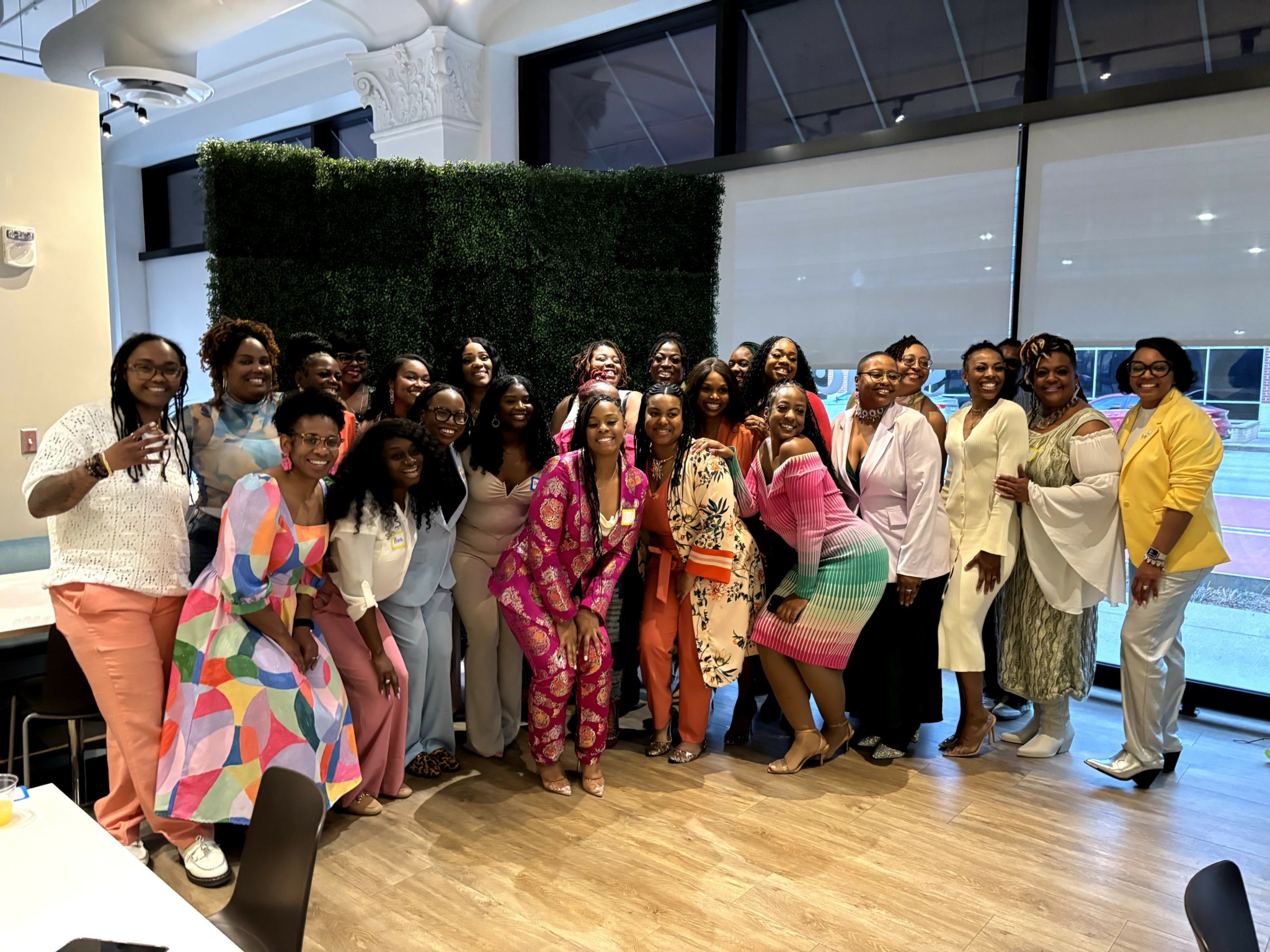
When I started A Seat At The Table Inc., it wasn’t a business, it was a gathering. A sacred space I created to connect women who, like me, were navigating the challenges of corporate spaces where they often felt unseen, unheard, and undervalued. At the time, I had no grand plan, no business model, and certainly no vision of the organization it would eventually become. I simply knew that something was missing, and I wanted to fill that gap with community.
The first event was intimate but powerful. We shared stories, frustrations, and small victories. I honestly thought it might be a one-time thing. But the response? Overwhelming. Women reached out afterward not just to say thank you, but to say, “I needed this. When is the next one?”That night revealed a deeper truth to me: this wasn’t just about networking. This was about healing.
In the weeks and months that followed, I kept hosting gatherings. Each one grew, more women, more vulnerability, more truth-telling. And in that process, something clicked. I had always known that sisterhood was essential to the success of women, but now I was seeing how mental health was the root cause of so many struggles. Women weren’t just frustrated with their jobs they were battling burnout, trauma, and internalized narratives that told them they had to shrink to survive. That was the shift. That was when we moved from idea to execution.
I went back to the drawing board and asked myself: If these women are coming to us for more than conversation, what can we build to truly support their healing and growth? So I started researching. I spoke with therapists, mental health coaches, board members, and corporate leaders. I immersed myself in learning about trauma, leadership development, and emotional intelligence. I read books, joined business cohorts, and had long, late night brainstorming sessions.
At the same time, I was gathering feedback from our community. I sent out surveys, hosted sessions, and paid attention to the language women were using. One word kept showing up: healing. That became our cornerstone.
By 2023—two years after our very first mental health event—we launched our first women’s cohort centered on trauma healing. It was intentionally intimate, built on trust, and designed to do more than inspire. We wanted to transform. We married emotional healing with leadership development, because we believe you can’t lead well if you’re emotionally fractured.
Let me be clear, it was not an overnight success. Our programming started in 2021, and it took trial, error, and an unwavering belief in the vision to get to that first cohort. There were moments of doubt, financial challenges, and lots of learning on the fly. But every cohort, every woman’s story, every breakthrough reminded us that we were building something necessary.
Now, five cohorts in, we’ve seen women radically transform. Not just in their careers, but in their confidence, relationships, and self-worth. We lean into two core truths: “You can’t heal who you pretend to be” and “The healed woman is the strong woman.” When women begin to lead from a healed place, they stop shrinking. They stop people-pleasing. They stop playing small. They sit at any table—boardroom, community room, or dining room—with authority, clarity, and purpose.
That’s how A Seat At The Table went from an idea to a movement. It started with listening. It grew with intention. And it’s sustained by a mission that’s bigger than any one event: to make healing the foundation of leadership for women of color.
Awesome – so before we get into the rest of our questions, can you briefly introduce yourself to our readers.
My name is Jordan Coleman, and I’m the founder of A Seat At The Table Inc., an organization dedicated to helping women—particularly women of color—heal from the trauma of everyday life and step boldly into leadership. Our work lives at the intersection of mental health, personal development, and professional empowerment. It’s a space where transformation begins from the inside out.
How did I get here? Honestly, this work found me. I didn’t set out to launch a business—I set out to create space. Early in my career, I found myself surrounded by brilliant, high-achieving women who were silently struggling. They were managing families, careers, communities—and still battling burnout, microaggressions, imposter syndrome, and unresolved trauma, often without the language or support to name it.
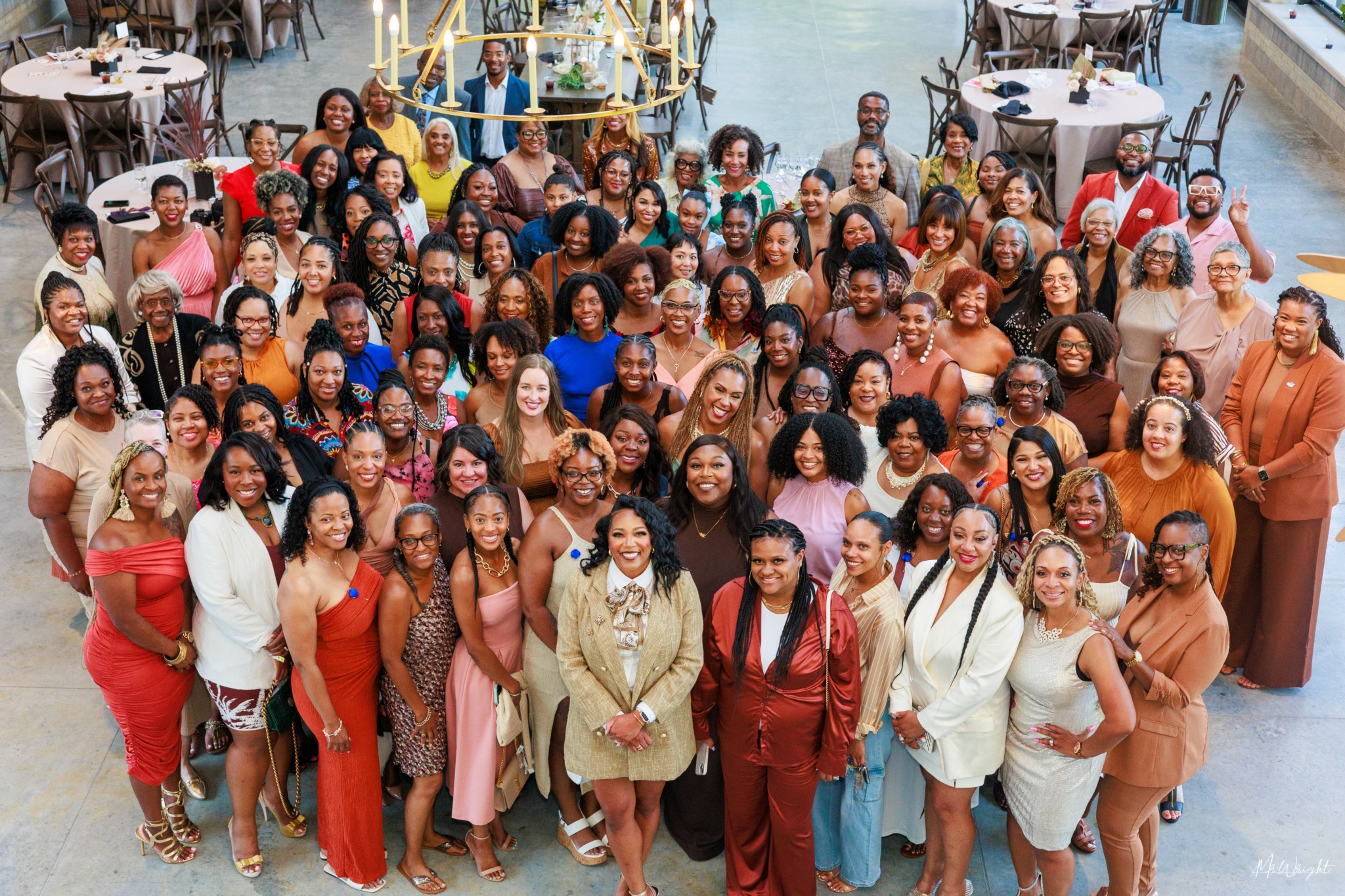
In 2021, I hosted a small gathering—a simple event meant to bring women together to share stories and find connection. That first gathering lit a spark. What I thought would be a one-time event revealed a deeper need: women weren’t just looking for community, they were looking for healing. That moment was the beginning of *A Seat At The Table*.
What We Do
Today, A Seat At The Table Inc. offers a range of programs designed to support healing, personal growth, and leadership development. Our flagship offering is an 8-week women’s cohort—a transformative experience that combines mental health support, emotional intelligence training, leadership coaching, and spiritual insight. We’ve had five powerful cohorts so far, and the impact has been nothing short of life-changing.
We also offer:
– Teen programming that provides young girls with tools for mental healing and vision-building.
– Monthly virtual group therapy sessions led by licensed professionals.
– Workshops and events that center the lived experiences of Black women and provide practical tools for healing and success.
– Collaborations with corporations and community partners to create more equitable and emotionally healthy work environments.
At our core, we are a healing-centered organization. Everything we do is guided by two principles:
“You can’t heal who you pretend to be,” and “The healed woman is the strong woman.”
We believe that healing is the foundation of true leadership. And when women are whole, they don’t just participate in systems—they change them.
What Sets Us Apart
What sets A Seat At The Table apart is that we don’t separate healing from leadership—we integrate them. In a world that tells women to hustle, keep quiet, and “push through,” we give women permission to pause, process, and rise with clarity and confidence.
We are proudly led by a Black woman, and everything we do centers cultural competency, spiritual grounding, and community care. This isn’t cookie-cutter coaching. This is soul work. We create spaces where women don’t have to code-switch, explain their existence, or minimize their pain. They come as they are, and they leave changed.
What I’m Most Proud Of
I’m most proud of the transformation we’ve witnessed. Women who once felt stuck are now leading with purpose. Women who once struggled with self-worth are now setting boundaries, starting businesses, getting promotions, and most importantly—healing. Watching women take their seat at the table, fully and unapologetically, will always be the most fulfilling part of this worWhat I Want People to Know
If you’ve ever felt like you were made for more but held back by your past, your pain, or the pressure to be perfect, I want you to know this: You are not alone, and you don’t have to navigate this journey by yourself. A Seat At The Table is for you.
We’re not just another program. We’re a movement. We are redefining what it means to lead, succeed, and heal—on our own terms.
So pull up a chair. There’s room for you here.

What’s a lesson you had to unlearn and what’s the backstory?
One of the most powerful lessons I’ve had to unlearn is the idea that leadership always looks polished, composed, and inspiring. Because of my own traumatic experience in the corporate world, I used to see leadership through a very narrow lens. I believed that if leadership was complicated, harsh, or even toxic, it had no value. I distanced myself from it, thinking, “That’s not what I want to be. That’s not how it should be.”
But as I’ve grown in my own leadership journey—especially through building A Seat At The Table Inc.—I’ve come to understand something deeper: even bad leadership teaches you. It shows you exactly what not to do. It highlights the values, behaviors, and systems that stunt growth, create harm, and damage team morale. And if you’re paying attention, it becomes a mirror—reflecting back the kind of leader you refuse to be.
This shift in perspective was liberating. I no longer saw those difficult experiences as wasted time or senseless pain. I started to mine them for wisdom. I asked: What did this teach me about how people need to be seen? Heard? Supported? Challenged? The answers helped me lead with more empathy, more clarity, and more conviction.
This lesson also unlocked another big unlearning for me: my relationship with failure. For a long time, I saw failure as a reflection of my worth. If something didn’t go as planned, I would internalize it. I would get down on myself, question everything, and struggle to move forward. But the more I leaned into healing work—both personally and professionally—I realized that failure isn’t the opposite of success. It’s part of the process. It’s feedback. It’s information. It’s an invitation to pause, reflect, and adjust.
Now, I don’t say “I failed.” I say “I learned.”
Every setback, every misstep, every hard lesson has shaped the leader I am today. And that’s the message I carry into every cohort, every workshop, and every space we create at A Seat At The Table: You are allowed to learn in real time. You are allowed to grow out loud. And even when it feels messy, you’re still moving forward.
Unlearning doesn’t mean erasing what happened—it means reframing it so it empowers rather than limits you. And that’s the heart of everything I do: helping women rewrite the narratives that once held them back, and showing them that healing and leadership aren’t separate journeys—they’re deeply intertwined.
What do you think helped you build your reputation within your market?
When people ask how A Seat At The Table Inc. built its reputation, I always come back to two things: our visual identity and our values.
First, our logo. It may sound simple, but our logo has played a powerful role in building brand recognition. It’s bold, unique, and symbolic. People are drawn to it before they even fully understand what we do. There’s something about it that invites curiosity—*What is this? Who are they for?* It becomes a conversation starter, and from there, the brand begins to speak for itself.
But beyond the logo—what keeps people coming back and talking about us—is the work. Over and over again, we hear: “This isn’t like anything I’ve ever experienced before.” And that’s intentional. Everything we offer—from our women’s healing cohorts to our teen programming to our virtual therapy sessions—is built with honesty, depth, and excellence. We don’t do surface-level support. We dig deep, we hold space, and we prioritize transformation over performance.
Our reputation was never built on flashy marketing or mass appeal—it was built person by person, story by story, breakthrough by breakthrough. We grew because people experienced something real and healing with us, and they shared that with others. Our community expanded through word of mouth, personal referrals, and the authentic connections we foster.
At the core of it all is this: we lead with integrity. We’re not trying to mimic anyone else’s model or water down the truth to make it more palatable. We show up fully—culturally grounded, emotionally honest, and committed to the excellence our people deserve. That kind of authenticity is rare, and I believe that’s why people trust us.
So yes, the logo draws them in. But the heart of our work—the honesty, the healing, the excellence—is what keeps them at the table.
Contact Info:
- Website: https://www.asatindy.org
- Instagram: https://www.instagram.com/_seatatthetable/
- Facebook: https://www.facebook.com/ASeatAtTheTableInc
- Linkedin: https://www.linkedin.com/company/seatatthetableindy
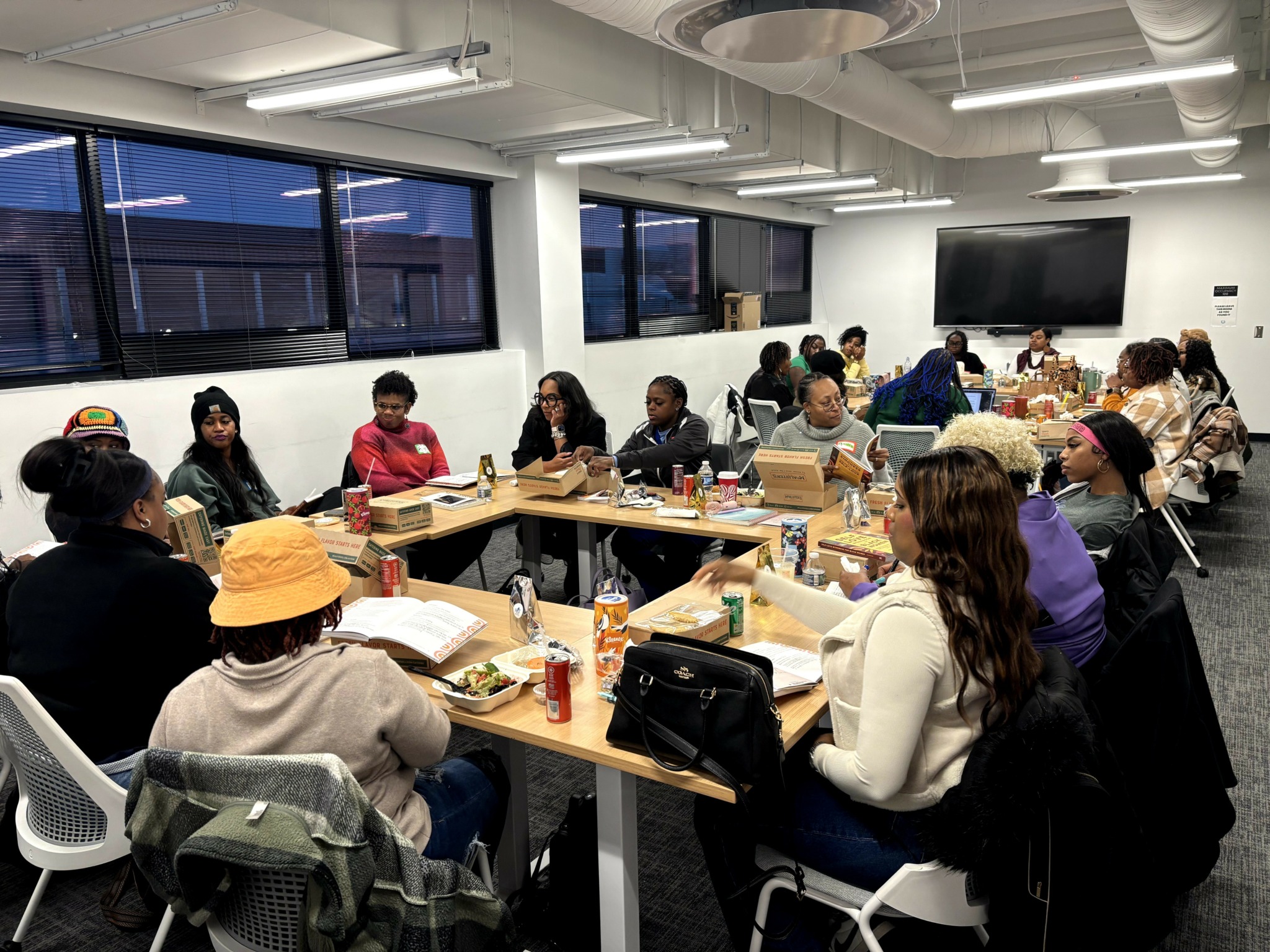
Image Credits
Brandon Wright