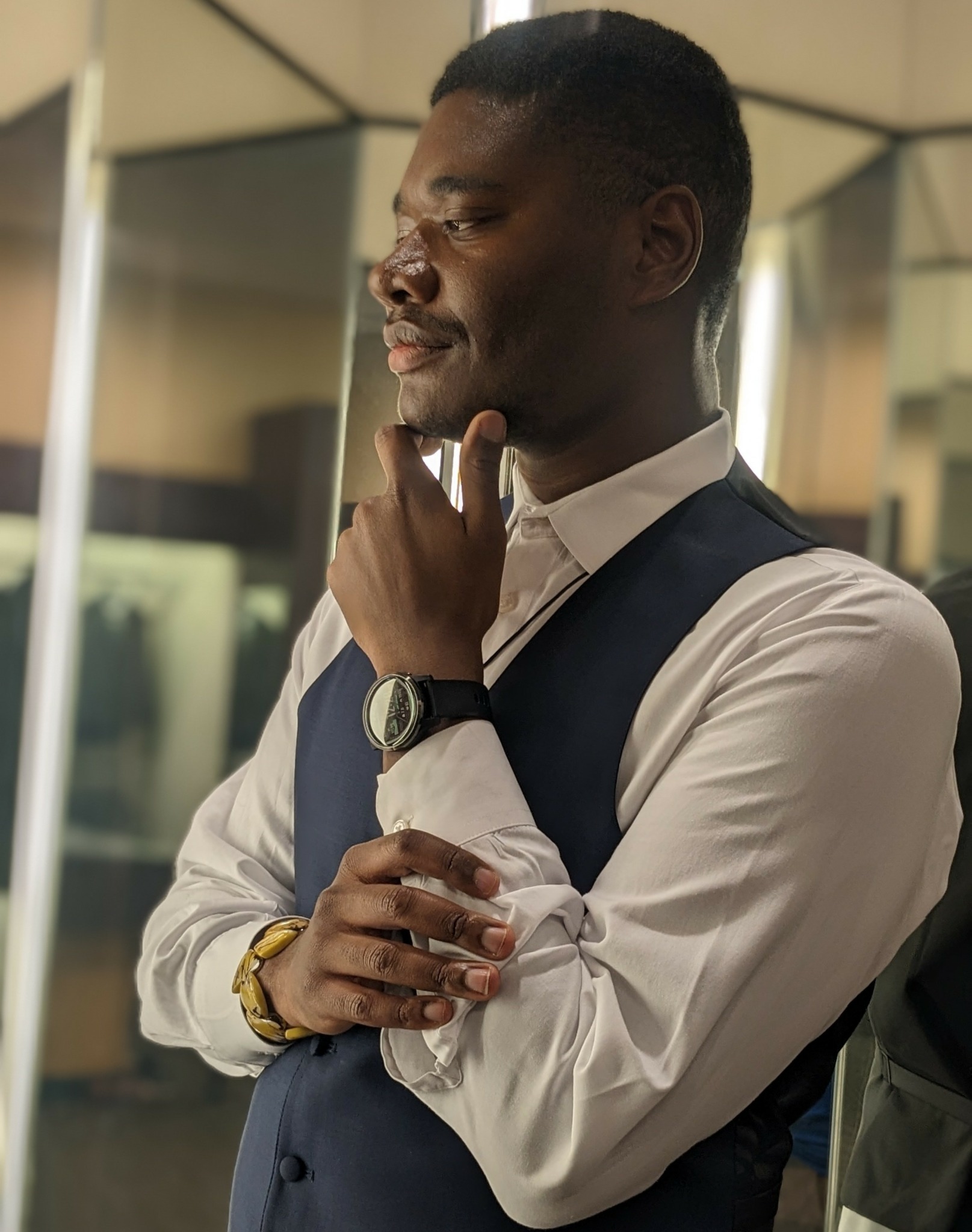

We were lucky to catch up with Jonthan Hawkins recently and have shared our conversation below.
Jonthan, thanks for joining us, excited to have you contributing your stories and insights. Was there a moment in your career that meaningfully altered your trajectory? If so, we’d love to hear the backstory.
My life has had a myriad of defining moments. On the topic of health, I personally underwent a health transformation while witnessing the impacts of our current state of health within the Black American (FBA) community. From seeing various life members pass due to health complications to discovering the various dietary lifestyles, I learned more about what health concepts our community expresses and needs.
Then, when I began my health education, I learned the health history of the community from a student’s point of view. However: I can really lay down one specific instance during my post-bachelor’s health education program at Southern California University of Health Sciences (SCUHS). Our curriculum had a lesson involving the Tuskegee experiment, except in my opinion, the information seemed curated and presented without care for the racial element of the event. This then leads on to the assignment or lesson plan: we were to watch two clips and to write about a response to three questions: “Did you hear about the Tuskegee Experiments before the assignment?” “How does this event highlight the importance/need of an Institutional Review Board?” “What did you note or see within the videos?” were effectively the three questions asked for us.
Not only having personal attachment to the narratives but also feeling as my topic of discussion would veer off way past the scope of the assignment, I sent my instructor an email asking about the parameters or the expectations of the assignment. She did give me a reply but the first initial sentence was all I needed to really put the importance of ethnic presence within Health Education.
My instructor (white woman) said: “Ray, this is a sensitive subject for many people regardless of race or identity”.
It was this moment that really spurned the message that the Black perspective really has been devoid on an academic level within the field and solidified my desire to get involved in health any which way I can.
My gut reaction was visceral, but I decided to have a cool head and to go through peer evaluation of the situation. I was traveling at the time, but I had peers (Black and non-black) from all over the world consult me and unanimously everyone agreed the teacher was wrong and that I should act based on this interaction. Ultimately, I tried to resolve this matter diplomatically between us but my instructor had a rather dense analysis or perspective over her statement involving Tuskegee to a Black American.
I never thought of my instructor the same and before the end of my program, I went and discussed with the program director about the incident and she said they changed the class entirely which would be part of my request. I merely wanted to not only include Black Health History (our innovations and the wrongs done to us) but from our ethnic perspective during the lesson.
To wrap up this part: representation and quality input matters. Whether we are talking health or any other field: having your best interests represented and delivered makes the impact, and not having this in mind dooms all to repeating history.
As always, we appreciate you sharing your insights and we’ve got a few more questions for you, but before we get to all of that can you take a minute to introduce yourself and give our readers some of your back background and context?
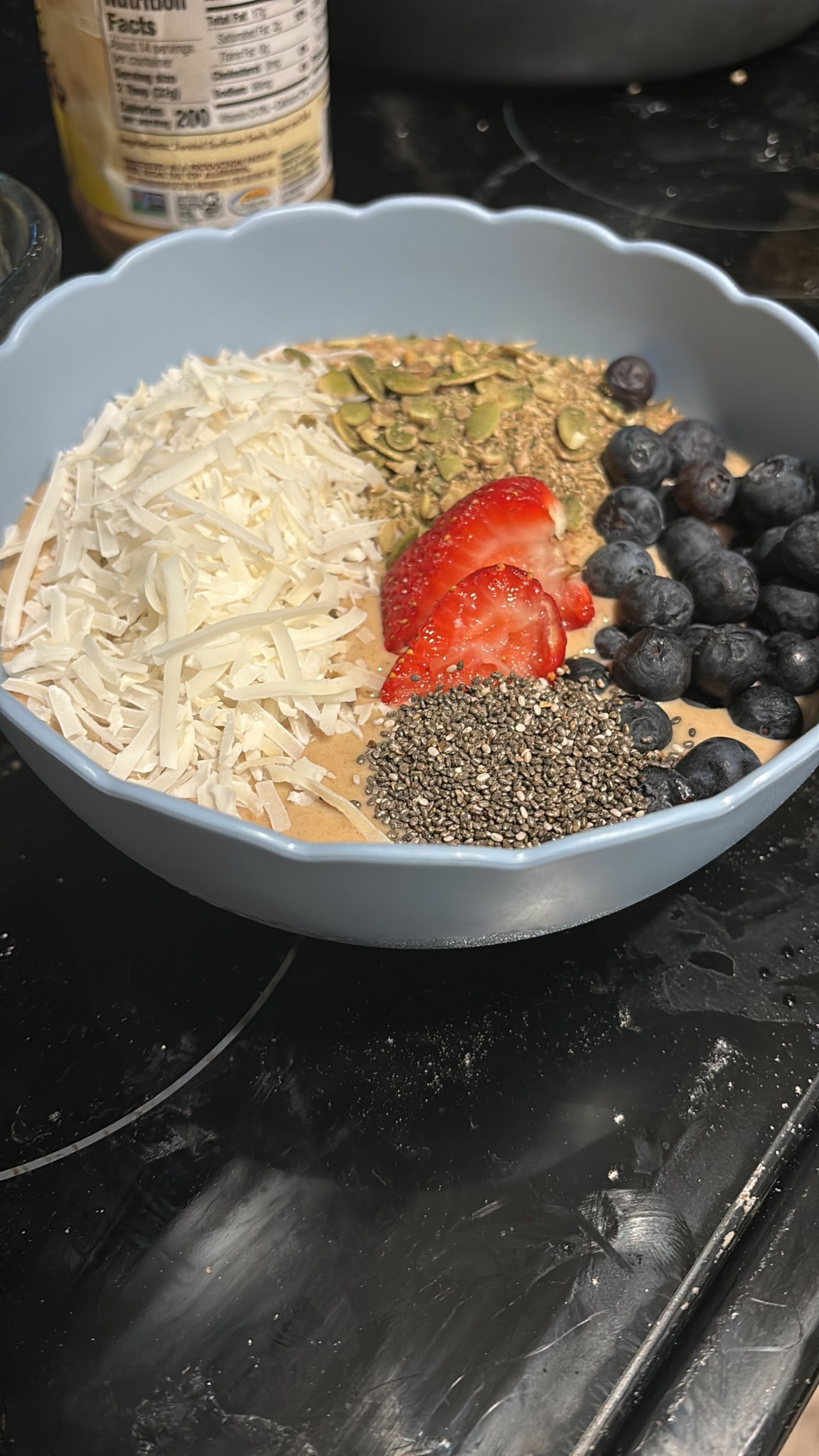
I decided to be the change I want to see. I got into health coaching and nutrition because I knew I could communicate and work with people on a personal level. Except, I also know that the plant-based perspective is a growing but misunderstood area. 9 out of 10 Americans are not meeting the daily vegetable intake recommendations as set by the health institutions of the country. Couple this along with the fact that the conventional western diet itself is riddled with ultra-processed foods, highly addictive but inflationary nutritional content: I wanted to address the dietary side of the “how can I improve my health” equation.
With this thought in mind, I acquired my certification with American Fitness Professionals and Associates for Plant-Based Nutrition so I can best inform and lead clients and the community in an involved but empathetic perspective. A lot of information that I see tends to either be devoid of our cultural perspective or has more of a pathological motivation rather than a logical one. Thus I wanted to get this formal background in nutrition and I also picked up my post-bachelor’s certification in Health Education to further enhance the breadth of my health advocacy.
In particular, I work with clients to address nutritional concerns, holistic health, or overall knowledge on nutrition. Historically, I have helped clients with iron, sugar, or other physical concerns. Within my approach, I look at the habits or readiness of any given client and provide actionable perspective or methods to addressing those concerns that have been empirically backed by the research.
One of my proudest achievements is assisting a client overcome her sugar habits. The how involved breaking down her formal process of eating sugar and figuring out what areas can be addressed to change the habit. Within this change, we found success swapping out sugary processed fruits with naturally sweet peaches which offer a healthy alternative to “junk food”.
I believe one of the elements that helps set my brand or angle apart is the multicultural and multi-layered approaches I have to offer on health. Part of the health journey involves navigating other areas such as the local environment, economics, or other barriers to health. I also do not aim to establish my health habits on others but rather elevate the good habits while reforming any undesired health habits into new ones that work for my client.
Yes, I do favor the plant side personally, except: I made that conscious decision due to the reality that plants in diets tend to go unappreciated if not plant-based already. Or, someone who is trying to go plant-based might not know where to start or which parts of their routine or daily lives can change their health approach. I aim to do that and more with all the people I come across and hope to further improve lives as I grow.
One of the most important things clients should know is that you don’t have to become fully “vegan” to benefit from incorporating more plants within the diet. Also, I do not aim to convert beyond what is mutually agreed upon. If my clients want to change their diet, I wish to help. If my clients want to remain somewhat within the same diet but just improve the quality, I’ll do my best to work with them, and if we notice practices that serve contrary to the end goal, we can have that conversation.
Can you tell us about a time you’ve had to pivot?
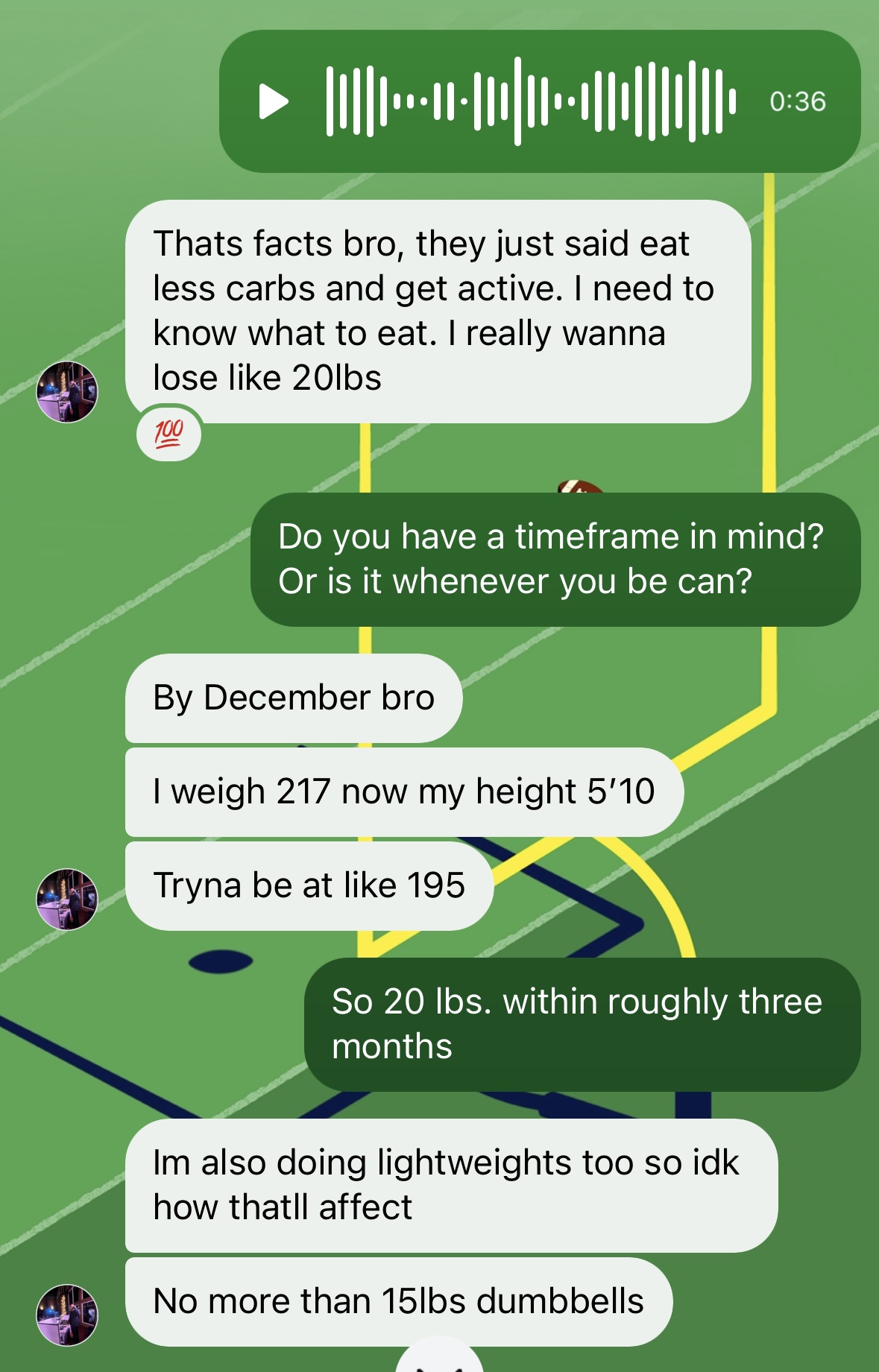
One of the pivots that hit the most for arguably the world came with COVID. The job market had shifted and I had to acquire a new position. During the heyday of COVID, I worked with the City of Austin’s COVID response through the agency and I found myself working directly with the homeless population. This position built me up to being able to purchase my first car and I will forever be grateful for that opportunity. Then came when I lost the car but fortunately had a work from home opportunity fell into my life.
That job had to be one of the greatest fortunes in my life as it lead me to a greater perspective, gave me the chance to build myself back up, and met with several people from the job (including Bonnie who referred me here which I will always appreciate). Except that also came to an end and I had to make another decision of what to do.
With that decision came exploration and thus I explored new countries and established seeds within new countries and potential professional partners for the countries I visited.
Putting training and knowledge aside, what else do you think really matters in terms of succeeding in your field?
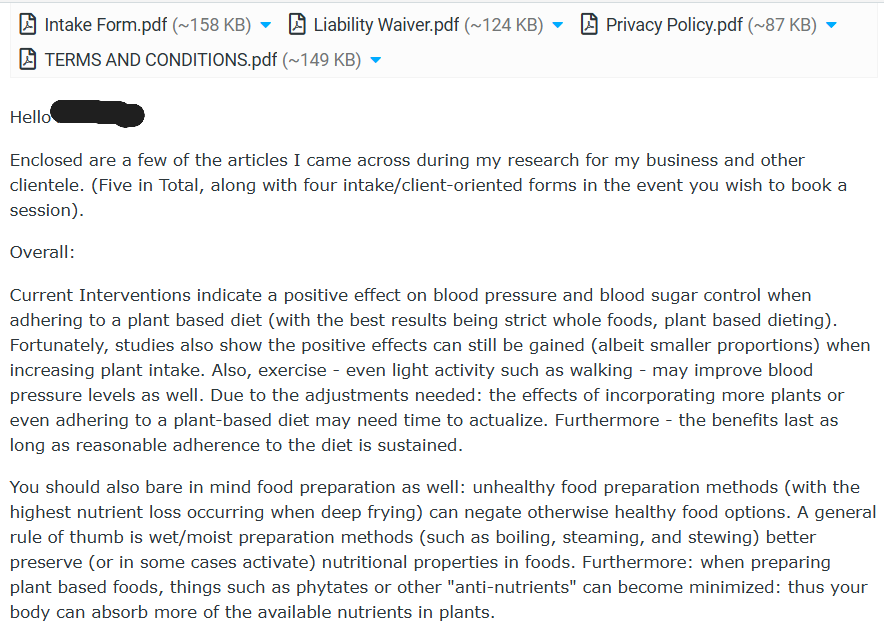
Within health coaching or any profession that requires steady clientele, having the promotion or marketing down will exponentially increase your odds of longevity. This, having potential clients to start up, and having other connections to help you in those initial phases, truly make a difference. Even if you don’t feel the most confident, but feel capable, having the first few clients or sessions will set you up for however long you are in this field. Word of mouth is a powerful tool along with earned media.
Also, creativity and perseverance, as cliché as that might sound. You need to have a distinct voice or a capacity to be the person to lean on for whoever does opt in to procure services. With that being said, having a boundary and knowing the difference between earning a client versus riding off coaching advice is vital too. As with health needs and demands, there will never be a shortage of individuals seeking health guidance or expert opinion. However, some may or may not respect the boundary or be within your line and that is completely fine to address at that point.
Having the content or the no-cost commentary is splendid to help establish trust, authority, or just being generally helpful. However, getting too specific leverages specialized knowledge, training, and effort which warrants an intake conversation.
Contact Info:
- Website: https://rayoflightness.com/ (Under Construction)
- Instagram: @rayoflightness
- Facebook: Ray of Lightness
- Linkedin: Ray of Lightness
- Other: Threads (Primary Media): @ray_of_lightness