

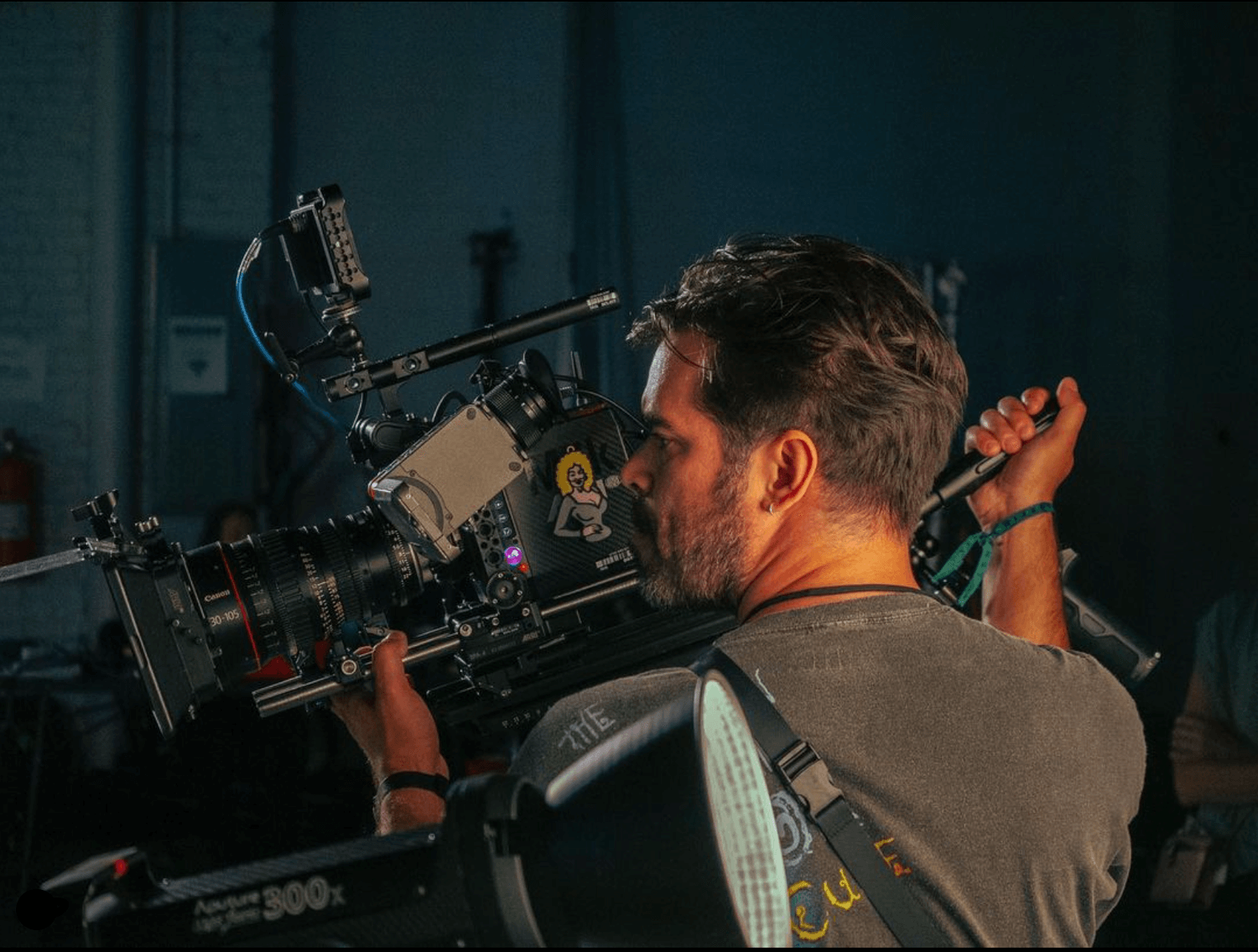

We caught up with the brilliant and insightful Jonathas Nazareth a few weeks ago and have shared our conversation below.
Jonathas, appreciate you joining us today. We’d love to go back in time and hear the story of how you came up with the name of your brand?
My company is called Tender Attack. My business partner and I came up with the name after spending some time with words that meant something to us, or reflected how we work. We liked the combo because we’re both very calm and collected but yet we have a lot of energy to get the work done. Everyone who’s worked on one of our sets loves coming back and we’ve been able to develop some lasting business relationships, but we’re relentless in the pursuit of excellence in our industry,
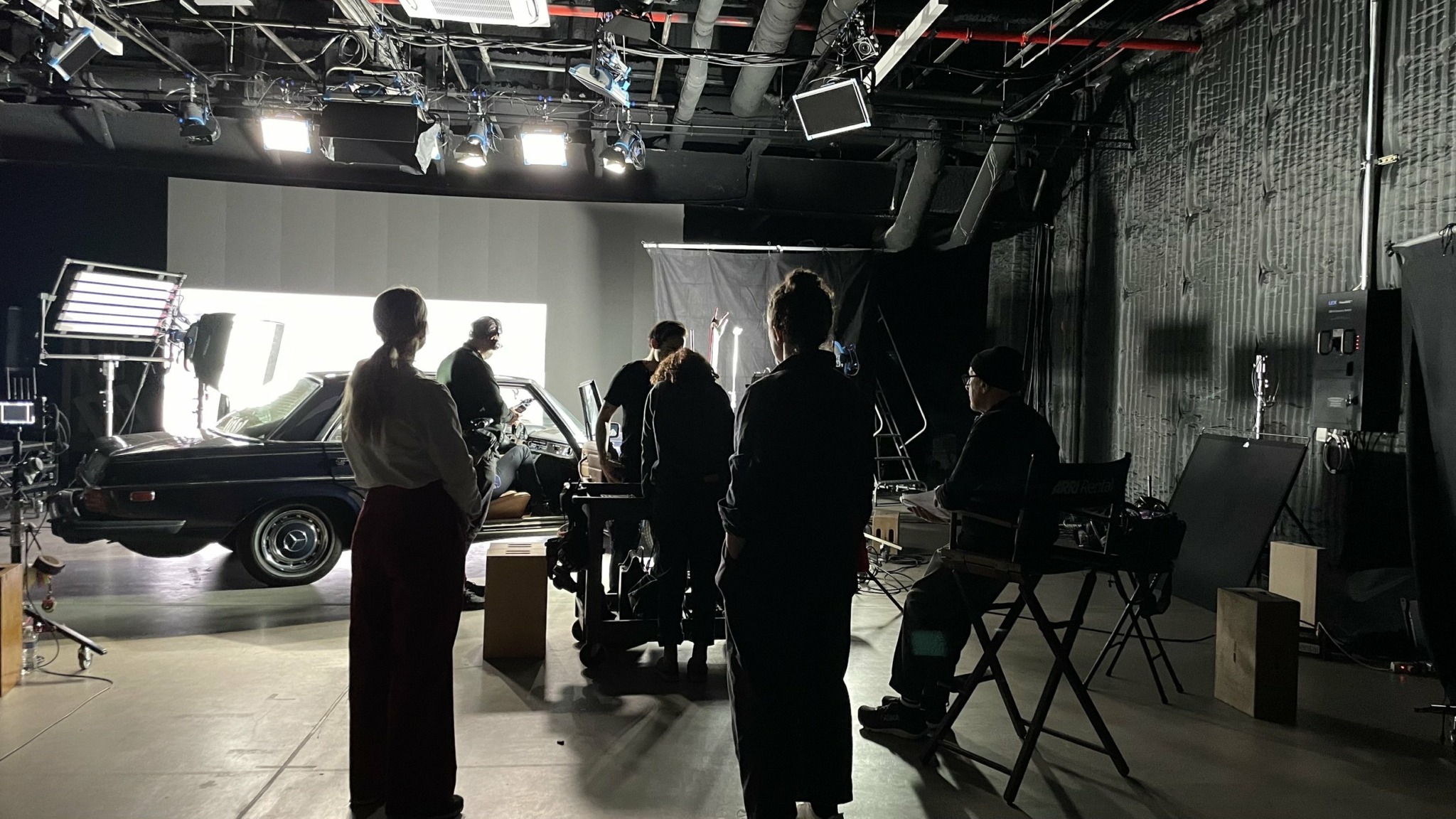
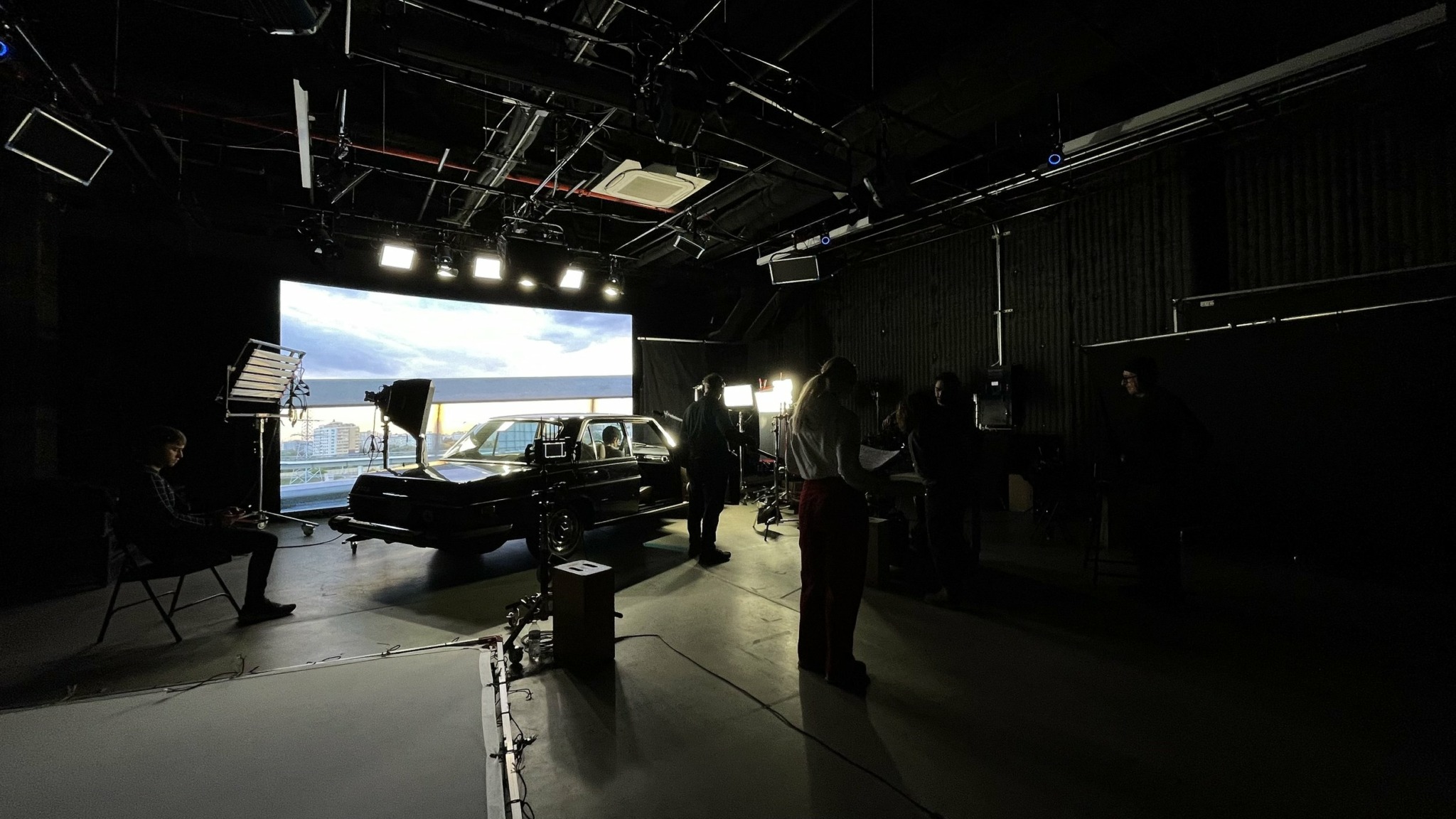
Great, appreciate you sharing that with us. Before we ask you to share more of your insights, can you take a moment to introduce yourself and how you got to where you are today to our readers.
I am a director and director of photography working in film, video, commercials and documentaries. I had a very unusual start in the industry. I didn’t have money or means of going to college after high school. I moved to NYC, I worked at a Brazilian bar on 46th street and bartending opened my first door in the film industry. One day I met a director who came to the bar looking for someone who could speak Portuguese to help translate a documentary he was editing about kids living with HIV/AIDS in Brazil, Uganda, Thailand and here in the US. I didn’t have any qualifications to work on a film, but I could speak Portuguese fluently so I offered him my help.
I was very eager to get involved, working in film was my dream. I started working on that film as a translator, but made myself useful to the director. I offered to type up his notes, to sit in on the edit sessions, to type up the closed captions. Long story short, I ended up working on that film for about 1.5 years. I watched every youtube video possible, read books on editing, read about applying to film festivals, music licensing, etc. When the film was completed, the director had made me an associate producer on the film. The film went to premiere at the United Nations and and it played in Cannes in 2008. I never quit my job t that bar though, I worked for free on the film. I basically kept the mornings open to work on the documentary and I worked Monday-Saturday from 4-midnight at the bar.
That bar did more for my professional career than school at the time. It is amazing what will happen in NYC if you stand still for long enough. You will meet some really incredible people. It also happened that the corporate offices for HBO were just up the street and I made a famous caipirinha, so lot’s of the executives in programming, development, and documentaries were my regular clients.
After working on Tiny Tears, the documentary, I figured I had enough experience to find another job in film. I applied for a lot of internships around town and I landed a great internship at another documentary production company. I was working on a documentary for Russell Simmons called Drop the Rock- that chronicled the downfall of the draconian Rockefeller Drug Laws in New York State. I remained with my schedule at the bar.
I later met the owner of a boutique production company who focused more on advertising videos and fashion films. It was a change from the documentary world. I loved working in fashion as well. It was a creative and very fast paced world. I got to be on a lot of sets, first as an intern/PA but I worked my way up to senior producer in a couple of years. I quit the bar when I became a producer.
I learned a lot from working there, how to create creative pitches, how to talk to clients, how to manage multiple creative projects for some really exciting brands like Bulgari, Harry Winston, Cartier, Vogue Magazine etc. I also deepened my skills in video editing by practicing in my free time.
At 26 I enrolled in art school and I got a degree in art history and design. Art history because of I loved learning about visual literacy, and design because I wanted to make money when I graduated.
I freelanced for a few years as a creative producer and director. I wrote, directed and edited two comedy shows for Food Network. I directed music videos and worked on different campaigns for all sorts of clients. I got really good at listening to clients needs and crafting visual narratives that responded to their marketing needs and also engaged viewers.
in 2018 I decided to go back to school for cinematography. After being on set for nearly a decade, I learned that cinematography and directing were my absolute passion on set. I attended a graduate film program at the University of London and focused primarily on cinematography. I graduated just as the pandemic hit. It was a hard time to find work as a DP (director of photography). Really hard. I didn’t have a portfolio and nothing was being shot.
I could always fall back on video editing and that’s how I was able to make money during the pandemic.
When the world started opening up again, I made a goal to build my cinematography portfolio. No one would hire me right out of school. There is a hierarchy in the film world that is pretty hard to circumvent. I had the idea to reach out to film programs in NYC that didn’t have a cinematography program. I knew that students working on their thesis programs would at least take a chance on me. I have always been very good about presenting any work that I had. Working in advertising and video taught me how to present myself well, how to pitch. By the end of 2022. I had shot 13 short films for different students around NYC. I met producers, directors and actors who were like me, starting out. These folks became my network and my collaborators. I am still working on moving up in the industry.
In 2024 I decided to give narrative directing a try, so I wrote and produced my first short film called Laundromat. A short film about friendship and community during mass deportations of immigrants. I am currently editing the film to submit to festivals next and I also growing my own business as a commercial/fashion cinematographer.
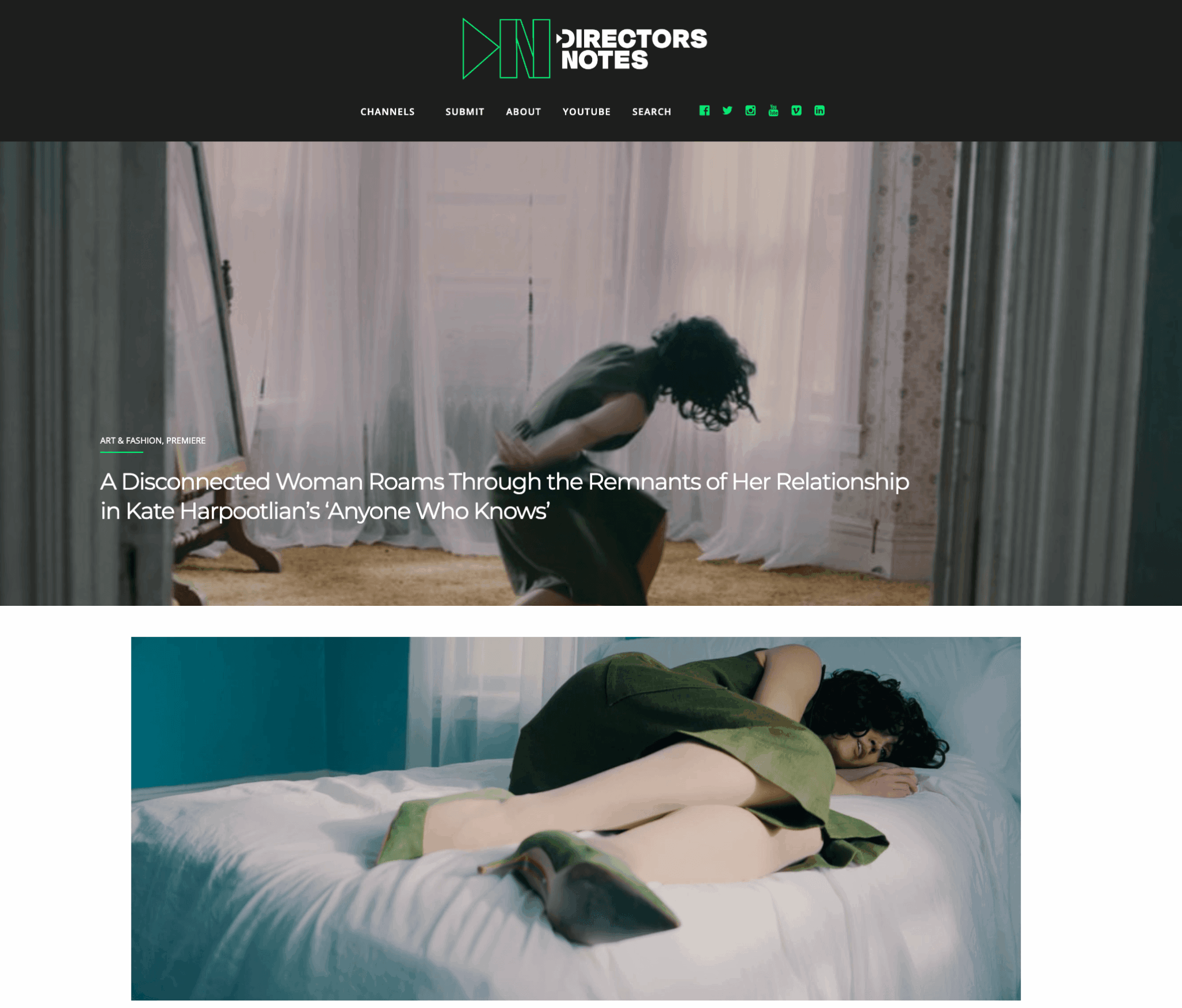
How’d you meet your business partner?
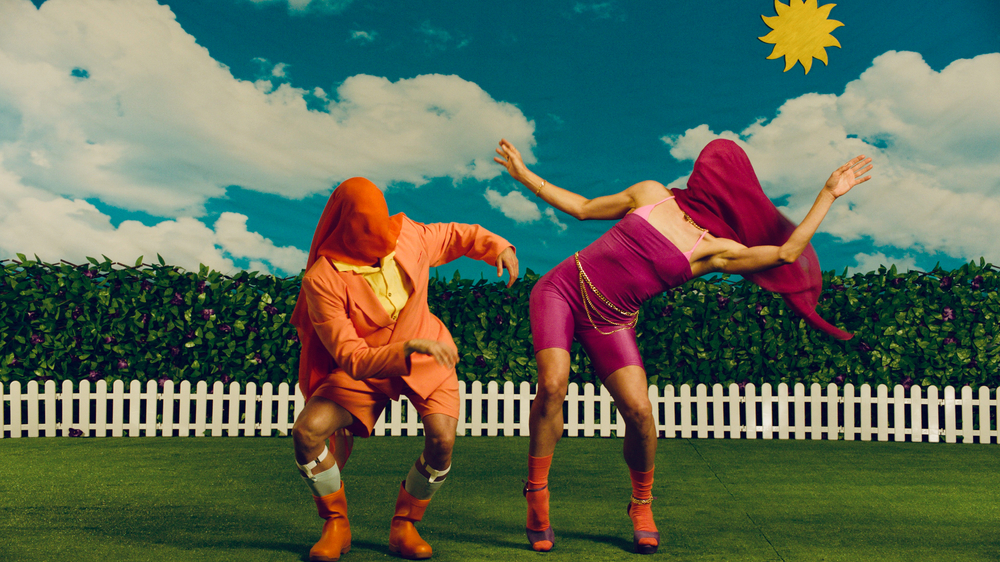
I met Kate Harpootlian, my business partner, while she was looking for a cinematographer to shoot her thesis film. We had immediate chemistry on set and it we worked so well and so seamlessly together. We both had very similar work ethics and we organically grew together as a business and as creatives. She and I tend to pick up the slack for each other in areas we’re not so strong in. We’re very complimentary and the business grew out of us becoming more well-known and needing to incorporate into a creative studio.
Do you have any insights you can share related to maintaining high team morale?
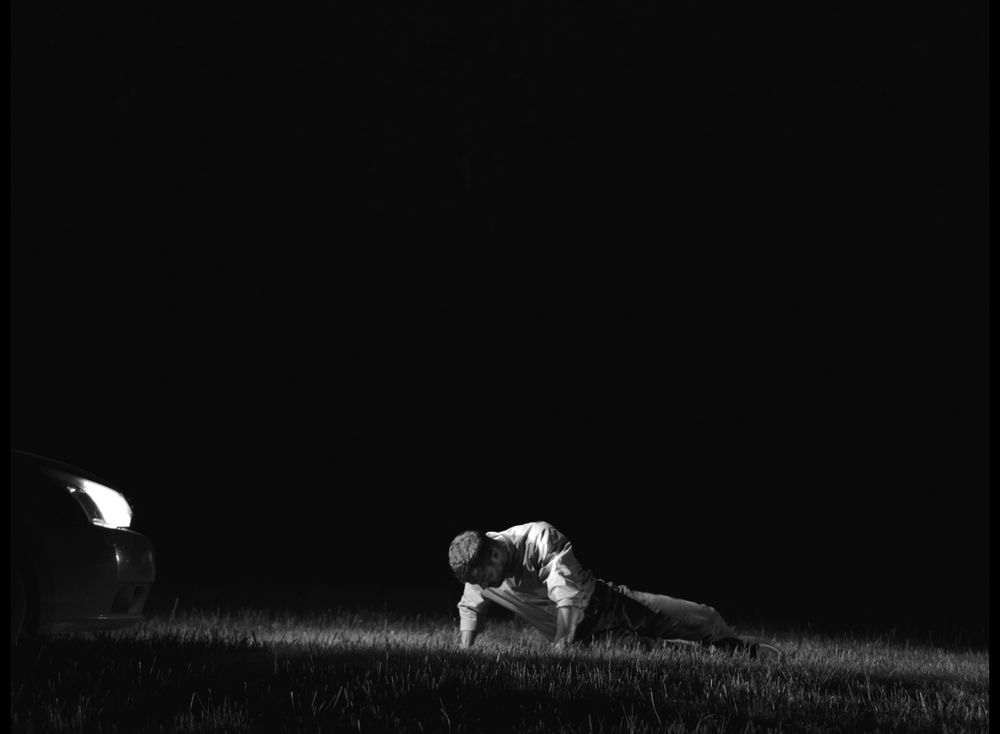
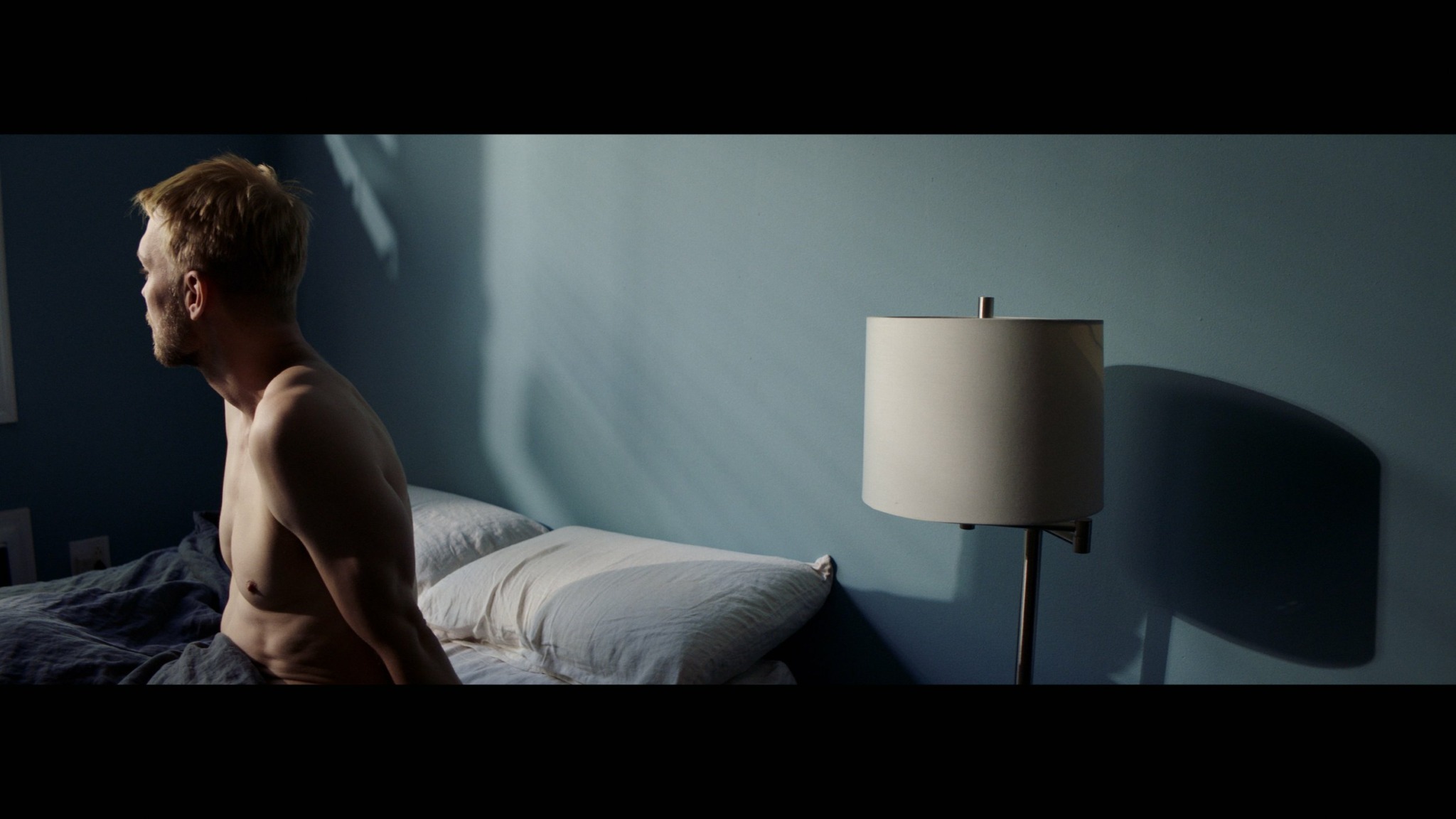
I love the dynamism on a film set. It is incredible to be around so many people that each bring their own crafts and expertise to the film. They know more than I do about their respective departments. I hire people who are excited about film and the story. People who will bring their best to creating this story. I listen to them and I trust them. I use the story as a parameter for yes or no on ideas. There are some really great ideas coming through, but does it serve the story? Is it the best thing for the film. I try to make my vision as clear as possible to the other creatives involved. A lot of the times their ideas blow me away. They are much better than what I could have come up with. Sometimes the ideas are really cool but don’t fit the story, my job as a director and cinematographer is to bring those ideas together in the making of the film. I absolutely love this part of filmmaking, the bricolage, the piecing it together from different creative sources.
Contact Info:
- Website: https://www.JonathasNazareth.com
- Instagram: @JonathasNazareth
- Other: www.TenderAttack.com – my new business website with Kate Harpootlian.
@TenderAttack on instagram.
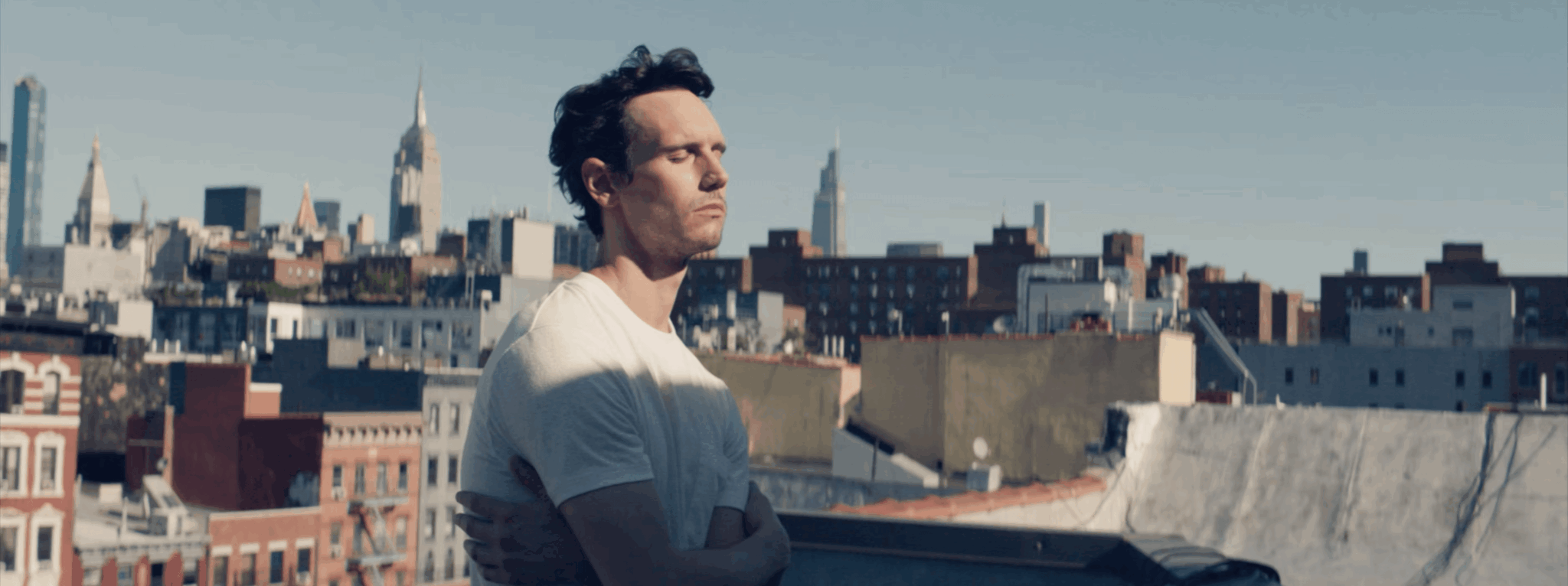
Image Credits
my portrait photography credit Nick Shadix all other images are mine.