

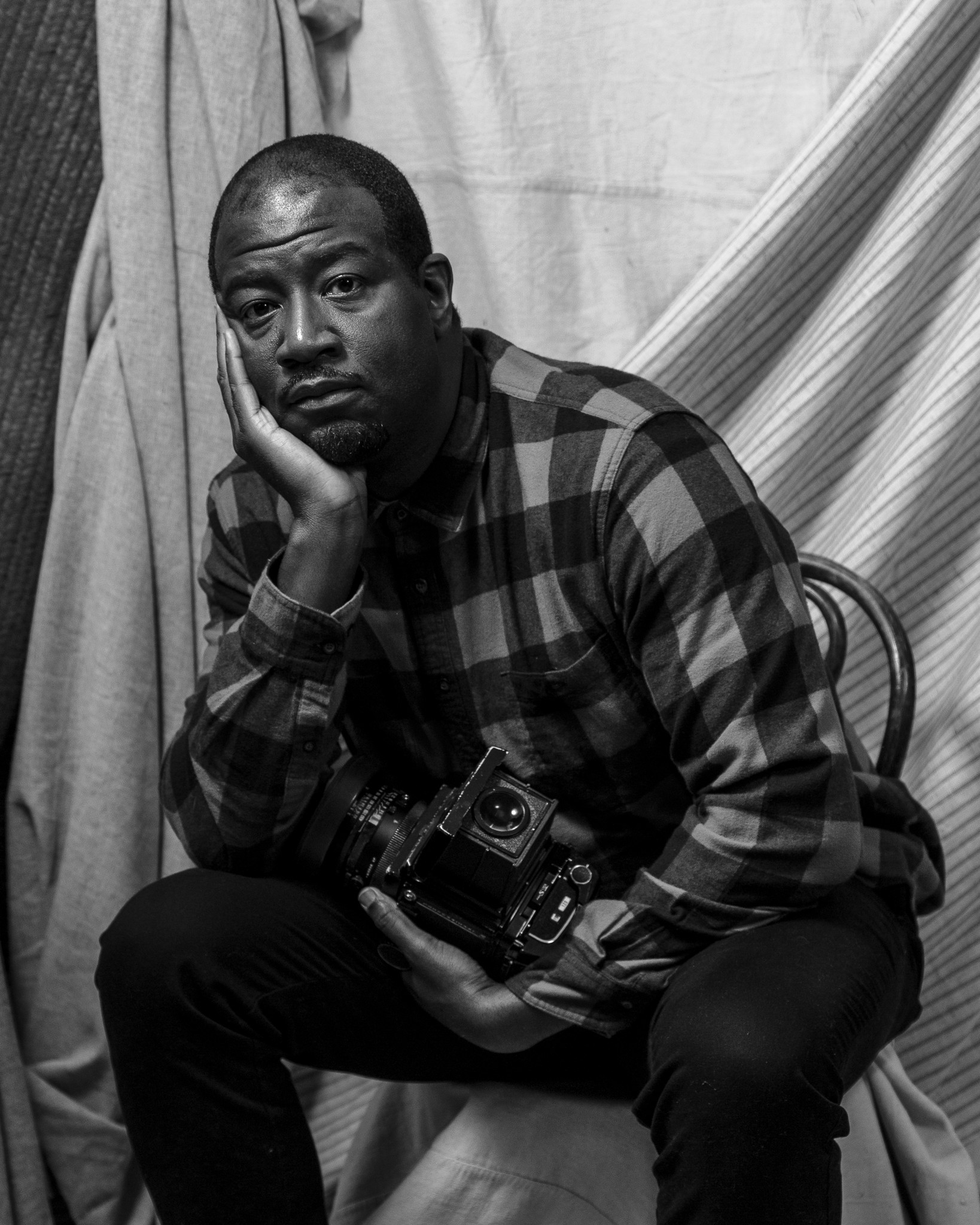

We recently connected with Jonathan Pitts-Wiley and have shared our conversation below.
Jonathan , appreciate you joining us today. Can you talk to us about how you learned to do what you do?
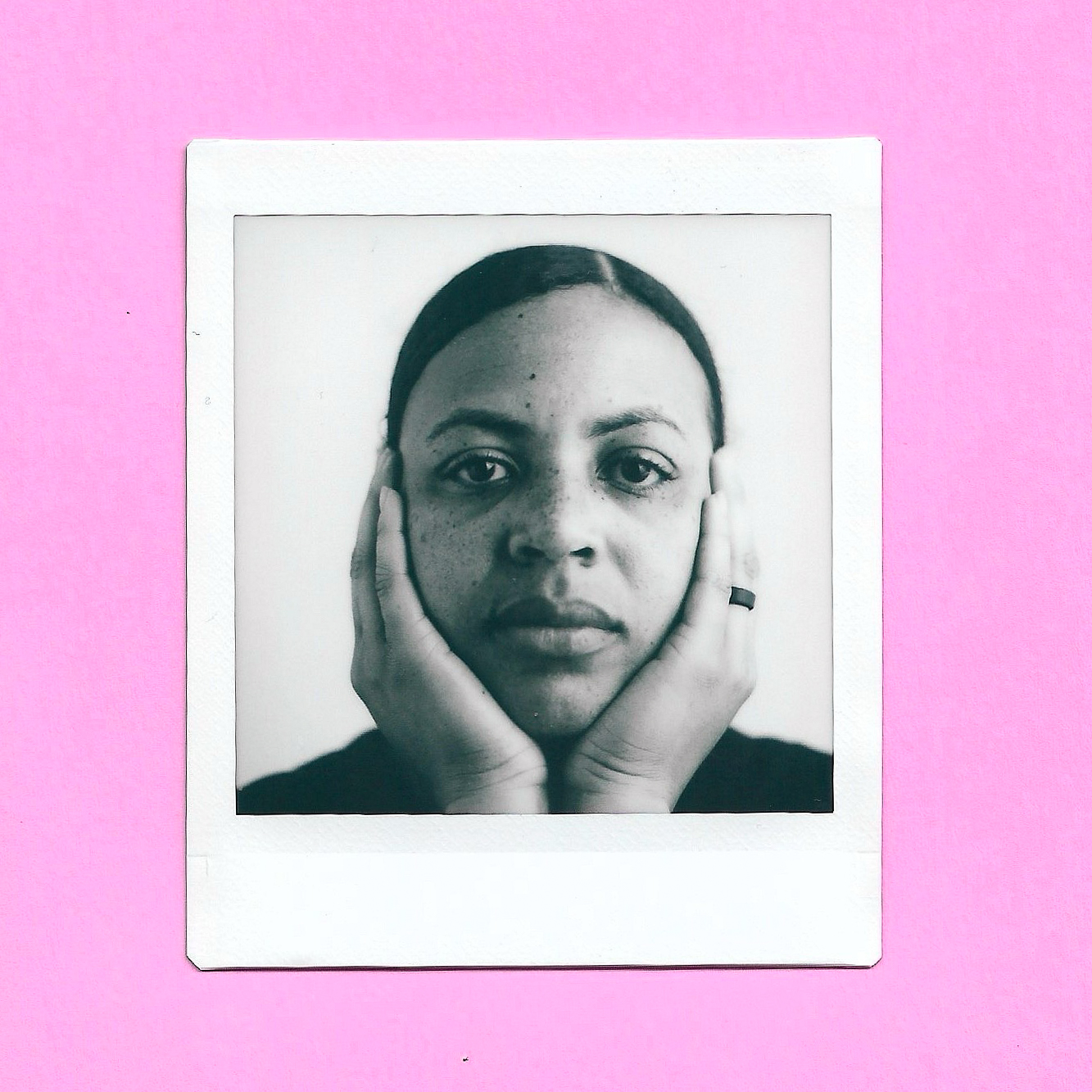
Once I made space for my interest in photography and realized I had an incredible passion for it, I committed myself to being a sponge, seeking out advice from veteran practitioners and immersing myself in consuming as much instruction as I could via YouTube. I also gave myself permission to practice and experiment and gain hands-on experience by making photographs as much as I could. As I’m most drawn to portrait work, there was no one more instrumental in that development than my patient and beautiful wife, Kim. Beyond her support, I was able to sharpen my skills by practicing with someone who is beautiful yet disinclined to get in front of the camera unless asked. Working in this way encouraged me to place value on creating the conditions for a portrait subject to be comfortable and their authentic selves.
Speaking honestly, reflecting on what I could have done to speed up my process places undue importance on speed as opposed to the process itself and inadvertently undermines the time it took for me grow as a photographer. My ongoing development took the time that it took; thinking on how I could have compressed that time tugs at the loose thread of sweater and invites an unraveling that I don’t find especially productive.
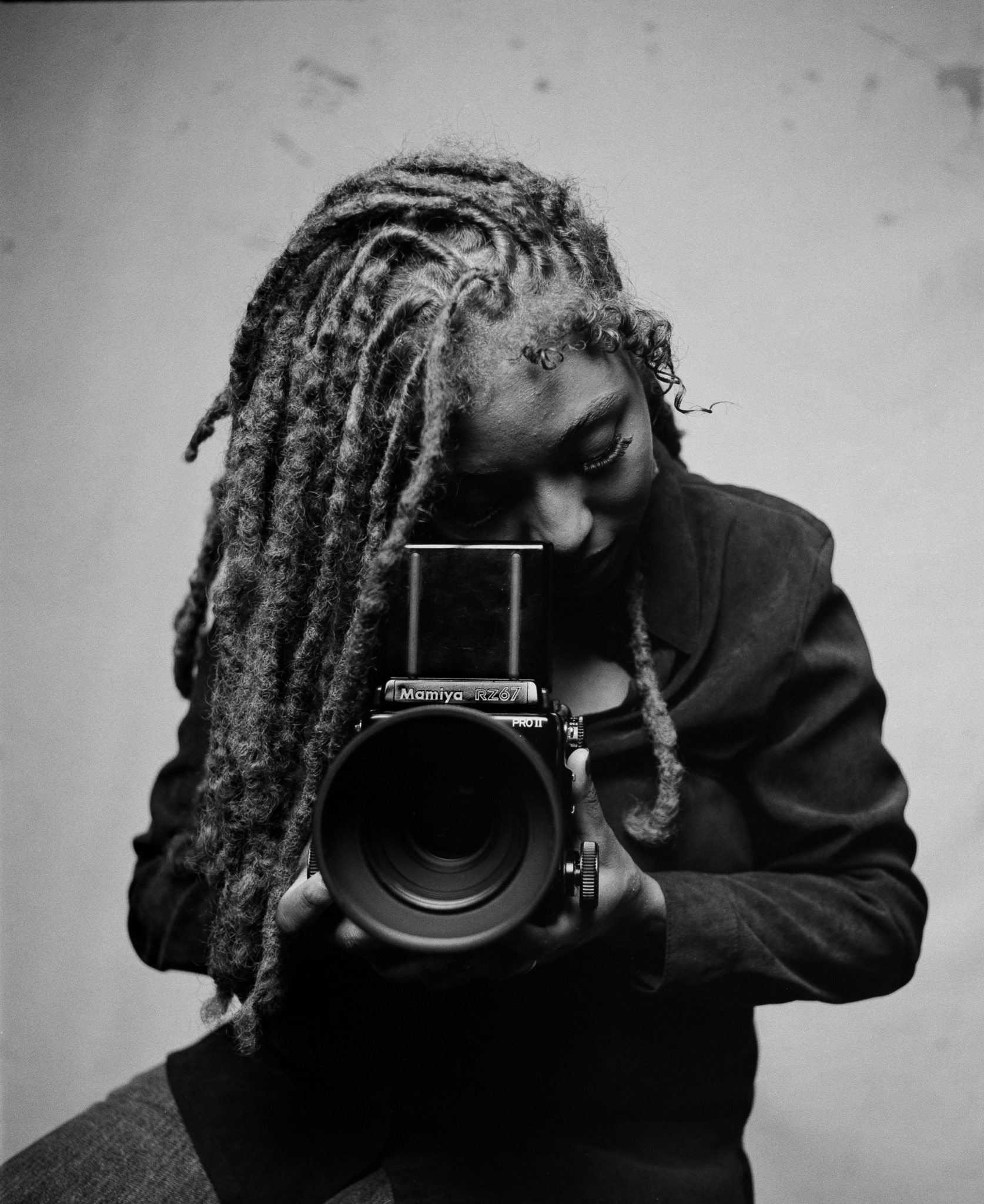
In terms of most essential skills, it comes down to understanding how light and making an exposure work. I tell less-experienced photographers all the time: Light is the most important element to a photograph and it’s important to have a healthy obsession with how it behaves. Take that obsession and get familiar with the Exposure Triangle and really get familiar with how cameras operate. I’m not about to be anyone’s camera technician, but being familiar with how these tools operate is vital. So much of photography comes down to problem solving, to figuring out how to control light and bring an image to life. Given the problem-solving nature of photography, being studious and observant is critical. Be familiar with compositional rules and aspect ratios and color theory; know the typical use cases for the lenses and/or camera systems that are available to you. Whether you adhere to the rules or break them with intention, being technically proficient and having a frame of reference by which you can adhere to rules or break them is important.
Beyond the not especially realistic scenario of being able to utterly devote myself to photography at the expense of everything else in my life, I wouldn’t say that any obstacles stood in the way of me learning more. Indeed, once I committed myself to my passion, I found the ground came up to meet my feet more often than not thanks to some incredibly generous mentors, patient portrait subjects like my wife, and my own desire to make great work. If anything, I sometimes wish I had begun this journey earlier, but even in those wistful moments, I recognize that the person I was a decade ago may not have had the appreciation or focus to lean in to this in the way that I have.
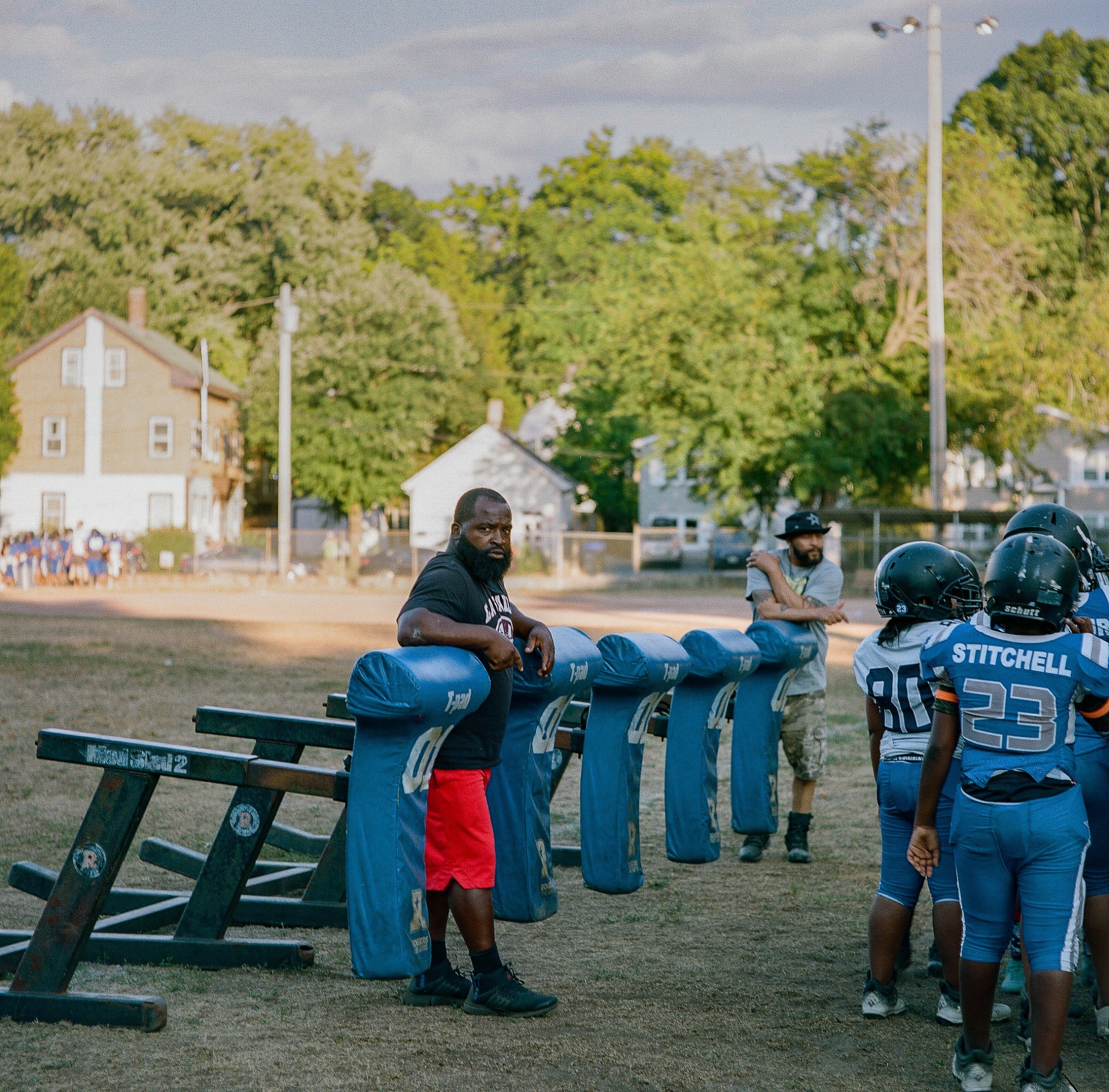
Great, appreciate you sharing that with us. Before we ask you to share more of your insights, can you take a moment to introduce yourself and how you got to where you are today to our readers.
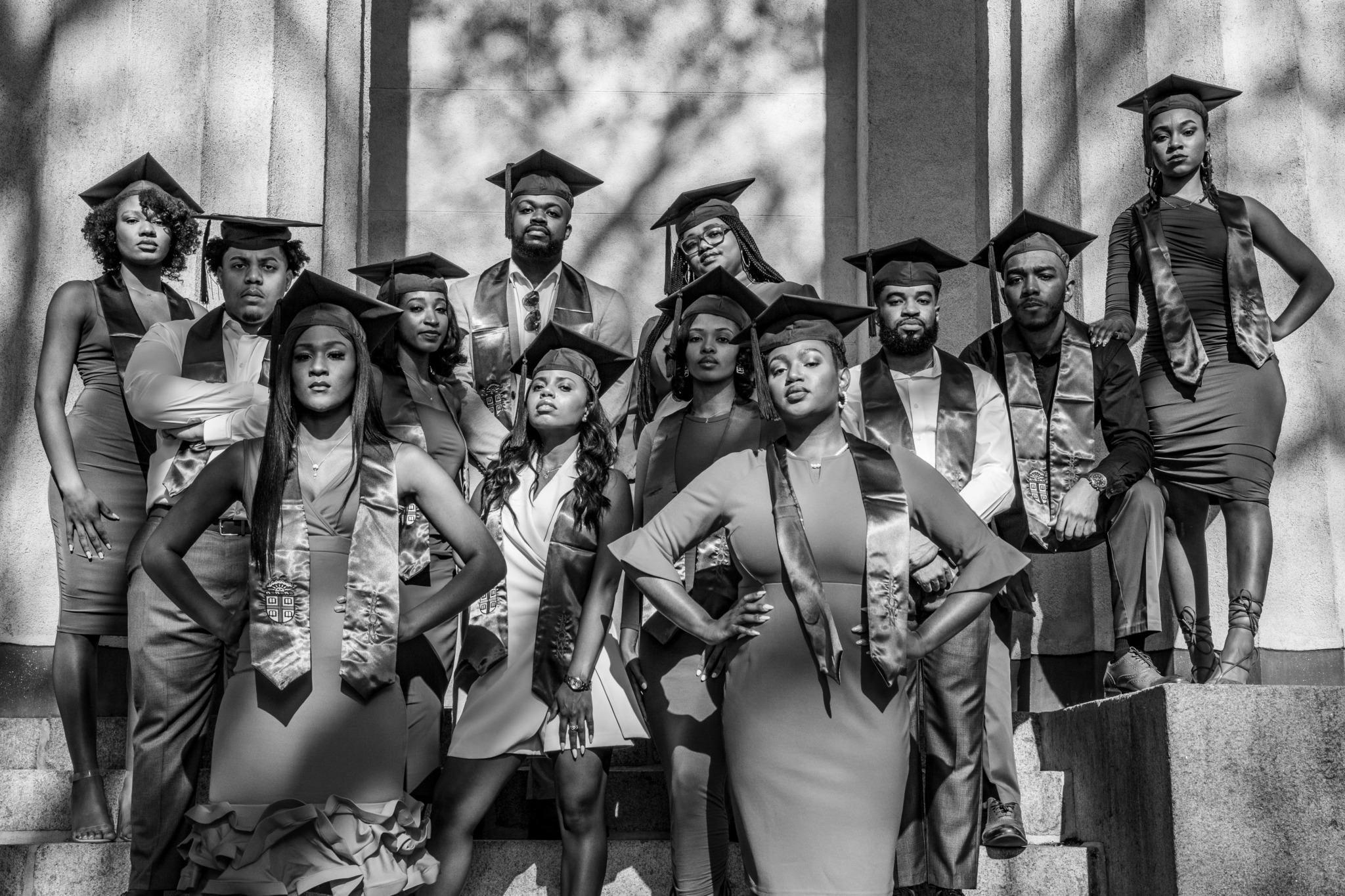
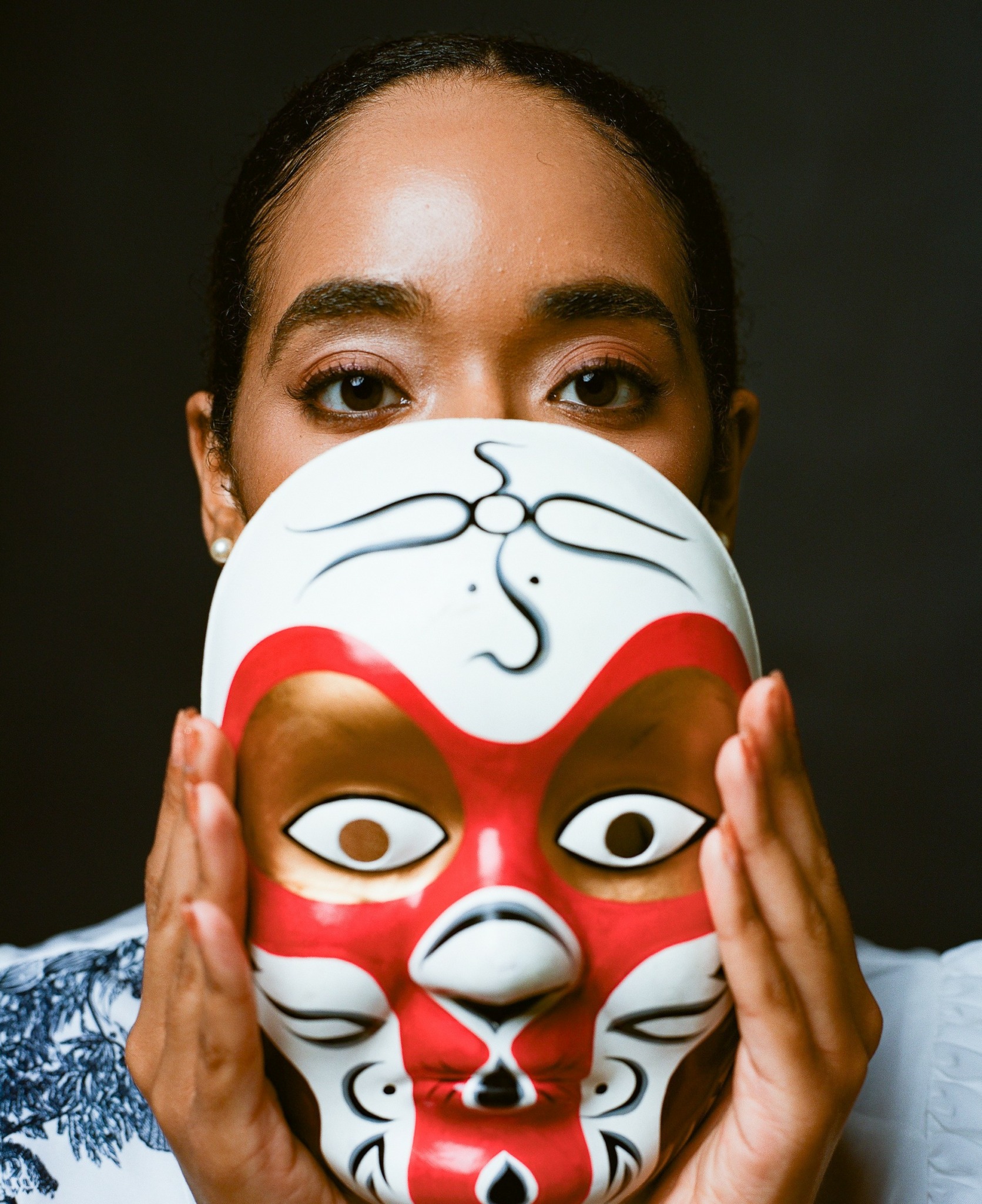
I was always interested in photography, but never really pursued it until the fall of 2018, when my family’s theater company was in need of press and production photos. What began as an economically practical endeavor for the theater quickly transformed into a captivating passion that stretched far beyond the theater. Making portraits allowed me to express and reflect in new ways. Starting out, I challenged myself to engage with and build skills within any photographic genre that interested me–portraits, event photography, performance/production photography, street photography, nature…if I found it interesting, I wanted to learn how to do it effectively. As the years went on and as I built my skill set, I allowed myself to narrow my focus in the areas where my interests and strengths as a photographer aligned. Nowadays, I identify as a film-first hybrid photographer who focuses on portrait and documentary photography. I see photography as both an art and a craft simultaneously and, given my druthers, align with the notion that I am a photographic artist that is deeply indebted to techniques and practices of photographers who consider themselves craftspeople as opposed to artists.
I gain the most pride from that which I consider to be my greatest skill: creating the conditions for portrait subjects to be themselves. Portraits are a collaborative process and I will always take a great deal of satisfaction from people saying that they felt seen during a session, that they truly enjoyed the process of making portraits with me. This is especially true in situations where the subject in question is someone who is camera shy or convinced that they simply don’t photograph well. As far as I’m concerned, my job is to dispel that notion and there’s no amount of technical proficiency that can replace the ability to create genuine human connection in the service of making authentic work.
Photography is my love language; it’s how I express gratitude for the life I live and the lives I witness. For a variety of reasons, it would be easy to behold the world and only see a landscape of grief and never-ending horrors. Portraiture and documentary photography are how I resist despair. They are acts of reverence, ways of remembering that there is immeasurable beauty, resilience, and truth to be found in this world. I make portraits to contribute to our shared narrative and hold space for the moments that declare: we are here. I am drawn to documentary photography for the same reason I love portraiture. I find it immensely gratifying to illuminate the lived experiences of people in motion, in communion, in celebration, and in struggle. There is a profound kind of storytelling in unguarded moments — one that affirms both our individuality and our collective humanity. Growing up in the theater, I learned that every story is an inquiry into the human condition. We engage with art in order to connect; to better understand ourselves and each other. My photographic work, whether portrait or documentary, seeks to honor that by placing value on our interior lives and shared histories.
On the most fundamental level, I’m inspired and motivated by joy and wonder and a desire to be in the edifying presence of beauty. I endeavor to honor that beauty by faithfully sharing it with whomever might care to share space with it.
How can we best help foster a strong, supportive environment for artists and creatives?
Treat the arts as being essential to the survival of the overall ecosystem and make it possible to make a living as an artist. Whether through music, visual art, literature, or performance, we all engage in the consumption of art, yet artists are in the unenviable position of being treated as talented enthusiasts who don’t need money to survive and operate as opposed to skilled practitioners being duly compensated for providing a necessary societal good. I often like to say that a great many mechanics are passionate about vehicle repair, but you’d get laughed out of their shop if you suggested they should subsidize the cost of your muffler repair with their passion. I have yet to pay any of my bills with Passion Bucks.
We’d love to hear your thoughts on NFTs. (Note: this is for education/entertainment purposes only, readers should not construe this as advice)
If I had money I wanted to launder or keep out of the hands of the government by way of art acquisition, I like to think I’d do it in a less goofy way, but to each their own.
Contact Info:
- Website: https://www.jpittswiley.com
- Instagram: @jpittswiley
- Facebook: https://facebook.com/jpittswiley
- Linkedin: https://linkedin.com/in/jonathanpittswiley
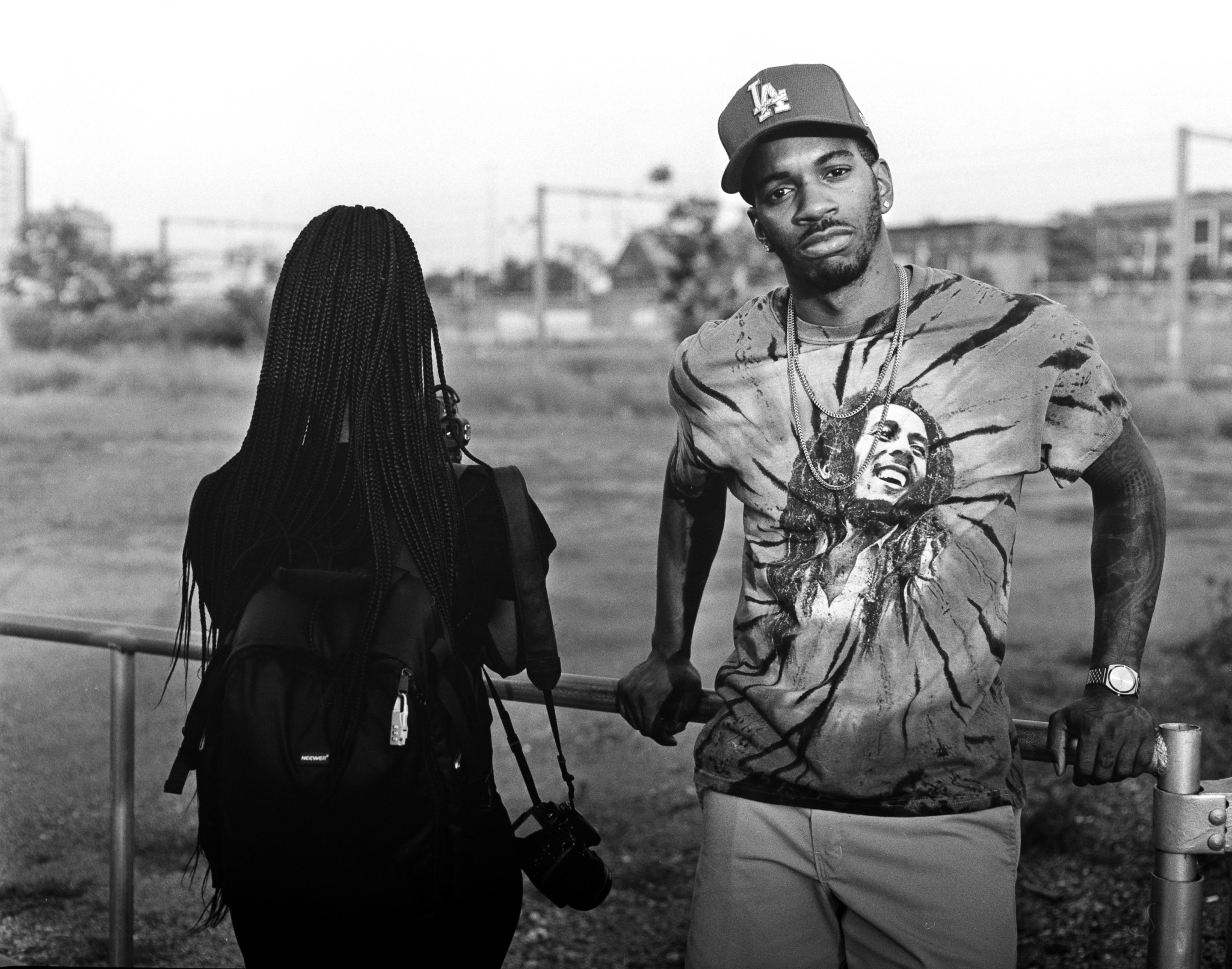
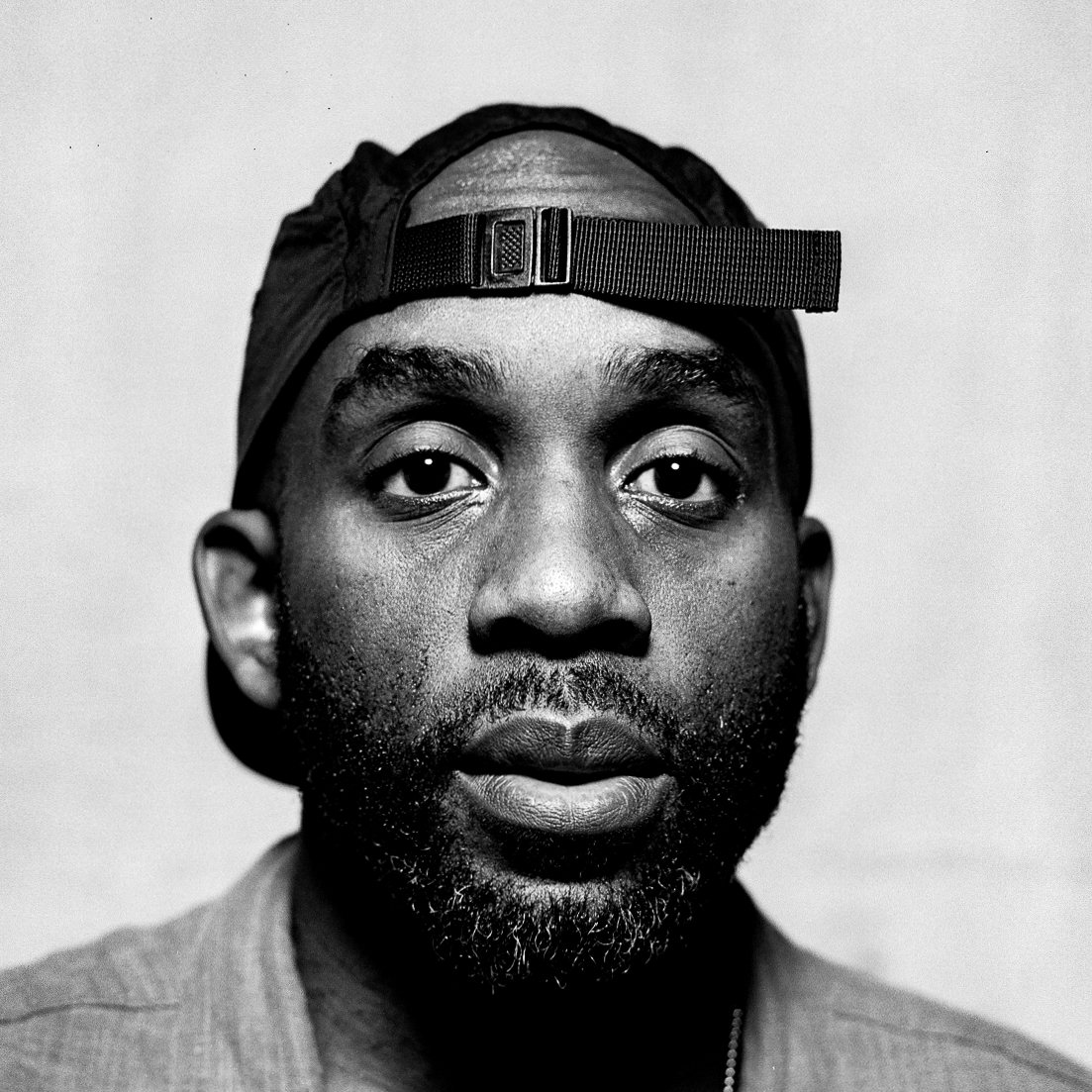
Image Credits
All images were created by Jonathan Pitts-Wiley