



We’re excited to introduce you to the always interesting and insightful Jonathan Gans. We hope you’ll enjoy our conversation with Jonathan below.
Jonathan, looking forward to hearing all of your stories today. Can you talk to us about serving the underserved.
Over the last several years, we have experienced a fundamental shift in society: more and more people want to become creators and escape the traditional 9-5 path. In fact, according to a study by Adobe, nearly 1/4th of the global population is contributing to the creator economy.
My little sister is one of the people: she has been a creator since she was 9 and wants to be a creator full-time. As we grew up, I watched her dedicate years of her life to creating content but struggle to monetize her passion. And she is not alone: the creator economy is broken, as the vast majority of creators still struggle to earn consistent living wages. In the last 12 months, for instance, 72% of creators earned less than $500.
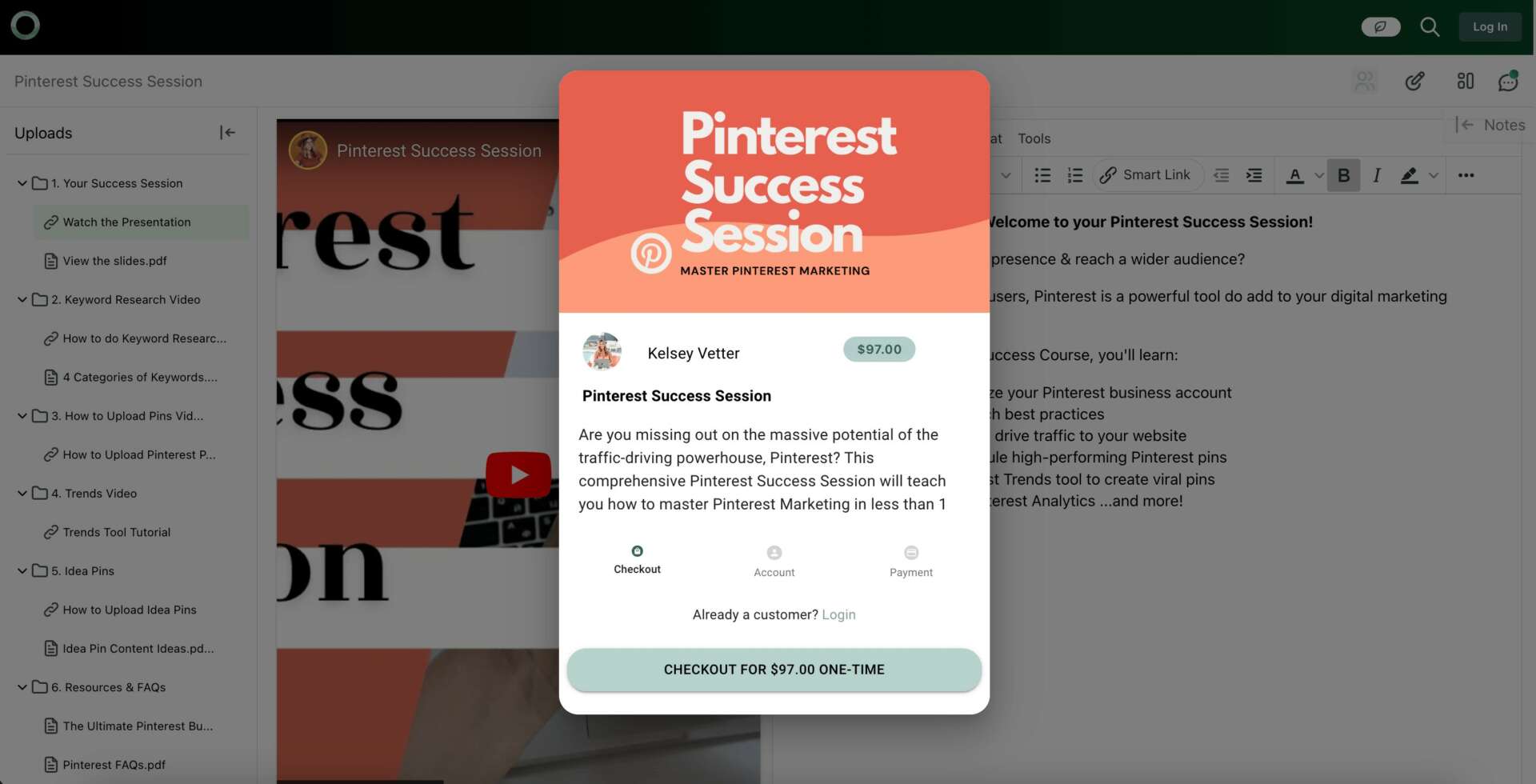
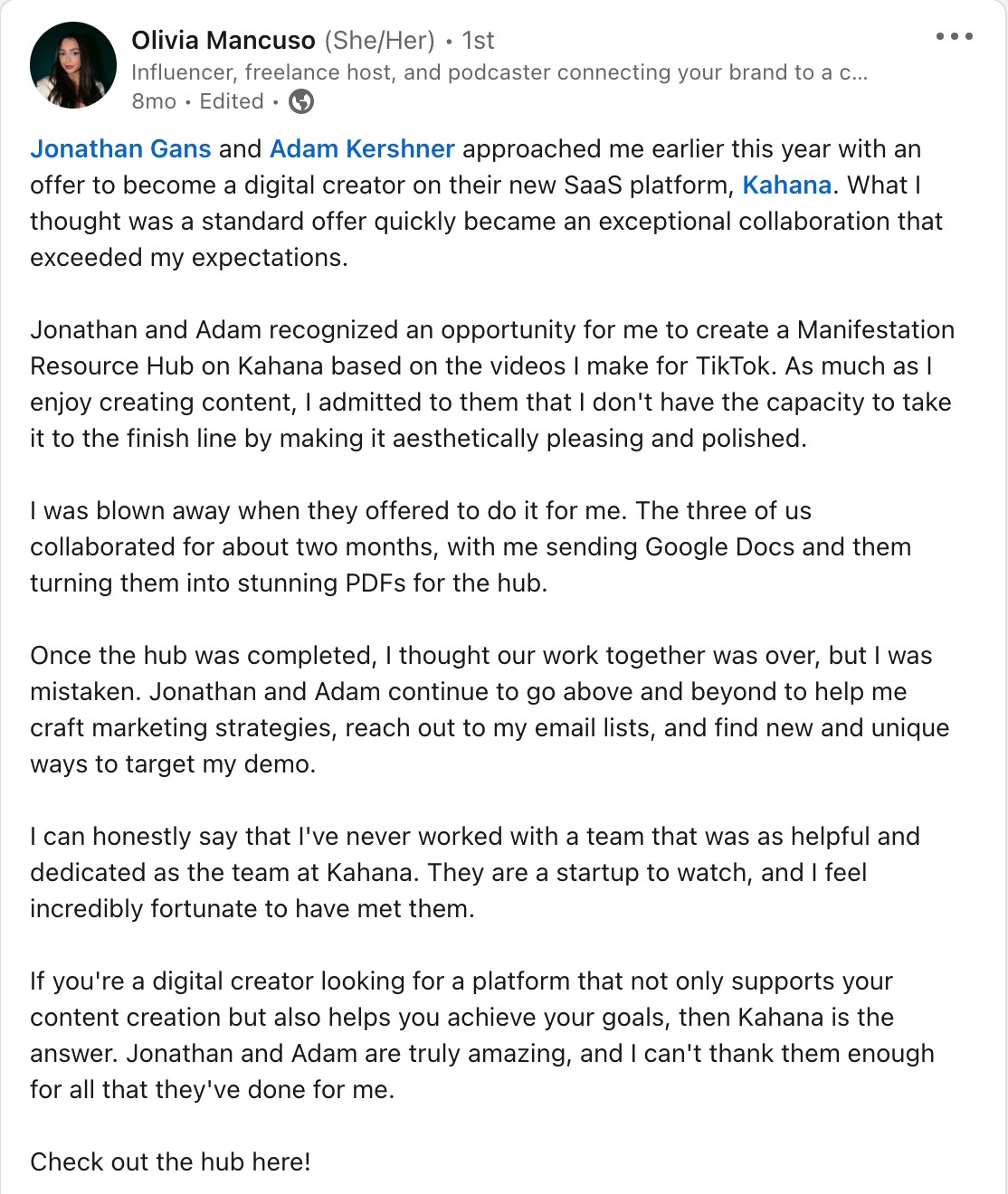
With the number of people worldwide pursuing careers as creators, we need to build a world where people can create a sustainable living as creators, which is what Kahana is working toward. Kahana provides the necessary software infrastructure for creators to build recurring revenue streams, protect their IP, collaborate at scale, and ultimately gain the financial independence they need to continue living their dreams.

Jonathan, before we move on to more of these sorts of questions, can you take some time to bring our readers up to speed on you and what you do?
My journey began in the spring of 2014 when I met Adam, my freshman year roommate at Duke. We both studied biomedical engineering, studied abroad together in France, and ultimately went on to management consulting jobs after we graduated. We felt “The Great Resignation” first-hand – the fundamental shift in society of people feeling disillusioned in their corporate jobs and more and more people becoming creators and starting side hustles.
As Adam and I were both working in management consulting, in the spring of 2019, we committed to setting aside time every morning before work to experiment with building passive income streams and identifying pain points to solve so that we could “escape the rat race” (we had a Zoom call every day at 6 AM). This is ultimately what led us to create Kahana, a platform with a simple mission: empower creators.
After conducting initial market research, mapping out our product roadmap, and creating initial wireframes, we began our search for a technical co-founder, which led to us meeting Eugene in February 2020. He was drawn to the concept and its potential, and we got to work on building a prototype.
After releasing the prototype and continuing to iterate, as we onboarded different types of users and conducted hundreds more interviews, our users began asking us to create features that would allow them to monetize the hubs of resources they were creating in the platform. Based on this insight and further market research, where we discovered major obstacles that existed for creators trying to create passive income streams that Kahana could solve, we pivoted toward focusing on helping creators monetize.
As I mentioned before, it is extremely difficult to build a sustainable business as a creator: 72% of creators make less than $500 a year, and 94% make less than $10K. A big reason why creators struggle to monetize is that they’re often heavily reliant on brand deals, which only really become available at a certain audience size and are inconsistent month-to-month depending on brand availability and demand, to generate revenue, rather than predictable passive income & recurring revenue streams that they own (e.g., digital products, memberships, etc.).
However, there are two key problems when it comes to building these passive income and recurring revenue streams, both of which we are actively addressing at Kahana. The first is inefficiency: building these income streams is extremely time-consuming and exhausting (a course, for example, can take anywhere from 25-500 hours to create), which takes creators away from time spent engaging with their audiences (especially since many creators also have full-time jobs).
The second is piracy: the standard way to sell a digital product, such as an e-book, or share resources within a membership, is to allow customers to download content. The problem with that, of course, is that once someone downloads a file, there’s nothing stopping them from reselling and/or distributing that, which both takes revenue away from creators and sadly takes away their motivation and incentive to continue creating.
We’re incredibly excited about solving these challenges so that more creators worldwide can build sustainable businesses doing what they love.
Can you tell us the story behind how you met your business partner?
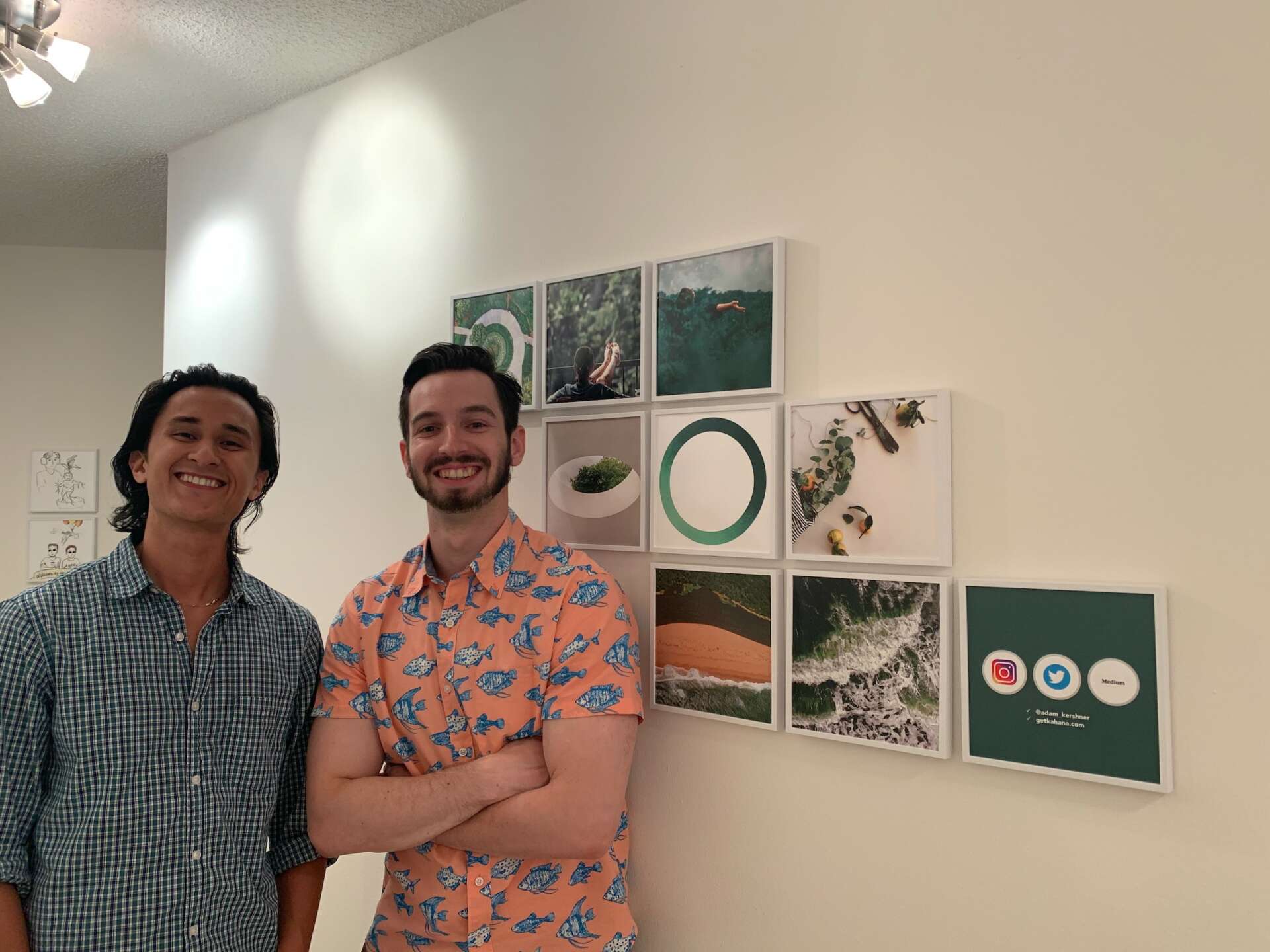
Funny enough, I actually met both of my co-founders online. I met Adam in the spring of 2014 through a Facebook group for incoming Duke freshmen who were looking for roommates. I saw his post, reached out, and we became fast friends. I ended up visiting him in New Jersey that summer, where we met up with other incoming freshmen, some of whom we’re still great friends with to this day.
Fast forward almost six years to when Adam and I began our search for a technical co-founder for Kahana. I had joined cofounderslab.com (aka the Hinge of finding a co-founder), came across Eugene’s profile, and it seemed like he was a perfect fit to join us. Sure enough, after a great first conversation, I introduced him to Adam, and we all clicked from the get-go. From there, we started getting to work on our first prototype, and the rest, as they say, is history!

We’d love to hear the story of how you built up your social media audience?
In the early days of Kahana, I was able to build an audience of over 7,000 followers on Twitter over the course of a few months. I got started by interacting with folks in the writing community on Twitter. I’d search for active threads, engage, show love and support, and slowly started connecting with people to build a foundational following.
Once I started to feel comfortable, I began creating tweets myself. I tried some different things to see what stuck, and ultimately, I caught fire by asking fun questions – people loved it! After one question about cats or dogs blew up, I started asking similar questions every day, and my following took off from there. Building this following allowed me to connect with some of our first users and receive crucial feedback that helped guide our platform to what it has become today.
To anyone who is just starting to build a social media presence, I have two main pieces of advice. The first is to create a pretty strict system for both creating and scheduling your content to post in advance, as well as for times when you’ll engage on other people’s posts. The most important part about growing on any platform is to stay consistent, and if you always have a backlog of posts, then you’ll be able to post on a regular basis, even if on a given day you aren’t feeling creative or don’t feel like you have it in you to make a post. If you feel the pressure to create a post the day of and aren’t good about planning ahead, you can become susceptible to burning out pretty quickly.
The second is to spend some time reflecting and choosing a niche that you’re truly passionate about. The more passionate you are about a topic, the more motivation you will have to stick with creation when things get tough or aren’t going your way, and having a niche makes it easier to stay focused and have topics to post about. Instead of constantly wondering what topic you should post about and posting aimlessly, having a niche will make it easier to build a community and grow.
Contact Info:
- Website: https://kahana.co/
- Linkedin: https://www.linkedin.com/in/jonathan-gans1/
- Twitter: https://twitter.com/Jonathan_Gans1
- Youtube: https://www.youtube.com/@kahanaHQ