

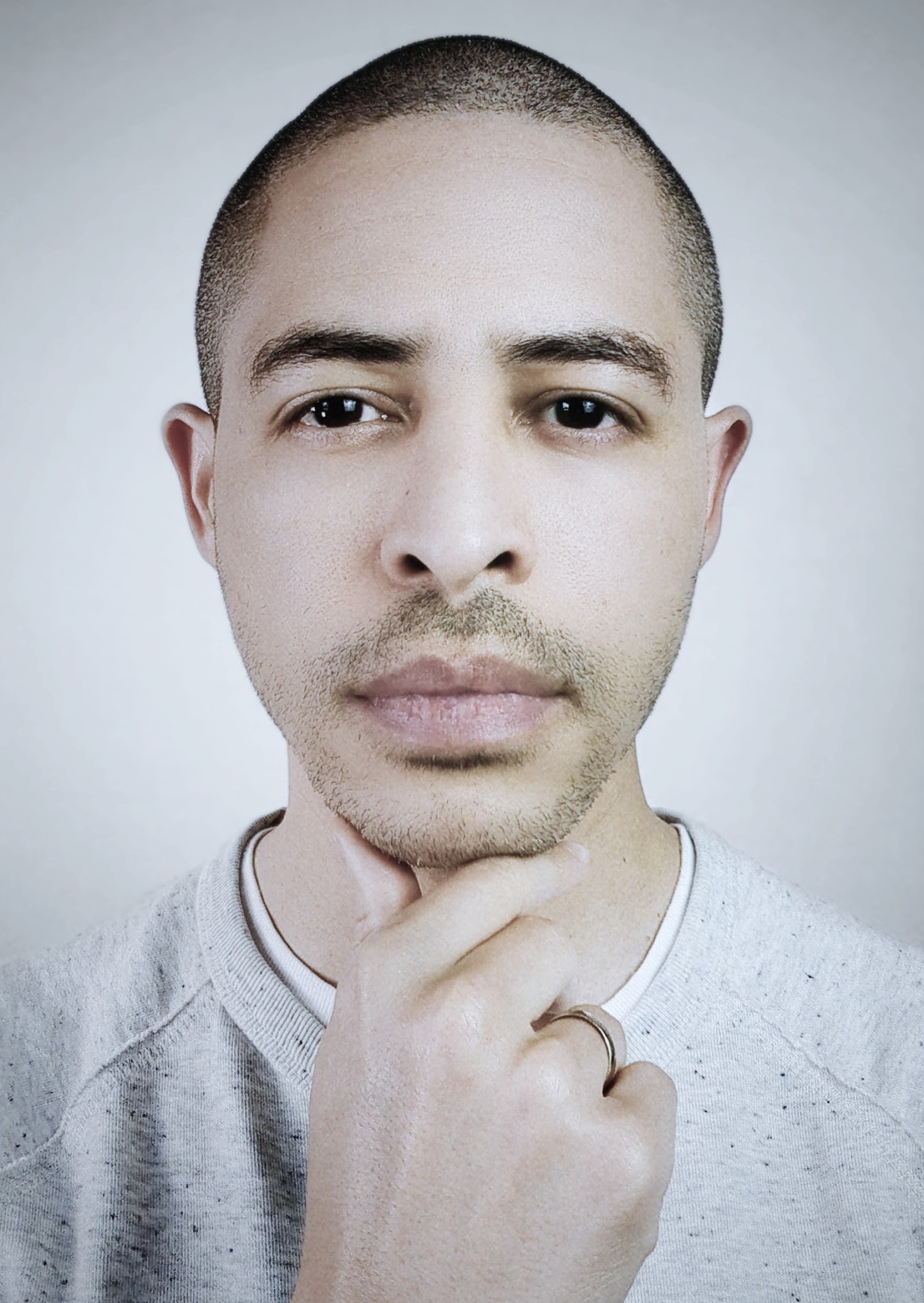

We were lucky to catch up with Jonathan D. Bowie recently and have shared our conversation below.
Hi Jonathan, thanks for joining us today. Learning the craft is often a unique journey from every creative – we’d love to hear about your journey and if knowing what you know now, you would have done anything differently to speed up the learning process.
How did you learn to do what you do?
When it comes to film composition, I am entirely self-taught. I’ve attended online classes and seminars to enhance my skills further. I’ve read countless books on relative subjects such as advanced music theory, harmony, and modulation. To that, I will never stop learning, which excites me. Sometimes, I find myself more interested in how music works than actually making it.
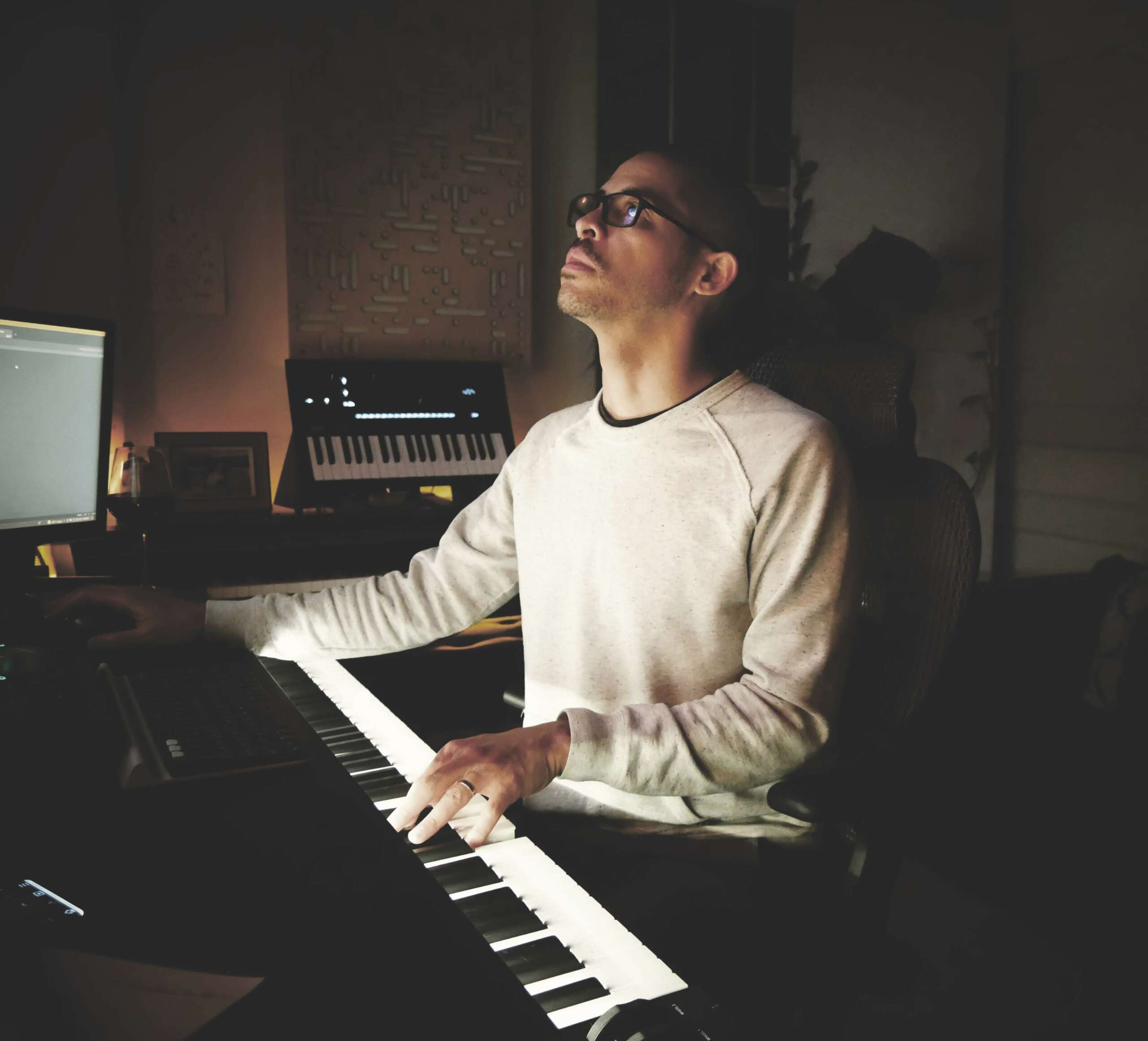
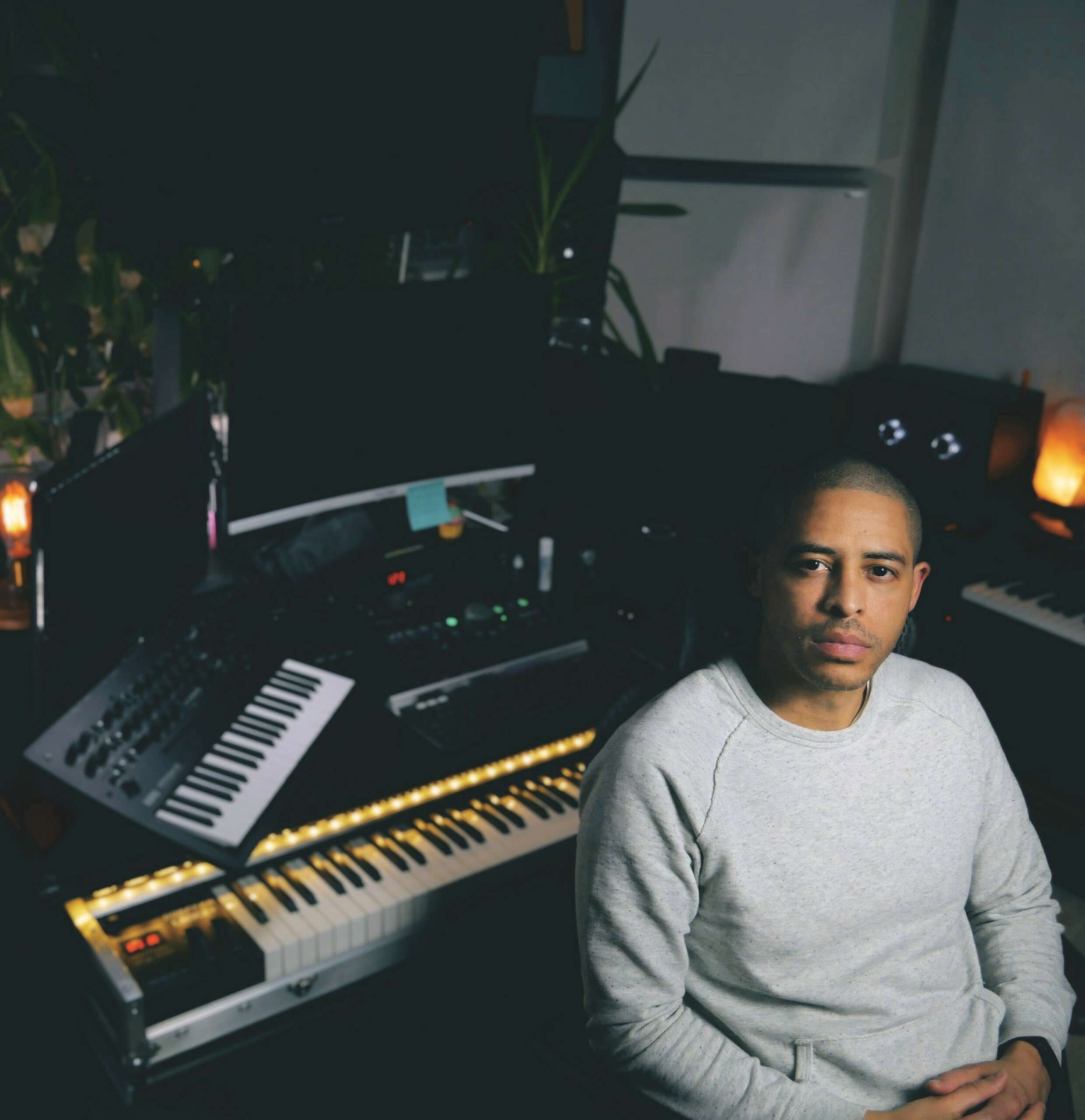
But knowing how to make music is just a small piece of being a film composer. Part is knowing and keeping your musical skills ready at all times, and the most significant part is understanding the technology and hardware side of the job. This weighs more than having musical skills. I had to learn everything about my software, the programs I use, and all the technology that comes with making music for film. I’ve had to learn how to build computers and know the basics of that world. I’ve even invested in remodeling my house’s tiniest room and transforming it into a decent-quality home studio.
Nothing thoroughly prepared me for the real thing other than actually doing it. I started seeking out free movies on the Internet for practice. I entered film scoring competitions and wrote music for podcasts and YouTube videos—I just started writing music for pictures. I learned how to time music to pictures by writing music to pictures. I networked with student directors and eventually was lucky enough to compose music for actual films.
I had to learn more about film than music itself. I’ve taken introductory courses in film and read books to learn filmmaking’s language and science, only so I can relate to the filmmaker during conversations. The scope I see through when conversing with directors or producers is where the real test begins. I always say, “Of course! I can evoke that emotion, thought, or color through music. Not a problem!” I then try, and after the fifth attempt, you pray that they like it. But what I learned from these experiences is priceless. In such a way that I never thought I honestly would. As a musician, this is where I get a deep understanding of their film – the conversations.
Knowing what you know now, what could you have done to speed up your learning process?
I am a person who likes to know the ends and outs of everything before I make a decision. This is good in some areas of my life, of course. Creatively, however, it’s a hindrance. I’ll never know “everything” about music or film, for that matter, so I might as well – do it. Use what I already know and learn more on the way. Ironically, I think everyone does it this way. Retrospectively, this has slowed down my progress. Over the years, this impedance has dwindled. I tell myself, “Stop thinking so much, just do it!”
What skills do you think were most essential?
Luckily, playing and composing musical ideas have come naturally to me. Learning to apply those skills to film is quite different, of course. Watching films has helped me profoundly. It’s not just “watching” movies. It’s watching films from various genres, cultures, dialects, and countries. It’s the skill of interpreting the story being foretold in the film. Understanding the character(‘s) wants, needs, and motives. Ever since I was a little boy, I began understanding music’s effectiveness in a scene. Either subtle or unsubtle, I have understood what grandeur music has carried for a scene since my childhood. I can take this understanding and apply it musically more effectively to assist with telling the story.
What obstacles stood in the way of learning more?
Confidence. The confidence it takes to ask for help. It has taken me such a long time to put myself out there and ask for constructive feedback from my peers. Seeking assistance when it comes to film scoring is essential in my industry. It isn’t easy doing it by ourselves. Had I done this five years ago, who knows where I’d be? Having a few people with different strengths than me who are willing to help could have sped up my progress. Essentially, it was I who stood in the way of that.

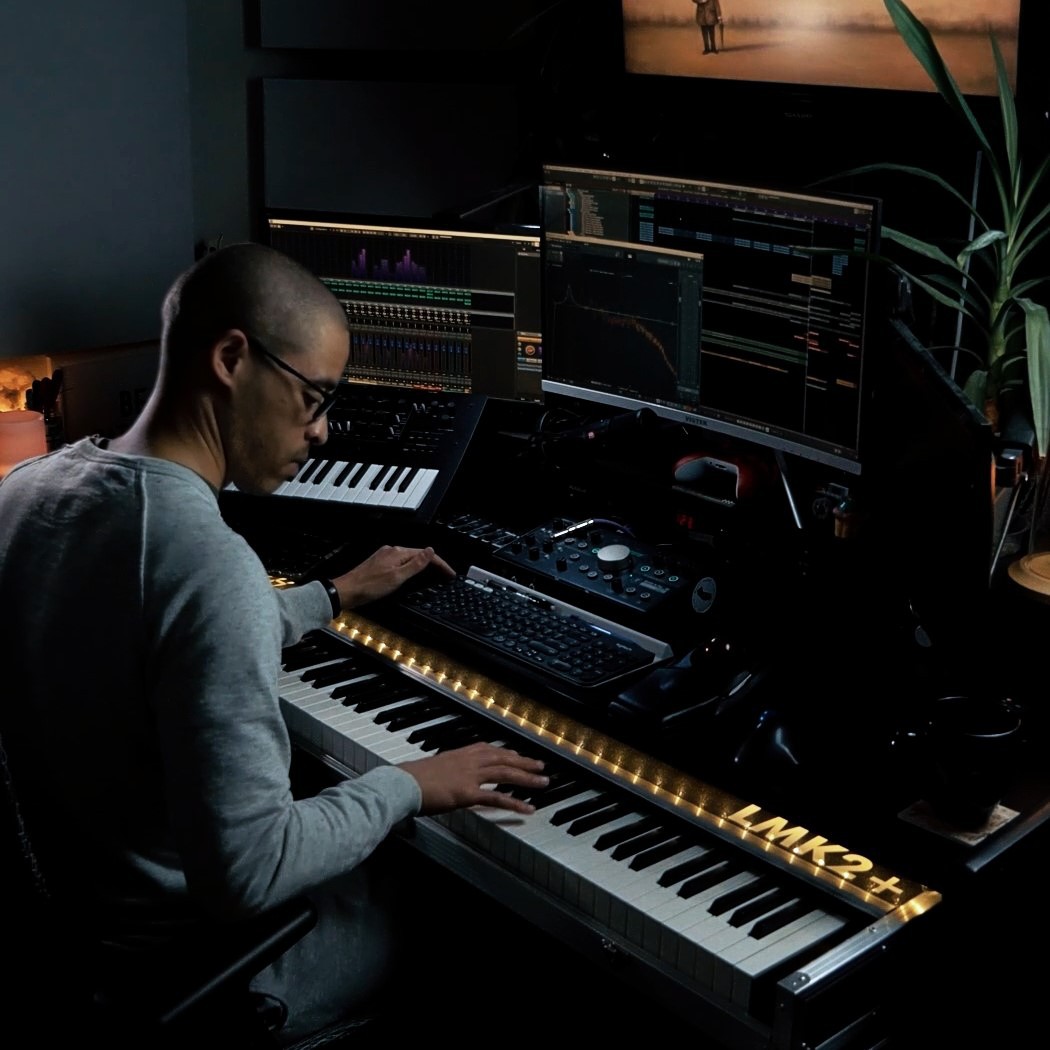
Jonathan, love having you share your insights with us. Before we ask you more questions, maybe you can take a moment to introduce yourself to our readers who might have missed our earlier conversations?
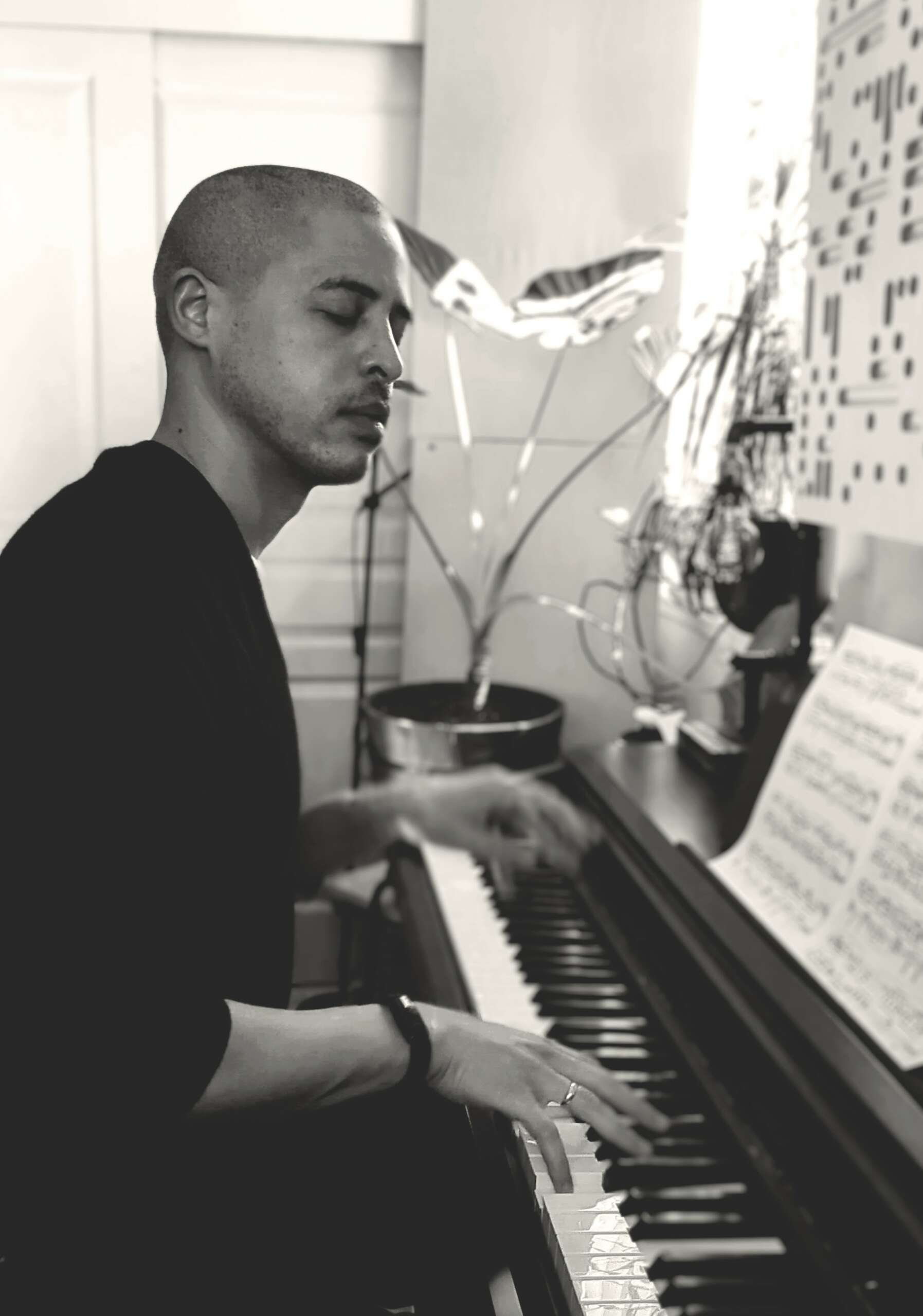
I am a freelance film composer based in Northern California. I’ve made music a part of my life since I was 10. The first instrument I ever picked was a trombone in middle school. I transitioned to the piano in high school, and I’ve been playing since. It was then I began to become familiar with making music on computers and learning music computer software. My focus on composition & orchestration started when I decided to return to college in my mid-20s. I decided to dedicate my study entirely to music composition and theory.
My love of film came from watching countless movies on summer breaks as a little boy. I would watch movies that no one wanted to watch or the more famous films everyone wanted. It didn’t matter to me; I fell in love with the stories, from watching movies like “FernGully,” “Turner & Hooch,” or “Child’s Play,” to “The Terminator” or “Fried Green Tomatoes” as a kid. I got emotionally invested in films like “Amistad,” “Schindler’s List,” “Moulin Rouge,” and “Vanilla Sky” as a teenager. I like to think my foundation in the art of cinema is substantial.
Now, as an adult, the experience is even better. I can now watch a Disney film or cartoon and immerse myself like when I was a child. I can also watch a down-to-earth drama about life or the real world, reflect on my perspective and thoughts, and have an intellectual conversation about the film.
My true motivation was my daughter. 2017, she turned five, and my wife and I had established a solid foundation for ourselves. I told myself, “When my daughter is an adult, I want her to understand that pursuing something you’re passionate about is essential, rather than settling for another job only to find yourself miserable.” I had just turned 30, and I decided to go all in the pursuit of becoming a film composer. By 2020, my studio was complete, and I started my journey to become a film composer; by the Spring of 2022, I had composed my first film.
Networking has been the key to my success. I network through whatever channel or platform I can find. From IMDBPro and Instagram to Mandy for potential international clients. I attend film festivals to shake the hands of filmmakers. I also network with student directors, YouTubers, and podcasters who need music for their content.
For film, I like to get into the director’s mind. I rarely talk about music, if not at all. I ask as many questions as possible about the director’s vision and emotional investment in the film. I investigate why they are making the film they’re making. I want to know the backstory of the story. My job is to convey the director’s vision into music in a way they had never dreamed of. That is my goal.
I don’t know what sets me apart from others. I am a good person and treat clients with respect and dignity. I don’t let my ego get in the way of my writing, which is an essential skill. After all, it’s my job to enhance the client’s dream or vision, not to change it. I want to please my clients and make meaningful storytelling through music.
We’d love to hear a story of resilience from your journey.
It was the third project that I had ever taken on. I’d entered a film scoring competition where the judges were the contestants; we were essentially the judges – which was unique. The film they chose for us to score was a short animation film. The film had no sound or sound effects, so the music would have to do all the work to convey the entire film’s tone, color, or mood. I hadn’t known of competitions like this where there were no sounds or sound effects. This was terrifying. I immediately felt that If I attempted this, I was going to be naked, and there was nothing to help me cover up.
On top of everything else – it’s an animation film. Animation films are difficult to score for different reasons. The film’s speed, emotion, or feeling can change dramatically instantly. For music, that cannot be easy.
Anyway, up to that point, I taught myself not to worry about the negatives and concentrate more on having equipped myself with the skills, knowledge, and resources to do this. I focused on having fun and not making it a big deal. The length of the film was over 2 minutes. After composing and mixing all the cues, it took me about 2-3 weeks to complete the score. I would compose before and after work. I had taken a few days off of work and stayed up until 4 a.m. many nights.
But overall, I had the most fun scoring that picture. I allowed myself to try different musical ideas and ultimately trust the process. The hard work paid off, as well. Out of 250 contestants, I made it to the top ten as a finalist for that year.
What’s the most rewarding aspect of being a creative in your experience?
The most rewarding thing for me is the possibility that my music could emotionally impact an audience member. The ability to tell a story through music and have a person react to it without realizing that my music assisted with that – is truly fascinating. The opportunity to have some of myself go with a film, wherever it may go, is a dream come true. The fact that an audience member is influenced emotionally by my music is an extraordinary thought.
What is also rewarding about being a film composer is that the music is barely noticeable when the film needs it. On the other hand, the music can be significant and bold. I identify with that as a person. I am not all that comfortable being in front of anything. I am more comfortable making an influence while being in the background – barely noticeable. Just as well, I can step up to the plate and do what I must for that moment, then run back to the back and hide. I love that I can make that come alive, writing music to film.
Contact Info:
- Instagram: www.instagram.com/jonathanbowiecomposer/
- Other: linktr.ee/jonathanbowiecomposer