
Alright – so today we’ve got the honor of introducing you to Jon Lamek. We think you’ll enjoy our conversation, we’ve shared it below.
Hi Jon, thanks for joining us today. What’s the backstory behind how you came up with the idea for your business?
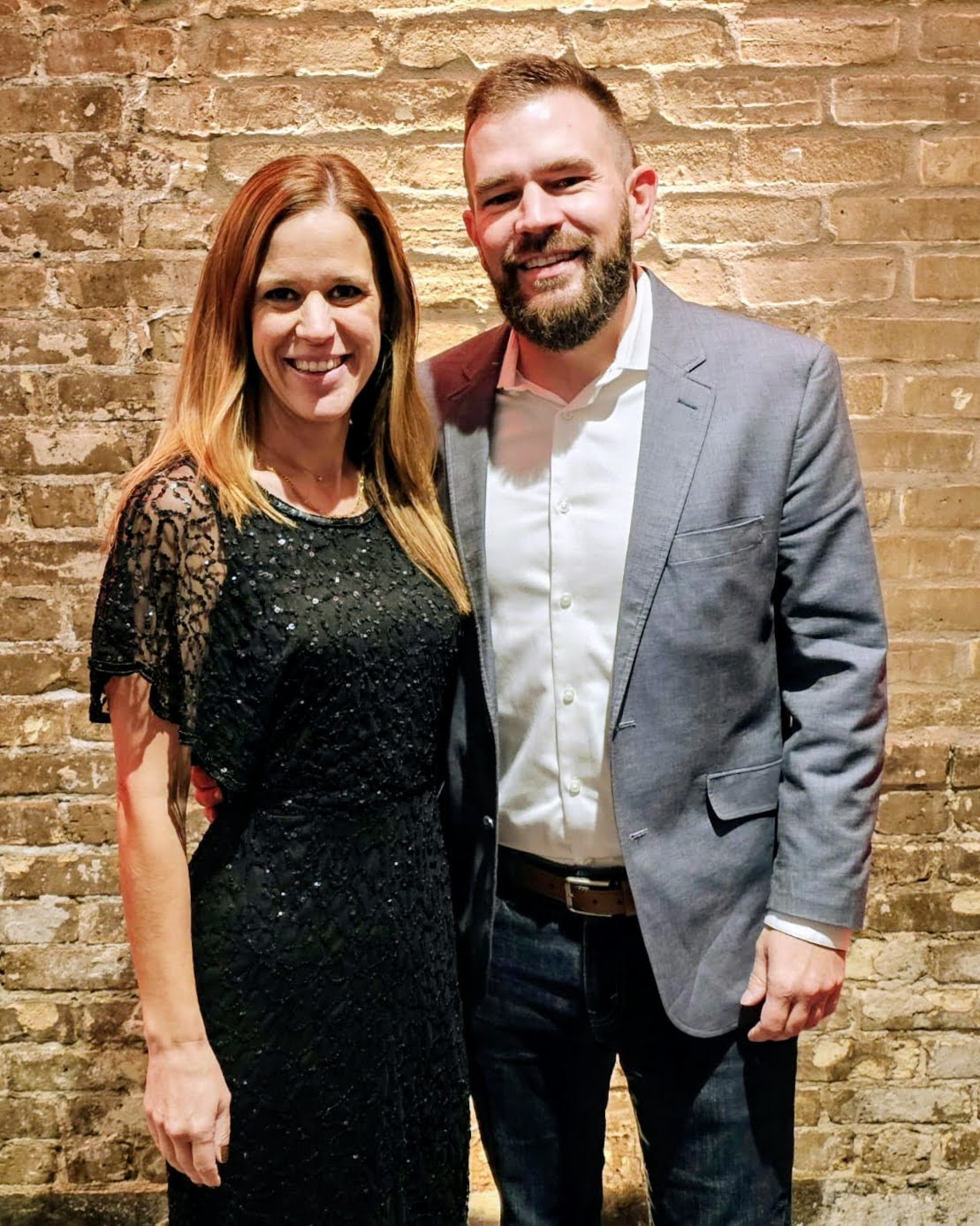
I had the entrepreneurial spirit within me for quite a while, but it wasn’t until I was officially burned out in my previous career that I decided to bet on myself. I knew if my fiancée, Cheryl, and I ever wanted to create a family business, whatever we decided to do (blanket business was never on our radar), there would be a few non-negotiables. We wanted something our kids could look at and be proud of, regardless of whether they wanted to be involved with the day-to-day at some point. We also knew we wanted to have a give-back element to the business. We’ve both been fortunate enough to build successful careers with companies that emphasized giving back in times of need, and we believe that if you can, you should.
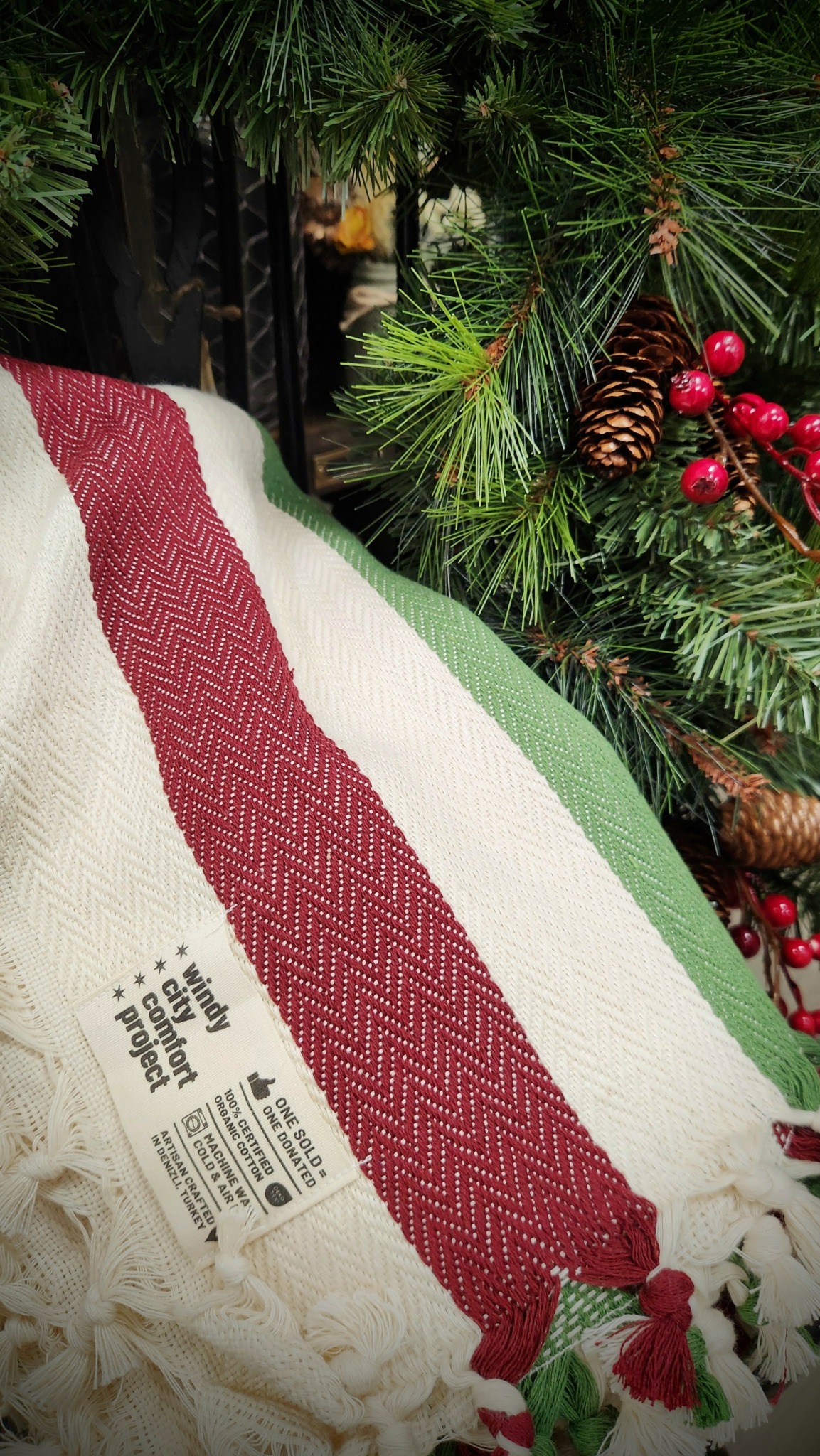
Having just gone through some major restructuring at my previous company, my fiancée and I decided to take a weekend getaway. While out shopping we came across a similar business — they were selling festival-style blankets and donating one locally for each one sold. We were familiar with other blanket sellers in the one-for-one space on a national scale, but the idea of doing it on a hyper-local level stuck with us. On the long car ride back to Chicago, we had hours of discussion on whether it was a viable business idea (centered around a failproof strategy of “who doesn’t love blankets?”) Is this something we could actually scale with just one person running the day-to-day? Cheryl loves her corporate 9-5 and has no intentions of leaving, but if Jon goes all in – will it succeed? We didn’t know it at the time, but the Windy City Comfort Project had just been born. We were going to sell blankets, and donate one locally for every one purchased.
Jon, love having you share your insights with us. Before we ask you more questions, maybe you can take a moment to introduce yourself to our readers who might have missed our earlier conversations?
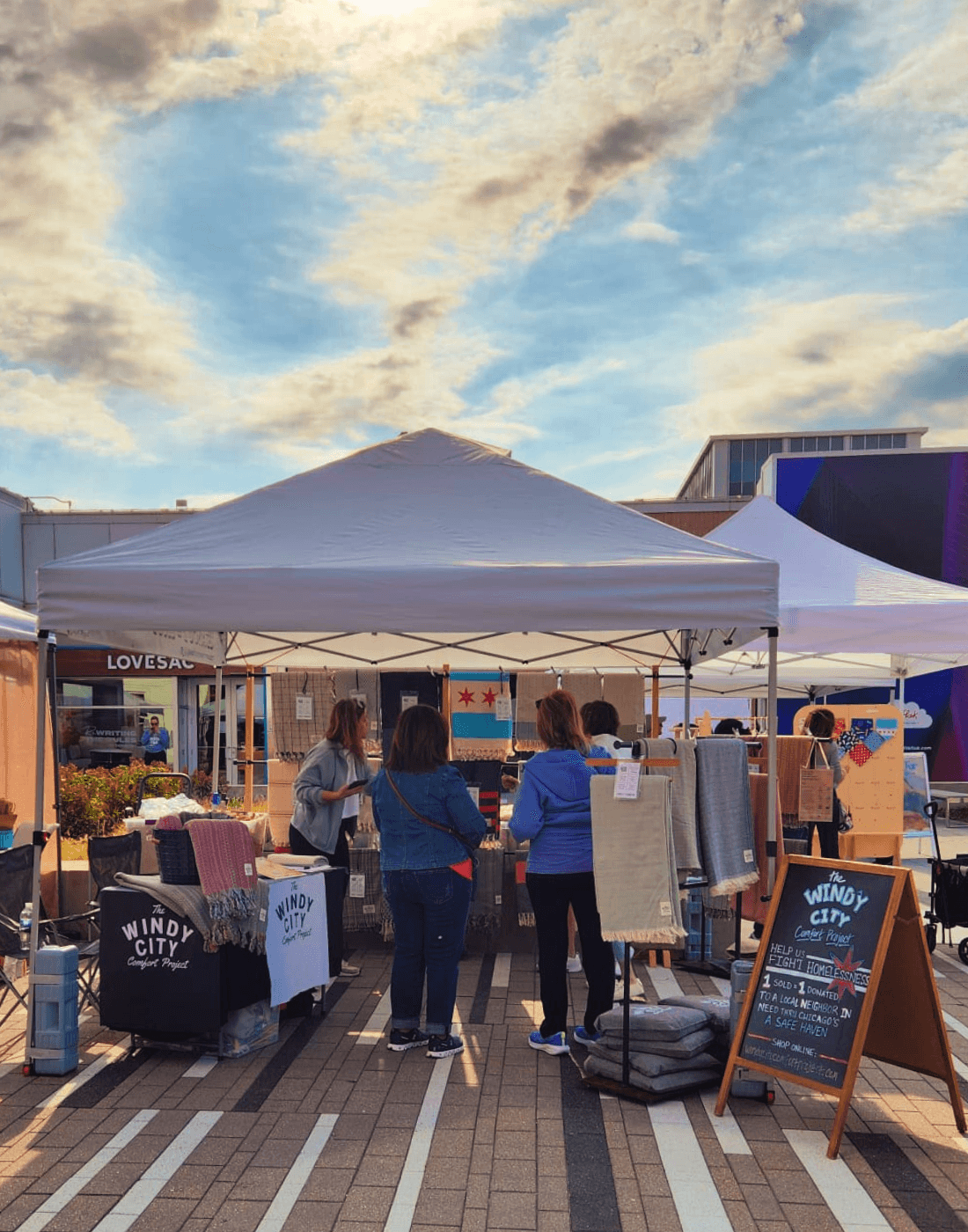
Growing up in the Milwaukee area, I saw firsthand what happens when a community puts effort behind a cause — they had reduced homelessness to a level considerably lower than other big cities — and I was inspired to use the one-for-one model in my current home to bring awareness to similar initiatives in Chicago. We could focus on in-person selling events – artisan & farmers markets in particular – to amplify the good work being done in our communities to work towards reducing homelessness.
For the first few weeks after returning home, we spent nights and weekends developing a business plan. We’d get to product and process eventually, but the top priority was finding a donation partner, one who aligned with our values and shared philosophy that providing housing and education can allow those less fortunate to rebuild their lives. A Google search led us to Chicago’s A Safe Haven, and from day one we’ve had an incredible partnership. Their “Housing is Healthcare” belief was one we could get behind and the work they do throughout Chicagoland has a huge impact on so many lives. We’ve been able to donate several thousand blankets to them, which they provide to clients staying in their on-site shelters, redistribute at events they host, and hand out at weekly food banks.
Our approach of using our selling platforms to amplify the work of local organizations – we have one additional here in Chicagoland, along with two in Wisconsin and one in Michigan – sets us apart from other one-for-one companies and helps the customer understand exactly who they are helping. And we think that’s important – people want to give, and want to help others, but it’s important to know where their donation is going. We’re proud of the transparency we provide our customers — a story behind the product itself and the impact their purchase is having locally on a neighbor in need.
We’d really appreciate if you could talk to us about how you figured out the manufacturing process.
A few months in, I received a message on our Instagram page from a manufacturer in Turkey who had discovered us from a hashtag on one of our posts. He asked if I was looking for a textile supplier and if I’d be interested in working with him. I replied that we had just launched, I was new to this and I had no idea what this business was going to become. We were still wholesaling small quantities to see what the customer liked, and I wasn’t ready to commit to any bigger partnership. I asked him to reach back out in six months and I’d have a better idea.
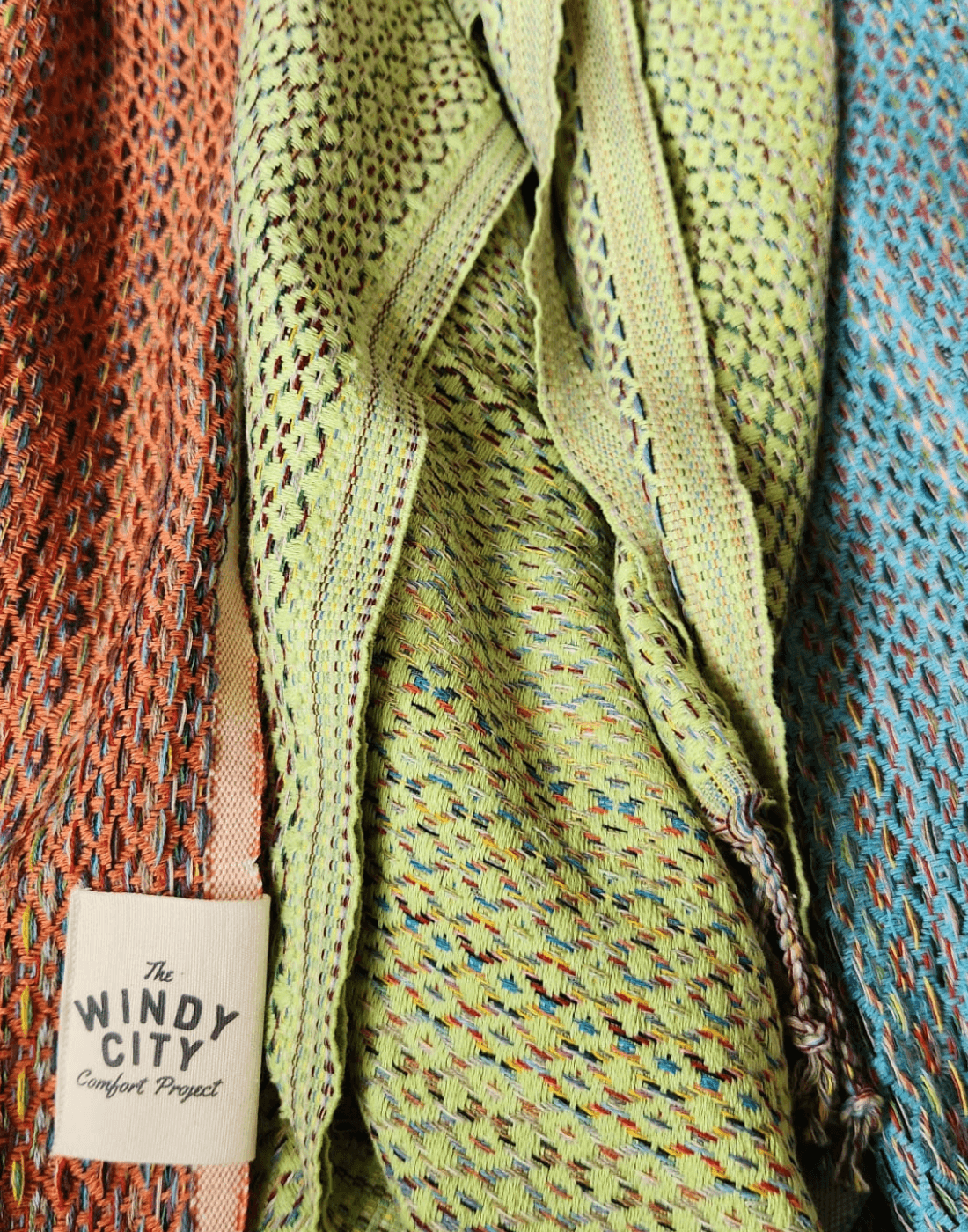
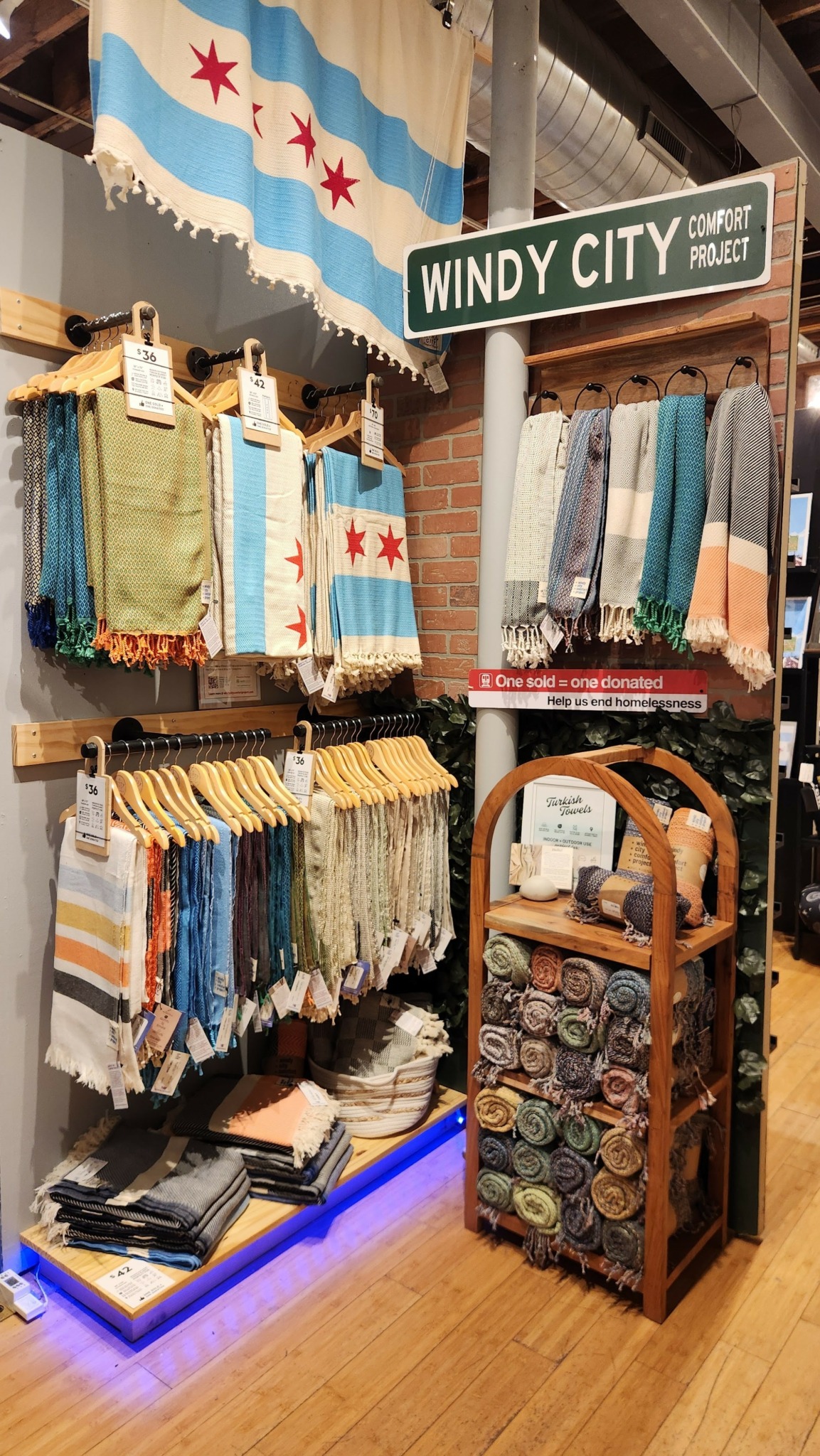
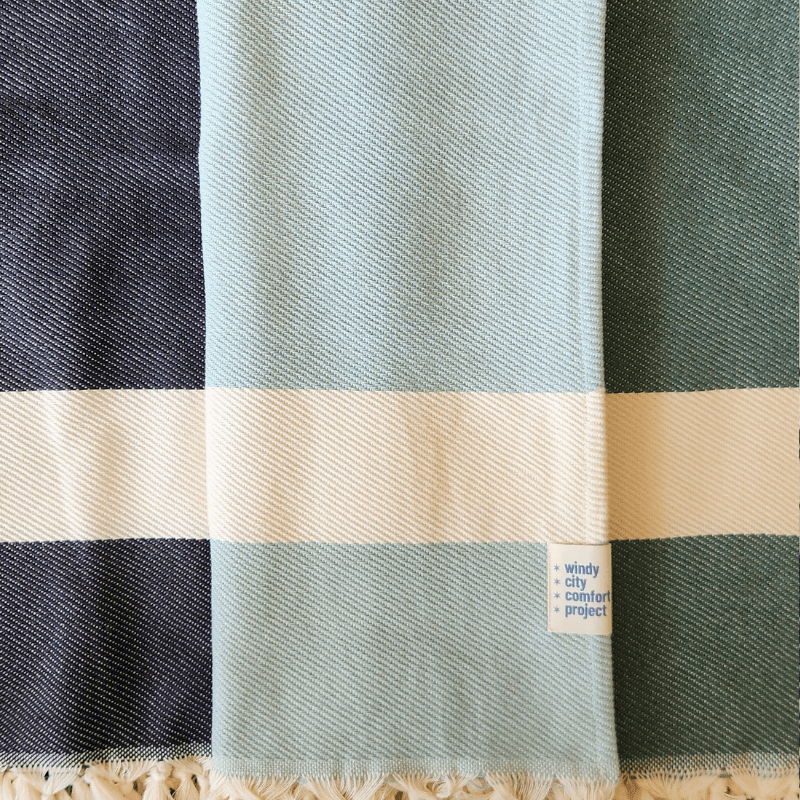
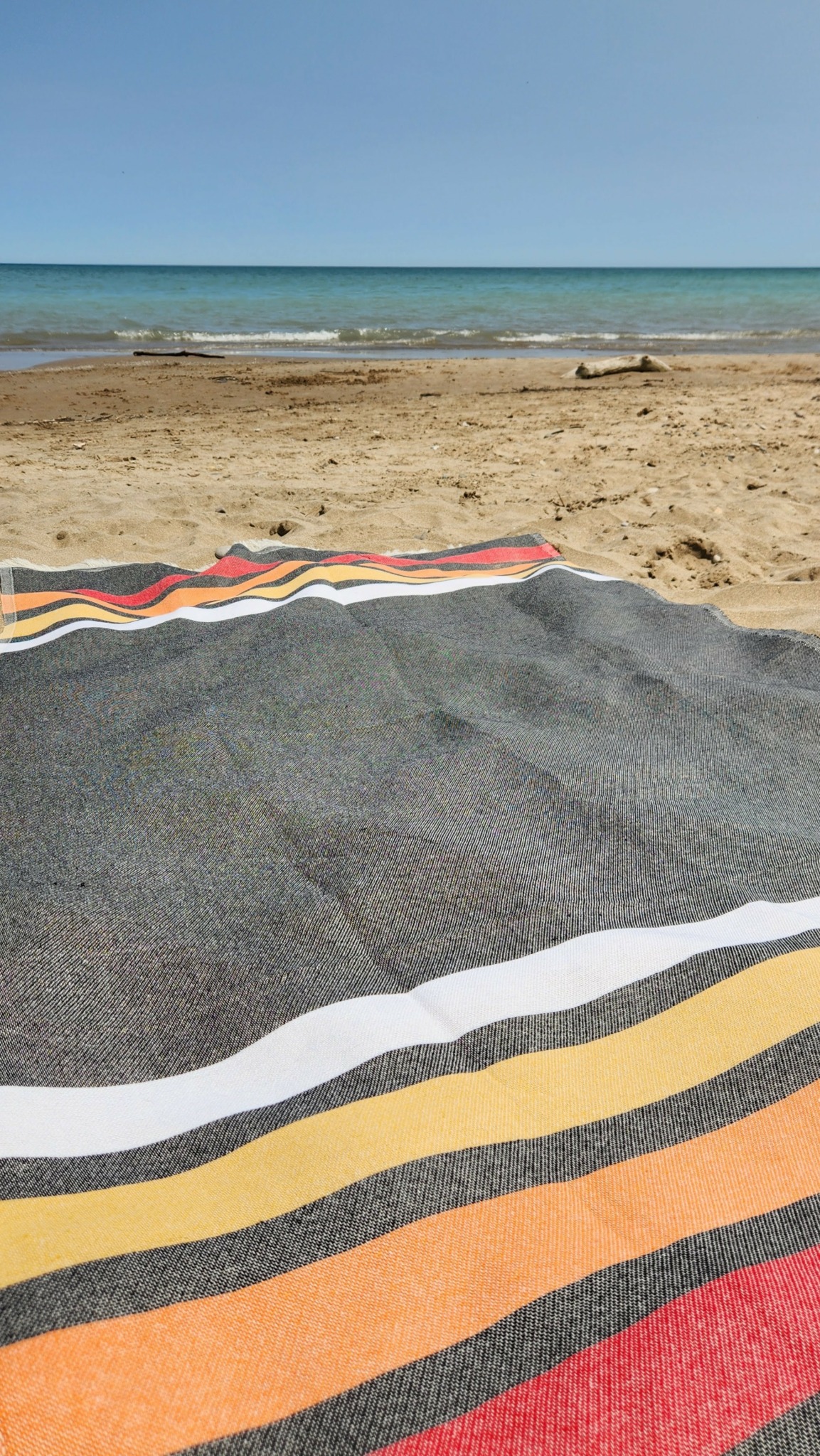
Halil is now a good friend of ours, who I talk to every day – not just about textiles and business but about family, life, and everything else. His small business also handles about 99% of our manufacturing. He messaged back almost six months to the day from that first conversation. In that time I had learned quite a bit about the customer’s interests, what was selling, and how the business was starting to evolve. Our bestselling product was easily the Turkish Towel, a small blanket suitable for indoor and outdoor use. People were buying them not just in the summer for beach trips, but also in the colder months for a lightweight layer, scarf, or travel blanket. Lucky for me, this is what Halil and his company specialize in. My first order was around 30 pieces. My most recent order was over 1500.
We’ve grown together and have partnered closely to develop unique products for the Midwestern US customer base we serve. He gives us free rein on design elements, colors, and patterns. We’ve done everything from our flagship Chicago Stars throw blanket to a “beach-blanket-in-a-bag” concept that was a huge hit this past summer, one we’ll introduce on a larger scale next year. The partnership that we have built has helped us grow the business exponentially, and on a personal level has helped hold me accountable to always moving the business forward.
We’d love to hear the story of how you turned a side-hustle into a something much bigger.
Scaling the business from side hustle to full-time focus has proven to be an exercise in creating and nurturing relationships. Artisan markets have been the best networking opportunities over the past 2+ years and have led to things like private label collaborations, bulk purchases for local charities, and company events. Each of these has introduced us to a new customer base. Keeping in touch with peers from previous employers has allowed us to enter the corporate gifting space. And most of all, by eliminating the middleman and working directly with Halil and his company we’ve been able to get on Faire as a seller rather than a customer. Wholesale is hard and it’s humbling – we’ve barely scratched the surface in a traditional wholesale model, and that will be a huge focus in the year ahead to get our brand in front of customers beyond Chicagoland.
While we track sales and donation numbers, to me there were two big milestones that made me feel like we had truly made it as a small business. First, the local PayPal office here in Chicago reached out last year to partner on a charity event and wanted our blankets — 500 of them — to be part of the care packages they were creating. While this was extremely beneficial for a startup like ours from a monetary standpoint, the impact of getting our brand name out there, along with the legitimacy it helped create for us, was priceless. The other milestone was when a local coffee shop owner reached out and wanted to collaborate on a blanket designed specifically for her stores. She felt like our mission represented the shops’ theme, and inviting us to be part of her passion was truly meaningful.
Contact Info:
- Website: https://www.windycitycomfortproject.com
- Instagram: https://www.instagram.com/windycitycomfortproject
- Facebook: https://www.facebook.com/windycitycomfortproject