


We caught up with the brilliant and insightful Jolyn Young a few weeks ago and have shared our conversation below.
Jolyn, thanks for joining us, excited to have you contributing your stories and insights. How did you learn to do what you do? Knowing what you know now, what could you have done to speed up your learning process? What skills do you think were most essential? What obstacles stood in the way of learning more?
I wrote a book and learned to write jokes by absorbing knowledge wherever I could, in bits and pieces along my path to publication. I leaned heavily on WritersDigest.com to learn the technical aspects of how to write my book, such as how to write an engaging first chapter. I Googled “memoir word count” and analyzed books I liked to determine the appropriate page count per chapter. I checked out stack after stack of books about writing from my local library, from Stephen King’s “On Writing” to Strunk and White’s tiny but powerful grammar guide. I read dozens of memoirs and enjoyed the story while analyzing the structure, pacing, and style.
I also watched movies with an author’s mindset. I paid attention to how the story was told, especially the point of view and elements (mostly characters) included in each scene, since books and movies are both simply stories told in different fashions. When I worked on my own story, I pretended I had a video camera behind my eyes and wrote down what I saw as I moved through the plot.
For joke writing, I’ve always had a natural bent for and interest in humor. I attended the Erma Bombeck Writers’ Workshop in 2018 and learned that a person can learn to write funny stuff consistently and on purpose. I’ve read online articles about how to write jokes (the rule of three, misdirection, etc.) and read and reread Patrick McManus’ fantastic humor writing guide, “A Deer on a Bicycle.” The most important thing I learned that I keep coming back to is to put the punchline at the end. It’s harder than you think.
The most important thing I’ve always done is write, write, and write some more. I’ve kept a journal since I was six and passed the time when I was younger (I grew up before cell phones) by scribbling on any scrap of paper I could find. If I lacked original words, I’d write favorite song lyrics in cursive with my non-dominant hand. This passion for writing is the most essential element to anything I have or will accomplish in the future as an author and comedian. I write for myself but share it with others, and I love that intersection when I hear from readers about how my words impacted them.
I studied business in college and only dabbled in creative writing. I knew I loved writing enough to study it on my own time, but I did not love accounting enough to pick up a textbook on a Saturday afternoon. I sometimes think my learning process could have been accelerated if I’d studied creative writing, journalism, or English literature, but having an educational basis of practicality and number crunching helps balance out my innate word-based creativity.
Obstacles have stood in the way of accomplishing my goals, but I’m confident in my ability to find a way around any obstacle that stands between myself and what I want to do. I wrote a book with three young children at home and zero paid childcare assistance. I booked a comedy show having never attended a live comedy show, then wrote, practiced, and performed a 25-minute set and received a paycheck and an invitation to perform again at the same venue. We all have roadblocks on our path, but we can always find a workaround, even if the solution is to wait a minute (or a few years) and try again.

As always, we appreciate you sharing your insights and we’ve got a few more questions for you, but before we get to all of that can you take a minute to introduce yourself and give our readers some of your back background and context?
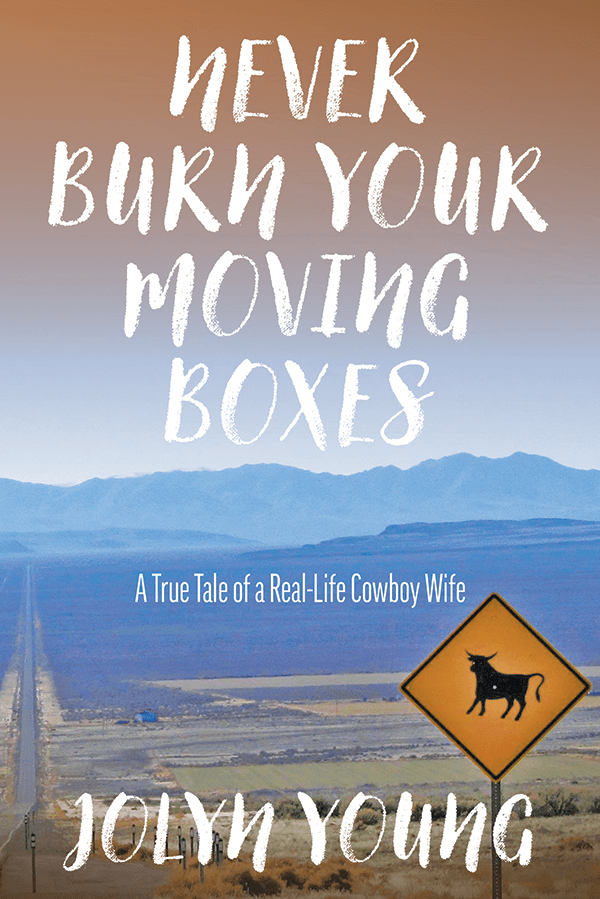
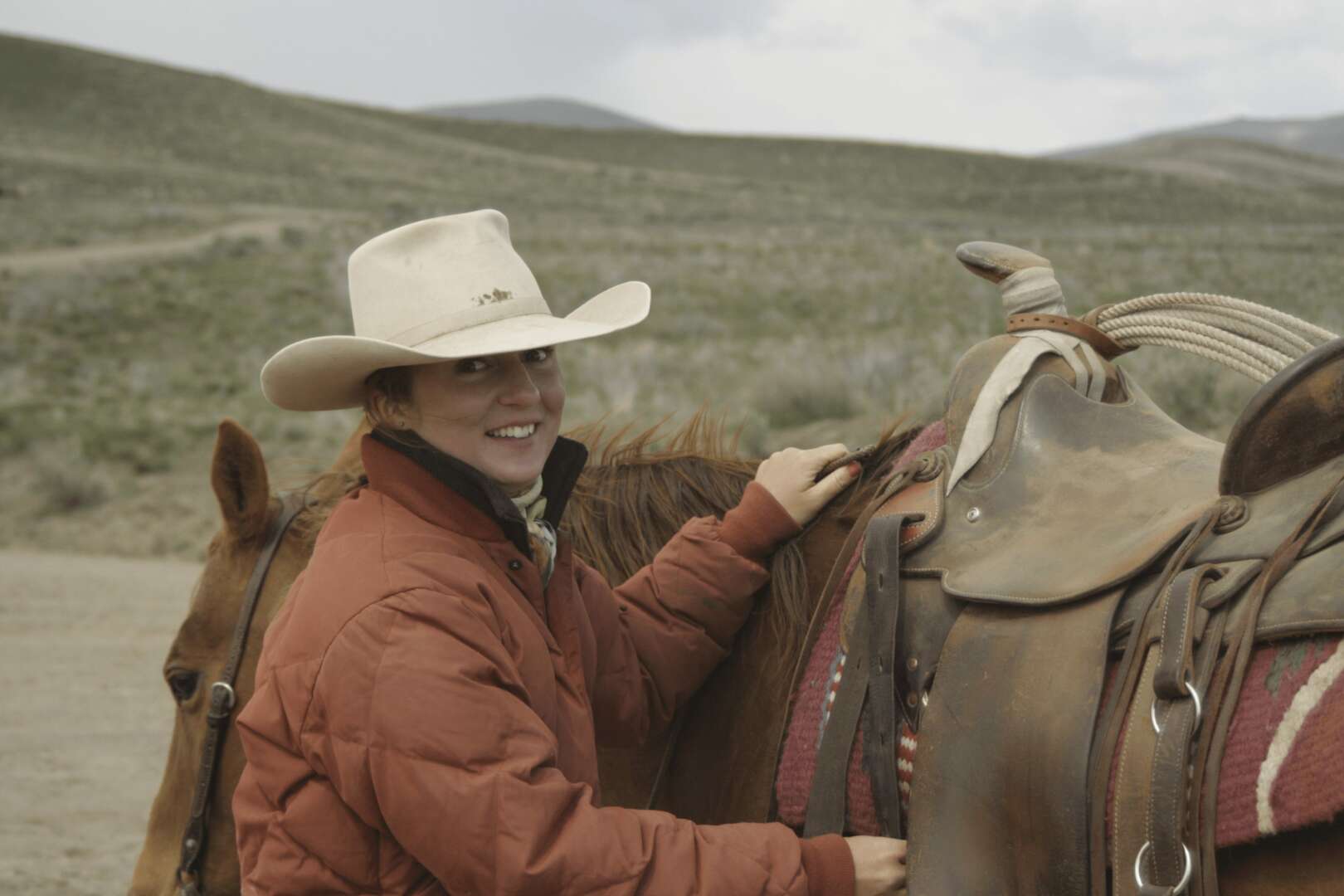
Hi, I’m Jolyn Young and I live on a working cattle ranch in southern California. Just kidding – I live in the kitchen with a day pass to the laundry room. My husband works as a cowboy while I’m the primary caretaker for our three children. I mention my spouse’s job because it directly relates to my creative pursuits. I write a humor column and blog for a national magazine called “Real Life Ranch Wife” and my debut memoir is called “Never Burn Your Moving Boxes: A true tale of a real-life ranch wife.”
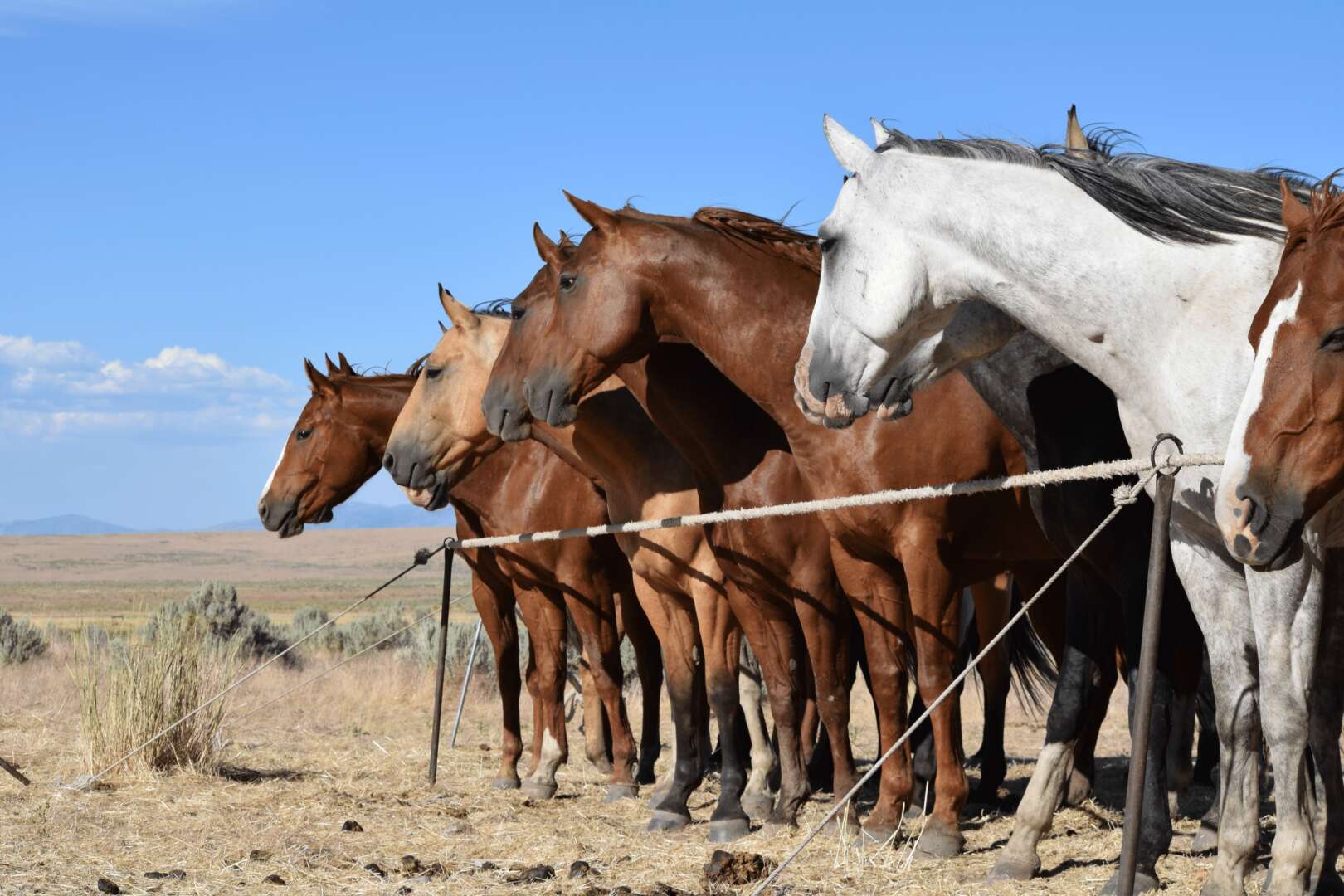
I’ve basically made a career out of following my husband around the West to various ranches. If that sounds passive, you should read my book, because managing a home and caring for children while living an average of two hours from the nearest town is a challenge that requires strategy, perseverance, and a certain level of hard-headedness.
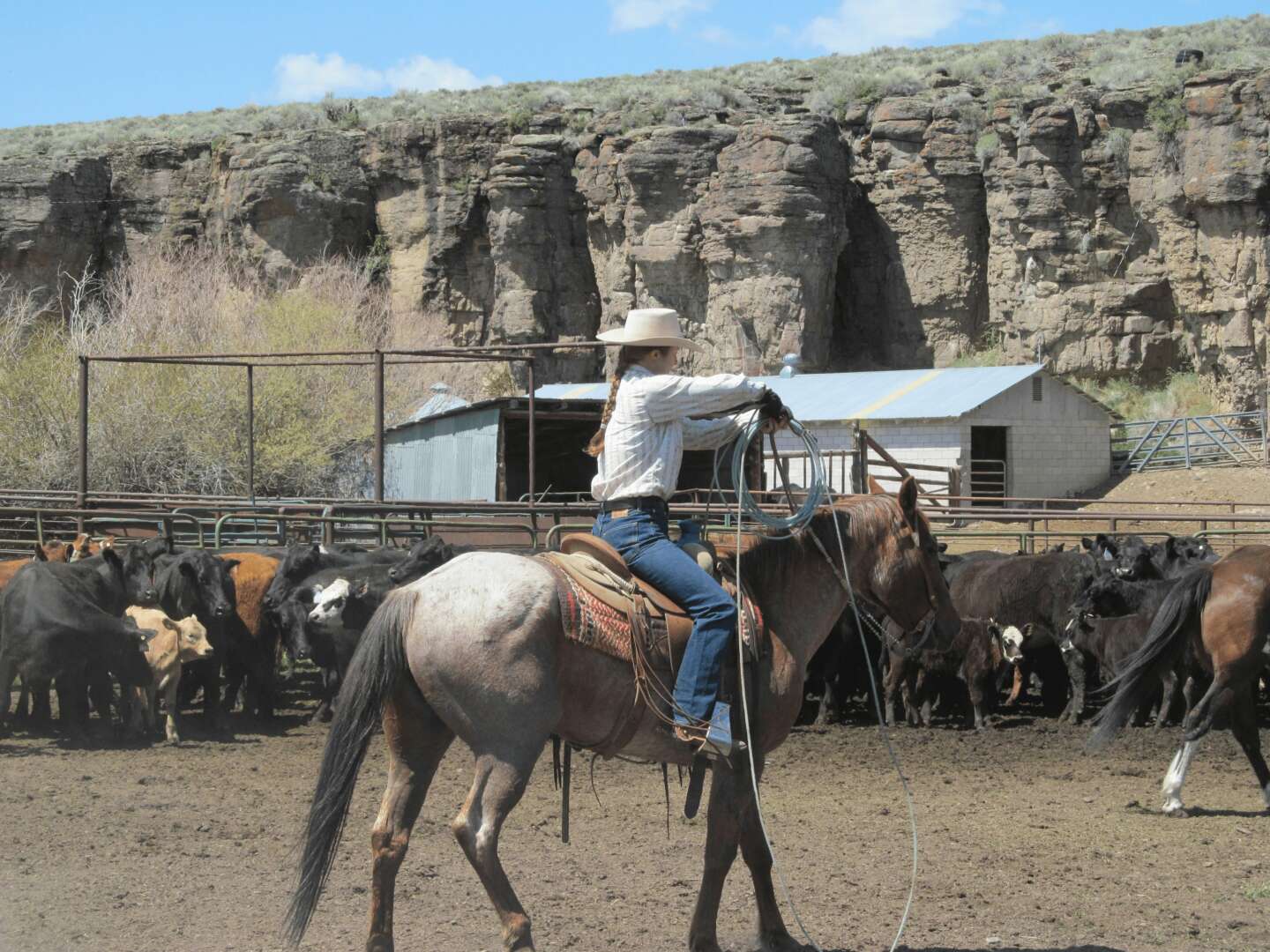
Before I was a wife and mom, I worked on the cowboy crew of a ranch. I met my husband in 2011 and took a full-time writing job for a local agricultural magazine. We got married in 2012, and I continued to write magazine articles and blog posts until I decided to see if I could write a book in 2019. By then, I’d turned my unpaid personal blog into a steady paid gig with a national magazine. The magazine then gave me space in their print version to write a different but related humor column. I used that confidence and momentum to tackle my book project, which was published by Trafalgar Square Books in 2023.
I think what sets my writing apart from others is that I write with complete honesty, even if it shows me in a less than flattering light. I think this stems from writing in a diary for so many years. I wrote the first draft of my memoir without thinking about publication; I just wanted to get an honest, heartfelt story on paper. Literally on paper – I wrote the rough draft in longhand in a spiral bound journal, then typed it onto my laptop. I decided early on I don’t want to spend my life hiding behind what I want others to think about me, so I wrote freely and forced myself to not think about judgment from others. I let my editor help me filter it from there.
I’m most proud of the connections I’ve formed with readers. I love that my words can bring comfort, validation, hope, and relatability to others. An acquaintance recently wrote her own memoir and mentioned me in the acknowledgements as an inspiration to share her story with honesty. Another woman emailed to say thank you for helping her accept that her life would not be the same after having a baby, and that it was okay. Others have written to say my book helped them feel less alone. The most common response I get is “Thank you for sharing your story.” I love that, because that’s all any of us can do, really.
We often hear about learning lessons – but just as important is unlearning lessons. Have you ever had to unlearn a lesson?
Learning to let go of constant self-editing during the writing process was an important lesson for me. Years of writing for magazines with word counts and deadlines taught me to polish my stories for publication as I wrote them, or at least during the second draft. That was an efficient way for me to use my time and get stories filed for a quick turnaround.
When I started to write my book, I kept reminding myself to slow down, develop each scene, and not focus on writing punchlines every three sentences. The first draft was the hardest to write, because I kept getting bogged down in the details and trying to polish my words as I wrote them. I’d sit down to write and spend thirty minutes crafting an exquisite paragraph, fiddling around with adjectives and punctuation, then realize I still had thousands of words to come up with until the first draft was even done, and I’d just spent half an hour perfecting a section that might not make it to the final cut.
Self-editing is the enemy of first draft. So, I used money from my advance to purchase a 1960s manual typewriter because it has no delete key. I’ve written a good chunk of the first draft of my second book on it, and it was a fantastic investment. Writing on a typewriter forces me to move forward with the story and quit obsessing about each and every line. Getting the story, the whole story, down for the rough draft is so hard but of course so crucial to a book being completed and potentially published.


Have any books or other resources had a big impact on you?
I’m a huge fan of the Writers Digest magazine and website, especially for beginning writers. They cover a wide range of topics, from craft to business, and interview authors, agents and other publishing professionals. Attending live conferences can be life-changing; I went to the Erma Bombeck Writers’ Workshop but recommend people go to whatever event they can manage with schedules and finances. Just go, that’s the important thing.
I subscribe to Jane Friedman’s Hot Topics newsletter to stay current on publishing trends. She’s a detailed analyst, great writer, and valuable resource to beginning writers. If you stop her in the hallway at an event or send her an email, she’ll reply promptly with personalized advice. She’s definitely an asset to the publishing industry.
I’ve mentioned both before, but Stephen King’s “On Writing” and Patrick McManus’ “Deer on a Bicycle” were both books I read and reread during my book-writing process. There are a ton of quality books about writing out there, so find something you like and learn all you can from it. I read anything I can on positive thinking and reframing our perception of an event – especially those that are beyond our control – to put it in a positive light. We can’t always control our circumstances, but we can always control our thoughts.
Contact Info:
- Website: https://www.jolynyoung.com
- Instagram: @mrsjolynyoung
- Facebook: Jolyn Young
- Youtube: @mrsjolynyoung2759


Image Credits
Jolyn Young, Tayler Teichert