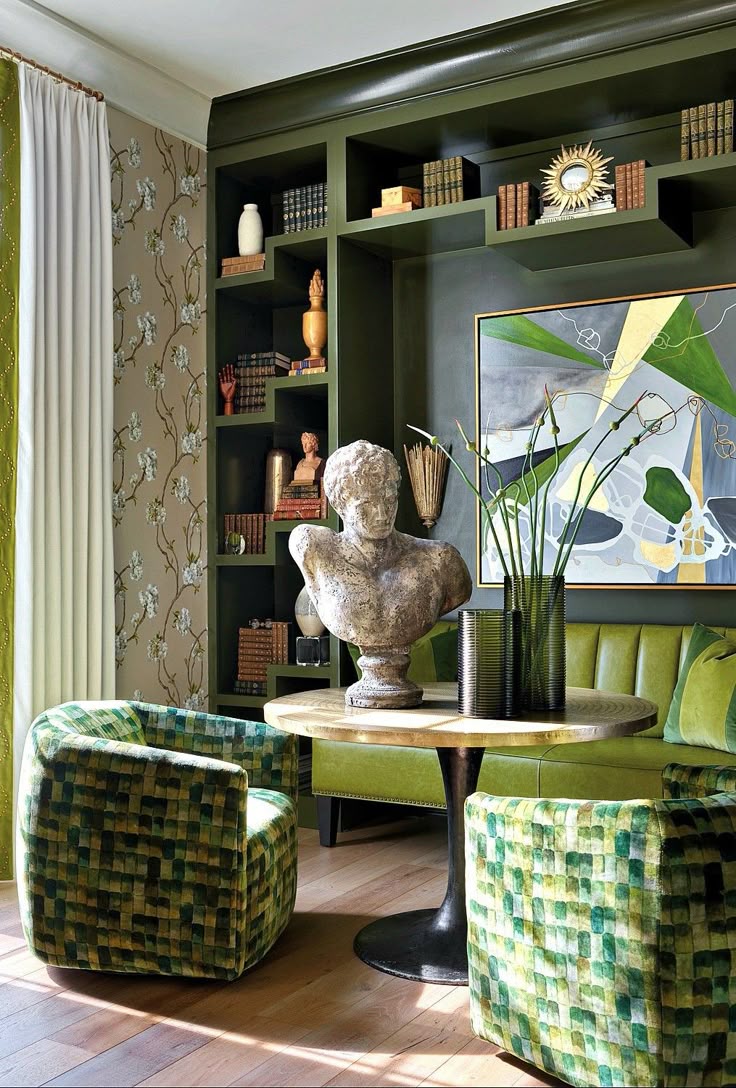

We’re excited to introduce you to the always interesting and insightful JohnRoss O. We hope you’ll enjoy our conversation with JohnRoss below.
Alright, JohnRoss thanks for taking the time to share your stories and insights with us today. Do you have a hero? What have you learned from them?
As a philosopher of interiors, my heroes are visionaries who transformed their crafts into timeless expressions of human spirit—Walt Disney and Coco Chanel. Their boundless creativity, resilience, and commitment to excellence have profoundly shaped my approach to designing sustainable, soulful spaces.Walt Disney, to me, is the embodiment of dreaming without limits. His ability to conjure worlds—whether through Mickey Mouse or the enchanting realms of Disneyland—speaks to a rare alchemy of imagination and perseverance. Despite facing bankruptcy, skepticism, and countless rejections, Walt never wavered. He once said, “All our dreams can come true, if we have the courage to pursue them.” That courage inspires me daily as I craft interiors that transcend trends, aiming for spaces that, like Disney’s creations, stand the test of time. I recall reading about how Walt sketched the earliest concepts of Mickey Mouse on a train ride, pouring his heart into a character that would become a global icon. That image—of a man, undeterred by setbacks, sketching his dreams into existence—reminds me to approach every design with audacity and heart. In my work, I channel this by creating spaces that tell stories, spark joy, and endure, much like Walt’s parks, which still captivate millions decades later. His lesson? Creativity thrives when you refuse to let obstacles dim your vision.Coco Chanel, on the other hand, taught me that beauty must serve a purpose. Rising from the hardship of an orphanage to redefine fashion, she saw style not as ornamentation but as liberation—a way to empower through comfort and elegance. Her work ethic was relentless; she was a businesswoman who understood that true creativity demands discipline. Chanel’s philosophy of simplicity—her iconic little black dress, for instance—resonates deeply in my approach to sustainable interiors. I’m inspired by how she stripped away excess to reveal essence, a principle I apply when selecting eco-conscious materials or designing spaces that prioritize function without sacrificing soul. I once read an anecdote about Chanel tirelessly reworking a single dress design, adjusting it until it felt effortless. That dedication to refinement drives me to obsess over every detail—be it reclaimed wood or natural textiles—ensuring my designs are both environmentally responsible and profoundly human. Chanel taught me that sustainability isn’t just about materials; it’s about creating spaces that uplift and endure, just as her designs empowered generations.Together, Disney and Chanel have shaped my journey as a designer who sees interiors as more than aesthetics—they’re narratives, dreams, and responsibilities. Walt’s fearless imagination pushes me to innovate, while Coco’s disciplined elegance grounds me in purpose. In one project, I designed a community center using entirely upkilled materials, drawing on Walt’s storytelling to make the space feel magical and Chanel’s practicality to ensure it was functional and timeless. Their influence reminds me that every space I create is an opportunity to inspire, to sustain, and to leave a lasting legacy—just as they did.
As always, we appreciate you sharing your insights and we’ve got a few more questions for you, but before we get to all of that can you take a minute to introduce yourself and give our readers some of your back background and context?
I’m JohnRoss, a philosopher of interiors, driven by a passion to sculpt environments that don’t just occupy space but command it, seducing the senses, sharpening the mind, and forging legacies. I don’t decorate rooms—I create sanctuaries that breathe meaning, provoke emotion, and stand as acts of rebellion against the ordinary. For me, beauty isn’t a luxury; it’s oxygen for the soul. Every choice in a space is a vote for the future you want—or the one you lose.My journey into interior design began in Dallas, where I was raised with a profound lesson from my mother: true creativity isn’t about accumulation; it’s about meaning. She transformed our modest home into a sanctuary, not with wealth but with intention, teaching me that design is about feelings, memory, and liberation. Those early moments—watching her rearrange a room to feel like a warm embrace—ignited my belief that walls can either elevate or diminish us. That conviction led me to a career crafting sustainable, timeless interiors, spaces that transcend fleeting trends and whisper across generations.My work is about transformation, not decoration. I partner with a select group of clients—visionaries ready to create something inevitable—to design homes and spaces that are felt as much as they are seen. My services range from full-scale residential design to bespoke commercial projects, all rooted in sustainability and storytelling. I use eco-conscious materials—reclaimed woods, natural textiles, and innovative low-impact solutions—to craft environments that are as kind to the planet as they are captivating to the soul. Whether it’s a serene family home or a dynamic community space, my designs solve a universal problem: the disconnect between people and their environments. I create spaces that align with my clients’ deepest values, fostering joy, clarity, and legacy.What sets me apart? I don’t believe in fast design; I believe in forever design. While others chase trends, I focus on commanding space with intention, ensuring every element serves a purpose—be it emotional, functional, or environmental. My approach draws inspiration from Walt Disney’s boundless imagination and Coco Chanel’s disciplined elegance, blending audacious creativity with practical refinement. I don’t aim to impress strangers; I strive to awaken my clients’ souls, crafting spaces that feel like extensions of their essence.I’m most proud of a recent project: a community center built entirely from upcycled materials, designed to feel like a modern fairytale yet function with effortless practicality. It was a testament to my philosophy—sustainability doesn’t compromise beauty; it amplifies it. Seeing families gather in a space that felt both timeless and alive reaffirmed why I do this: to create environments that endure, inspire, and belong to eternity.To potential clients, followers, and fans, I want you to know this: your space is your legacy. It’s where your story unfolds, where your soul finds rest, and where your future takes root. I work with those ready to invest in the inevitable—spaces that aren’t just seen but felt forever. My brand is a promise: to sculpt environments that breathe with you, challenge the ordinary, and honor the planet. Your front door is the threshold to your legacy. Are you ready to step through?
Do you have any insights you can share related to maintaining high team morale?
I approach team management with the same reverence I bring to crafting spaces: it’s about creating an environment where creativity thrives, purpose resonates, and every individual feels their work is a legacy. Drawing inspiration from visionaries like Steve Jobs, Warren Buffett, and John D. Rockefeller, I’ve learned that building a team of A-players—those who are passionate, meticulous, and driven by their craft—is the foundation of excellence. My carpenter, who pours precision into every detail of his cabinets, even the unseen ones, perfectly captures this ethos. High morale flows naturally when people love what they do, but sustaining it requires intentional leadership. Here’s my advice, infused with the principles of creativity, sustainability, and soulful purpose that define my work:Curate a Team of Craftsmen, Not Workers: Like Jobs, Buffett, and Rockefeller, prioritize hiring A-players who are obsessed with their craft. My carpenter’s pride in his work mirrors the kind of talent you want—people who see their contributions as art, not just tasks. When I assemble a design team, I look for those who treat every detail as a signature, whether it’s a hand-stitched textile or a perfectly aligned joint. These individuals don’t just elevate the project; they inspire each other. The moment you settle for B or C players, the passion dims, and mediocrity creeps in, dragging down the entire team’s spirit. To maintain morale, recruit those who live for the work, not just the paycheck.
Design an Environment of Purpose: Just as I sculpt interiors to evoke feelings, leaders must craft a team culture that feels meaningful. Share a vision that transcends the project—connect the work to a larger legacy. For example, when my team worked on a sustainable community center, I framed every task as a step toward creating a space that would uplift generations. This gave even the smallest contributions, like sourcing reclaimed wood, a sense of eternal impact. Remind your team why their work matters. My carpenter’s meticulousness isn’t just about cabinets; it’s about crafting heirlooms that tell a story. That sense of purpose fuels morale.
Empower Creative Freedom Within Structure: Inspired by Coco Chanel’s disciplined elegance, give your team the freedom to innovate while maintaining clear expectations. A-players thrive when they can express their creativity, but they need boundaries to channel it effectively. For instance, I give my artisans flexibility to experiment with sustainable materials, but I set firm guidelines on environmental impact and aesthetic cohesion. This balance keeps everyone aligned without stifling their passion. Steve Jobs was a master at this—pushing his teams to dream big while holding them to uncompromising standards. The result? Breakthroughs that felt personal and morale that soared.
Celebrate the Unseen Details: My carpenter’s care for the hidden parts of his cabinets is a lesson in itself. Acknowledge the small, often invisible efforts that make the work exceptional. I make it a point to praise my team for the details no client might notice—like the seamless joinery in a sustainable bookshelf or the texture of a natural dye. This recognition reinforces their pride and keeps morale high. As Warren Buffett emphasizes, valuing people’s contributions builds loyalty and drive. A simple “I see how much thought you put into this” can ignite their passion for the next project.
Sustain Morale Through Growth: A-players, like my carpenter, love their craft because they’re always refining it. Foster growth by providing opportunities to learn—whether it’s mastering new sustainable techniques or exploring innovative design tools. I once sent my team to a workshop on biophilic design, and they returned buzzing with ideas, their morale sky-high. Rockefeller’s empire was built on investing in his people’s potential, knowing that growth breeds enthusiasm. Create a culture where learning is as vital as creating.
Lead with Empathy and Authenticity: High morale isn’t just about results; it’s about connection. Be present, listen, and show your team you’re as invested in their journey as they are in the work. I learned this from my mother, who turned our modest Dallas home into a sanctuary through intention and care. When a team member struggled during a tight deadline, I sat with them, not to critique, but to understand their challenges. That moment of empathy turned stress into collaboration, and the project became one of our best. Authentic leadership, as Buffett practices, builds trust and keeps spirits high.
I’m most proud of a moment when my team transformed a dilapidated warehouse into a vibrant, eco-conscious community hub. Every member—from the carpenters to the textile artists—brought their A-game, not because I demanded it, but because they felt part of something eternal. We celebrated every milestone, from the first reclaimed beam to the final handwoven curtain, and their pride was palpable. My advice to leaders? Treat your team like a living space: design it with intention, fill it with purpose, and honor every detail. When you surround yourself with craftsmen who love their work, like my carpenter, and give them a vision to believe in, high morale isn’t just possible—it’s inevitable.What I want readers to know is that my approach to team management mirrors my philosophy of design: it’s about creating something timeless, sustainable, and deeply felt. Your legacy as a leader starts with the environment you build for your team. Are you ready to inspire it?
Can you share a story from your journey that illustrates your resilience?
As an entrepreneur and philosopher of interiors, resilience is the heartbeat of my journey—much like the unsung battles you describe, fought in the quiet corners of ambition and vision. Inspired by Walt Disney’s relentless pursuit of his dreams and Coco Chanel’s rise from adversity, I’ve faced my own trials, learning that resilience isn’t just about enduring but about transforming setbacks into stepping stones. Here’s a story from my early days that captures this, reflecting the patience, growth, and refusal to give up that you so aptly highlight.When I launched my interior design business in Dallas, I was a one-man show with a grand vision: to create sustainable, soulful spaces that would redefine how people live. But the reality was humbling. My first major project was for a young couple who wanted their small home transformed into a timeless sanctuary on a tight budget. I poured my heart into the design, sourcing reclaimed materials and sketching late into the night to craft a space that felt eternal. I was confident it would be a breakthrough moment for my fledgling business.Then came the setback. Midway through, a key supplier for the reclaimed oak flooring I’d promised went bankrupt, leaving me without the centerpiece of the design. The couple, already stretched financially, grew frustrated as deadlines slipped. I felt the weight of their disappointment and my own inexperience. The easier path would have been to pivot to cheaper, off-the-shelf materials and move on. But, inspired by Disney’s refusal to let obstacles kill his dreams—like when he lost his first studio yet kept sketching Mickey—I chose to dig deeper.I spent days scouring local salvage yards, calling every contact I had, and even driving hours to a rural mill to source similar reclaimed wood. It was exhausting, and doubt crept in. Was I overreaching? Should I have played it safe? But Chanel’s work ethic—her ability to turn limitations into innovation, like crafting elegance from simplicity—kept me grounded. I found the wood, negotiated a deal that fit the budget, and worked alongside my carpenter (whose meticulous pride you’d appreciate) to install it ourselves, ensuring every detail was perfect. When the couple saw their finished home—a warm, sustainable space that felt like it had always been theirs—they wept. That moment wasn’t just about delivering a project; it was about proving to myself that resilience could turn a near-failure into a legacy.That experience taught me patience and the power of persistence. Growing a business, as you noted, is about learning from setbacks, not avoiding them. I could have given up when the supplier failed, but instead, I grew—learning to anticipate risks, build stronger networks, and trust my vision. It shaped how I approach every project now, from sustainable community centers to bespoke homes, ensuring I never compromise on quality or purpose, no matter the hurdle.What I want readers to know is that resilience isn’t loud—it’s the quiet resolve to keep crafting, keep dreaming, even when the world doesn’t see the battle. Like my carpenter, I take pride in the unseen details, knowing they build something eternal. My brand is built on this: creating spaces that endure because they’re born from perseverance. To anyone reading this, know that your legacy—whether in business or design—starts with the battles you choose to fight.
Contact Info:
- Website: https://www.spacesbyjohnross.com
- Instagram: @spacesbyjohnross
- Twitter: @spacesbyJR
- Youtube: @spacesbyjohnross