We recently connected with Johnnie Tangle III and have shared our conversation below.
Alright, Johnnie thanks for taking the time to share your stories and insights with us today. Any advice for creating a more inclusive workplace?
Creating an inclusive workplace starts with intention, but it’s sustained through action, accountability, and leadership.
One of the most important lessons I’ve learned is that inclusion isn’t just about representation, it’s about access, voice, and belonging. Early in my career, I was often in rooms where I was the only one who looked like me or had my perspective. In those environments, I became very aware of how powerful it is when leaders make space for different voices not just inviting people to the table, but genuinely listening to them and empowering them to influence decisions. The most impactful leaders I’ve worked with didn’t just tolerate diverse perspectives, they sought them out and trusted them. I have also worked with some that didn’t believe in those things and over time the businesses suffered and the workforce left to healthier work environments.
Conversely, I’ve also seen environments where inclusion was treated as a checkbox rather than a commitment. In those spaces, people may have been present, but they weren’t truly heard or developed. That experience reinforced for me that inclusion must be embedded into culture, leadership development, and opportunity pipelines not just hiring practices.
Through my leadership work with Friends of the Program and my advisory roles, I’ve seen firsthand how transformative inclusive ecosystems can be. When people feel seen, supported, and valued, their performance, creativity, and leadership expand.
My advice to organizations is threefold:
First, invest in relationships with your people, understand their aspirations and perspectives.
Second, create clear pathways for growth, mentorship, and leadership.
And third, hold leaders accountable for building inclusive environments, not just diverse teams.
Inclusion isn’t just the right thing to do, it’s a strategic advantage. The strongest organizations are the ones that create space for people to fully show up and contribute.
Awesome – so before we get into the rest of our questions, can you briefly introduce yourself to our readers.
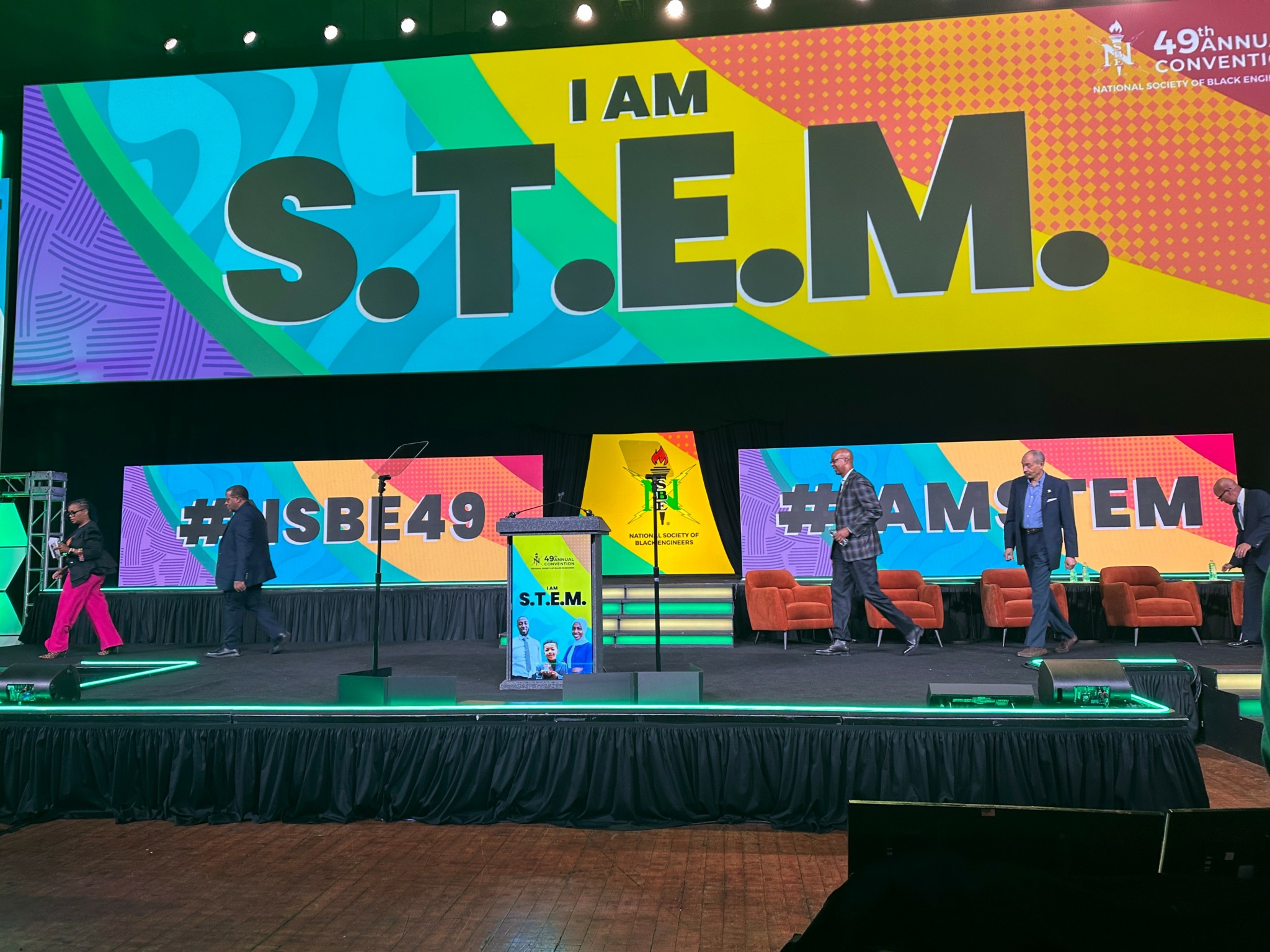
I am a business development strategist and partnership architect focused on helping organizations, founders, and cultural leaders grow through strategic relationships, positioning, and execution. As the Founder of Friends of the Program, I work at the intersection of technology, culture, and community connecting brands, institutions, and visionaries to opportunities that create meaningful and measurable impact. I currently serve as the National Chair-Elect for the NSBE Professionals, helping expand access, partnerships, and career pathways for Black engineers and technologists nationwide.
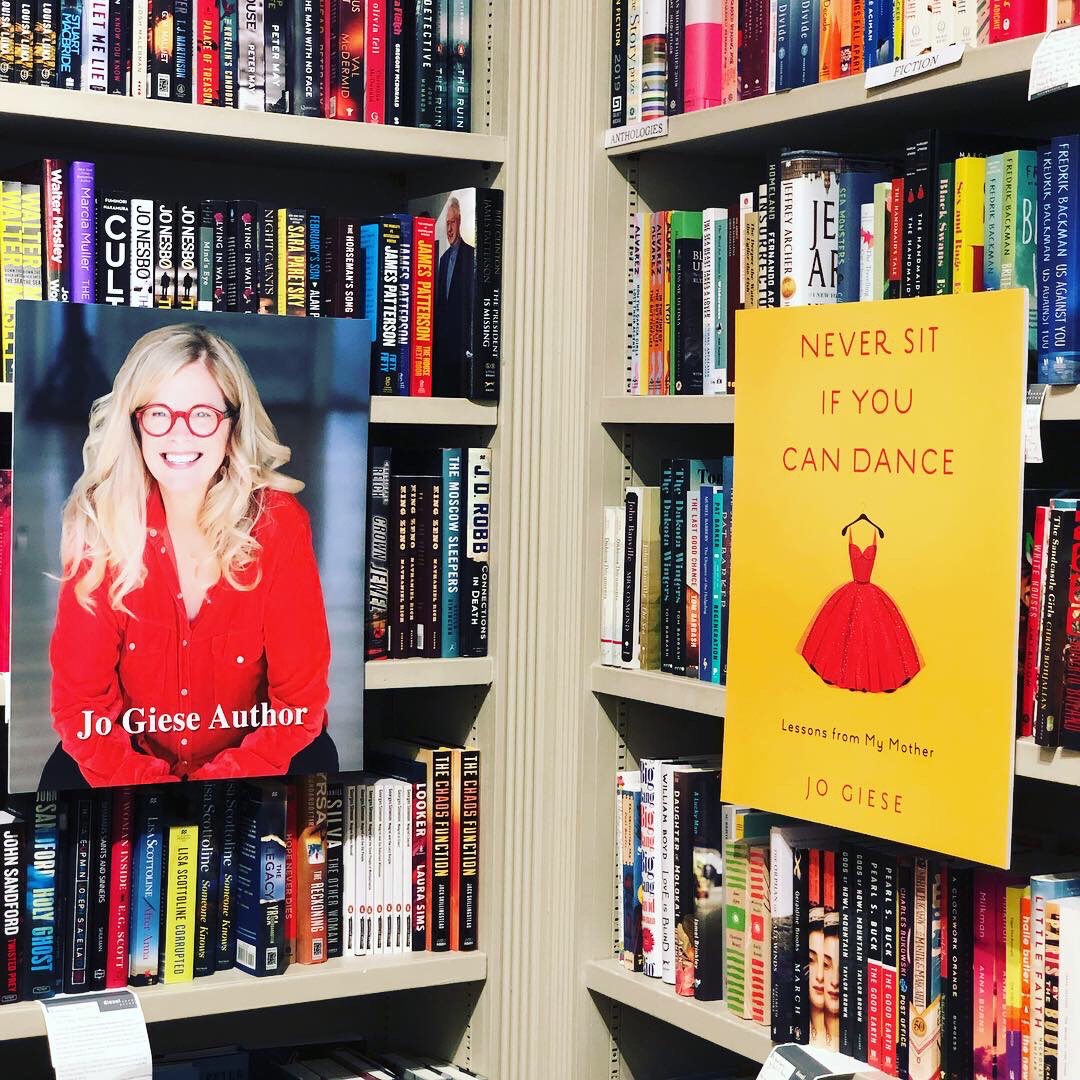
I also serve on the Advisory Board for the FAMU–FSU College of Engineering and Eventnoire, supporting initiatives that advance innovation, talent development, and cultural entrepreneurship. In addition, I am the business manager for author Jo Giese and app accelerator founder Amanda Spann, helping guide their strategic growth, partnerships, and platform expansion.
What excites me most about my work is the ability to open doors. I believe relationships are the most powerful form of capital, and my brand is rooted in service, trust, and long-term vision. Everything I do is centered on creating opportunities that move people, ideas, and communities forward.
How about pivoting – can you share the story of a time you’ve had to pivot?
One of the most defining pivots in my career came when I made the decision to leave engineering to pursue business development and marketing in entertainment and technology.
Early in my career, I worked as an engineer supporting major companies like U.S. Steel and MillerCoors. It was stable, respectable work, and on paper, it was exactly what I had went to engineering school for. But over time, I realized that what energized me most wasn’t the technical work, it was the relationships, the strategy, and the business behind the entertainment. I was drawn to growth, partnerships, and the cultural side of business.
I remember having a conversation with the VP of Packaging at MillerCoors, where I shared my aspiration to transition into business development and marketing. His response was direct: he told me that would never happen under his leadership. That moment could have discouraged me but instead, it gave me clarity. I realized that if I wanted a different future, I would have to create it myself.
Soon after, I made the difficult decision to leave MillerCoors and invest my time and energy into helping build my friend’s startup, DigitalGuestlist, which was an early platform connecting people to events and experiences well before platforms like Eventbrite became dominant. There was no guaranteed salary, no clear roadmap, and no certainty of success. What I did have was belief, curiosity, and a willingness to learn.
Through DigitalGuestlist, I immersed myself in business development, strategic partnerships, and event marketing. I learned how to build relationships, create value, and navigate emerging industries. That experience didn’t just give me skills, it gave me a new identity and trajectory.
That pivot taught me that sometimes the most important doors won’t open for you, you have to build them yourself. It also reinforced that your career should align with your purpose and what genuinely excites you. Betting on yourself is never easy, but it’s often the decision that defines everything that follows.
Any stories or insights that might help us understand how you’ve built such a strong reputation?
What helped me build my reputation within my market was trust, consistency, and a genuine commitment to serving others’ visions as if they were my own. That philosophy ultimately became the foundation for my company, Friends of the Program.
From early in my career, I made a conscious decision that I wanted to be known as someone who delivers not just someone with ideas, but someone who executes. I focused on doing what I said I would do, being dependable, and following through. Over time, people began to trust me not just with projects, but with their brands, their relationships, and their growth.
Relationships have also been central to everything I’ve built. I never approached networking as transactional. I invested in people, supported their work, and made meaningful introductions without expecting anything in return. That approach led to the creation of Friends of the Program, a company rooted in the belief that success is built through community, collaboration, and shared opportunity.
I also built my reputation by stepping into emerging spaces early and helping organizations and founders navigate growth. Most importantly, I’ve always operated with integrity. Reputation isn’t built overnight, it’s built through consistency, service, and showing up for people over time.
Contact Info:
- Website: https://www.friendsoftheprogram.co
- Linkedin: https://www.linkedin.com/in/johnnietangle