



Alright – so today we’ve got the honor of introducing you to John Richards. We think you’ll enjoy our conversation, we’ve shared it below.
Alright, John thanks for taking the time to share your stories and insights with us today. What did your parents do right and how has that impacted you in your life and career?
Teach me to only pay cash for things that depreciate and only take out debt for things that appreciate.

As always, we appreciate you sharing your insights and we’ve got a few more questions for you, but before we get to all of that can you take a minute to introduce yourself and give our readers some of your background and context?
I have spent most of my professional life helping entrepreneurs turn ideas into real companies.
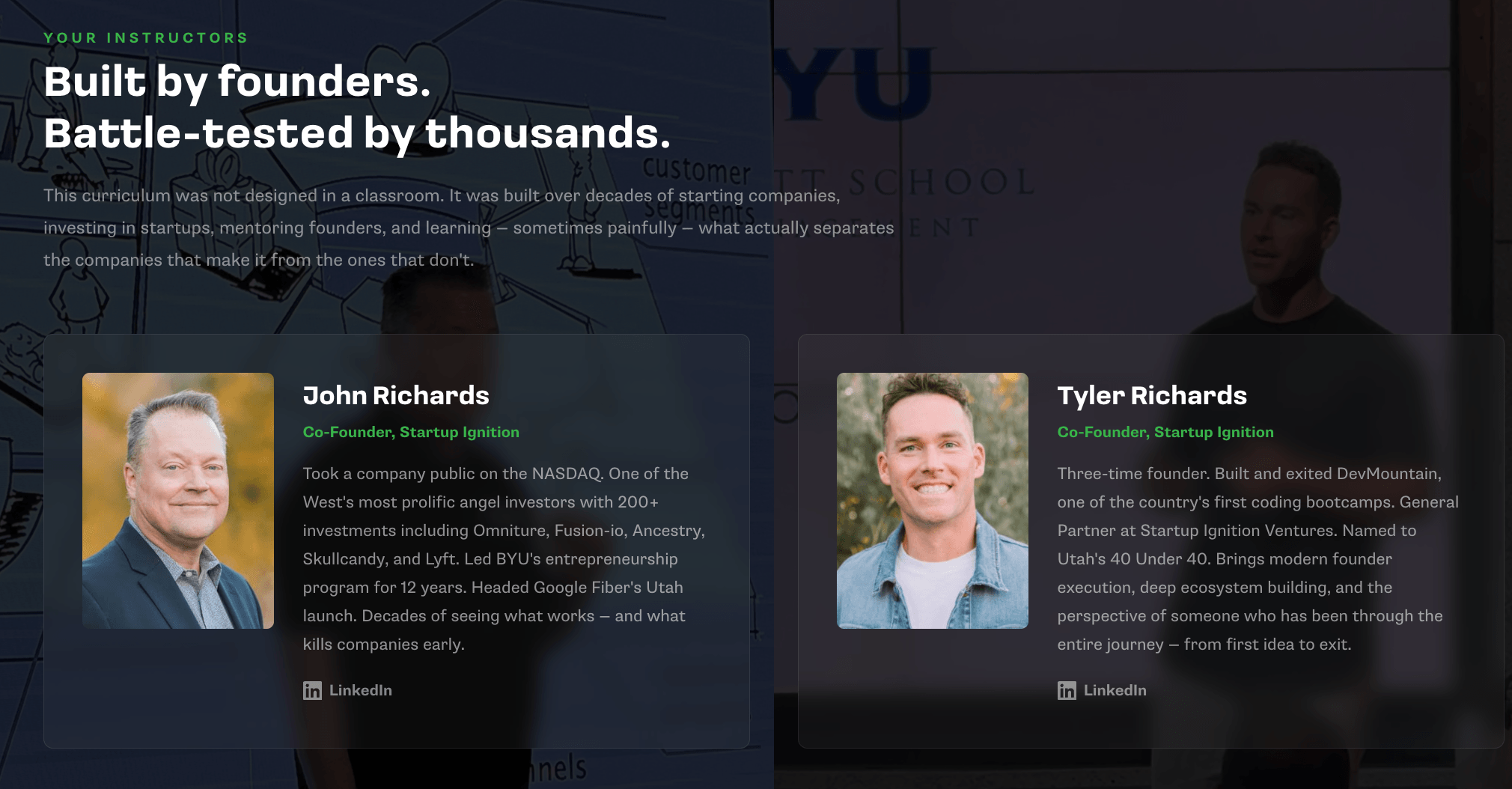
My background is a blend of teaching, investing, mentoring, and building entrepreneurial programs. I was a professor of entrepreneurship at Brigham Young University, where I founded and helped build the Rollins Center for Entrepreneurship and Technology. Over the years, I had the privilege of working with thousands of students, founders, and early-stage companies. That experience shaped the way I think about entrepreneurship: great startups are not built merely by having big ideas or attractive pitch decks. They are built through disciplined customer discovery, deep problem understanding, clear market validation, and relentless execution.
Today, I am the co-founder and managing partner of Startup Ignition Ventures, a pre-seed venture capital firm I run with my son, Tyler. We invest in and mentor early-stage founders, especially those building B2B software and workflow-focused companies. Our goal is not simply to write checks. We try to help founders become better entrepreneurs, make better decisions, avoid common startup traps, and build companies that can become meaningful, valuable businesses.
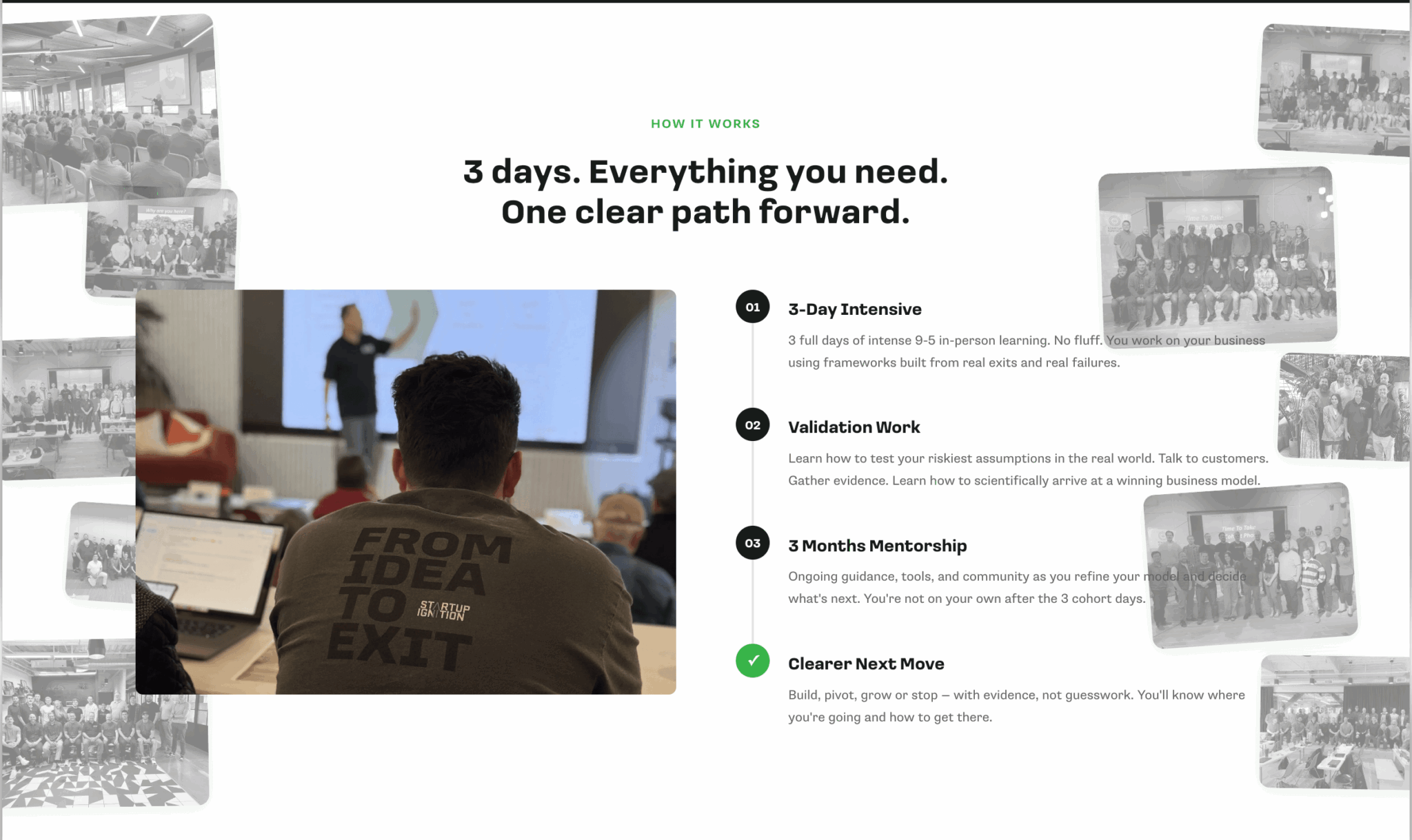
We also operate Startup Ignition Bootcamp, an intensive founder-training program designed to pressure-test startups quickly and practically. The bootcamp helps founders sharpen their customer discovery, identify real buyer pain, validate demand, improve their go-to-market strategy, and understand what investors are really looking for. In addition, we are building the Startup Ignition ToolSuite, an AI-powered platform to help founders capture, analyze, and learn from customer conversations and market feedback more effectively.
The core problem we solve is that many founders confuse enthusiasm with evidence. They may have a clever idea, encouraging feedback from friends, or a polished presentation, but they often have not yet proven that customers have an urgent problem, are actively seeking a solution, and will pay for it. We help founders cut through the noise and get to the truth faster.
What sets us apart is our combination of investor discipline, founder empathy, teaching experience, and practical tools. We are direct with founders because we want them to succeed. We believe encouragement is valuable, but honest feedback is even more valuable. Our approach is rigorous, but it is also deeply founder-aligned. We want entrepreneurs to preserve time, capital, and energy by learning what is true as early as possible.
I am most proud of the founders we have helped over the years — not only the ones who raised capital or built successful companies, but also the ones who gained clarity, changed direction, avoided costly mistakes, or became better leaders through the process. Entrepreneurship is hard, and founders need more than hype. They need frameworks, accountability, honest feedback, and people who are willing to tell them the truth.
The main thing I want people to know about Startup Ignition is that we are serious about helping founders build real companies. We care about substance over theater. We believe the best startups are built by founders who are coachable, disciplined, customer-obsessed, and willing to test their assumptions before the market tests them the hard way.
At this stage of my career, I see my work as a continuation of what I have always loved doing: helping entrepreneurs think more clearly, move faster, and build companies that matter.
Conversations about M&A are often focused on multibillion dollar transactions – but M&A can be an important part of a small or medium business owner’s journey. We’d love to hear about your experience with selling businesses.
Yes, I sold a business and learned that you need to get all your money upfront and not have an earn-out (or a very small one). Holding back part of the purchase price that is dependent on the new owner performing in the business is dangerous. Also, be prepared to not work for the business after the acquisition. even if the intent is to do so, it won’t last long.
Any stories or insights that might help us understand how you’ve built such a strong reputation?
Being will to help people with inordinate time and effort expecting nothing in return. Often, a big return happens.
Contact Info:
- Website: https://johnrichards.me
- Instagram: @johnstartup
- Facebook: https://www.facebook.com/johnericrichards/
- Linkedin: https://www.linkedin.com/in/johnrichards/
- Twitter: johnrichards_ut
- Youtube: https://www.youtube.com/@StartupIgnition

Image Credits
Tyler Richards