

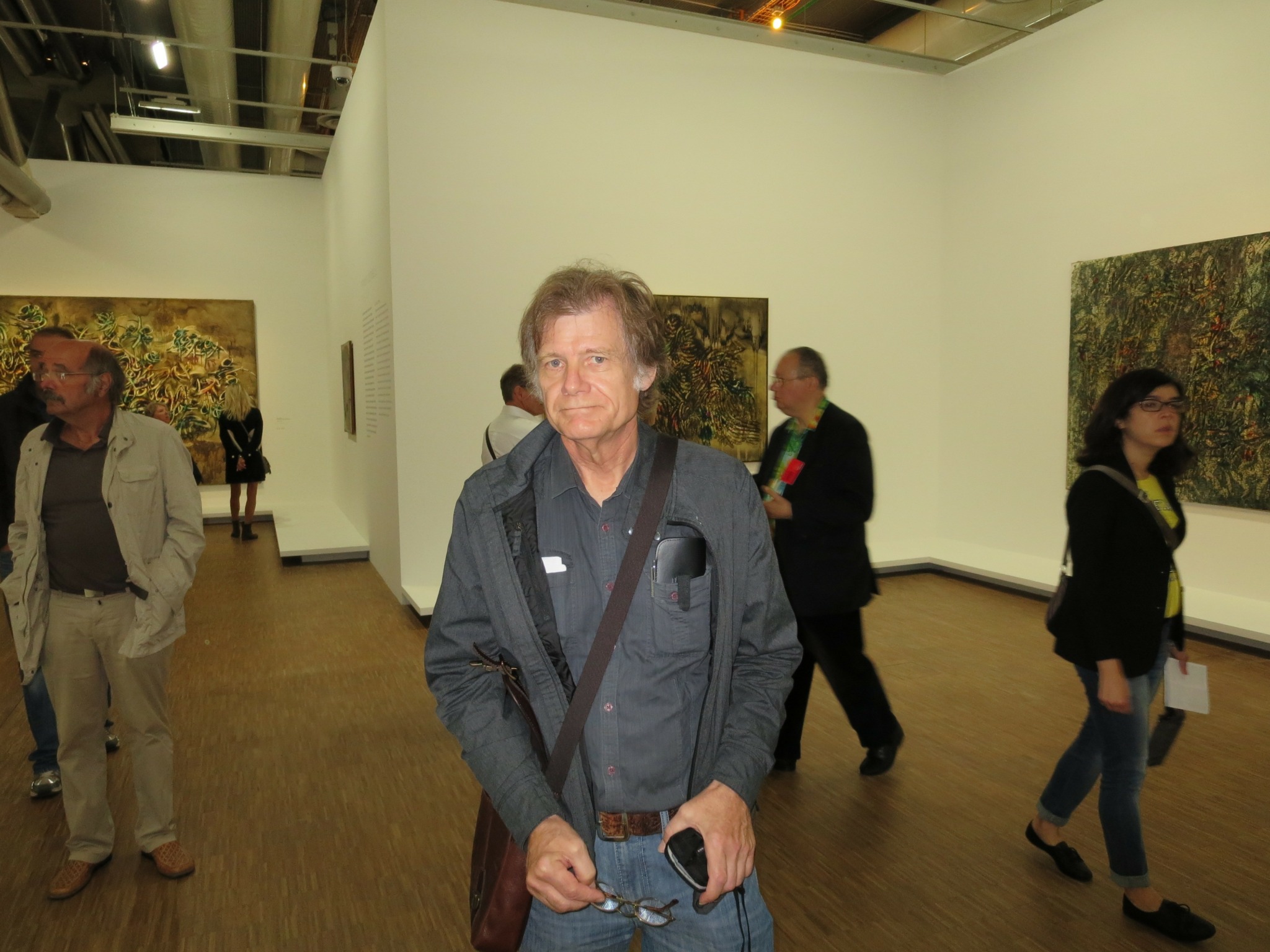

We recently connected with John Olson and have shared our conversation below.
John, appreciate you joining us today. I’m sure there have been days where the challenges of being an artist or creative force you to think about what it would be like to just have a regular job. When’s the last time you felt that way? Did you have any insights from the experience?
I’ve found a great deal of fulfillment in writing prose and poetry over the years – decades, really – though unless one is born into wealth, any involvement in the creative life is going to entail a lot of hardship, not just maintaining a level of financial security, but integrating with the rest of society. At social gatherings, I cringe if anyone introduces me as a poet; the common perception of the poet is that of a feckless nerd, a pretentious ne’er-do-well, often elicits a somewhat embarrassed response. The word ‘writer” once enjoyed a high degree of prestige, but that began to quickly erode circa the late 70s; it is all but meaningless now. Literature itself is at risk. Computer technology has all but destroyed the familiarity and respect literature once had. It’s been painful to watch literacy evaporate, bookstores struggle to stay in business with eviscerated inventories, and people grow socially awkward and openly anti-intellectual in a progressively atomized society. The world today feels all too similar to the dystopic vision in Ray Bradbury’s Fahrenheit 451. At age 77, I find myself feeling a lot regret over not, say, going into law, a profession calling upon a set of verbal and critical thinking skills in which my worldly concerns and worries would’ve been significantly less acute. Deep down, however, I don’t think I ever really had a choice. I started typing my first novel at age 9. And by the time I turned 18, the siren call of the muse had lured me into a domain of enchantment that would last a lifetime.
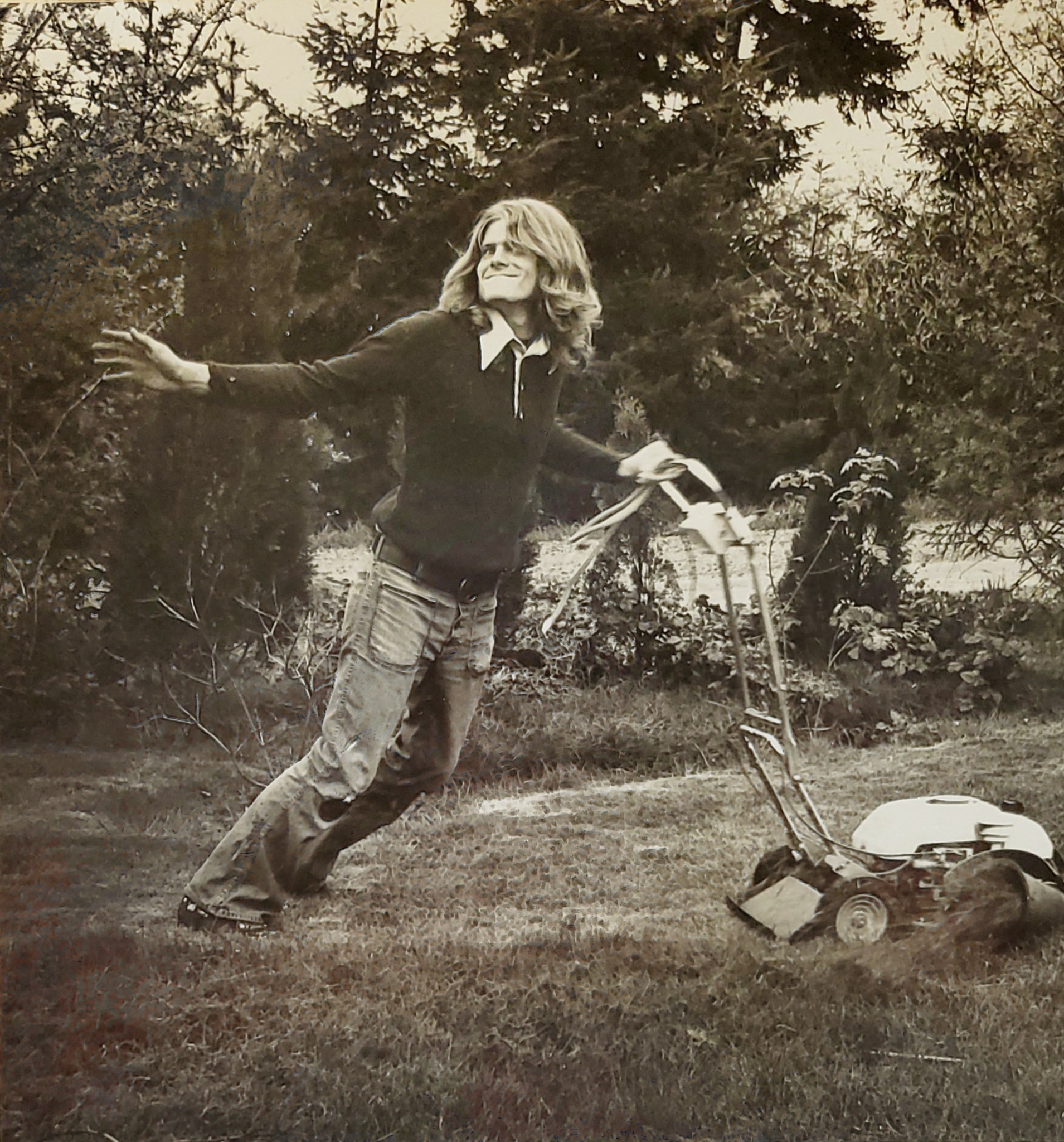
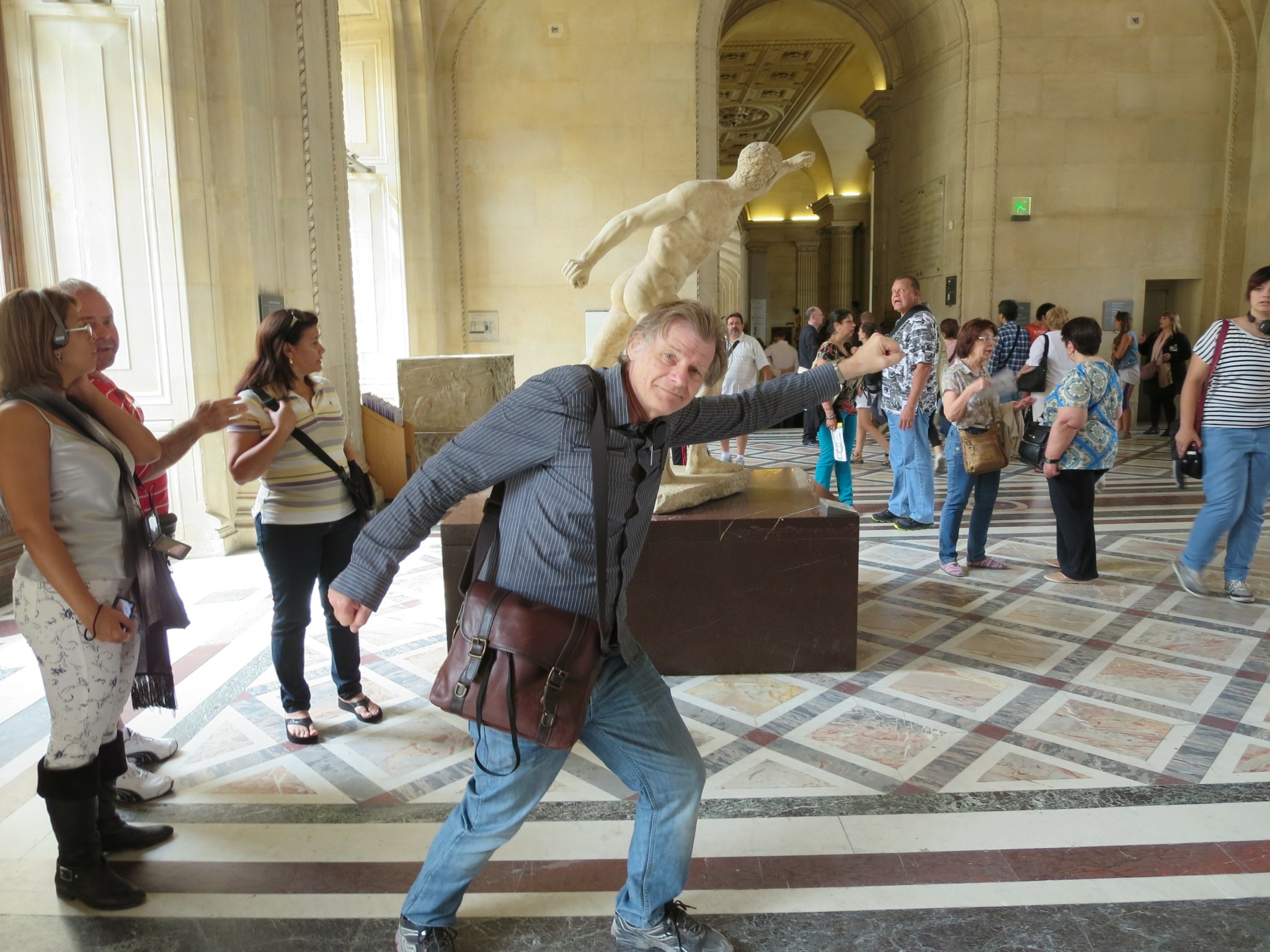
Awesome – so before we get into the rest of our questions, can you briefly introduce yourself to our readers.
I’ve had a fascination with language for as long as I can remember. It assumed palpable form one afternoon in August, 1965, when I first heard Bob Dylan’s “Like A Rolling Stone” jubilantly streaming from the back speaker of a friend’s car. The language was electrifying. I was 18 and had just graduated from high school. I had no idea what I wanted to do with my life, how to make a living, how to learn a skill, find an apprenticeship, or what college to attend. The aspiration to become a poet is not what a parent wants to hear. But there it was: my first real ambition in life. Create entities of language so powerfully phantasmagoric, so intellectually acute, so bizarre, so elevating in lyrical power that they would have the same effect as Dylan’s music. This was the decade of the Beatles. Rock stars were gods, and had I been smart, I might’ve gone in that direction, learned to play the guitar and enjoyed more reasonable prospects for ample financial remuneration. And bigger audiences. Poetry is too fundamentally wild and otherworldly to frame it in any kind of commercial context. Prose writing is a little more grounded and is a much better fit commercially, which is one of the reasons I began writing prose poetry. I’ve often been described as a surrealist, but the best description of what I do was encapsulated in a blurb written for one of my poetry collections by the poet Clayton Eshleman, who wrote “Olson is an original, and that accomplishment is an extraordinary feat at this point in the long history of literature. His prose poems do not remind me of anyone else’s work. While elements of Surrealism are involved, he is not a Surrealist: while his non-narrative, exploding juxtapositions reveal a background awareness of Surrealism, thematic development is always present, so that a given work of one to three pages, unlike Language Poetry, does not erase itself as it proceeds; there is a floating focus that functions like a jungle gym. On this ‘gym’ Olson displays his linguistic acrobatics, juxtaposing the totally unexpected with, to borrow Hart Crane’s marvelous phrase, ‘the logic of metaphor.’ So a piece advances in several directions at once and concludes when its duration is sensed as complete.”
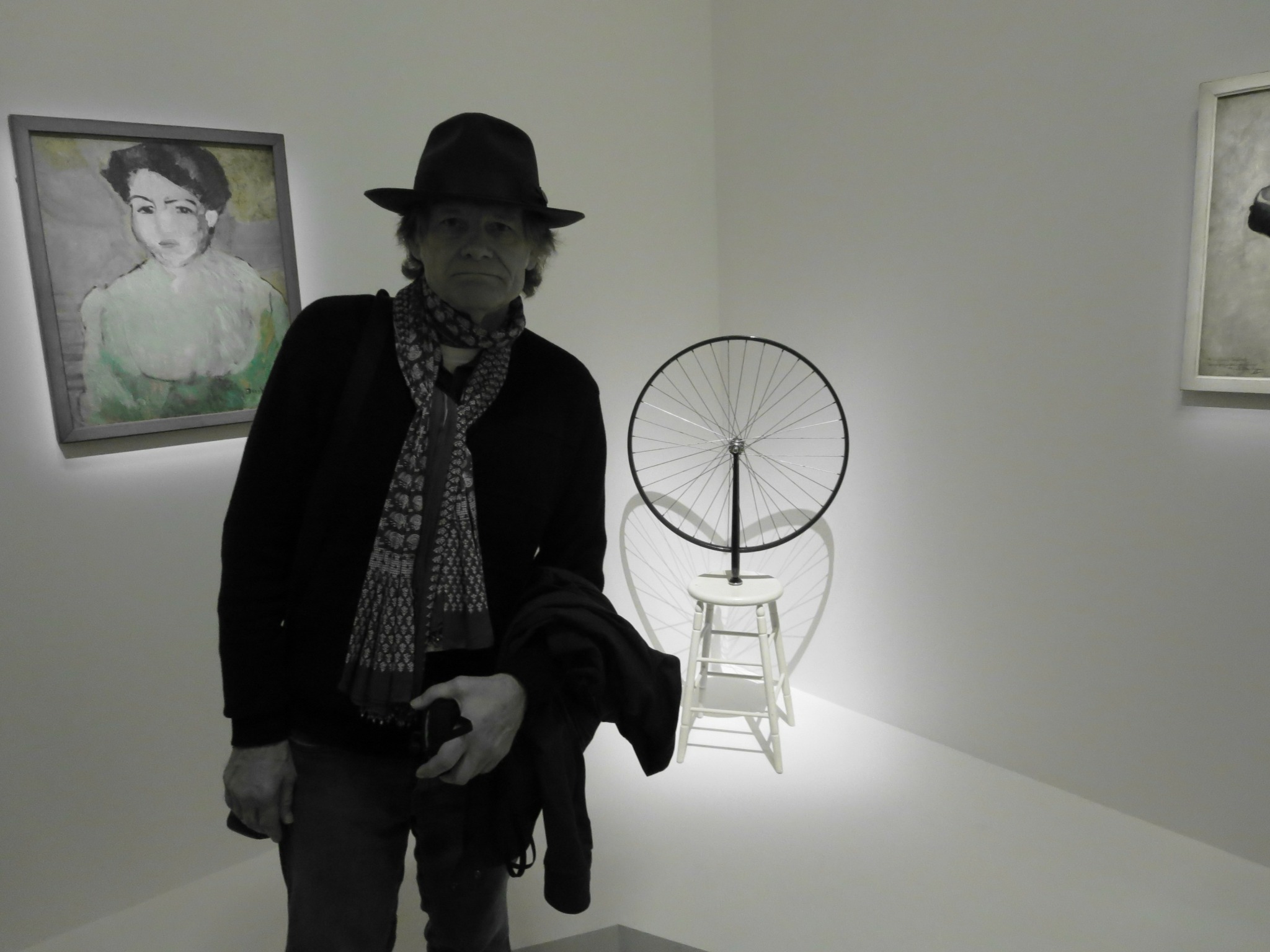
How can we best help foster a strong, supportive environment for artists and creatives?
This is an easy answer: buy books. Read books. Take some minutes during the day to read print media, a book, magazine, or newspaper. Reduce screen time. Attend a reading or lecture. Join a book club.
What do you think is the goal or mission that drives your creative journey?
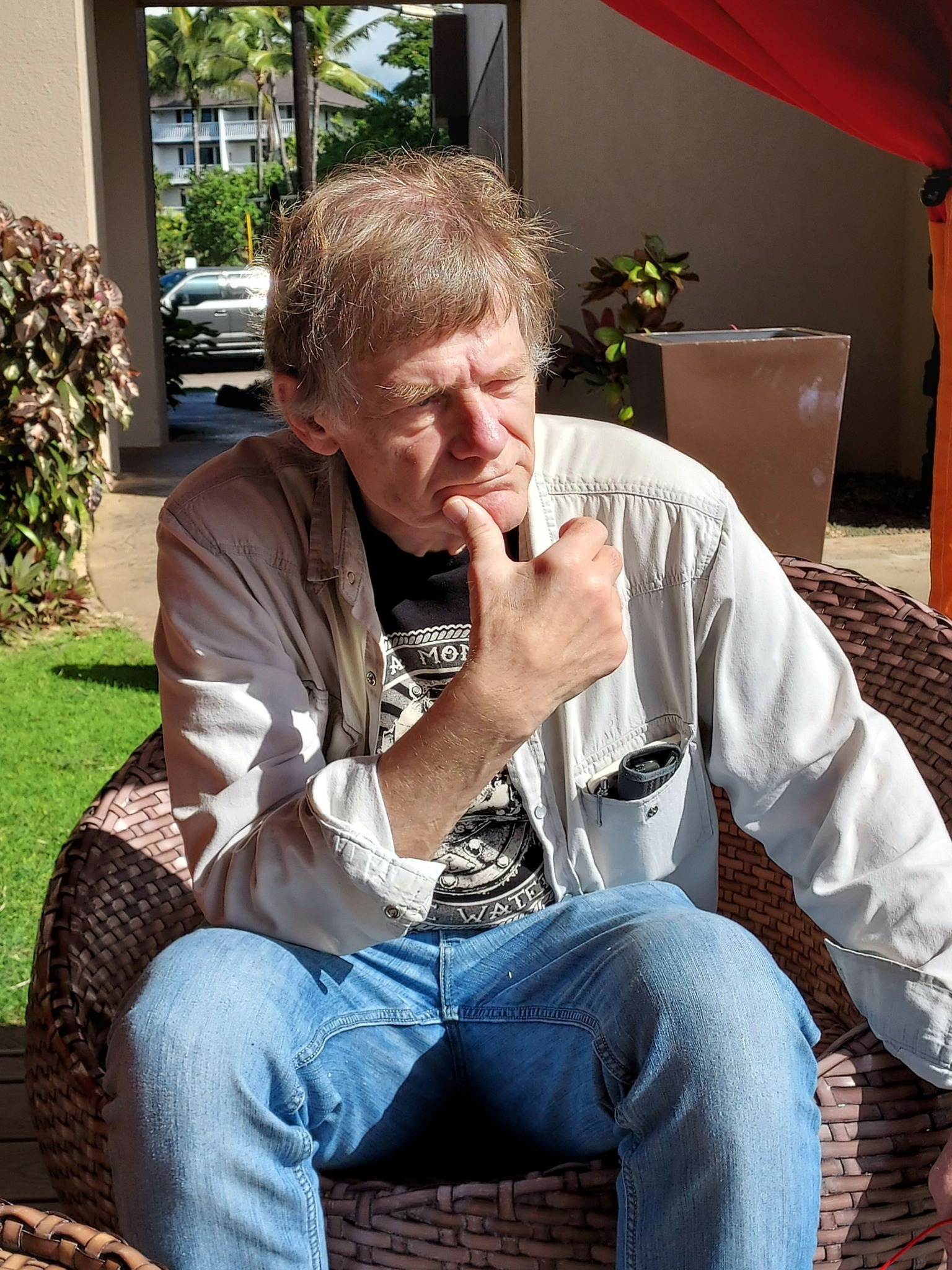
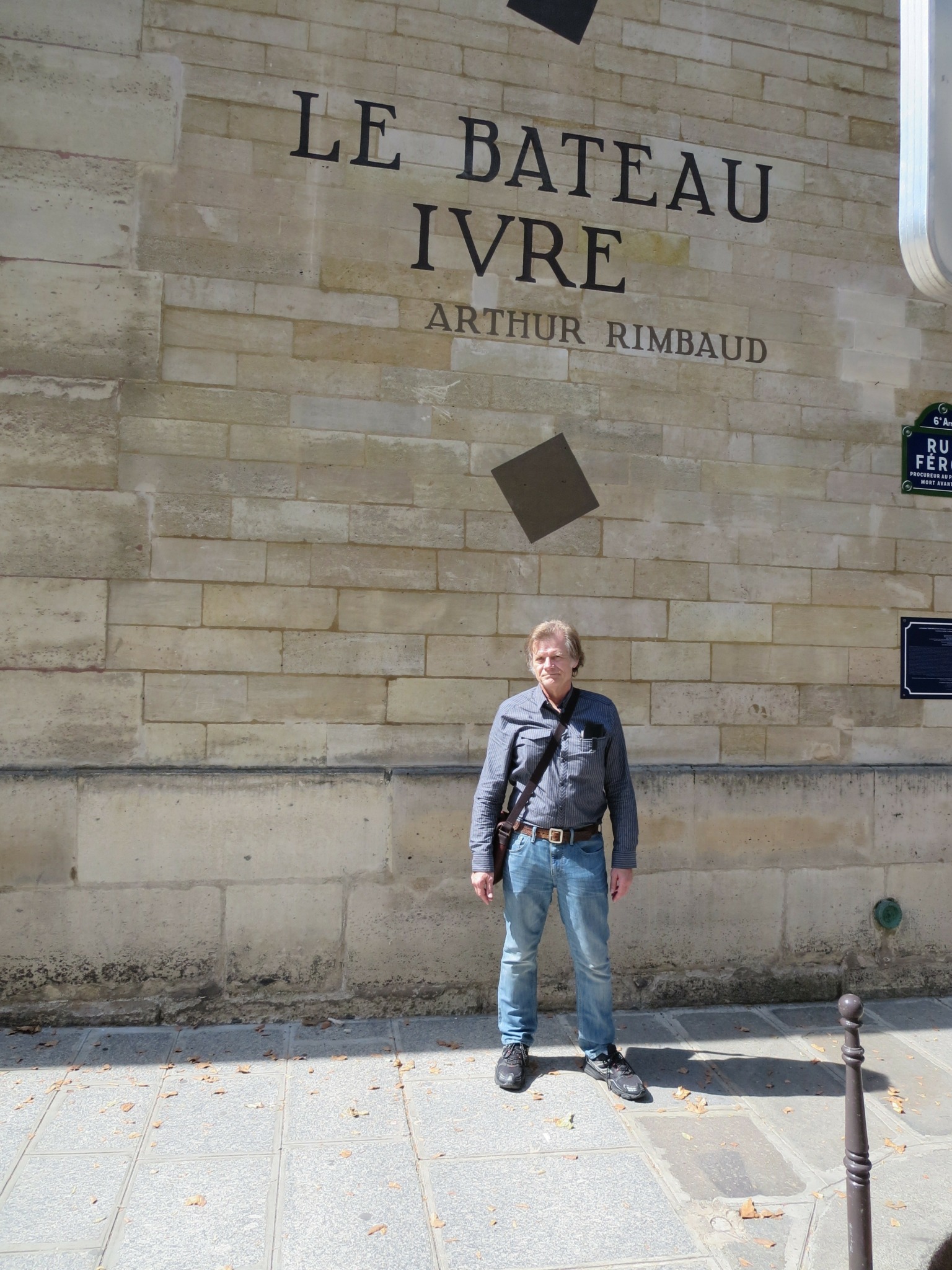
Yes. Every time I write something and post it on Facebook or my blog, I feel like I’m performing CPR on the English language. Our language is dying. It’s threatened not just by the erosion of literacy, but this frightening tendency lately to call for censorship. Censorship is not going to solve problems of misinformation, fake news, alternative facts, Orwellian doublespeak or propaganda. These have always been around. Censorship is not going to make them go away. They’ll just assume other forms. The best remedy for bad speech is more speech.
I also want to encourage others to be creative. Reading is, in many ways, very similar to writing. One can read creatively. The enjoyment of a gracefully constructed sentence is an engagement of mutual endeavor. One can also perceive creatively. Perception is not entirely an involuntary, biologically determined act; it can be enlarged, modified, refined. I highly recommend reading Aldous Huxley’s The Doors of Perception. Works and talks by Terence McKenna can also be highly inspiring. The use of psychedelic drugs can be helpful, but it is by no means the only way to expand one’s personal sensorium. I find certain authors, such as Marcel Proust, James Joyce and Virginia Woolf can be enormously helpful in expanding and awakening my perceptual and intellectual life. A visit to a local art gallery or museum can incite a riot of creative ideas. Physical activities such as long-distance running can have a dynamic effect on one’s proprioceptive field of being. There is also meditation, travel, rock climbing, hang gliding, parasailing and sweat lodge participation. Horseback riding. Storm chasing. Quantum physics. If someone reads one of my prose poems and experiences an overwhelming compulsion to do a headstand or a cartwheel, I feel I have succeeded at something. An enlivened, creative society is less apt to go to war. Unless, of course, it’s the war on the imagination. “the war that matters is the war against the imagination,” declares Diane di Prima in “Rant,” “all other wars are subsumed in it. / the ultimate famine is the starvation / of the imagination.” I consider myself a soldier in the war on words.
Contact Info:
- Website: https://tillalala.blogspot.com/
- Facebook: https://www.facebook.com/john.olson.73370/
- Other:
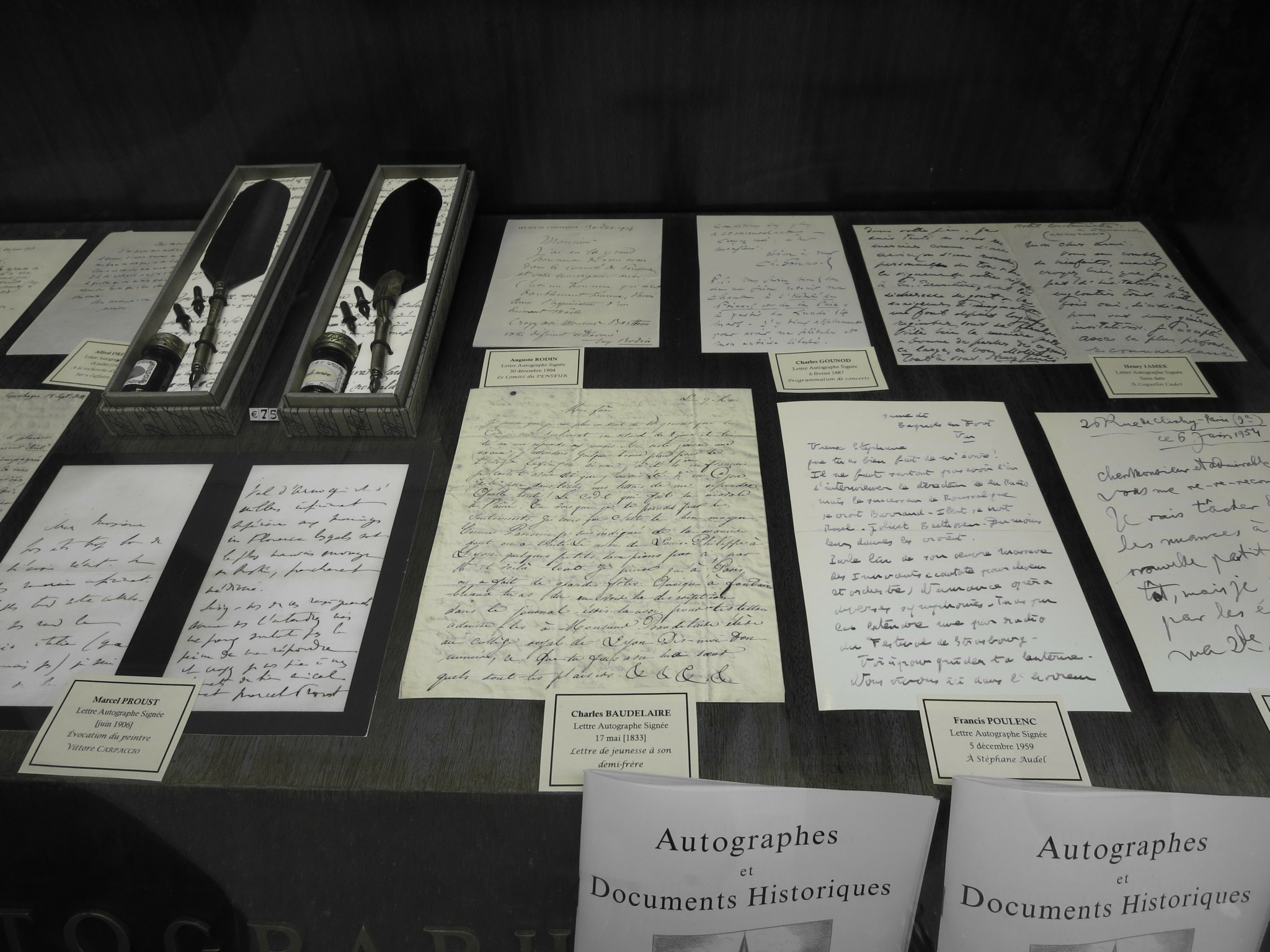
Image Credits
Roberta Olson