

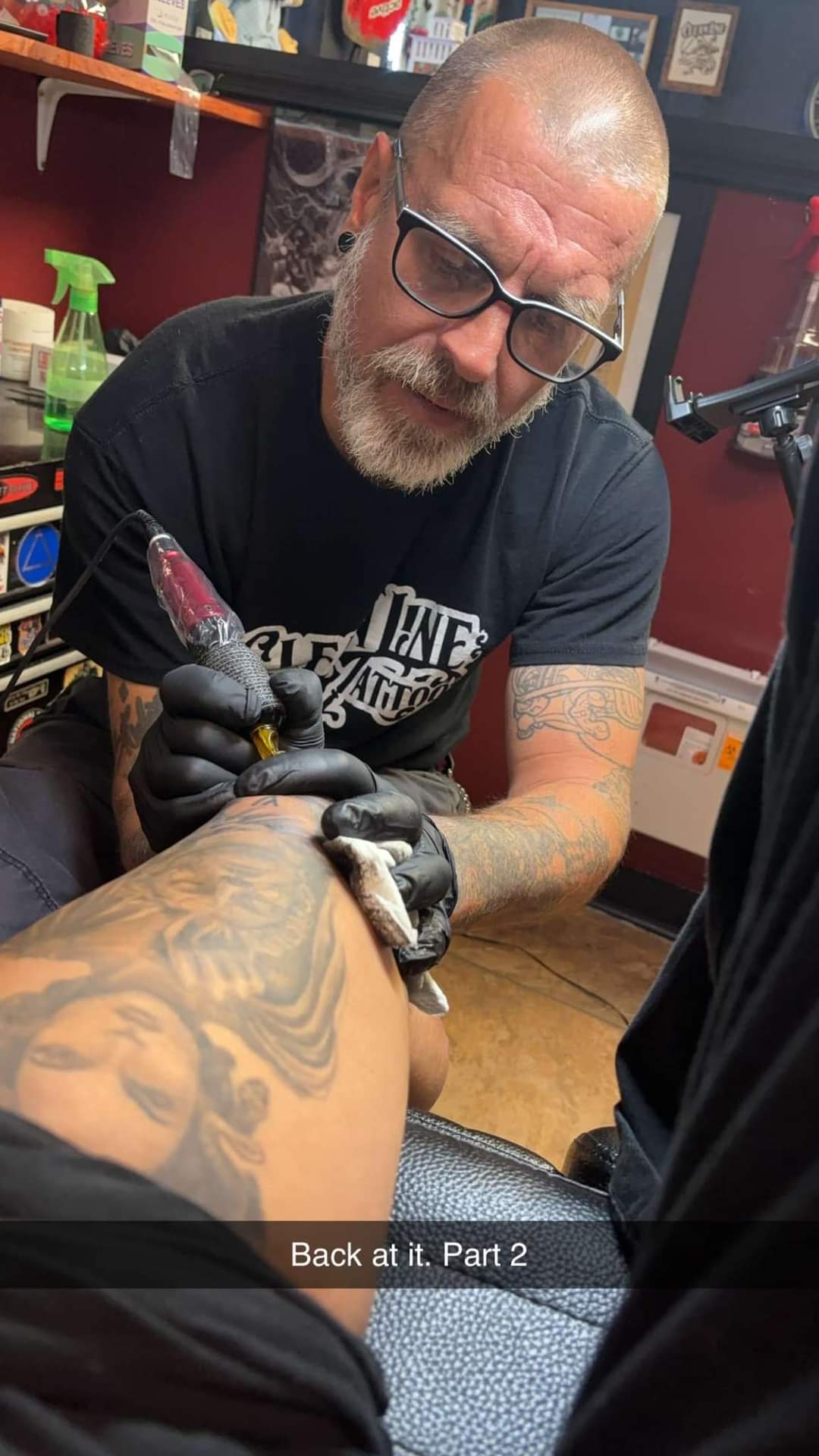

We were lucky to catch up with John Nichols recently and have shared our conversation below.
Alright, John thanks for taking the time to share your stories and insights with us today. Earning a full time living from one’s creative career can be incredibly difficult. Have you been able to do so and if so, can you share some of the key parts of your journey and any important advice or lessons that might help creatives who haven’t been able to yet?
I do earn a full-time living from my creative work now, but it definitely was not that way from day one. Tattooing started as a passion rooted in art. Before I ever picked up a tattoo machine, I wanted to be an art teacher. Life took me in a different direction, and for a long time creativity took a back seat to survival, addiction, and just trying to get through each day.
When I got sober, everything changed. I came back to art with purpose and discipline. Tattooing gave me a way to use creativity every single day while also building something tangible for myself and my family. Early on, money was inconsistent. There were slow weeks, self-doubt, and a lot of long hours. I had to learn not just how to tattoo, but how to be professional, how to treat clients well, how to build trust, and how to run a business.
The biggest milestones were consistency and reputation. Showing up every day, continuing to learn, refining my style, and respecting the craft. Over time, word of mouth grew, my books stayed full, and tattooing became reliable income instead of a gamble. Opening and growing a shop with my wife added another layer of responsibility and stability, but also more work and risk.
If I could speed anything up knowing what I know now, it would be understanding sooner that talent alone is not enough. You have to treat creative work like a business while still respecting it as an art form. Patience, humility, and consistency matter more than overnight success. For me, earning a living creatively came from staying sober, staying committed, and never forgetting why I started in the first place.
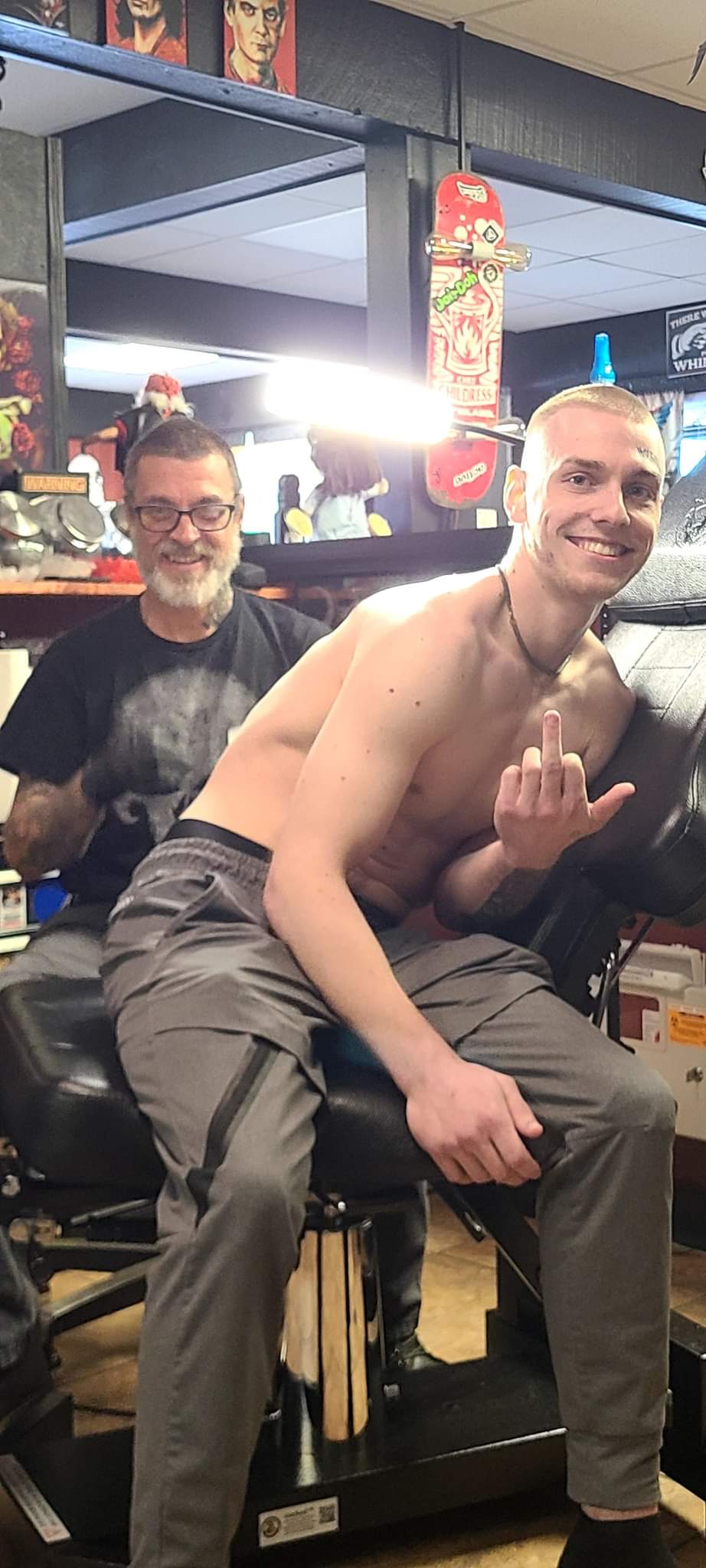
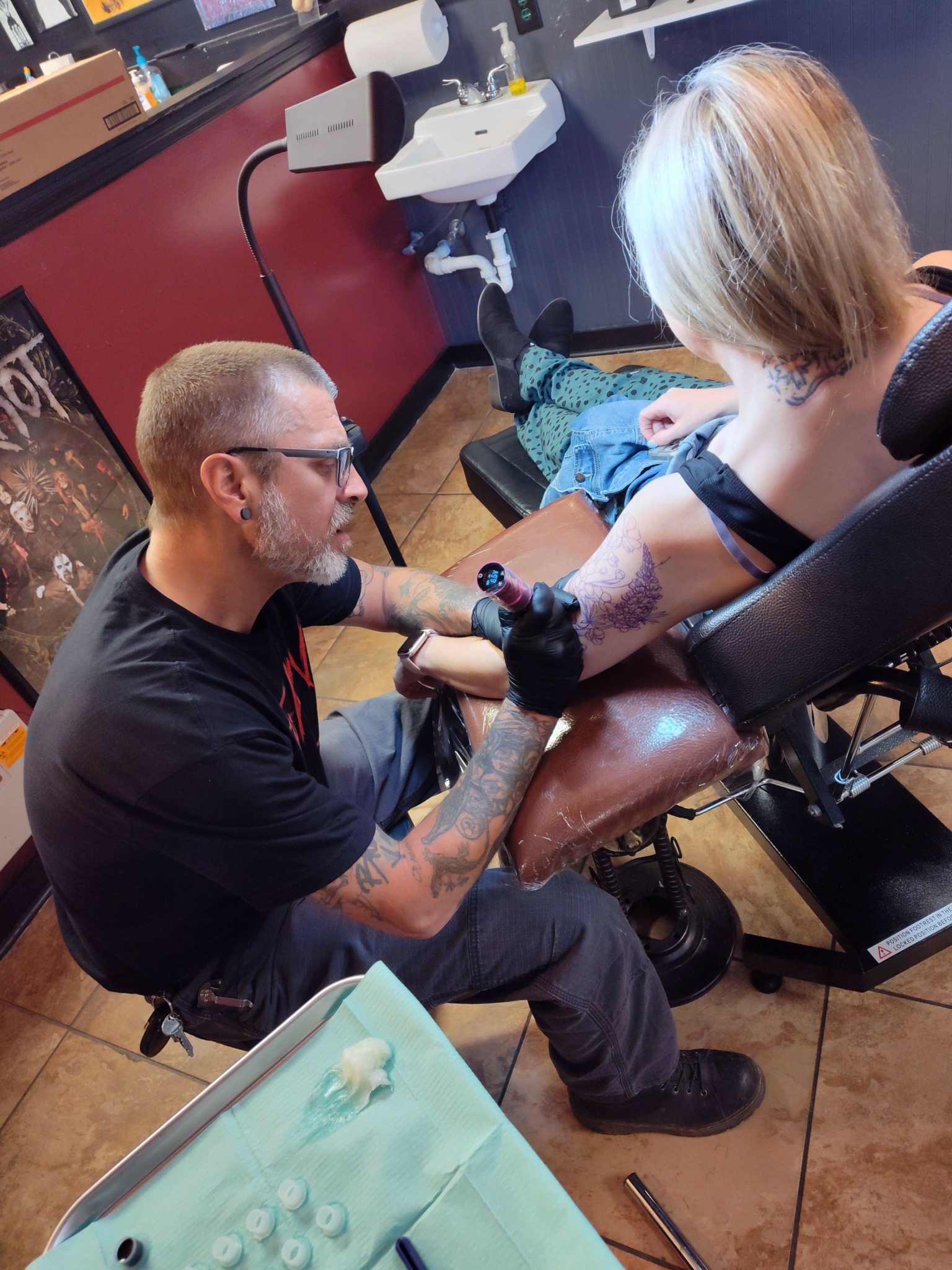
John, before we move on to more of these sorts of questions, can you take some time to bring our readers up to speed on you and what you do?
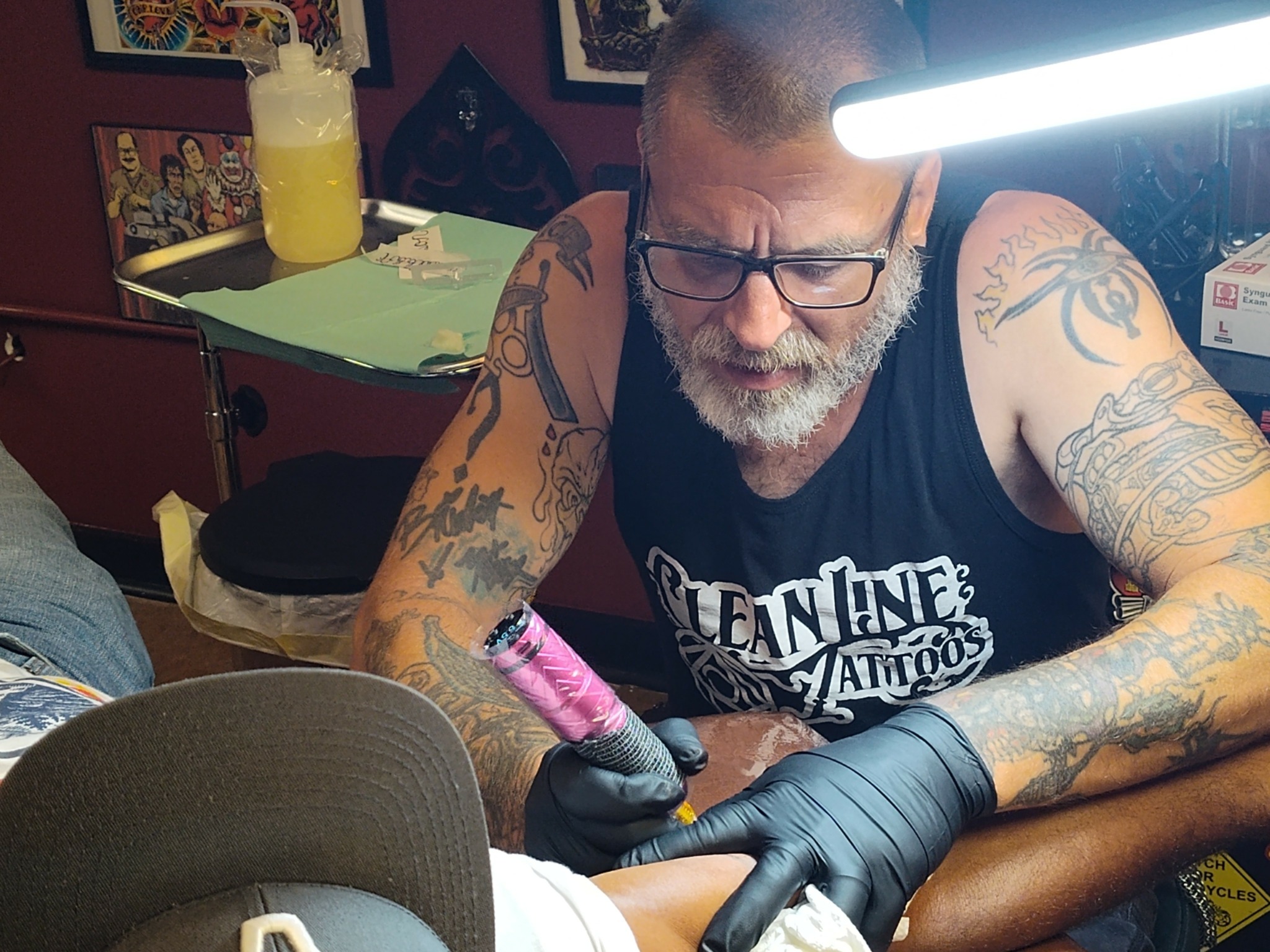
I’m a tattoo artist, shop owner, and lifelong creative based in Bowling Green, Kentucky. Long before tattooing entered my life, art was always there. As a kid, I wanted to be an art teacher. Drawing, creating, and understanding imagery came naturally to me, but life didn’t follow a straight line. Addiction, instability, and survival took priority for a long time, and creativity became something I lost touch with rather than something I lived through.
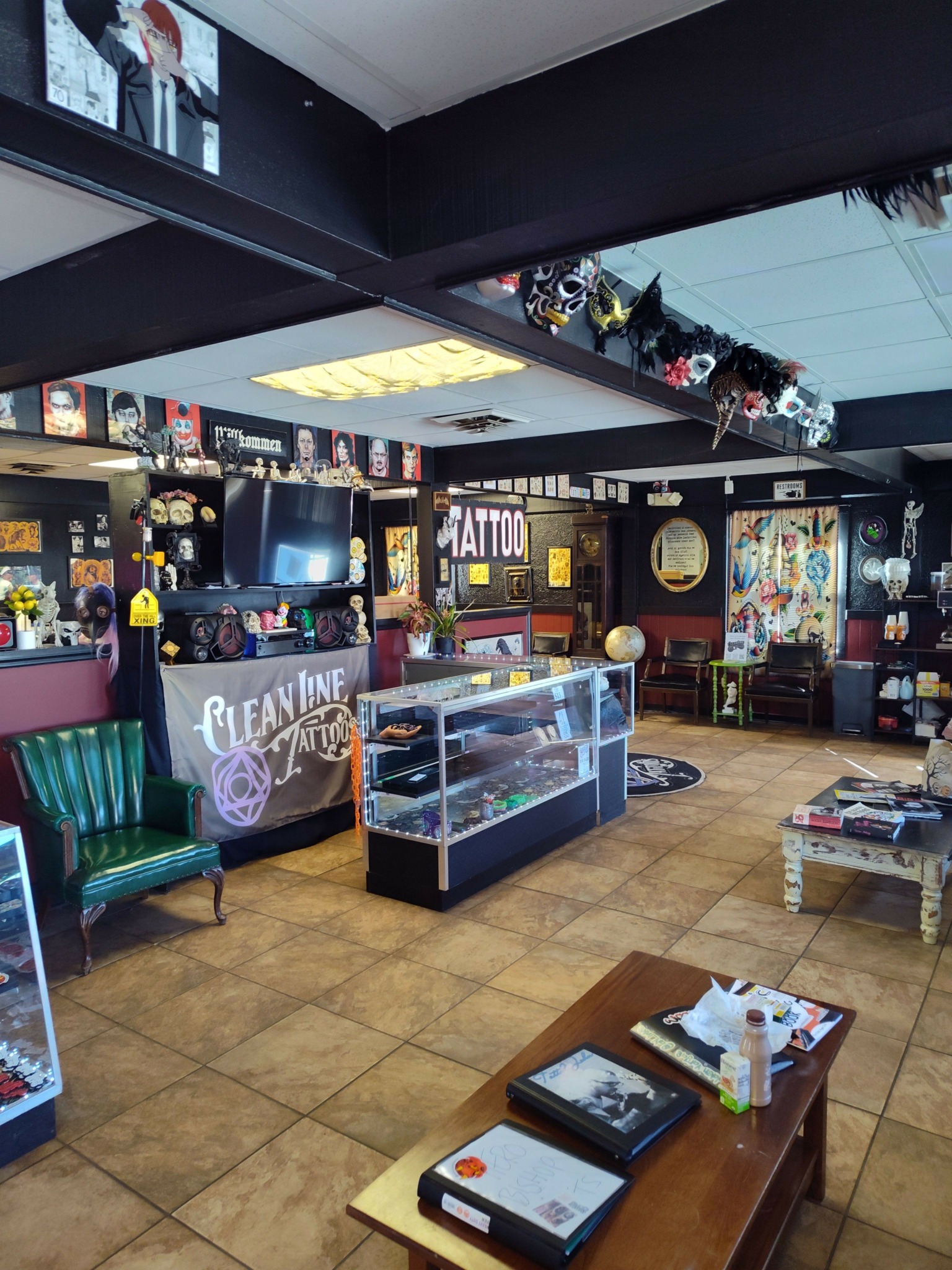
Getting sober changed everything. It gave me clarity, discipline, and the ability to commit fully to a craft. Tattooing became the place where my creativity, focus, and purpose all came together. What started as a way to reconnect with art eventually became my profession, my livelihood, and the foundation for the business my wife and I now run together at Clean Line Tattoos.
My work is rooted in respect for the craft. I specialize in bold, timeless tattooing with a strong foundation in traditional techniques, solid line work, and longevity. I focus on creating tattoos that hold up over time, both visually and structurally. I provide custom tattoos, collaborative design work, and a professional, welcoming experience for clients who may be getting their first tattoo or adding to a collection they’ve been building for years.
One of the biggest problems I help solve for clients is trust. Many people come in nervous, unsure, or carrying past bad experiences. I take pride in listening, educating, and guiding them through the process so they feel confident and respected. Tattooing isn’t just about putting ink in skin. It’s about understanding what the piece means to the person wearing it and executing it responsibly.
What sets me apart is consistency and integrity. I don’t chase trends. I focus on fundamentals, cleanliness, professionalism, and treating tattooing as both an art form and a serious responsibility. I show up every day, keep learning, and hold myself to a standard that honors the history of tattooing while still allowing room to grow.
What I’m most proud of is not just my artwork, but the life I’ve built around it. Staying sober, building a successful shop, mentoring others, and creating a space that feels safe and respectful means more to me than any single tattoo. Clean Line Tattoos represents second chances, hard work, and doing things the right way even when it’s not the easy way.
What I want people to know about me and my brand is simple. This is honest work done with intention. I care deeply about my clients, my craft, and the community I’m part of. Tattooing gave me a future I never thought I’d have, and I don’t take that lightly.
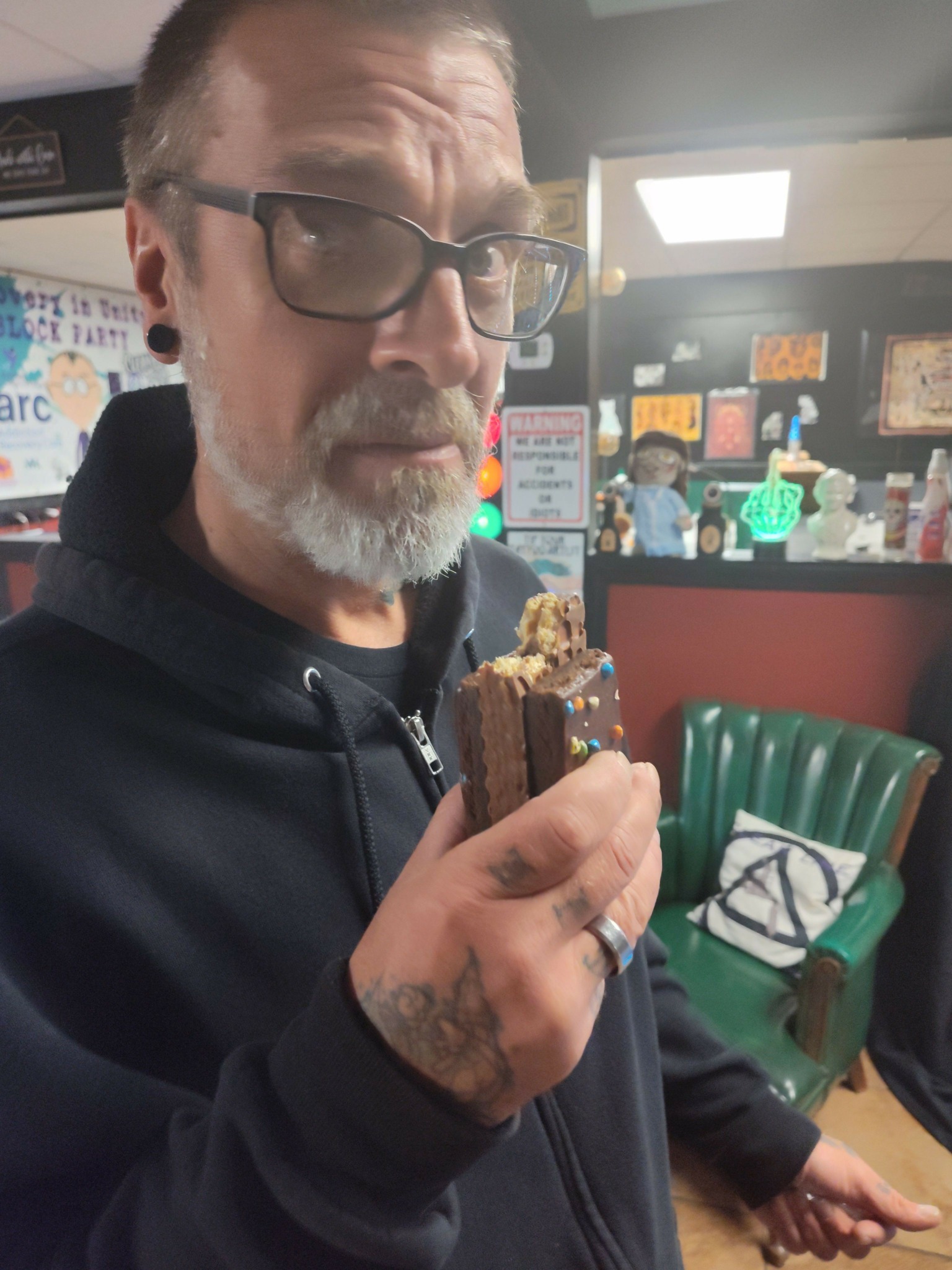
What can society do to ensure an environment that’s helpful to artists and creatives?
I think the biggest thing society can do to support artists and creatives is to take creative work seriously as real work. Too often creativity is treated as a hobby or something people should be grateful to do for exposure. Respecting artists means paying them fairly, valuing their time, and understanding that skill comes from years of practice, failure, and discipline.
Support also comes from education and access. Teaching young people that creative careers are valid paths matters. So does creating spaces where creatives can work safely, learn from one another, and build sustainable businesses. For trades like tattooing, that means respecting the craft, encouraging proper mentorship, and maintaining professional standards rather than chasing shortcuts or trends.
On a community level, supporting small, local creative businesses makes a real difference. Choosing to spend money locally, sharing artists’ work, and speaking positively about creative spaces helps those ecosystems survive. Artists don’t thrive in isolation. We thrive when communities trust us, support us, and allow us to grow without exploiting us.
Finally, I think society needs to allow room for second chances. Many creatives, myself included, come from complicated backgrounds. When people are given the opportunity to rebuild their lives through art and hard work, everyone benefits. Creativity can be healing, transformative, and powerful when it’s supported with respect and integrity.
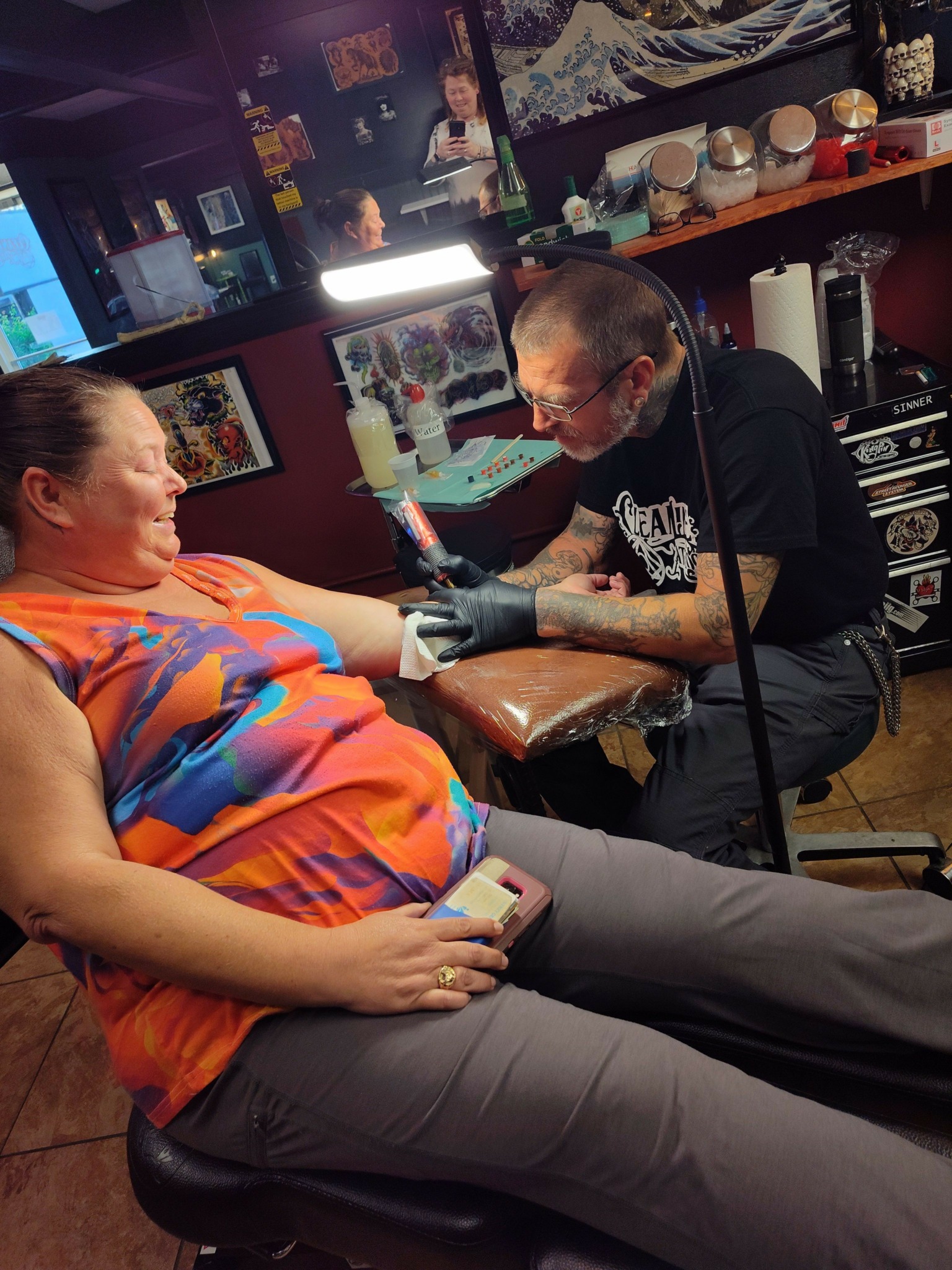
Let’s talk about resilience next – do you have a story you can share with us?
Resilience for me has shown up in quiet, unglamorous ways. There was no single moment where everything clicked. It was a series of decisions made over and over again, especially when it would have been easier to quit.
One story that stands out is the early period of my sobriety while trying to establish myself as a tattoo artist. I was rebuilding my life from the ground up. I had limited resources, inconsistent income, and a lot of self-doubt. There were days when the shop was slow, bills were due, and I questioned whether I had any business trying to make a living from art at all.
What kept me going was routine and responsibility. I showed up every day, even when there were no guarantees. I drew constantly, practiced fundamentals, and treated tattooing like the profession it is, not just a passion. I stayed sober, asked questions, and stayed humble enough to keep learning. Over time, those small, consistent efforts turned into trust from clients, steady work, and real stability.
That period taught me that resilience isn’t about being fearless or unstoppable. It’s about doing the work even when you’re unsure of the outcome. Building a career in tattooing while rebuilding myself at the same time showed me that progress comes from consistency, accountability, and not giving up on yourself when things are hard.
Contact Info:
- Website: https://cleanlinetattos.square.site
- Instagram: cleanlinetattoos
- Facebook: https://www.facebook.com/CleanLineTattoos
- Other: https://venue.ink/@cleanlinetattoos
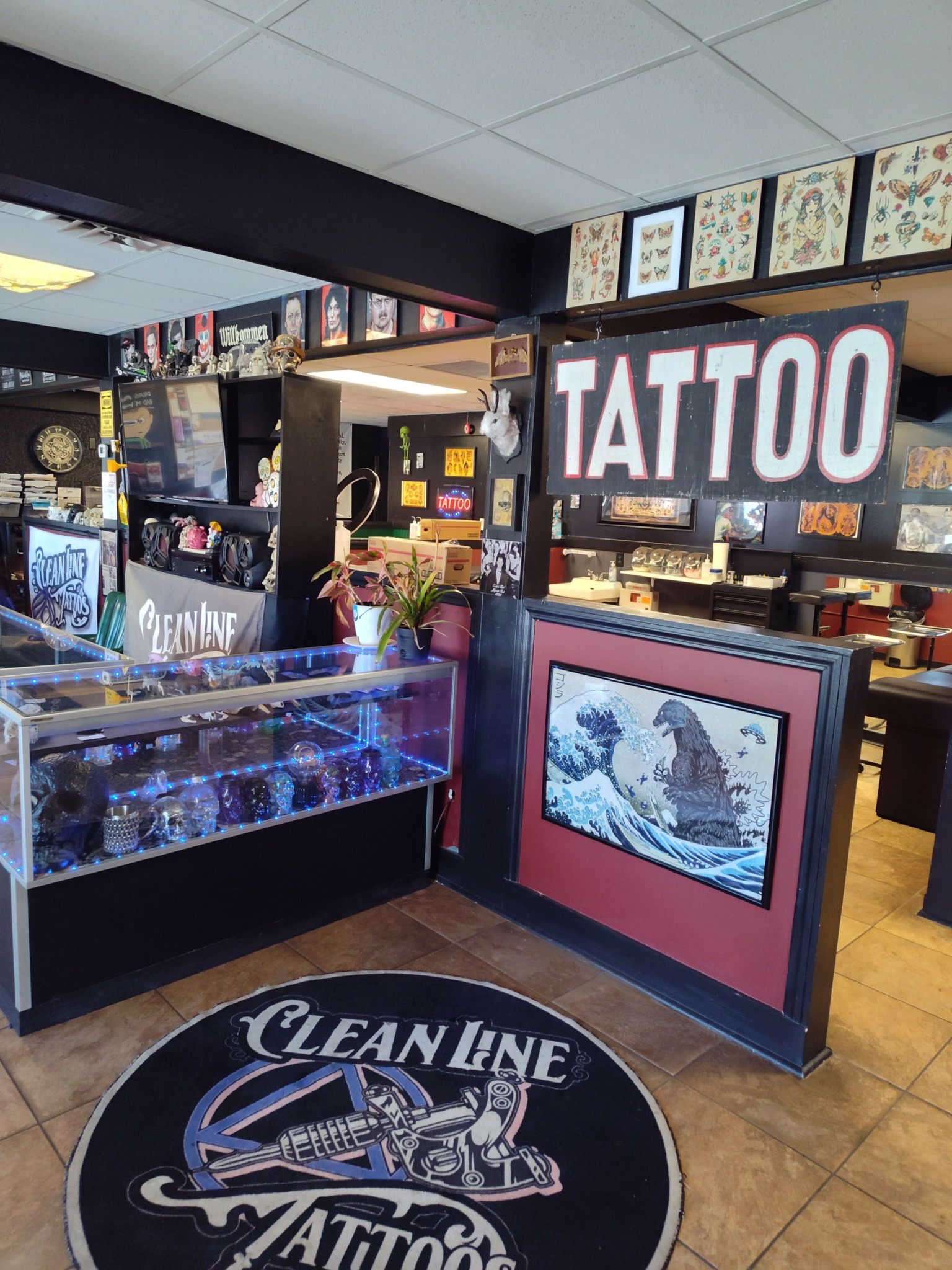
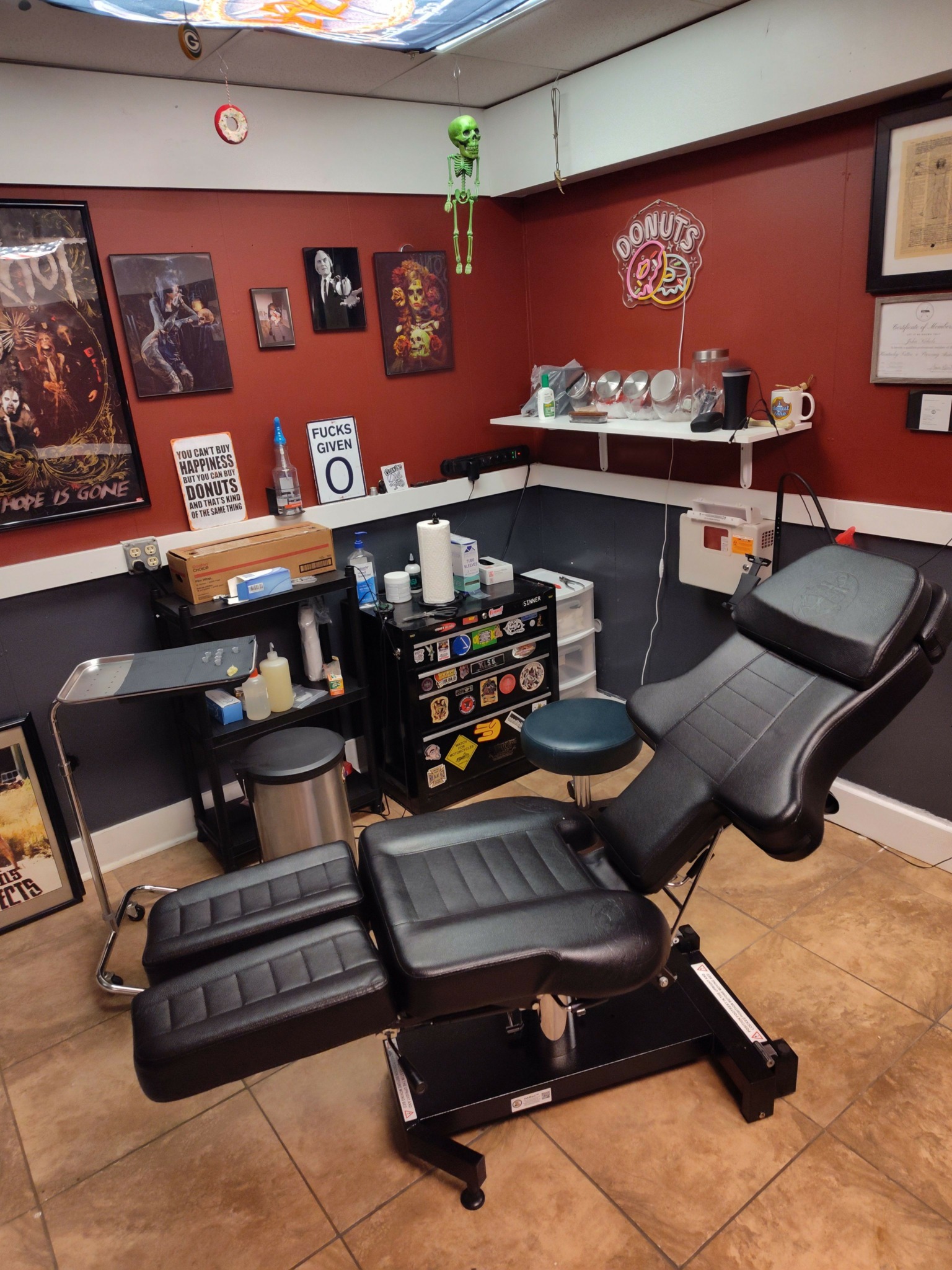
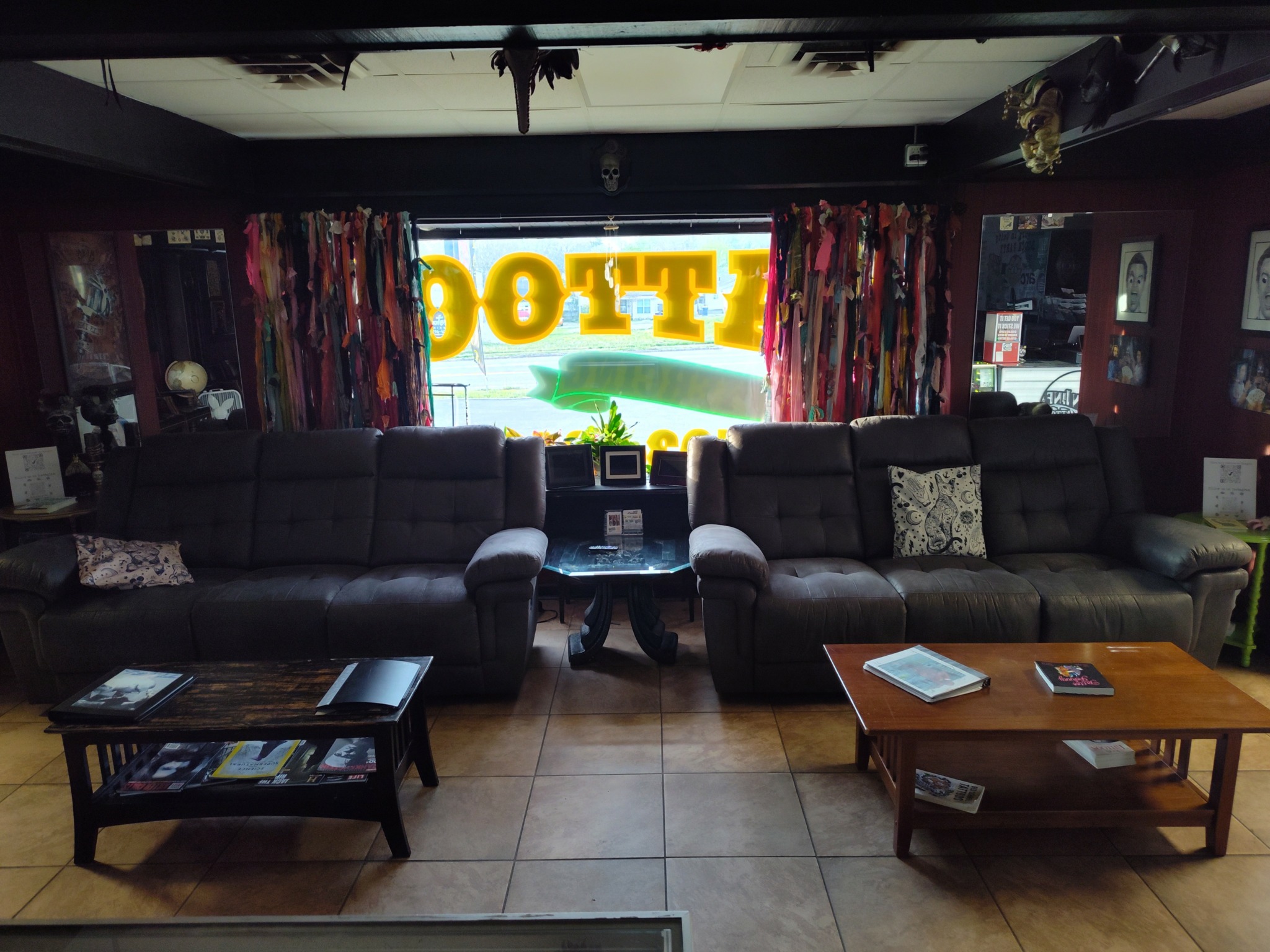
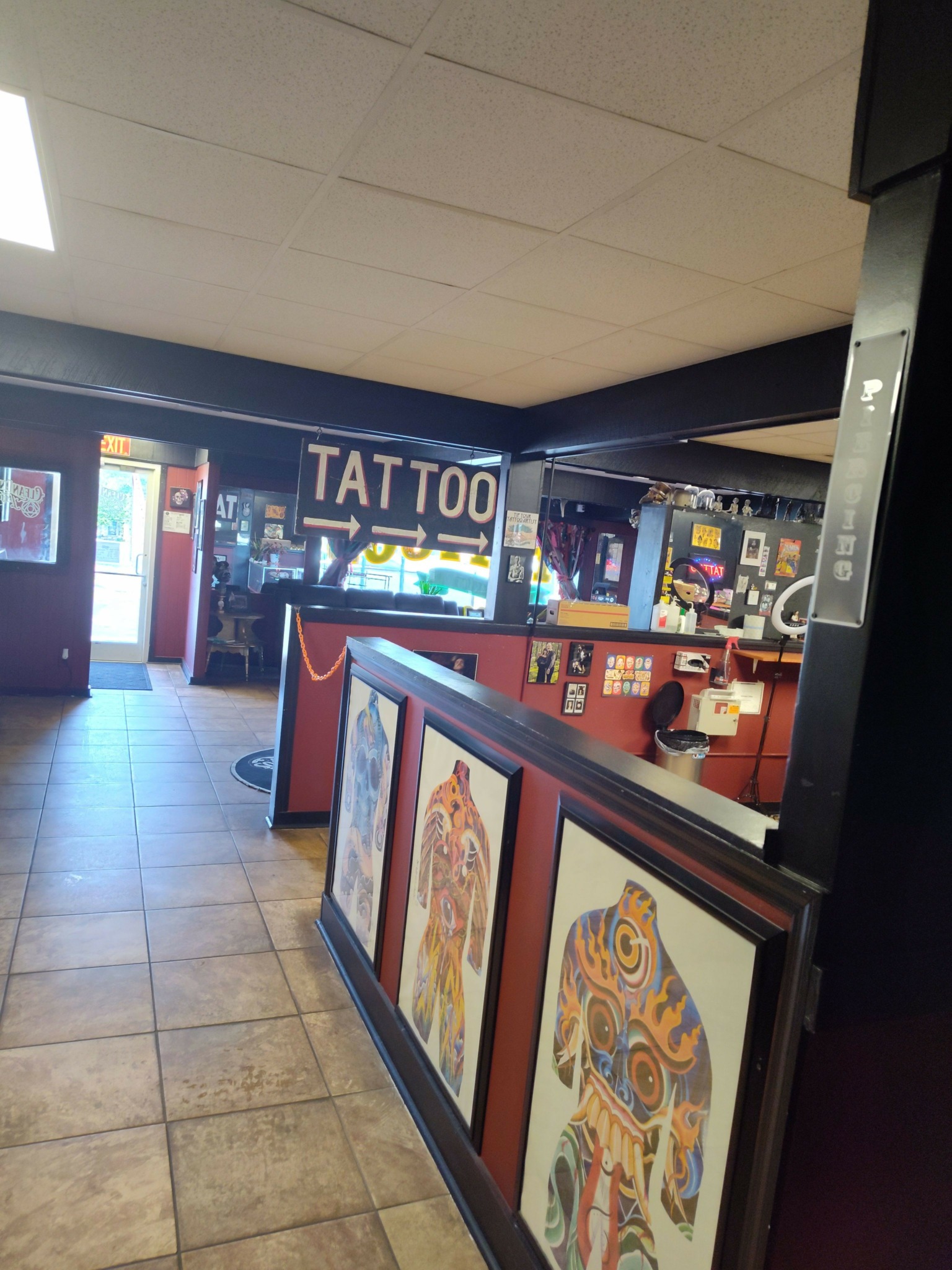
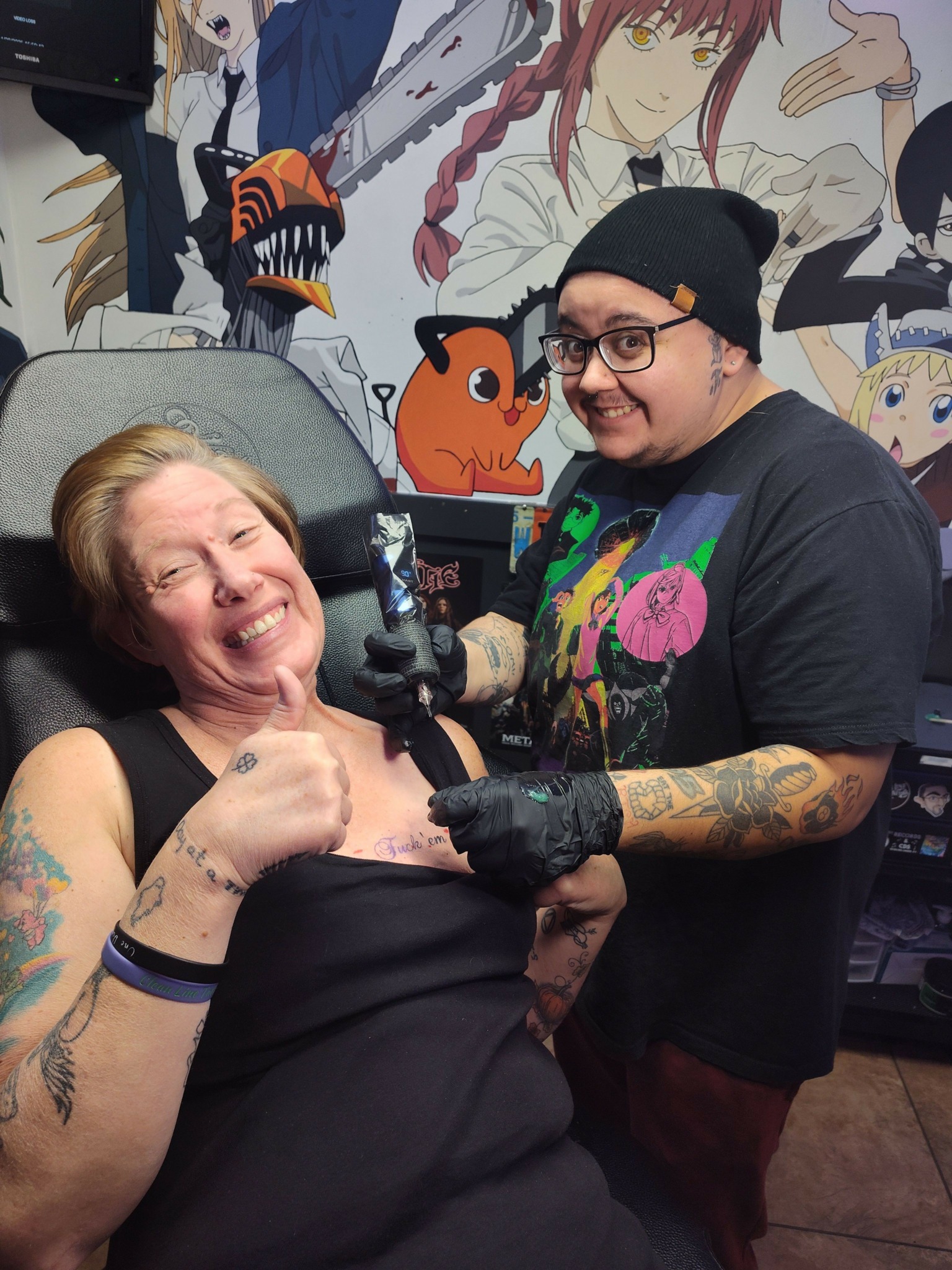
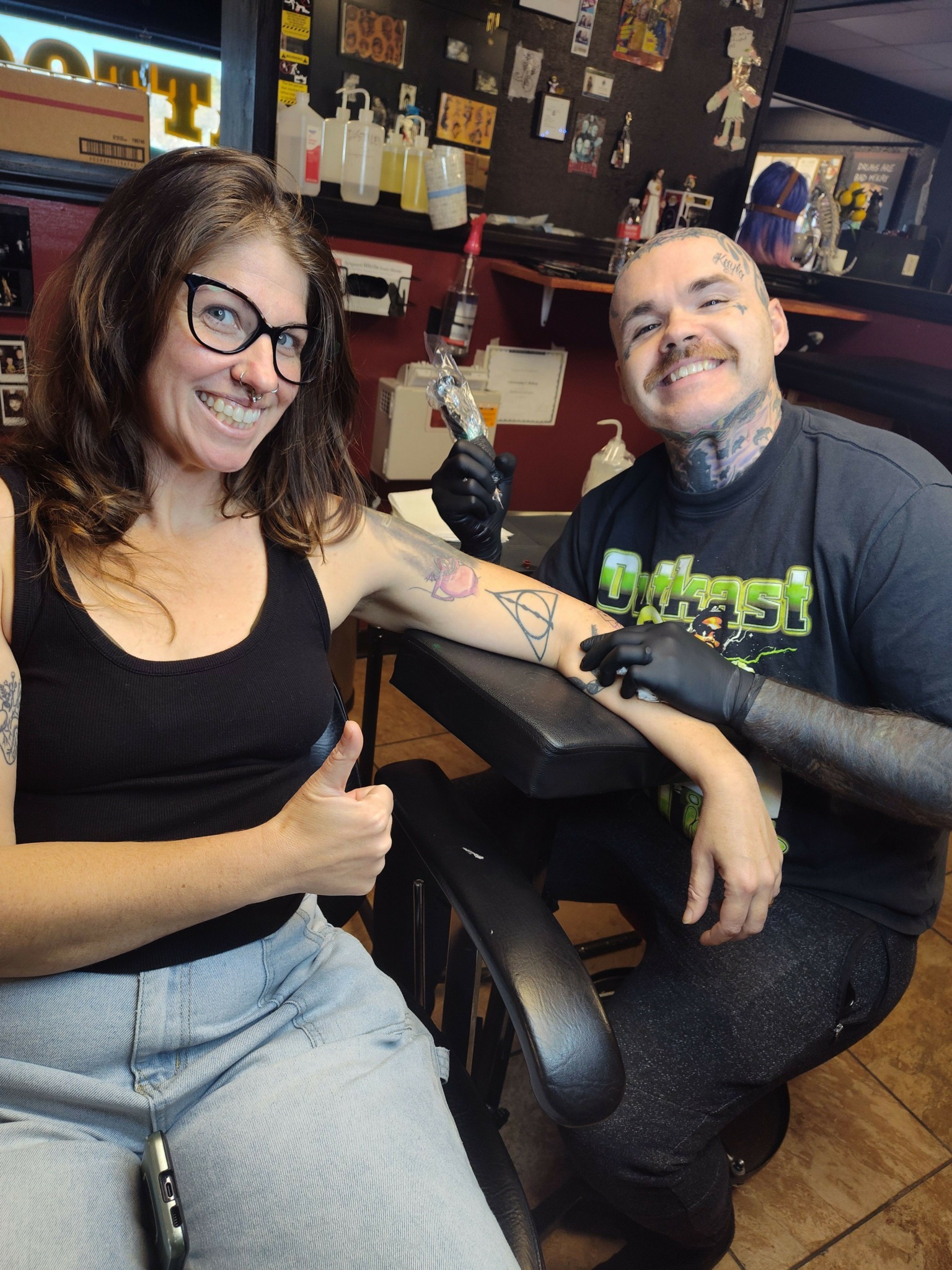

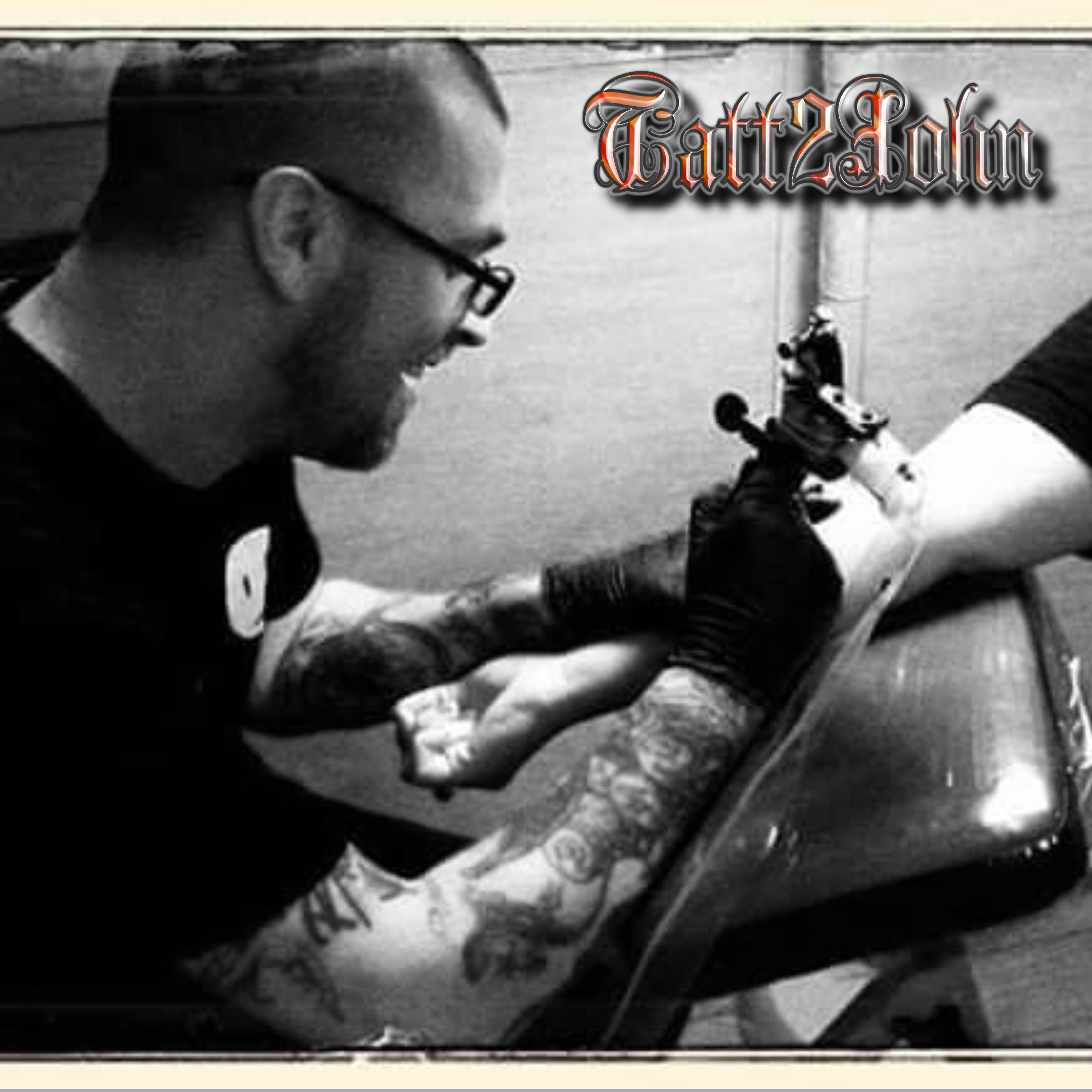

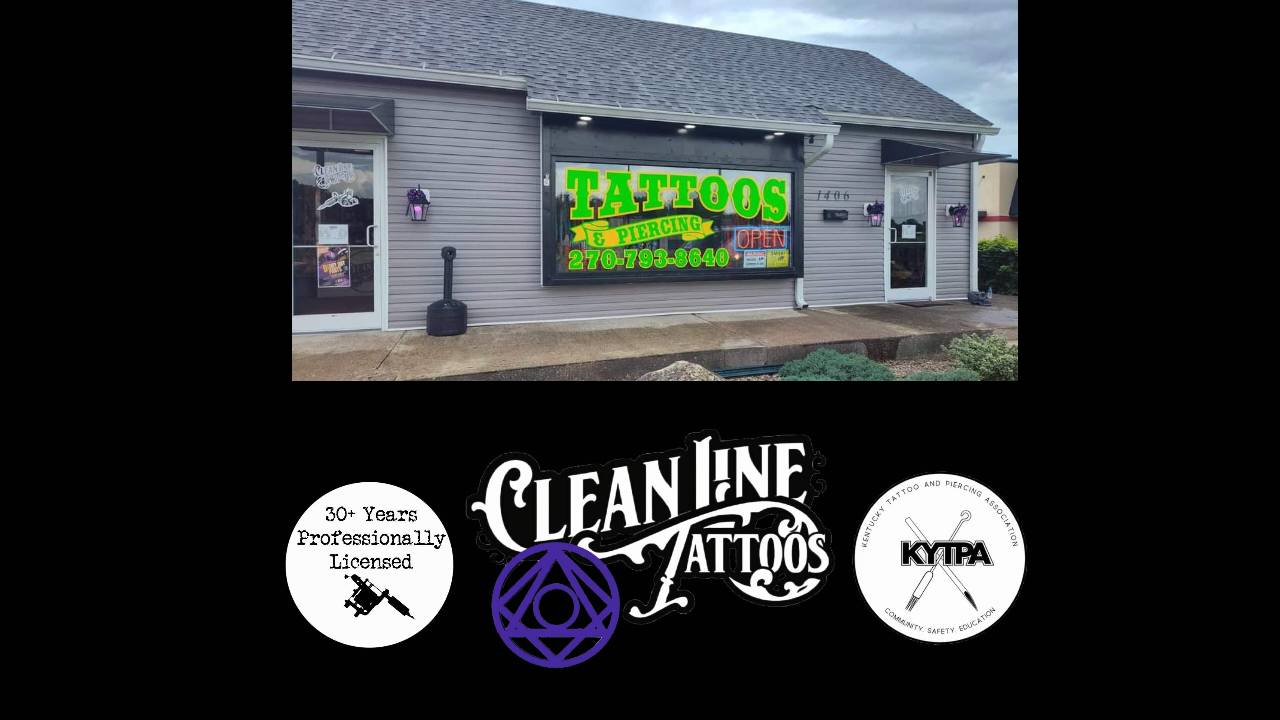
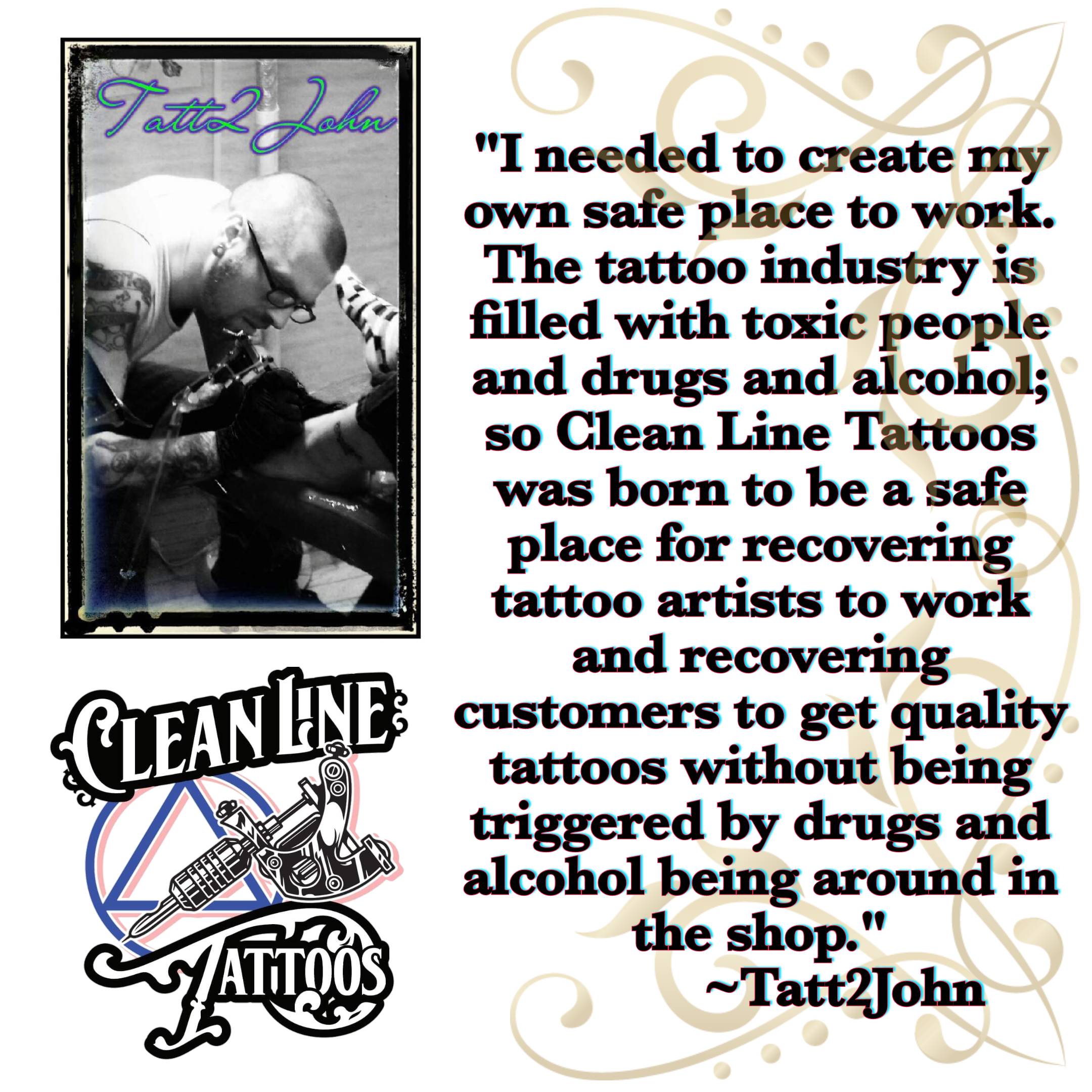
Image Credits
Owner & Tattoo Artist: Tatt2John aka John Nichols
Tattoo artist: Wiggy aka Aiden Vargas
Tatt Artist: Hero aka Chris Bishop
-all at Clean Line Tattoos