

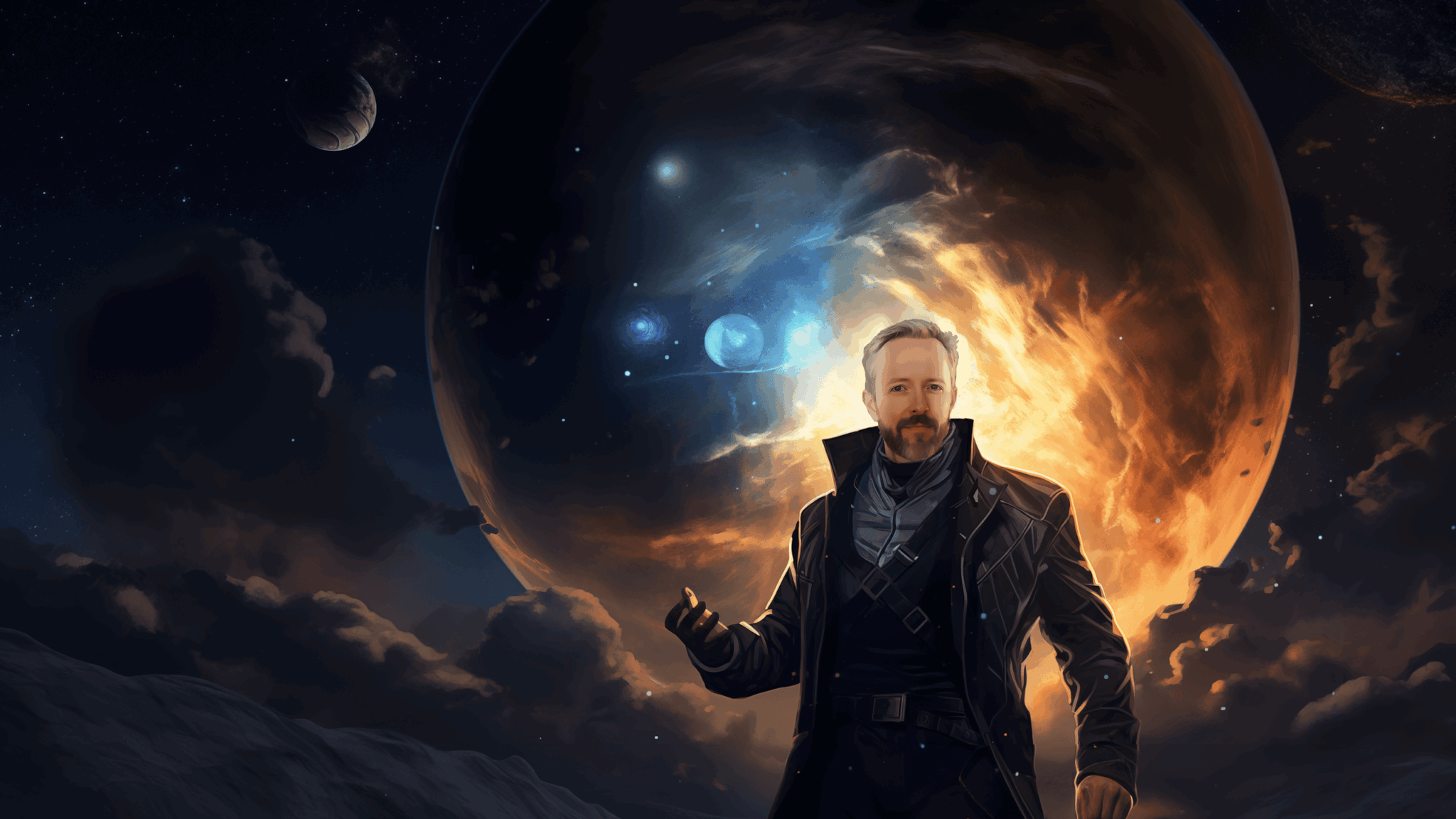

Alright – so today we’ve got the honor of introducing you to John Newton. We think you’ll enjoy our conversation, we’ve shared it below.
John, looking forward to hearing all of your stories today. We’d love to hear the story of how you went from this being just an idea to making it into something real.
I started writing in high school. I loved science fiction, mystery, fantasy, history, and biographies, but something was missing. While I enjoyed them, I eventually realized that none of those books had the world I was searching for. So, I started writing my own stories to fill that niche and quickly discovered I had a challenging journey ahead.
After college, I pursued other careers and kept fiction writing as an occasional hobby. Even if I could make a living wage writing, I didn’t have the skill. That changed when I joined Tor Publishing’s Online Writing Workshop—no longer owned by Tor, but still active. Authors critiqued each other’s works, a chapter or short story at a time. They got credit for reviewing other people’s work and when they had enough credits, they could post their own work for review. They gave me tons of insightful advice, but the real payoff came when I joined a local group of authors. I cannot give them enough praise. We have become a tight group cheering each other on to greater achievements, from tradecraft to publishing to marketing.


Awesome – so before we get into the rest of our questions, can you briefly introduce yourself to our readers.
For those who are just getting to know me, I’m John Newton—a science fiction author with a deep passion for exploring science fiction, history, technology, and Christianity. My journey into writing has been anything but conventional. Growing up, I attended twelve different schools before finally graduating on the Mediterranean island of Cyprus. This background gave me a unique perspective on life, culture, and the human experience, all of which deeply influence my writing today.
My professional background is equally wide-ranging. With degrees in both theology and electrical engineering, I’ve spent much of my career working as an engineer and robotics programmer. But storytelling has always been my passion. I use my experiences in tech and my grounding in faith to craft stories that challenge readers to think deeply about the world around them.
My creative works span short stories and novels that often pose “what if” scenarios—questions that push the boundaries of reality and explore the moral and ethical dilemmas that arise when humanity is confronted with advanced technology and the unknown. For instance, in my short story “Death Has No Shadow”, I dive into the complexities of grief, trust, and the blurred line between human and machine. The protagonist, Kutisha, grapples with rogue nanites and must navigate a harrowing battle where survival and sacrifice are at the forefront. It’s a tale that not only entertains but also invites readers to reflect on the implications of AI and the ethical responsibilities that come with scientific advancement.
In the same way, in the short story “A Taste of Earth”, I dive into humanity’s battle against a mysterious alien probe and the ethical dilemmas that come up when we deal with an intelligence far beyond our understanding.
And in my upcoming novel “The Healing Stone”, I weave a narrative that blends medieval history with futuristic technology, challenging readers to consider there are forces in shadows that influence history.
What sets my work apart is my commitment to infusing each story with a Christian worldview, offering a perspective that’s often overlooked in mainstream science fiction. My stories are not just about the future—they are about how we, as humans, interact with the divine, with each other, and with the technologies we create.
I’m most proud of my ability to engage readers with stories that are both thought-provoking and entertaining. My YouTube channel, @NewtonSciFi, extends this mission. On the channel, I review movies and TV shows, dissecting them through the lens of Christian apologetics. It’s a platform where I explore deeper themes in popular media, question the messages they convey, and offer a perspective that aligns with my faith and values.
For potential fans, I want them to know that my work is about more than just entertainment—it’s about asking the tough questions, challenging the status quo, and exploring the consequences of our choices, both as individuals and as a society. Whether you’re reading one of my short stories, diving into my novel series, or watching my YouTube reviews, you can expect a journey that’s intellectually stimulating, spiritually enriching, deeply engaging, and always grounded in a sense of wonder for the possibilities that lie ahead. The story itself always takes center stage.
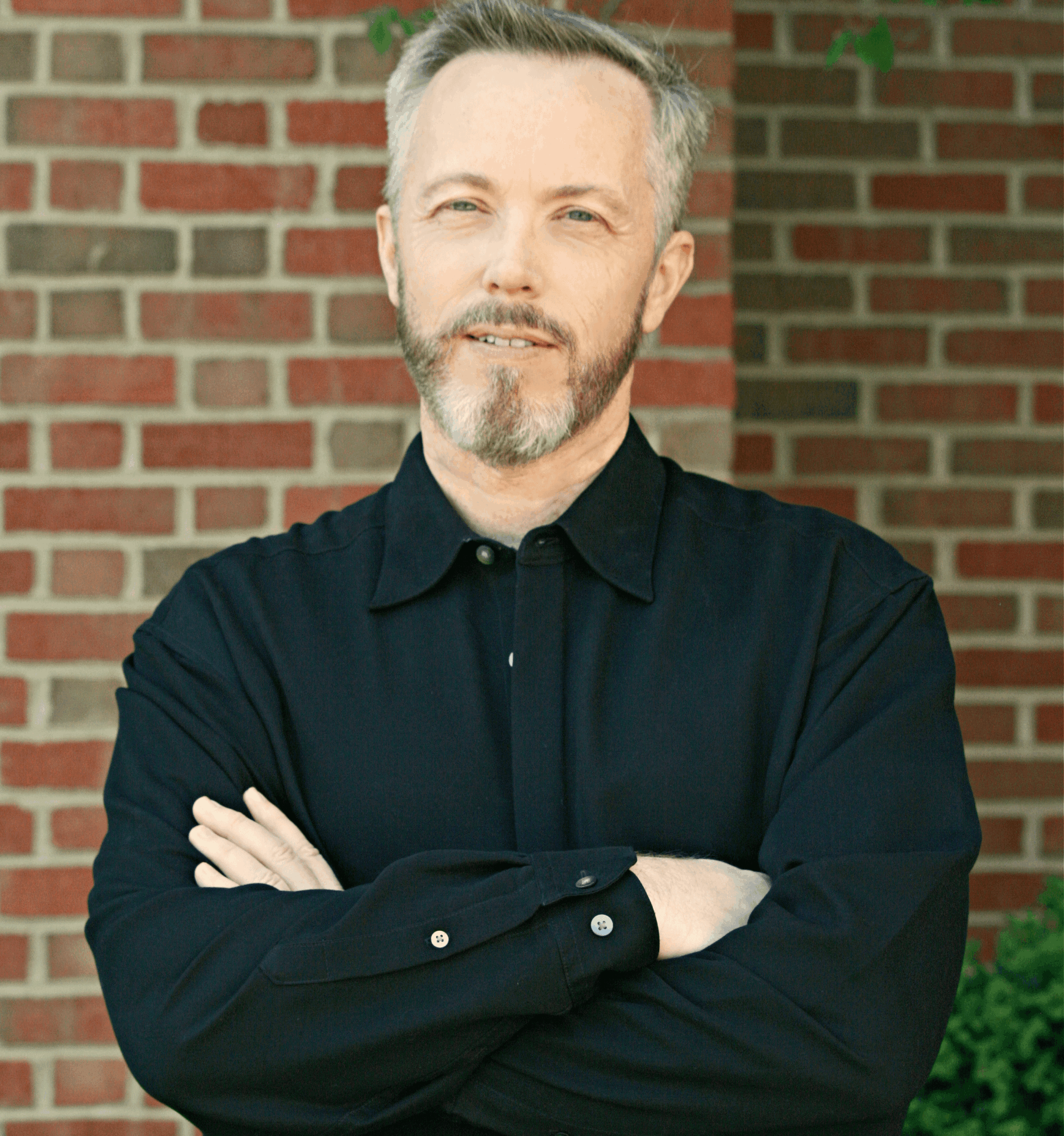

Is there mission driving your creative journey?
Great question. My creative journey is driven by a mission to explore profound questions at the intersection of faith, science, and human nature, all while delivering stories that are both entertaining and thought-provoking. My work seeks to challenge readers and viewers to consider deeper truths, whether through the lens of a Christian worldview, the speculative possibilities of science fiction, or the lessons of history. At its core, my mission appears to be about illuminating the human experience in a way that is intellectually engaging, spiritually resonant, and consistently rooted in compelling storytelling. I aim to offer not just entertainment, but also a meaningful exploration of ideas that resonate on a personal and philosophical level.
Are there any resources you wish you knew about earlier in your creative journey?
So, I’m going to speak directly to aspiring authors to answer this question.
Don’t buy all the “how to” books, but I would suggest four:
“The Elements of Style” by William Strunk Jr. and E. B. White,
“The Anatomy of Story” by John Truby,
“The First 50 Pages” by Jeff Gerke, and
“Self-Editing for Fiction Writers” by Renni Browne and Dave King.
There are even some great YouTube videos with fantastic advice. Check out any writing video by Michael Hague, John Truby, or Tim Hickson. There are so many others, I can’t list them all.
One of the biggest differences between aspiring authors and published authors is networking. Writing fiction is deeply personal and mostly solitary. It’s you and your computer or pen and paper immersed in your own world, creating memorable characters for the world outside to enjoy.
But to get that masterpiece into the hands of adoring readers, you must become an extrovert. Yes, you must become your alter-ego. Writing is only part of the journey. Leave your comfort zone and attend writer’s conferences. See what your local library offers. I can’t believe how supportive they are. Above all, you must allow others to critique your work, and you must sell it like a used car salesman with a triple mortgage and past-due child support.
Contact Info:
- Website: https://newtonscifi.com/
- Youtube: https://www.youtube.com/@NewtonSciFi
- Other: https://www.amazon.com/stores/John-Newton/author/B0D92WVDCN
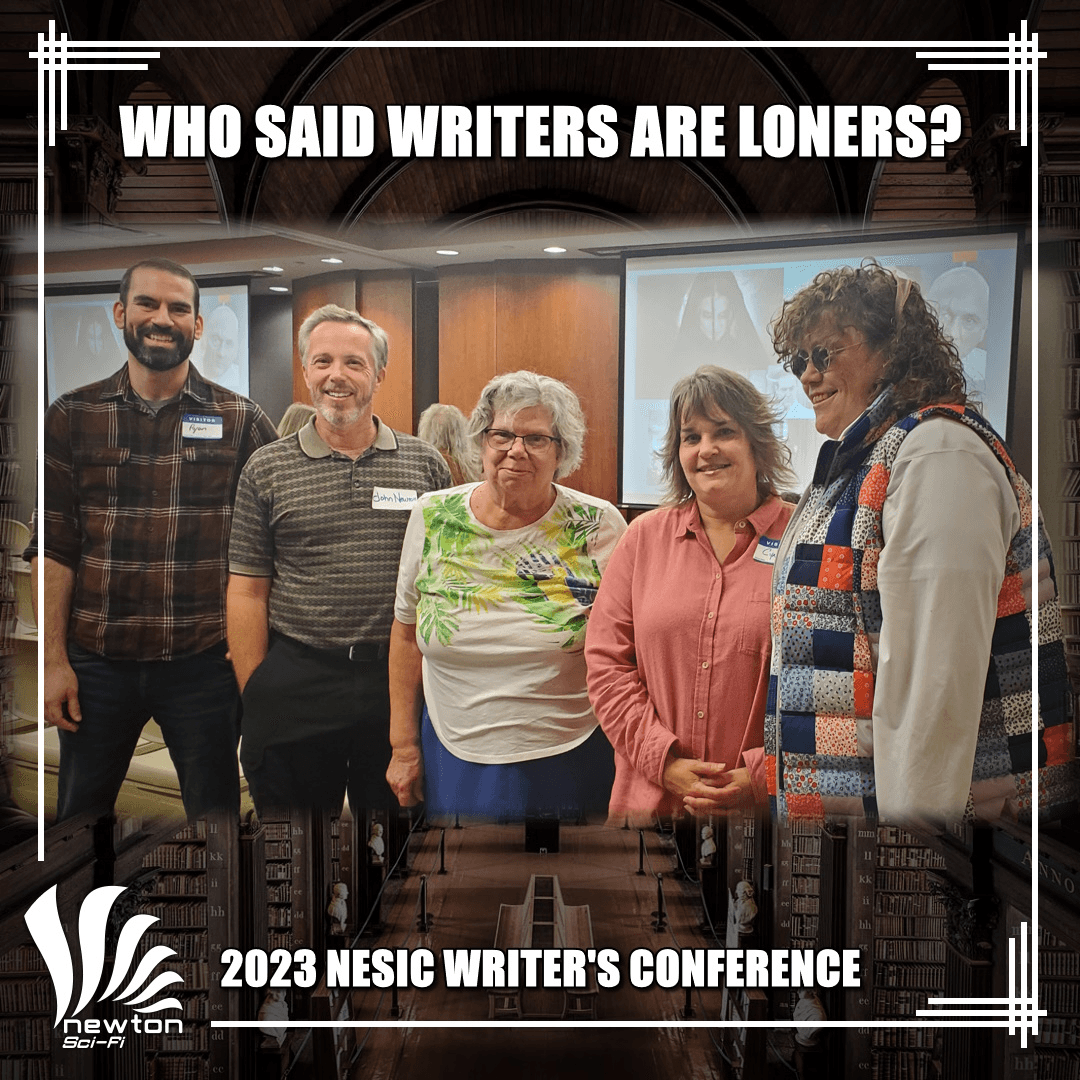
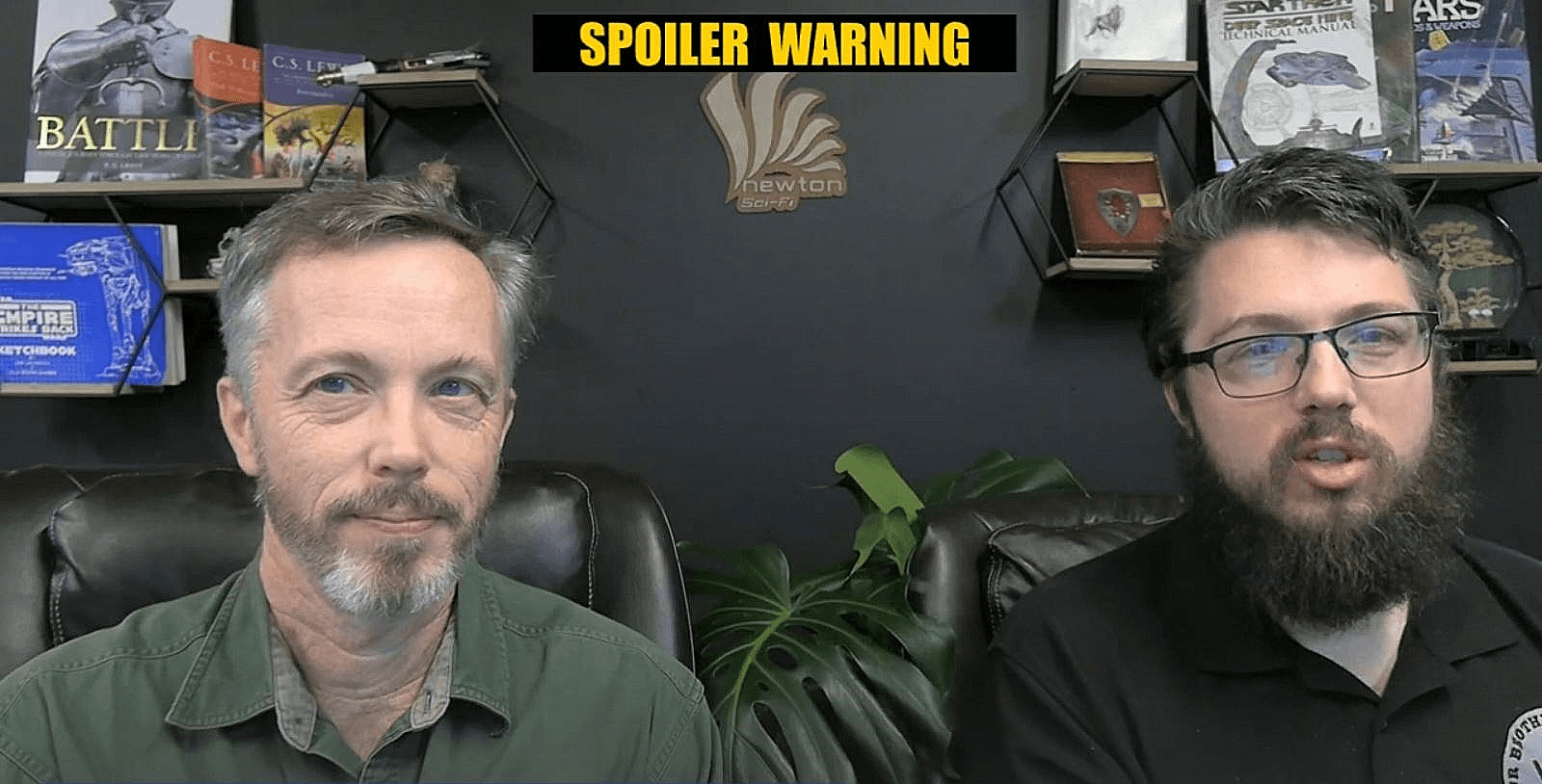
Image Credits
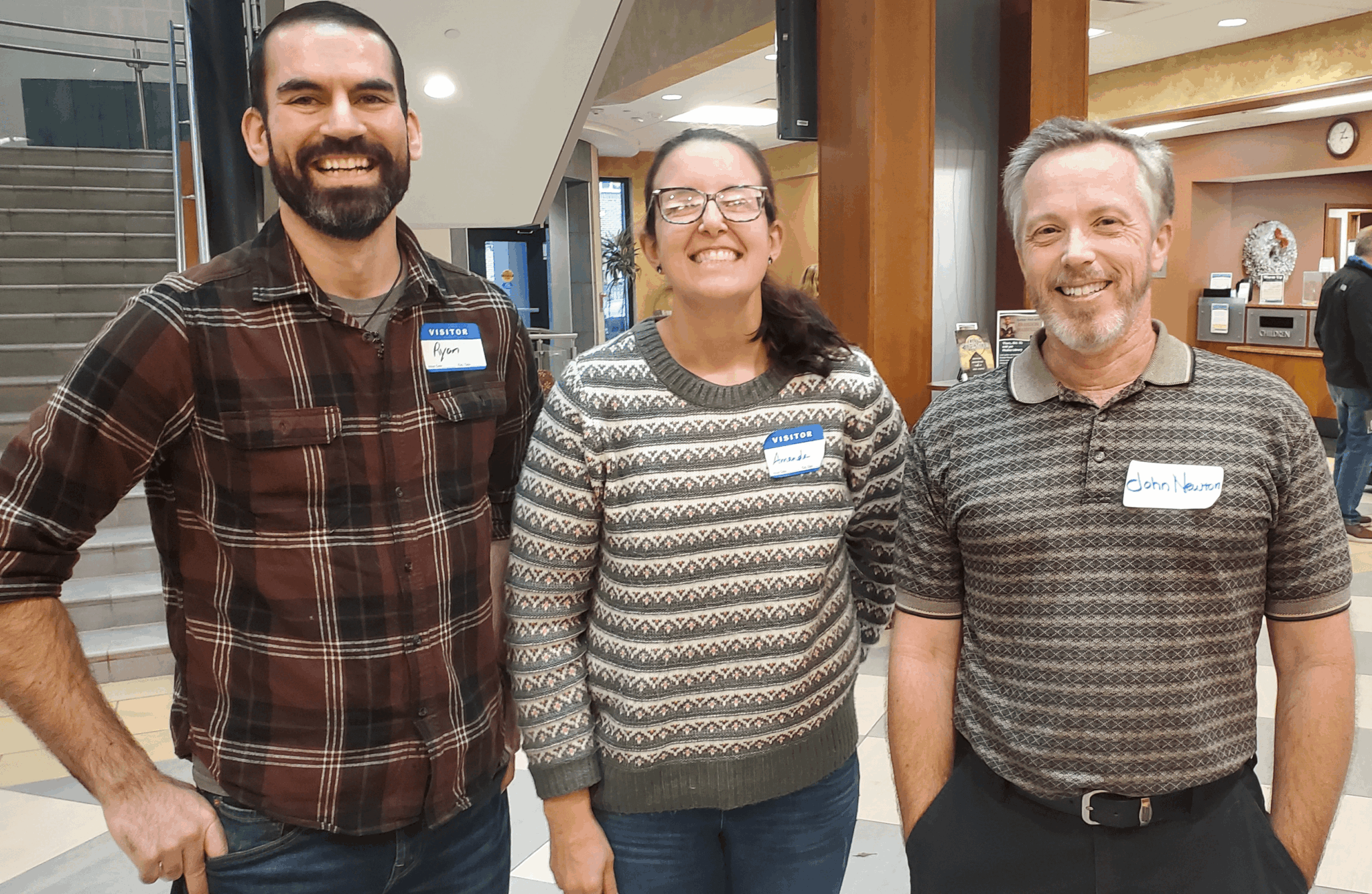
Image with three people include (from left to right): Ryan Schultz, Amanda Flowers, John Newton.
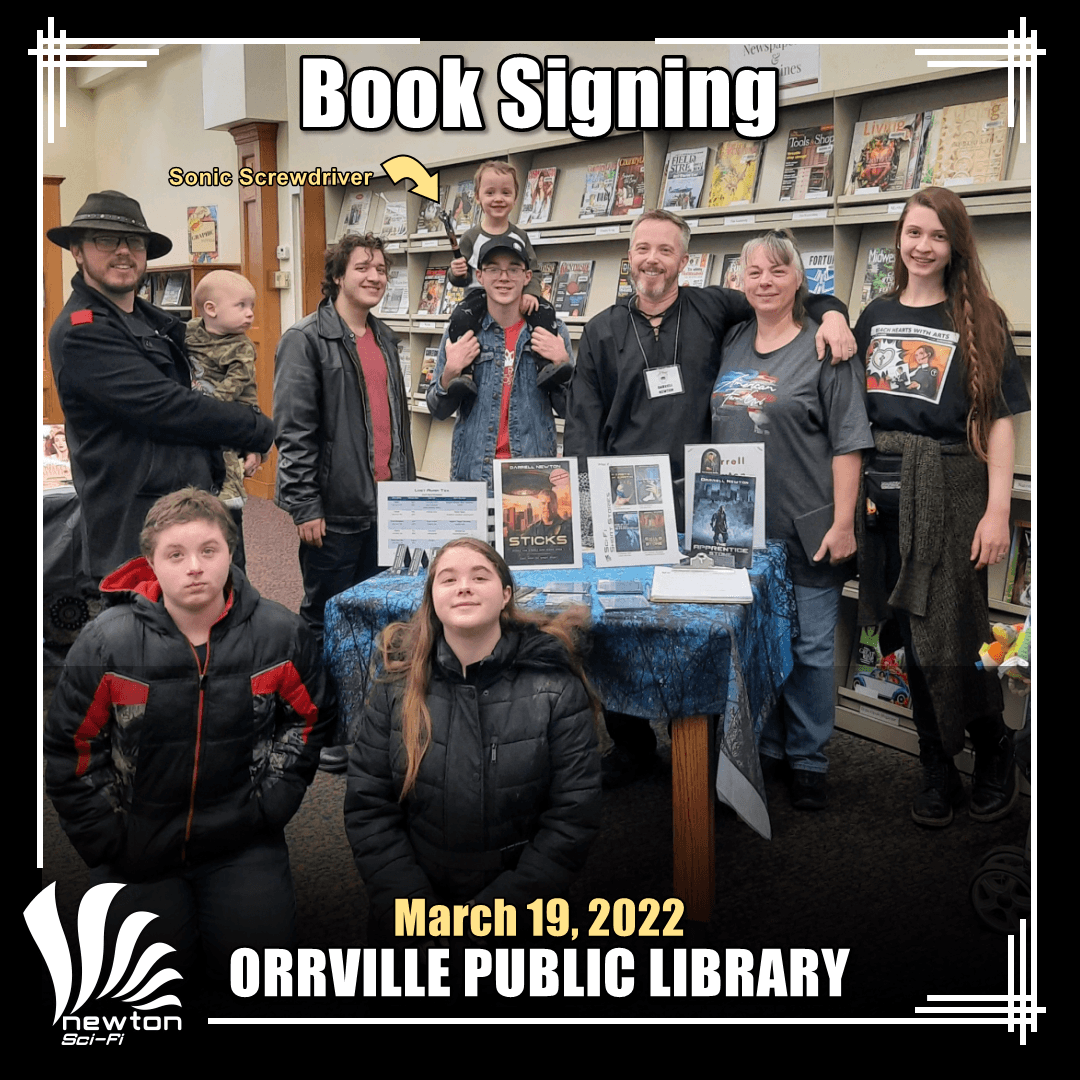
Image wiht four people include (from left to right): Ryan Schultz, John Newton, Ruth Reifsnydor, Cyndi Brec, and Chrissy Hartmann.
Image with several people – names withheld.
Note: If you prefer the raw images without words or borders, please let me know.