

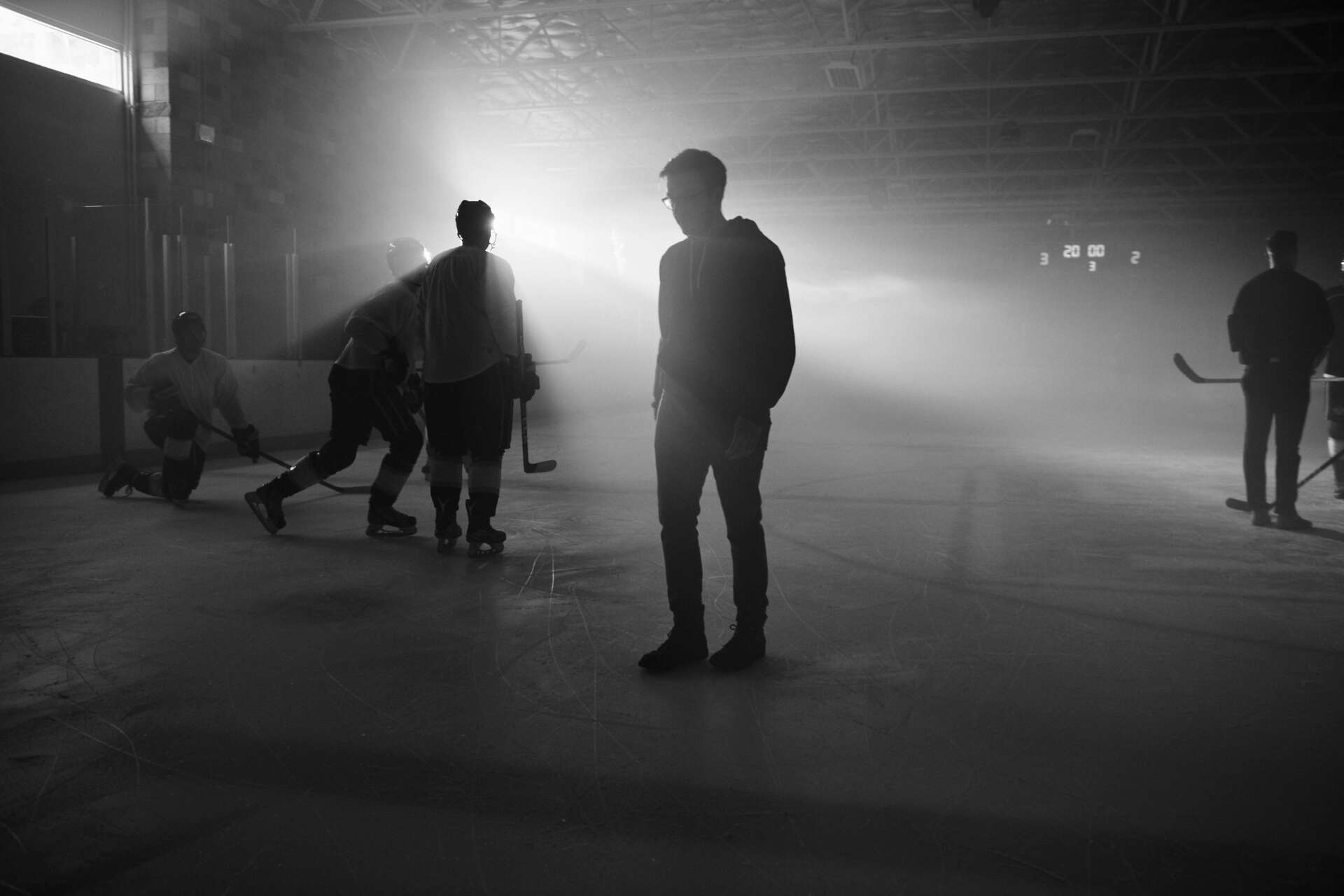

Alright – so today we’ve got the honor of introducing you to John Merizalde. We think you’ll enjoy our conversation, we’ve shared it below.
John, thanks for joining us, excited to have you contributing your stories and insights. Can you talk to us about how you’ve thought about whether to sign with an agent or manager?
For most aspiring music video and commercial directors, finding representation is the number one priority. As a commercial director, having the backing of a production company or reps gives you the opportunity to actually make a living from your work. For many years I was unsigned, having to hustle on my own to try to secure whatever freelance directing work I could – an exhausting and stressful task. Once you have representation, the burden can be lightened significantly.
For those aspiring, the pursuit of representation can become an all-consuming obsession, and paradoxically, a hinderance towards actually achieving that goal. Its easily the number one question I get asked from up and coming directors. How do you get it? Because everyone who has representation achieves it in a unique way, it can seem daunting and complicated. But I think the key behind it is a simple set of principles.
I find myself one of those lucky to be represented as a director. Getting it involved a bit of perseverance, and a bit of luck. To sum it up – I made a very low budget music video that had a bit of style, and an acquaintance shared it with a Producer. They liked the video, and we set up a meeting. We hit it off, and next thing you know, they’re representing me. Pretty simple, right?
Working up to that moment took about three years. Meeting after meeting. Low budget project after low budget project. And no result. In my mind at the time, those were failures, but they were all crucial experiences. If you want to find representation there are only really two things you need to do – make stuff, and meet people. Eventually, that formula will work out. As a director or creative, you should always be self-generating projects. Push yourself to make work that is unique. And if no one is paying for it, fund it yourself. The budget doesn’t matter. People are looking to you as an idea generator. And the second task – meeting people. Emails, calls, meetings, parties, social media, etc. It doesn’t matter how. Just get out there and make sure you are connecting with peers in your creative field. It’s crucial to your work being recognized. Repeat that enough and you’ll eventually find representation.


Great, appreciate you sharing that with us. Before we ask you to share more of your insights, can you take a moment to introduce yourself and how you got to where you are today to our readers
I’m a director. I’ve worked in short form narrative, music video, documentary, and commercial formats. The goal is making feature films, but I’m not afraid of experimenting in other forms along the way.
I dropped out of college to pursue filmmaking, relying on mentors, real life experience, and the internet as my teachers. I avoid trying to define my own style.
Some of my work can be found on my website – www.johnmerizalde.com
What can society do to ensure an environment that’s helpful to artists and creatives?
Profit-driven incentives for art unfortunately narrow the scope of work being created and reduce the amount of risks that are taken, resulting in work that might be appealing to a wider audience, but don’t push any boundaries. This can become a stale, recursive loop. We see this effect on display from the biggest blockbuster films to even the smallest short films.
When you take away the profit motive, art is freed up to be more risk-taking, more daring, and more creative. The key to a thriving creative ecosystem is a multipolar distribution of resources, so that the majority of creation isn’t just in the hands of a few huge studios. And beyond that, public grants and funds (which do exist in some countries) to help facilitate the execution of ideas that may be viewed as “risky” investments.


For you, what’s the most rewarding aspect of being a creative?
I think being able to see the fruits of your labor realized is the most satisfying aspect of any creative work. There is a tangible thing that you can feel ownership of, or at least a connection to. Even if it’s flawed, and even if you aren’t totally satisfied with it, creating a piece of art is rewarding in itself. It’s being able to see the progression in those tangible works that push you to want to keep doing it, again and again.
Contact Info:
- Website: www.johnmerizalde.com
- Instagram: www.instagram.com/johmerizalde