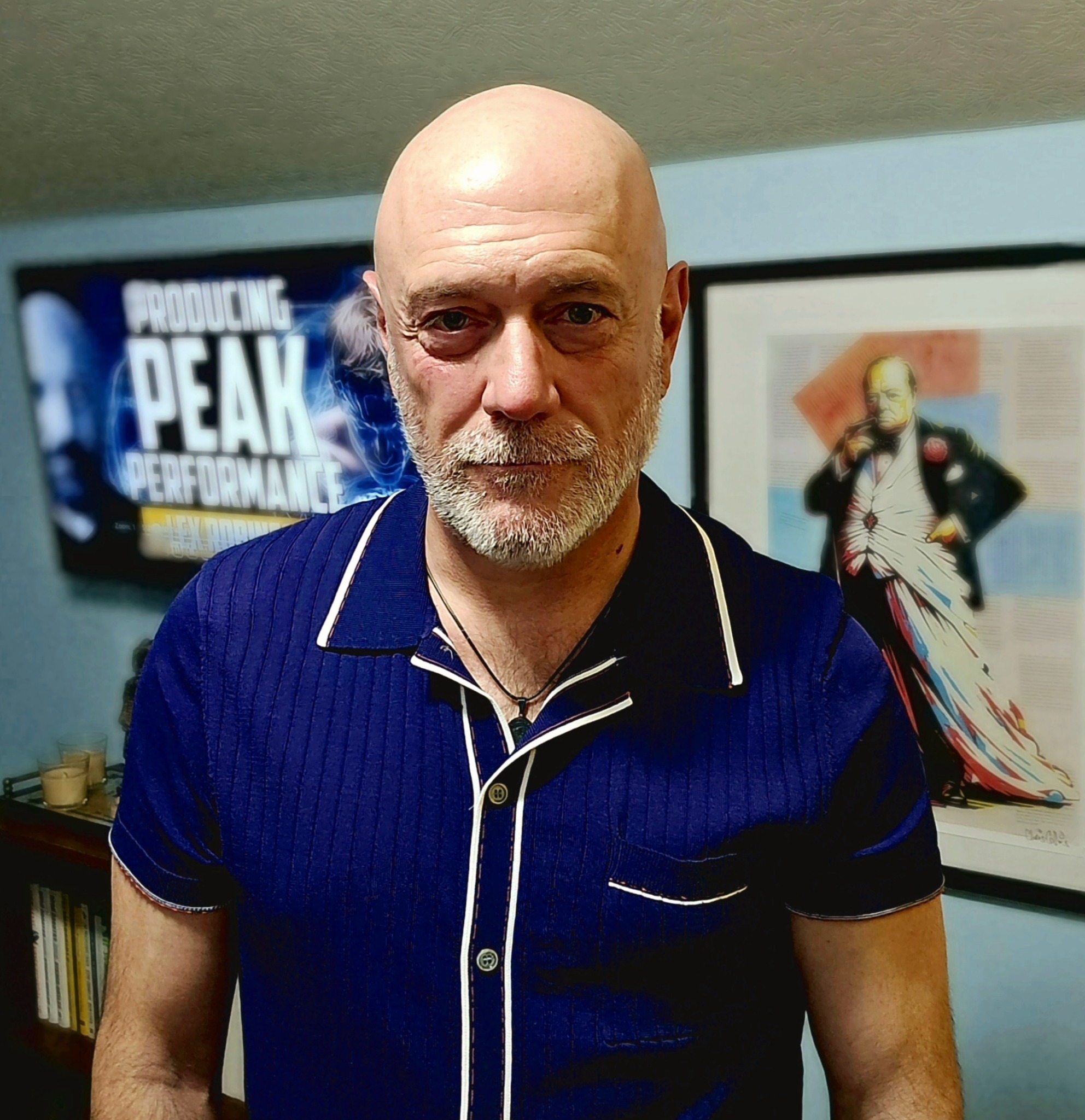

We recently connected with John ‘Lex’ Robinson and have shared our conversation below.
John ‘Lex’, thanks for taking the time to share your stories with us today It’s always helpful to hear about times when someone’s had to take a risk – how did they think through the decision, why did they take the risk, and what ended up happening. We’d love to hear about a risk you’ve taken.
For me, risk isn’t about recklessness — it’s about alignment. The most pivotal risks I’ve taken were about standing in truth, even when it meant standing alone. There are two moments in my journey where that became crystal clear.
The first was during my corporate career. I was leading a major program with a lot of visibility, and a growing disconnect was developing between leadership’s assumptions and the reality on the ground. Most people in the room saw it, but no one was willing to say it. The cost of challenging the narrative felt too high — reputational risk, friction with powerful stakeholders, being labeled as “not a team player.”
But I reached a point where the bigger risk was silence. I spoke up. I gave voice to the overlooked perspectives — the ones closest to the real work and the real risks. It wasn’t combative; it was clear, grounded, and respectful. And it changed everything. Leadership adjusted course, the team delivered better results, and trust across functions deepened.
But the real win? It helped me stay true to myself. That choice to lead with honesty — not posturing — built my authority over time. People started coming to me not just for execution, but for clarity. The risk of standing out became the foundation for standing strong. And from that came more autonomy, influence, and long-term success.
The second example is more recent and more personal. After three decades in tech and leadership, I felt the pull to create something new — to challenge the direction I saw the world going. So I launched Xecutive 2.0, a leadership movement grounded in human flourishing, emotional intelligence, and ethical tech use.
In a world increasingly driven by automation and AI hype, saying, “Hey, let’s slow down and put people first,” is not the safest message. There’s always the risk of being misunderstood — labeled as anti-tech, nostalgic, even irrelevant. But I knew it wasn’t about opposing progress; it was about reshaping it to serve people better. Still, that meant risking my reputation, my identity in the tech world, and launching a brand that didn’t have an established playbook.
What I’ve learned is that the risk of being misunderstood is a price worth paying to build something meaningful. Over time, my message became clearer. The right people found it. And more than that, I found deeper purpose in leading it.
So when I think about risk, I think about truth — the kind that tests you, exposes you, but also transforms you. Whether in the boardroom or launching a movement, risk has been my pathway to authenticity. And authenticity, I’ve found, is the most sustainable form of leadership there is.
John ‘Lex’, love having you share your insights with us. Before we ask you more questions, maybe you can take a moment to introduce yourself to our readers who might have missed our earlier conversations?
I’m the son of a farmer, a former Army soldier turned tech executive who spent over 30 years in the technology industry — starting on the ground floor in network engineering and climbing all the way into executive leadership. Along the way, I learned what most leadership books leave out: that real leadership isn’t about status or strategy alone — it’s about energy, presence, and the ability to lead human beings through complexity with clarity and conviction.
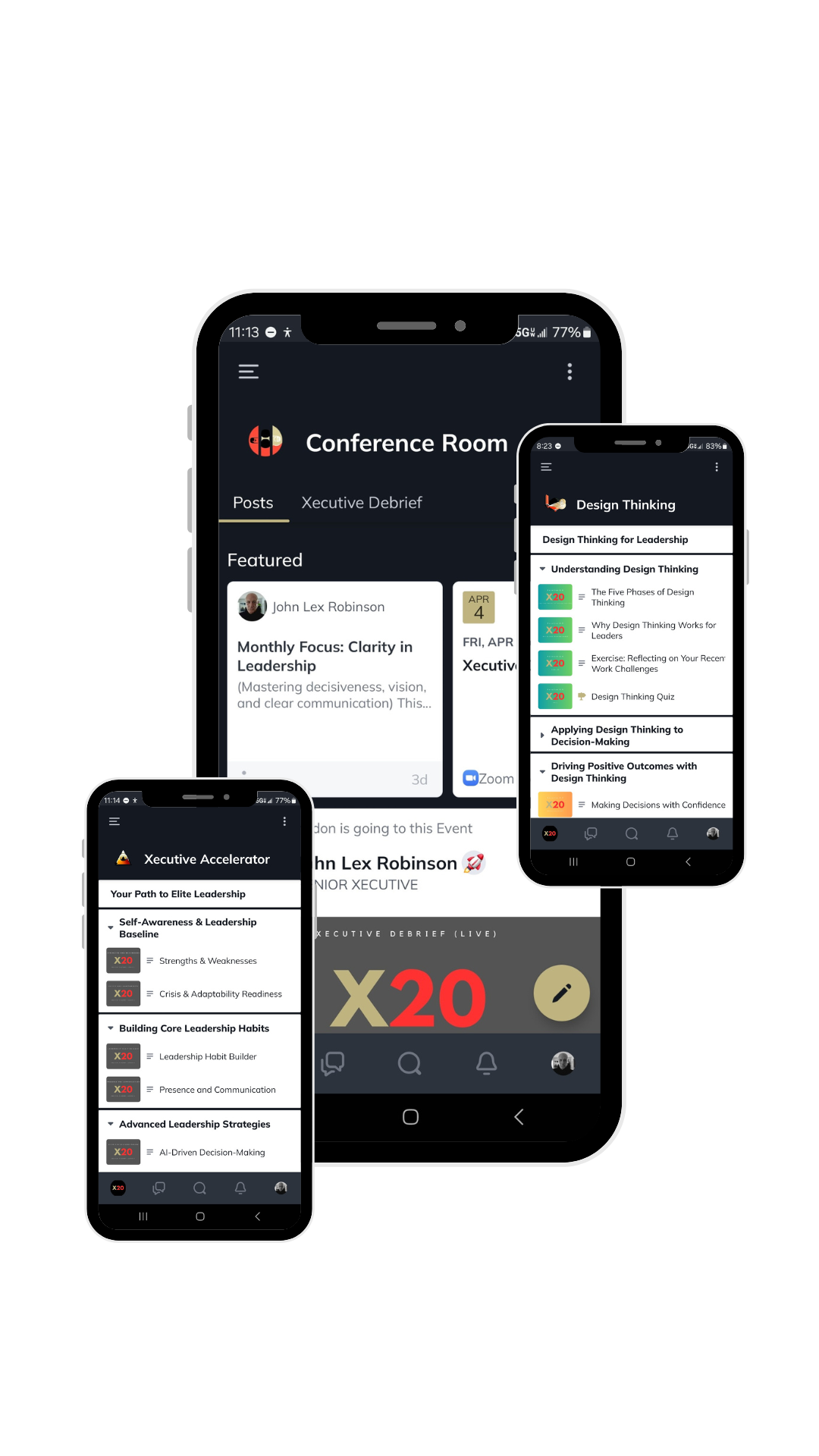
That belief led me to create Xecutive 2.0 — a performance coaching and leadership development platform built for ambitious, high-integrity professionals who want to thrive in a world shaped by rapid technological change — without losing their humanity in the process.
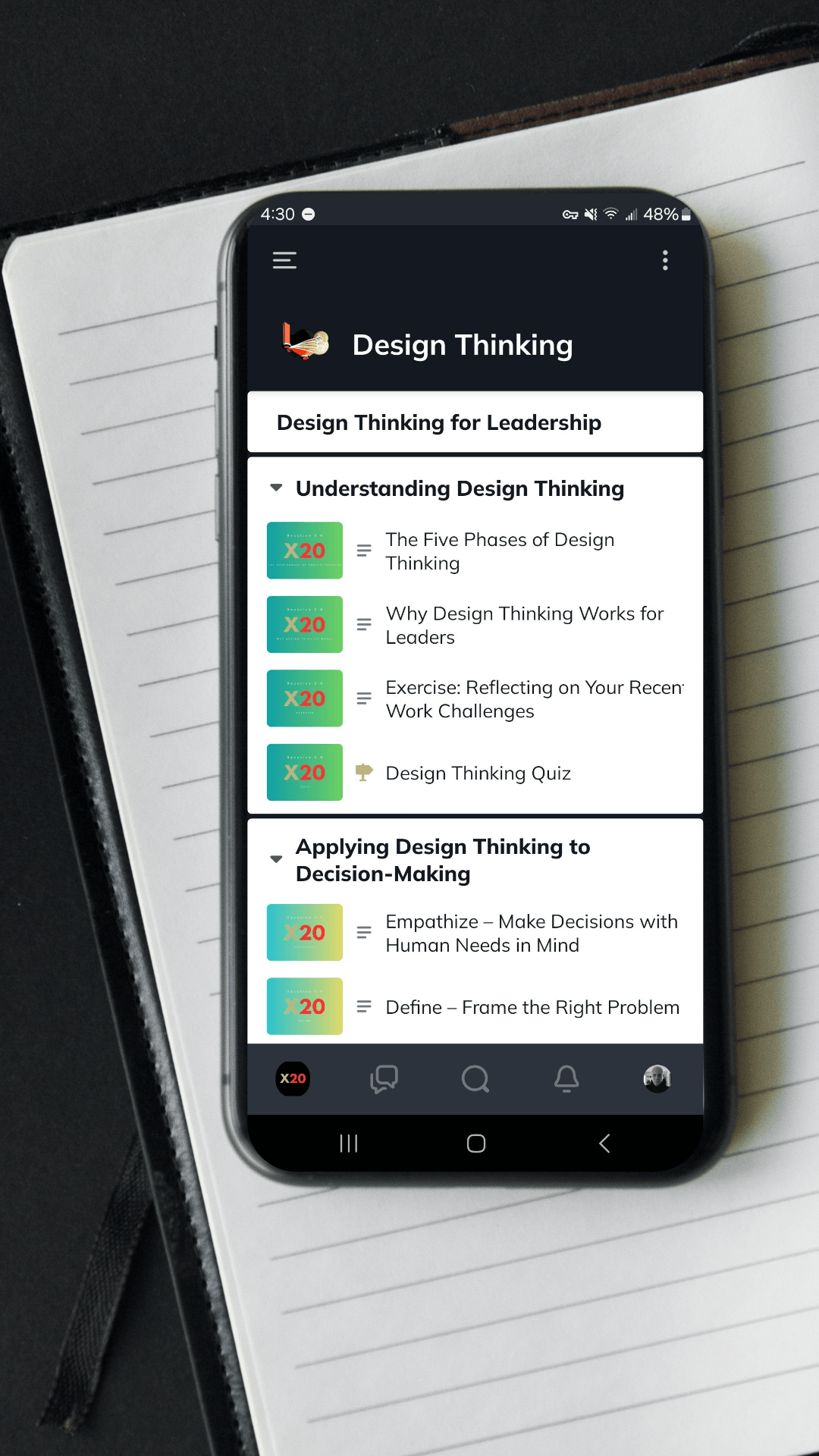
What I offer is more than advice — it’s transformation. I work with aspiring and experienced executives to build what I call Human-Centered Leadership. Through a combination of neuroscience-backed peak performance habits, emotional intelligence training, and strategic leadership frameworks, I help leaders rise above the noise — and lead in a way that’s both effective and deeply aligned with who they are.
The problems I solve?
Burnout from over-performance.
Stagnation from under-leadership.
The pressure to conform and play it safe in an era that demands bold, original thinking.
The creeping sense that technology is outpacing our humanity.
What sets me apart is that I’ve lived it — I’ve been in the trenches of transformation, both personally and professionally. I’ve managed large-scale programs, mentored future leaders, launched bold ideas inside legacy organizations, and now — outside them. My approach blends battle-tested wisdom, modern science, and a relentless commitment to truth-telling and growth.
What I’m most proud of?
That I built something I believe in, from the ground up.
That I didn’t wait for permission to lead a different kind of conversation about leadership.
That I’ve helped other leaders find their edge again — not by doing more, but by reconnecting with what matters most.
If there’s one thing I want people to know about my work, it’s this:
You don’t have to trade your humanity for your ambition.
You don’t have to choose between high performance and personal alignment.
And you don’t have to walk the leadership path alone.
Xecutive 2.0 is here for those ready to lead with purpose, clarity, and courage — and to shape the future in a way that actually serves people, not just profits.
Have you ever had to pivot?
Yes — I’m in the middle of one right now.
After decades in the corporate world, building high-performing teams and delivering complex technology programs, I started to notice something that I could no longer ignore: we were producing results, launching products, hitting KPIs — but very few people were actually fulfilled. The deeper work of leadership — developing people, cultivating purpose, creating cultures where humans can thrive — was often pushed aside in service of speed, scale, and the next big thing.
I realized I’d reached a crossroads: stay the course, continue playing a high-level game that looked successful on paper… or pivot toward something less predictable, but more meaningful.
That’s when I made the leap. It’s not just a business for me— it’s a rebellion against the idea that performance and purpose have to be separate. My goal is to coach and equip leaders to create order from chaos — not just in their systems and strategies, but in their mindset, their habits, and their ability to lead others with clarity and integrity.
What’s different now is that I’m operating from a place of creativity, not conformity. I’m no longer fitting into a culture — I’m building one. I’m not just guiding others through change — I’m living it myself, every day.
This pivot required me to let go of the safety and status that comes with a corporate identity. It meant risking comfort for creativity. But in doing so, I’ve reconnected with my personal mission: to cultivate clarity, courage, and human-centered leadership in a world that desperately needs it.
And the chaos? It’s still there — but now, it’s raw material for something far more powerful than just another product or program. It’s the proving ground for purpose.
Can you tell us about what’s worked well for you in terms of growing your clientele?
Honestly? The most effective strategy has been telling the truth — clearly, consistently, and without compromise.
In a noisy world where everyone’s broadcasting, the real challenge isn’t marketing — it’s resonance. People can feel when a message is real. And they can feel when it’s not. The turning point for me was realizing that if I wanted to reach the right people — the kind of clients who are ready to do deep, meaningful work — then my message had to come from a place of conviction, not convention.
That meant getting incredibly clear on what I stand for, who I serve, and what problem I solve — and saying it in a way that my tribe could actually hear. No buzzwords. No posturing. Just grounded truth backed by experience.
But here’s the thing: clarity in messaging only works when it’s built on belief — in your mission, in your value, and in your ability to deliver transformation. If you don’t believe in what you’re doing, why would anyone else?
So yes, I use frameworks, content strategy, and community-building — but none of that matters without alignment. My most effective growth strategy has been to show up fully as myself, speak directly to the pain and potential of the people I serve, and let that authenticity do the filtering. The right people don’t just find me — they recognize me.
Contact Info:
- Website: https://thevirosgroup.com
- Instagram: https://www.instagram.com/thevirosgroup/
- Facebook: https://www.facebook.com/thevirosgroup
- Linkedin: https://www.linkedin.com/in/johnlexrobinson/
- Twitter: https://x.com/thevirosgroup
- Other: Xecutive 2.0 Community – xecutive-2-0.mn.co