



We recently connected with John Harlan and have shared our conversation below.
Hi John, thanks for joining us today. We’d love to hear your thoughts about making remote work effective.
We’re fortunate to work in an industry that easily accommodates distributed team life, but there have been a few challenges and we’ve learned a lot in navigating those. Three things stand out to me when I think about our remote work success:
Team hires and onboarding
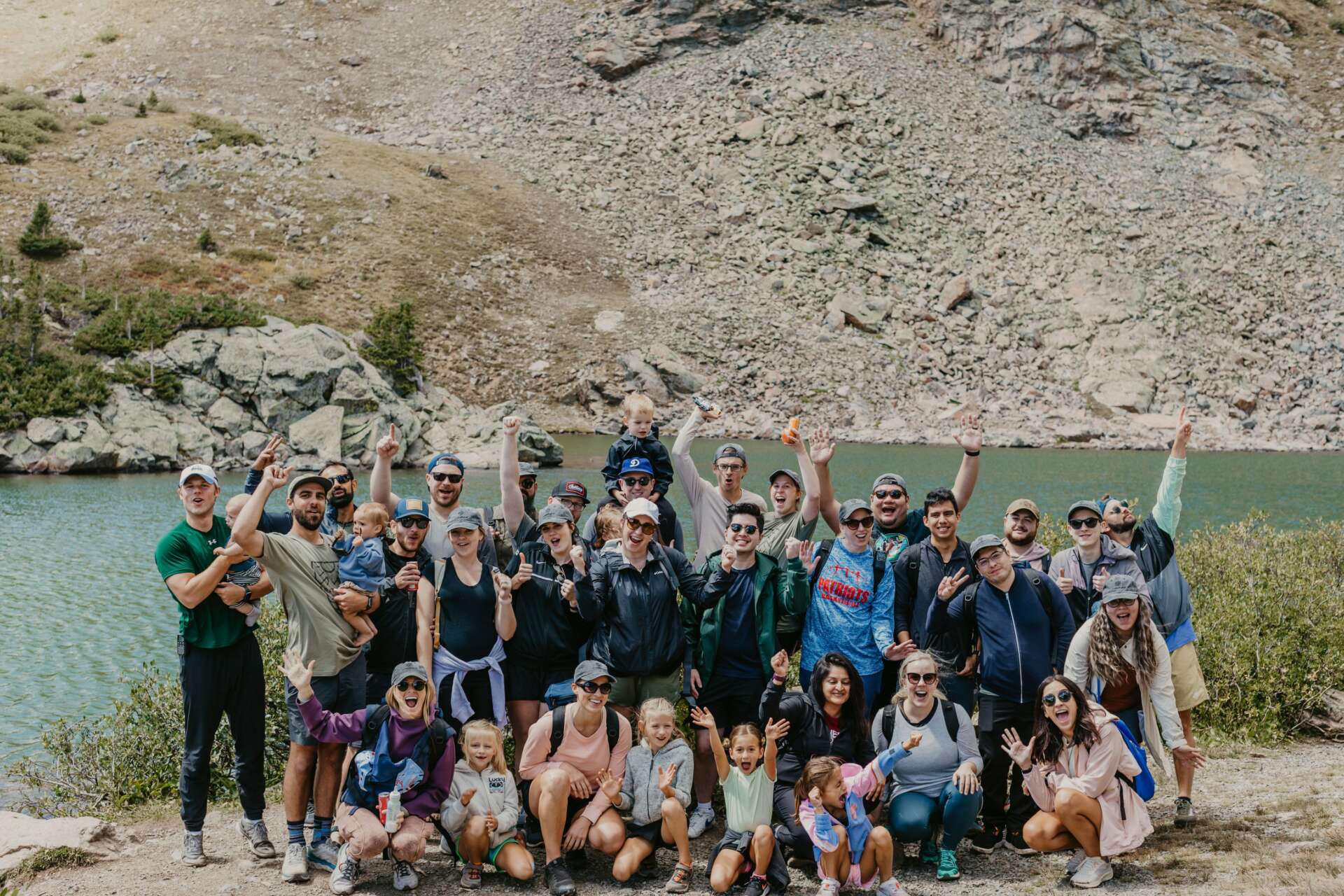
Our team has grown by 25% over the past two years and as we’ve added new team members who have never worked in the office with us, we’ve had to re-think our onboarding processes and remain creative with how we make new team members feel welcome. Our people are so important to me and I feel so strongly about the integrity of our team culture remaining intact despite being remote. This has opened up a lot of room for growth and new opportunities to be intentional with our team since we can’t rely on those casual office interactions. Practically, this looks like investing our money in a company offsite last year, monthly team lunches and new processes for our People Operation team.
Team integrity
Another thing that sticks out as a non-negotiable is “who you hire”. I am consistently thankful for the way each individual on our team owns their work and interactions with both clients and other team members. When you hire smart, humble people who have integrity and are super committed to learning and growing, it creates an environment that people want to work in. Assuming the best about each other and working with a high degree of communication has made the transition to remote work a much smoother process.
Resources
Simply put – we make sure our team members have everything they need to do their job with excellence from home. The tropes about people working from their beds or at ironing boards were funny at the beginning of 2020, but in all seriousness, if you want to have a company that is thriving and growing, chances are, your people need monitors, a desk, a chair—anything you would have purchased for them in the office. We’re consistently asking “do you have obstacles and if so, how can we remove those?”


Great, appreciate you sharing that with us. Before we ask you to share more of your insights, can you take a moment to introduce yourself and how you got to where you are today to our readers
I graduated from Baylor’s Hankamer School of Business with a degree in Economics and got my first real taste for entrepreneurship when I flipped a house during college. I made a little bit of money and it showed me the potential of creating something and making money on your own.
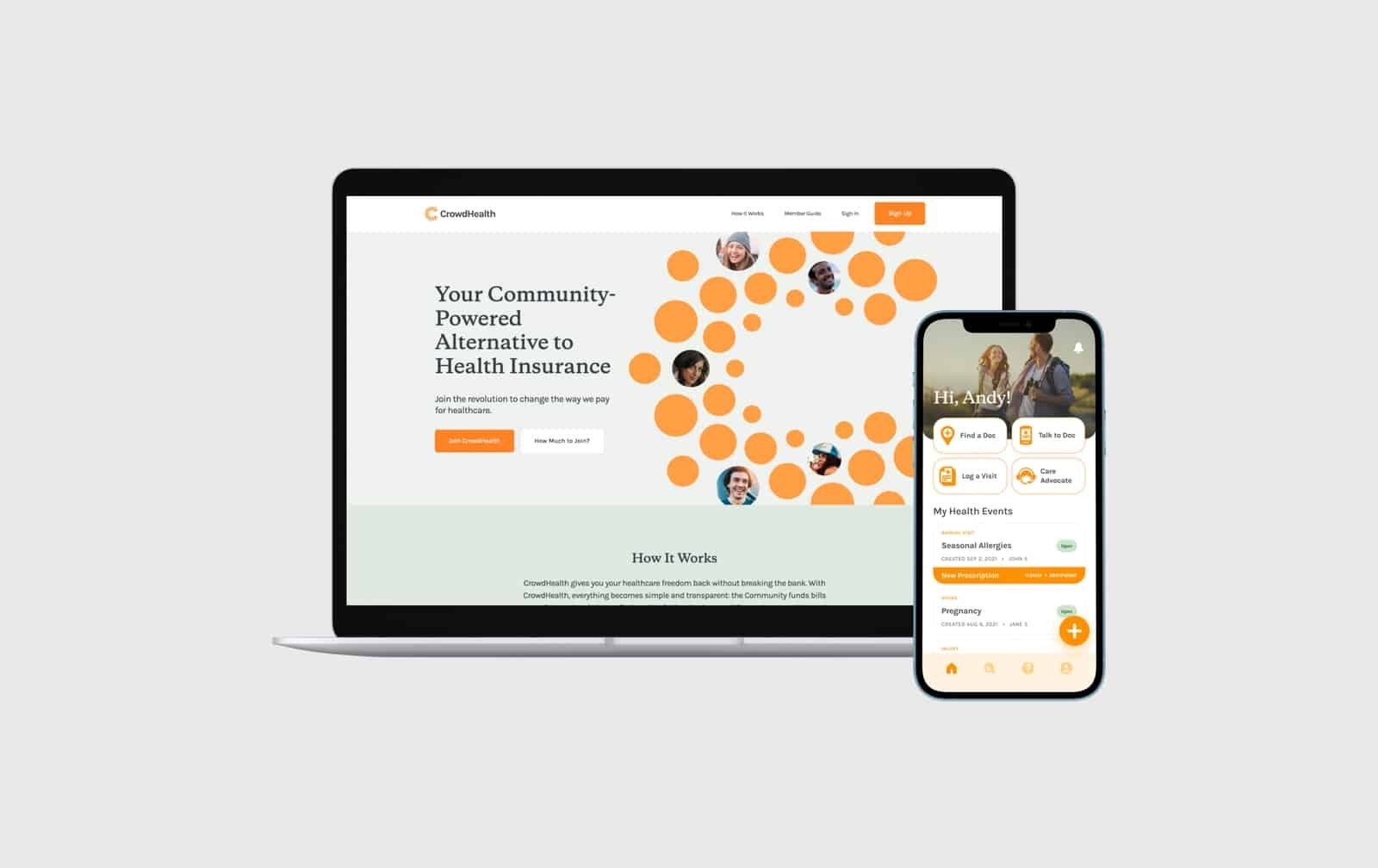
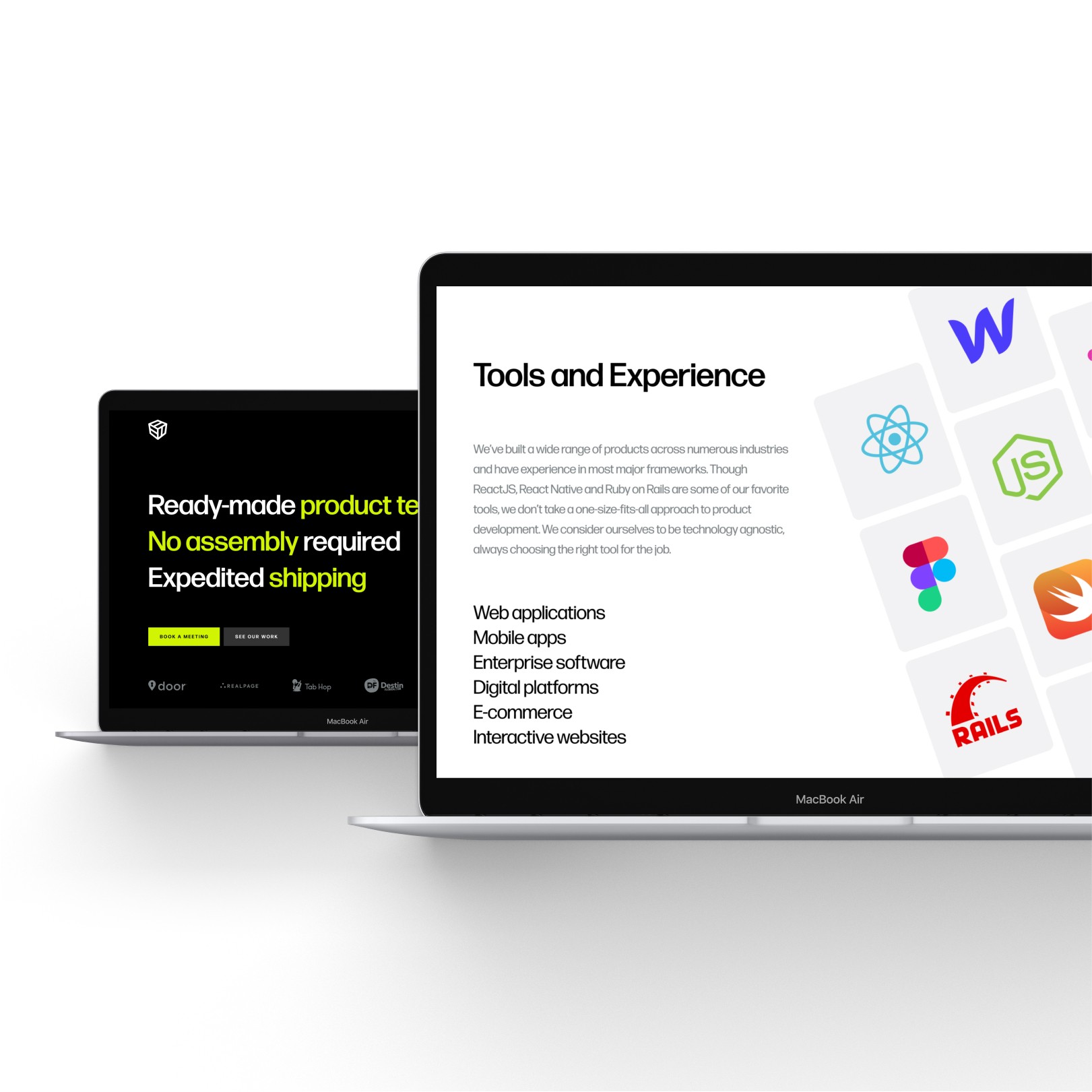
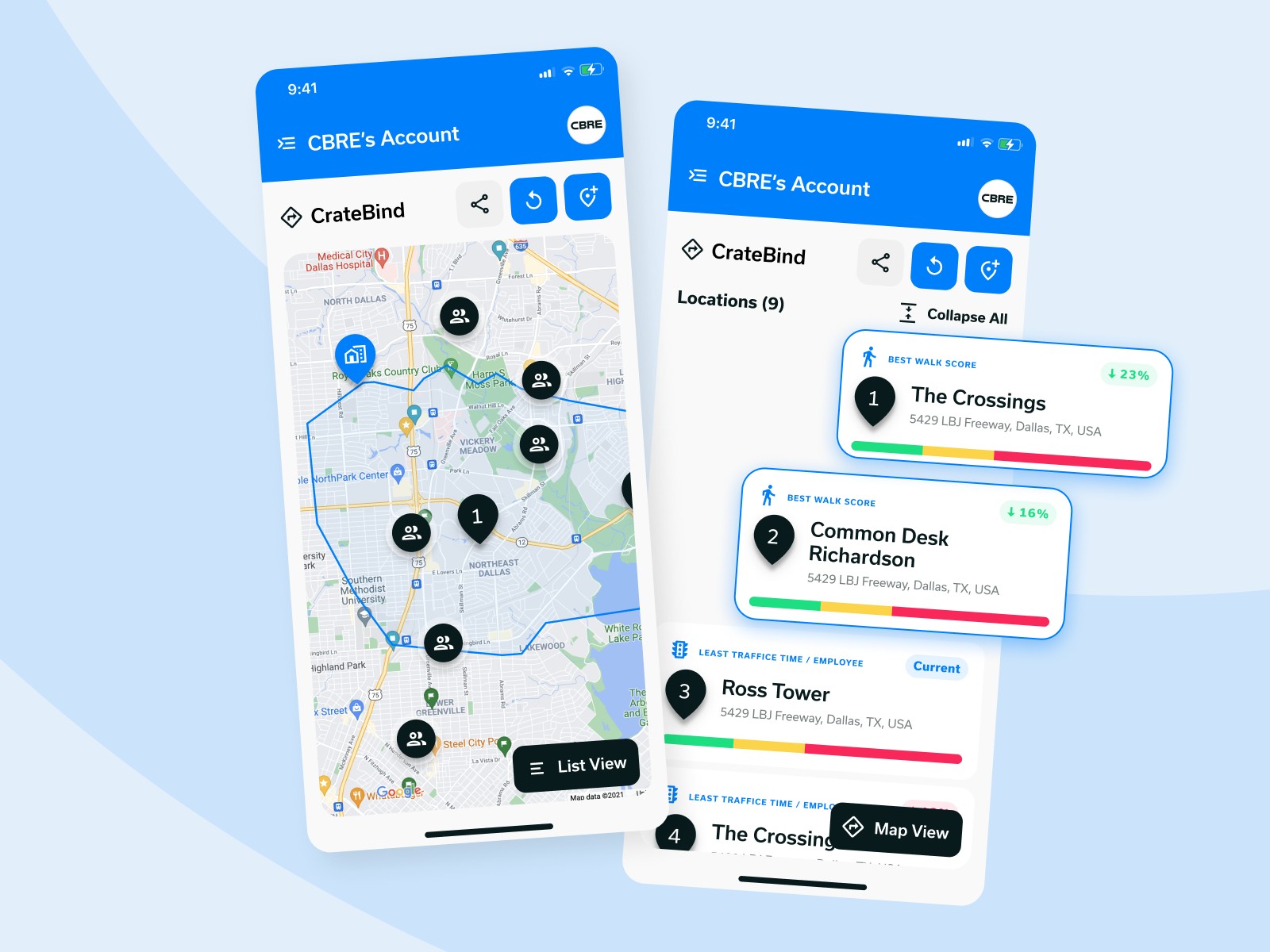
In 2014, some friends and I began a grocery delivery business and while working on the tech for our grocery app, realized that we really enjoyed the product development process. We found ourselves helping others with their technology needs and fast forward, we made the pivot to CrateBind. Instead of delivering groceries, we deliver digital products as a team and it has been an awesome experience. Using strategy, design and engineering, we build end-to-end apps for everyone from startups to Fortune 100 companies. My favorite part of what we do though is our team—they’re awesome and it’s an honor to work with such a stellar group of people who are so committed to their craft.
Where do you think you get most of your clients from?
Personal relationships and word of mouth. This has single-handedly been our strongest source of work over the last several years as we’ve grown. People want to work with teams that they can trust. One of our core values at CrateBind is “People First”, which essentially means that we value people over profits and products. While we obviously would not be able to support people without making a profit, we never want our products or profit to come at the expense of our people. This kind of mindset permeates our team culture as well and impacts our client relationships and overall product development process. Looking ahead to this year, we are going to try a few new (to us) marketing strategies, but as our baseline, my vision for us is that CrateBind would be a team you love to work with.

Any advice for managing a team?
This has been something that we’ve been really intentional about and have learned a lot about over the years. I think that the simplest answer is “treat your team like people”. Talk to them, give them ownership over their work, invest in their growth, celebrate them, be humble when you get it wrong and look for ways to improve their work experience. It’s an investment in your team for sure, but it’s also an investment in your company.
Contact Info:
- Website: https://www.cratebind.com/
- Instagram: https://www.instagram.com/cratebind/?hl=en
- Facebook: https://www.facebook.com/cratebind
- Linkedin: https://www.linkedin.com/company/cratebind
- Twitter: twitter.com/cratebind
- Other: https://www.linkedin.com/in/john-harlan-8540792b/ https://youtu.be/UUGdwBkNELc https://dribbble.com/cratebind
Image Credits
Maggie May Photography – all photos All product images are the property of CrateBind.