

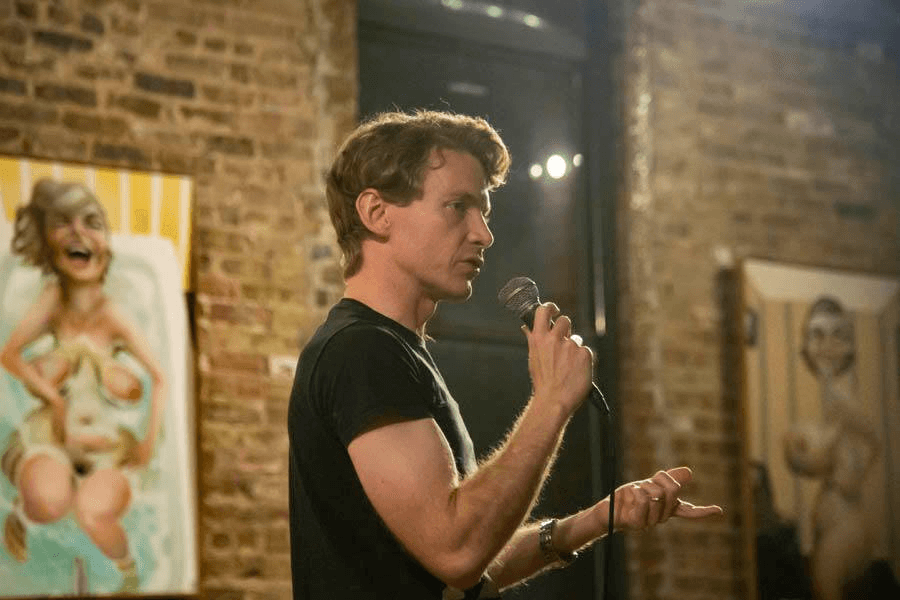

Alright – so today we’ve got the honor of introducing you to John Dorhauer. We think you’ll enjoy our conversation, we’ve shared it below.
John, looking forward to hearing all of your stories today. Can you talk to us about a project that’s meant a lot to you?
In 2017, my large jazz ensemble, Heisenberg Uncertainty Players, premiered a 9-movement multimedia suite I composed entitled “We Tear Down Our Coliseums”. Each movement was written as an homage to a baseball stadium that had been destroyed, and it featured music composed by myself and paintings done by my brother, Adam Dorhauer. The music featured influence from a variety of styles, including jazz, neoclassical, rock, and avant garde, and each movement was crafted to match its original source. For example, there was a movement entitled “Kingdome” that was inspired by both grunge music from Seattle of the 90’s, as well as the fun-loving nature of the Ken Griffey, Jr.-led Mariners teams of the same era. This project was particularly meaningful to me because it allowed me to explore the combination of two of my great passions – music and baseball. I have also been fascinated by the history and architecture of baseball stadiums, which stems from a vacation I took with my dad, brother, and uncle when I was younger in which we visited 13 different MLB stadiums over the course of two weeks. The project was also a commentary on the disposable nature of modern society, in that we erect these massive structures and convince ourselves that they are obsolete within 20 years (and often at the great expense of taxpayers). Furthermore, this project allowed me to push myself into new directions as a composer for jazz big band, trying out things I had never done before, and it has proven to be a watershed moment for me as a writer.

Awesome – so before we get into the rest of our questions, can you briefly introduce yourself to our readers.
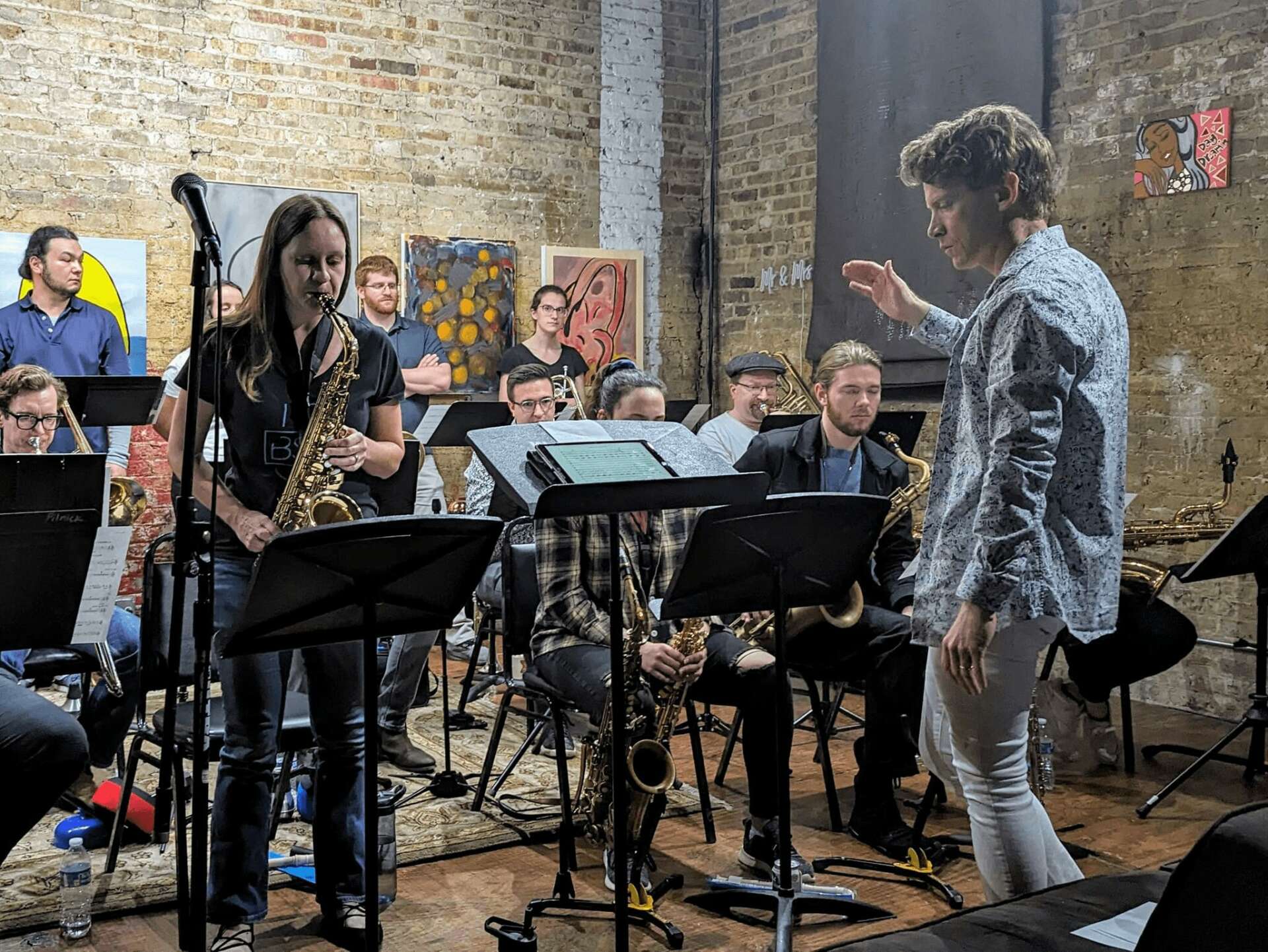
I am a composer, musician, and educator based in the Chicago area, although my main creative output centers around the new music 17-piece jazz big band that I direct – Heisenberg Uncertainty Players. HUP formed in 2011 and has performed regularly around the Chicago area ever since. HUP performs exclusively original compositions and arrangements written by me, and our book features of 200 original pieces of my music. Our music is inventive and accessible, and it blends a diverse array of styles ranging from rock to R&B to postmodern concert music.
Many of our performances are built around specific themes as a way of enabling us to create a tangible way of marketing our original music. We have done shows featuring all heavy metal music, all 90’s music, and a historical retrospective on the music of boy bands, but we have also performed original versions of entire albums. These include The Beatles’ Abbey Road, Led Zeppelin’s Houses of the Holy, Heart’s Dreamboat Annie, Wings’ Venus & Mars, and, most recently, Pink Floyd’s Wish You Were Here.
With my original compositions written for HUP, my goal is often to create something that is accessible through its use of groove, hooks, and clear melodic patterns, while also being unique through its creative use of form and structure, harmony, and counterpoint. I use many of the same ingredients as other composers of jazz big band music, including improvisation, traditional instrumentation, and ensemble writing, but stylistically and structurally, my writing favors more modern approaches over historical precedent in the genre.
Are there any resources you wish you knew about earlier in your creative journey?
I wish I had known about more grant opportunities earlier in my career. I applied for and received some grants within the past 5 years for various projects related to HUP, but I wish I would have pursued similar opportunities prior to that. We ended up crowdsourcing most of the budget for the first album we did in 2013, and grant funding would have been helpful for that. Furthermore, grants often reward past success and will continually fund the same applicants if they demonstrate prior success, so starting early on grants also makes future success with them more likely.

In your view, what can society to do to best support artists, creatives and a thriving creative ecosystem?
The most important thing that individuals within society can do to support artists is to be there to experience it. Coming out of the pandemic, there was a burst of interest in seeing performances live again, but from my perspective that has not sustained itself. Grant funding and similar opportunities offered by larger organizations is absolutely vital for sustained artistic success, but if no one is there to experience performances, then these opportunities will no longer exist. There are so many reasons why people choose to stay home instead of going out to see something, but making that decision every once in awhile to go out and support local artists will go a long way towards cultivating this thriving creative ecosystem.
Contact Info:
- Website: johndorhauer.com, huplayers.com
- Facebook: https://facebook.com/huplayers
- Twitter: @JohnDorhauer, @HUPlayers
- Youtube: https://www.youtube.com/channel/UC1YbABtXtzrGkNd8sTXn2TA
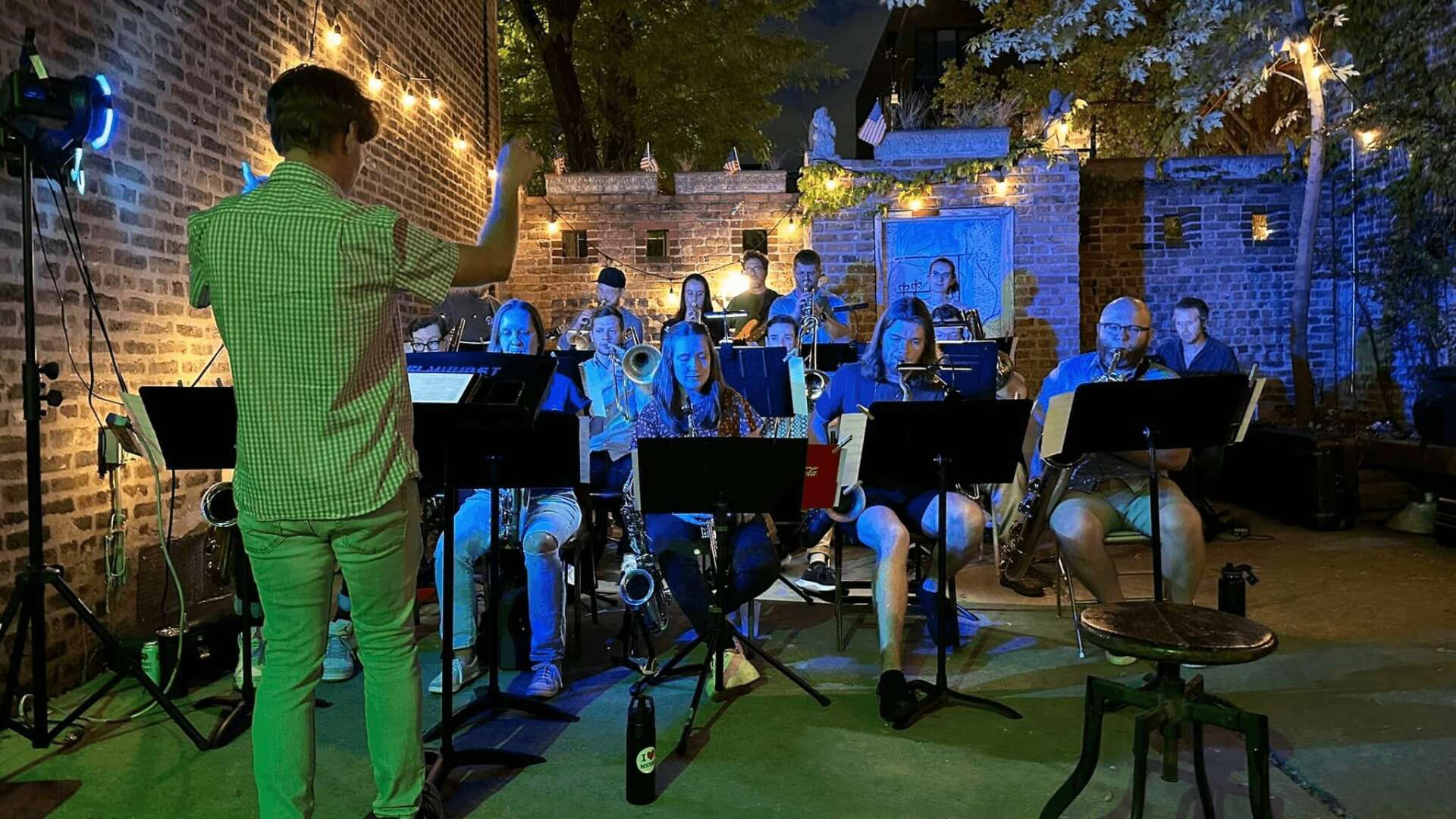

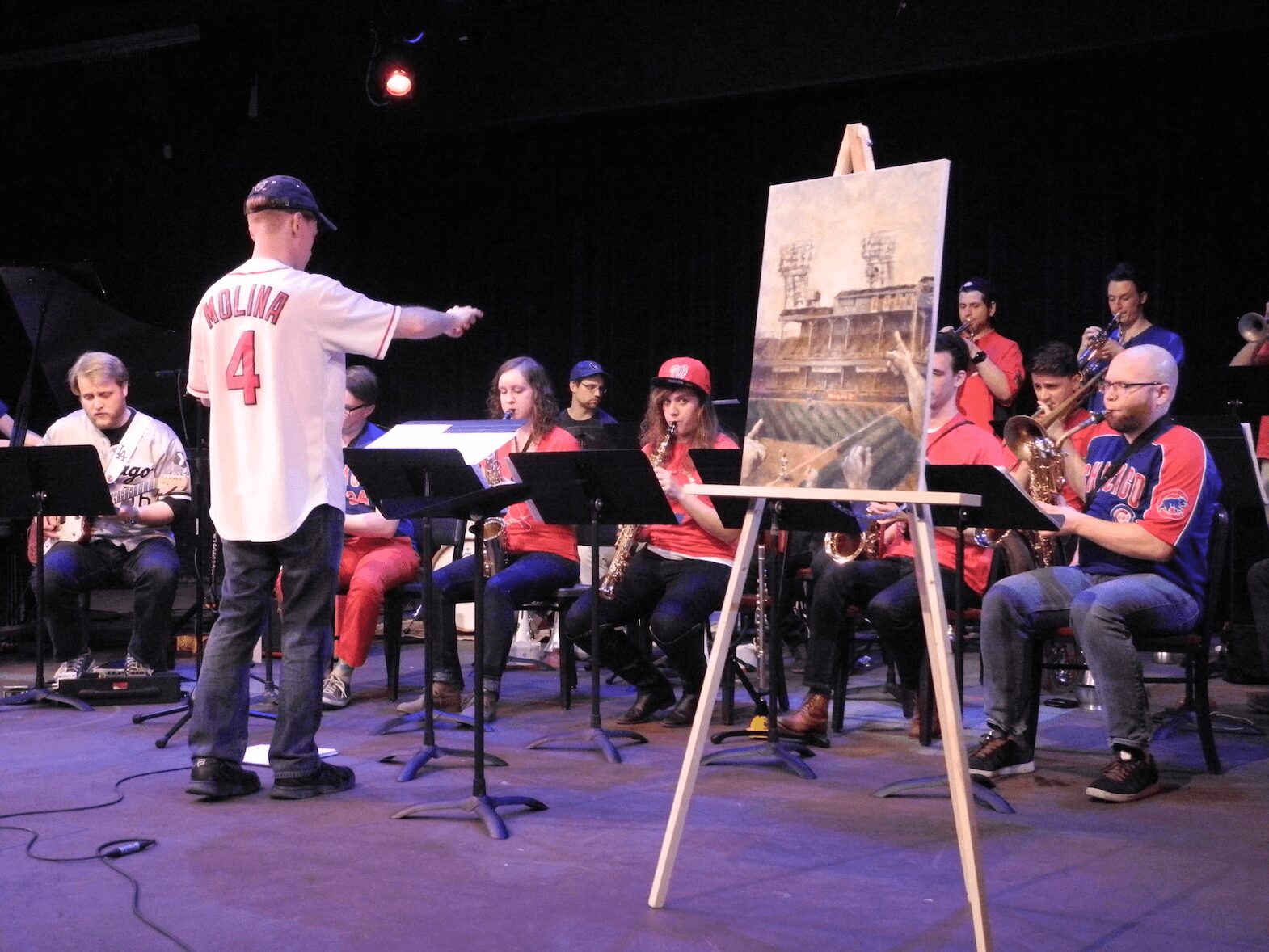
Image Credits
Photos by Harvey Tillis and Toria Burrell