



We recently connected with Joel Sartore and have shared our conversation below.
Alright, Joel thanks for taking the time to share your stories and insights with us today. Let’s talk legacy – what sort of legacy do you hope to build?
I’m not so much worried about my legacy as I am saving biodiversity and habitats, while there’s still time. If we continue on this path, the world will be greatly diminished, and humans could be at risk of extinction as well.
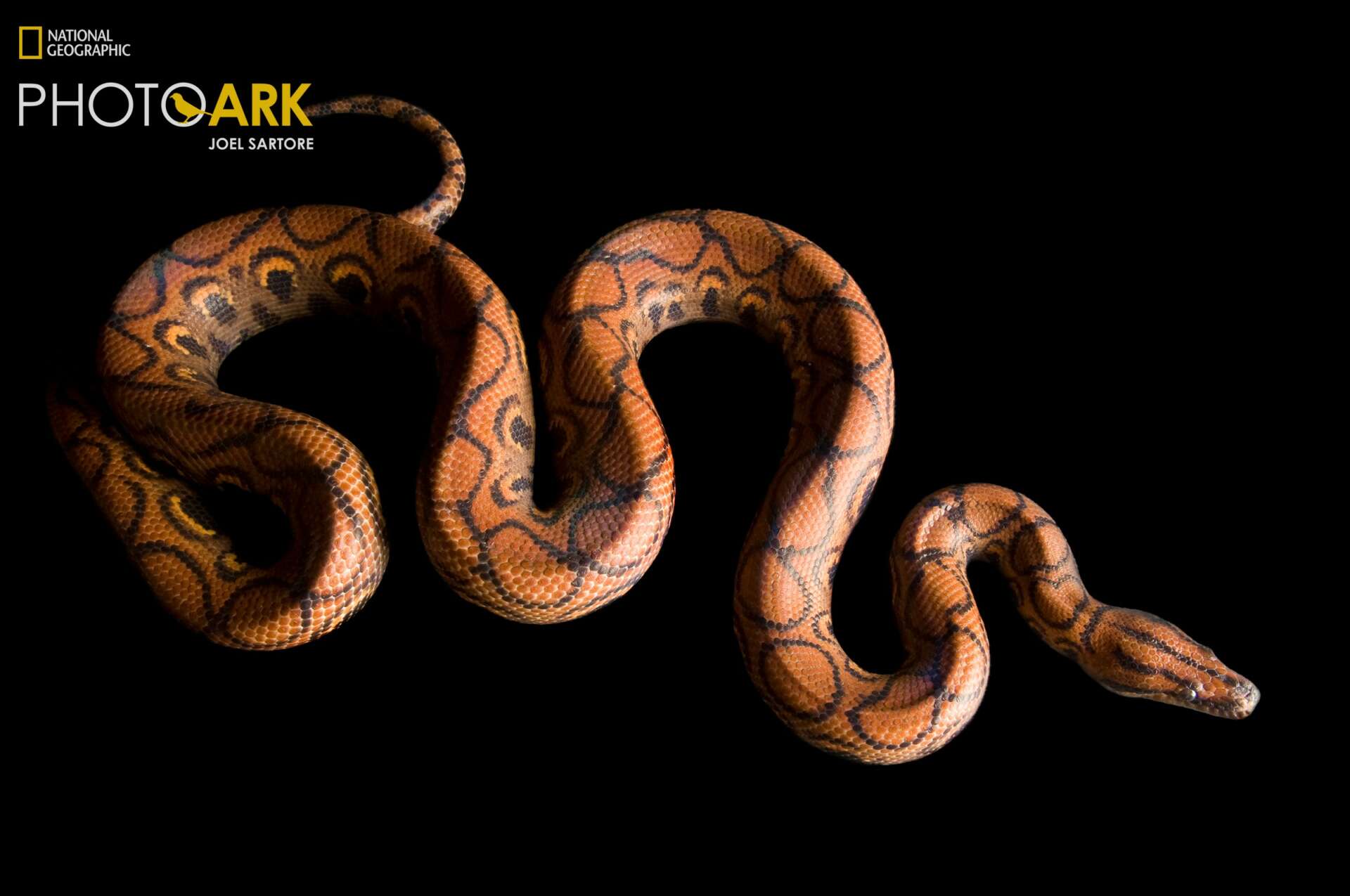
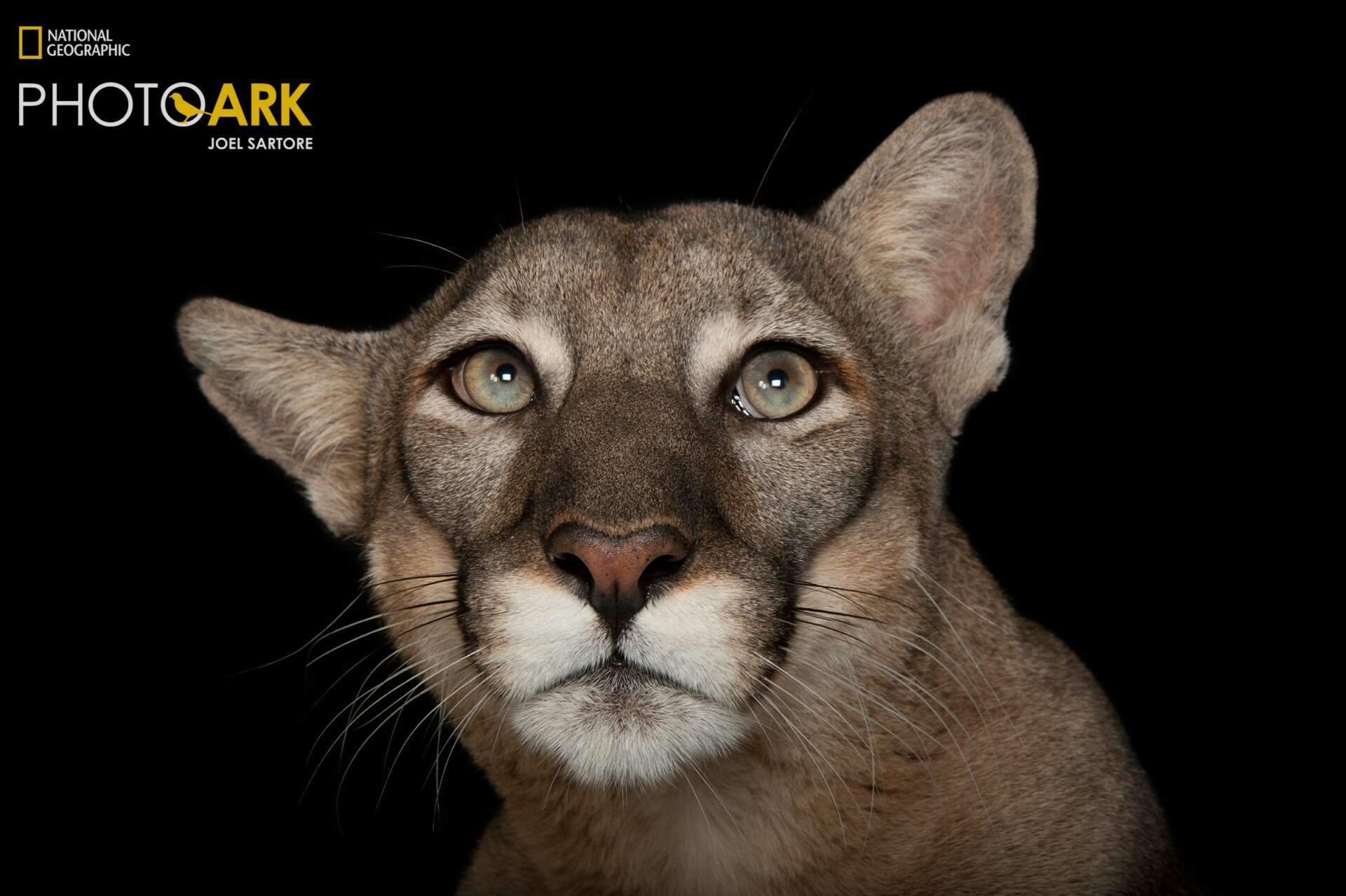
Joel, love having you share your insights with us. Before we ask you more questions, maybe you can take a moment to introduce yourself to our readers who might have missed our earlier conversations?
My interest in photography started by taking a few pictures in high school, then I discovered a darkroom in a dormitory in college. I shot a bit for my local newspaper, the Ralston Recorder, then the Daily Nebraskan in college. From there I got an internship at the Wichita Eagle in Kansas, then a staff job there, then National Geographic.
My first couple of assignments for National Geographic were the first real nature photography I did. “Eagles on the Rise” was a small story about an effort to hand-rear and release southern bald eagles into the American South. The second story, about America’s Gulf Coast, was much broader, literally spanning from the tip of Florida to Brownsville, Texas. All of these things really opened my eyes. In many places, the environment was in such terrible shape, yet people just ignored it, pretending it was ‘normal’ to see medical waste like hypodermic needles and used blood bags mixing with spilled oil and tar. That story made me realize the amount of work needing to be done would last my lifetime, and beyond.
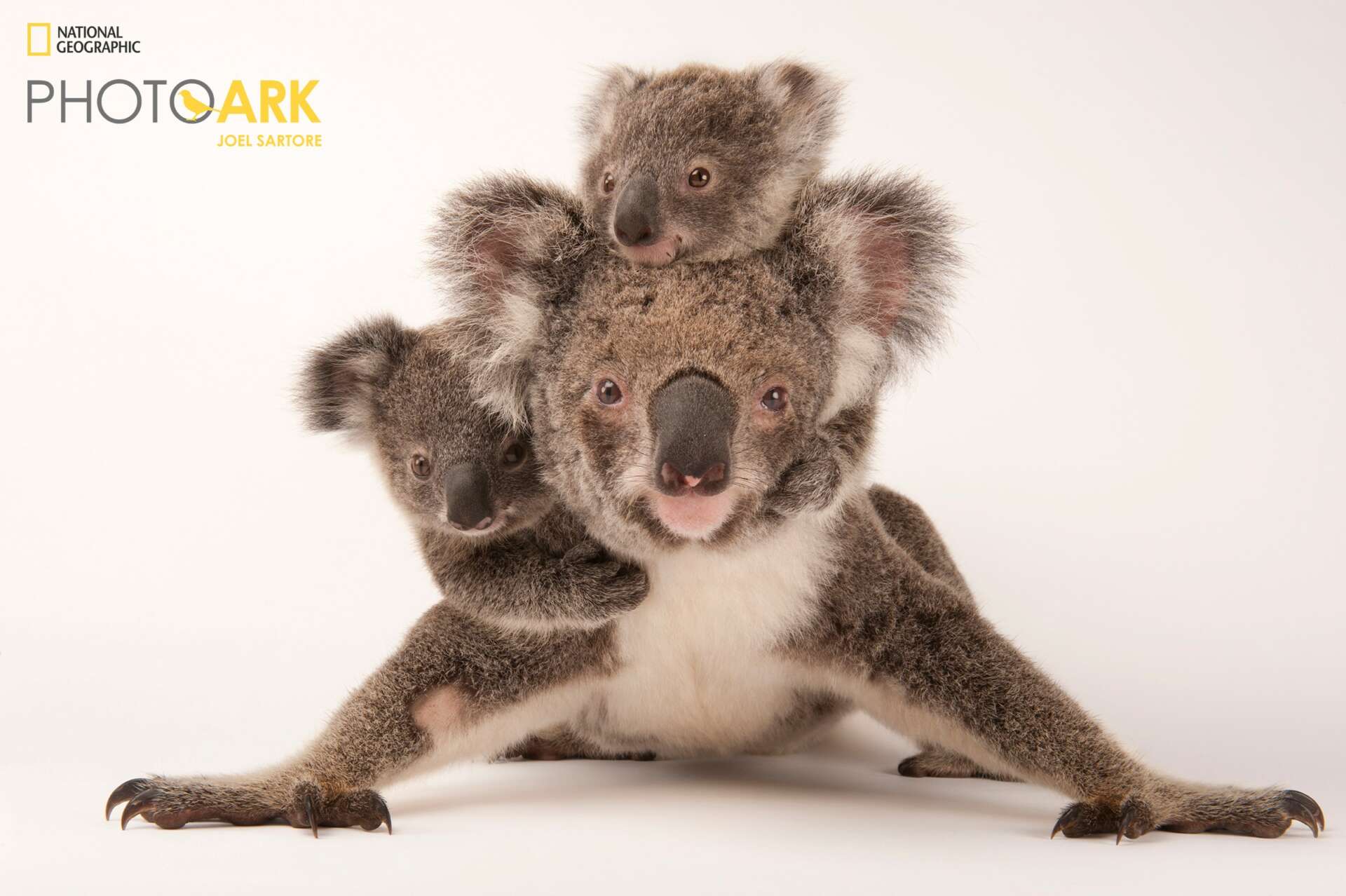
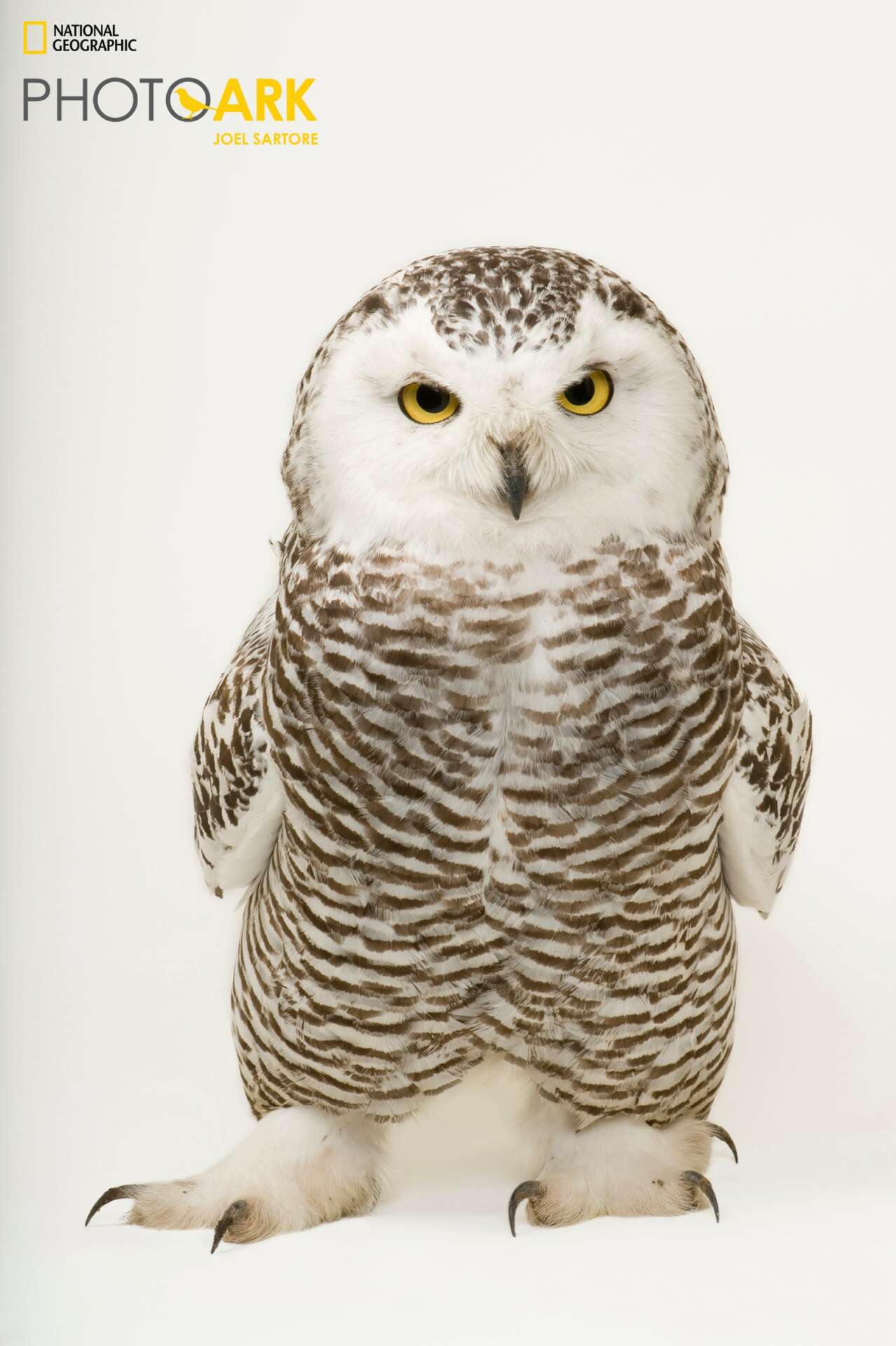
Then, in 2006 when my wife was battling breast cancer, I got the idea for the Photo Ark. She’s healthy and fine today, but I stayed home for a year to take care of her and our three kids. Once Kathy recovered, I decided to focus on one big project, something to reach a public with a decreasing attention span, and really try to move the needle of conservation. And so I started going to the Lincoln Children’s Zoo, a mile from my house in Lincoln, Nebraska, to take photos. I asked the zoo staff if they had a small animal that would hold fairly still, and so they brought out a naked mole rat and put it on a white cutting board from their kitchen. He didn’t hold still very well, but I was intrigued by the fact that these animals live underground in the wild, yet how well I could see his face against the clean white background. It helped me appreciate the animal in a whole new way. That’s how Photo Ark started, and now I’m 100% Photo Ark. I give a voice to the voiceless. It’s a huge honor, and a great responsibility.
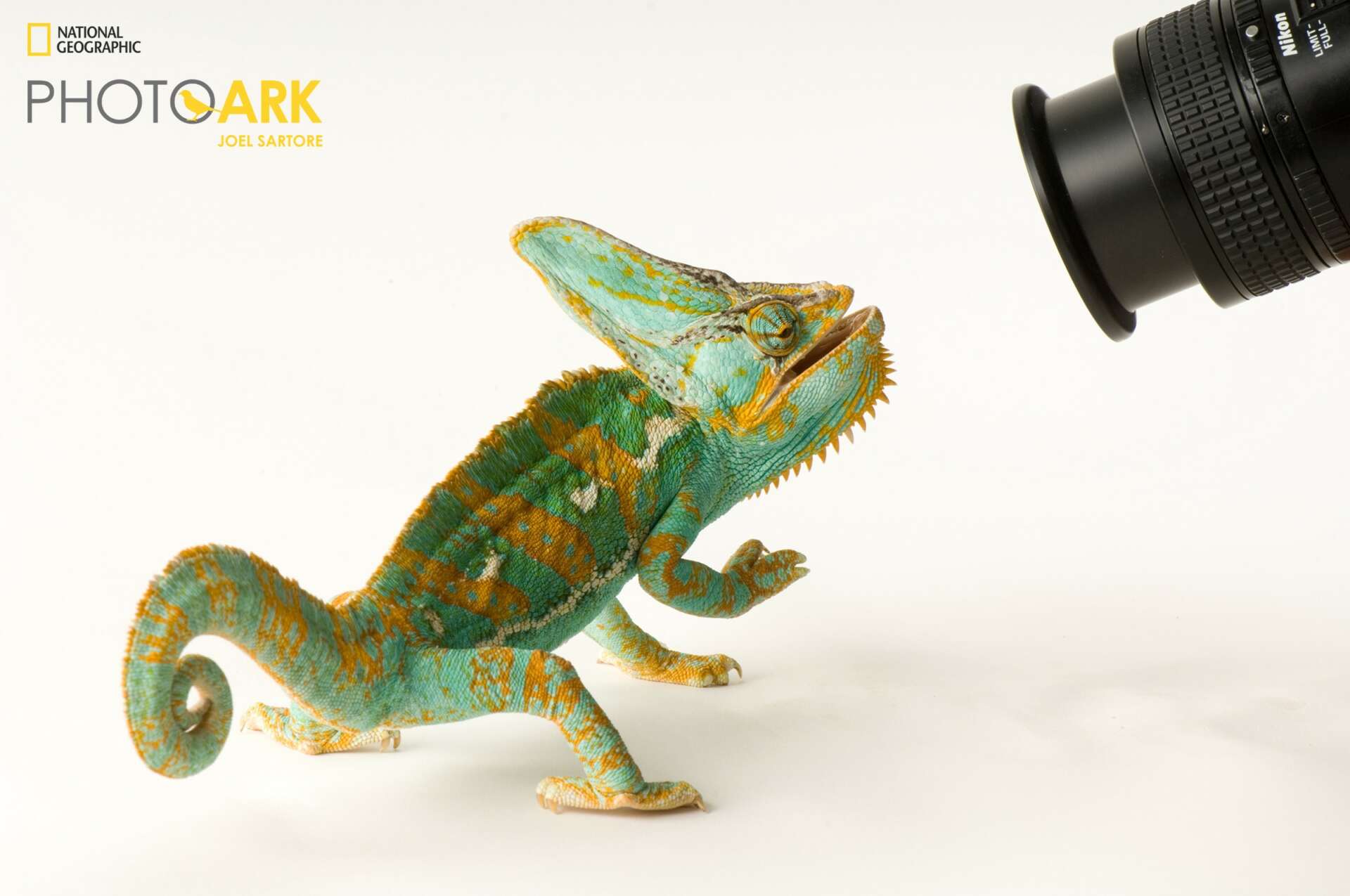
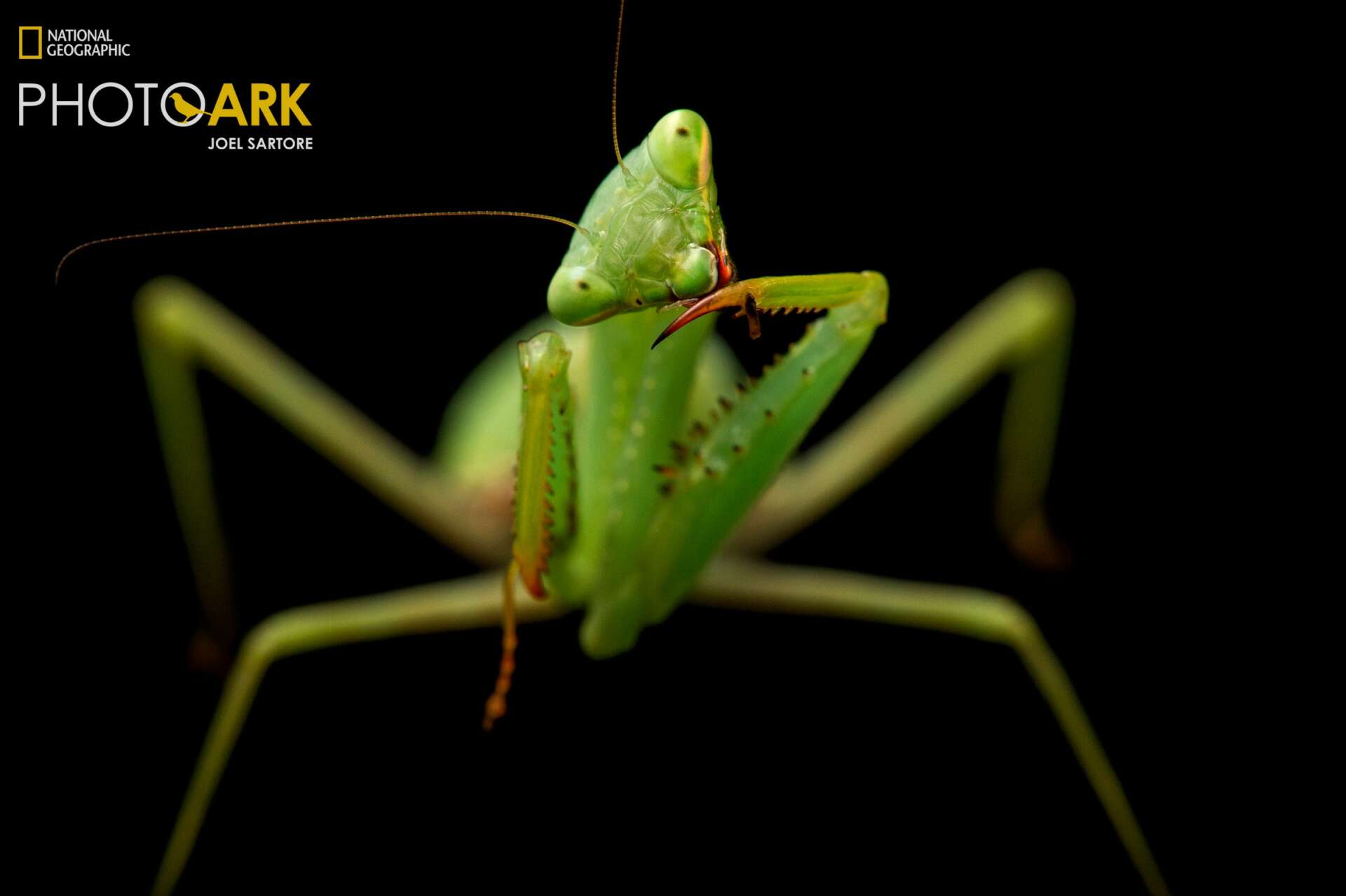
Is there a particular goal or mission driving your creative journey?
My goal with the Photo Ark is to photograph every species in human care around the world, some 25,000 species or more. This will take another 15 years at least––likely the rest of my lifetime. Today I’ve photographed some 15,000 species. We now have to travel farther and wider to get the remaining species. If I am unable to complete the Photo Ark, my oldest son Cole will take it on. He travels with me on most of the foreign shoots.
At the heart of the Photo Ark, and the reason behind taking on these photographs, is the very simple goal to get the public to care and save species from extinction. There is no better time to act than now. I truly believe that together we can protect the species and ecosystems that are critical to our own survival before it’s too late. I was inspired to start photographing animals because so many truly had no voice of their own in terms of conservation — and that’s what continues to drive me on this project.
I still believe that people will want to help save this world, and the species in it, but they first have to meet these animals and learn what the problems are. I meet wildlife heroes all the time; individuals who work hard to save species right in their own backyards. For each and every one of them, it started with education, pure and simple.
For you, what’s the most rewarding aspect of being a creative?
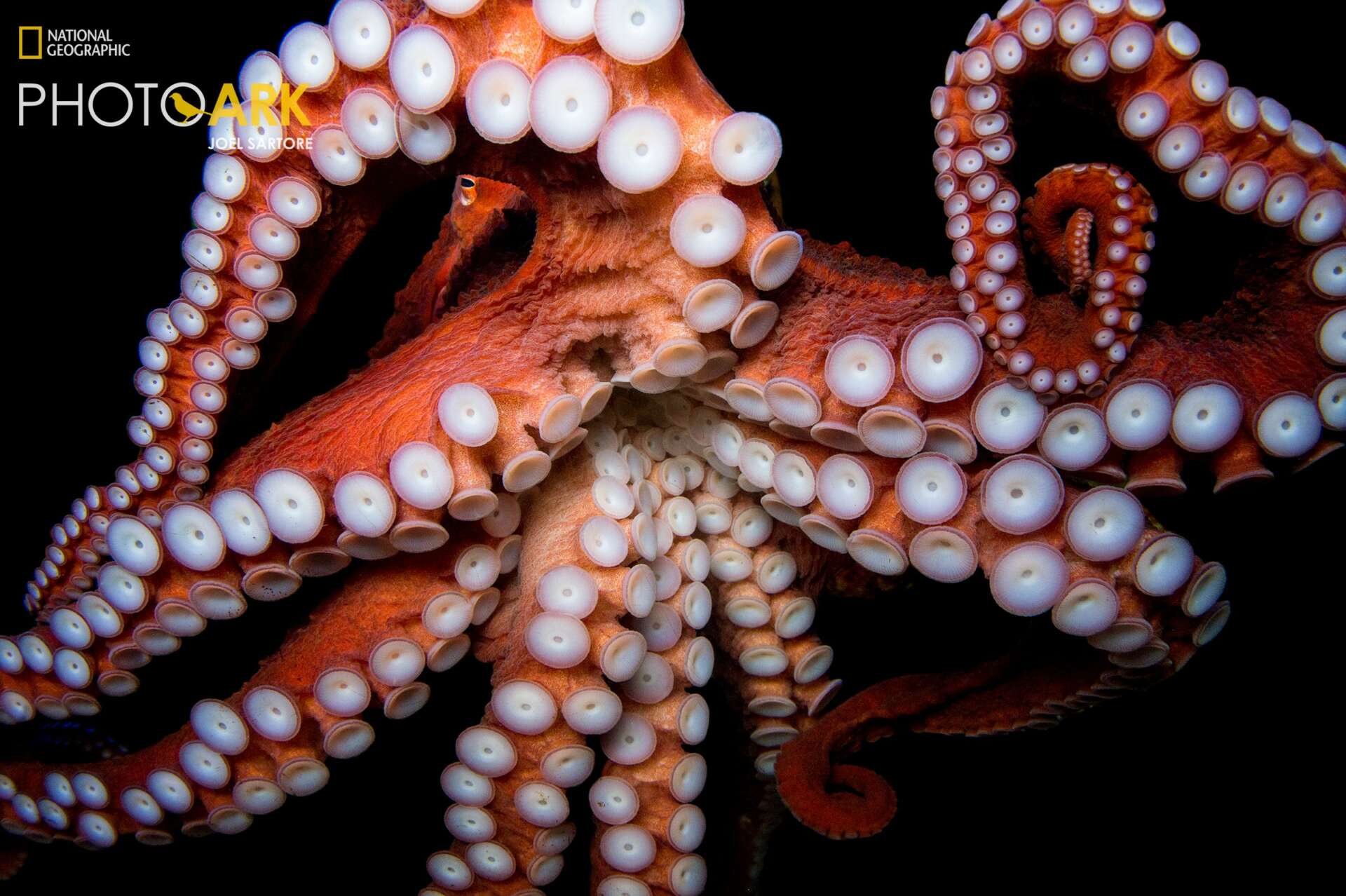
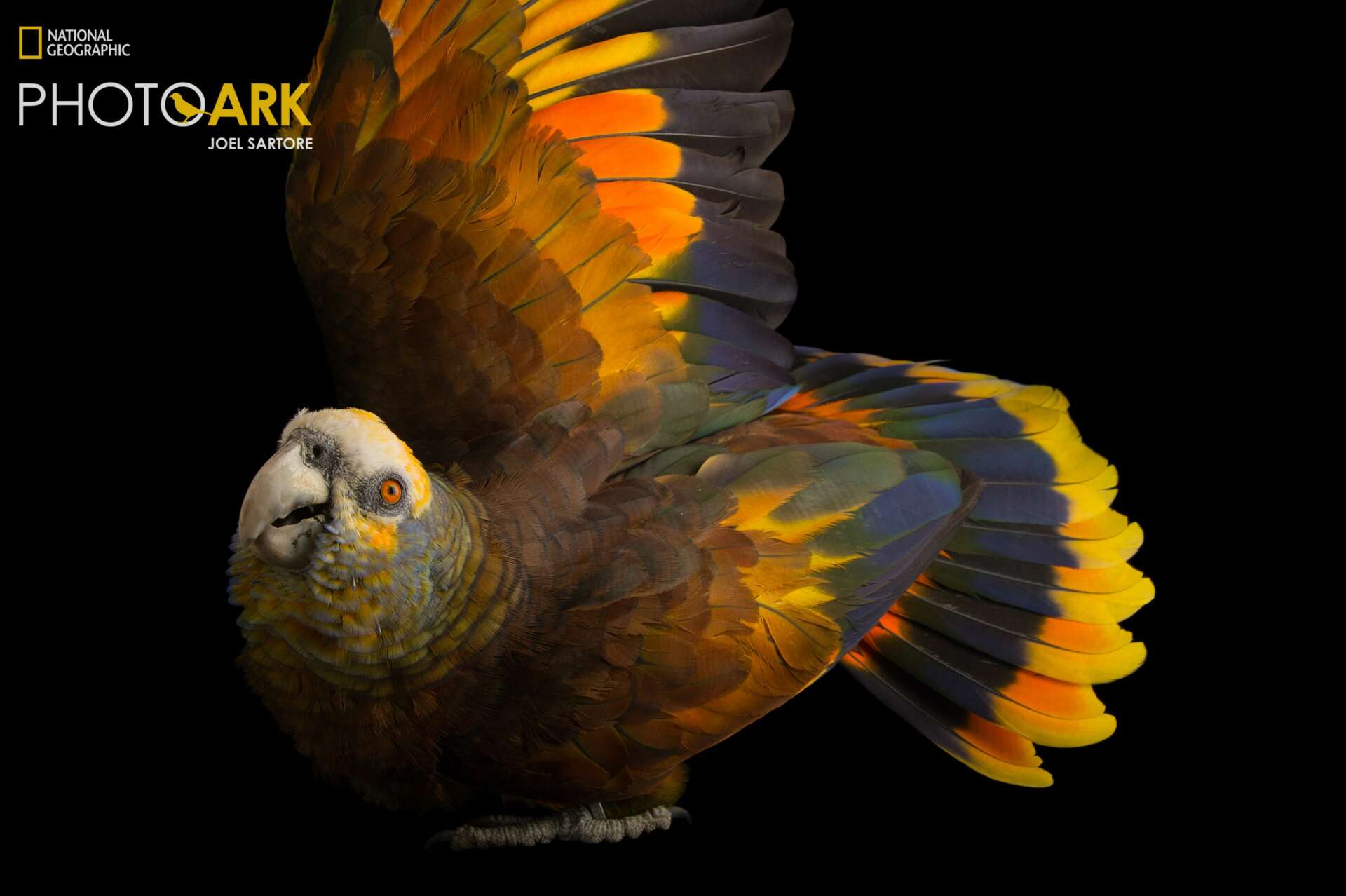
I’d say the most rewarding part is the impact the Photo Ark has on people and wildlife as a result. The Photo Ark gives animals the chance to be seen, and have their stories told––while there’s still time to save them and their habitats. In my images, viewers are able to look deeply into the eyes of these animals and see they are all important and so worthy of saving. I’m grateful that the National Geographic Photo Ark has inspired so many people––and I am proud that it has influenced real, impactful conservation efforts. One example I love to share is that of the Florida grasshopper sparrow. Historically, this bird inhabited the prairies of central Florida. In the last few years, however, it has neared extinction, with biologists struggling to find the reasons why. When the Photo Ark photographed the bird for an Audubon Magazine cover story, it got so much attention that the US government went from spending $20-30k per year to document its demise, to $1.29 million to begin a captive breeding program. That breeding program is a success today, and so there’s real hope for the sparrow, thanks to the hard work of the researchers and breeding centers such as White Oak Conservation Center in Yulee, FL. I’m very proud of that.
Contact Info:
- Website: https://www.joelsartore.com/
- Instagram: https://www.instagram.com/joelsartore/
- Facebook: https://www.facebook.com/sartorephoto/
- Twitter: https://twitter.com/joelsartore/
- Youtube: https://www.youtube.com/c/VideoArk/
Image Credits
Please use the link to access Joel’s press kit with credit and caption information: https://brandfolder.com/s/6ngcmvfgpbmsxc9qfjkqnh