

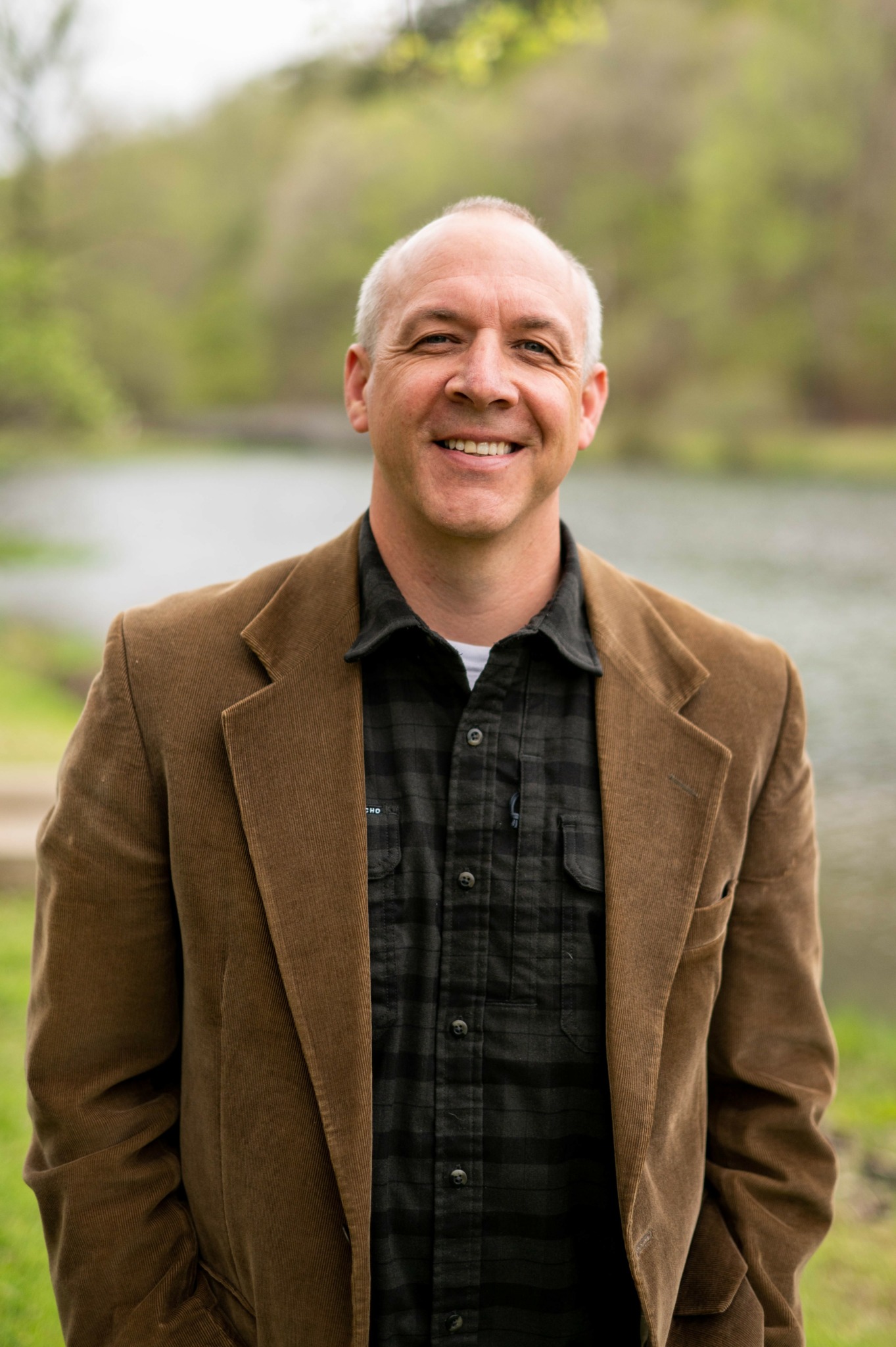

We were lucky to catch up with Joel Gill recently and have shared our conversation below.
Joel, looking forward to hearing all of your stories today. What did your parents do right and how has that impacted you in your life and career?
I owe a lot to my parents, but that’s probably not very unique. My dad was a Presbyterian minister. When I was young we lived in rural Indiana. The parsonage (pastor’s home) was on a farm. We were surrounded by cornfields and soybeans. There were old barns to explore, nests of kittens to find in the hay lofts and just so much to explore. Then we moved to Arkansas when I was 6 years old when my dad accepted a job with Heifer International, a nonprofit that works to end hunger and poverty and care for the Earth. We lived on a 1200 acre ranch that was run primarily by volunteers. The people we met and worked beside were kind and interesting. My mother took to rural life. She took care of livestock (pigs, sheep, rabbits, chickens, bees) and often we would end up with orphan animals in cardboard boxes in our kitchen. Both of my parents have a strong Christian faith but it never was the preachy or judgey kind. They welcomed people into our homes and nurtured people and relationships. I think there shared commitment to living “as the hands and feet of Christ” created a really idylic environment to grow up in. I’ve always looked up to them, not out of fear, but out of love. There are many stories but one that sticks with me is one day when I was painting the house with my dad. I was in between my two senior years of college and was a little “lost” in the world. Like many young people I was questioning a lot of things, including my faith. I always identified as a Christian but I had a lot of trouble with some of the absolutes or “othering” that some forms of Christianity practice. So I just asked my dad, “Why are you a Christian?” He answered, “I found a system of faith and a way to live my life that works for me.” That answer was not profound. It was simple but it was just what I needed. It didn’t exclude anyone. Hey, this works for me. And that opened the door for me to ask, does this work for me too? And I have found that it does. Miracles don’t have to be miraculous. It was an ordinary moment that has become quite special to me.
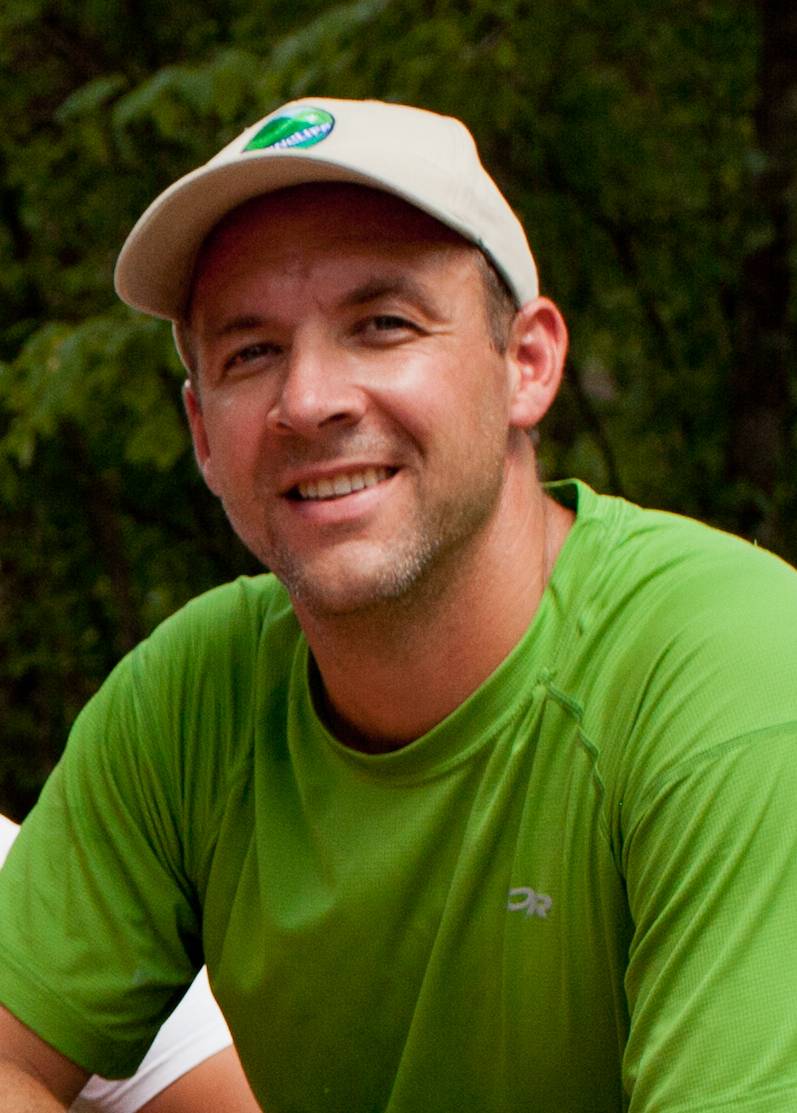
Awesome – so before we get into the rest of our questions, can you briefly introduce yourself to our readers.
So I always knew I wanted to work somewhere close to nature in a beautiful and big environment. I wanted to stay close to nature, because that’s where I experience a closeness with the creator. So the camp environment is perfect for me. I get to do a lot of different things now: setting a vision, fundraising, managing staff, growing programs. But through all of it, I’ve got 1200 beautiful acres of fields, forests and streams that I can visit right out my office door. I started working at camps right after college. Then I started working in experiencial education teaching about hunger and poverty. And I’ve worked in environmental education and challenge course work. Now I get to bring faith into my work and really give people the experience of reflecting on themselves fully. I find that time in nature is like time spent with God and I want to give that to people, especially kids. A lot of kids aren’t growing up connected with creation. And people care for what they know. And if people don’t know about the natural world and don’t understand their part in it, they won’t care for it, and everyone will suffer if that connection continues to dim. Ferncliff is a really amazing place. It is a camp, a retreat center too, but what really sets it apart are the unique programs we have. We have a disaster assistance center where we assemble, process and ship disaster kits to communities in need. We have a nature preschool where 3-5 year olds get to connect with nature in a deep way. Ferncliff is a place where people are welcomed to have an experience that heals them and calls them into service to others and the Earth. Ferncliff has embraced a culture of change. We try to consider what the world needs and see how the resources that we have, our people and our land, can be used to meet that need. And we welcome people to be a part of the process, because without community and support we wouldn’t be able to achieve very much. And God is there too, working alongside us and through us. I believe that Ferncliff is a place where people that go to church every Sunday feel welcome and folks that haven’t darkened the door of a church in decades (and probably never will) feel welcome and a connection to something bigger. At least I hope so.
We often hear about learning lessons – but just as important is unlearning lessons. Have you ever had to unlearn a lesson?
So one of the things that Ferncliff hangs its hat on is that we are always doing something new and growing. And that has been a really good trait for many years and has had a big impact on our success. But now, we’ve gotten to the size that we need to create a little bit more structure for the organization. So we want to retain our nimbleness but create rhythm so that we don’t burn out our staff. That’s been a learning experience for me and I’m still in it. The leader that I needed to be 5 years ago isn’t the leader I need to be now so I’m learning how to be a more effective director. When we were an organization with less than 10 full time staff we could all work alongside each other and stay pretty in tune. Now that we have three to four times as many staff we just need to create systems so that we make sure we are all working towards the same goals. I have to also change my role from being one that did a lot of the day to day doing, to being one that sets the vision and the goals and trusts and supports the staff to take the actions. I’m learning a lot and I can see the benefits beginning to bear fruit. When we were small we were like a small schooner, sailing and darting along, able to pivot and change course quickly. Now we are a bigger boat and there’s more involved in moving from point a to point b. We need people in certain stations, taking care of their responsibilities, so we can get to where we are going. Getting where we need to get takes looking ahead and making more methodical incremental changes to arrive at our destination, which is to meet our goals and achieve our mission.
Are there any books, videos or other content that you feel have meaningfully impacted your thinking?
I really like Adam Grant. My favorite book of his is “Give and Take”. It looks at givers and takers and studies who actually ends up more successful. It is really fascinating and the basics is that those that give, truly give, end up building a strong network of friends and associates and those relationships end up being what really matters in the long run. I also really enjoy Henri Nouwen. Henri was a theologian and professor. He wrote many books and gave many lectures. He lived many years at the end of his life in community of developmentally disabled adults in France (I think). What I get from his books is that everyone is truly a beloved Child of God and that if we truly are living our values, and believe in the work we are doing, we can “stand up” and ask for what we need to fulfill our mission. For nonprofits that’s money. It has helped me a lot in my fundraising efforts to really come to any ask or request as an invitation to welcome those with money to use that money to meet their philanthropic goals.
Contact Info:
- Website: https://ferncliff.org/
- Facebook: https://www.facebook.com/FerncliffCamp
- Other: Kimberly can send instagram and youtube channel information. I don’t have that at my finger tips