We were lucky to catch up with Joe Siple recently and have shared our conversation below.
Hi Joe , thanks for joining us today. Can you talk to us about a project that’s meant a lot to you?
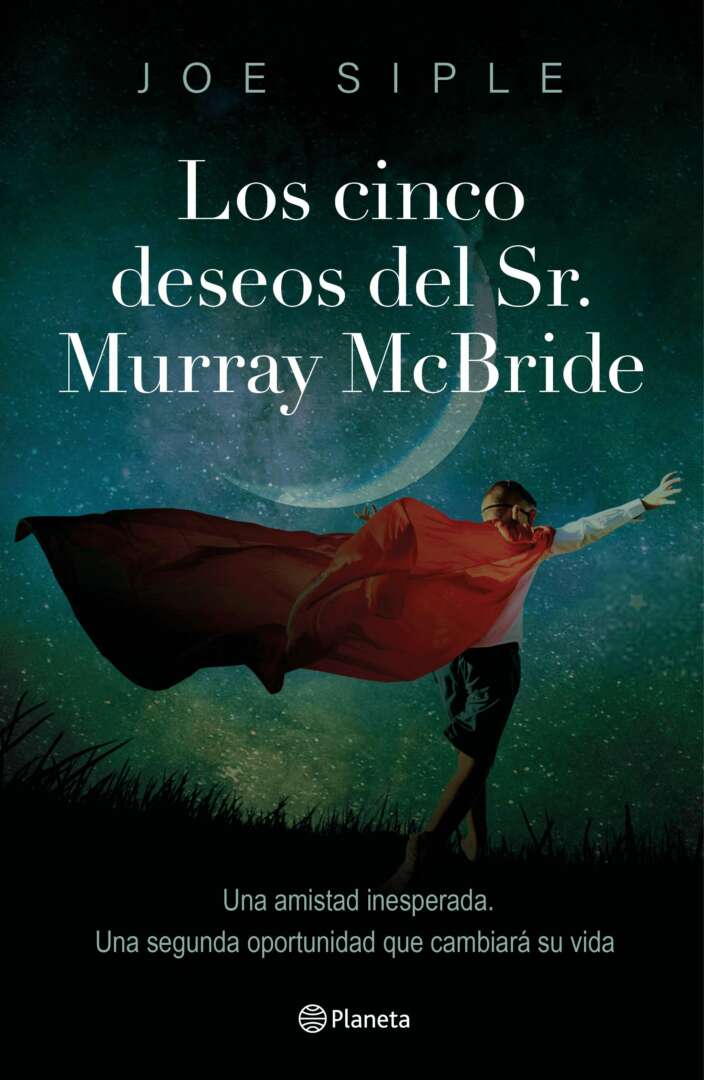
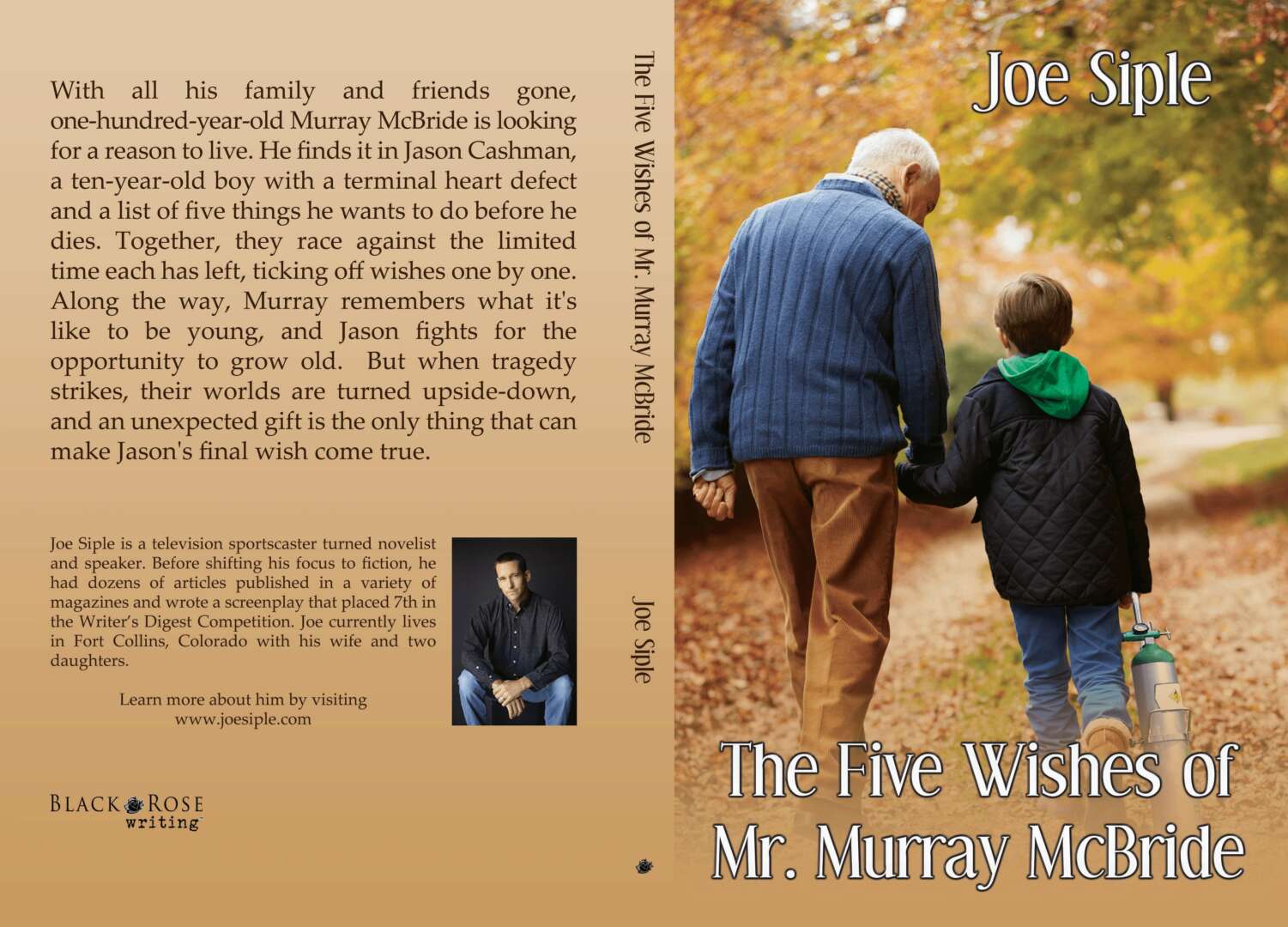
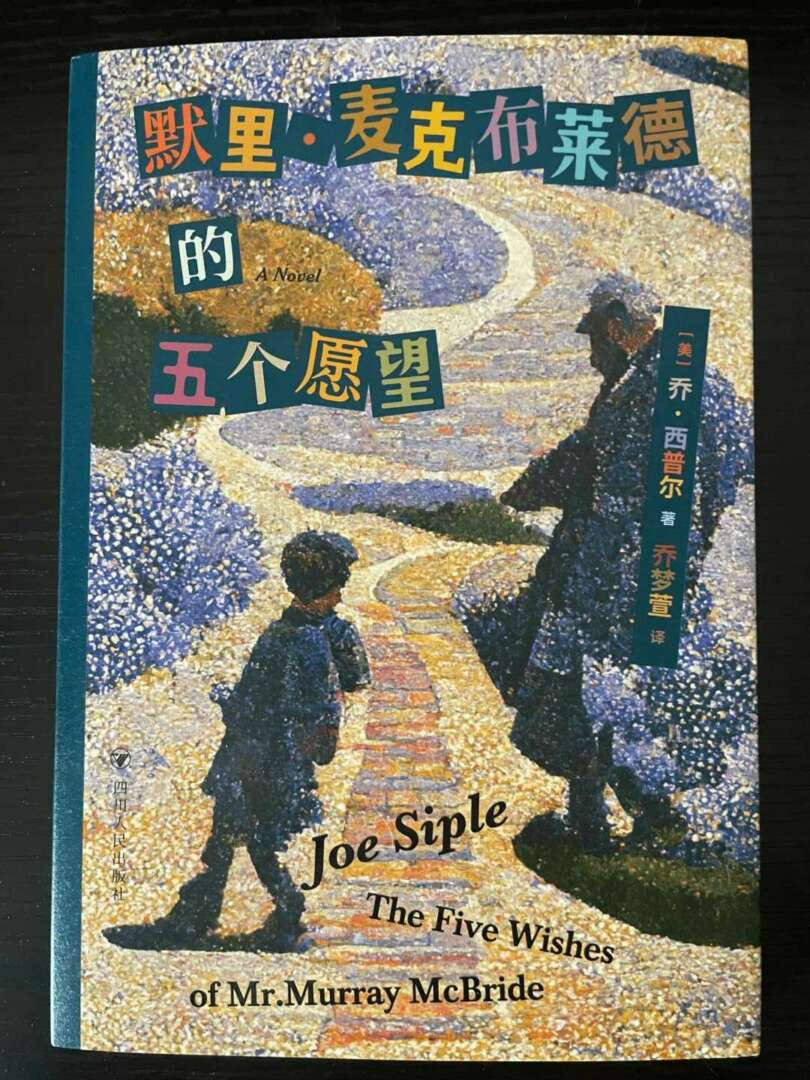
The most meaningful project I’ve worked on is without question the writing of The Five Wishes of Mr. Murray McBride. After a dozen years spent trying to write novels I thought I was supposed to write, in the way I thought agents and editors wanted them written, a major life event changed everything for me. My dad, who I was very close with, died unexpectedly when I was half way through the first draft. Overnight, my writing was no longer about what I thought would sell or what story structure literary agents wanted at the time. It became a therapy of sorts. A way to deal with the thoughts and emotions I was experiencing. To tackle the big questions I was facing in the wake of my dad’s death. For the first time, I was telling the story I wanted to tell in the way I wanted to tell it. I see that story as a tribute to my father. I would give up every bit of that success to have him back, but I think he would be proud of that story, and how well it has done. Like so often, the most meaningful things we experience are often shaded with hardship.

Joe , before we move on to more of these sorts of questions, can you take some time to bring our readers up to speed on you and what you do?
I’m the author of five books (soon to be six) including the USA Today bestselling The Five Wishes of Mr. Murray McBride. My stories have been called “distinctly authentic tales of redemption and love”. I stared writing fiction in 2001, but didn’t have my first novel published until 2018. That time of failure and rejection has helped me appreciate the success my books have had, and to never take it for granted.
Although I’m certainly happy that my books have sold well (The Five Wishes of Mr. Murray McBride has sold somewhere around a quarter of a million copies) I’m most proud of the fact that I’ve found a way to succeed while remaining true to myself. I like to think my stories are redemptive and inspiring, while providing a powerful emotional experience for the reader.
Can you share a story from your journey that illustrates your resilience?
As with many novelists, my success didn’t come easily, or quickly. I wrote one manuscript a year from 2001 to 2012. For each, I sent out dozens of query letters to agents, with no success. For that entire time, I never even had an agent request to read one of my stories. Many times I “tried” to quit, but something about writing kept drawing me back. So I kept trying.
I finally signed with an agent in 2013 and thought it was my big break. I was about to get a major deal with a big publisher and become a bestselling author! But that’s not what happened. Instead, my agent shopped one manuscript per year for four years without success.
At that point, I amicably broke things off with my agent to try to sell The Five Wishes of Mr. Murray McBride to a smaller publisher (since all of the big publishers had rejected it). They all said no. I tried to get a new agent to represent it. They all said no. As a last-ditch effort, I signed with the only publisher who would accept the story–a very small Print on Demand publisher in Texas called Black Rose Writing.
BRW released the book with very little fanfare. It didn’t sell well at first. But then it did well in some contests and reviews from the few people who read it were favorable. Very slowly, it began to pick up steam.
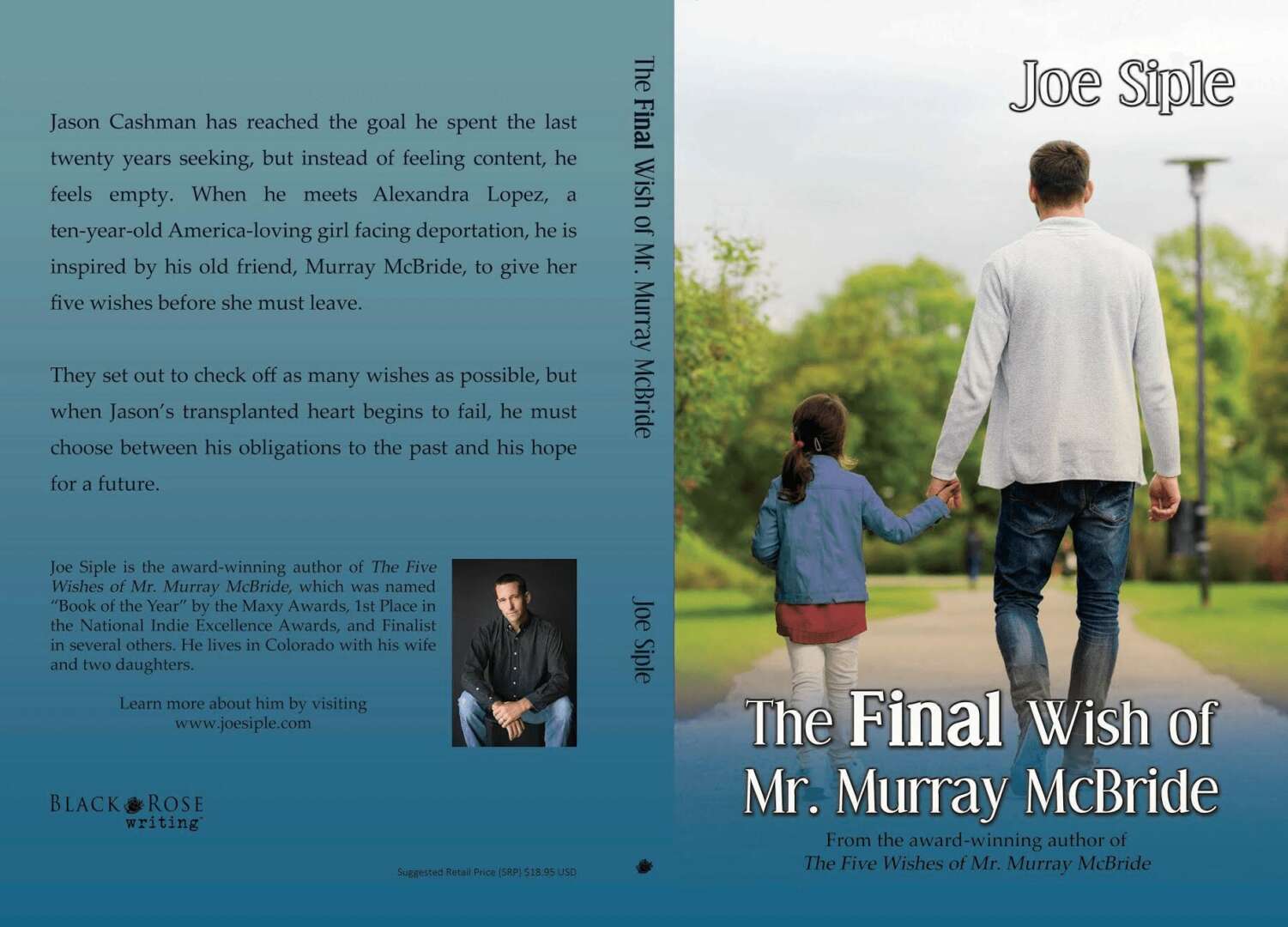
Somewhere along the line, it crossed some sort of threshold. Sales went from the hundreds to the thousands to the tens of thousands and into the hundreds of thousands. Reviews stayed high (4.7 on Amazon) it hit bestseller lists (including USA Today) and we’re in the process of selling the print rights to a major publisher for greater bookstore distribution. So it’s a happy ending to what has been a very long road.

Learning and unlearning are both critical parts of growth – can you share a story of a time when you had to unlearn a lesson?
I had to unlearn how to write in order to write fiction well. I say that because I was a Journalism/Mass Communications major in college. Writing for journalism is very different than writing fiction. Journalism is about being clear and concise. It’s about learning about a topic or covering an event, and then relaying that information as clearly as possible to the reader. Fiction is very different. Plots have an arc that isn’t always straight, secrets are kept, symbolism and theme are important. It took a very long time–and many failed manuscripts–for me to unlearn my journalistic way of writing so I could learn how to write fiction.
Contact Info:
- Website: https://www.joesiplebooks.com
- Other: As you can see, I’ve made a concerted effort to avoid social media. The reasons for this would lead to a long (probably very interesting) discussion.