
Alright – so today we’ve got the honor of introducing you to Joe Ruperd. We think you’ll enjoy our conversation, we’ve shared it below.
Joe, thanks for taking the time to share your stories with us today We’d love to hear about when you first realized that you wanted to pursue a creative path professionally.
Picture this:
It’s your 8th birthday, you get home from school and before you walk into the house, you drop by the mailbox as you always do to grab what’s inside and bring it to your parents. Like most days, you are tearing at the seams waiting to blabber on to your parents about some animal fact you had learned at school that day. Today is a little different though; you notice a small box tucked neatly inside. You inadvertently see what the return address says, and you discover the shipper is one of the carnivorous plant nurseries you’ve begged your parents for weeks to buy you a mail order venus flytrap from. Impatient joy washes over and you are far too excited to pretend you hadn’t seen the label; your birthday is this weekend, close enough anyway, right?
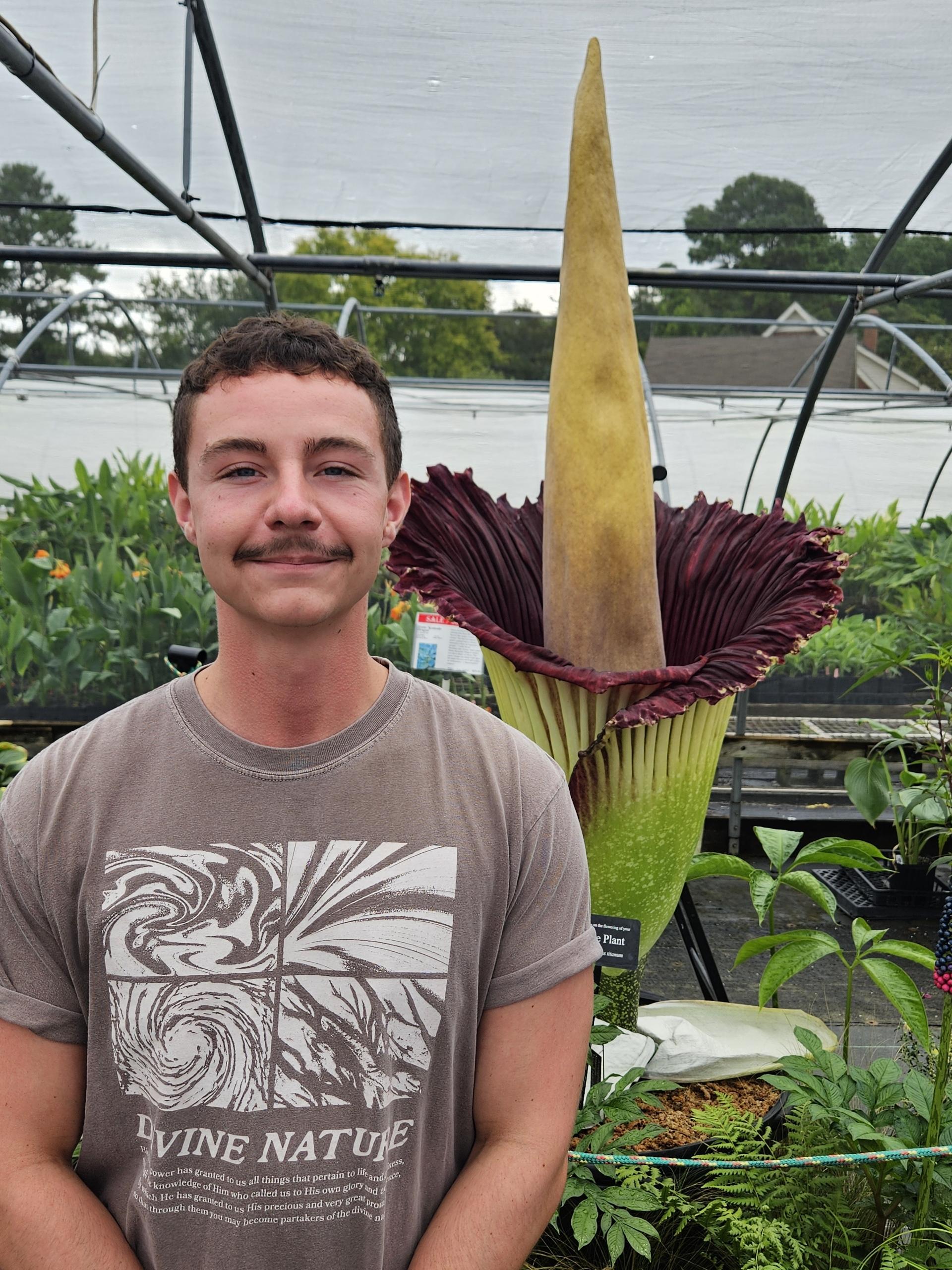
Joe, love having you share your insights with us. Before we ask you more questions, maybe you can take a moment to introduce yourself to our readers who might have missed our earlier conversations?
As it turns out, nothing has changed for me 17 years later. I believe this same level of enthusiasm and joy strikes my body to this day when I discover a new plant, animal, or now- medium of art that is foreign to me. While I still have the same naive excitement when I’m around plants, a lot has changed in those years- but what hasn’t changed is my mission.
If I could have one wish, it would be for everyone to see nature through my eyes and experience the same admiration of nature, plants, and living things that I had opening that mail order flytrap. There is a deep rooted, guttural passion and sense of awestruck wonder in my soul when I’m in or around nature. There is this indescribable sense of intense beauty and serenity in the small, quiet, immobile fragments of nature. Success for me and this business would be capturing and sharing this ineffable feeling with every piece of living art I make and sell.
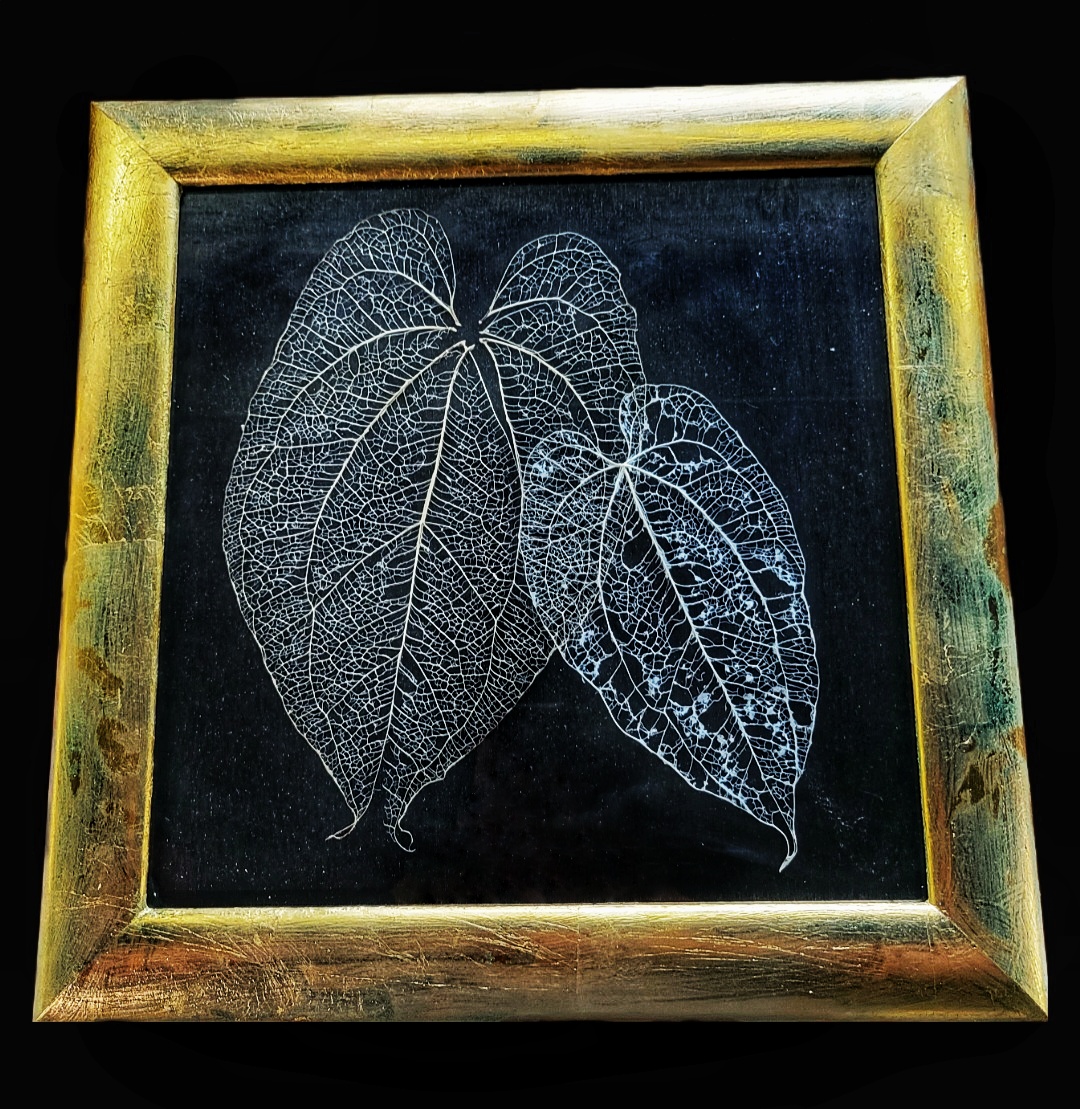
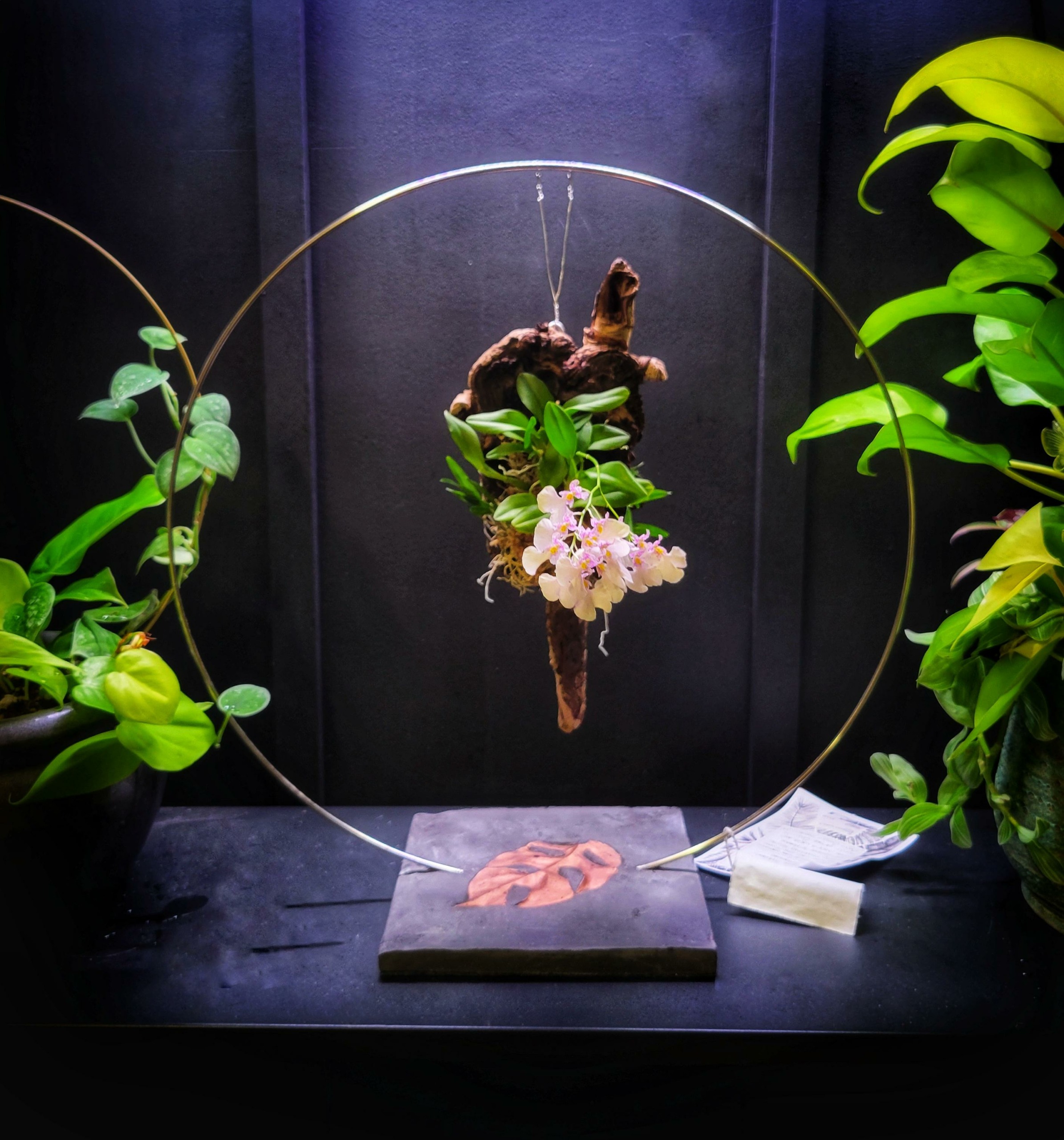
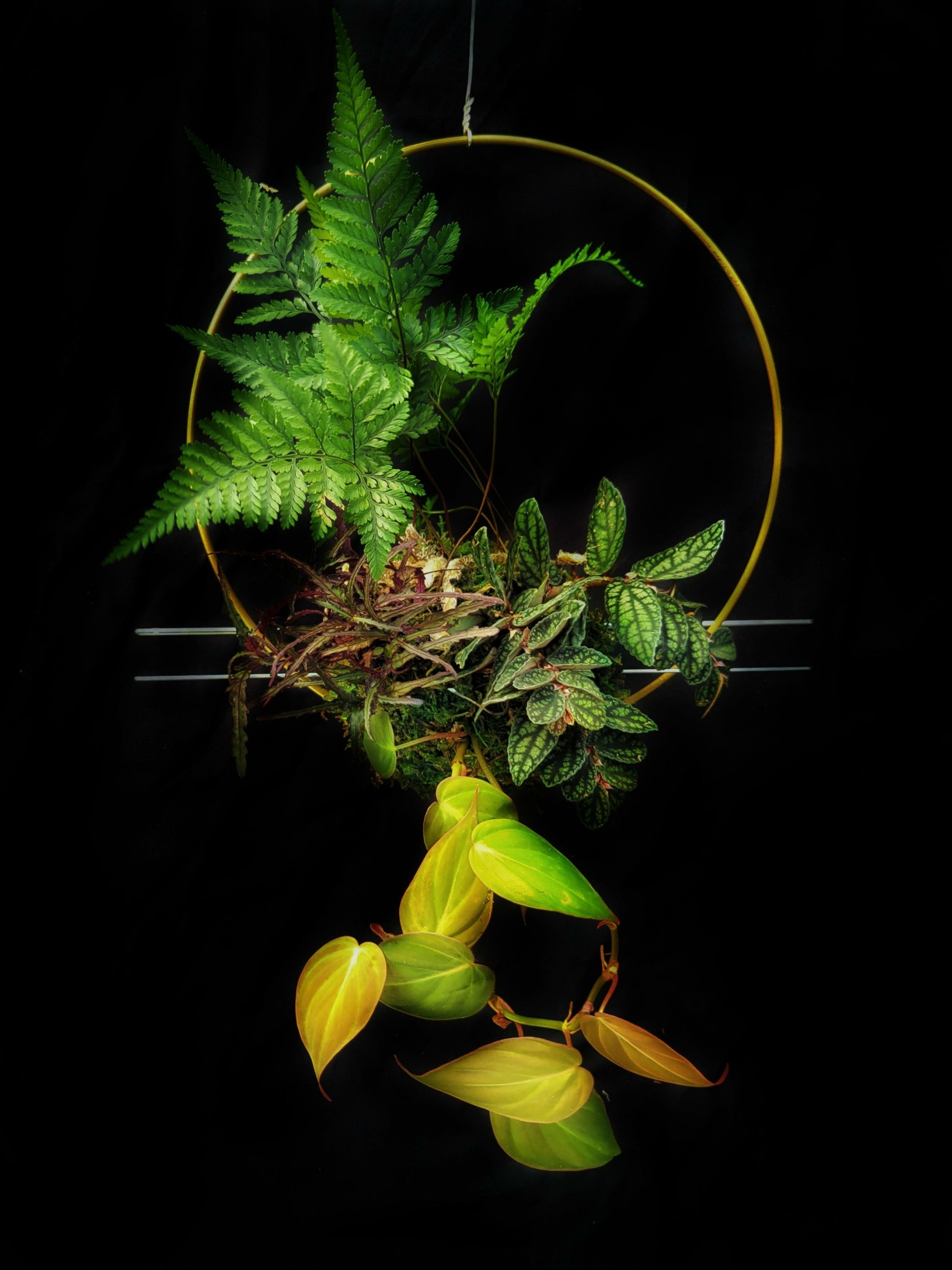
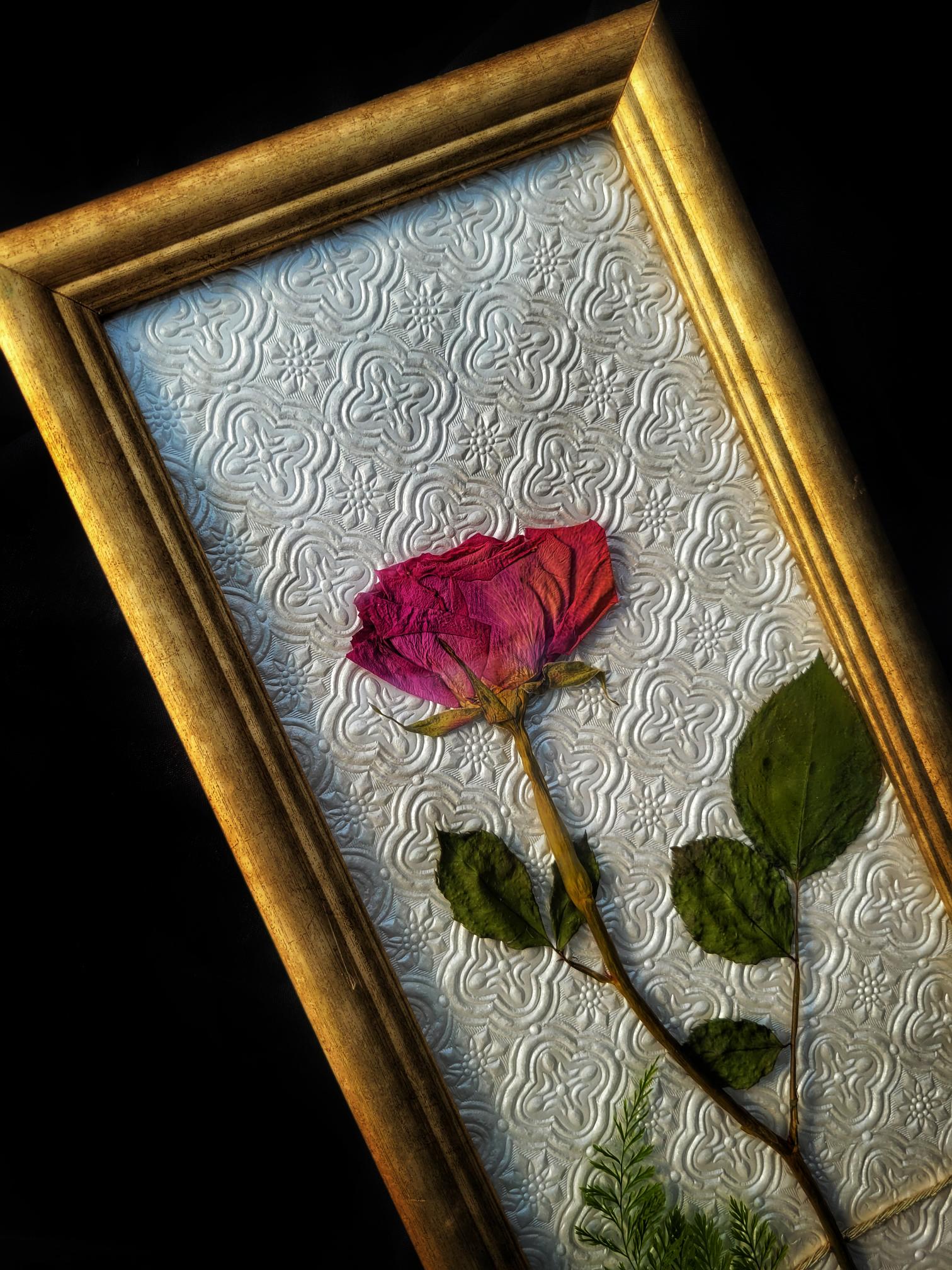
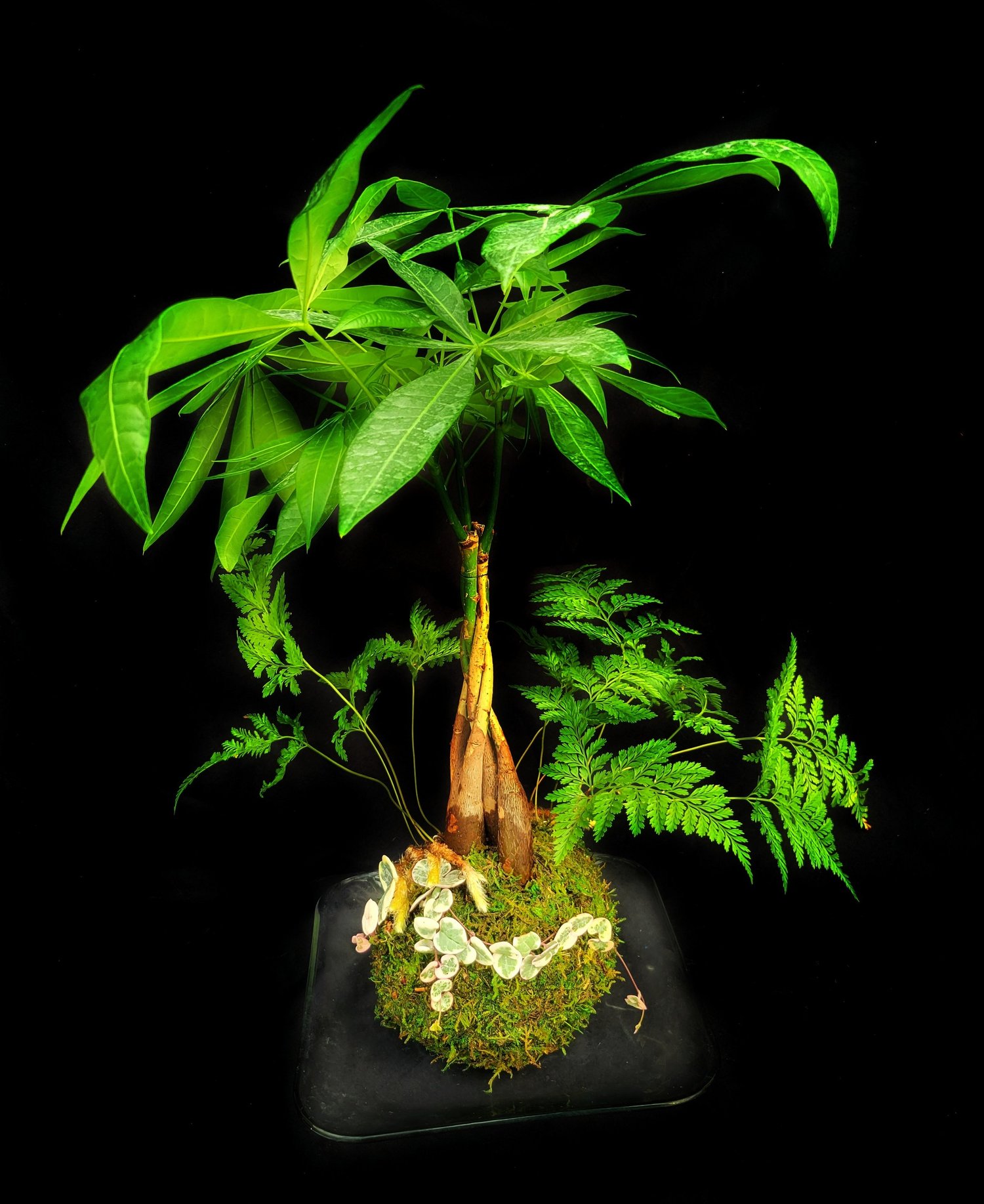
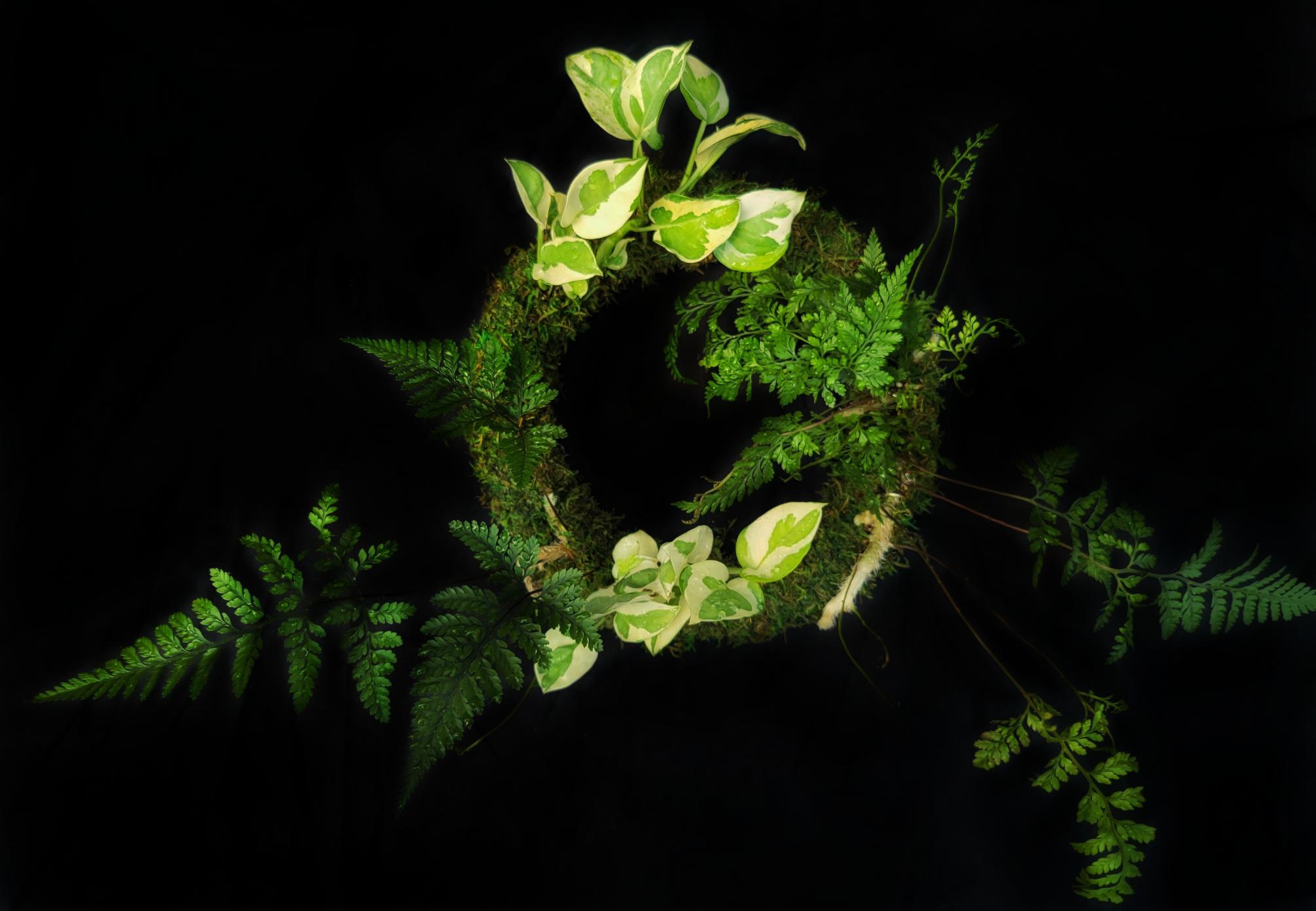
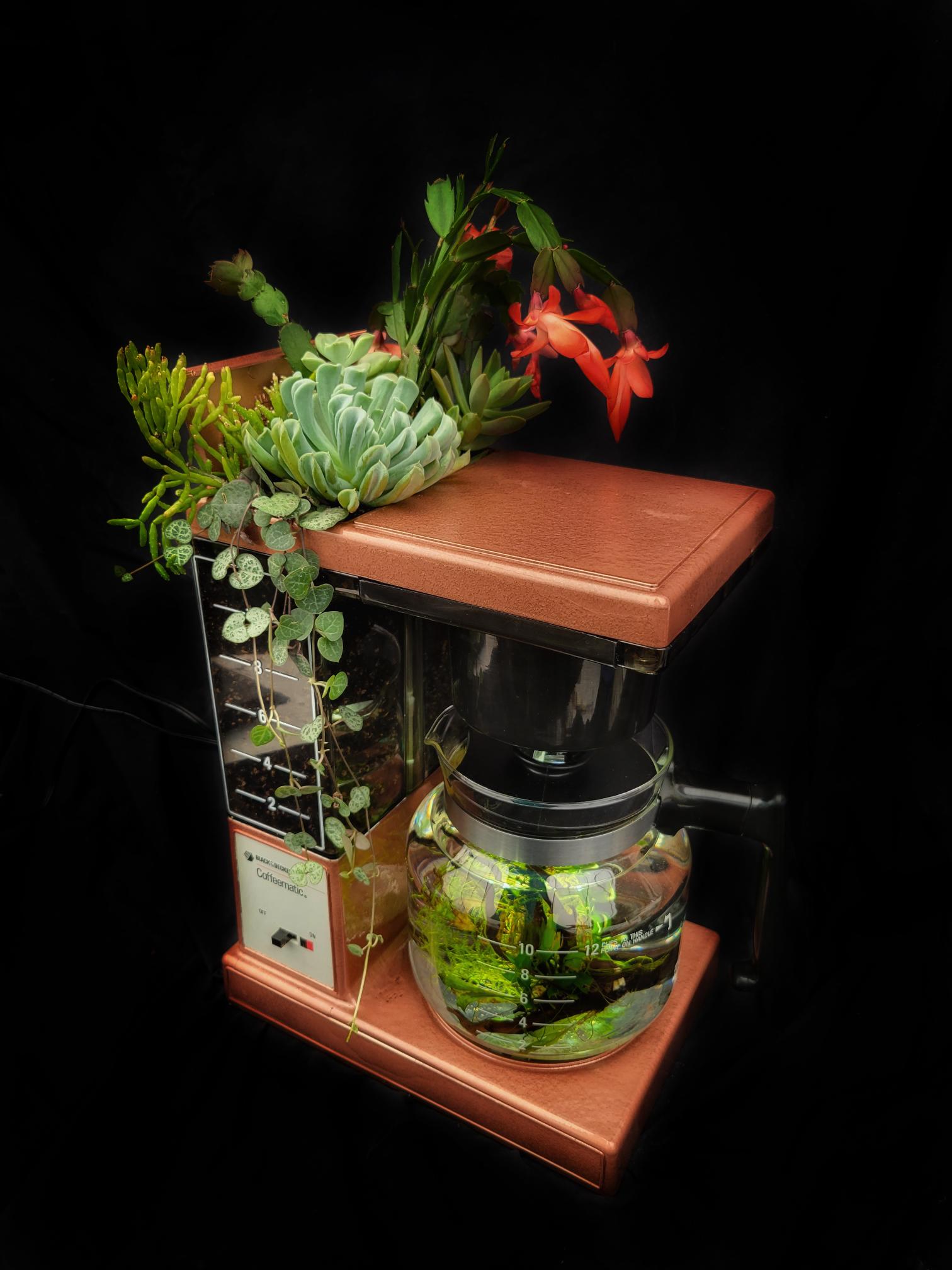
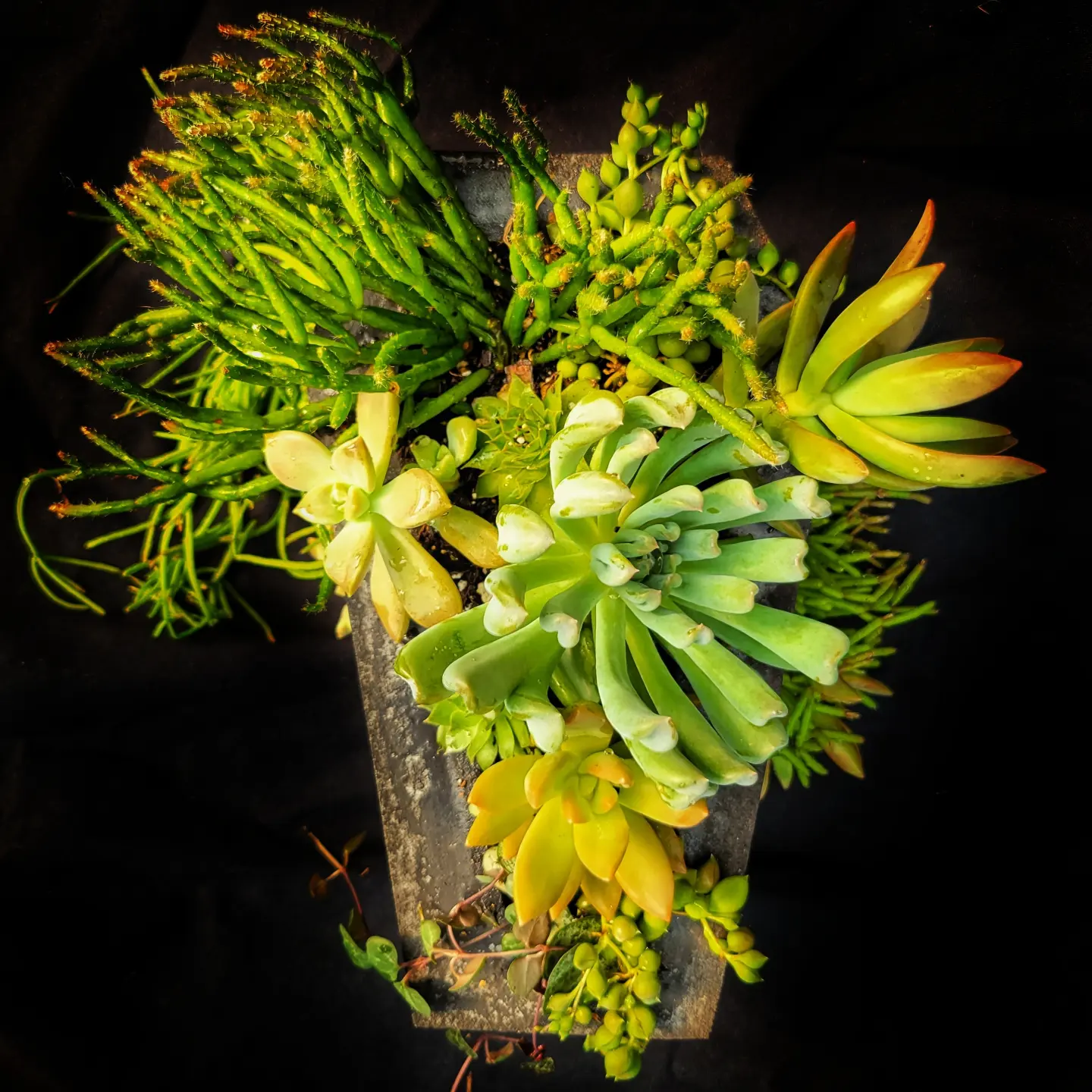
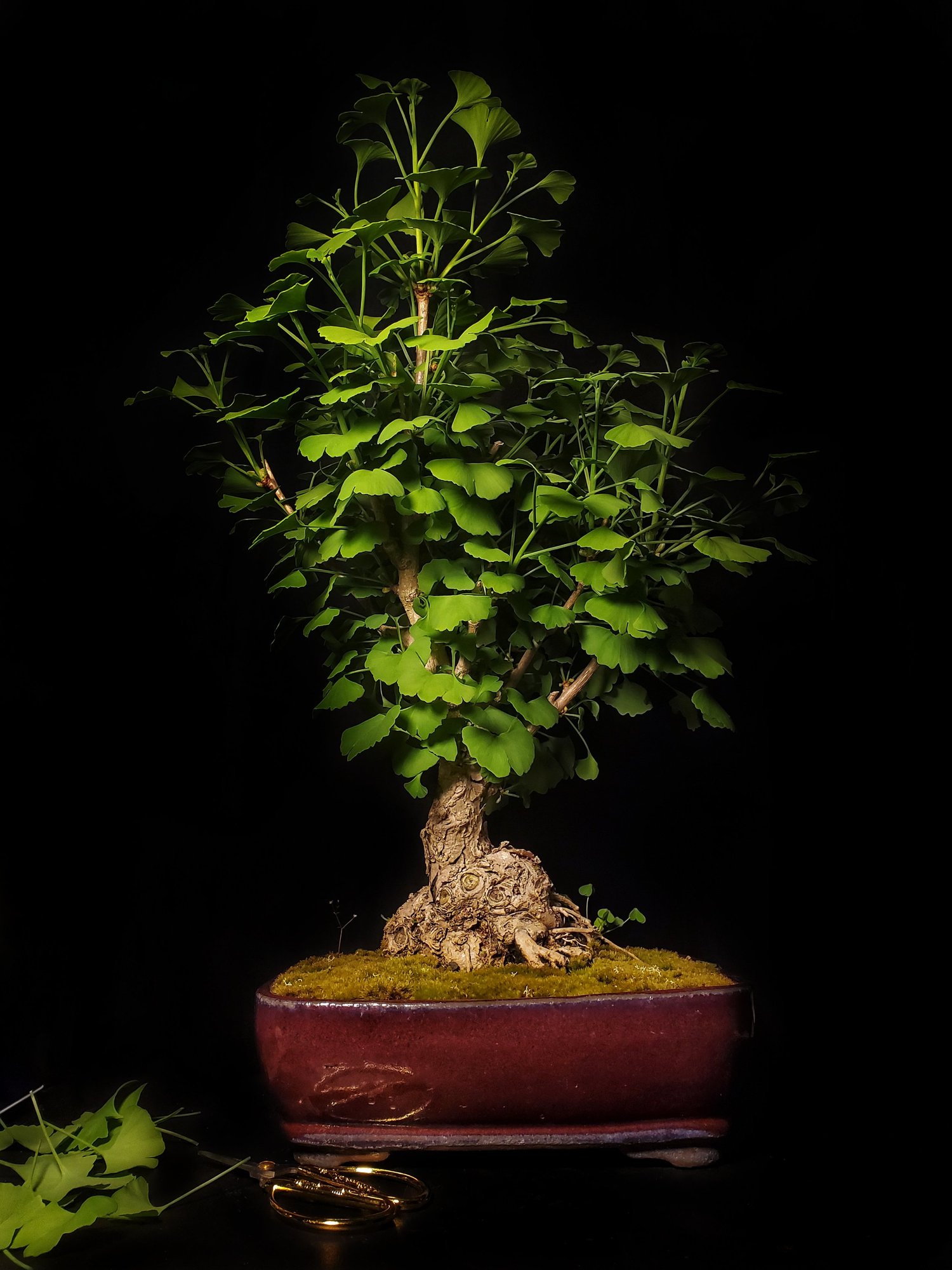
I work to share this vision by capturing these fragments of nature- be it bonsai trees in tiny pots, terraria, or kokedama- and highlighting them in an artistic frame. I strive to make tangible the wonderful experience of nature with ease- all without you having to even leave your house.
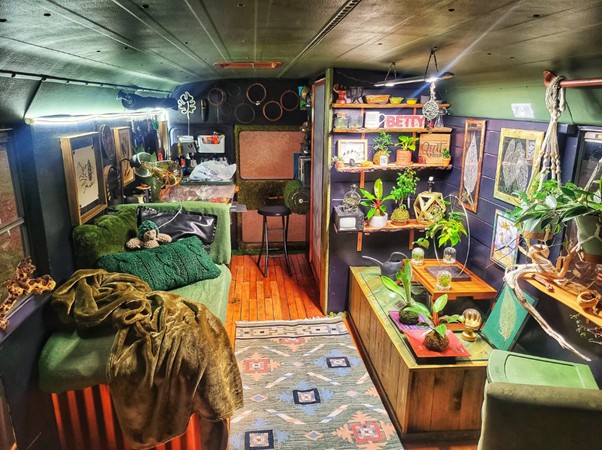
Here at Tabula Rasa, we invite you to stop and smell the roses. Delve into the infinite beauty that life has to offer, and let the serenity of living art fill your space and mind.
Learning and unlearning are both critical parts of growth – can you share a story of a time when you had to unlearn a lesson?
The hardest lesson I had to unlearn was striving for complete perfection; whatever exactly that was, I didn’t know, but I sure was fighting for it and exhausting myself in the process.
For several years, I was too rigid; a few years as a business owner I was constantly searching for control. When you are your own boss, no two days are the same, so certainly no two years are the same- in the last few years, I’ve worked in landscape design, horticultural consultations, done lectures on carnivorous plants and orchids, and so much more. This constant change and go-go-go lifestyle made me subconsciously grasp for control and that expressed itself as a search for perfection in every way. I would accept no less than whatever I determined to be perfection. But my most recent endeavor has taught me more about being adaptable and letting go of arbitrary perfection than any of the previous things combined.
I teach a vocational horticulture class in a medium custody prison. If you ever need a lesson on letting go of something, but still finding peace, success or functionality, this is the place to witness it. Within the prison walls, life goes by at a much, much slower pace than outside in the modern world of loud TV’s and constant Facetiming. It was only in this environment I was able to slow down and notice how drained I was striving for perfect, and how much my head was spinning from modern life. Ironic, too- because what my business is supposed to offer is this very thing- a reprieve from modern noise. It was actually the students- men incarcerated for years or decades- that noticed and brought to my attention the change I needed. There is a bonus lesson here; wisdom comes in unexpected places and certainly unexpected people. In addition to them, the prison of course requires you to let go of perfect- I simply will never have the perfect garden here. And that is indeed a beautiful thing that I have learned to embrace. We tie tomato plants up with shreds of trash bags, or instead of ripping out the maypop weed growing in the cement cracks in the garden, we stake it up and enjoy the tropical passionfruit flavor that “ugly weed” offers.
Do you think there is something that non-creatives might struggle to understand about your journey as a creative? Maybe you can shed some light?
I think initially, everyone might misunderstand the appeal of plants or the art I provide. They just don’t ‘get it’- Often, I hear things like “it’s just a plant, it doesn’t do anything”. Sure it is- but hear me out. They’re more than just static green blobs.
When I was in college, there was something that one of my professors said to me that forever changed my perspective. Even today, his one quick comment has helped me understand and bridge the gap between myself and others- and I hope it does the same for those reading this article.
My professor used to say that non-plant people see something called the “green blur”- if they were to take a walk through the woods, everything would be one giant palette of green smears; one plant (or animal or fungus, for that matter) completely indistinguishable from another.
It blew my mind; what do you mean you don’t know that’s a red maple tree, or that the wild purslane weed you’re stepping on is edible? You’re telling me you walk out and just see green? What about all the beautiful leaf details that distinguish these two species of trees, or all the uses for dandelion roots?
I realized that the opposite of the idiom “can’t see the forest for the trees” can be true. Everyone else is simply walking through this life, content with missing the beauty each little fragment of nature offers?
But what is to blame?
Well, there is one important thing; you must slow down. You cannot smell a rose running by it, and you certainly wont know what tree you’re looking at if you don’t take a minute to look closely and appreciate the intricate details that make it different from other plants.
I now strive to help others slow down and ‘put on glasses’, so to speak. I want to help others enjoy the quiet still moments in nature, and appreciate the beauty each plant species or natural scene offers. Listen to water drip down a mossy rock in the terrarium on their work desk. Hear the birds chirp as they water their bonsai on a Saturday morning. Any way to put on these glasses is a good way- you can’t avoid the rose if I put one on your desk.
Contact Info:
- Website: https://trstudios.squarespace.com/
- Instagram: https://www.instagram.com/tabula_rasa_ecostudios/
- Facebook: https://www.facebook.com/tabularasaecostudios
- Linkedin: https://www.linkedin.com/in/joseph-ruperd-2750b1283