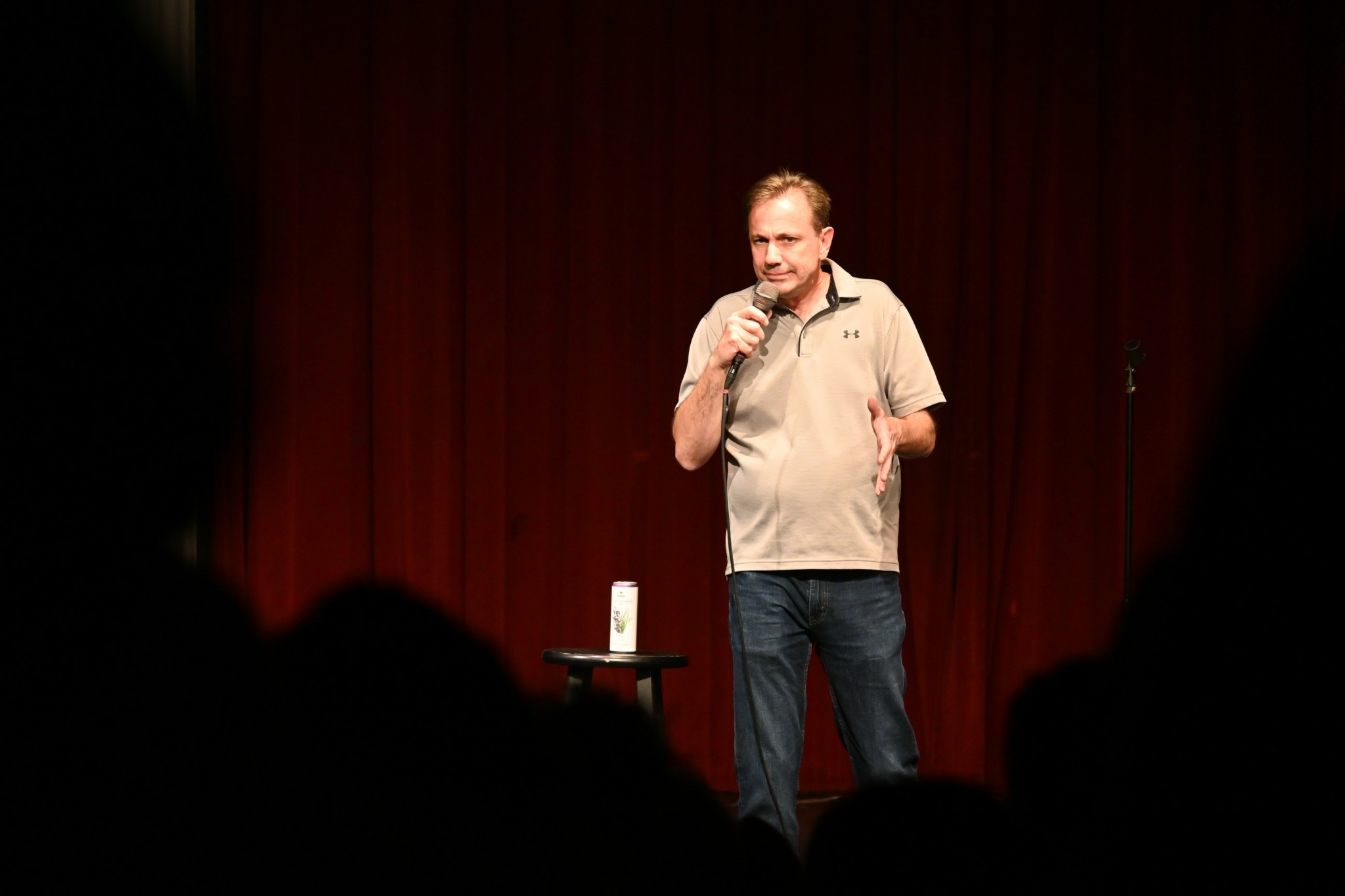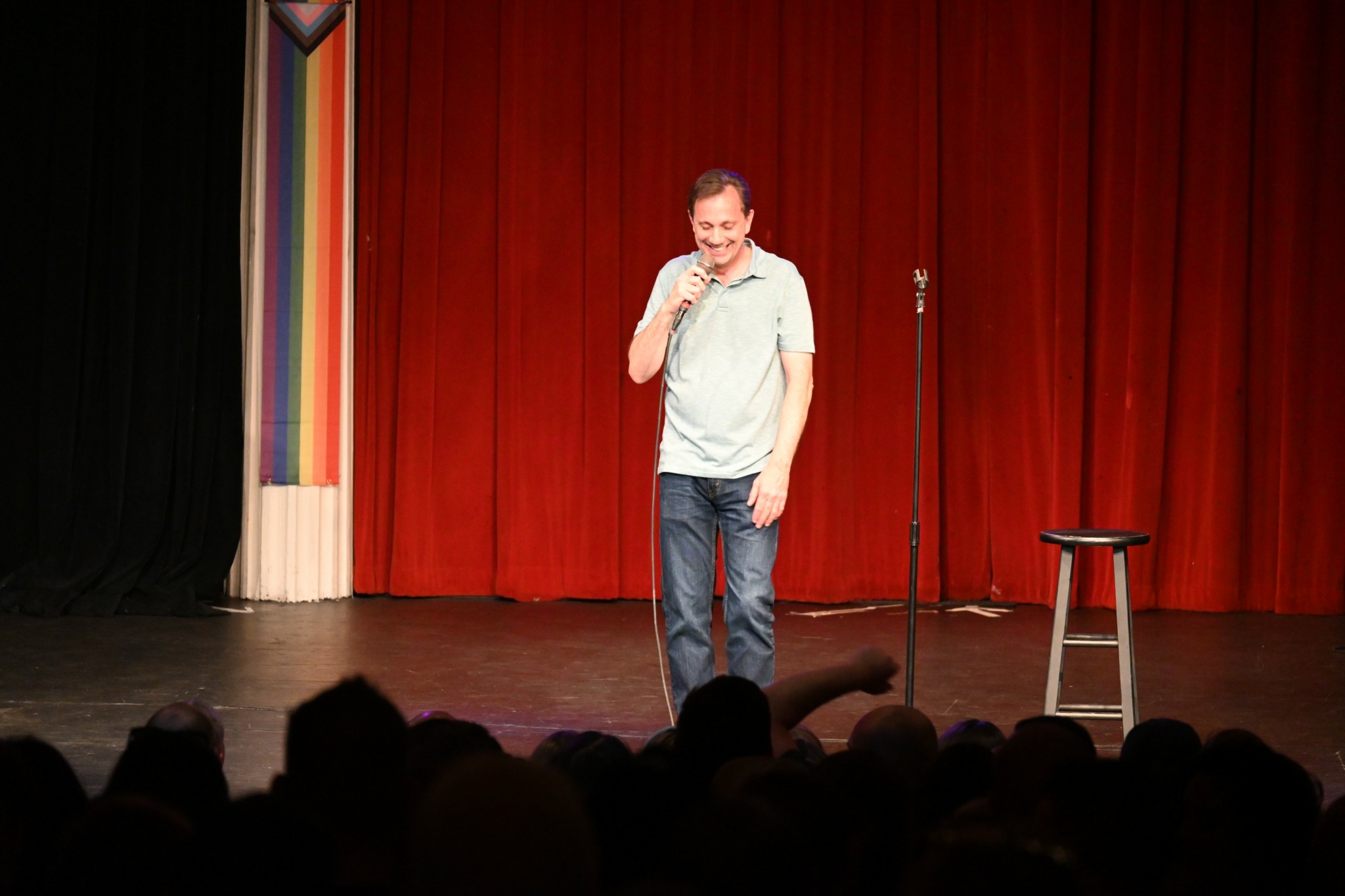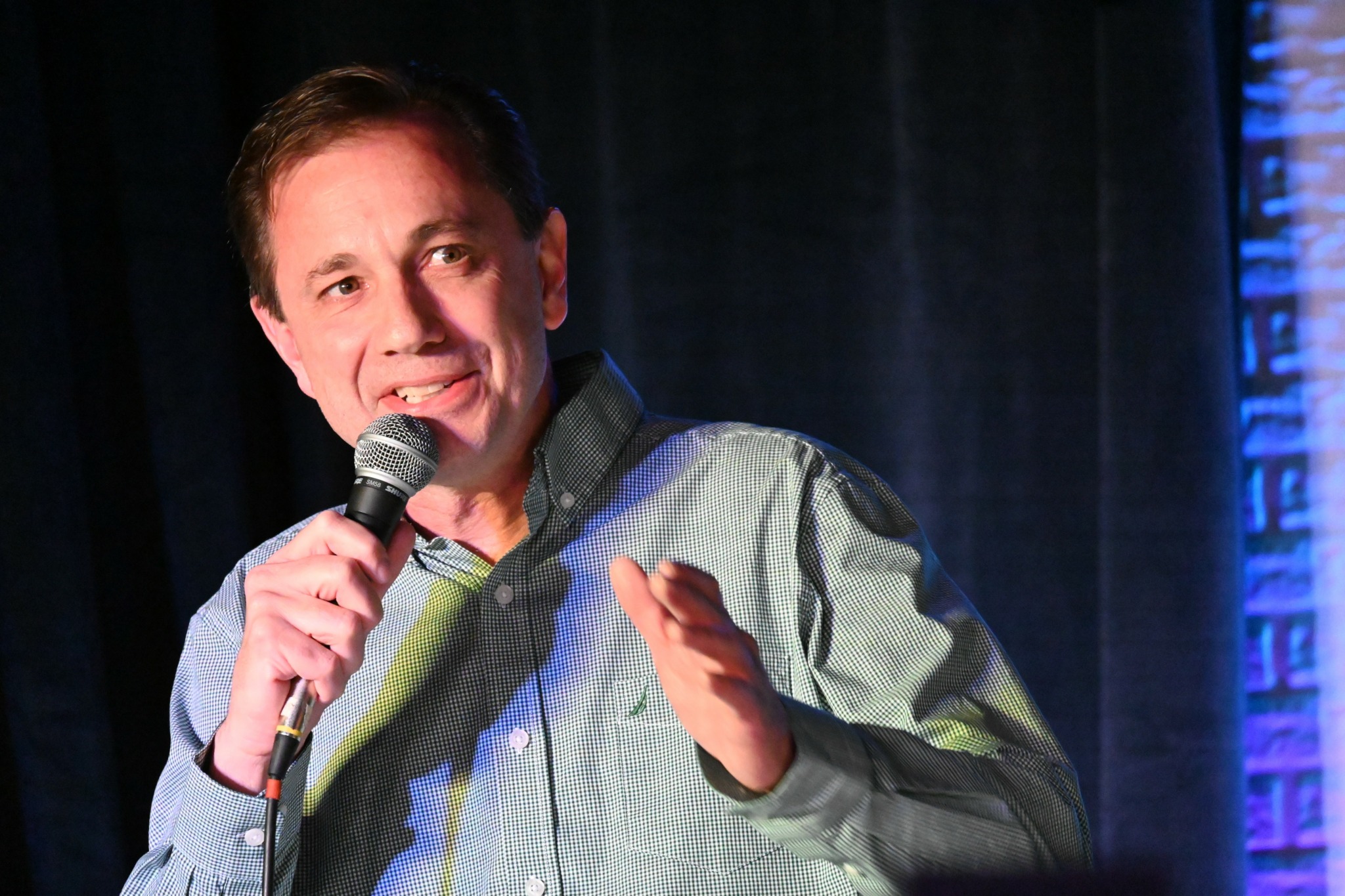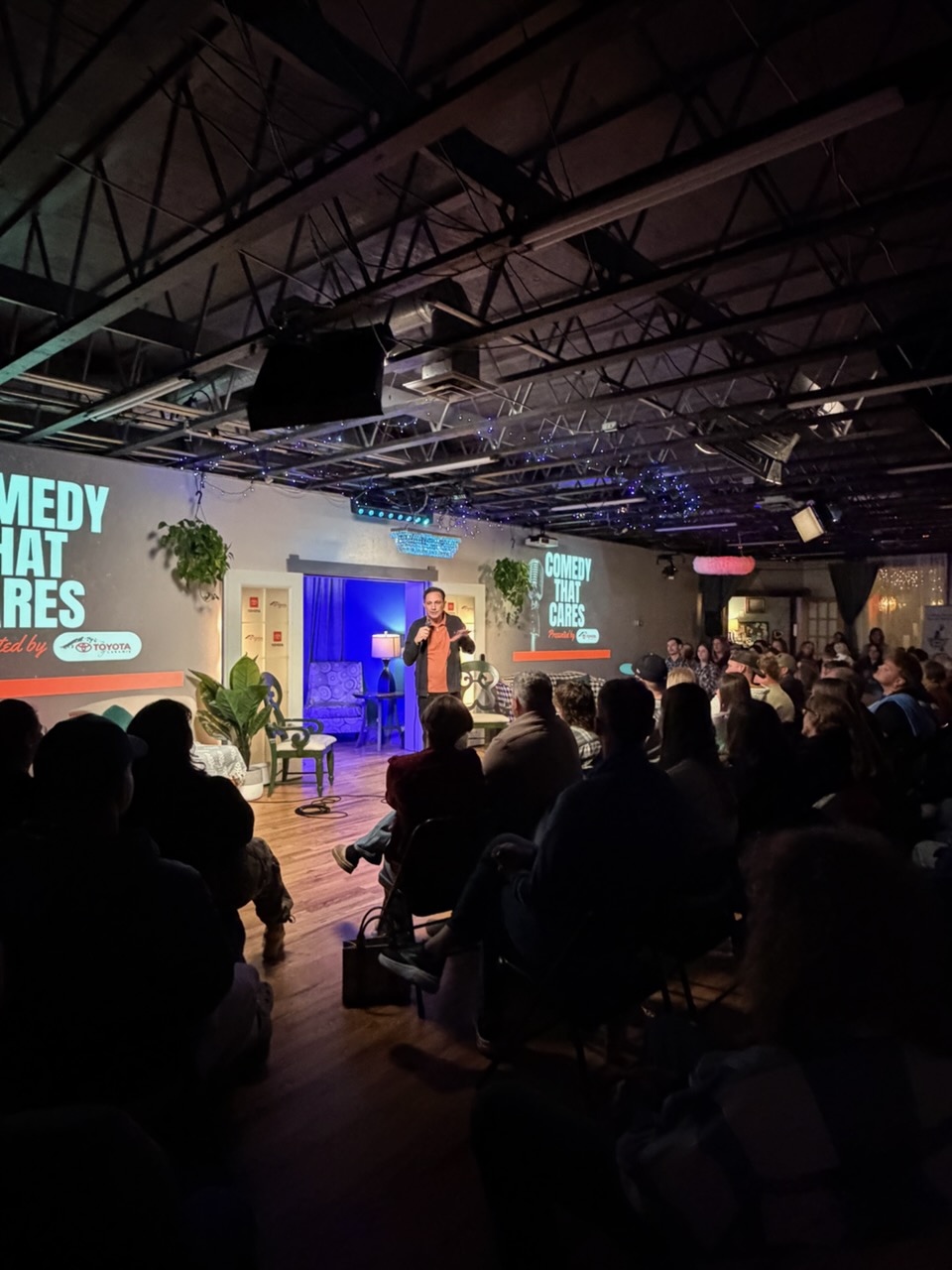

We recently connected with Joe Huisman and have shared our conversation below.
Alright, Joe thanks for taking the time to share your stories and insights with us today. How did you come up with the idea for your business?
Second Chance Comedy wasn’t something I set out to create. It evolved naturally from my own experience with standup.
About three years ago, I took a standup comedy class. At the end of the six-week course, we performed in a showcase, and I was hooked. I started attending open mics, meeting people in the comedy scene, and eventually getting booked on shows around Colorado.
As I became more comfortable on stage, I started talking about parts of my life that I hadn’t originally planned to share, including my past struggles with addiction. At first, they were just jokes. I wasn’t trying to start a movement or build a business. I was simply trying to make people laugh.
What surprised me was what happened after the shows.
People would come up to me and tell me their own stories. Sometimes it was someone in recovery. Sometimes it was a family member who had lost someone to addiction. Sometimes it was someone who had never talked openly about their experience before. The conversations kept happening over and over again.
The more it happened, the more I started wondering if there was something bigger here. Addiction is usually talked about in very serious settings, and for good reason. But I began to realize that humor could create a different kind of connection. If I could stand on stage, tell a story about one of the darkest periods of my life, and help an audience find something relatable and funny in it, maybe that could reduce some of the shame and stigma that often surround addiction.
I started floating the idea of a recovery-focused comedy show to people I trusted, both inside and outside the comedy community. The response was overwhelmingly positive. Almost everyone had the same reaction: “You absolutely should do this.”
That encouragement gave me the confidence to take the next step. I reached out to comedians who had personal experience with addiction, recovery, mental health challenges, or supporting loved ones through those struggles. I found a venue, created some marketing materials, started running ads, and booked the first show.
What excited me most was that I wasn’t aware of anyone else approaching these topics in quite the same way. There were plenty of recovery programs, support groups, and awareness campaigns, but I hadn’t seen many people using standup comedy as a way to create conversations around addiction and mental health.
The first show confirmed what I had hoped. People laughed, but they also connected. Audience members stayed afterward to talk, share their stories, and thank the comedians for being open about experiences that many people struggle to discuss.
Today, Second Chance Comedy has grown far beyond that first event. We’ve produced more than 65 shows across Colorado, raised over $20,000 for nonprofits supporting recovery and mental health, and created a space where people can laugh about life’s challenges without minimizing them.
At its core, the idea is simple: sometimes laughter helps people talk about things they didn’t think they could talk about. That’s what made me believe this was worth pursuing, and it’s still what drives me today.
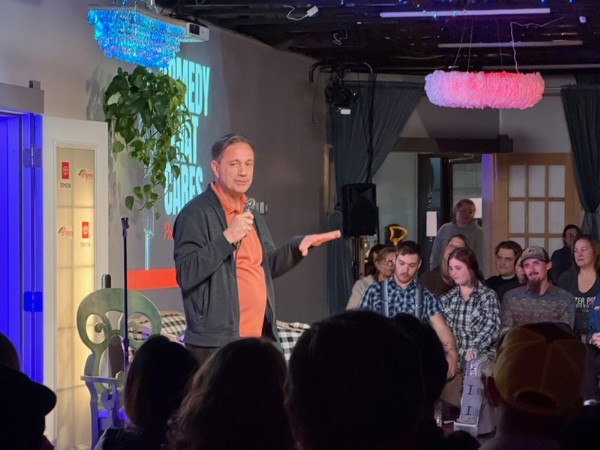
As always, we appreciate you sharing your insights and we’ve got a few more questions for you, but before we get to all of that can you take a minute to introduce yourself and give our readers some of your background and context?
My name is Joe Huisman, and I’m the founder of Second Chance Comedy, a comedy production company focused on addiction, recovery, mental health, and resilience.
By day, I work in customer experience leadership, helping technology companies build and scale support organizations. Comedy came later in life. I started performing standup a few years ago after taking a comedy class, and what began as a creative outlet quickly became a passion. As I spent more time performing, I found myself talking about my own experiences with addiction and recovery. The audience response was unlike anything I expected. People weren’t just laughing. They were connecting.
That experience eventually led me to create Second Chance Comedy.
Second Chance Comedy produces live standup comedy shows featuring comedians who have personal experience with addiction, recovery, mental health challenges, or overcoming adversity. Our mission is simple: use laughter to reduce stigma, create connection, and remind people that they are not alone in their struggles.
What makes our shows unique is that they are not recovery meetings disguised as comedy shows, and they’re not comedy shows that happen to mention recovery. They sit somewhere in the middle. Audiences get a night of genuinely funny standup while also hearing honest stories about some of life’s most difficult experiences. The result is an environment where people can laugh, reflect, and often see themselves in someone else’s story.
Over the past few years, we’ve produced shows throughout Colorado, partnered with nonprofits, performed in theaters, community spaces, colleges, and recovery-focused events, and donated thousands of dollars to organizations supporting addiction recovery and mental health initiatives.
The problem we’re trying to solve is not addiction itself. Recovery organizations, counselors, and treatment centers are doing incredible work in that area. Our role is different. We help create conversations. Many people carry shame around addiction, mental health, grief, trauma, or other life challenges. Humor has a unique ability to lower defenses and bring people together. When people laugh at experiences they thought they had to hide, something powerful happens.
What I’m most proud of isn’t the number of shows we’ve produced or the amount of money we’ve raised. It’s the conversations that happen afterward. Audience members regularly tell us that they felt seen, understood, or less alone because of something they heard on stage. Those moments remind me why we do this.
If there’s one thing I want people to know about Second Chance Comedy, it’s that our shows are ultimately about hope. They’re about finding humor in difficult experiences without minimizing them. They’re about second chances, not just in recovery, but in life. And they’re proof that sometimes laughter can open doors that serious conversations alone cannot.
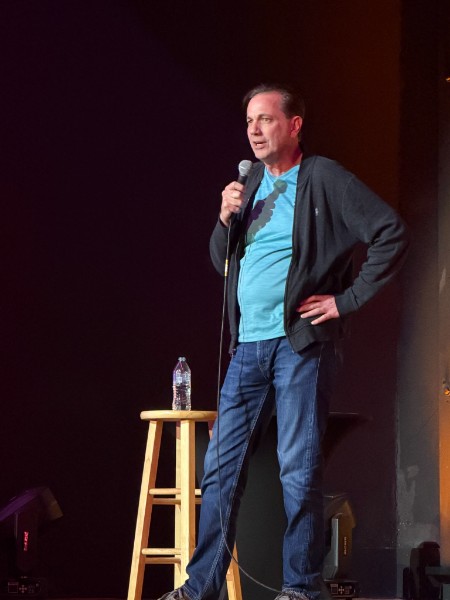
Let’s talk about resilience next – do you have a story you can share with us?
One of the biggest lessons I’ve learned through building Second Chance Comedy is that resilience rarely looks dramatic in the moment. Most of the time, it’s simply deciding not to quit.
When I started Second Chance Comedy, I had no background in event production, marketing, sponsorships, or running a business. I was a relatively new comedian with an idea that sounded interesting, but I had no way of knowing whether anyone would actually show up.
Over the last few years, there have been plenty of moments when I questioned everything.
There were shows that sold out and left me feeling like I had finally figured it out. There were also shows where ticket sales were so slow that I wondered if I should cancel. Some events generated tremendous audience response, while others barely broke even. I’ve spent countless nights staring at ticket reports, asking myself the same questions many entrepreneurs ask: Am I good enough? Is this idea strong enough? Is this actually helping people, or am I just chasing something that isn’t going to work?
What made those moments especially challenging is that there was no roadmap. I wasn’t following a proven model. There weren’t many examples of organizations using standup comedy specifically to address addiction, recovery, and mental health. Every show felt like an experiment.
The turning point wasn’t a single event. It was realizing that success couldn’t be measured solely by ticket sales or attendance numbers.
After one show that I considered disappointing from a business perspective, an audience member approached me and shared how much the stories on stage resonated with their own experience. They thanked me for creating a space where people could talk openly about addiction and mental health without shame. I remember driving home that night realizing that while I wanted the business to grow, the mission was still working.
That perspective helped me keep going through the inevitable highs and lows.
Today, Second Chance Comedy has produced events throughout Colorado, partnered with nonprofits, raised thousands of dollars for recovery-focused organizations, and reached audiences far larger than I ever imagined when I started. None of that happened because every show was successful. It happened because I kept showing up after the unsuccessful ones.
Resilience, for me, has been learning to separate temporary results from long-term purpose. There will always be disappointing ticket sales, failed marketing campaigns, and moments of self-doubt. The important thing is continuing to move forward, learn, adapt, and trust the mission even when the outcome isn’t immediately visible.
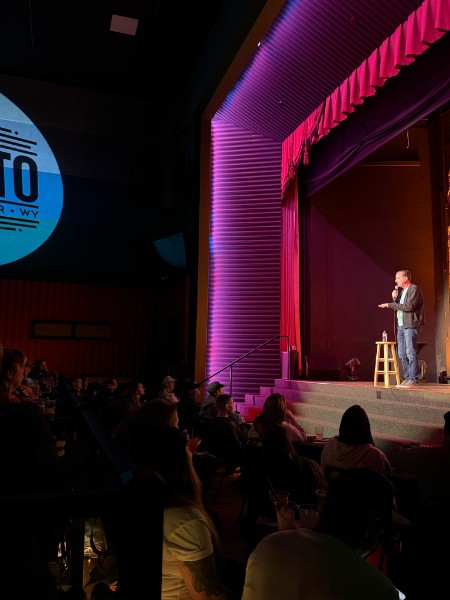
What’s a lesson you had to unlearn and what’s the backstory?
One lesson I had to unlearn was the belief that people connect with strength, success, and having everything figured out.
For a long time, I thought the best way to earn respect was to present the polished version of myself. I wanted people to see the accomplishments, the successes, and the things I was proud of. Like many people, I spent a lot of energy trying to hide the parts of my story that felt messy or uncomfortable.
That mindset followed me into comedy.
When I first started performing standup, I focused mostly on trying to be funny. Over time, I started talking about my past addiction and recovery experiences. Initially, I was hesitant because I worried people would judge me differently if they knew that part of my story.
What happened was the exact opposite.
The more honest I became on stage, the more people connected with the material. Audience members would approach me after shows and share their own experiences with addiction, mental health struggles, grief, or other challenges. They weren’t connecting because I had overcome everything. They were connecting because I was willing to talk about it.
That realization eventually became the foundation for Second Chance Comedy.
I learned that vulnerability isn’t weakness. In many cases, it’s the thing that creates trust. People don’t necessarily relate to our successes. They relate to our humanity.
That lesson has influenced every part of my life, from leadership to comedy to personal relationships. Today, I spend far less energy trying to appear perfect and much more energy trying to be authentic. Ironically, that’s when the most meaningful connections tend to happen.
Sometimes the things we are most tempted to hide are the very things that allow other people to see themselves in us.
Contact Info:
- Website: https://www.secondchancecomedy.com/
- Instagram: https://www.instagram.com/joehuismancomedy/
- Facebook: https://www.facebook.com/JoeHuismanComedy
- Linkedin: https://www.linkedin.com/in/josephhuisman/