

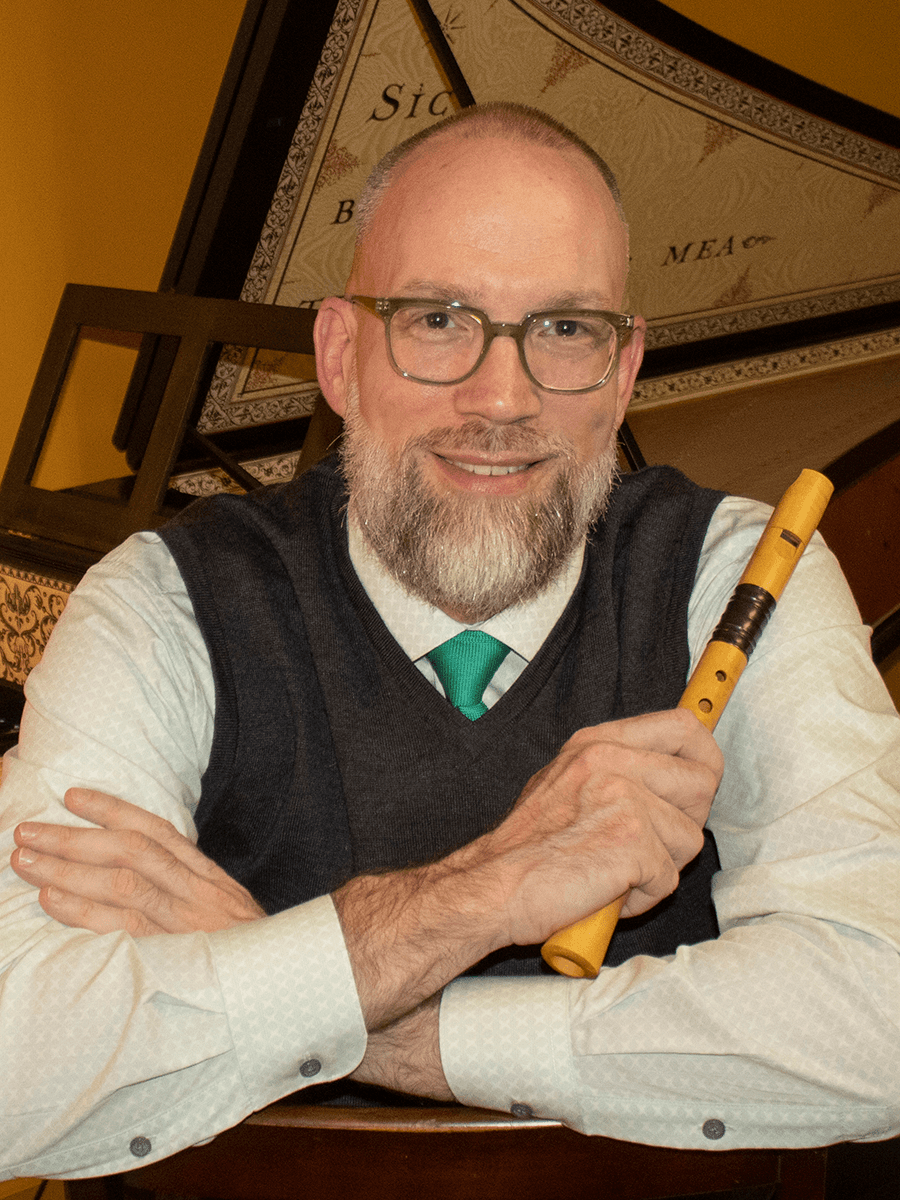

Alright – so today we’ve got the honor of introducing you to Jody Miller. We think you’ll enjoy our conversation, we’ve shared it below.
Alright, Jody thanks for taking the time to share your stories and insights with us today. How did you learn to do what you do? Knowing what you know now, what could you have done to speed up your learning process? What skills do you think were most essential? What obstacles stood in the way of learning more?
I grew up in a really small town in south Mississippi. My first musical experience was playing trumpet in the school band, but this was the extent of my training until college. Most of my friends grew up in areas where there were professional musicians who taught private lessons, but there were none of these near me. I learned early in my life that I had to seek out ways to improve. By the time I went to college I had gained skills that, in many ways, put me ahead of my peers. The motivation to have a career in music led me to learn many instruments, many styles of music, and from many different teachers.
Early in my college life I discovered serious performance opportunities existed on recorder—an instrument most closely associated with Renaissance and Baroque music. While studying French horn as my primary instrument, I actually put more effort into becoming a stronger recorder player. I traveled to Charleston, South Carolina, to take lessons with a recorder virtuoso there. Finding the right mentor was the first significant step in my growth. After completing my undergraduate studies and taking a position teaching middle school band in the Atlanta area, I continued to take lessons. It was nothing unusual for me to travel to Boston to take lessons. Or to ask visiting performers for a lesson while they were in town.
Later, I decided to resign from my job as a band director to return to school full time to study recorder performance, but my soon-to-be major professor retired the same year. This left me without a plan, but through a stroke of good fortune I was able to hang onto my job and take some time to plan my next move. I actually never returned to complete that degree, though. Around this same time, I started getting more calls for professional playing jobs and for major teaching jobs. Ever since then I have stayed busy and fulfilled, happy that my training pulled from so many resources.
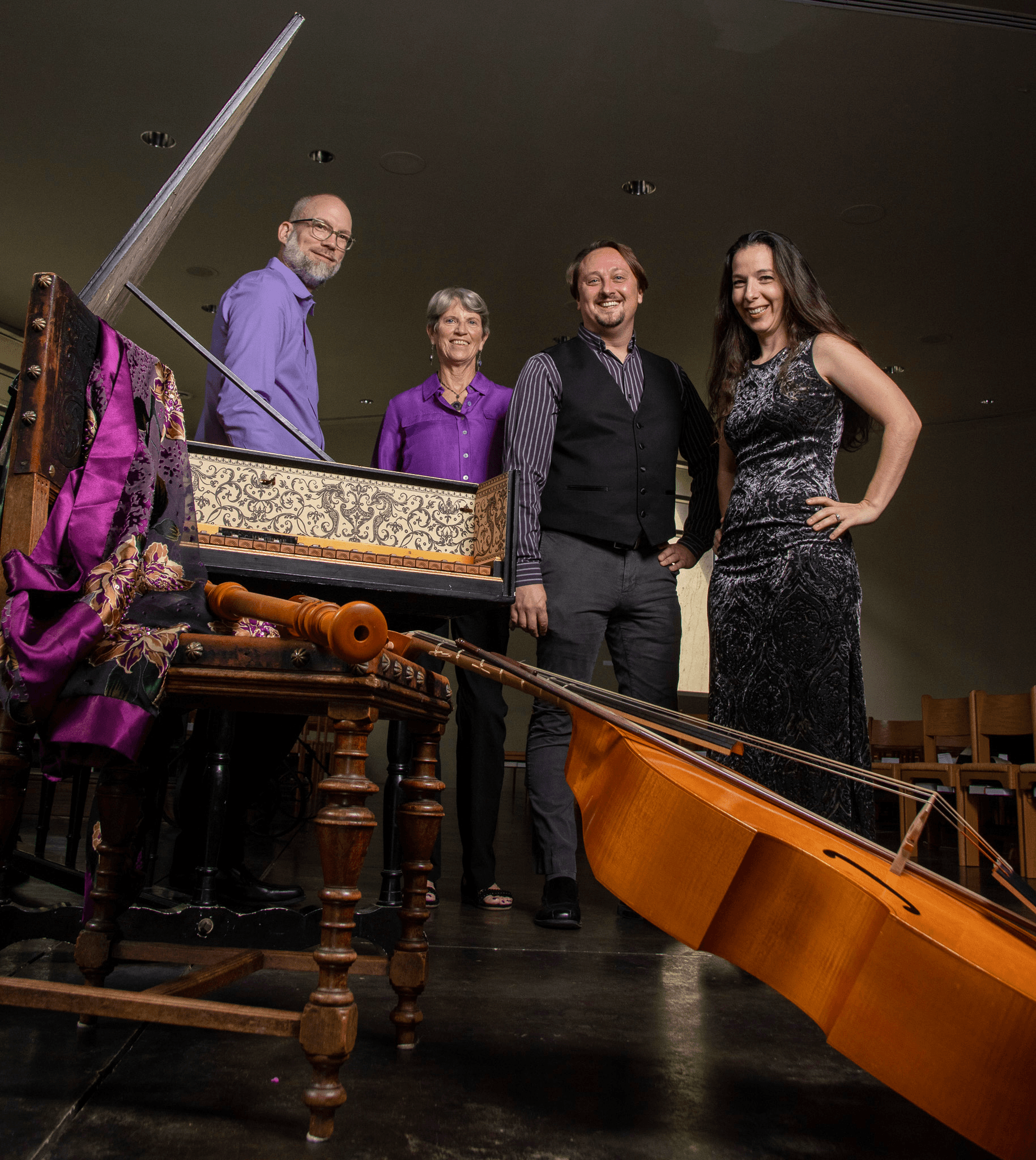
Great, appreciate you sharing that with us. Before we ask you to share more of your insights, can you take a moment to introduce yourself and how you got to where you are today to our readers.
I was raised in a poor, blue-collar family. While a few family members were supportive of my goals to be a musician, most were not. In fact, sometimes I felt as though barriers were put in place to impede any progress. It was no secret that music was not regarded as a “real” job and that I was expected to do what other men in my area did—work in the oil field, in logging, or in some other physical job.
People may not understand that the life of a freelance musician is largely creating your own opportunities. While I don’t condone the discouragement I received in my childhood, it certainly made me embrace independence. Self-reliance has been necessary each step of the way. I love playing music, for sure, but I also know that I known much more as a teacher. The first 30 years of my careers was devoted to teaching young people how to make music. During that time, though, I sought out ways to create opportunities for adult amateur musicians to learn music and perform.
In 2009 I helped put together Lauda Musicam of Atlanta. This large band of Renaissance instruments has gone on to grown into a group of nearly 70 members that perform three or more concerts a year. I was also asked to serve as Director of a long-running summer historical music workshop. I’ve seen this workshop grow from only about 40 participants to over 100 just a few years later.
People should have opportunities to be creative. People should also have access to the tools they need to be artistic. I hope I’ve made an impact and that this has enriched the lives of many children and adults.
In your view, what can society to do to best support artists, creatives and a thriving creative ecosystem?
Until music is important in schools and until society starts placing value on artistic products, music will be considered to be a hobby. The education system has a large role in this. During my career teaching band in a public school, students were pulled from my class constantly. Sometimes they were pulled to receive remedial instruction for another class. Other times they were pulled to “reward” them for making honor roll. But it was somehow always OK for them to miss a music class. Music instruction needs to be protected. School leaders and community leaders need to insist on it. Leaders help shape the attitudes. Until we have leaders that value music, this will continue to be a problem.
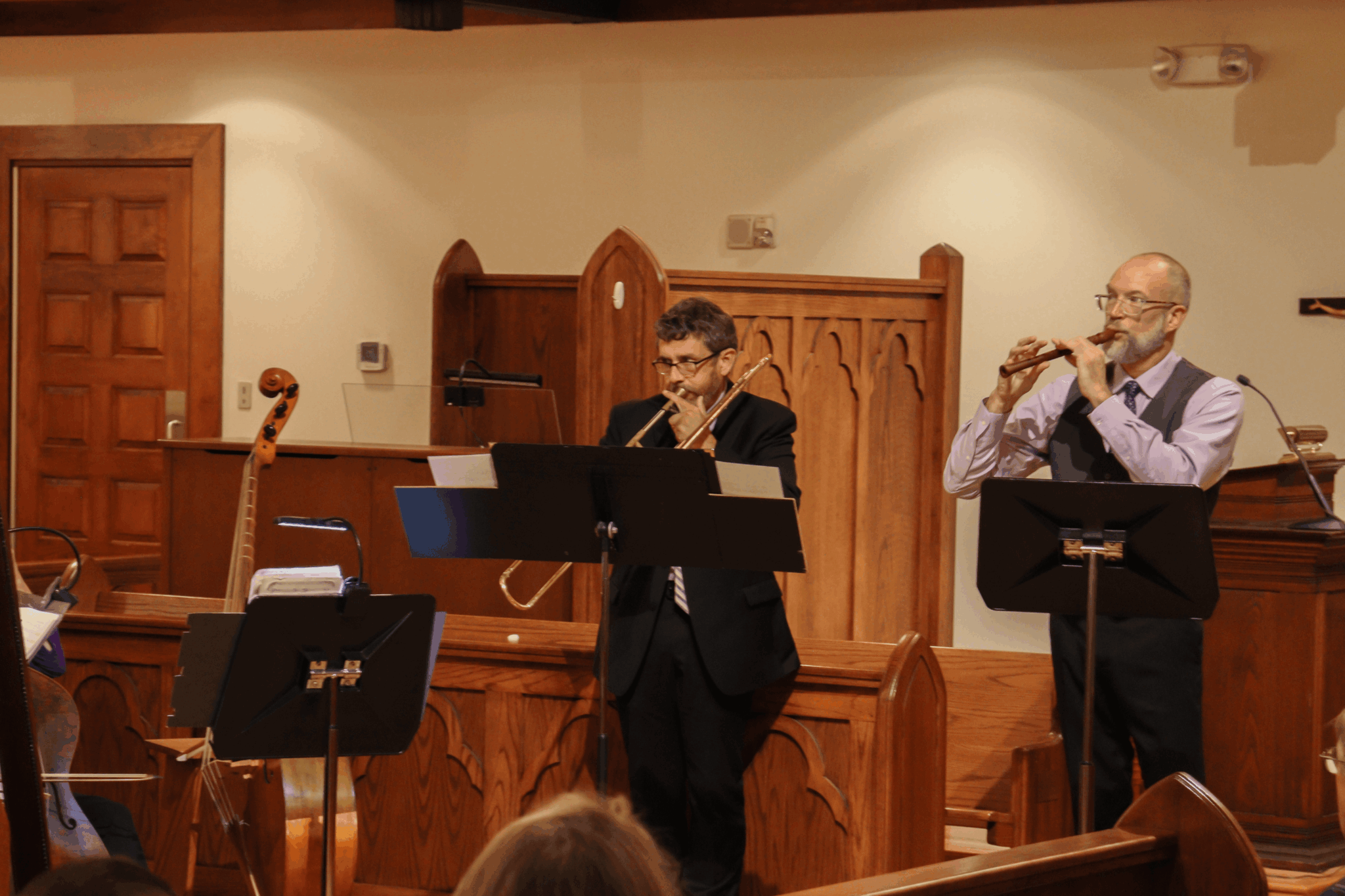
For you, what’s the most rewarding aspect of being a creative?
When I was in my late teens I bought my first CD of Baroque music. I fell in love with the album and bought many more. By reading the liner notes I learned the names of musicians, the types of instruments they played, and so much more. Now, several decades later, I have sat in orchestras with many of these people I idolized. I’ve been asked for advice from the people who I would have thought could learn nothing from me! Being able to learn from these icons has been the best experience in my life.
Contact Info:
- Website: https://www.fippleflute.com
- Facebook: https://www.facebook.com/jody.miller.9
- Youtube: @recorder96
- Other: www.amethystbaroque.com
www.laudamusicam.org