


We caught up with the brilliant and insightful Jodie Finney a few weeks ago and have shared our conversation below.
Jodie , looking forward to hearing all of your stories today. Can you recount a time when the advice you provided to a client was really spot on? (Please note this response is for education/entertainment purposes only and shouldn’t be construed as advice for the reader)
One of the best pieces of advice I could give a family struggling with Alzheimer’s or dementia is not to be silent. Instead, encourage your loved one and your family to be open about the diagnosis. Keeping a dementia diagnosis locked behind closed doors does not benefit anyone, especially the individual with dementia. To think that you’re hiding it from friends and family is an unrealistic goal. I am here to tell you people know; they always do.
Dementia is nothing to be ashamed of or embarrassed about. You or your loved one didn’t go out and choose to have dementia. Just like cancer, it is not someone’s fault that they have dementia, so don’t treat it like it’s a Scarlet Letter. Because the minute you open up about your dementia struggles, you find you are far from alone. Society used to whisper the word cancer at cocktail parties and grocery stores, and now it is shouted from the rooftops. Cancer patients freely walk, talk, and gain support from the community; why shouldn’t individuals with dementia have the same thing? The dementia community needs to stop whispering the words and bring dementia to the forefront of society. There is power in knowledge. One of our organization’s main motos is with knowledge comes understanding, and with understanding comes compassion.
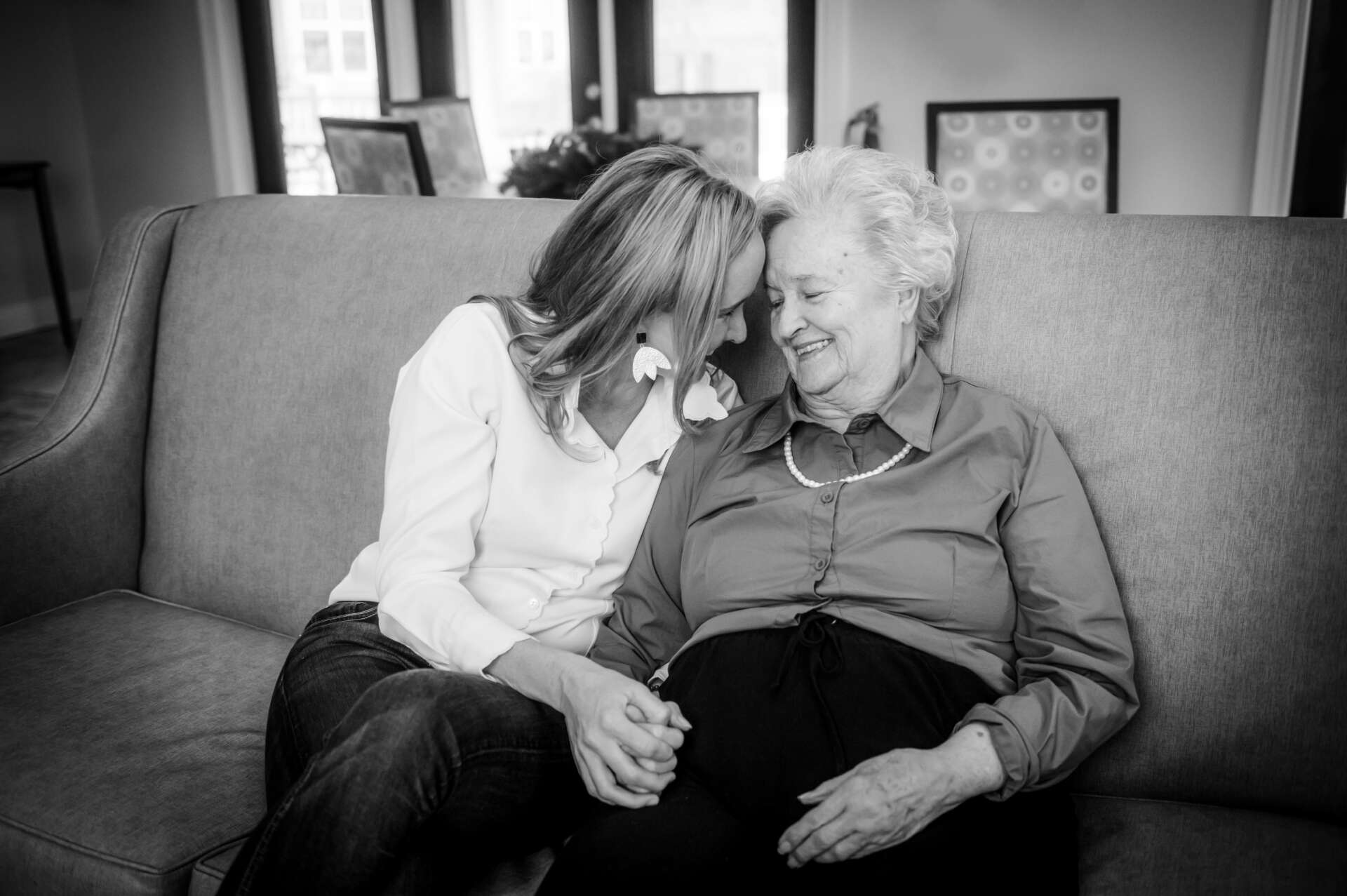
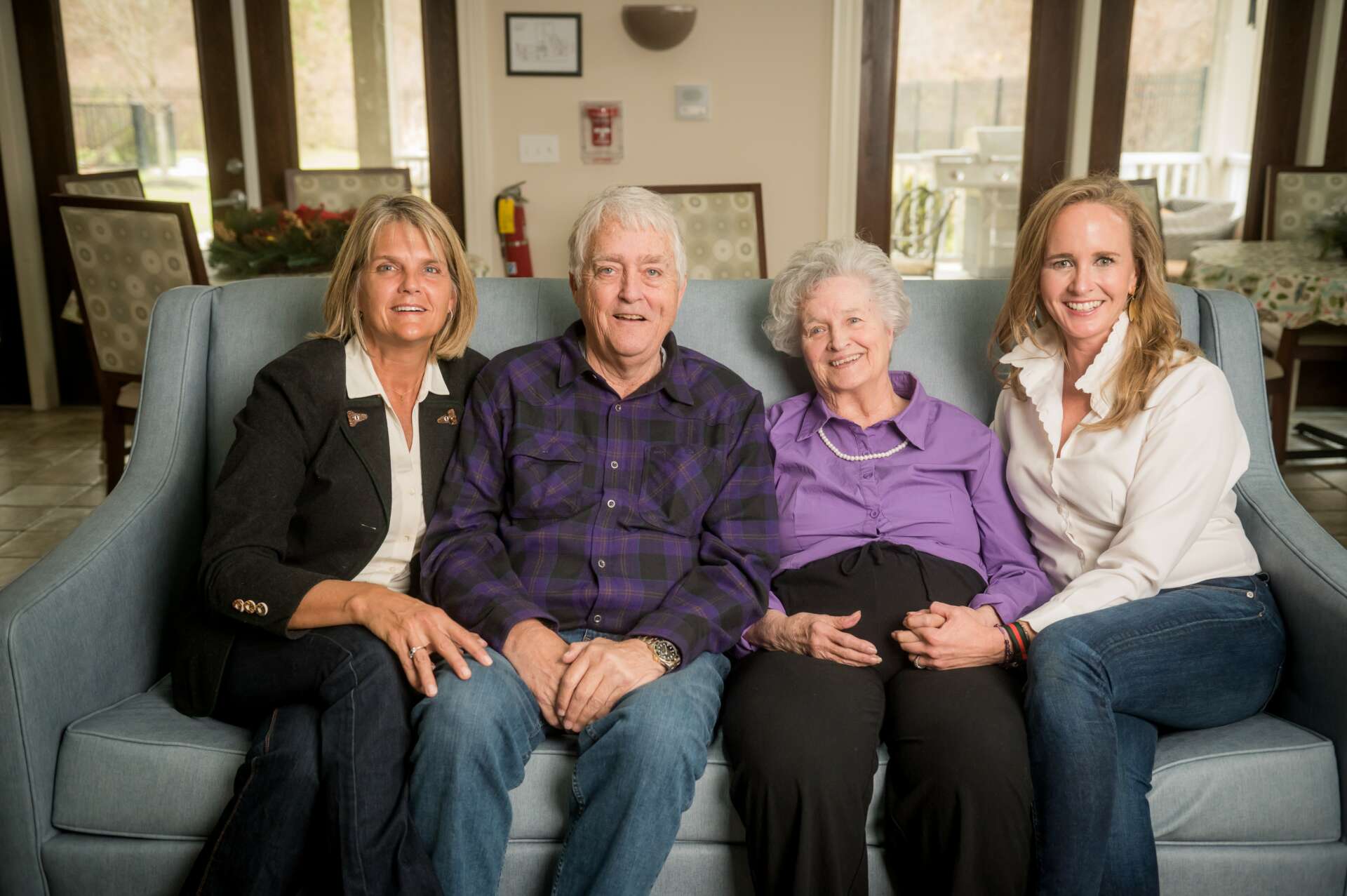
My family was very open about my mom’s Alzheimer’s diagnosis from the very beginning. It has helped my dad find support; their friends and family give my mom comfort, and my siblings and I find our support system. All of this without the added stress of trying to keep everything a secret. We can rely on friends and family openly about our journey. Openness has been life-giving as opposed to life-taking. Therefore, my best advice for individuals when they tell me their loved one was diagnosed with dementia is to be open to others about the struggle. Your openness will bring you support and empowerment, trust me.
Jodie , love having you share your insights with us. Before we ask you more questions, maybe you can take a moment to introduce yourself to our readers who might have missed our earlier conversations?
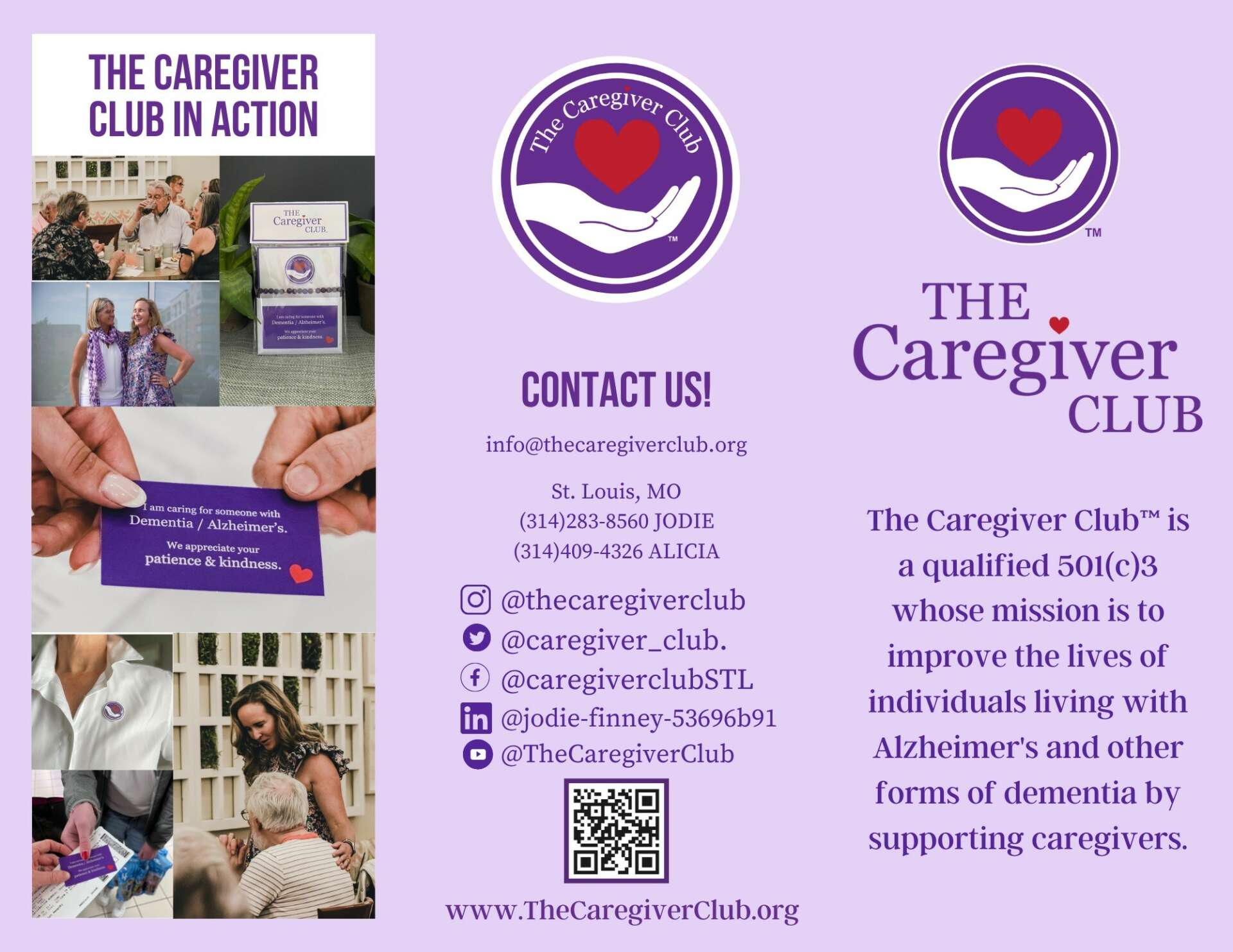
The Caregiver Club™ was established with a simple mission: to improve the lives of individuals living with Alzheimer’s or dementia by supporting their caregivers. As caregivers ourselves, we know first-hand the difficulties caregivers face. In public settings, people with memory loss can appear rude, speak inappropriately, or generally struggle to maintain social norms. This is obviously difficult and stressful to them and those members of the public with whom they interact. Still, the caregiver often carries the majority of the burden and stress. Therefore, we designed and created caregiver cards as a resource to reduce our caregiver stress when out in public with our loved ones. After witnessing successful outings using the cards, we decided to produce them on a larger scale.
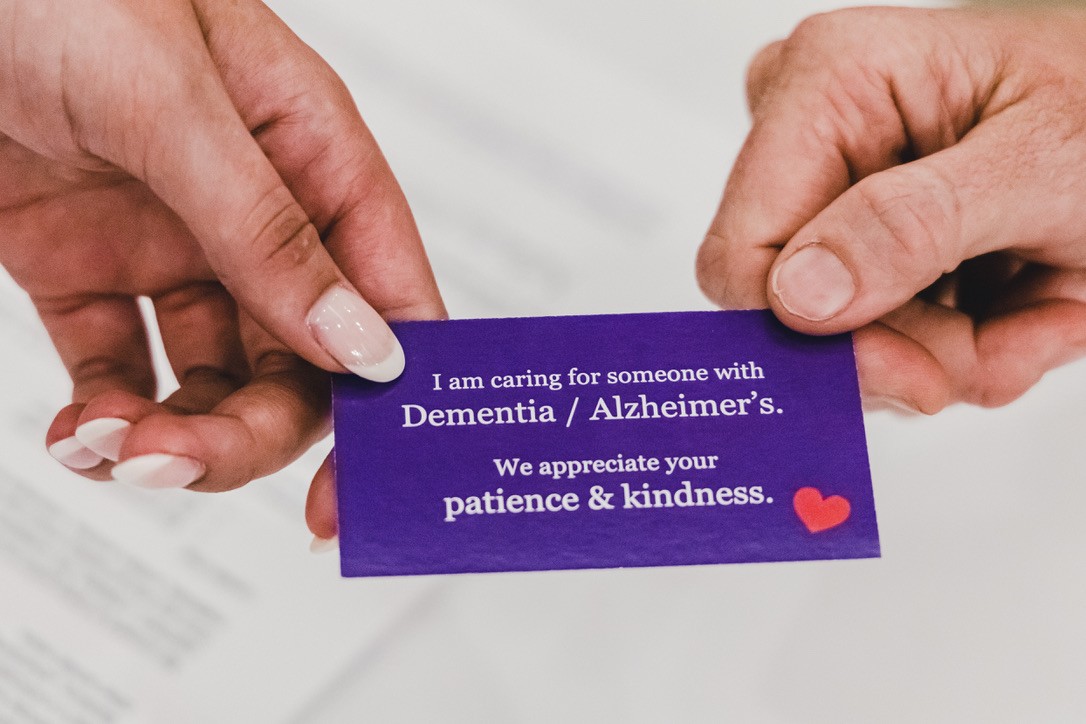
In October of 2021, we standardized caregiver cards and launched this organization. The cards state, “I am caring for someone with dementia/Alzheimer’s. We appreciate your patience & kindness.” Caregivers carry these business-size cards and hand them out while in public. Examples include but are not limited to restaurants, airports, shops, grocery stores, sporting events, churches, etc. These cards educate others and instantly tell the caregiver’s story without having to say a word. We believe that with knowledge comes understanding, and with understanding comes patience and kindness.
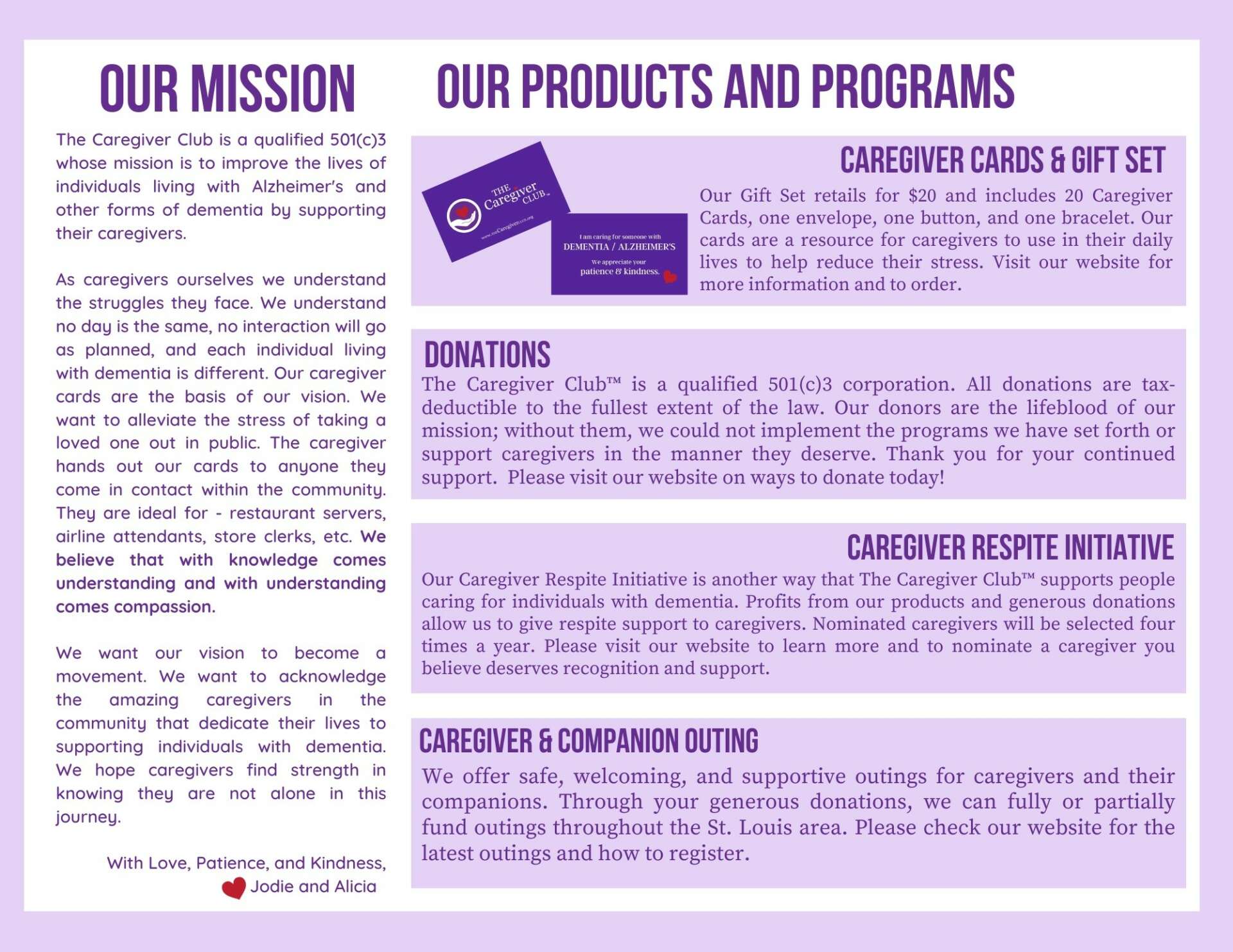
We launched our website with three products on Valentine’s Day 2022. Our main product, the caregiver gift set, sells in local stores and online for $20. The set contains 20 caregiver cards, one magnetic button, and one purple amethyst bracelet. We also sell a 20-card refill pack and three-button pack for $10 each. Our buttons are designed to raise awareness and be worn by the caregiver in public. They are a visual identifier that you are with someone extraordinary. Our bracelets are designed for anyone supporting our cause or honoring a lost loved one.
We received our determination letter in March 2022, and we actively began soliciting donations. After our success with initial fundraising efforts and the through the sale of our products, we developed two main programs: the caregiver respite initiative and our caregiver/companion outings.
Caregivers are nominated for our respite initiative via our website. This is a way to recognize, thank, and support caregivers locally and nationally. Qualified nominees will receive funding for respite care, a gift set, recognition certificate, and a letter of respite ideas and information about how to use our caregiver cards. Caregivers can be paid professionals or unpaid family caregivers. We are not restricting the nominated caregivers by location, economic status, age, race, or religion. The only requirement for eligibility is that the caregiver is caring for someone with Alzheimer’s or another form of dementia. This money will support cleaning the caregiver’s home, making a meal, or providing in-home care as a way to give the caregiver a break from the added stress of daily life. We believe caregiving for somebody with dementia or Alzheimer’s is a 24/7 commitment. It is a taxing job, and we believe this respite initiative helps refresh and uplift a caregiver’s mental and emotional health.
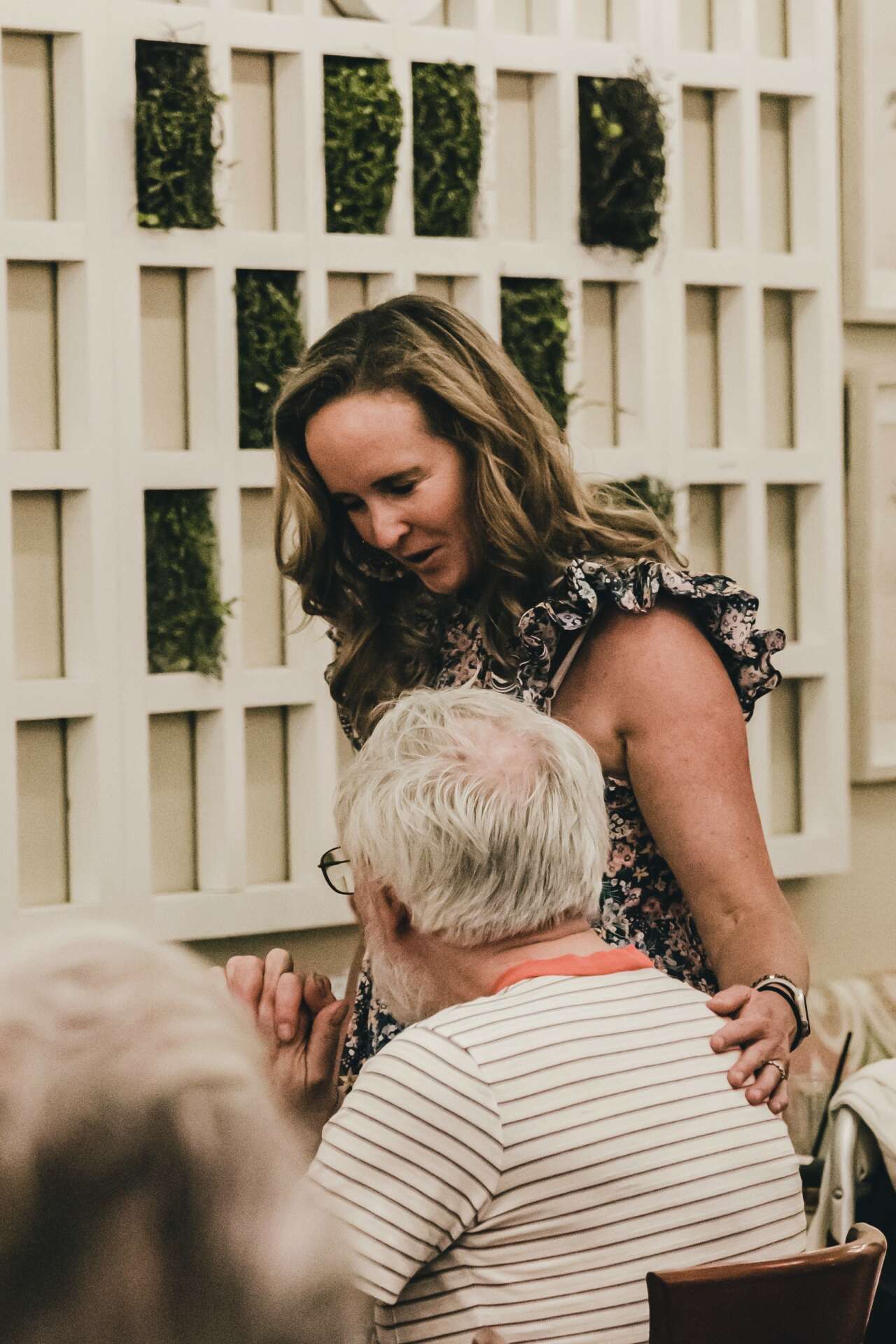
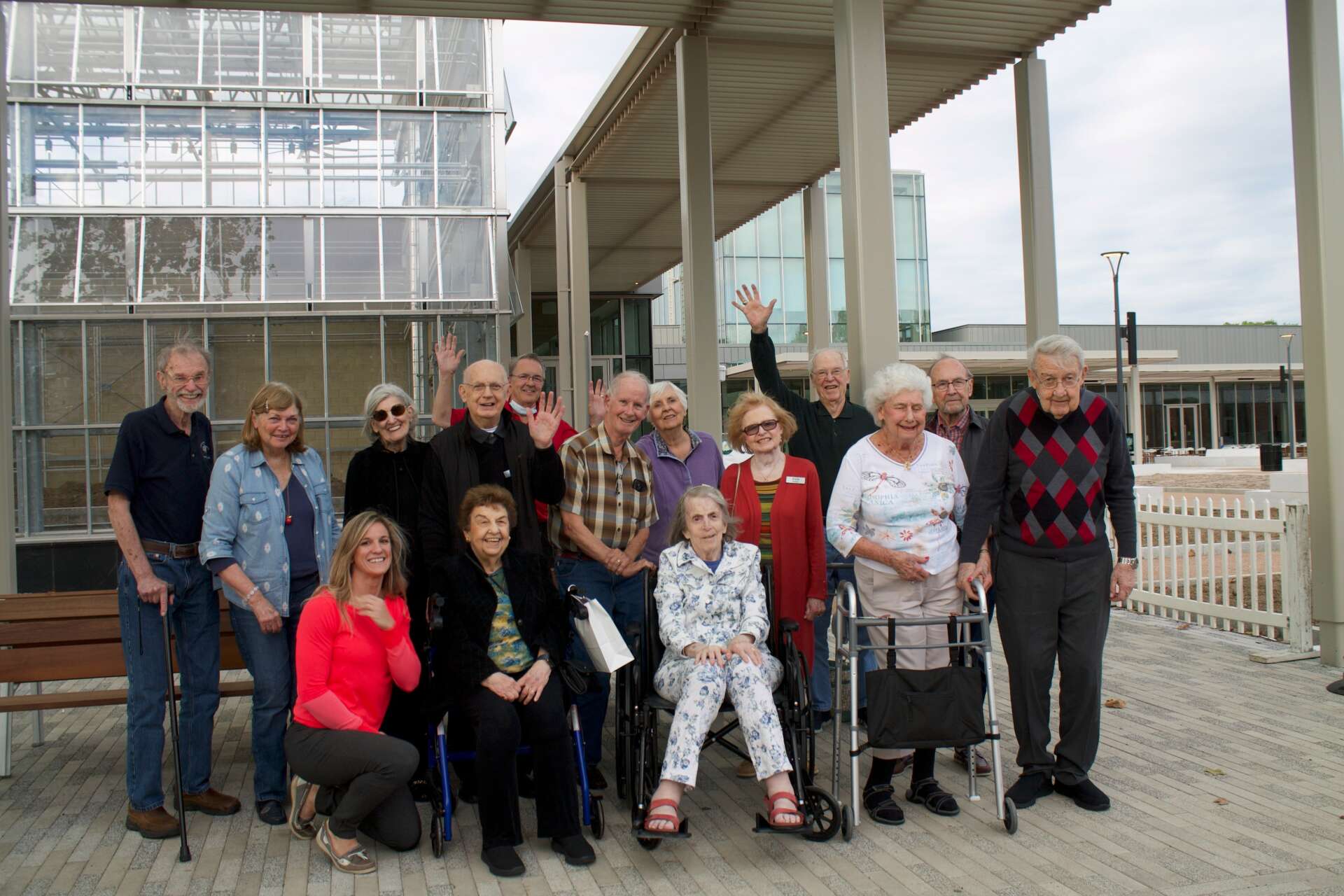
Our caregiver/companion outings are free local St. louis events for caregivers and their companions with dementia. They are The Caregiver Club’s™ version of the traditional support group model. We have designed these events to be a small, supportive environment for both individuals. As a result, caregivers can meet others experiencing caring challenges and enjoy a stress-free outing with their loved one or companion. We have worked with local St. Louis organizations to offer these free events at the Missouri Botanical Gardens, the St. Louis Art Museum, the St. Louis Zoo, and local restaurants.
Can you share a story from your journey that illustrates your resilience?
Yes, let’s go back to 2020. To put a list together of all things “changed” back in 2020 would take longer than you are willing to give me. No matter how many Instagram posts you saw about the good that came from the pandemic, and there was some good; there was also lousy change that is extraordinarily valuable and noteworthy. It is hard to wrap your head around all the changes.
Personally, 2020 asked all of us to change. We were asked to alter our daily habits and reevaluate our viewpoints, level of acceptance, and respect for others’ beliefs. It is easy to blame or point the finger at others and say, you need to change, not me. And if the division in this country says one thing for sure, we ALL need to change. Not one person gets a free pass. No one here is perfect. It is humbling to accept that, but the bravest personal step forward is the willingness to change.
At the end of the summer of 2020, I, well, really, my family had to make a change regarding our mother’s care. It was something back in March 2020 we never predicted, but situations slowly began to rise to the surface, and we needed to make a change.
To quickly catch you up to speed, my mom has Alzheimer’s, and after much deliberation, in March 2020, we decided to move her from home into a memory care facility. Then the pandemic hit and hit big. We navigated summer in a semi-normalized fashion. My family was unable to visit mom in person. We were subject to Facetime visits and the new creation of window visits. I fully comprehend that this population is a high-risk group. I also understood that if there were a positive case in an elderly facility, it would spread like wildfire. Our family very much understood and worked with the facility during these early months of the pandemic. But it was agony not to be able to see my mom. We could tell the lack of socialization and isolation from family was causing a significant decline in mom. It was so hard to be a witness and feel powerless to make any change.
However, things evolved. Science advanced, testing advanced, and knowledge of the disease advanced. Thus, giving rise to the “changers” and the “non-changers.” We saw it everywhere in our communities. Some schools thought outside the box and reimagined education; small businesses were willing to change their revenue model; there was evidence of active change happening everywhere. Elderly facilities were changing all over the country; these companies were rethinking how to keep their residents safe, employees safe, and still have families stay united.
Our family had a first-hand experience of this inability to change when it came to our mother’s memory care facility. It’s a long story, much longer than you all care to read now. But it boiled down to the facility’s lack of forethought, inability to think outside the box, and reimagine how family visits looked.
A side note that everyone needs to understand about individuals with dementia is they did not know we were in a pandemic. They didn’t wear masks because they had no idea why they would ever need that. They didn’t understand social distance because a global pandemic made no sense. Even if you told them they didn’t remember. Additionally, their disease affects their brain in such a way that they react on a more emotional level. They will be happy if you are happy, they will feel loved when you are physically close to them, and they can feed off the joy in a room. Because mentally, they don’t have the higher executive functioning they once did. Thus, an in-person visit means even more to them than to other mentally sound people their same age.
At the time, the facilities staff came and went, leading everyday lives outside of work and then walking back in to hold my mom’s hand, dress her, and sit next to her as she did her puzzles with nothing more than a temp check and a questionnaire. Meanwhile, family members were willing to take rapid tests, quarantine, wear full PPE, and stand on their heads to have even 15 mins across a table with their loved ones. Yet, there was no willingness to change. The facility needed to recognize that an employee’s level of COVID exposure and family members’ level of exposure were similar. This was not the case.
I started to make calls to other facilities in the area only to realize that companies within my community weighed the risk and thought outside the box while keeping their staff and residents safe. We had meetings with mom’s original facility. I wrote emails to government officials. After family discussions and looking at the current state of the pandemic and the winter months ahead, we decided to move her. We made a change.
One significant aspect of being able to make a change is just “being able.” We often think we are too old to change, don’t have the experience to change, or are too nervous about making the switch. We are uncomfortable being out of our comfort zone. Other times we are too untrustworthy of others, we can’t critically think of the situation we are faced with, or we can’t think outside the box for different avenues. There are many “what ifs,” so many – should’ve, could’ve, would’ve. What sets the changers apart from the non-changers? It’s their ability to “be able.”
Being able to sit with our mother during the final months of her working memory was our guiding light. We, as a family, needed our personal interaction with her. We used research to help guide our decision to move mom. We had family discussions, tried working with the original facility, and expressed concerns to government officials. But we were also willing to risk that mom could decline further with a transfer and that she may not get along with the other residents and staff. There were doctor changes and moving logistics to handle. But, in the end, it was a change, and we made it.
As a 43-year-old female, I have to consider this situation a learning moment. I must understand that as I go down this journey of life, I need to remember to be able. Whether I am 80 and need to give up driving or I am 65 and realize the house I loved for so many years is too much. Or maybe the next time a global pandemic sweeps the earth, I will be able to adapt, change, and grow with whatever is needed. May I always remember that being able doesn’t mean being perfect; it means being human.
Training and knowledge matter of course, but beyond that what do you think matters most in terms of succeeding in your field?
I think one of the essential skills for working with the elderly is patience. I hold a Doctorate in Physical Therapy and have worked with adults in acute care and rehab settings for over 15 years. I love older adults. They have history and charm. They have lived through experiences we can learn from and can bring laughter, joy, and a sense of reason, to seemingly challenging events. But they also are stuck in their ways, stubborn, angry, and fearful. They are navigating the final journey in their life on earth, which is a lot to digest. And as caregivers, we need to have patience with them as they move through this portion of life.
It would help if you had the patience for all of it. You need the patience to understand these individuals’ personal stories and to really listen to who they are and where they came from. It would help if you had the patience to work with their quirky personalities and idiosyncrasies. But the joy and knowledge you can gain for this population can be instrumental in your own personal journey. I know it has for me.
It has shown me what kind of older adult I want to be. It has shown me what it means to age gracefully. It has given me a road map as a parent, business women, practitioner, female, wife, sister, daughter, and mother. It has challenged my level of patience and offered me tremendous growth as a human, for which I am forever grateful.
Contact Info:
- Website: www.thecaregiverclub.org
- Instagram: https://www.instagram.com/thecaregiverclub/
- Facebook: https://www.facebook.com/thecaregiverclubSTL
- Linkedin: https://www.linkedin.com/in/jodie-finney-53696b91/
- Twitter: https://twitter.com/caregiver_club
Image Credits
Ray Glaser