

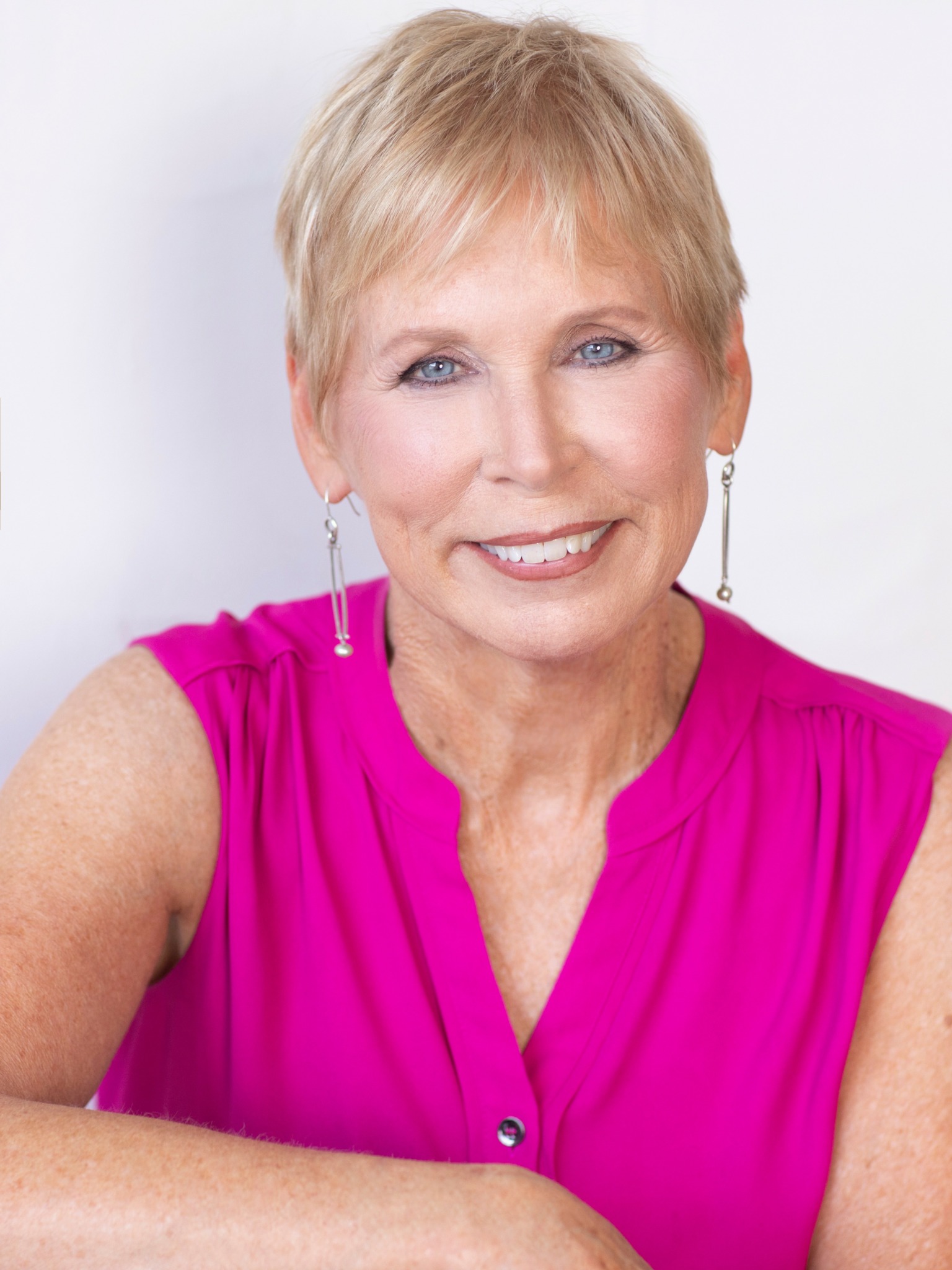

We’re excited to introduce you to the always interesting and insightful Joan Fernandez. We hope you’ll enjoy our conversation with Joan below.
Joan , thanks for joining us, excited to have you contributing your stories and insights. Can you open up about a risk you’ve taken – what it was like taking that risk, why you took the risk and how it turned out?
At the end of 2017 I decided to leave a 30-year workaholic corporate career in marketing. Built across decades in male-dominated industries—and as a single parent through a third of that time—a decade before, I’d finally arrived. Named a coveted general partner of the firm. I was proud of what I had accomplished and the team I had built but, over time, I began to feel marginalized, pressured into taking smaller roles and scolded into a smaller voice to get in line. I was comfortable, privileged. But to me the cost gradually became feeling “less-than” — less valued, less worthy, taking up space. Not making a difference.
Earlier that year, at a lunch with sister colleagues, we’d been kidding around on what would be on our tombstones. You know, things like “No more PowerPoints!” or “I told you I was sick!” Then we went around the table with personal statements, and when my turn came up, I said, “Here lies Joan. She always said she’d write a book, and she never did!” Everyone laughed, except I felt a sudden kick in my gut, right under my ribs. I doubled over, overwhelmed with the thought, “OMG, what if I never write a book?” It was a promise I used to tell myself, dating back to being in college as an English major. Buried and forgotten underneath the demands of kids and bills and career. The next thought, “Well, this book is not going to write itself.” That day after work, I traded my corporate life for an armload of writing magazines from Barnes & Noble. To make sure I stuck with it, I subscribed to everything I could find. Month after month, the magazines became my new curriculum, teaching me a new vocabulary and introducing me to the “strange creative creatures” of the literary world. My first writers’ retreat was a revelation, a place where I finally heard the echo of “corporatespeak” in my own voice. It was a slow but steady journey into a new identity.
Nine months later, at 59, I walked away. It was a leap of faith to find my voice and begin again, and I had no idea of the wonderful challenges and rewards that lay ahead.
Great, appreciate you sharing that with us. Before we ask you to share more of your insights, can you take a moment to introduce yourself and how you got to where you are today to our readers.
My 30-year marketing career, which ended with me as a general partner, gave me invaluable experience. I learned to lead teams, speak confidently in public, and thrive on turning ambiguous, murky ideas into actionable plans. I also brought a knack for brilliant creative sessions.
When I left the corporate world to become an author, I was a rookie in the craft, but I still had my corporate-earned critical thinking skills. I put them to use by giving back to the writing community. For example, I founded a historical fiction affinity group within the Women’s Fiction Writers Association. After a small group of people responded to a Facebook post, I led its growth from a half-dozen members to nearly two hundred in just two years, all through word-of-mouth.
As a result, I am now leaning into public speaking and workshops. I offer three: 1) a signature talk (about my book’s true life character Jo van Gogh, called “Jo van Gogh Bonger: The Woman Who Would Not Let Van Gogh Die Twice”) to libraries, museums, book clubs, and art centers; 2) an ethics workshop (“How to Portray the Past Truthfully without Harm”), which I’ve done as an author panel at conferences and is also ideal for writers, educators, historians, and reading groups; and 3) a motivational session (“Jumpstart Your Art: Reignite Your Creative Dreams”), which has been give to the Historical Novel Society and fits well with creative retreats, writing groups, and arts nonprofits. In this session I also include the ten steps for creating a dynamic, thriving affinity group.
I enjoy speaking and the give-and-take of exploring ideas with others and am comfortable in person and via Zoom.. A recent testimonial: “Brava! That was an outstanding presentation, Joan! You truly captivated the audience, they were engaged to the last minute (great job with the timing by the way). I don’t know if you saw all the ‘love’ and ‘applause’ emoji’s from participants. Thank you so much for taking the time to prepare the visuals and sharing your knowledge and genuine enthusiasm with us.”—Sylvia Edwards Davis, Culture Editor, France Media
Let’s talk about resilience next – do you have a story you can share with us?
At the end of 2017, I retired and leaped into the world of writing. I took courses, hired a book coach, and joined professional organizations. I researched relentlessly, traveling to Europe to retrace Van Gogh’s footsteps and meeting with researchers at the Van Gogh Museum. I wrote and revised, hired an editor, and paid for a full manuscript evaluation. Two years after I began, I had a beautiful, complete manuscript ready to pitch to agents. But then, disaster struck.
A new biography was published about Jo van Gogh, the heroine of my historical novel. The problem was that I had used creative imagination to fill the gaps in my research, as is common in historical fiction. Now, with the new book, those gaps were filled with facts. In today’s culture, where readers can easily Google information, I worried that if they discovered I had fictionalized key parts of the story, it would discredit the entire book. My goal was always to honor Jo van Gogh’s legacy. So, I made a difficult decision: I put the manuscript in a drawer and started over.
The 3-inch-thick biography, published by the Van Gogh Museum, was the key to my revisions. The only problem? It was in Dutch, a language I don’t speak. I contacted the museum and they said an English version was planned, but with the pandemic halting production in 2020, there was no telling when it would be released.
I was stuck. A few days later, I shared my problem in a writers’ group. Another author connected me with a teacher in the Netherlands who was out of work due to COVID and fluent in English. We arranged for her to translate ten pages a week from the biography—just the chapters I needed.
Over four months, she sent me pages, and I compiled the facts—the who, what, when, and where—into a 50-page Excel document. By the time she finished, I had all the missing information I needed to start again. The second manuscript was completely different, with only the final chapter surviving from the original.
Fortified with this new research, I began writing again in the winter of 2021, not knowing another delay was coming. This time, it was personal. In June, my mom’s persistent stomach ache turned out to be Stage 4 pancreatic cancer. I dropped everything to care for her, a decision I will never regret. Six weeks later, she was gone.
I took on the role of executor for her estate, planning memorials and dispersing her personal items. That fall, I was diagnosed with breast cancer. I started treatment, which was ultimately successful. I would resume writing and revising and finally finish the manuscript in the spring of 2023. It would be another two years before my book was published, and I’m grateful for the long and winding journey.
How can we best help foster a strong, supportive environment for artists and creatives?
First of all, the current political climate, with its challenges to creative expression through book bans and censorship, needs to be resisted by everyone—not just creators. We can all support the arts with our consumer dollars by shopping at independent bookstores and attending local artist festivals. Showing up matters.
Secondly, the future of creative work has already shifted toward the platform economy, and it’s important for both creators and consumers to understand how it works. I post a weekly essay via the Substack platform. While I haven’t leveraged all the possibilities myself, here are some of its core characteristics:
– Digital Dominance: Digital platforms are now the primary gateway for discovering and consuming books. They offer a vast library of content in various formats, like audiobooks and serialized fiction.
– Direct Author-to-Reader Relationships: A book’s biggest driver of success is often an author’s fan base. Platforms enable writers to build and manage this fan base without relying on traditional publishers. This includes self-publishing, subscription models, and direct sales.
– The Power of Data: Platforms use data to personalize recommendations and identify trends. This is a double-edged sword: it helps readers find books in a sea of options, and it helps creators get discovered.
– Focus on Curation and Discoverability: Platforms add value by helping readers discover new content. The more effectively a platform can curate its offerings, the more useful it becomes.
– New Content and Formats: The rise of audiobooks, podcasts, and other new formats allows consumers to fit creative consumption into their busy lifestyles. Platforms can also facilitate interactive, immersive, and serialized content.
– New Revenue Streams: The platform economy opens up new revenue opportunities for writers beyond traditional sales. This includes subscription fees, direct sales, fan support (like on Patreon), and premium access features.
The pace of change in this world is breathtaking, and it’s clear the future is here. While traditional systems like bestseller lists may be slow to adapt, our marketplace has plenty of room for all approaches. The more we support creators with training, access, and resources on these new platforms, the better it will be for everyone.
Contact Info:
- Website: https://www.joanfernandezauthor.com
- Instagram: https://www.instagram.com/joanfernandezauthor/
- Facebook: https://www.facebook.com/joanferndzauthor
- Linkedin: https://www.linkedin.com/in/joan-fernandez/
- Other: Goodreads: https://www.goodreads.com/author/show/50734925.Joan_Fernandez Simon & Schuster: https://www.simonandschuster.com/books/Saving-Vincent/Joan-Fernandez/9781647428709
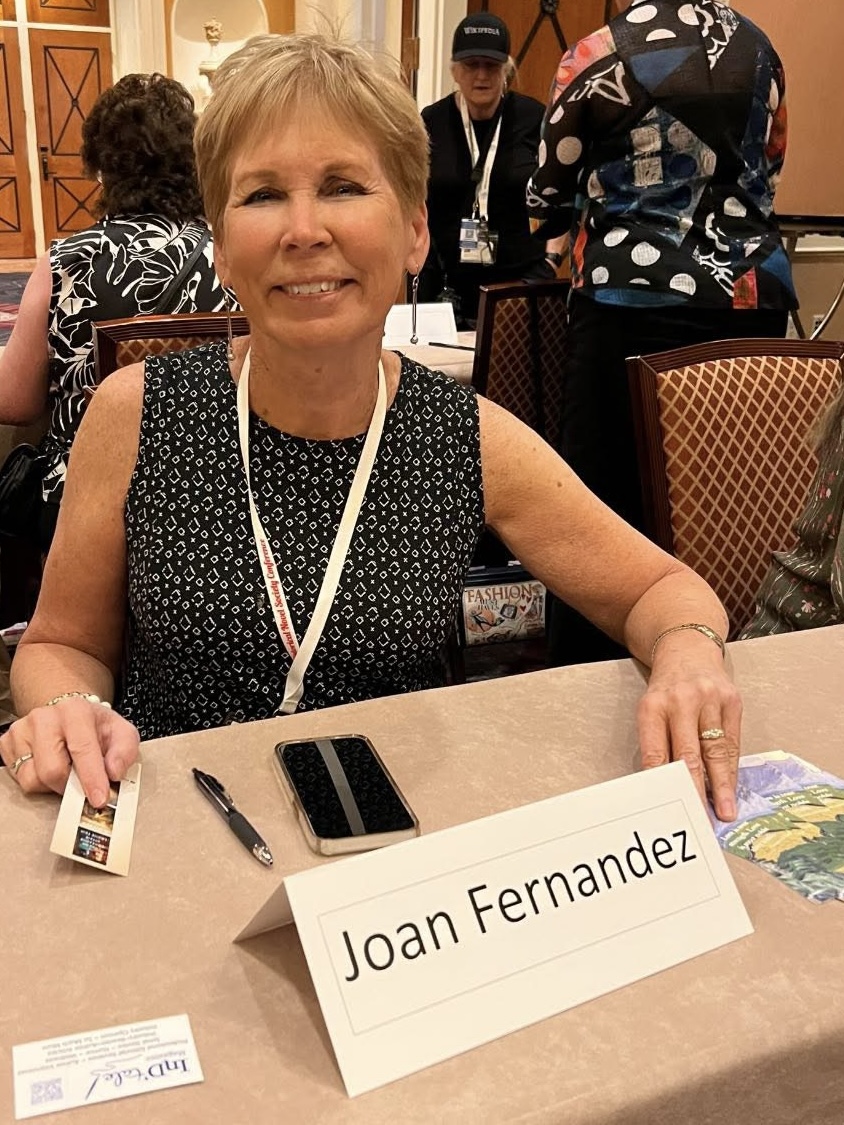
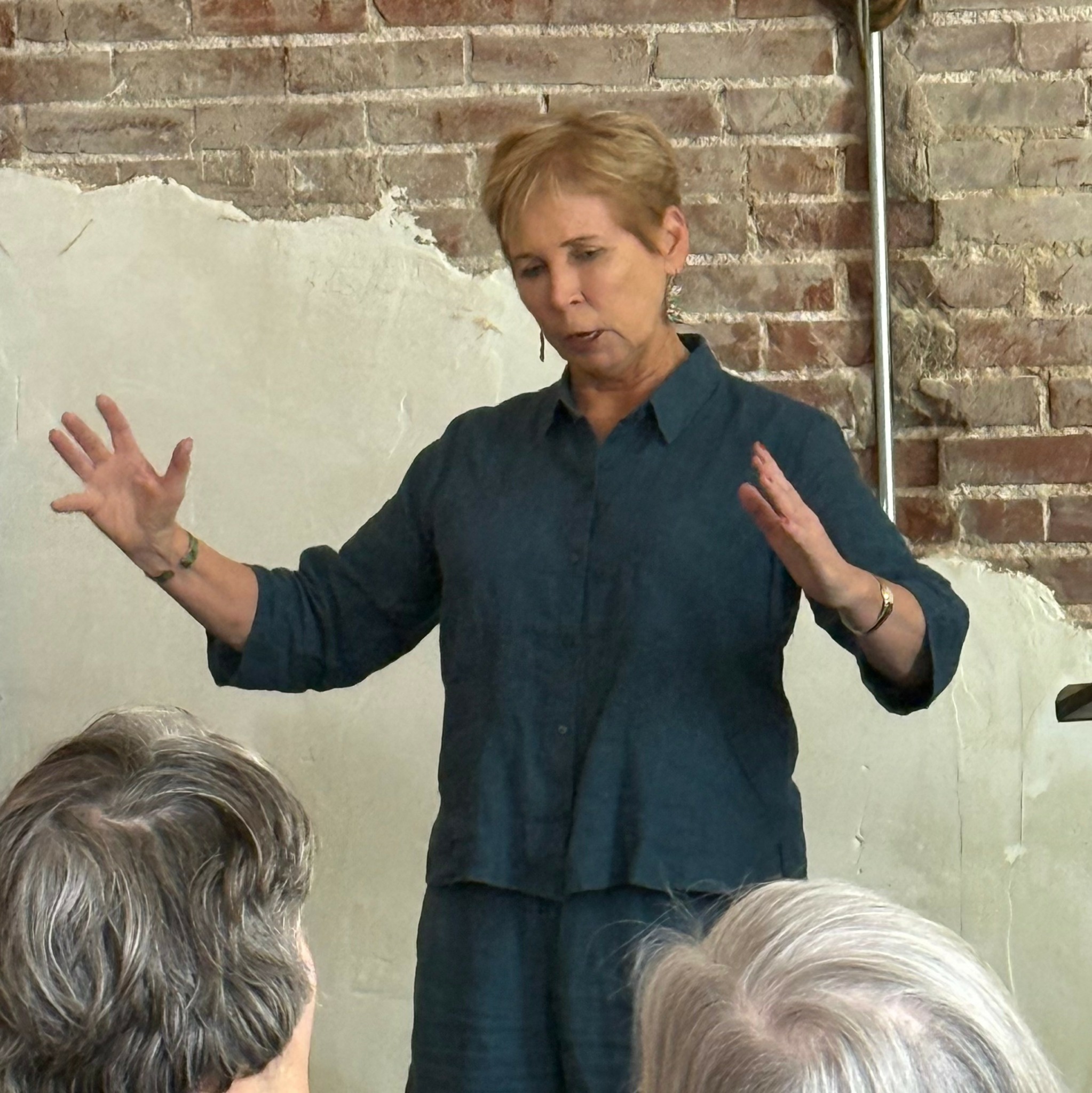
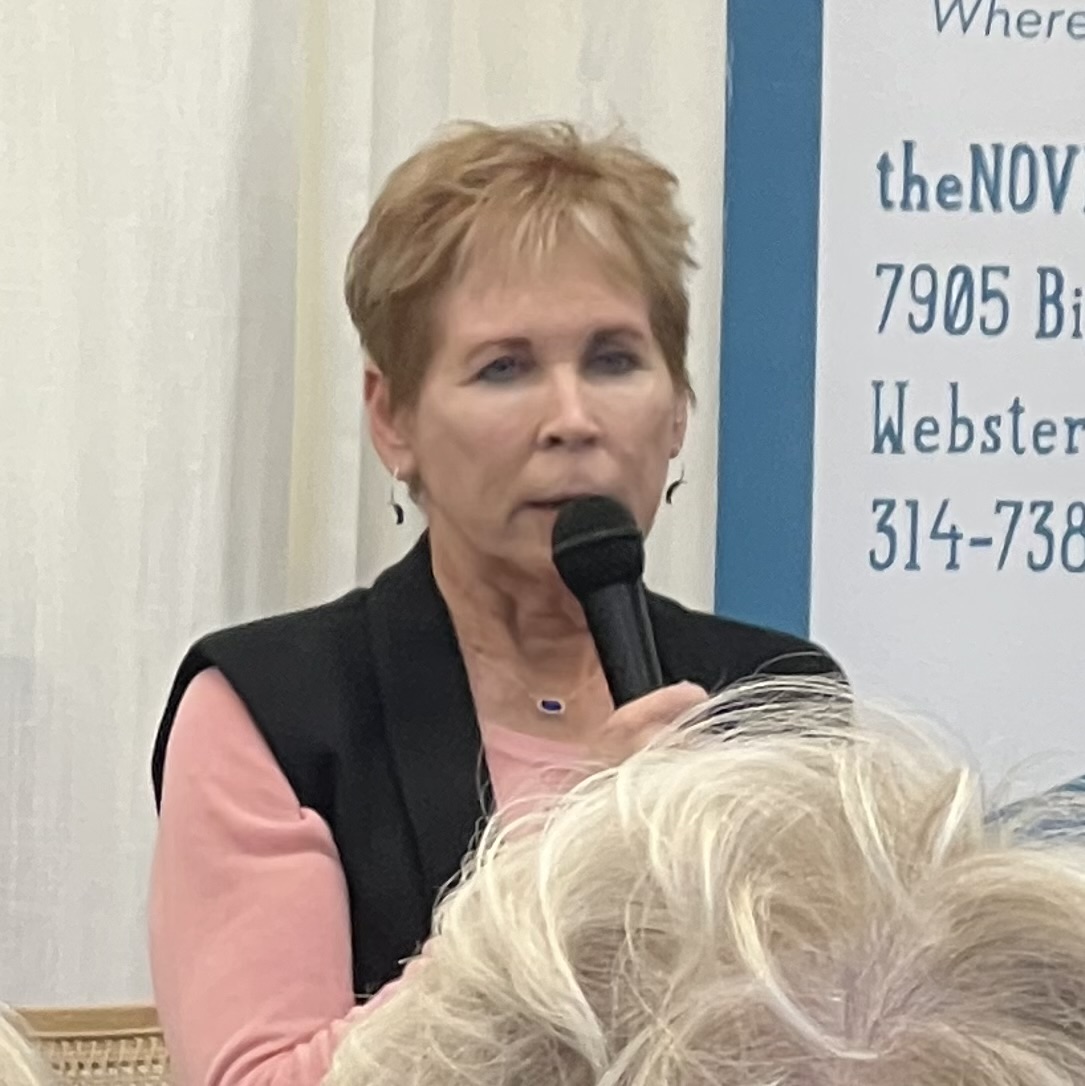
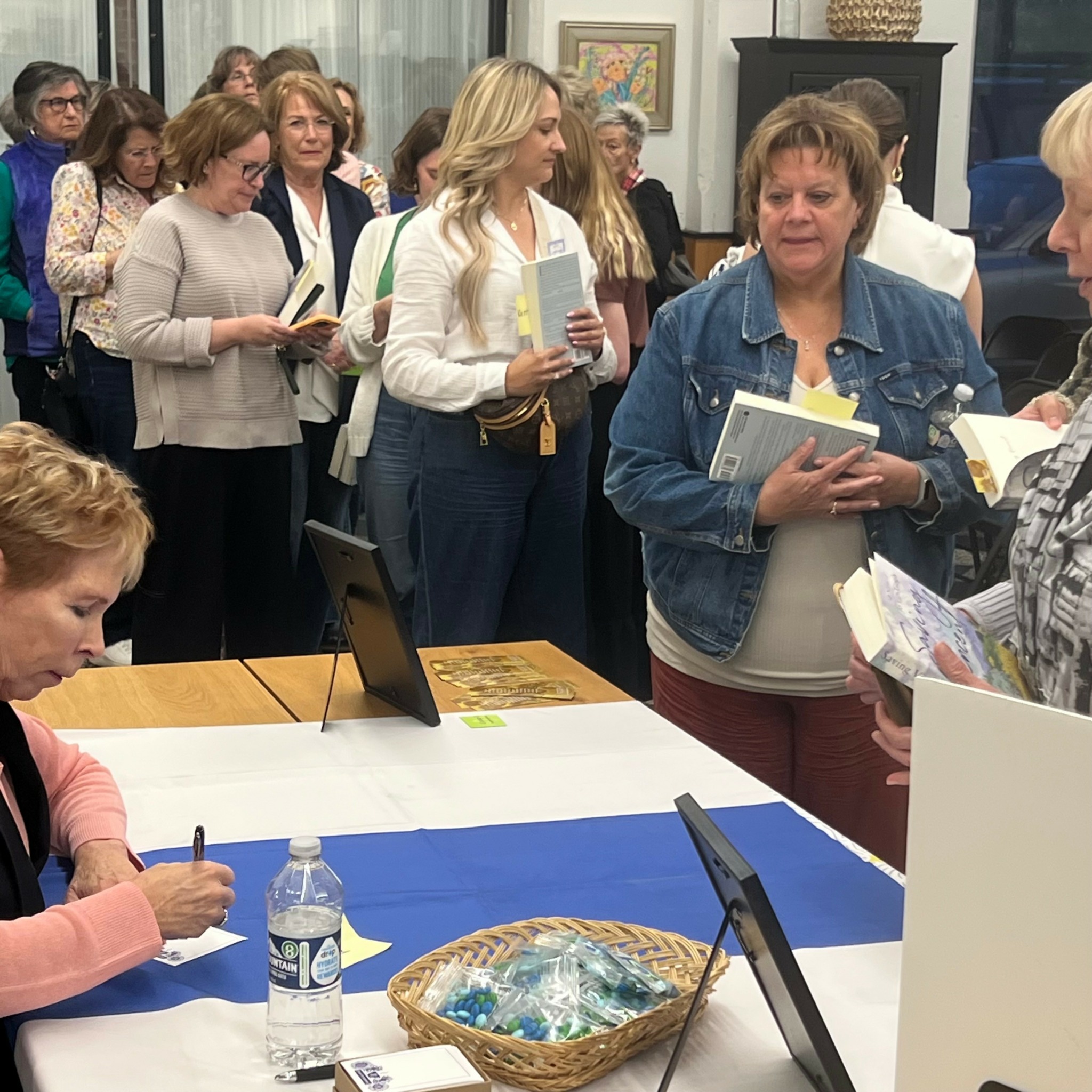
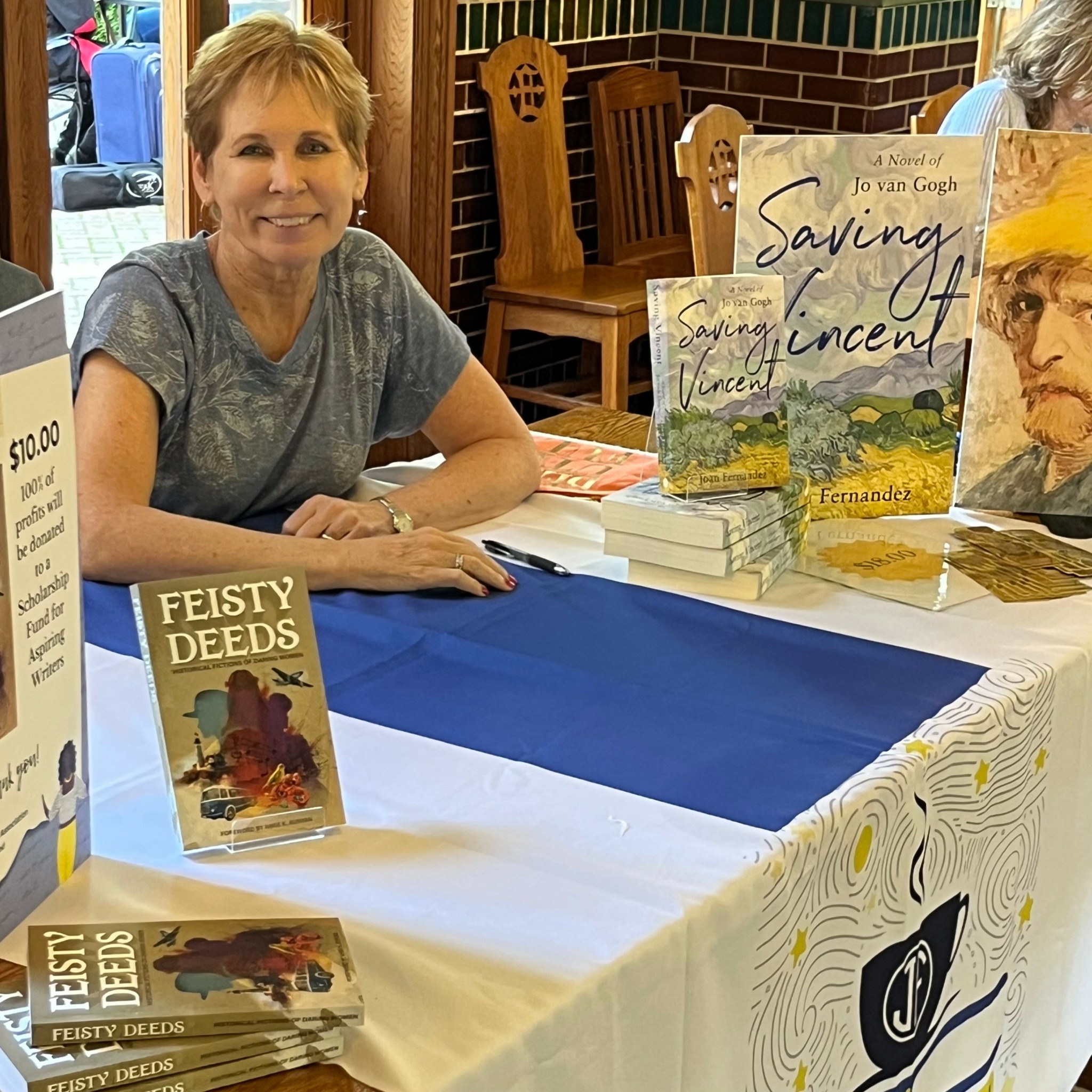
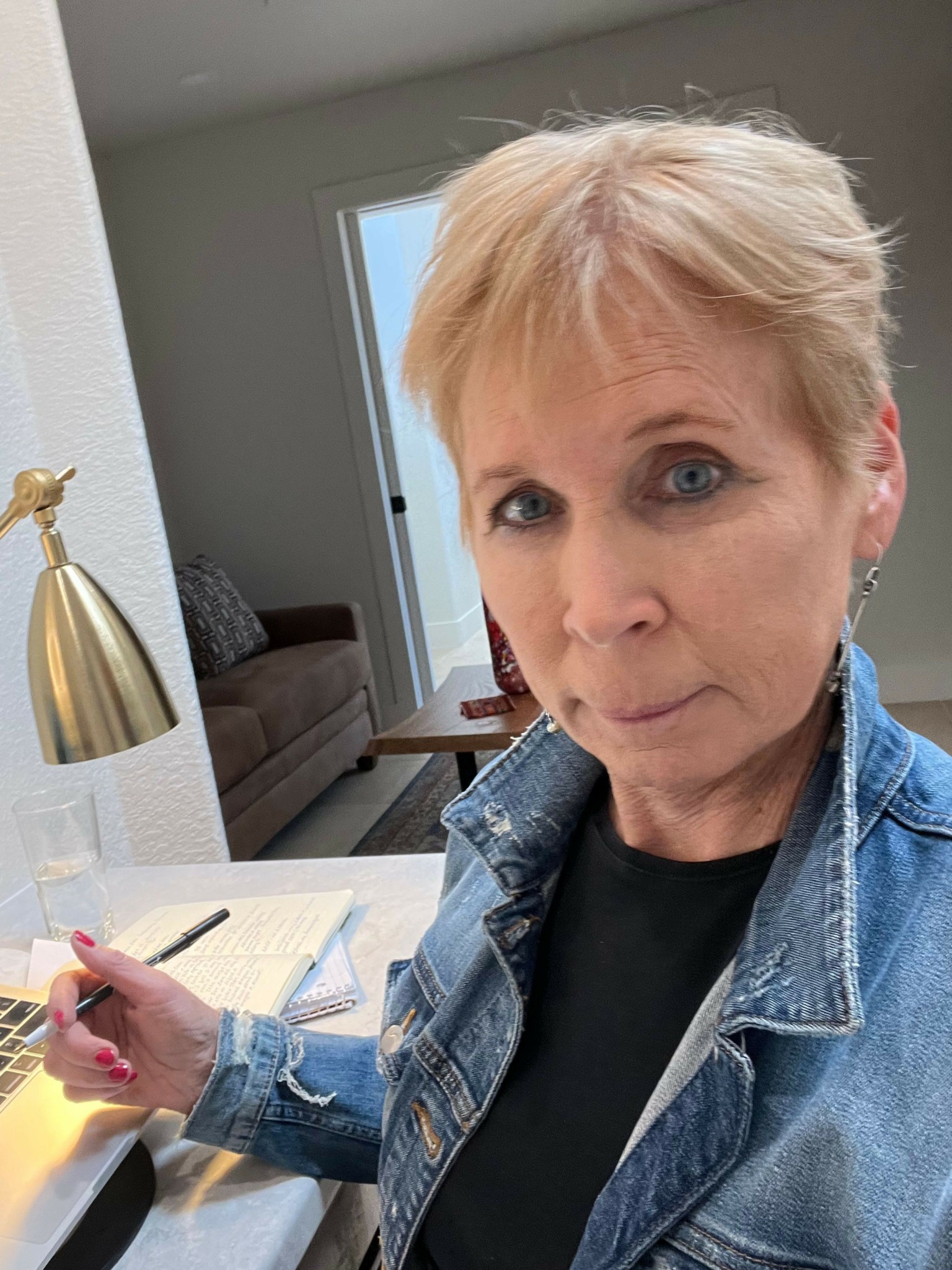
Image Credits
Jennifer Korman Photography